Why is the Selection of Monocrystalline in Solar Panels Critical?
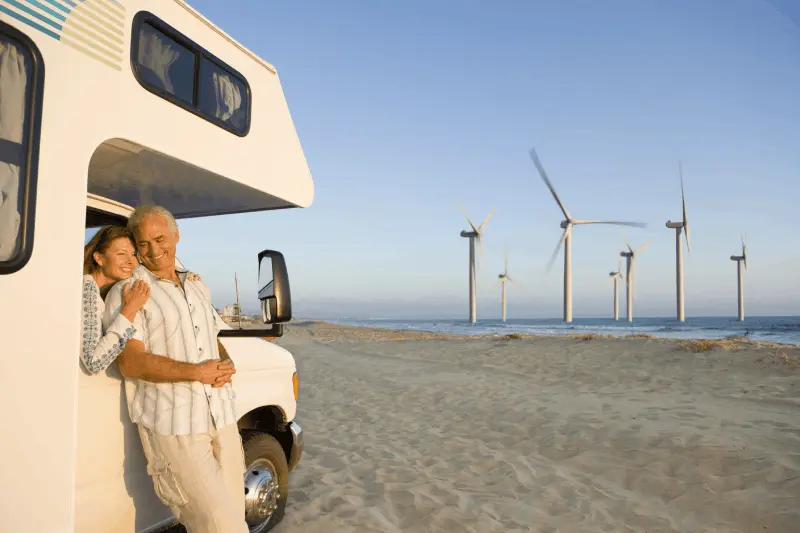
Solar panel selection is a fundamental pillar of a caravan's energy independence. Monocrystalline panels have higher efficiency rates compared to their polycrystalline alternatives. Especially in caravans with limited roof space, maximizing the amount of energy obtained per square meter reduces the ecological footprint. These panels perform better even in low light conditions, eliminating the need to use a generator or to keep the engine running to charge the battery. Their longer lifespan contributes to sustainability by reducing the amount of waste generated over time.
How Do Smart MPPT Charge Controllers Prevent Energy Loss?
In a solar energy system, not only the quality of the panel matters, but also how the energy is transferred to the battery. MPPT (Maximum Power Point Tracking) devices experience almost no energy loss while converting the voltage from the solar panel to the voltage required by the batteries. They provide up to 30% more efficiency compared to classic PWM devices. This increase in efficiency allows you to generate more energy with fewer panels. Efficiently using every drop of energy ensures that electrical devices in the caravan operate more stably, extending their lifespan and preventing unnecessary technological waste.
Why are Lithium Iron Phosphate (LiFePO4) Batteries More Eco-Friendly?
Unlike traditional lead-acid or gel batteries, LiFePO4 batteries have a much deeper discharge cycle and a longer lifespan. A lithium battery can offer 10 times more charge-discharge cycles than a lead-acid battery. This means you won't need a new battery for 10 years. Additionally, the chemicals they contain are less harmful to the environment, and their recycling processes are easier. Their lightweight nature contributes directly to fuel savings by reducing the total weight of the caravan. Long-term use and efficiency make them the most ecological option.
How Should Grey Water Filtration Systems be Designed in Caravans?
Grey water from the kitchen sink and shower can harm the environment if not managed properly. Adding activated carbon or natural fiber filters to the pipes leading to the grey water tank in an ecological caravan significantly removes soap and grease residues from the water. This filtration system reduces the risk of damaging the soil in emergencies where the water needs to be discharged into the environment (within legal limits). However, the most ideal method is to store the water that passes through these filters and use it for secondary purposes like toilet flushing. This creates a cyclical system that reduces water consumption by 40%.
How Does Using a Compost Toilet Preserve Natural Balance?
Chemical toilets require heavy chemicals to break down waste and prevent odors, and the disposal of these wastes creates a significant environmental burden. Compost toilets initiate a natural fertilization process by separating waste into solid and liquid. This process, made using sawdust or coconut fiber, reduces water consumption to zero. By preventing chemical pollution and converting waste into a form that can return to the soil, compost toilets are the gold standard of ecological caravanning. Odor issues can be completely eliminated with proper ventilation fans.
How Does Mushroom Insulation Minimize Heat Loss?
Caravan insulation typically uses synthetic foams or stone wool. However, mushroom insulation (mushroom boards), a sustainable alternative, is a completely natural and renewable resource. Mushroom is an excellent thermal and sound insulator. By preserving the internal warmth of the caravan, it reduces the need for air conditioning in summer and heating in winter. This directly translates to energy savings. Additionally, mushroom boards have a breathable structure, preventing moisture and mold formation inside the caravan, thus extending the lifespan of the vehicle and protecting the user's health.
How Do Water-Saving Aerator Faucets Reduce Consumption?
The water tank in a caravan is limited, and every drop counts. Aerator faucets mix air with water, increasing the volume of water while reducing the amount. This allows for up to 50% water savings when washing hands or dishes. In an ecological caravan, such simple mechanical solutions also save electricity by ensuring the pump operates less. Using less water means you need smaller grey water tanks and visit water filling points less often, which reduces your logistical carbon footprint.
Why is Choosing Biodegradable Soap and Shampoo Essential?
No matter how well the water coming out of the caravan is filtered, the chemical content of the products used is crucial for nature. Traditional cleaners contain phosphates, sulfates, and synthetic fragrances; when they mix with water sources, they harm aquatic life. Using 100% biodegradable, plant-based, and paraben-free soaps makes your caravan's presence in nature harmless. These products are often sold in concentrated form, reducing plastic packaging waste as well. Knowing that the water you use to wash your hands or dishes while camping in nature does not poison the soil is essential for ecological awareness.
How Do Reflective Paints Applied to the Caravan Roof Affect Heat?
Caravans typically have metal or fiberglass bodies, which absorb sunlight very quickly. High-reflectivity paints (ceramic additive or special white) applied to the roof reflect more than 80% of the sun's rays.
This "cool roof" technology can reduce the internal temperature of the caravan by 5-8 degrees under the sun. This cooling dramatically reduces the usage time of electric fans or air conditioning. The decrease in energy consumption helps maintain battery health and supports the efficiency of solar panels. Being a completely passive cooling method makes it quite environmentally friendly.How Do Low Voltage LED Lighting Systems Reduce Carbon Footprint?
Lighting is one of the highest energy-consuming items in the caravan during the evenings. Old type halogen bulbs emit most of their energy as heat and draw too much current. The new generation, high-lumen 12V LED systems provide high illumination with very low wattage values. This helps the batteries to be less drained overnight and allows the solar system to start the next day with a fuller charge. Additionally, since LEDs can last up to 50,000 hours, you won't need to replace bulbs frequently, minimizing resource usage.
How Do Induction Cooktops Eliminate Gas Consumption?
Traditional caravans use LPG or butane gas for cooking. These gases are fossil fuels and emit carbon dioxide during combustion. If you have a powerful solar energy and lithium battery system, using a single-burner induction cooktop allows you to cook with completely clean energy. Induction cooktops minimize energy loss since they only heat the pot, and they do not unnecessarily heat the inside of the caravan. They are both safe and ecological as they eliminate the risk of transporting gas cylinders and the danger of carbon monoxide.
Is Vertical Gardening Possible in a Caravan?
For an ecological camper, growing your own food on a small scale is a great step. Plants like mint, oregano, and basil can be grown in small vertical pots that can be hung on the inside of the caravan door or the edge of the kitchen window. These plants absorb carbon dioxide inside the caravan and produce oxygen, adding fresh and chemical-free flavors to your meals. Additionally, by growing your own herbs, you will reduce the amount of plastic packaging waste from buying packaged herbs from the store. A small "green corner" inside the caravan acts as a natural air purifier.
Are Textiles Made from Recycled Plastics Comfortable?
The preferred material type for curtains, cushion covers, and bed linens inside the caravan determines your ecological value. Fabrics made from plastics collected from the oceans or recycled PET materials are quite soft and durable today. By choosing these textiles, you can contribute to reducing the pollution created by the textile industry. Additionally, natural materials like bamboo fiber or organic cotton provide high breathability, preventing sweating and enhancing comfort in the caravan while symbolizing your respect for nature.
Do Thermal Insulated Curtains Save Energy?
Caravan windows are the weakest points of insulation. While warm air escapes through the windows in winter, the sunlight turns the windows into radiators in summer. Thermal lined or honeycomb curtains create an air gap between the glass and the interior, acting as a barrier. This simple solution can reduce heating and cooling costs by 20-30%. Providing energy protection through a passive method is one of the most aesthetic and practical ways to increase the ecological efficiency of the caravan.
How to Set Up a Zero Waste Kitchen Arrangement in a Caravan?
Waste management is challenging in a caravan due to limited space. For an ecological kitchen arrangement, single-use products should be completely avoided. Instead of paper towels, washable cloths should be used, and instead of plastic wrap, beeswax wraps or silicone lids should be utilized. Storing legumes in glass jars not only keeps things organized but also prevents packaging waste. Additionally, installing a quality water purification system in the caravan tank instead of fetching water from outside prevents thousands of plastic bottles from ending up in the trash each year. This arrangement protects not only nature but also your budget.
How Do UV Water Purification Systems Stop the Use of Plastic Bottles?
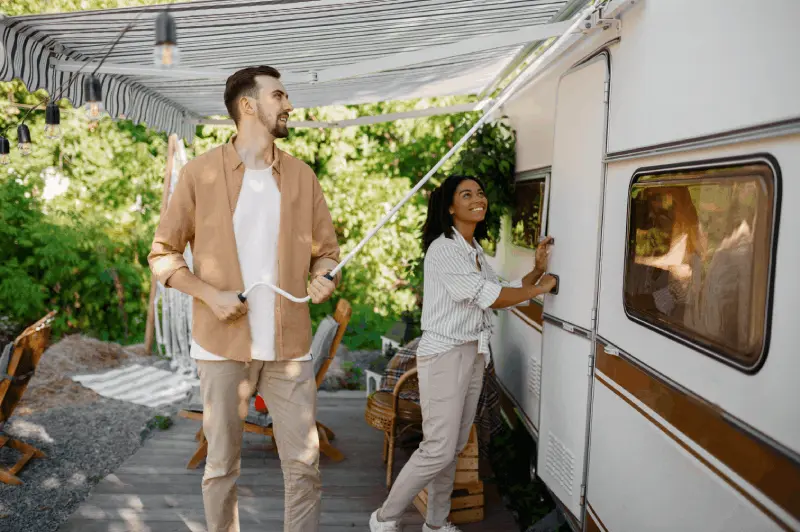
Access to safe drinking water is one of the biggest problems for campers and is often sought in plastic bottles. A UV (Ultraviolet) filtration system integrated into the main water line of the caravan kills 99.9% of bacteria and viruses in the tank water. This makes water from every tap drinkable. This system eliminates the hassle of buying, transporting, and recycling plastic bottles, making it the most ecological water management solution in the long run. Purifying your own water is a concrete stance against the global plastic crisis while increasing your independence.
How Does Lightweight Furniture Design Support Fuel Savings?
The total weight of the caravan is directly proportional to the fuel that the engine will consume. Instead of heavy particle board or MDF in furniture making, using lightweight plywood or bamboo sourced from sustainable forests can reduce the vehicle's weight by hundreds of kilos. A lighter vehicle means less fuel consumption and therefore lower carbon emissions. Additionally, opting for modular structures in furniture design helps avoid unnecessary material usage, ensuring better space utilization and reducing raw material waste during the production phase.
What is the Relationship Between Caravan Tire Pressure and Aerodynamic Efficiency?
Ecological caravanning continues not only at the campsite but also on the road. Correct tire pressure can increase fuel efficiency by 3-5% by reducing rolling resistance. Additionally, maintaining proper tire pressure enhances safety and prolongs tire life. Adding bulky boxes or incorrectly mounted equipment on top of the caravan increases wind resistance. Making installations suitable for an aerodynamic structure and avoiding unnecessary external loads maximizes fuel savings during highway driving. These simple checks made before hitting the road provide significant energy savings on long routes and extend the life of the engine.
Is Eco-Friendly Tire Choice Possible?
Tire production generally requires heavy industrial processes, and tires release microplastics as they wear down. Nowadays, some brands produce "low rolling resistance" tires with a high natural rubber content. These tires save fuel while increasing road grip and emit fewer particulates into the environment. When it's time to change your caravan's tires, you can make more eco-friendly choices by checking the environmental label values (fuel efficiency and noise level). This is a way to reduce the hidden polluting effects of road transport.
Can Rainwater Harvesting Be Done in a Caravan?
Caravan roofs can be used as mobile rainwater collection areas. With small gutter systems placed at the corners of the roof and pipes that direct this water to a separate tank after filtering, you can fill your water tank on rainy days. Even if this collected water is not used for drinking, it is excellent for outdoor cleaning, toilet flushing, or watering plants. Utilizing natural resources on-site is a very niche and effective ecological solution that increases the caravan's water independence while reducing the need for municipal networks.
Does Biogas Energy Hold Promise for Caravans?
Although not yet widespread, small-scale bioconversion units have started to be developed for caravans. By disposing of kitchen waste in these units, it is possible to obtain the gas needed for cooking. These systems operate on the principle of "converting waste into energy." As you approach the zero waste goal in your caravan, producing your own gas can completely eliminate dependence on fossil fuels. For ecological campers who camp for extended periods, this technology represents the forefront of the circular economy.
Why Should Natural Wax Be Preferred for Wood Protection?
The varnishes and polishes used to protect caravan furniture often emit volatile organic compounds (VOCs). These gases can be harmful to health when inhaled for long periods in confined spaces. Instead, using natural linseed oil, beeswax, or tung oil protects the wood while keeping the air in the caravan clean. These natural protectors allow the wood to breathe and emit a wonderful scent. Creating a chemical-free living space is an important part of focusing on indoor health in ecological caravanning.
How Do Smart Sensors in Caravans Prevent Unnecessary Consumption?
Internet of Things (IoT) technology can optimize energy management in caravans. Smart sensors can automatically turn off lights in unoccupied rooms (or sections), instantly detect water leaks, and disconnect unnecessary devices when the battery voltage drops to critical levels. These automation systems prevent energy and water waste caused by human error. Data-driven management allows you to use all resources in the caravan as efficiently as possible, creating a technological ecological balance.
Are Tire Chocks Made from Renewable Materials Durable?
Plastic chocks used to stabilize caravans are typically made from hard plastics and turn into plastic waste when broken. Chocks made from recycled rubber or sustainably sourced hardwoods are both more durable and easier to decompose in nature. Rubber chocks also provide better grip on the ground, reducing the risk of slipping. When choosing equipment, looking not only at functionality but also at the source of the material ensures ecological consistency in every detail of caravanning.
Why Should the Use of Second-Hand Materials in Caravans Be Encouraged?
Building a new caravan or renovating an existing one by buying everything new causes significant production emissions. Using second-hand but solid windows, doors, or even solar panels is part of the "advanced recycling" culture. Returning existing resources to the economy reduces the extraction of new raw materials. An ecological caravan is defined not only by solar panels but also by the material cycle during the construction phase. Making an old item a part of the caravan gives it a new life and lightens the industrial load.
How Should Compact and Energy-Efficient Refrigerator Selection Be Made?
Refrigerator is the only device that runs 24 hours in the caravan and constitutes a large part of total energy consumption. A+++ energy class, 12V compressor refrigerators are the most efficient choice as they prevent inverter losses. Additionally, the placement of the refrigerator is also important; having a ventilation channel behind it where hot air can easily escape ensures that the compressor runs less. Choosing a well-insulated and appropriately sized refrigerator is one of the fundamental ways to protect your batteries and use your energy efficiently.
Why Should Pressurized Steam Be Used in Caravan Exterior Cleaning?
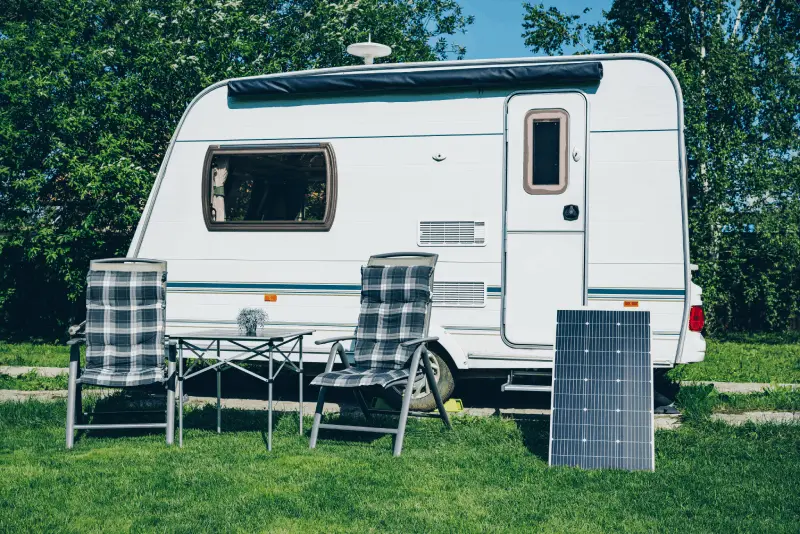
Washing the caravan with traditional methods leads to the waste of hundreds of liters of water and the shampoos used directly mix with the soil. Pressurized steam machines can clean the entire vehicle using very little water (about 5-10 liters). The high temperature of the steam effectively removes dirt without the need for chemicals. It removes stains and dirt without scrubbing. This method saves water and reduces chemical pollution to zero. Having your own steam cleaner allows you to keep your vehicle clean without harming nature wherever you camp.
How to Ensure Minimum Carbon Emission in Caravan Route Planning?
Instead of driving randomly, using route planning applications that calculate elevations and wind directions optimizes fuel consumption. Choosing flatter routes instead of constantly climbing hills or traveling during time periods when the wind is at your back creates small but effective differences. Additionally, staying longer in one area (slow travel) instead of making short trips reduces the overall carbon cost of the journey. Discovering nature without rushing and with less fuel is the essence of true ecological travel.
What Are the Natural Solutions That Improve Air Quality Inside the Caravan?
Living in a confined space can quickly deteriorate indoor air quality. Instead of chemical room fragrances, using essential oils and diffusers cleans the air naturally. While activated carbon bags absorb moisture and unpleasant odors, salt lamps maintain the balance of negative ions in the environment. Additionally, refreshing the caravan daily by opening windows for "cross ventilation" reduces the need for electric fans. Clean air is essential for both the caravan and your "ecological health".
Why Are Solar-Powered Outdoor Lights Important?
Instead of using the main battery system to illuminate the outside of the caravan at night, self-panelled and battery-operated solar-powered lamps should be preferred. These lamps charge during the day and automatically light up at night, easing the energy load of the caravan. Their portability allows you to take light to where you need it. These simple, self-sufficient devices are small but meaningful steps that support the caravan's overall energy independence and bring ecological living outdoors.
How to Set Up a Paperless Office and Living Arrangement in a Caravan?
Digitizing in caravan life not only saves space but also prevents significant paper waste. Storing all maps, guides, and documents in digital format contributes to the conservation of forest resources. Using e-ink screen devices instead of paper notebooks for note-taking ensures low energy consumption and prevents waste. If you are working in the caravan as a "digital nomad", establishing a paperless system is a necessity for a modern and ecological lifestyle.
What Is the Impact of Shopping from Local Producers on the Caravan?
When traveling by caravan, shopping from local villages and markets along the way instead of large supermarket chains reduces the carbon emissions (food miles) generated during food transportation. Buying fresh, seasonal, and unpackaged products minimizes your waste. Additionally, supporting the local economy strengthens local awareness aimed at preserving the natural life in that area. Caravanning is not just a form of accommodation; it is an ecological and social bond you establish with every geography you pass through.
What Are the Advantages of Using Solid Soap and Shampoo Bars in the Caravan?
80% of liquid cleaning products are water and sold in plastic containers. Solid soaps and shampoo bars (solid shampoos) are much lighter and more compact since they do not contain water. This facilitates weight management and storage space in the caravan. Additionally, not containing plastic packaging prevents you from generating plastic waste during your travels. One solid shampoo bar provides the equivalent usage life of about three bottles of liquid shampoo. This is both economical and an extremely eco-friendly personal care solution.
Is the Ecological Transformation of the Caravan an Investment?
While making the caravan greener may initially seem like a cost, it is actually a long-term investment. Solar panels, lithium batteries, and water-saving systems reduce your operational costs to nearly zero by decreasing your dependence on external resources. Natural insulation materials extend the lifespan of the caravan. Most importantly, this transformation provides you with the peace of mind that comes from living in harmony with nature. An ecological caravan is not just a vehicle; it is the very path to a sustainable future. Protecting nature is the only way for us to continue discovering.