What Should Be the Ideal Weight of a Camping Chair?
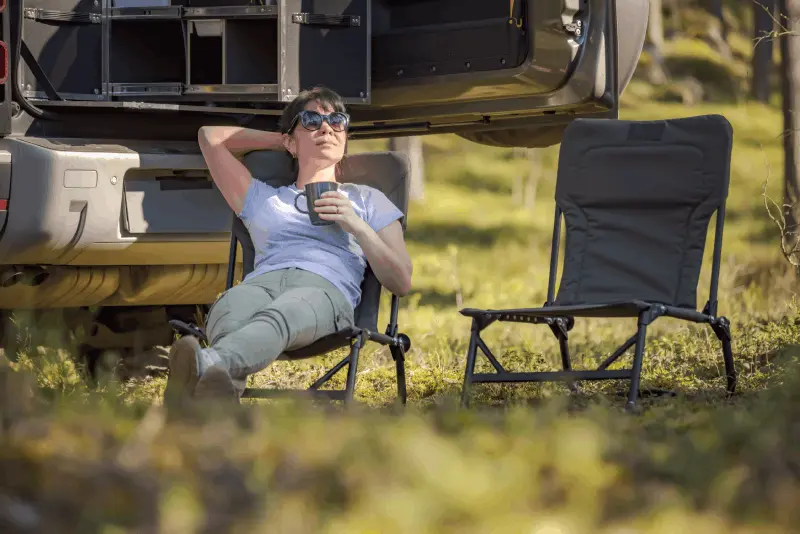
When choosing a camping chair, weight is one of the most critical factors that can vary depending on your intended use. If you are driving to the campsite, you can opt for comfortable and heavier models weighing between 3 to 5 kilograms; as these models are generally more stable and spacious. However, if you plan to hike long distances with your backpack, the weight should be below 1 kilogram, ideally in the range of 500-800 grams. While increased weight usually means increased durability, modern carbon fiber and aircraft-grade aluminum alloys can offer both lightness and high strength. Therefore, your method of transport should be the primary criterion in your selection.
How Does Fabric Quality Affect Comfort and Durability?
The type of fabric used in camping chairs determines both the sweating situation and the product's lifespan. Generally, 600D Oxford fabric or ripstop nylon materials are preferred. The higher the denier value indicated by the letter "D", the thicker and more resistant to tearing the fabric will be. Fabrics of chairs exposed to UV rays from the sun may fade or weaken over time; therefore, choosing fabrics with UV protection and water-repellent properties will save you money in the long run. Additionally, having mesh panels on the back and sides to prevent sweating maximizes your comfort by providing ventilation during the summer months.
Should Aluminum or Steel Be Preferred for the Frame Material?
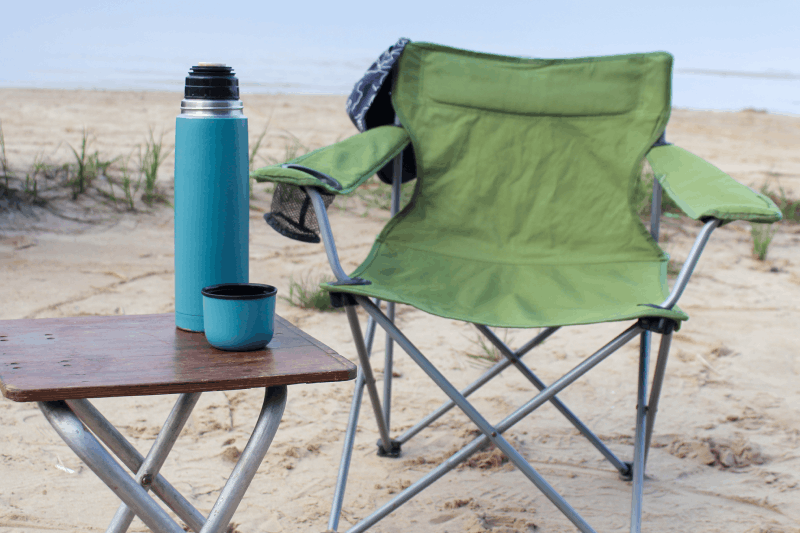
The frame material is the main element that determines both the weight of the chair and its resistance to rust. Steel-framed chairs are generally more economical and have a much higher carrying capacity, but they are at risk of corrosion in humid environments and are quite heavy. On the other hand, aluminum alloy (especially 7075 series) frames have a natural resistance to rust and are much easier to carry. Professional campers often prefer anodized aluminum frames due to the balance of durability and lightness. If you plan to camp by the sea, the advantages provided by aluminum against the corrosive effects of saltwater are undeniable.
Do Models with Lumbar Support Make a Difference for Long Sitting Sessions?
When spending hours outdoors, experiencing back pain is the last thing you want. Standard camping chairs usually have a flat back structure, which does not support the lumbar region. Models with ergonomic designs and curved lumbar support distribute your body weight more evenly, protecting your spine health. For users with discomforts like lumbar disc herniation, chairs with adjustable lumbar support are indispensable. Thanks to the tension straps in these models, you can adjust the firmness of the lumbar support to your liking, turning your time spent by the campfire from a torture into a complete relaxation session.
What Are the Main Differences Between Foldable and Detachable Models?
Camping chairs are structurally divided into two main groups: foldable models that open in one motion and detachable (helinox style) models that are set up by assembling parts. Foldable chairs are unmatched in terms of setup speed; you can take them out of the bag and have them ready to sit on in seconds. However, these models take up quite a bit of space even when folded. Detachable models can be compacted to the size of an umbrella and take up almost no space in a bag. If your luggage space is limited or you are camping with a motorcycle/bicycle, you should choose detachable models; if comfort and speed are your priorities, you should opt for classic foldable models.
Why Is Maximum Carrying Capacity a Critical Data for Safety?
Every camping chair has a specific static load capacity, which usually ranges between 100 kg and 150 kg. However, this capacity is calculated based on the assumption that you sit gently on the chair. If you suddenly drop onto the chair, the dynamic load created can exceed the specified capacity significantly. Choosing a chair with a carrying capacity at least 20-30% above your own weight prevents the frame from breaking or the connection points from snapping. Chairs with low capacities not only carry the risk of breaking but also compromise your sitting stability by flexing. For your safety, you should definitely check the tested capacity data declared by the brand.
How Is the Performance of the Foot Structure Measured on Soft Grounds?
Camping areas are not always made up of concrete or flat soil; sometimes you may need to sit on sandy or muddy surfaces. Chairs with thin and pointed foot structures can sink into soft grounds, disrupting your balance and damaging the frame. Wide-based (duck foot) or interconnected leg types distribute the weight over a larger surface area to prevent sinking. If you are camping on sand, look for models with foot protectors designed in a ball shape. The quality of these contact points with the ground reduces the risk of the chair tipping over while also preventing floor damage in indoor (caravan or tent) uses.
Do Extras Like Cup Holders and Side Pockets Increase Usability?
Although they may seem like simple details at first glance, cup holders, side pockets, and integrated coolers greatly enhance your camping experience. Instead of placing your phone, power bank, or book on the ground, storing them in side pockets prevents these items from getting dirty or lost. Some luxury models have insulated compartments hidden within the armrests, which help keep your drinks cold. However, you should keep in mind that these extras may increase the weight and folded size of the chair. If minimalism is a priority for you, models with just a single sturdy cup holder will offer the best balance between functionality and lightness.
How Should Back Height Selection Be Made According to Height Measurement?
Short-backed chairs may offer the advantage of lightness, but if you cannot rest your head, it can lead to fatigue in your neck muscles. For tall individuals, models known as "high-back" provide head support, allowing for complete relaxation. If you are over 1.80 m tall, you should definitely look for models with a cushion section where you can rest your head. For shorter users, very high chairs can prevent feet from resting on the ground and cause pressure behind the knees. The balance between seat height and back height should be appropriate for your body type, as this will allow the camping chair to provide real seating comfort.
Are Ventilated Mesh Panels Necessary on Hot Summer Days?
One of the biggest complaints during summer camps is excessive sweating of the back and thigh areas while sitting in the chair. A completely closed fabric structure cuts off air circulation, causing your body temperature to rise. Strategically placed durable mesh panels allow the wind to touch your body, creating a natural cooling effect. These panels not only provide comfort but also have the advantage of reducing the weight of the chair. However, if you are going to camp in winter, these mesh panels may create a disadvantage as they will allow cold air to enter. In this case, it would be more logical to choose models with removable pads or completely closed fabrics.
What Is the Best Type of Chair for Lightweight Backpacking?
When traveling with a backpack, every gram counts. Ultra-lightweight chairs produced for such activities typically weigh between 500-900 grams and can be compacted to the size of a thermos when packed. The frames of these chairs are usually connected with elastic cords, making setup as easy as a tent pole. While the comfort level may not be as high as that of massive lounge chairs, sitting off the ground after hiking for miles throughout the day is an invaluable luxury. When purchasing, be sure to check the folded dimensions and confirm that it fits in the side pocket or inside your backpack.
Are Rocking Camping Chairs Usable in Terrain Conditions?
In recent years, the popularity of rocking camping chairs has increased, making them ideal for those seeking home comfort in nature. These models generally perform excellently on flat surfaces, but the rocking mechanism can be risky on uneven or rugged terrains. Some models work with a rocking system, while others use a hammock-like suspension mechanism. If you are going to use them in terrain conditions, make sure they have a wide base for stability and safety against tipping over. While gently rocking can reduce stress while resting, these mechanisms can make the chair heavier and more complicated; therefore, they are only recommended for vehicle-based camping.
How Does Setup Speed and Practicality Shape the Camping Experience?
When you arrive at the campsite, you may be tired or it may start to rain; in such moments, quickly setting up your equipment is vital. Chairs that open by simply pulling from their arms, also known as "accordion" type, are at the peak of practicality. In contrast, models that require assembling ten parts can ruin your enjoyment. A practical camping chair should not contain complex clips or difficult-to-navigate points. Especially when setting up camp in the dark, an intuitive design makes your job much easier. Before purchasing, if possible, you should test the mechanism by opening and closing the chair a few times to check its fluidity and ensure that the plastic quality at the joints is solid and not prone to breaking.
Why Is Corrosion Resistance Important for Beach Use?
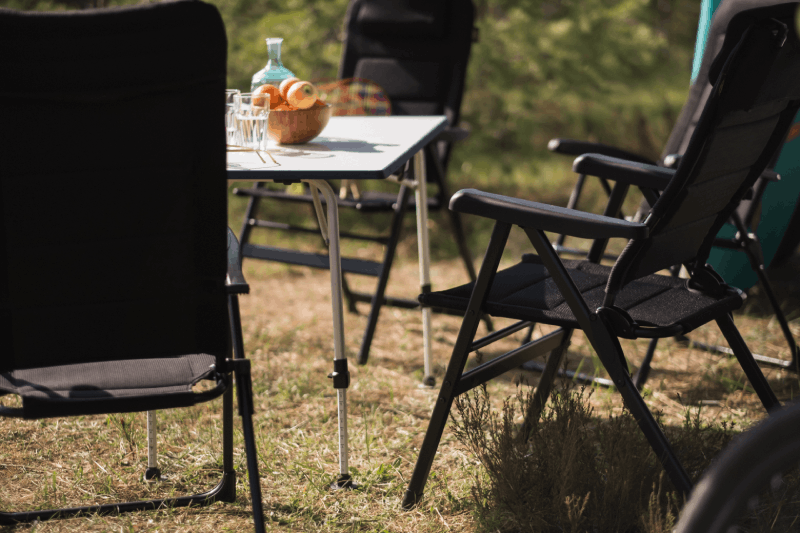
Saltwater and humid air are the biggest enemies of metal surfaces. Chairs you will use in beach camps or boat trips should have stainless steel screws and corrosion-resistant paint. While aluminum frames are more successful in this regard, the screws and nuts at the connection points are usually made of steel and can start to rust. Rust is not only a visual problem but also a structural issue that weakens the chair's carrying capacity. Rinsing and drying your chair with fresh water after beach use will extend its lifespan; however, when purchasing, it is best to opt for products labeled as "marine grade" or high corrosion-resistant.
What Are the Safety Standards for Specially Designed Models for Children?
Children's camping chairs are not only smaller in size but also must have safety locks. If the chair suddenly collapses while children are active in it, it can lead to pinching or falls. Therefore, it is essential that children's models have a "safety lock" mechanism. Additionally, having a low center of gravity helps prevent the chair from tipping over. The fabric should also be easy to clean and free from harmful chemicals (phthalates, BPA, etc.) for health reasons. Adult chairs that are not suitable for children's height and weight can be harmful to their spinal development and increase the risk of accidents; therefore, equipment suitable for the age group should always be selected.
What Should Be Considered When Buying a Second-Hand Camping Chair?
While the second-hand market may seem like a budget-friendly option, there may be hidden damages in camping chairs. Especially the "pockets" where the fabric connects to the frame can stretch over time and start to tear at the seams; you should examine these points carefully. Visible bends in the frame indicate that the metal is fatigued and could break at any moment. Additionally, cracks (drying) in plastic joints due to sun exposure are a sign that the chair's lifespan has ended. If you are buying a branded product, check the serial number to ensure its authenticity. In second-hand purchases, you should always sit on the chair and bend it side to side to personally test for any creaks or unsafe wobbling.
How Important Is the Quality of the Carrying Bag During Transport?
Many users focus on the chair itself while neglecting the carrying bag. However, a low-quality bag can tear within the first few uses or have a broken zipper; this makes it impossible to carry your chair. A good carrying bag should be made of durable ripstop fabric and have wide straps that do not put pressure on your shoulder. Additionally, the bag should be wide enough to fit the chair without forcing it (but also structured enough to prevent it from wobbling inside), which will increase your packing speed. Some bags can also be used as a storage area (pocket) by hanging under the chair. The quality of the stitching in the bag is a hidden hero that directly determines the portability lifespan of all equipment.
How to Extend the Lifespan of a Camping Chair Through Cleaning and Maintenance?
Outdoor conditions expose your chair to mud, resin, dust, and pollen. Dirty fabrics lose their fiber structure over time and produce unpleasant odors. It is sufficient to wipe your chair with a damp cloth and mild soapy water at the end of each camping trip; harsh chemicals can damage the fabric's water-repellent properties. Applying silicone-based lubricant to moving metal parts and joints once a year prevents creaking and ensures that the mechanism works smoothly without jamming. Putting your chair in the bag while it is still wet is the biggest mistake; this can lead to mold formation and rapid oxidation of metal parts. You should store it in a cool and dry place after ensuring it is completely dry.
Which Features Can Be Compromised When Balancing Price and Performance?
The most expensive camping chair is not always the best for you. If you only camp once or twice a year on weekends, you may not need the lightest or most high-tech model. In this case, you can protect your budget by compromising a bit on weight (by choosing slightly heavier but sturdy steel models). However, the points that should not be compromised are the stitching quality of the fabric, the stability of the frame, and the seating comfort. Extras like cup holders, side tables, or sunshades significantly increase the price; if you really do not need these, mid-range products with a basic but quality frame structure will be the most logical investment.
What Comfort Features Should Be Sought for Luxury Camping (Glamping)?
In glamping-style accommodations, portability is secondary, while comfort is primary. For this type of use, chairs with "recliner" features, footrests, and thick sponge padding should be preferred. Some models even have heating features or massage vibration panels, providing the comfort of your home television chair in nature. Wooden-framed models are also visually more suitable for glamping aesthetics, but their maintenance is more challenging than metal ones. Models with side table attachments provide you with a wide area to place your coffee or wine, elevating the luxury feeling to its peak.
Why Is the Selection of Arm Structure and Material Important?
Armrests not only rest your arms but also serve as the main points of support when getting up from the chair. Soft (fabric) armrests are comfortable and usually offer adjustable height, but they can flex when pressure is applied to them. Hard (plastic or metal) armrests are more stable and make it much easier for elderly or knee problem individuals to get up from the chair. The material used on the armrests should not absorb excessive heat from the sun (for example, it should be foam-covered) to prevent your skin from burning during the summer months. If you will also use your chair at a dining table, you should check whether the armrest height is low enough to fit under the table.
What Does Seat Height Mean for Knee Health?
Chairs that are very low to the ground (low-profile) are generally produced for beach use and allow you to stretch your legs. However, getting up from these chairs can be quite difficult, especially for individuals with knee problems. The seat height of a standard camping chair should be 40-50 cm above the ground so that your knees can comfortably rest at a 90-degree angle. Low chairs do not sink in sand and are more stable against the wind, but prolonged use can tire the lower extremity muscles. You should aim for a seat height that will not strain you when getting up, considering your height and physical condition.
Are Insulated Chair Covers Used in Winter Camps?
When camping in cold weather, the fabric of the chair transmits the cold directly to your body. Especially mesh models can be freezing in winter. "Chair jackets" or insulated covers produced for winter campers can be placed over your chair to prevent heat loss. These covers are usually made of synthetic filling or wool-like materials. If you do not want to buy a special winter chair, a blanket or thick blanket that you lay over your existing chair will serve a similar purpose. However, professional insulation covers are much more successful in cutting the wind and do not slip as they fit snugly on the chair, ensuring you have a comfortable winter night.
Are Double Seat (Loveseat) Camping Chairs a Practical Choice?
If you are camping with your spouse or pet, double seat chairs can be a romantic and enjoyable option. These models typically offer a wide seating area for two people built on a single frame. The advantage is that you carry one large piece instead of two separate chairs, which often increases the intimacy of sitting side by side. The disadvantage is that they can be quite long and heavy when folded. Additionally, when one person moves, it is inevitable that the other will also shake. If your luggage space is sufficient and you will remain stationary at the campsite, they can be preferred, but they may be too cumbersome for a trip where you will frequently change locations.
How Do Head Support and Integrated Pillow Prevent Neck Pain?
Especially during long sitting sessions, leaving the neck area unsupported can lead to serious muscle tension. Some chairs have integrated cushions with Velcro or elastic straps on the upper part. If the height of these cushions is adjustable, they provide perfect alignment with your neck curve. Some ultralight models have a "pocket" instead of a pillow; you can create your own pillow by stuffing it with your jacket or empty bag. The head support should not only be soft but also stable enough to prevent the chair from tipping backward when you lean your head back. This detail is particularly important for campers who love to stargaze at night.
Are There Self-Balancing Models for Uneven Terrains?
Nature is not always flat. On slopes or uneven forest floors, classic chairs can wobble and feel unsafe. Some innovative brands produce chairs with independently adjustable telescopic legs. By adjusting the length of each leg according to the ground, you can level your chair completely. This feature is commonly found in fishing chairs but has also been integrated into general camping models in recent years. If you are frequently camping in rugged terrains, choosing a model with adjustable legs will save you the hassle of searching for a suitable ground and increase your safety.
Do Sunshade Camping Chairs Provide Protection Under the Summer Sun?
When camping on the beach or in open areas without shade, the risk of sunburn is always present. Integrated sunshade chairs have mechanisms that rise from the back of the chair and create a canopy over your head. Most of these sunshades are adjustable to different angles, allowing you to position your shade according to the sun's movement. It is important that the sunshade is made of UPF 50+ protective fabric to protect your skin from harmful rays. However, these mechanisms can make the chair more sensitive to wind; in strong winds, the sunshade can act like a sail, so caution should be exercised to prevent the chair from tipping over.
What Are the Differences Between Fishing Chairs and Standard Camping Chairs?
Fishing chairs are generally designed for longer and more stationary sitting sessions. Therefore, they have more padding, a wider seating area, and often specific attachments like rod holders. Additionally, their legs are much wider to prevent sinking in muddy water edges. Standard camping chairs focus more on portability and have faster drying features. Models designed for fishermen are generally heavier because they contain many functional parts. If the main purpose of your camping is to catch fish, a professional fishing chair is recommended; if the goal is just to sit by the fire, a lighter general-use model should be chosen.
Are Rubber Feet That Prevent Slipping on Hard Surfaces Necessary?
If you will use your chair inside a caravan, on a terrace, or on flat rocky surfaces, the material under the feet is very important. Hard plastic feet can easily slip on such surfaces, which can be dangerous. Soft rubber feet increase grip and prevent slipping while also protecting delicate surfaces from scratches. Additionally, rubber absorbs vibrations from the ground, providing a more stable sitting experience. For outdoor use, these feet should be durable against wear and have a pattern that does not trap mud when in contact with the ground.
Why Is Brand Warranty and Spare Parts Important When Choosing a Camping Chair?
When you buy a camping chair, you are not just purchasing an item but also a service. Quality brands offer spare parts support for a broken leg or torn fabric. In low-quality productions, even the smallest malfunction can lead to the chair being completely unusable, while established brands allow you to continue using your chair for years by simply replacing the damaged part. The length of the warranty period shows the brand's confidence in its product. Especially if you are buying a high-priced professional model, you should definitely check whether the company offers after-sales support and read user reviews.
Are Portable High Chairs for Children and Babies Usable?
Meal times can be quite challenging for families with small children while camping. Portable, foldable high chairs eliminate this problem. These models generally work on the same principle as standard camping chairs but have a removable tray and safety belt at the front. Their lightweight nature allows them to be carried anywhere. They not only ensure that your baby eats safely but also keep them away from insects and dust on the ground. When purchasing, you should ensure that the tray is made of easily washable plastic and that the chair has extra wide feet to prevent tipping.
Do Customizable Patch and Name Areas Provide Safety?
In crowded camping areas or festivals, equipment mix-ups are very common. Some chairs have Velcro areas on the back or side. Creating a patch with your name or attaching a fluorescent band here prevents your chair from getting mixed up with others. It also makes it easier to find your chair in the dark. While it may seem like a small detail, especially in environments where many similar models exist, these customization areas are very practical for ownership identification and visibility. Reflecting your style is also a fun part of camping.
Which Season Provides More Advantages for Which Chair?
Seasonality is a determining factor in material selection. In summer, as mentioned above, mesh and light-colored models reflect sunlight and keep you cool. In spring, the risk of rain increases, so water-repellent fabrics and quick-drying polypropylene materials are preferred. In winter, chairs made of thick, windproof materials that provide thermal insulation and dark colors (which absorb heat) are advantageous. If you want to use a single chair for all seasons, modular models (mesh but can have winter covers added) will be the most economical and logical solution.
How Should Camping Chair Selection Be Made?
In light of all these technical details, the perfect camping chair is a reflection of your personal needs and camping style. First, you should determine your budget and transport options, then choose ergonomic features suitable for your body type and comfort expectations. A quality camping chair does not just provide a place to sit; it becomes a loyal companion that helps you rest your body after a tiring day in nature, refreshes your spirit, and accompanies your memories. Remember, cheap equipment can sometimes end up costing you more; therefore, opting for proven, reliable products is always the best investment.