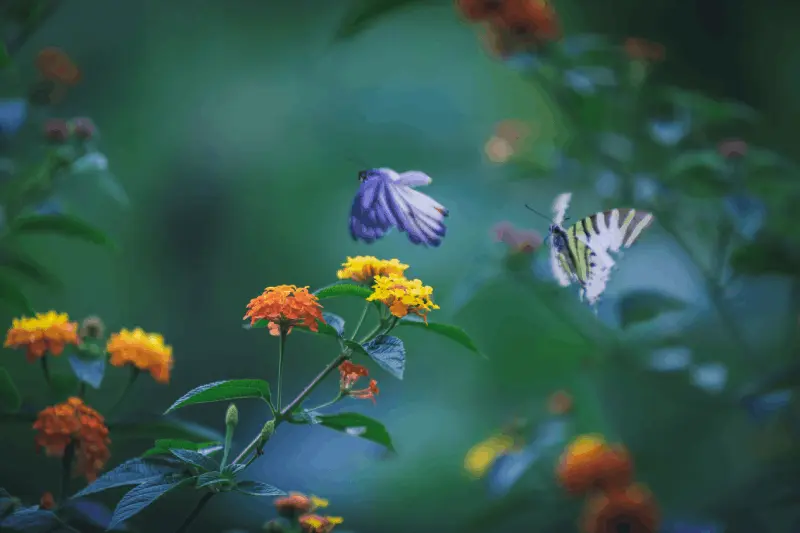
Natural photography is the art of reading light and dancing with it, beyond technical skill. The right light can transform an ordinary landscape into an epic work of art, while the wrong light can make even the most magnificent geography appear flat and lifeless. In this blog post, we will delve into the different lighting phases that nature offers, the technical requirements, and the spirit these times will add to your photographs.
What are the Key Factors that Determine the Mood of Light in Nature?
In natural photography, light is not just a tool for illumination; it is also the most powerful storyteller. Factors that determine the quality, direction, and color of light include the angle of the sun on the horizon, the humidity in the atmosphere, and the density of the cloud layer, which rank among the top considerations. Light can bring out the texture of an object or leave it completely in shadow, creating an air of mystery. Understanding these dynamics allows a photographer not only to capture the right pose but also to convey the emotion of the moment to the viewer. Every particle of light that falls to the earth varies according to geographical location and season; therefore, deciphering the character of light is a process that requires patience and observation. The softness or hardness of light directly affects everything from the photographer's equipment choice to the shooting technique.
How Does the Color Spectrum of the Golden Hour Add Depth to Photographs?
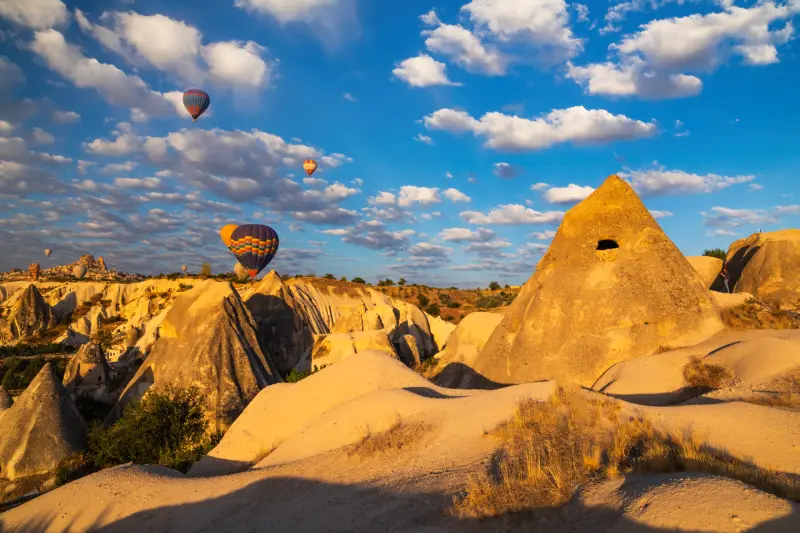
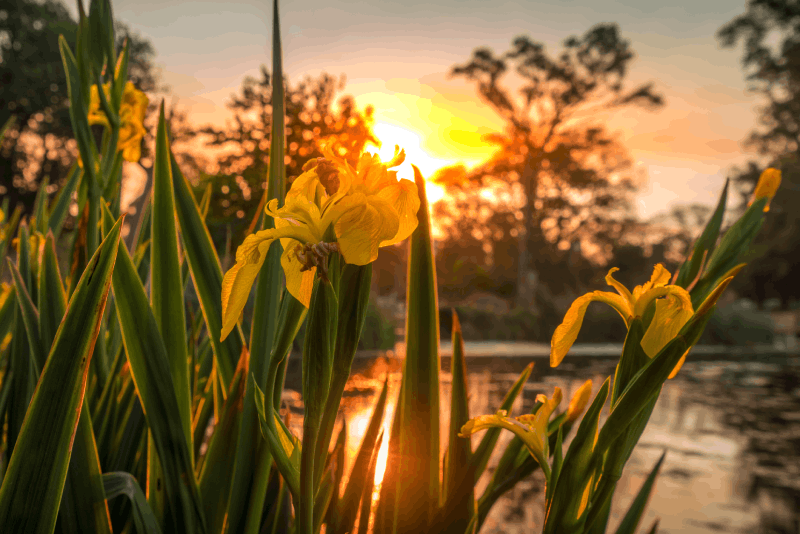
The "Golden Hour," which occurs just after sunrise and just before sunset, is the favorite time frame for photographers. During this period, sunlight passes through a thicker layer of the atmosphere, scattering blue wavelengths and leaving warm yellows, oranges, and reds. This low-angle light creates long and soft shadows in landscapes. These shadows enhance the three-dimensional perception of the photograph, adding depth and texture. A mountain range or a forest path captured during the golden hour presents not just an image but also a story that evokes warmth and tranquility. As the saturation of colors increases, a soft contrast is created that does not strain the dynamic range of digital sensors.
What Techniques Should Be Applied to Capture the Twilight Tones of the Blue Hour?
The "Blue Hour," which occurs when the sun is below the horizon but the sky is not yet completely dark, offers a mystical and serene atmosphere. During this time, the sky turns deep blue and sapphire tones, while the details on the ground are illuminated by cool light. To successfully capture photographs during the blue hour, using a sturdy tripod is essential because the light level is quite low, requiring long exposure times. It is important to keep the ISO value low to prevent graininess and to fix the aperture at an ideal point for sharpness (like f/8 - f/11). Additionally, the color contrast created by artificial lights (if present, like a cabin light) against the blue sky adds dramatic appeal to the composition. Setting the white balance to "daylight" or "cloudy" mode helps maintain the natural effect of blue tones.
What Creative Ways Can Be Used to Cope with the Harsh Shadows of the Midday Sun?
While many photographers avoid shooting during midday hours, it is possible to create impressive work even under this challenging light. The harsh and vertical shadows created when the sun is directly overhead provide an excellent ground for texture shots or black-and-white photography. Harsh contrasts present an opportunity to create graphic forms and abstract compositions. Additionally, using strong neutral density (ND) filters to soften water flows or polarizing filters to deepen the blue of the sky and control reflections can be your greatest allies during these hours. If you are in a forested area, the shaded areas created by trees protect you from harsh light, providing natural diffusion for macro shots.
What Advantages Do Cloudy Days Offer for Macro Photography?
While many people refer to cloudy weather as "bad weather," for nature photographers, a cloudy sky acts as a massive softbox. The cloud layer diffuses sunlight evenly, eliminating harsh shadows and bright highlights. This is especially perfect for macro photography, revealing the natural colors and fine details of flowers, insects, and plants. Colors appear more saturated and realistic. Additionally, in forest shoots, balancing the extreme light differences between tree branches prevents details from being lost. Instead of including the sky in cloudy weather, setting up compositions that focus entirely on the subject and texture will enhance your visual success.
What is the Source of the Dramatic Light Created Before and After a Storm?
When the weather suddenly changes, light takes on its most unexpected and dramatic form. A single beam of sunlight filtering through storm clouds is known as "God's Light" and illuminates a specific part of the landscape like a spotlight. These moments are unique for capturing the contrast between chaos and order in nature. After a storm, the clearing of dust in the air increases visibility, and colors become clearer than ever. The possibility of rainbows also arises. In such situations, moving quickly and compensating for exposure according to the changing light is critical. The gloomy atmosphere created by dark clouds enhances the emotional weight of the photograph, leaving a powerful impact on the viewer.
How Does Fog Affect the Distribution of Light in Composition?
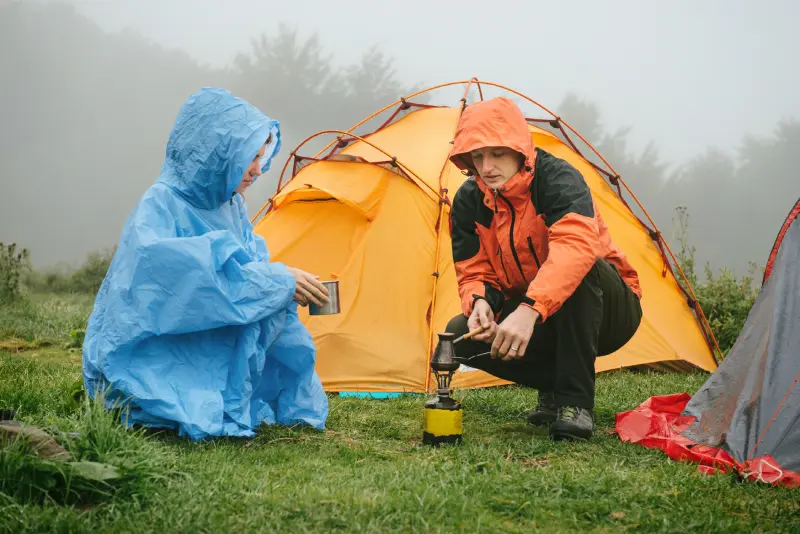
Fog adds an "atmospheric perspective" to the scene by obscuring the direction of light. While nearby objects appear clear and dark, distant details fade into obscurity as light is scattered. This creates an immense sense of depth in the photograph. In foggy weather, light is completely soft and contrast is low. Preferring simplicity and minimalism in composition enhances the mysterious atmosphere created by the fog. The camera's light meter may misread due to the brightness of the fog, often requiring +0.7 or +1 stop exposure compensation to prevent underexposure. Foggy forests or lakesides transform into a fairy-tale world during these hours, presenting scenes that draw the viewer in.
How Does the Low Angle of the Winter Sun Transform Nature Photography?
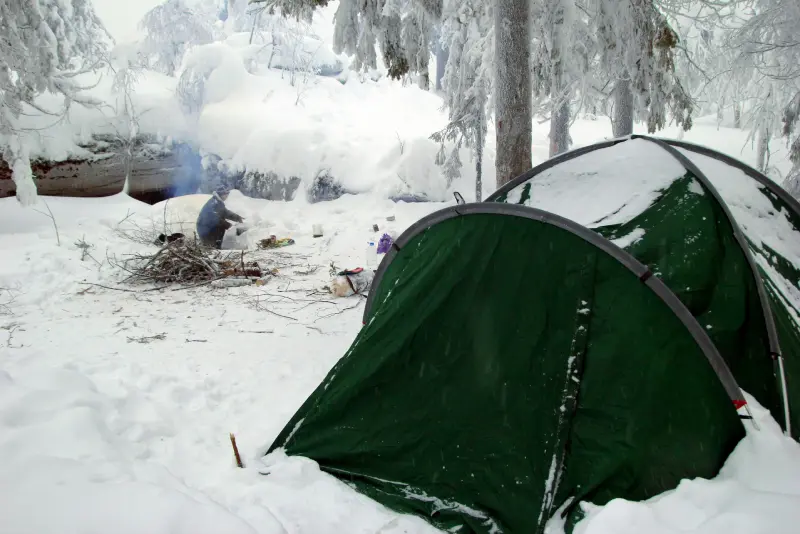
The winter sun travels along a much lower path in the sky compared to summer months. This means that during winter days, the "long golden hour" effect dominates a significant portion of the day. Since the sun never reaches directly overhead, shadows remain long, and light continues to come from a lateral angle. The snow cover acts as a massive reflector, illuminating the details within the shadows. However, the brightness of the snow can mislead the camera's light meter, so manual settings or exposure compensation are essential for snow shots. The winter light, combined with the cold atmosphere, allows you to create unique and crystal-clear images from both technical and aesthetic perspectives.
What is the Importance of Astronomical Twilight in Night Photography?
Astronomical twilight, which begins after the sun sets and the blue hour ends, marks the time when stars and our galaxy can be seen most clearly. When the last rays of light in the sky disappear, the Milky Way and constellations emerge in all their glory. In nature photography, the night hour allows us to see the world in a different dimension. The presence or absence of moonlight also alters the character of the shot; a full moon illuminates the landscape like a night lamp, while a new moon phase allows you to focus solely on the stars. Using cameras with high ISO performance and fast wide-angle lenses (f/2.8 and below) to capture the depths of the universe is one of the most satisfying areas of nature photography.
What Are the Best Conditions for Capturing Light Beams (God Rays) in the Forest?
To capture those stunning light beams filtering through trees in forests, specific atmospheric conditions must come together. Typically, early in the morning, when humidity in the air is concentrated as mist or dew, is the best time for this phenomenon. Water droplets or dust particles in the air refract sunlight, making them visible. Shooting in the direction from which the light comes, meaning with a slight backlight angle, makes these beams more pronounced. A darker background enhances the contrast of the light beams, making them more striking. These moments are often very brief, so having previously scouted the location and knowing where the light will filter through is a significant advantage.
How to Follow the "Alpenglow" Effect in High-Altitude Mountain Photography?
Alpenglow is the phenomenon where sunlight, while below the horizon, reflects off the upper layers of the atmosphere, painting mountain peaks in pink, purple, or bright orange tones. This is a moment that lasts even shorter than the golden hour and is rarely captured. To photograph alpenglow, you need to be ready 15-20 minutes before sunrise or just after sunset. This gradual development of light creates an almost surreal brightness on snow-covered peaks. To capture this moment, you should be on the western slope of the mountains (for sunrise) or the eastern slope (for sunset). Using a long-focus lens to focus solely on these colorful peaks will elevate the dramatic effect of the scene to the highest level.

How Should Light and Reflection Dynamics Be Managed at Water Edges?
In shoots at lakes, rivers, or sea shores, the effect of light on the water surface changes every second. The still water in the early morning hours acts as a perfect mirror, reflecting all the colors and clouds in the sky. These hours, when there is no wind, are ideal for symmetrical compositions. However, as the sun rises, glare on the water surface increases, causing details to be lost. Here, using a circular polarizing filter comes into play; by rotating your filter, you can either see the details within the water or make the reflections more pronounced. The angle of light also determines the color of the water; direct light makes the water appear more transparent and turquoise, while horizontal light can turn the surface into a golden tray.
How Does Light Direction Emphasize Texture in Sand Dunes and Canyons?
Dunes and deep canyons are the most sensitive geographies to the direction of light. To create a sharp light-shadow distinction on the slopes of sand dunes, hours when the sun is at a low angle should be preferred. Front lighting flattens the texture of the sand, while side lighting elongates the shadows of each grain of sand and the wind's curves, giving a tremendous volume. In canyons, reflected light from the walls is much more impressive than direct sunlight. This reflected light enhances the reds and oranges in the canyon walls, creating the "glow" effect we refer to. In such shoots, making exposure based on open areas helps maintain the mystical atmosphere within the shadows.
How to Create a "Blue Hour" Composition Combining City Lights and Natural Light?
Nature photography does not always have to be in the wild; sometimes you want to combine nature with the lights of a coastal town or mountain village. At this point, the blue hour is the only time when artificial and natural light creates a "light balance." The brightness of city lights aligns with the deep blue of the sky during this narrow time frame. If you shoot too early, city lights will appear weak; if you shoot too late, the sky will be completely dark, and buildings will look like bright white spots. To capture this balance, starting the shoot about 30-45 minutes after sunset and gradually increasing the exposure time is the most accurate strategy.
What Light Reveals Fresh Green Tones in Spring?
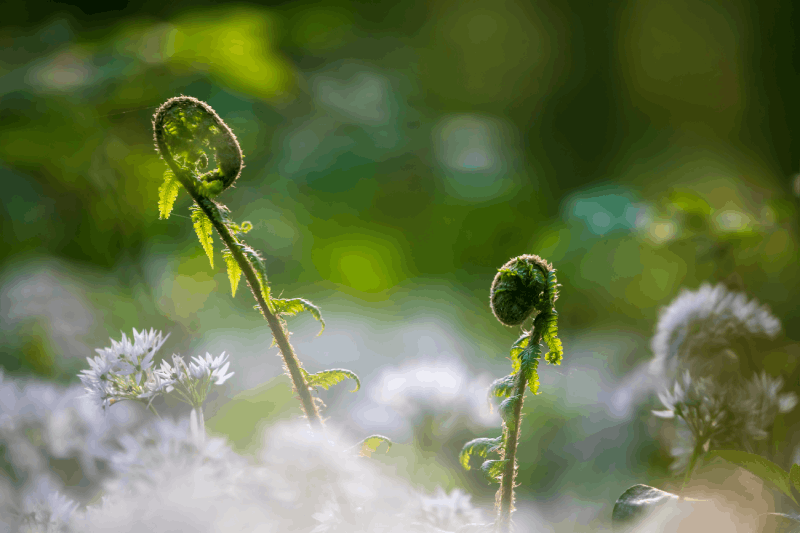
When photographing the awakening of nature in spring, you want to preserve the vibrant green tones of fresh leaves and flowers. Harsh sunlight can make greens appear yellowish and pale. Therefore, slightly cloudy weather or soft morning light filtering through tree leaves is best for spring photographs. Capturing light coming from behind the leaves using the "backlighting" technique reveals the veins and translucent texture of the leaves, making them shine. This method, known as "backlighting," works wonders in plant photography. In humid weather, light coming after rain elevates the saturation of colors to the highest level, helping you capture all the energy of spring in your frame.
How to Predict the "Burning" Effect in the Sky During Sunset Photographs?
Not every sunset is equally colorful. To predict that magnificent redness referred to as the "burning" of the sky, you should look at the type of clouds in the sky. Very low and thick clouds block sunlight, preventing it from passing through. However, high and scattered clouds (cirrus or altocumulus) catch the rays sent by the sun below the horizon and reflect them. The amount of humidity and dust in the air also intensifies these colors. Especially if there is a clear space on the western horizon, the sun will illuminate the clouds above you from below. By following these meteorological signs, you can choose the most productive evenings instead of waiting for empty spaces and prepare accordingly.
How to Use Shadows as a Graphic Strength in Landscape Photography?
Just as light is crucial in photography, shadows are equally critical. Shadows define forms and provide balance by filling the voids within a frame. Especially in dunes, on mountain ridges, or under trees in snow, the lines created by shadows can serve as "leading lines" that guide the viewer's eye to the main subject. Even during harsh lighting hours, you can achieve minimalist and graphic results by using the black areas created by shadows as design elements. In black-and-white compositions, the contrast of shadows is a fundamental element that determines the emotional drama and visual rhythm of the photograph. Observing where the shadows fall while focusing on the light elevates your compositional skills to a higher level.
Why is Low Light the Best for Waterfall and Stream Photographs?
To create that silky water effect in waterfall photographs, you need to use long exposure. However, in bright sunlight, the amount of light entering your lens is too much, causing the image to become completely overexposed. Therefore, for such shots, you should prefer sunrise/sunset times or shaded areas. Cloudy weather is also ideal for water shots as it prevents glare. If you must shoot in bright light, using ND filters (neutral density filters) to artificially reduce the light entering the sensor and extending the exposure time to seconds is necessary. In low light, the details on the water's surface and the surrounding moss appear much more pronounced and natural.
When is it Necessary to Blend Artificial Light with Natural Light in Macro Shots?
Sometimes the light provided by nature may not be sufficient or at the right angle to illuminate the smallest details. Especially when capturing mushrooms on the forest floor or insects in the shade, it may be necessary to keep natural light as the main light source while providing fill light with a small LED panel or reflector. This helps illuminate the shadowed parts of the subject, preventing loss of detail. The key is to ensure that the artificial light appears "natural"; that is, it should not be too harsh and should not conflict with the direction of natural light. Synchronizing the white balance from your camera or editing software is critical to ensure color harmony between the two different light sources.
Why is Patience and Planning Critical in Pursuit of the Right Light?
Nature photography is not just about pressing the shutter; it is about waiting for that perfect moment when the light arrives. Sometimes you may wait for hours for the wind to disperse the clouds over a hill. Using mobile applications that show the sunrise and sunset angles (like PhotoPills, The Photographer’s Ephemeris) during the planning phase can save you from being in the wrong place at the wrong time. However, even the best plan must be prepared for nature's surprises. Patience is the greatest equipment of a photographer. Observing your surroundings while waiting for the light to change allows you to discover new compositions. Remember, even the most beautiful landscape in the world is just a coordinate without the touch of light.
What Should Be Considered to Preserve the Character of Light in Photo Editing?
After the shoot, the edits made in the digital darkroom (Lightroom, Photoshop, etc.) should enhance the spirit of the light you captured. It is important not to distort the character of natural light by over-processing. For example, excessively warming a cold photograph taken during the blue hour can kill the authenticity of that moment. Instead, emphasizing the natural color tones of the light at the time of capture while balancing the dynamic range and slightly lifting the details in the shadows is a more professional approach. Adding a slight vignette to support the direction of light or enhancing the clarity of the areas where the light hits will help guide the viewer's gaze. Editing should be used to "elevate" the existing light, not to "create" it.
Conclusion: Learning to See Light is a Journey
There is no such thing as the "best" light hour for nature photography; there is only the light that best fits your story. The romance of the golden hour, the melancholy of the blue hour, the drama of the post-storm, or the mystery of the fog... Each represents a different face of nature. The techniques and times discussed in this guide are tools for you. True success lies in experiencing this knowledge in the field and developing your own style. Every season, every weather condition, and every hour of the day offers a different opportunity. Open your camera, step outside, and keep your eyes and mind open to capture the light that nature whispers to you. Pursuing light is, in fact, a journey into the heart of nature.