How Do We Identify Edible Herbs in the Wild Aegean?
The Aegean Region is one of the richest points in the world in terms of biological diversity. Knowing which greenery you see around you while camping can turn into a delicious dinner is the first step to being a true nature person. To recognize edible herbs, you should pay attention to their leaf structure, vein patterns, and most importantly, their scent. For example, you can distinguish Arapsaçı from its sharp anise scent, while Şevketi Bostan can be identified by its thorny but succulent structure. You should always have a local flora guide with you or receive a brief training from locals on foraging. Finding the right herb not only satisfies your hunger but also helps you connect with the spirit of the land.
How to Achieve the Unique Harmony of Olive Oil and Herbs on a Campfire?
The heart of Aegean cuisine is olive oil. The quality of the oil you use while making herb sauté at the campsite determines the fate of the dish. Early harvest, cold-pressed olive oil adds depth to the herb without overpowering its own aroma. When sautéing herbs, you should be careful not to burn the oil too much; since olive oil has a low smoke point, it is enough for it to be slightly warmed. After clarifying the onion and then adding the herbs, the aromatic compounds of the oil mix with the herb's juices, revealing that famous "Aegean aroma." This harmony, combined with the smoky scent of the campfire, creates a flavor that cannot be found even in the finest restaurants.
What Should Be the Balance of Roots and Leaves in Şevketi Bostan Sauté?
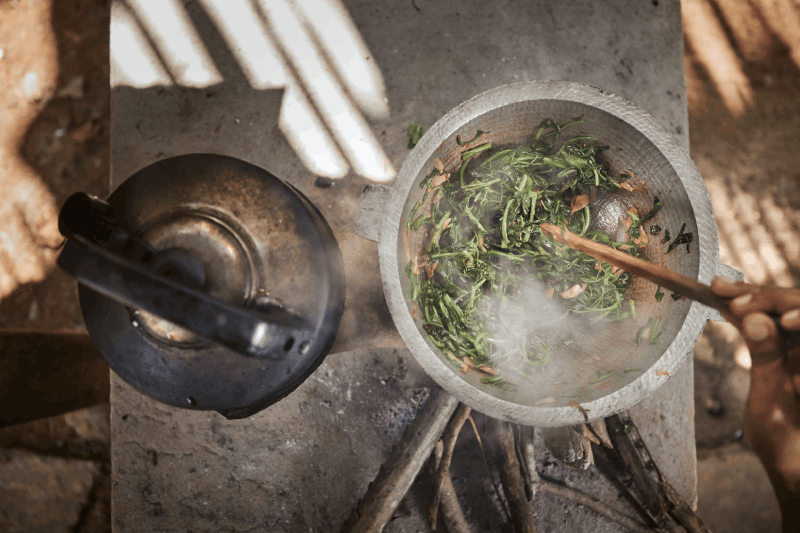
Şevketi Bostan is one of the noblest herbs of the Aegean, and both its roots and leaves are edible. However, preparing this herb under camping conditions requires a bit of patience. Since the root part is harder and woody, it should go into the pan before the leaves and should be softened with a little water if necessary. In an ideal sauté, the roots should be crunchy but soft, while the leaves should be slightly wilted without losing their shape. When the unique earthy flavor of the roots balances with the slightly bitter aroma of the leaves, the resulting dish is a complete treasure of healing. You can elevate this balance even further by squeezing a little lemon on top.
How to Tame the Sharp Anise Scent of Arapsaçı Herb While Camping?
Arapsaçı (wild fennel) is a very characteristic herb that immediately captivates the campsite with its scent. For some palates, this anise scent can be overwhelming. To soften this aroma and achieve a more balanced taste, you should add plenty of dried onion or leek while sautéing Arapsaçı. Additionally, lightly rubbing the herb with your hands and soaking it in cold water before adding it to the pan helps to release some of the volatile oils. However, remember that this scent is the signature of Arapsaçı. Instead of completely eliminating it, serving it with strained yogurt or camp bread to soften this sharpness on the palate is the most professional approach.
Should Radika (Dandelion) Be Blanched or Sautéed to Remove Its Bitterness?
Radika, or wild dandelion, is one of the most well-known bitter herbs of the Aegean. This bitterness is actually a sign of being liver-friendly, but it can be unpleasant in dishes. If your time at the campsite is limited, instead of sautéing Radika directly, blanching it in salted boiling water for 2-3 minutes (shocking) and draining it will remove that harsh bitterness. If you say, "I love bitterness," sautéing freshly picked small leaves directly with plenty of garlic and olive oil will better reflect the character of the herb. The blanching method makes the dish lighter, while the direct sautéing method gives a richer and more aromatic result. The choice is entirely up to your camping enjoyment.
How Does Using Pomegranate Molasses Affect the Flavor When Sautéing Cibes Herb?
Cibes is a winter and spring herb that actually derives from cabbage and cauliflower roots, with a slightly sweet taste. Its texture is meatier and denser compared to other herbs. To balance this fullness, an acidic touch is essential. Pomegranate molasses provides a tremendous contrast to the slightly earthy and sweet flavor of Cibes. A small amount of quality pomegranate molasses added just before removing from the heat in the final stage of sautéing ensures the dish caramelizes and adds a different layer of aroma to every bite. Especially on cold evenings while camping, a Cibes sauté with pomegranate molasses gives energy and whets your appetite.
What Should Be Done to Avoid Burning Your Hands While Foraging and Sautéing Nettle?
Nettle is the most healing yet "dangerous" guest of the camp kitchen. When its microscopic hairs come into contact with the skin, they release formic acid, causing a burning sensation. Always use thick gloves or a bag while foraging. However, the secret is that nettle loses this property the moment it sees heat. Once it enters the pan, nettle wilts within seconds, and those stinging hairs become completely harmless. If you add a bit of cottage cheese or ricotta while sautéing, you will soften the intense green flavor of the nettle. After thoroughly washing the nettle, finely chop it and quickly sauté it with onion for the most delicious result.
How Does the Combination of Ebegümeci and Bulgur Create a Miracle in the Camp Pot?
Ebegümeci is one of the most commonly found herbs on Aegean roads with its soft leaves. When sautéed alone, it may not be very filling due to its quick wilting. At this point, bulgur comes to the rescue of the camp. After sautéing a bit of olive oil and onion, if you add the ebegümeci and a handful of bulgur with a little water on top, you will achieve a wonderful "herb porridge" cooked in the herb's juices. Bulgur absorbs the velvety texture of ebegümeci, resulting in a nutritious and very economical camp meal. This duo is one of the most traditional recipes that meet the energy needs of campers.
What Is the Secret of Adding an Egg to Radish Herb Sauté Beyond Its Protein Value?
Radish herb is known for its mustard-like and slightly sharp taste. Although it is usually blanched and made into a salad, sautéing it is also quite popular. The secret of adding an egg to radish herb sauté is not just to add protein but to balance the herb's slightly pungent taste with the oily and soft texture of the egg yolk. The egg wraps around the herb like a membrane, allowing the flavors to meld and adding a sense of wholeness to the dish. Especially for camp breakfasts, a freshly cracked village egg on top of sautéed radish herb cooked over an open flame is perfect for starting the day energized. Remember not to overcook the egg yolks, leaving them at a consistency that can be used to dip your bread.
Is Using Garlic Yogurt a Must in Mustard Herb Sauté?
Mustard herb has a unique bitterness and sharpness, as its name suggests. This sharpness can sometimes overwhelm the palate. Garlic yogurt is not just a sauce at this point; it is also an element that balances the flavor. The coolness of the yogurt and the aroma of garlic create a wonderful contrast with the spicy nature of mustard herb. If you don't have a refrigerator at the campsite and cannot store yogurt, you can achieve a similar freshness by adding a bit of lemon juice and crushed walnuts while sautéing the herb. However, in a traditional Aegean table, pouring cold garlic yogurt over a hot herb sauté is the pinnacle of this dish.
How to Adjust the Salt Level When Sautéing Sea Purslane Over a Campfire?
Sea purslane is the biggest treasure for campers on the seashore. Since it grows in salty water by nature, it contains a significant amount of salt. The biggest mistake made while sautéing sea purslane is adding extra salt like a regular dish. You should never add extra salt to the pot when working with sea purslane. Sometimes, it may be necessary to soak the herb in sweet water before cooking to remove excess salt. Sautéing it with olive oil and plenty of garlic for a very short time (only 3-4 minutes) is sufficient. If cooked for too long, it loses its color and becomes overly salty. Preserving its vibrant green color is an indicator of the dish's quality.
What Is the Key to Making a Fritter-Like Sauté with Kazayağı Herb?
Kazayağı herb is an aromatic herb that decorates the Aegean plains, especially in spring. When sautéing this herb, sprinkling a bit of corn flour or wheat flour creates a texture reminiscent of fritters. After sautéing the herb with onion, if you sprinkle a small amount of flour on top and stir a bit more, the herbs will stick together and caramelize slightly. This method of sautéing makes it more filling and is more loved by children. The refreshing aroma of kazayağı herb combined with the nutty flavor of corn flour creates an unforgettable feast around the campfire.
Is Helvacık Herb and Cottage Cheese Suitable for Breakfast Sauté?
Helvacık herb (or succulent herb) is the secret hero of camp breakfasts with its soft texture and slightly sweet aroma. This herb cooks very quickly because it is not fibrous. After turning it a few times in a pan with olive oil, you can prepare a wonderful breakfast by adding plenty of Aegean cottage cheese or ricotta on top. Once the cottage cheese melts and combines with the herb, it creates a creamy and aromatic mixture. Served with roasted peppers and freshly brewed tea, this sauté turns camp mornings into a gastronomic feast. The salty structure of the cheese highlights the delicate flavor of helvacık herb.
Why Should Only Butter Be Used in Sautéing Tilkişen (Wild Asparagus)?
Tilkişen is one of the most precious and rare herbs of the Aegean. Also known as wild asparagus, this herb has a very delicate and sophisticated flavor. Although olive oil is indispensable in the Aegean, the best way to bring out the noble flavor of Tilkişen is with quality village butter. The butter gives a silky texture to the tips and body of the Tilkişen. When sautéing this herb, you should not add too many ingredients that overshadow its flavor. Just butter, a clove of garlic, and maybe an egg at the end. The flavor of Tilkişen is so strong that it doesn't even need spices.
What Ingredients Are Added to Balance the Sour Taste When Sautéing Lamb's Ear?
Lamb's ear has a naturally sour structure and is usually consumed raw. However, sautéing it also offers quite an interesting experience. The sourness can become more pronounced during sautéing. To balance this sharp sourness, adding finely chopped sweet bell peppers or a bit of grated carrot into the sauté is a great solution. The natural sugars in the vegetables balance the acidity of lamb's ear, creating a more harmonious palate. Additionally, sprinkling a bit of roasted sesame on top adds visual appeal and completes that sour taste with a nutty touch.
How Should Fresh Herbs Collected from Aegean Villages Be Preserved While Camping?
One of the biggest problems while camping is freshness. The herbs you buy from the village market or forage from the wild can quickly wilt if exposed to heat. The best way to preserve herbs is to never leave them in a bag. Wrapping them in a damp cloth and hanging them in a shaded, breezy area or, if possible, near a cold stream to benefit from the moisture of the water extends their lifespan. If the herbs have wilted, adding a few drops of vinegar to a bowl of cold water and soaking them for 15 minutes will revive them. Fresh herbs are the foundation of a good sauté; therefore, paying attention to storage conditions directly affects the quality of the dish.
What Is the Contribution of Cooking Herb Sauté in a Cast Iron Pan Over a Campfire to Aroma?
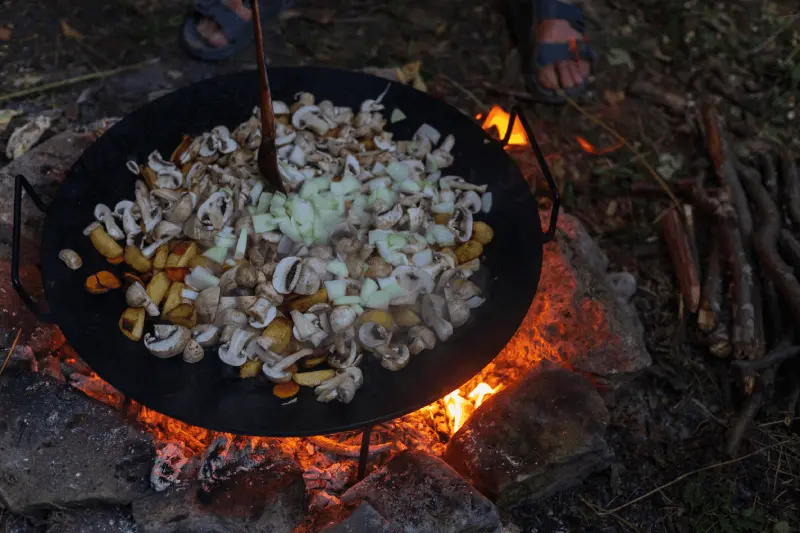
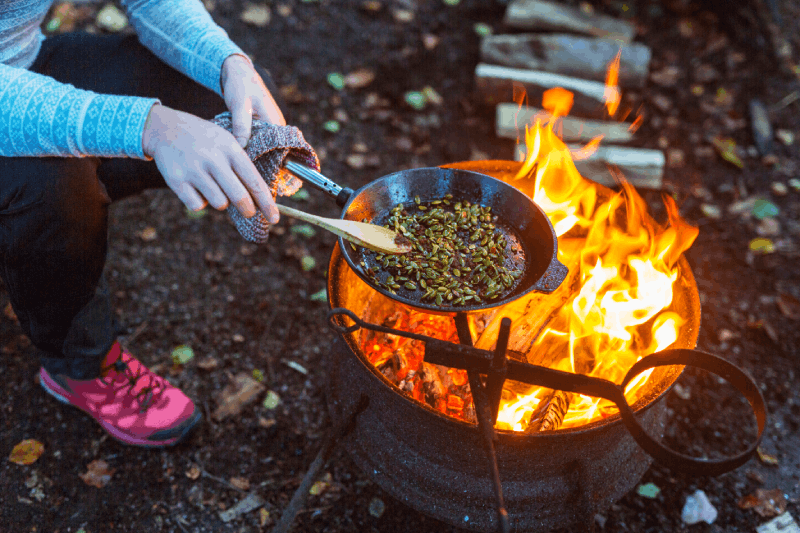
A cast iron pan is the heaviest yet most effective equipment in camp cooking. Thanks to its ability to evenly distribute heat and withstand high temperatures, it allows herbs to be "seared" instead of just "sautéed." Herb sautés made in a cast iron pan acquire a slight burnt (smoky) flavor from the outside while retaining their moisture inside. This means that the vitamins and aromas of the herbs are trapped within. Additionally, the natural layer formed on the surface of the cast iron interacts with the olive oil, adding deep flavor to the dish. The irregular heat of the wood fire is perfectly regulated by the cast iron pan, providing evenly cooked, delicious herbs in every bite.
Is Wild Swiss Chard and Rice a Good Option for a Light Sauté Dinner?
Wild Swiss chard has smaller leaves compared to cultivated chard but is much more aromatic. If you are looking for a light yet filling option for dinner, adding a bit of rice to your chard sauté will give you what you are looking for. The rice absorbs the dark green liquid released by the chard while sautéing, creating a wonderful texture. This dish is actually a cross between a sauté and an olive oil dish. The fact that it can be quickly prepared in one pot over a campfire is a significant advantage. When served with a bit of red pepper flakes and black pepper, you will have signed off on one of the healthiest and most peaceful dinners you can make in nature.
How to Combine Körmen (Wild Garlic) with Other Herbs?
Körmen is one of the most special flavors of the Aegean and contains both onion and garlic flavors at the same time. It can be sautéed alone or added as a "natural aroma enhancer" to other mixed herbs. For example, adding finely chopped körmen while sautéing nettle and ebegümeci enhances the flavor of the dish threefold. When sautéing körmen, you should add the white parts as if they were onions and the green parts at the end to give aroma. This herb saves you from carrying extra garlic or onion in your camp kitchen because nature offers you this aroma in a single plant.
How Can You Preserve the Healing Properties of Sinirotu While Sautéing?
Sinirotu is a medicinal plant used for injuries in the wild, as well as being a delicious food. However, the active ingredients and vitamins in sinirotu can quickly disappear at high temperatures. To preserve its healing properties, you should never cook sinirotu for a long time. It is best to cook the onions and other supporting ingredients thoroughly beforehand and add the sinirotu just 1-2 minutes before turning off the heat. A slight softening from the heat is sufficient. This way, you can enjoy the fresh green taste of the herb while also preserving the necessary minerals for your body. Healing and flavor come together in this method.
How Long Should the Delicate Leaves of Gelincik Herb Be Cooked Over the Fire?
Gelincik herb is a harbinger of spring, and its leaves are incredibly delicate. If you try to cook this herb simultaneously with other tough herbs, the gelincik will melt and disappear within seconds. Timing is crucial when sautéing gelincik herb. It only needs to be in the pan for 1.5 to 2 minutes. It is usually the last herb added to mixed herb sautés. It has a unique slightly sweet and fresh flavor. If you are sautéing it alone, you should heat the oil well, add the herb, stir it 3-4 times, and plate it immediately. This delicacy adds a floral lightness to the dish.
Why Is It Necessary to Add a Bit of Sugar When Sautéing Labada Herb?
Labada (similar to wild chard but more sour) is also known as "evelik" in some regions. Due to its acidic structure, it can sometimes leave a very sharp sourness on the palate. The principle of "balancing acidity with sugar," which is a hidden rule of Aegean cuisine, comes into play here. A pinch of powdered sugar or a piece of sugar cube softens the harsh edges of the labada sauté and ensures that the flavors are rounder and more balanced. Sugar highlights the natural flavors within the herb instead of suppressing them. Especially when combined with caramelized onions over a campfire, that pinch of sugar turns the labada sauté into a gourmet dish.
What Is the Secret of Gourmet Sauté Made with Çitlenbik Shoots?
Çitlenbik shoots are a very rare ingredient from the mastic tree family that carries that magnificent resinous aroma. These shoots can only be collected for a very short time at the beginning of spring. The secret to a gourmet sauté is never to mix çitlenbik shoots with other strongly aromatic herbs (like arapsaçı). You should only sauté them with plain onion and cold-pressed olive oil so that their resinous, aromatic flavor does not get lost. Some campers enhance the flavor by adding a bit of beaten egg. Sautéing çitlenbik shoots is one of the rare flavors that allows you to feel the scent of the entire forest and the Aegean mountains at once.
How to Prepare Mixed Aegean Herbs in a Pan to Achieve the "Çalkama" Flavor?
"Çalkama" is actually a type of Aegean pastry, but it is difficult to find an oven under camping conditions. You can capture the same flavor as "mixed herb sauté" in a pan. Chop all the herbs you have (nettle, chard, ebegümeci, gelincik, körmen, etc.) finely. In a bowl, mix corn flour, olive oil, and salt with these herbs. Then spread this mixture in a greased pan and fry both sides like an omelet or fritter. This method traps the herbs' juices inside and ensures that the outside is crispy while the inside remains juicy and aromatic. Herbs prepared this way over a campfire are the most beautiful companions for evening conversations.
What Is the Difference Between Cooking Over a Wood Fire and Using Gas Stoves in the Campsite?
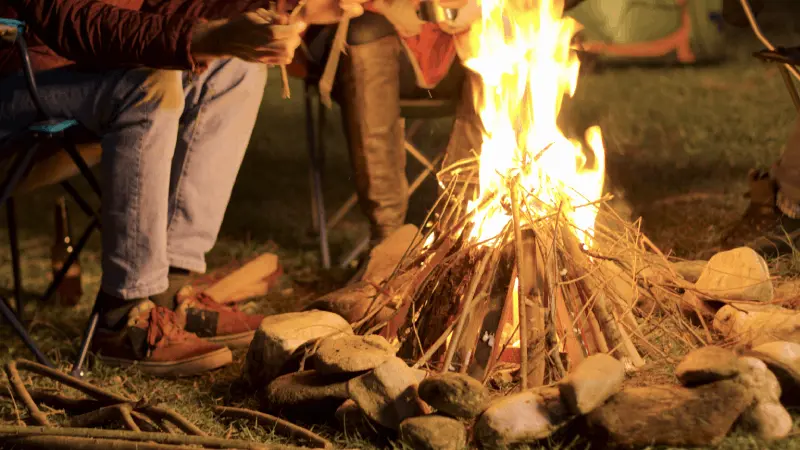
Gas stoves provide controlled heat, but wood fire adds "soul" to the food. Herb sautés cooked over a wood fire absorb the smoky aroma from the burning wood. This smoky flavor harmonizes beautifully with the earthy and slightly bitter profile of Aegean herbs. Additionally, the pan over a wood fire does not maintain a constant temperature; the rising and falling flames ensure that different parts of the herbs cook at different degrees, creating a more complex texture when eaten. Choosing the right wood (like oak or olive wood) directly affects the flavor of the dish. Cooking a sauté over a wood fire is not just a meal; it is a camping ritual.
What Are the Most Popular Camping Drinks to Pair with Herb Sautés?
An aromatic herb sauté leaves a dominant taste on the palate. Choosing the right drink to complement this flavor is important. The famous homemade icy ayran of the Aegean is especially refreshing alongside bitter herbs (radika, mustard). If you are looking for a lighter and more floral taste, a cold herbal tea brewed from the region's fresh mountain thyme (with a slice of lemon and honey added) cleanses the oily texture of the sauté. For campers who prefer alcohol, the light-bodied white wines of the Aegean harmonize beautifully with the acidity of these herbs. With these drinks from nature, you can elevate your meal.
How to Follow the Aegean Herb Calendar According to the Season While Camping?
Foraging herbs in the Aegean is an art of timing. In January and February, Şevketi Bostan and Arapsaçı are at their most delicious period. When March and April arrive, nature explodes; Gelincik, Nettle, Ebegümeci, and Tilkişen cover everywhere. In May, Sea Purslane and Cibes come to the forefront. Keeping this calendar in mind while planning your camping trip increases your chances of finding the freshest and most nutritious herbs of that season. Each month's herb has a different mineral and vitamin profile; therefore, camping in the Aegean at different times of the year means a different detox for your body.
How to Distinguish Between Poisonous and Edible Herbs?
Safety is the most critical issue when foraging herbs in the wild. Some poisonous herbs closely resemble edible ones. For example, the poisonous hemlock can sometimes be confused with wild parsley or arapsaçı. The basic rule is this: If you are not 100% sure of an herb's identity, do not put it on your plate. Do not smell or taste an herb you do not know. While most edible herbs generally have hairy or succulent structures, this does not always mean they are safe. Utilizing developed mobile flora applications for campers or consulting local vendors can be lifesaving. Safe foraging guarantees an enjoyable camping experience.
What Questions Should Be Asked When Buying Herbs from Local Markets in the "Cretan Style"?
The biggest carriers of Aegean herb culture are the Cretan immigrants. When buying herbs at a local market, instead of just asking for the price, you should ask how the herb is "prepared" or which herb it is "related to" (what it is cooked with). When you ask questions like, "How is the bitterness of this herb extracted?" or "Is it better with eggs or yogurt?" you will receive not only the herb but also invaluable recipes from the vendor. In a true Cretan-style shopping experience, knowing where the herb was collected (even which slope of the mountain) is important. This information tells you how much sunlight the herb received and thus how rich its aroma is.
Should Herbs Collected During Nature Walks Be Cooked Immediately?
Herbs you collect during nature walks start to lose their freshness from the moment they are picked. The ideal flavor is consumed within the first 2-3 hours after harvesting. However, if you return to the campsite tired and will not cook immediately, you must ventilate and keep them cool. Storing your collected herbs tightly stacked can cause them to heat up and spoil. If possible, collecting the herbs for dinner towards the end of your walk helps maintain their freshness.
What Are the Essential Spices for Herb Sauté in a Camping Backpack?
The unique aromas of Aegean herbs are so strong that using too many spices can overshadow this flavor. However, some basic ingredients can enhance the herb's taste. Quality sea salt (instead of table iodized salt), freshly ground black pepper, and for spice lovers, a good red pepper flakes (preferably Maraş or silk pepper) should definitely be in your backpack. Additionally, dried tomato pieces or a bit of sumac can be great additions to balance the deep green flavor of the herbs. Remember, in camp cooking, less is more. Use spices not to overpower the herb's flavor but to elevate it a notch.
How Does Bringing Aegean Gastronomy Culture to the Campfire Nourish Our Souls?
Camping is not just a form of accommodation; it is a state of communion with nature. Sautéing the herbs you have gathered with your own hands or selected from a local market over a wood fire allows a person to disconnect from the modern world and return to their roots. The steam rising from that pot carries thousands of years of tradition and the wisdom of the Aegean. You feel that while your stomach is filled, your soul is nourished as well. With these simple yet miraculous flavors that nature offers you, it actually tells you: "The greatest luxury is hidden in the simplest." The herbs of the Aegean, the smoky aroma of the campfire, and a meal eaten under the stars; this is the true essence of life.