What Weather Conditions Should You Take Your First Step into Camping?
The ideal weather conditions for an individual who wants to start camping are those that are neither too hot nor too cold, referred to as "mild" conditions. Extreme heat or freezing cold, where balancing body temperature becomes difficult, requires technical knowledge and professional equipment. For a beginner camper, periods when thermal comfort is provided, and nighttime temperatures hover around 10-15 degrees, enhance sleep quality and increase the desire to spend time in nature. Therefore, calm days when extreme weather events are not experienced and wind speeds are low provide a safe laboratory for you to develop your technical skills.
Is the Fresh Energy of Spring Enough for Your First Camping Experience?
Spring is a delightful season for those who want to witness nature's awakening. However, for beginners, this period can be somewhat deceptive due to variable weather conditions. The sun's warmth during the day can mislead you; as the ground still retains the cold of winter at night. Starting camping in spring is a great opportunity to learn the "layering" rule. While the blooming flowers and bird songs keep your spirits high, you must be prepared for sudden spring rains. If you have a waterproof tent and suitable rain gear, spring is one of the most efficient starting points to experience nature in its purest form.
Is Staying in a Tent During Summer Heat Really a Pleasure or a Struggle?
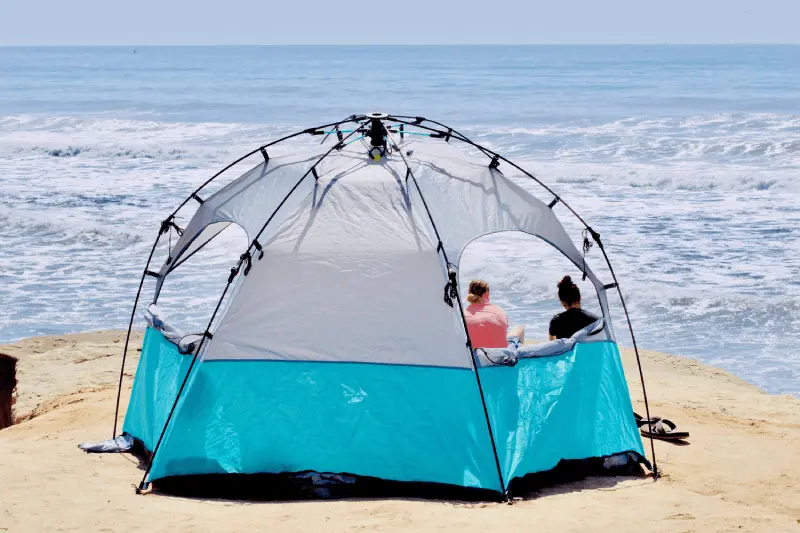
Although summer is generally seen as the "golden age" of camping, extreme heat can seriously threaten camping comfort. The sun turning your tent into an oven early in the morning can disrupt your sleep pattern and increase the risk of dehydration. If you want to start summer camping, you should definitely prefer shaded areas and waterfronts. Additionally, using effective repellents against one of the biggest challenges of this season, the insect and mosquito population, is essential. The advantage of starting camping in summer is being able to travel with minimal gear; however, being inexperienced in heat management can lead to a sleepless first night in the wild.
Are the Colorful Hues of Autumn Romantic or Risky for Beginner Campers?
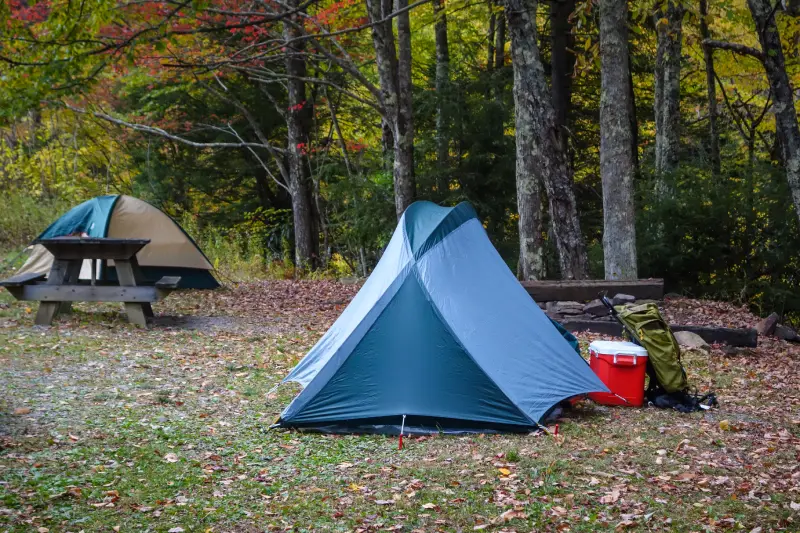
According to many experienced campers, autumn is the best season for camping; but what about for beginners? Autumn offers a comfortable environment with reduced humidity and fewer insects. However, shorter days mean that your time to set up camp and gather firewood is more limited. Trying to set up a tent in the dark for the first time can be stressful. If you are disciplined in time management, the unique color palette and cool weather of autumn can make you fall in love with camping. Still, caution should be exercised regarding the slippery wet leaves on the ground and sudden nighttime chills.
Is Battling Harsh Natural Conditions in Winter a Test for Beginners?
To put it bluntly, winter is the least suitable time to start camping. Winter camping requires a technical knowledge base focused on "survival." Setting up a tent under snow, choosing a sleeping bag that can withstand freezing temperatures, and taking precautions to prevent the stove from freezing are tasks for experts. For a beginner, winter conditions can turn into a traumatic experience that may lead to freezing in nature. However, if you insist on starting in winter, you must do so under the guidance of a very professional guide and with top-tier equipment. Nature in winter is unforgiving; therefore, it would be the most logical decision to save this season for your more advanced experiences.
How Do Sudden Weather Changes During Seasonal Transitions Affect Your Equipment Choices?
Seasonal transitions, such as April-May or September-October, are times when you feel the importance of "four-season" equipment the most. If you plan to start camping during these periods, you should act on the principle of "better safe than sorry." Your tent should have high wind resistance, and the comfort rating of your sleeping bag should be at least 5 degrees lower than the expected temperature. Beginners often make mistakes by only looking at daytime temperatures. Since the ground will be moist during seasonal transitions, choosing a good mat (insulation) is the most critical piece that will prevent you from getting cold while sleeping. These transition periods teach you firsthand how dynamic nature can be and how crucial it is to be prepared.
Is Seeking Comfort in Nature a Luxury That Changes with the Season?
Comfort in camping is actually directly proportional to your adaptation to the season. Staying cool in summer is a luxury, while staying warm in winter is a necessity. For beginners, the comfort level is the main factor that determines whether they will continue camping. For example, a slight chill during a spring camp is a pleasant detail, while the same chill can be uncomfortable if caught unprepared in the middle of summer. Regardless of the season, what ensures your comfort is not expensive equipment but rather proper positioning according to the conditions of that season. The direction of the wind, the angle of the sun's rise, and the slope of the ground are the hidden heroes that determine your comfort in every season.
Which Season and Region Minimizes Rookie Mistakes?
The relationship between geography and season directly affects the success of your camping initiation. If you plan to start camping in summer, high-altitude plateaus or cool forested areas will cover your inexperience. If you plan to start close to winter, warmer coastal regions like the Aegean or Mediterranean will provide you with a sheltered area. The biggest mistake a beginner camper can make is choosing a geography where the season is experienced at its harshest. For example, camping in the less elevated parts of Antalya in winter rather than in Erzurum will make the learning process much more enjoyable. When choosing a region, examining seasonal norms based on the last 10 years of data prevents unpleasant surprises.
Which Season is the Most Economical for a Budget-Friendly Camping Start?
From an economic perspective, summer and early autumn are the most suitable times to start camping. Because during these periods, standard and more affordable equipment known as "three seasons" will suffice. The sleeping bags that are durable against negative temperatures required for winter camping, double-tent technical tents, and special heaters can seriously strain your budget. In spring and summer, adapting some household materials (blankets, cotton clothes, etc. - provided they are used correctly) to the camping environment is easier. Therefore, to understand whether camping is the right hobby for you without spending large amounts of money, choosing the warm months when weather conditions assist you is a cost-effective approach.
Which Season Makes Campers More Anxious About Wildlife Activity?
Nature is not just about trees; there are also inhabitants living there. Spring has increased activity in the forest as it is the awakening and breeding season for animals. For beginners, every sound heard at night can be perceived as a threat. In summer, pests like snakes, scorpions, and ticks become more active. This situation can create a psychological barrier for novice campers. The late autumn, when animals prepare for winter hibernation or activity decreases, can offer a more peaceful start for those with such fears. However, it should not be forgotten that as long as you know proper food storage methods, you can maintain a safe distance from wildlife regardless of the season.
How Does Tent Selection Significantly Impact Seasonal Conditions?
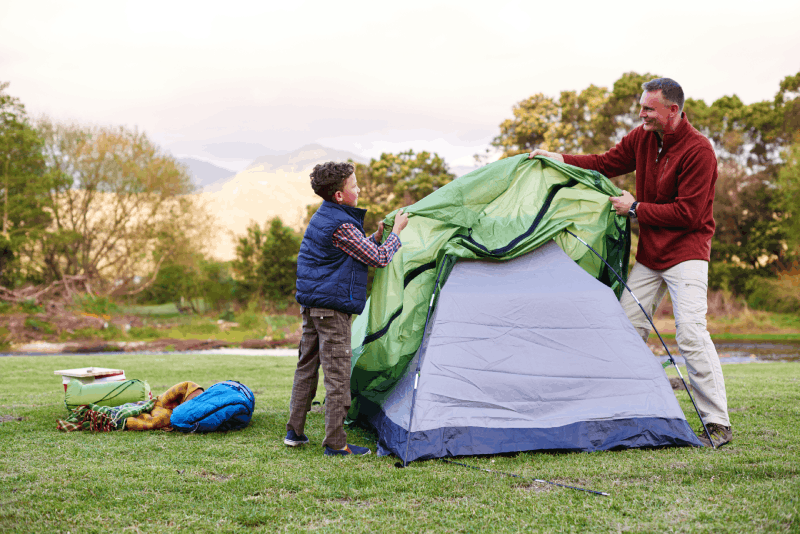
Your tent is your fortress in nature. The most common mistake beginners make is trying to camp in every season with "market-type" cheap tents. While these tents can be suffocating due to insufficient ventilation in summer, they can leave you soaked in spring rains. Choosing a tent suitable for the season means not only staying dry but also managing condensation. For example, models with mesh inner tents circulate air in spring, while models with outer tents that extend to the ground block the wind. Regardless of which season you start camping in, you must ensure that your tent is durable against the worst-case scenario of that season (storm, heavy rain).
How Should Sleeping Bag Ratings Be Interpreted According to the Starting Season?
The "Comfort", "Limit", and "Extreme" ratings on sleeping bags contain vital information for beginners. If you plan to camp in spring, the "Comfort" rating should be equal to or lower than the nighttime temperature of your destination. Many novices look at the "Extreme" rating when buying a sleeping bag and are shocked when they face the risk of freezing at night. However, the extreme rating only indicates the limit at which you can survive but never sleep. Even in summer camps, since nighttime temperatures can suddenly drop, the sleeping bag selection should be made according to the coldest possibility of the season. A camper who does not get good sleep will face the risk of cooling down in nature the next day, feeling tired and unhappy.
How Do Campfire Lighting Techniques Change with Seasonal Moisture?
The campfire is the spirit of camping; however, lighting it is not equally easy in every season. Lighting a fire during dry summer periods poses a significant risk of forest fires, while dealing with wet wood in winter and spring requires patience. For a beginner camper, the easiest time is late summer and early autumn when finding dry wood is effortless. If you are starting in a moist season, you should definitely have dry kindling and quality tinder that you brought from home. As seasonal conditions evolve, the skill of lighting a fire will make you feel like a true camper. However, you should always be prepared for the "camp without fire" scenario and carry a stove (butane stove) for cooking.
How Do Hygiene and Cleaning Needs Differ in Hot and Cold Seasons?
Staying clean in nature requires changing strategies according to the season. In summer camps, you will often feel the need to refresh due to sweating and dust; at this point, wet wipes or portable camp showers can be lifesavers. However, in cold seasons, contact with water can quickly lower body temperature, so "dry cleaning" methods (dust cleaners, alcohol-free cleaning gels) should be preferred. For beginners, a lack of hygiene can quickly diminish interest in camping. Especially, planning for seasonal challenges regarding toilet needs and washing dishes (frozen water, muddy areas) should be done in advance. Each season's unique cleaning routine directly enhances the quality of time spent in nature.
What Weather Data Should You Monitor to Keep Your Morale Up During Your First Camping Trip?
Checking the weather forecast is not just about seeing if it will rain or not. Data such as wind speed, perceived temperature, humidity level, and dew point directly determine your camping comfort. For a beginner, wind speeds over 20 km/h can make it impossible to set up a tent or keep you awake with constant noise. Similarly, high humidity can cause a feeling of "it's raining inside" in the tent. Therefore, learning to use professional weather apps and tracking the trends of the last 48 hours before going camping protects you from surprises that could dampen your spirits. Good planning is your greatest ally in nature.
Is Camping Outside the Season a Good Decision to Avoid Crowds?
Popular camping areas can unfortunately be as crowded and noisy as city squares during the summer months. This situation can create disappointment for beginners seeking the tranquility of nature. Camping outside the season (early spring or late autumn) offers you a real chance for isolation and a chance to connect with nature. However, the price of this "silence" is more challenging weather conditions. If you trust your equipment and are not afraid of solitude, camping outside the season accelerates your learning curve. In a crowded camp, you can get help from others, but in a secluded camp, you have to solve everything yourself; this makes you a more competent camper.
How Does the Psychological Preparation Process Shape According to Seasonal Conditions?
Camping is not just a physical activity; it is also a mental challenge. In summer camps, long days and light can make you feel safe; while the long nights in winter and autumn can be psychologically oppressive. Managing a 12-14 hour period in the dark alone or with a small group can be stressful or frightening for beginners. When choosing a season, you should also consider your psychological resilience. Opting for sunny, long days in your first experience will ease your adaptation to nature. As your mind gets used to the sounds and darkness of nature, facing the harshness of the seasons will start to become enjoyable.
How Does Eating Seasonal Ingredients in Your Camp Kitchen Help Maintain Your Energy?
The energy you expend in nature varies significantly according to seasonal conditions. In cold weather, your body burns many more calories to stay warm; therefore, meals rich in protein and fat are vital. In summer, lighter, high-water-content, and refreshing foods should be preferred. For a beginner camper, "seasonal nutrition" not only lightens their backpack but also maintains body resistance. For example, the morale provided by a hot soup in winter is equivalent to a chilled slice of fruit in summer. When planning your camp kitchen, using local products offered by the season ensures fresh nutrition and adds gastronomic depth to your camping experience.
Is Your First Aid Kit Ready for Seasonal Illnesses and Injuries?
The first aid kit that every camper should have should be updated according to seasonal risks. In summer camps, medications for sunburns, heat strokes, and allergic reactions are a priority; while in winter and spring, materials for hypothermia symptoms, cold sensitivity, and injuries from wet ground should be included. Beginners often just buy a standard set, but knowing the specific risks that the season brings (such as information about snake serum in summer or heating pads in winter) can be lifesaving. Remember that the nearest medical help may be hours away in nature and you should prepare in advance for seasonal illness symptoms. Safety always comes before fun.
Does the Geographical Structure of the Camping Area Pose Risks Depending on the Season?
A camping area may be a perfect flatland in summer, but it can turn into a swamp in spring or a floodplain in winter. Seasonal changes completely alter the character of the geography. For beginners, the safest areas are slightly elevated flatlands with good drainage (that do not retain water). Camping in riverbeds is very risky, especially due to sudden spring rains that can cause flash floods. Similarly, in a very dry area in summer, glass shards or uncontrolled fires can lead to massive wildfires. When choosing an area, pay attention not only to the current view but also to the traces that the season may leave on that geography (dry riverbeds, signs of landslides, etc.).
What is the Most Suitable Season for You?
In light of all this information, we can say that the ideal time to start camping is late May or early September. These periods are when the extremes (hot-cold) are tempered, and nature is at its most welcoming. However, remember that the best season is the one in which you feel most physically and mentally prepared, and know the limits of your equipment. Respect nature with every step you take, adhere to the principles of "leave no trace," and do not neglect to discover the unique beauty of each season. An unforgettable camping experience begins with the right preparation at the right time. Happy camping!