What Should Be Considered When Choosing a Water Source in Nature?
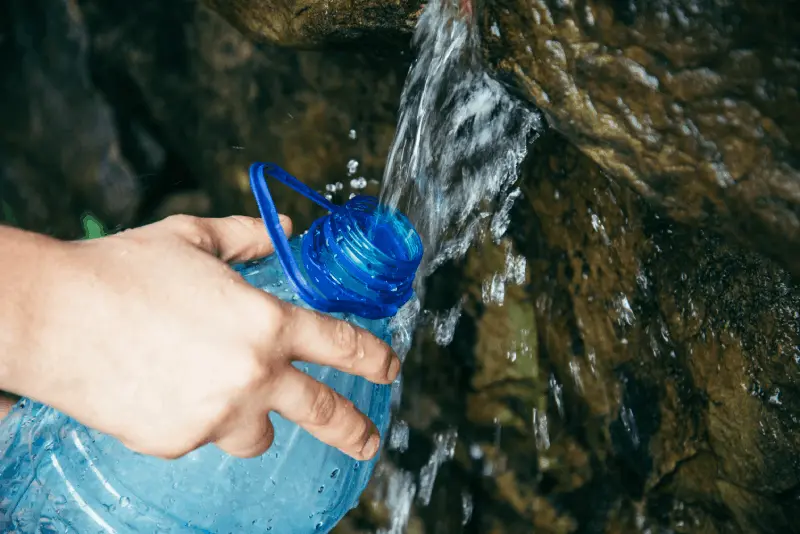
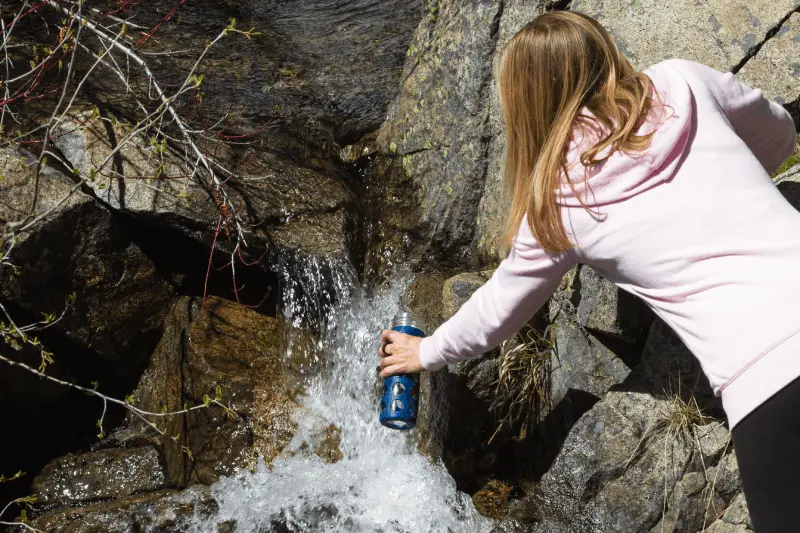
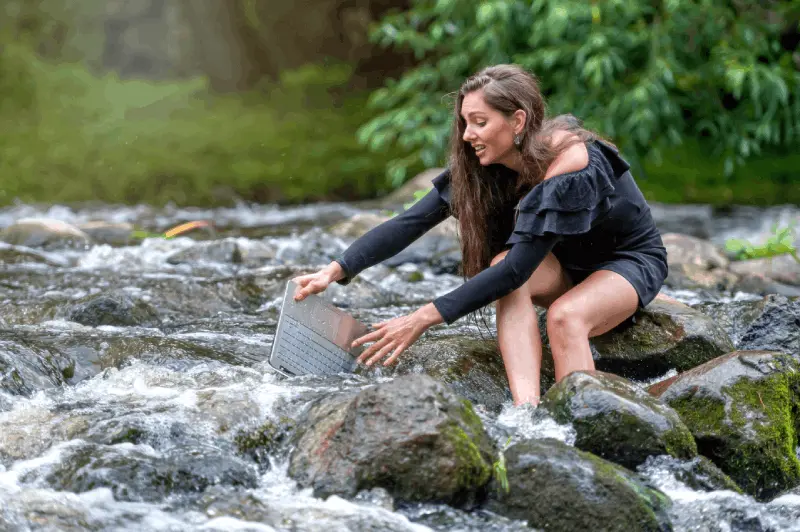
When you find a water source in nature, it is vital to analyze the source itself before proceeding to the filtration process. Stagnant waters, swampy areas, or waters in regions with high animal activity carry the highest pathogen risk. Whenever possible, you should always prefer flowing, fast-flowing, and clear waters. Checking whether there are settlements, mines, or industrial facilities in the upper parts of the source reduces the risk of chemical pollution. It should be noted that even the best filter may not completely remove heavy chemicals or industrial waste. Therefore, the first step is always to find the cleanest raw water source.
Is Clear-Looking Water Always Drinkable?
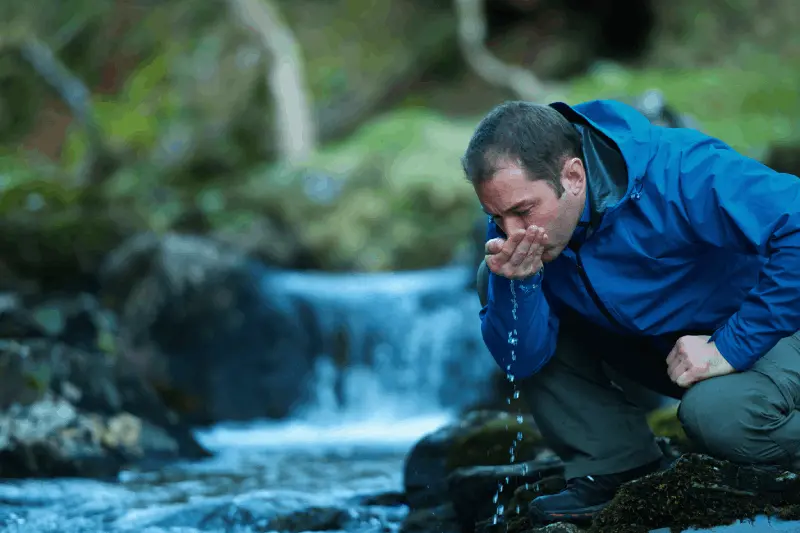
The crystal clarity of water does not mean that it is biologically or chemically safe. Microscopic bacteria, protozoa, and viruses do not change the color or smell of the water. For example, parasites like Giardia and Cryptosporidium can be found even in clear mountain streams and can lead to serious gastrointestinal diseases. These threats, which are not visible to the human eye, create a deceptive sense of security because they do not affect the taste of the water. Therefore, you should never consume any water from a source you are not sure about, no matter how clear it is, without proper filtration or purification.
What is the Difference Between Bacteria and Protozoa?
These two groups, which form the basis of waterborne diseases, differ in size and structure. Bacteria (such as E. coli or Salmonella) are generally between 0.2 and 10 microns. Protozoa, on the other hand, are larger organisms and typically range from 1 to 15 microns in size. These sizes are critical in filter selection; because a filter with a pore size of 0.1 microns can physically block both groups. Protozoa are generally more resistant to chemicals like chlorine, while bacteria are more sensitive to UV light in addition to physical filtration. Eliminating both groups is the first step in ensuring basic safety in nature.
Can Viruses Be Cleared with Standard Filters?
Generally, no. Standard micron filters (0.1 or 0.2 microns) are excellent at stopping bacteria and protozoa, but viruses are much smaller (0.004 - 0.1 microns). This means that most viruses can easily pass through the pores of a portable camp filter. Viruses are usually found in water contaminated with human waste, so the risk is lower in wild nature (away from human settlements). However, if you are in risky areas, you should use devices classified not just as "filters" but as "purifiers." Purifiers use chemicals, UV light, or much finer-pored membranes to eliminate viruses.
How Do Pump Water Filters Work and What Are Their Advantages?
Pump filters are systems that draw water from a source by submerging an intake hose and manually pumping the water through a filter into a clean container. The biggest advantage of this method is its ability to extract water from very viscous or hard-to-reach sources (like rock crevices). Additionally, since physical force is applied, the flow rate of the water is usually high. Most pump systems have replaceable ceramic or hollow fiber cartridges, which can be cleaned when clogged. Due to their durable structures, they offer a very reliable option for long expeditions and large groups.
Why Are Gravity Filters Preferred in Camps?
Gravity filters are designed to clean large amounts of water without physical effort. The system usually consists of two bags: one for dirty water and the other for clean water. When you hang the dirty water bag at a high place, the water flows through the filter by gravity and fills the clean bag below. This method is especially ideal for groups spending time at a campsite and needing water for cooking or cleaning at the same time. Since it does not require pumping, it provides great convenience when you are tired, and you can focus on other tasks while the filtration process continues.
What Are the Limitations of Straw Filters?
Straw-type filters (like LifeStraw) are ultra-light devices that allow you to drink directly from a water source. While they are excellent emergency equipment for individual use, they have some significant limitations. Their biggest drawback is that they do not allow you to store water; meaning you cannot carry clean water with you, and you have to sip from the source each time. Additionally, obtaining water for cooking or cleaning a wound is nearly impossible with these devices. Since they work by suction, they can tire your lungs over time. Therefore, straws should not be the main filtration system but are generally carried as a backup or emergency tool.
What Portability Do Squeeze Filters Provide?
Squeeze filters have become the most popular method among the lightweight equipment (ultralight backpacking) community in recent years. Models like Sawyer Squeeze work on the principle of squeezing water filled in a lightweight bag through a filter. These filters can be used directly like a straw, attached to the mouth of a water bottle, or converted into a gravity system. Their versatility, compact size, and affordability are their biggest advantages. However, there is a risk of the bags bursting. It is recommended to always keep a backup water bag next to you.
How Does UV Sterilization Kill Microorganisms?
Purification with UV light is a technological method that disrupts the DNA of microorganisms, preventing their reproduction. Devices like SteriPen render all pathogens, including viruses, ineffective when the water is stirred for a certain period. The biggest advantage of this method is that it does not alter the taste of the water and does not contain chemicals. However, UV light is only effective in clear water; if the water is cloudy, the light cannot reach the pathogens, and the system fails. Therefore, it is essential to remove sediments from the water before using UV (pre-filtration). Additionally, battery-operated devices can pose a risk factor during long-term outdoor trips.
What is the Difference Between Chlorine and Iodine Tablets?
Chemical purification tablets are unique in terms of lightness and ease of use. Although iodine tablets have been a standard method for years, they significantly alter the taste of water and can be risky for long-term use for pregnant women or those with thyroid issues. Chlorine-based tablets (especially chlorine dioxide) are a more modern option; they are very effective against viruses and bacteria and can even kill Cryptosporidium (though this process can take several hours). The biggest disadvantage of chemical methods is the waiting time; you usually need to wait between 30 minutes to 4 hours for the water to become safe. Additionally, these methods do not clean sediments, sand, or heavy metals in the water.
Is Boiling Still the Safest Method?
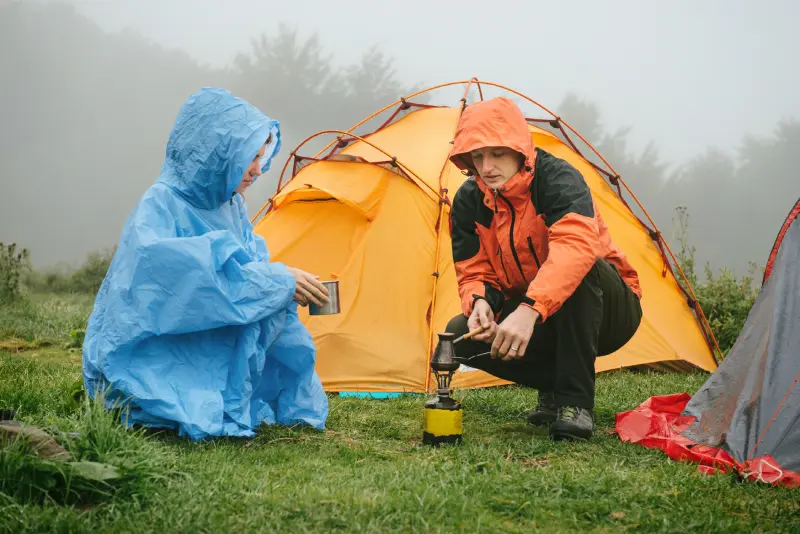
Absolutely yes. Boiling is considered the "gold standard" of water purification methods worldwide. Bringing water to a rolling boil kills all bacteria, viruses, and protozoa within seconds. Boiling for one minute at sea level is sufficient, while at high altitudes (where oxygen is low), three minutes is enough. The biggest disadvantage of boiling is fuel consumption and the time required for the water to cool down enough to drink. Additionally, the boiling process does not eliminate chemical contaminants or heavy metals in the water; rather, it can increase the concentration of these substances as the water evaporates. However, from a biological safety perspective, boiling is always the most reliable insurance.
How to Clean Ceramic Filters?
Ceramic filters are highly durable components that purify water thanks to their porous structure. The biggest feature of these filters is that their outer surfaces can be cleaned by scrubbing with sandpaper or a hard sponge. When the water flow rate slows down, the clogged layer on the outermost layer of the ceramic is lightly scrubbed to reopen the pores. This process can be repeated hundreds of times throughout the filter's lifespan. However, there is a disadvantage to ceramics: they are fragile. If you drop the filter, it can develop invisible cracks inside, allowing bacteria to pass through and rendering the filter ineffective.
Why is Micron Size Important in Filter Selection?
The most fundamental technical data determining a filter's reliability is the size of its pores in "microns." 1 micron is one-thousandth of a millimeter. The most common risk in nature is bacteria, which are approximately 0.5 microns, while protozoa range from 1 to 5 microns. Therefore, for a filter to be considered safe, it must have a value of at least 0.1 or 0.2 microns. If a filter's micron rating is not specified or is above 1 micron, that device is designed only to filter coarse sediments and does not provide biological protection. When making a selection, it is essential to pay attention to the term "absolute micron"; because this guarantees that no particle will exceed that size.
What is the Role of Activated Carbon in Chemical Purification?
Many modern water filters include an activated carbon stage in addition to physical filtration. The role of activated carbon is not to stop biological pathogens but to improve the taste and odor of the water. Carbon absorbs chlorine, agricultural chemicals, some heavy metals, and organic compounds that cause bad odors in the water. Carbon filters are excellent for eliminating that earthy smell or metallic taste from water taken from stagnant sources. However, carbon has a capacity, and when it is full, it needs to be replaced. An activated carbon filter alone does not kill bacteria; therefore, it should always be used in conjunction with primary filters like hollow fiber or ceramic.
Why is the Freezing of the Filter Dangerous in Winter?
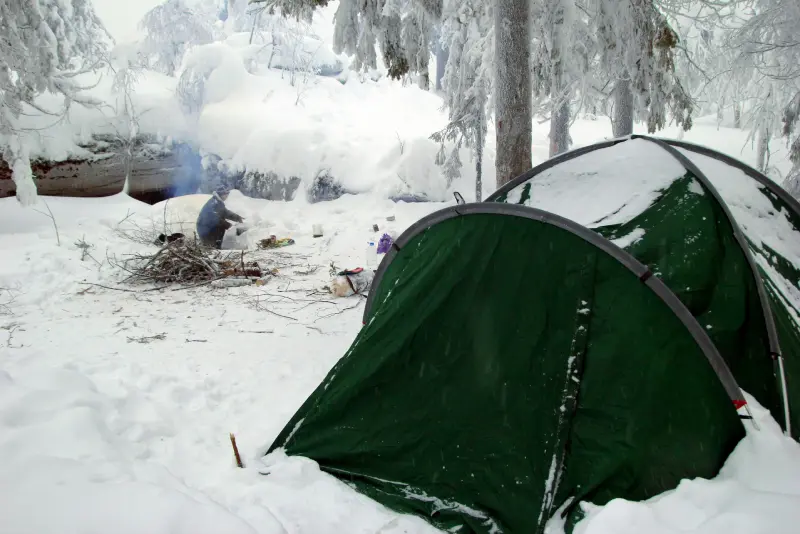
The biggest nightmare for those who engage in winter camping is the freezing of the filter. If filters with hollow fiber technology (Sawyer, Katadyn BeFree, etc.) freeze while wet, the expansion of the water inside can burst the fiber tubes. These cracks are microscopic and cannot be seen with the naked eye, but they render the filter's entire protective feature useless. Continuing to use a frozen filter is akin to drinking directly from contaminated water. To avoid this risk, you should always carry your filter close to your body (for example, in the inner pocket of your jacket) and place it inside your sleeping bag at night. If you suspect that a filter has frozen, you should never trust it and should obtain a new one.
What Should Be Done Before Filtering Murky Waters?
Directly filtering murky, muddy, or heavily sedimented water can damage the device in seconds. can cause clogging. In this case, it is essential to do "pre-filtering". The simplest method is to stretch a bandana, coffee filter, or finely woven fabric over the mouth of the container to filter the water. A more effective way is to let the water sit in a container to allow the sediment to settle at the bottom. Additionally, you can use coagulants like alum to quickly settle the sediment to the bottom. To extend the life of the filter and achieve more efficient results, you should always pass the water through a mechanical filter after it has settled as much as possible.
Can Heavy Metals Be Cleaned with Natural Filters?
Contrary to popular belief, most standard camping filters cannot remove heavy metals like lead, mercury, or arsenic from water. These metals can easily pass through physical pores because they are dissolved at the atomic level. Specially designed ion exchange resins or filters containing special activated carbon blocks (such as devices like Grayl) are required to remove heavy metals. If you are in an area close to mineral deposits or suspect that the water contains chemical waste, you should not rely solely on devices that only perform microbiological filtration. In such areas, you should have professional purifiers with chemical purification capacity nearby.
Is It Possible to Filter Seawater?
It is impossible to make seawater drinkable with a regular water filter. Salt is ionically dissolved in water, and these ions can pass through even the finest-pored camping filters. To convert seawater into fresh water, "reverse osmosis" technology or distillation is required. Portable manual reverse osmosis devices are available, but they are very expensive and require significant physical effort to operate. In a survival situation, the only way to purify seawater is to evaporate the water and condense it to remove the salt (like solar distillation systems). Drinking saltwater should never be attempted as it will quickly dehydrate the body.
Why Is Backwashing Necessary in Filters?
Backwashing is the process of passing clean water through the filter in reverse to clean out accumulated dirt and sediment. This process is vital to maintain the flow rate of the filter and extend its lifespan. Especially in hollow fiber filters, it is recommended to backwash after each use or when the flow rate decreases. In some models, this is done with a backwash valve, while in others, simply shaking the filter may be sufficient. Microorganisms that accumulate in a filter that is not regularly backwashed can form colonies over time, leading to bad odors and clogs. Keeping up with this maintenance routine ensures that your equipment does not let you down in the field.
Is Sand and Charcoal Filtration Safe in Natural Environments?
Layered sand, stone, and charcoal filters commonly seen on the internet or in survival books are "emergency" methods but do not guarantee complete safety. These types of natural filters improve the appearance of water by filtering out large sediments, mud, and some organic matter. However, there are no guarantees that they will stop microscopic bacteria or viruses. After using a homemade filter, you must boil the filtered water or disinfect it with chemical tablets. Filtration using natural materials should be seen as a step that only assists in "pre-cleaning" rather than purifying the water.
How to Extend the Lifespan of Water Purifiers?
The lifespan of a water filter depends on how gently you handle it. The first rule is to find the clearest point when selecting a water source. The second rule is to dry the filter properly after each use. Filters left damp can develop mold or bacteria. The third rule is to disinfect the filter before long-term storage (usually by rinsing with water containing a very low dose of bleach). Protecting the filter body from impacts and taking precautions against freezing is also critically important. By following these simple steps, you can efficiently use a capacity of several thousand liters.
Which Filter Is Suitable for Which Activity?
Filter selection should vary depending on the type of activity you will be doing. If you are a solo hiker or doing fastpacking, "squeeze" type filters that attach to the water bottle are the best. For long-term and large group camping, "gravity" systems provide comfort. If you are traveling internationally or in areas where water hygiene is very poor (virus risk), you should definitely prefer UV purifiers or chemical purifiers. In your emergency kit (Go-bag), there should always be a space-saving straw filter or purification tablets. Accurately assessing your needs and the risk analysis of the area will ensure that you make the safest choice.