Traveling freely by caravan and being one with nature is every camper's dream. However, this freedom comes with a significant responsibility towards the environment. "Grey Water," which consists of the kitchen sink and shower water used in the caravan, is not just soapy water as commonly believed; it contains food waste, oils, and chemicals. In this article, we will examine in detail how grey water should be disposed of correctly and legally, and what you need to pay attention to in order to protect nature.
What is Grey Water in Caravans and Why Should It Be Disposed of Properly?
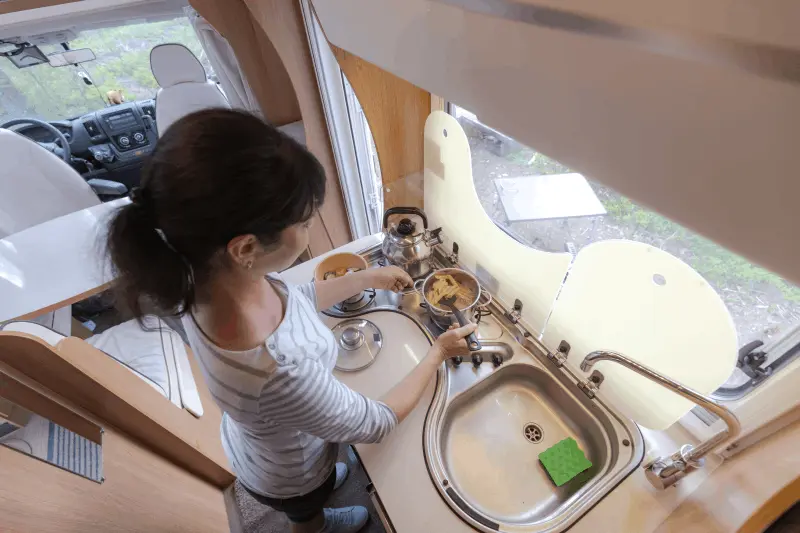
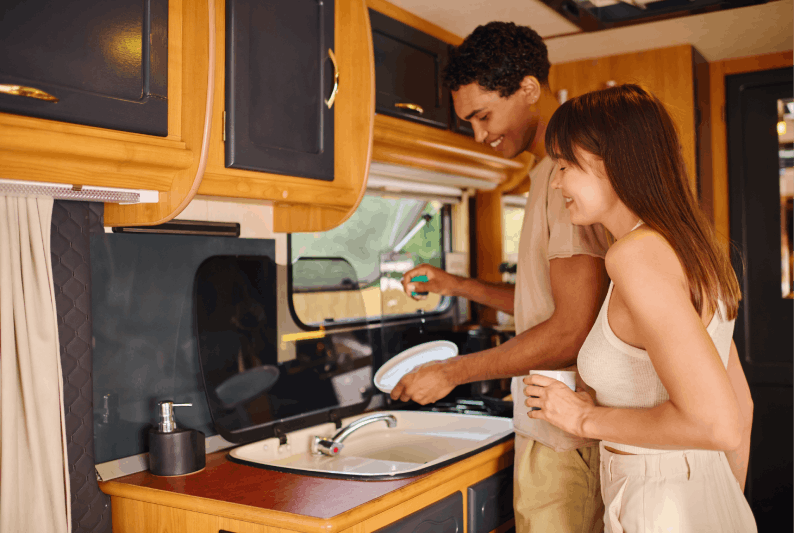
Grey water is wastewater that comes from the sink, shower, and kitchen in the caravan, which does not contain septic waste (black water). Many people mistakenly believe that grey water is just water and soap, and see no harm in pouring it directly onto the ground; however, this is a significant misconception. Grey water contains oils from the kitchen, detergent residues, hair, and bacteria. If this water is dumped uncontrolled into nature, along roadsides, or near water sources, it can cause serious harm to the ecosystem. It disrupts the pH balance of the soil, pollutes groundwater, and causes unpleasant odors to spread into the environment. As a responsible camper, transferring this waste only to approved disposal points is a fundamental rule of sustainable camping.
How and Where is Grey Water Disposal Carried Out in Campsites?
Official campsites and camping facilities are the safest and most suitable places for caravanners to dispose of grey water. These areas typically have a concrete platform at ground level with a grate on top. You need to align your caravan so that the disposal valve is directly above the grate. In some developed campsites, each plot has its own wastewater connection; in this case, you can connect your caravan's tank directly to the sewage system with a flexible hose. After the disposal process is completed, leaving the area clean and rinsing any remaining waste around the grate with water is a sign of respect for the next user. These facilities in campsites ensure that the waste goes directly to the municipal sewage line or treatment system, preventing environmental pollution.

How Can We Find Waste Water Stations in the City?
In cities or along highways, there are designated service points (dump stations) for caravanners. These points are usually operated by municipalities or caravan associations. The easiest way to find these stations is to use mobile applications like "Park4Night," "SearchforSites," or "iOverlander." In these applications, you can read comments from other users to see if the station is operational, whether the entrance is suitable for your caravan's size, and if there are any fees. Additionally, some large cities may offer these services near public transport centers or municipal garages. If you cannot find a station, consulting the local municipality or getting updated information from caravan forums will eliminate the risk of illegal dumping.
Is It Forbidden to Dispose of Grey Water at Gas Stations?
Not every gas station is suitable for grey water disposal, and dumping without permission is strictly prohibited. Some large fuel stations have designated parking and service areas for caravans; grey water and black water disposal can be done legally there. However, at a standard station, dumping wastewater into stormwater drains or wash bay outlets may violate environmental laws. Even if you see a suitable grate at a station, you must always obtain permission from the station staff. If authorized, it is your environmental responsibility to ask where the water is going (to the sewage system or to the stormwater line). Unauthorized and improper dumping can lead to issues with the establishment and hefty fines.
What Are the Dangers of Dumping Grey Water into Stormwater Drains?
The grates we see in cities and along roads are mostly stormwater drains. Many people think these drains are connected to the sewage system, but stormwater lines usually discharge directly into the nearest river, lake, or sea. When you dump grey water from your caravan into these drains, you are actually sending detergent residues, food oils, and shampoo remnants directly into natural water sources. This can lower the oxygen levels in the water, leading to the death of fish and other organisms. Therefore, grey water should never be dumped into stormwater drains. Grey water should only be included in the "domestic wastewater" (sewage) system so that it can be treated at treatment facilities.
How Do Disposal Systems Work in Caravan Parking Areas (Stellplatz)?
"Stellplatz" or caravan parking areas, which are very common in Europe and are increasing in number in Turkey, usually have automatic or semi-automatic disposal systems. In these areas, you park your caravan at a specific point. In some systems, you can open the valve cover by inserting a token or making a payment with a credit card. In some places, you simply use the grate on the ground. These stations typically have a designated area for dirty water disposal and a separate tap for fresh water replenishment. An important rule is that you should never use the hose from the dirty water disposal area to fill your fresh water tank. Due to hygiene regulations, these two systems must be completely separate.
What Are the Ecological Consequences of Dumping Grey Water Directly into Nature?
Dumping grey water directly onto the ground or into forested areas may only cause unpleasant odors in the short term, but in the long term, it severely damages the ecosystem. Phosphates in detergents alter the soil structure, leading to the drying out of local vegetation or the proliferation of invasive species. Additionally, food waste can disrupt the feeding habits of wildlife and attract them to campsites, meaning closer encounters with humans. Especially in sensitive areas, dumping near water sources can lead to bacterial contamination of drinking water. The fundamental philosophy of a nature-loving caravanner should be "leave no trace." According to this philosophy, not even a drop of grey water should be left in nature outside controlled areas.
Can Waste Water Units in Marinas Be Used for Caravans?
Marinas have developed waste water disposal systems for yachts and boats. Some marinas may offer this service to caravanners for a fee. However, the disposal valves of caravans and the pump systems of boats are different. Marina systems are usually vacuum pumps and can damage the caravan tank. If you are staying at or near a marina, you should consult the management to find out if there is a suitable disposal area for caravans (usually found on land). If there is no suitable infrastructure, forcing the systems used by boats can lead to technical problems. Nevertheless, marinas can be a good source of information and sometimes a solution when you cannot find a caravan station along the coast.
Can We Dispose of Grey Water into the Sewer Line in Our Garden?
If you want to dispose of the grey water left in your caravan when you return home, you should only do so from a drain connected to the main sewer line of the house. Pouring it into the stormwater drain in your garden will cause the environmental damage mentioned above. If you have access to a drain or toilet in your garden, you can carry out the disposal using a suitable hose. However, septic tanks used in detached houses (where there is no sewage) can fill up very quickly with grey water, so caution is advised. The safest method is to dispose of the grey water by positioning the caravan directly next to a sewage inlet and using a hose.
What Emergency Procedures Should Be Followed When the Grey Water Tank is Full?
If you are at a campsite and your grey water tank is completely full, there are a few methods you can apply without polluting the environment. The first option is to use a portable waste water tank (waste taxi). You can take the water from the valve under the tank into this portable container and take it to the nearest suitable drain (for example, a toilet) to dump it. If you do not have such equipment nearby, you can collect the dishwashing water in buckets and pour it into a gas station or facility toilet to delay the tank from filling up. Remember that if the tank overflows, it can cause backflow in the pipes inside the caravan or strain the valve. Therefore, you should never wait for the tank to be 100% full; you should start looking for a disposal point when it reaches 75-80% full.
How to Empty Frozen Grey Water Pipes in Winter Camping?
One of the biggest challenges of caravan life in freezing temperatures is the freezing of the grey water system. When the water in the tank freezes, it can expand and cause the tank to burst or the valves to jam. When traveling in winter, adding antifreeze liquids to the tank is a solution; however, these liquids must be biodegradable. Another method is to leave the valve of the grey water tank open and place a bucket underneath. As the water flows from the pipes, it collects in the bucket and can be dumped into the drain before freezing. If the pipes are frozen, they should be gently thawed with a hairdryer or hot water bags (never with an open flame!). Insulated and heated grey water tanks are the most professional solution for winter camping.
What Types of Hoses and Adapters Are Used for Grey Water Disposal?
Having the right equipment is essential to make grey water disposal hygienic and easy. Caravans typically have rigid plastic pipes with diameters of 40mm or 50mm. However, not every station's grate may be suitable for fitting under the caravan. Therefore, you should have at least a 2-3 meter long, flexible waste water hose and various diameter adapters. Locking system (bayonet) adapters prevent the hose from coming off the valve, allowing for disposal without leakage. Additionally, "hose supports" used to hold the hose at a certain angle help the water to drain faster from the tank without leaving residues. A quality hose set prevents your hands from getting dirty and prevents dirty water from splashing around.
When Do Portable Grey Water Tanks (Waste Master) Save the Day?
It is often difficult to move the caravan during long stays, especially in towable caravans. In these situations, wheeled, portable waste water tanks known as "Waste Master" or "Roll Tank" come into play. You connect the waste water outlet of your caravan to this tank with a short hose. When the tank is full, you can take it to the disposal point without separating it from the spot where you parked your caravan, either by hand or by attaching it to your vehicle's tow bar. This method saves fuel and allows you to dispose of waste without disrupting your camping setup. Additionally, these tanks may have special compartments for carrying black water cassettes alongside grey water, making them multifunctional camping equipment.
What Methods Are Used to Prevent Bad Odors in the Grey Water Tank?
The grey water tank can start to emit very unpleasant odors over time due to the food waste and bacterial growth inside. This smell can particularly seep into the caravan from the sink drains in hot weather. To prevent this, the first rule is not to pour food waste and oils down the sink. You should always wipe dishes with paper towels before washing them. Regularly adding biological liquids or tablets called "grey water fresh" to the tank helps minimize odors by breaking down bacteria. Additionally, "S" shaped siphons or check valve drain covers attached to the drains mechanically prevent air from entering the tank. Rinsing the tank with fresh water after each disposal is also important for long-term cleanliness.
Do Eco-Friendly Cleaning Products Reduce Grey Water Pollution?
Yes, the choice of detergents, shampoos, and soaps used in the caravan directly affects the chemical load of grey water. Most standard products sold in stores contain phosphates, sulfates, and heavy perfumes that are difficult to break down even at treatment facilities. Opting for plant-based cleaning products labeled "Biodegradable" significantly reduces your environmental impact. However, it should be noted that just because a product is biodegradable does not mean it can be dumped directly into a river or stream. These products are only broken down more quickly by bacteria in the soil. Therefore, even if you use eco-friendly products, you should always dispose of them at official sewage points.
Where Are Free Disposal Points on Caravan Routes in Turkey?
As the caravan culture develops in Turkey, municipalities have started to create service points along coastal areas and main roads. It is possible to find free or very low-cost disposal points in some municipal parking lots and areas called "Karavan Park," especially in the Aegean and Mediterranean regions. In provinces like Muğla, Antalya, and İzmir, such facilities are available in some rest areas along coastal roads. Additionally, some eco-friendly hotels and restaurants may allow you to dispose of your waste water for a small fee, even if you are not a customer. However, these points are still not sufficient in number across Turkey; therefore, it is very important to follow the current user comments in mobile applications while planning your route.
How to Use "Euro-Relay" Stations in Europe?
If you are traveling through Europe by caravan, you will frequently encounter multifunctional service columns called "Euro-Relay" or "Sani-Station." These machines typically operate with a token or coin ranging from 2 to 5 Euros. One compartment allows you to open the cover where grey water will be dumped, while another compartment provides water for cleaning black water cassettes. They also allow you to refill fresh water for a certain period (usually 10 minutes). These stations are extremely hygienic and are usually found at highway rest areas (Autogrill, Rasthof) or at city entrances. When using them, make sure to time your usage well and ensure that the cover closes after you finish.
How to Ensure Hygiene and Personal Protection While Disposing of Grey Water?
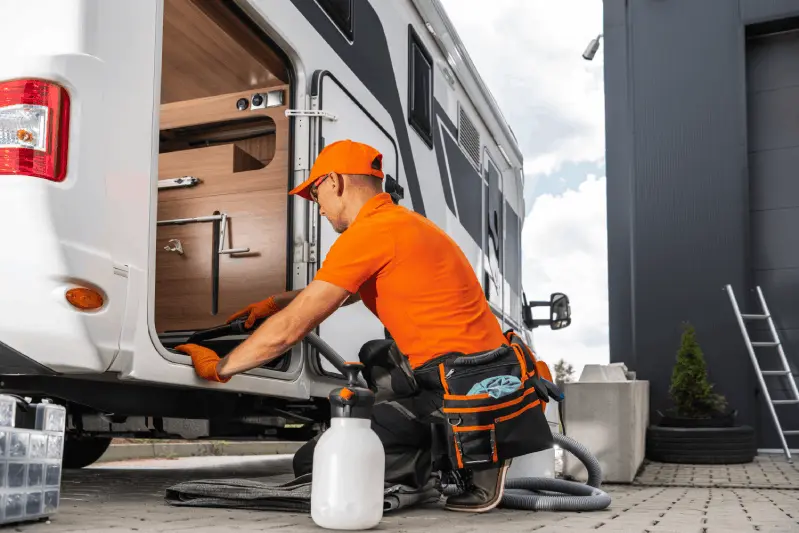
Waste water disposal is a process that carries bacterial risks. When performing this task, you must use durable, waterproof work gloves. Be careful of potential leaks when connecting and disconnecting the disposal hose, and keep your face away from the hose. After the process is completed, you must disinfect your hands and store the equipment you used (hose, adapter) in a clean bag, separate from fresh water hoses. Additionally, regularly cleaning the area around the disposal valve outside your caravan with disinfectant sprays prevents pests and unpleasant odors from approaching the caravan. Hygiene is not only important for the environment but is also a crucial part of your own health during this process.
How Do Caravan Manufacturers' Grey Water Tank Designs Affect Disposal Ease?
When purchasing or renting a caravan, the design of the grey water tank makes a significant difference in comfort. In some caravans, the bottom of the tank is completely flat, which makes it difficult to empty the sediment inside. Tanks with sloped bottoms ensure that the water is drained to the last drop. Additionally, the location of the disposal valve is important; valves located in the middle of the vehicle can be difficult to reach and make hose connection challenging. Electric disposal valves are becoming common in modern caravans; you can dispose of waste water with the push of a button without getting up from the driver's seat. If your caravan does not have such a system, moving the valve to a more accessible location or adding a larger valve handle will make the disposal process much less cumbersome.
What Are the Legal Regulations and Penalties Regarding Grey Water Disposal?
As in many countries, environmental laws in Turkey impose heavy penalties for the uncontrolled disposal of wastewater into nature. According to the regulations of the Ministry of Environment and Urbanization, dumping dirty water onto roads, into the sea, or into forests can result in fines amounting to thousands of lira if detected. In some European countries, these fines can be much higher and can even lead to the confiscation of the caravan. Gendarmerie and police teams conduct inspections in areas where campers are concentrated. Beyond legal penalties, such behavior tarnishes the image of the caravanning community and can lead to bans on caravans in many places. To avoid legal issues, always prefer legal disposal points.
How Do Smart Sensors and Control Panels Determine Disposal Time?
The control panels inside the caravan display the fill level of the grey water tank as a percentage or with incremental lights. However, these sensors can give inaccurate readings over time due to oil and lime buildup inside the tank (showing full even when the tank is empty). Therefore, the sensors need to be cleaned periodically. Some smart caravan systems send notifications to your smartphone when the tank is nearing capacity. If you have a manual system, the water starting to flow slowly from the sink or the "gurgling" sounds from the drains are signs that the tank is full and air venting is being forced. Monitoring these signs is the most practical way to prevent unwanted overflow accidents.
Do Grey Water Recycling Systems Save Water in Caravans?
In recent years, some high-tech caravans have started to use grey water recycling systems. These systems allow the water coming from the shower and sink to be filtered and disinfected with UV lights for reuse in the toilet reservoir. This way, you can use your fresh water tank more efficiently and delay the filling time of your grey water tank by 30-40%. Although these systems can be expensive and require maintenance, they provide invaluable freedom for those who engage in long-term nature camping (off-grid). Water conservation extends the life of clean water, which is the most limited resource in caravanning, while also reducing the need for disposal, allowing for less logistical planning.
Why is Protecting the Disposal Valves in Off-Road Caravans Important?
When traveling with off-road caravans, the grey water tank and disposal valve, like every part under the vehicle, are at risk. Rocks, deep mud, or high bumps can cause the plastic valves close to the ground to break. In this case, all your dirty water will be dumped uncontrollably into nature, and you will not be able to use water for the rest of your journey. Off-road caravan owners often protect these valves with metal protection plates (skid plates) or mount the valve at a higher, more protected location. Additionally, using flexible valve arms allows them to bend instead of breaking under impact, preserving the integrity of the entire system. It is crucial to check the safety of these parts before venturing off-road.
Does the Difference Between Grey Water and Black Water Affect the Disposal Point?
Absolutely. Grey water is from showers and dishwashing, while black water is from toilet waste. Black water contains a much higher concentration of bacteria and chemicals (toilet breakdown liquids). In most caravans, black water is collected in a separate cassette (toilet cassette) and should only be disposed of at designated disposal units (CDP - Chemical Disposal Point) for toilet waste. Grey water, on the other hand, can be dumped in broader grate areas. In some caravan parks, grey and black water may be disposed of in the same place, but in others, the separation of these two wastes is required. Never dump black water into a grey water grate; this can lead to serious hygiene issues and clogging of the facility. Using the correct outlet according to the type of waste is a prerequisite for professional caravanning.
How Effective Are Caravan Groups and Applications in Finding Disposal Points?
In the digital age, a smartphone is the biggest helper for a caravanner. Not only "Park4Night," but also Facebook groups, WhatsApp communities, and local caravan association websites provide a flow of current information. For example, when a new municipal service point opens in an area or an old station closes, users on these platforms share instant updates. Applications like "Campy" or "Stellplatz Europe" also provide photos of the stations and their entry fees. Being a member of these communities allows you to plan in advance where to fill up water and where to dispose of waste, especially when traveling in a foreign country. A planned route saves time and eliminates the stress of dumping in the wrong place.
Conclusion and Responsibility Reminder
Traveling by caravan is about enjoying the beauty that nature offers us. However, leaving pollution behind while enjoying this beauty is the only condition for future generations to discover the same places. Grey water disposal is not just a technical necessity but an ethical stance. With the right equipment, correct information, and a little planning, you can make this process as smooth as possible for both yourself and the environment. Remember, a true nature lover is someone who leaves only footprints where they go and returns only with photographs. We wish you safe and eco-friendly travels!