Owning a caravan may seem like a gateway to freedom, but the technical defects and malicious approaches encountered in the second-hand market can turn this dream into a nightmare. Choosing the right caravan requires not only looking at its exterior but also analyzing the legal regulations, engineering details, and the seller's honesty. In this guide, we will examine the most critical questions a caravan buyer should ask and the details they should pay attention to.
Why is the Matching of Registration and Chassis Number Vital?
The first place you should look when buying a second-hand caravan is not the caravan itself but its registration. The chassis number is the identification number of the caravan, and it must match exactly with the number engraved on the registration. If there is a character difference between these numbers or if there are suspicious situations such as engraving, erasure, or later painting on the number, the caravan may be stolen or may have been disguised as another vehicle. This situation can not only lead to losing your money but can also legally put you in a criminal position.
Why is Sending a Deposit Before Notary Sale a Major Risk?
The most common scam method encountered in listings on digital platforms is the "deposit" trap. Sellers often try to gain your trust with excuses like "there are many inquiries" or "there are people coming from another city" and ask you to transfer a small amount of money to their accounts. However, in a real sale, no payment should be made until the product is seen and transactions are initiated in the presence of a notary. After taking the money, deposit scammers usually turn off their phones and remove the listing. To avoid such situations, you should insist on face-to-face meetings and official transfer transactions.
What Happens if the Manufacturer's Certificate and Type Approval Certificate are Missing?
In Turkey, caravan production and registration are subject to certain standards. Especially for caravans under 750 kg, the O1 certificate is mandatory, while for those over 750 kg, the O2 certificate and Type Approval Certificate (COC) are required. If a manufacturer does not have these documents or if the caravan has been produced using methods referred to as "under the stairs," you may face serious problems during inspection later on. Driving a caravan without documents is risky in terms of safety and can cause significant difficulties in insurance and coverage processes. You should confirm the authenticity of these documents from the manufacturing company before purchasing.
Are Cracks in the External Panel Joints a Sign of Leakage?
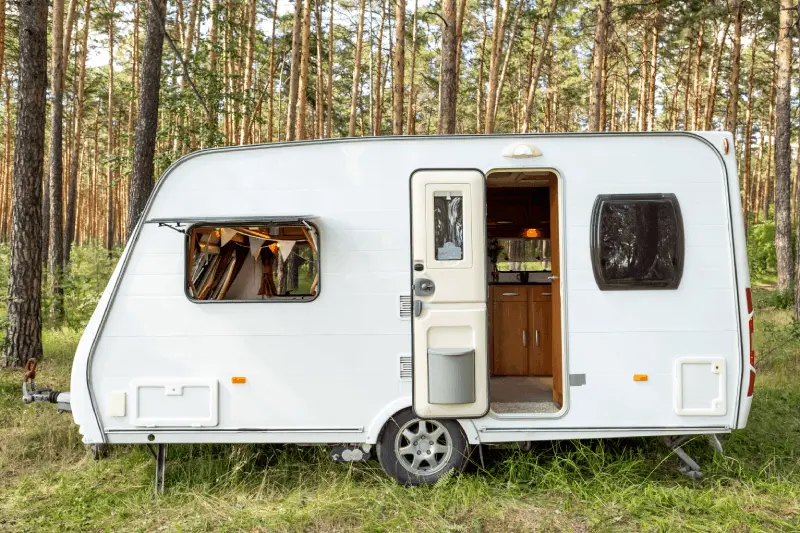
The biggest enemy of caravans is water leakage. The mastic and silicone materials used in the corners where the panels join dry out and crack over time due to exposure to sunlight, cold, and wind. Even if these cracks are too small to be seen with the naked eye, they can cause moisture and water leakage. If you see yellowing, hardening, or separation at these joints from the outside, it means the caravan's insulation has weakened. Water entering can rot the wooden frame and lead to high-cost damages that are nearly impossible to repair.
How Do Soft Spots on the Floor Affect the Lifespan of the Caravan?
The health of a caravan starts from its floor. When inspecting a second-hand caravan, you should definitely enter and walk on the floor, especially around the bathroom area, door entrance, and kitchen counter, to check for any flexing. If you feel a soft spot or a "spongy" sensation where you step, it means the floorboard has taken on water from below and has started to rot. Floor rot compromises the structural integrity of the caravan and can lead to furniture shaking and doors not closing properly. Repairing such damage requires removing all interior furniture, which can significantly reduce the value of the caravan.
How is the Health of the Solar Panel and Battery System Tested?
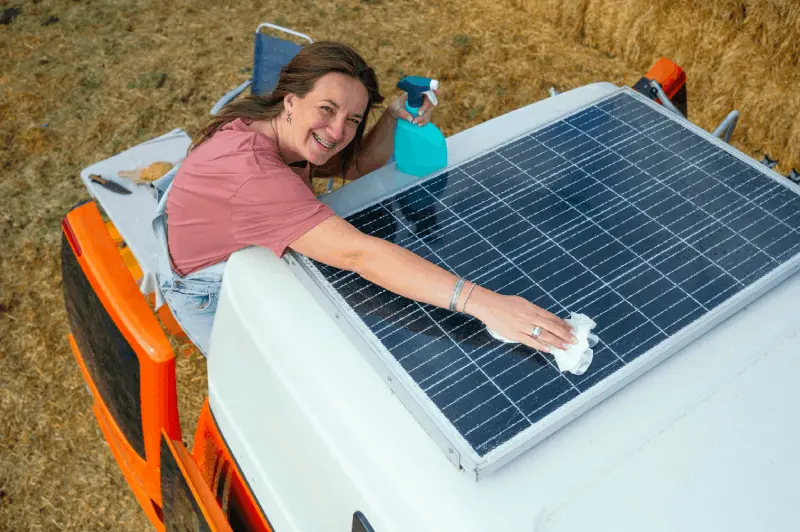
The energy independence of a caravan depends on solar panels and batteries. However, the condition of the batteries is often hidden in second-hand sales. You can perform a simple test to understand how many cycles the batteries have gone through and their capacity: Turn on all lights and the refrigerator and observe how long it takes for the voltage to drop. If the voltage quickly drops to 11V levels, it means the batteries have reached the end of their life. Additionally, you can check the current production values of the panels from the solar panel controller (MPPT/PWM) to see if there are any cracks or efficiency losses in the cells.
Why Should the Originality of the Webasto or Heating System be Questioned?
Diesel heaters (commonly known as Webasto) are indispensable for winter camping and are the most critical devices for safety in a caravan. There are many low-quality and non-certified counterfeit products on the market. These aftermarket devices can pose a risk of carbon monoxide leakage or may cause a fire in case of overheating. Check the brand of the heater in the caravan you are considering, the insulation of the exhaust outlet, and the quality of the fuel line installation. If the device is making a lot of noise or emitting a smell, this is a sign of a maintenance requirement or a serious malfunction.
Why Should the Weight Distribution and Weighing Certificate of the Caravan be Requested?
Many caravan manufacturers or users do not calculate the weight of the furniture and equipment they add to the caravan. This can cause the caravan to exceed the limits specified in the registration (for example, below 750 kg). A caravan that has not been weighed can sway on the road, put excessive load on the braking system, and may result in fines during police checks. Requesting a weighing slip from the seller that shows the current weight of the caravan is a very important and niche step to understand the compatibility of the vehicle with the towing vehicle and its legal status.
Does Deformation in Door and Window Seals Cause Expenses?
Caravan windows and doors are usually imported and expensive parts. The loss of elasticity of the rubber seals surrounding these parts can lead to not only water entering but also noise and wind. Check the seals by hand to see if they have hardened; if cracks have started, this indicates that the insulation has failed. A new seal set and re-insulation of the windows can create unexpected costs when combined with labor. You should also pay attention to whether there is corrosion on the metal parts under the seals.
How to Understand the Differences Between Listing Photos and the Actual Caravan?
Professional sellers often use photos of the caravan when it was newest and cleanest. When you go to see the caravan, you may encounter details like dents on the panel, sunburns, or cigarette burns in the interior. To understand these differences in advance, you should ask the seller for current, dated videos of particularly problematic corner points, the underside of the floor, and the ceiling. If the seller avoids sending videos, it usually indicates that there is a hidden defect.
How to Understand if the Torsion Axle and Shock Absorber System are Well-Maintained?
The safety of a caravan's driving largely depends on the axle system. Quality axle systems like Al-Ko or Knott have torsion rubbers. If the caravan is very close to the ground even when empty or if the wheels have a camber angle directed inwards/outwards, the axle may have reached the end of its life. Additionally, it is necessary to check whether there is oil leakage in the shock absorbers. If the caravan bounces while driving or sways on the road, it indicates that this mechanical part needs to be replaced, which is one of the most expensive mechanical repairs for a caravan.
What Does a Smell in Clean and Gray Water Tanks Indicate?
When inspecting the caravan, you should definitely check the tanks and faucets. A smell of algae coming from the clean water tank or cloudy water flowing from the faucet indicates that the system has not been disinfected for a long time and has become a breeding ground for bacteria. More importantly, it is crucial to check for leaks in the gray water (wastewater) pipes. If there is moisture in the pipe connections under the caravan, this may lead to hidden leaks under the furniture. The smooth operation of the drain valve of the wastewater tank is also critical for user comfort.
Is the Refrigerator's Energy Consumption and Cooling Performance Adequate?
Caravans typically use 12V compressor refrigerators or 3-way (LPG, 220V, 12V) refrigerators. 3-way refrigerators may perform poorly in terms of cooling during hot summer days. After running the refrigerator, test how long it takes for the freezer compartment to freeze. If the refrigerator makes a very loud noise while running or if you feel excessive heat when touching the outer panel, the motor may be worn out. Spoiled food in a caravan can ruin your entire vacation; therefore, the efficiency of the refrigerator is not just a luxury but a necessity.
How is the Sealing of the Roof Vents Checked?
Roof windows, or vents, are the areas most exposed to wind resistance and the most likely places for water leakage. Close the vent and feel around its frame with your hand; is there any softening or water stain? Also, check whether the locking mechanism of the vent and the mosquito screens/sunshades are functioning properly. If the vent opens by itself while driving, it poses a significant danger. If you see brown stains on the frame edges, this is definitive proof that there has been a leak in the past and that the roof panel has become damp.
Why Should Rust Control be Conducted on the Caravan Chassis?
Caravans used especially near the sea or traveling on salty roads in winter can suffer from corrosion. Inspect the metal parts of the chassis, especially the connection points and welds, by bending down to look under the caravan. Surface rust can be sanded and painted, but deep, "scaly" rust indicates that the metal has lost its strength. The chassis is the skeleton of the caravan; a weakened skeleton can break in an accident or a hard pothole. Galvanized chassis are more durable in this regard and are preferred.
Does the Kitchen Counter and Stove Group Pose a Gas Leak Risk?
Using a gas stove in the kitchen area of the caravan is common. Check whether the gas pipes are copper or plastic (copper pipes are safer). When you turn on the gas valves, observe whether the igniters are working and the color of the flame. A blue flame indicates a healthy burn, while a yellow flame indicates that the gas is not burning completely and may release toxic gas. Also, ask if there is a gas detector and whether it is functioning properly to understand the importance given to safety.
Are the Furniture Connection Elements and "Push-Pull" Locks Sturdy?
A caravan is constantly subjected to vibrations while in motion. This vibration can loosen low-quality furniture connections over time. Open and close the cabinet doors, and check whether the "push-pull" locks are coming loose. If the cabinets are creaking or the hinges are loose, you can understand that the caravan is struggling on very rough roads. Also, check whether the edge bands (PVC coating) on the furniture are peeling; this indicates that it has been used in a humid environment or that low-quality materials have been used.
What Type of Insulation Material is Used in the Caravan?
The comfort of a caravan depends on the invisible material inside its walls. When buying a second-hand caravan, ask the seller what was used for insulation. EPS (white foam) can crumble over time and reduce thermal insulation. XPS or elastomeric rubber foam provides much better insulation. To test the insulation, touch the inner walls of the caravan under the sun; if the walls are directly transferring the outside heat inside, you will consume a lot of energy to heat in winter and cool in summer.
How to Understand the Condition of the Braked Coupling System and Stabilizer?
A braked coupling is mandatory for caravans over 750 kg. The end of the coupling should not be torn, and the handbrake should hold the caravan tightly when pulled. Also, check the pads on the "stabilizer" (anti-sway device) found in upper segment caravans to see if they are worn out. If there is thick grease on the coupling or if there is too much play at the connection point, this endangers driving safety. If the stabilizer's pads are worn out, the caravan will sway more on the road.
Are the Caravan's Past Service Records and Warranty Status Available?
Caravans purchased from corporate companies usually have periodic sealing and chassis maintenance. If the seller has maintenance invoices, it indicates how carefully the vehicle has been used. If the caravan is still new, confirm with the manufacturer whether the warranty period is still valid and whether the warranty is applicable in case of a transfer. Caravans without recorded maintenance or whose repairs are uncertain are always prone to surprises.
Why is the Wiring of the Inverter and Fuse Panel Important?
To inspect the caravan's electrical system, open the section where the batteries are located. Are the wires tangled like a "spider web" and exposed, or are they organized, labeled, and fused? Tangled wiring increases the risk of short circuits and fires. Also, check whether the inverter (the device that converts 12V to 220V) is sufficient for the devices you will use (coffee maker, hair dryer, etc.). Pure sine wave inverters protect your electronic devices, while modified sine wave ones can damage sensitive devices.

Is the Toilet System Cassette or Portable?
The type of toilet is important depending on the intended use of the caravan. Cassette toilets are much more comfortable as they are emptied from the outside and increase the value of the caravan. Portable toilets can cause difficulties in terms of hygiene and odor as they need to be moved inside. Check the seal of the toilet cassette by removing it; if the seal is worn out, it may leak. Also, test whether the flush pump is working and whether the waste level indicator provides accurate information.
Is the Caravan's External Lighting and Signaling Group Working?
Before hitting the road, it is essential that the caravan's stop lights, signals, and license plate lighting work in harmony with the vehicle. Check whether the 7-pin or 13-pin socket connection is oxidized. If the lights flicker or are dim when signaling, there may be a wiring (electrical short) issue. This can make it difficult for drivers behind you to notice you on the road and is subject to penalties. Also, do not forget that the "awning light" outside the caravan will be very useful at the campsite.
Has Smoking or Pet Keeping Occurred in the Caravan Before?
This question is not only about personal preferences but also relates to the cleanliness of the caravan. The smell of stale smoke never completely comes out of fabrics and furniture in confined spaces like a caravan. In caravans where pets have been kept, fur can enter the ventilation ducts and crevices, which can be a problem for those with allergies. The strong scent of room perfume you smell when you enter the caravan is often used to mask such unwanted odors or mustiness.
Is the Awning Mechanism Opening and Closing Smoothly?
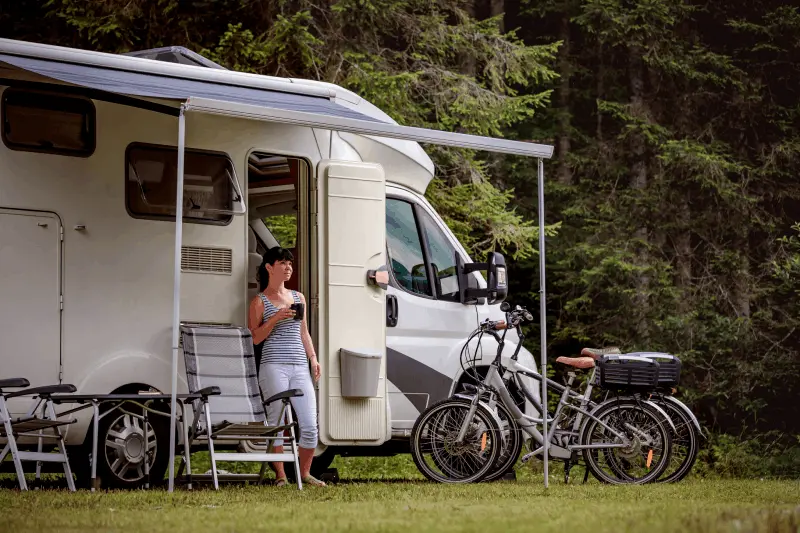
Caravan awnings are quite expensive accessories. Open the awning fully and check for tears, patches, or mold stains in the fabric. Also, inspect the locking mechanisms of the awning's legs and the connection points to the body. If the awning is difficult to open or makes strange noises, the internal spring mechanism may be broken. Awnings left open in windy weather can often bend; therefore, you should also visually check the straightness of the arms.
Is There Any Damage Other Than the Solar Panel on the Roof of the Caravan?
Most buyers neglect to check the roof of the caravan. With the help of a ladder (or by asking someone), check for any accumulation in the filling materials and deep scratches caused by branches hitting the roof. The roof is the area most exposed to sun and hail impacts. If there are water puddles on the roof, it indicates that the roof is sagging and will leak over time. Additionally, it is important to examine how the solar panel is mounted to the roof (whether it is screwed or glued) for insulation safety.
What is the Condition of the Upholstery Fabrics and Cushions Inside?
The density of the cushions in the caravan beds and seating groups determines your comfort. If you feel the board underneath when you sit on the cushions, it means the cushions have reached the end of their life. Tears, stains, or sun fading in the fabrics can increase your bargaining power. More importantly, you should lift the cushions to check underneath; if there are black spots on the board under the cushions, this is evidence of serious moisture and mold problems in the caravan.
Is the Spare Tire and Jack Kit Available in the Caravan?
The spare tire, which is the biggest helper when you get stuck on the road, is often missing in many second-hand caravans. Check whether there is a spare tire compatible with the caravan's tire size and whether there is a jack strong enough to lift the caravan. Caravan jacks may differ from car jacks, so it is important that the original equipment is in place. You should also check the production dates of the tires (DOT code); even if they look new, tires older than 5 years can burst under the weight of the caravan.
What is the Mechanical Condition of the Mosquito Nets and Sunshades on the Windows?
Mosquito nets are vital in caravan life. Pull out the mosquito nets on all windows and doors; if they do not retract or come off their tracks, repairs can be cumbersome. Check whether the sunshades completely block the light and whether there are any creases in the fabric. Each of these seemingly small parts being faulty can lead to high costs when combined.
Does the Seller's Reason for Selling the Caravan Make Sense?
Finally, the dialogue you establish with the seller will tell you a lot. Try to go beyond classic answers like "to upgrade the model" or "because I don't have time." Ask about the last routes taken with the caravan and the difficulties encountered. If the seller is not knowledgeable about the technical details of the caravan or is deflecting your questions, they likely know about the caravan's problems but are not disclosing them. An honest user will share both the pros and cons of their caravan with you.
Is a Test Drive and Professional Inspection Possible?
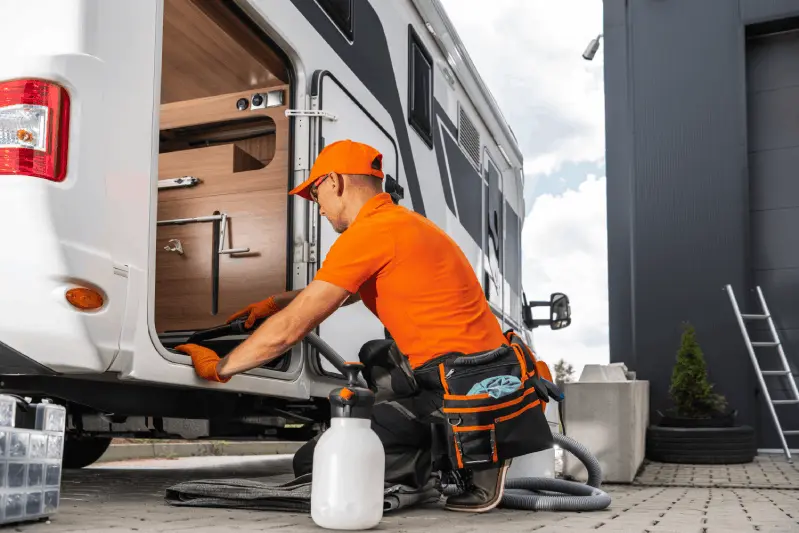
If possible, connect the caravan to your vehicle and take a short test drive. Listen to how much the caravan pushes you when you brake, its response in turns, and any sounds that come up. If you have the opportunity, consult a mechanic who understands caravans or a professional caravan inspection center. They can detect hidden leaks with "moisture meter" devices. A small inspection fee on an investment where you will spend thousands of lira can protect you from much larger damages.
Paying attention to these details when buying a second-hand caravan will not only protect you from scammers but will also ensure that you have a technically sound vehicle. Remember, the cheapest caravan is not the best; the one with the best maintenance and transparent history will provide you with the best holiday experience.