Why Is Not Leaving a Trace in Nature Not a Choice but a Necessity?
Spending time in nature is an escape from the stressful urban life of modern humans. However, this escape should not come at a cost. Natural areas are built upon the delicate balances of the ecosystem, and human intervention can quickly disrupt this balance. Keeping a campsite clean is not just a matter of visual aesthetics; it is vital for the protection of wildlife in that area, for keeping water sources clean, and for maintaining soil fertility. The ability of future generations to see the same pristine nature is directly related to the care we show today. Therefore, not leaving a trace in nature is not a hobby or an option, but a moral and ecological responsibility that every camper should embrace.
What Should Be in Our Backpack for Zero Waste Kitchen Preparation?
Preparation made before going to the campsite is the most critical stage that determines the amount of waste to be produced. Instead of single-use plastic plates, forks, and nylon bags, stainless steel or enamel kitchen utensils should be preferred. Instead of carrying food in market packaging, transferring them to washable cloth bags or glass jars at home makes waste management at the campsite incredibly easier. Beeswax wraps are a great alternative to plastic wrap and can be used multiple times. Additionally, washing and preparing vegetables and fruits at home before bringing them to the campsite prevents even organic waste from accumulating in nature. This conscious preparation minimizes your burden on nature.
How to Establish a Hygiene Routine Free from Microplastics?
The ingredients of the products we use for cleaning in nature are critically important for the health of the soil and underground waters. Most conventional soaps and shampoos contain chemicals and microplastics that are difficult to break down in nature. Instead, biodegradable and plant-based cleaners should be used. Even when choosing toothpaste, opting for fluoride-free and natural ingredients prevents us from harming the soil when we rinse our mouths after brushing. Most wet wipes used for personal hygiene contain plastic fibers and should never be left in nature. Instead, using water and a small towel to clean up is both healthier and more eco-friendly.
What Is the Correct Way to Dispose of Campfire Ashes?
While lighting a fire seems like an indispensable part of camping, a poorly managed fire area leaves lasting damage in nature. In places where fires are allowed, it is best to use existing fire pits. However, what you do with the ashes when you are done is very important. After ensuring that the fire is completely out and the ashes are cool, spreading the ashes over a wide area or, if possible, taking them with you is the best approach. Crushing large coal pieces into dust helps nature absorb this waste more quickly. Never throw plastic or metal into the ashes, as these materials leave toxic chemicals in the soil when burned.
How Does Collecting Others' Trash Affect Ecological Balance?
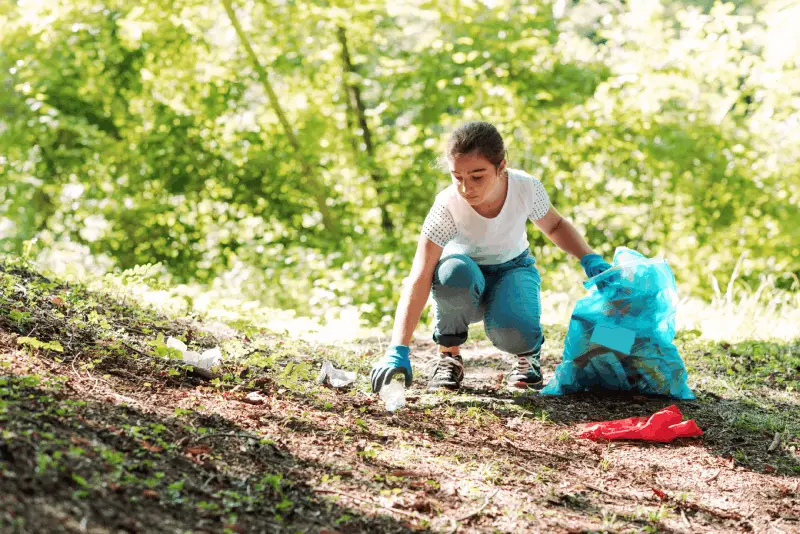
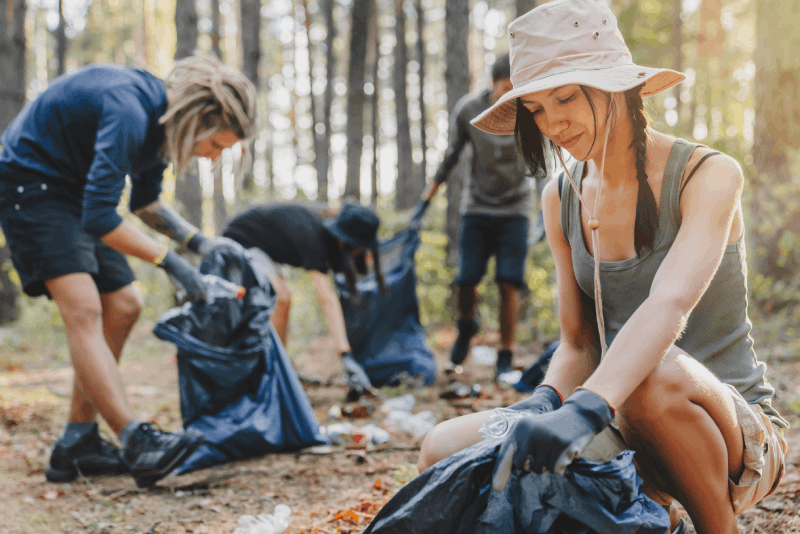
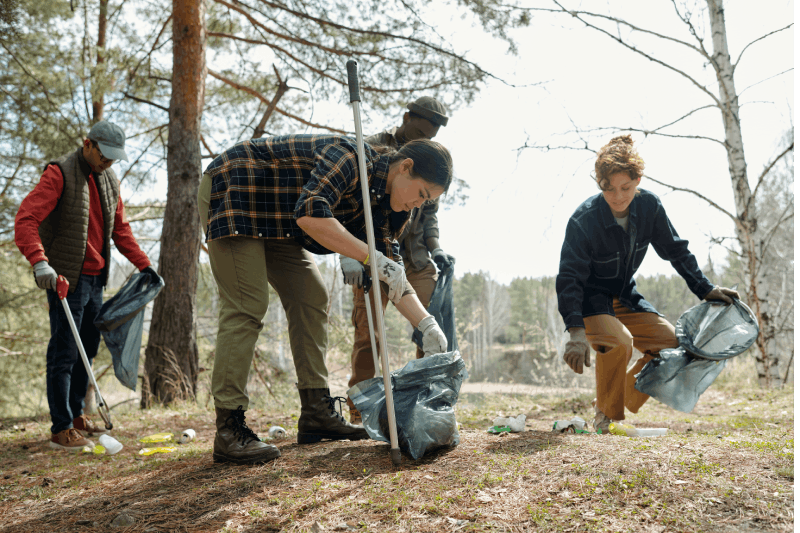
A true nature lover cleans not only their own trash but also all foreign materials around them. When you arrive at a campsite, removing the traces left by those who used it before you contributes massively to nature's self-healing process. Plastic bottles, cigarette butts, or cans can turn into deadly traps for wildlife. Collecting this waste prevents toxic substances from leaching into the soil and stops local animals from mistaking this trash for food. Additionally, a clean campsite psychologically encourages those who come after to be more careful. The principle of "Leave it cleaner than you found it" initiates an ecological chain reaction.
How to Protect Soil Structure When Answering the Call of Nature?
Needing to use the toilet in nature is one of the most overlooked yet most polluting issues. The "Cathole" method should be applied in this regard. A hole about 15-20 cm deep should be dug at least 60-70 meters away from water sources, in a sunny spot. Sunlight helps the bacteria in the soil break down the waste. After the process is complete, the hole should be covered with soil and natural materials. Instead of using toilet paper, water should be preferred; if paper is used, it must be placed in a bag and taken back. Leaving toilet paper in nature creates visual pollution and can be dug up by animals.
Which Natural Cleaners Can We Use Instead of Chemical Detergents?
The detergents used for washing kitchen utensils threaten aquatic life with the phosphates and surface-active substances they contain. Instead of dishwashing detergent while camping, using baking soda, vinegar, or ash is a great alternative. Baking soda is very effective in dissolving fats and does not harm the soil. Additionally, the dishwashing process should be done at least 60 meters away from the water source, not directly at a river or lake. The used dirty water (grey water) should be spread over a wide area to take advantage of the soil's filtering ability. Using natural cleaners protects your health and allows you to clean without disrupting the natural microflora of the campsite.
Why Is Feeding Wildlife at the Campsite a Big Mistake?
One of the biggest mistakes we make while loving nature is feeding animals. Leaving food scraps or directly feeding them with the thought of "Let the animals not go hungry" disrupts the natural feeding habits of wildlife. Animals becoming accustomed to humans makes them vulnerable to hunters or traffic accidents. Additionally, human food can be difficult and harmful for animals to digest. Even the crumbs left after eating at the campsite must be meticulously cleaned up. These crumbs attract animals like ants, rodents, and bears to the campsite, endangering your safety and making the animals dependent on an artificial food source.
What Should We Do Before Mixing Grey Water with Soil?
Grey water is the wastewater that comes from dishwashing or personal cleaning. This water contains food scraps, fats, and residues of cleaning agents. Instead of dumping grey water directly into a hole, the solid waste inside should be separated with a strainer. The solid waste left in the strainer should be placed in a trash bag, and the remaining liquid should be spread over a wide area away from the campsite and water sources. This method allows the soil to absorb the water more quickly and helps bacteria break down the waste. Accumulating water in one spot can lead to bad odors and fly infestations. Managing grey water is a vital step to keep the campsite hygienic.
How Does Digital Tagging Contribute to the Destruction of Natural Areas?
The power of social media is rapidly leading to the popularity of undiscovered paradises. The "location tagging" feature can lead thousands of people to flood sensitive ecosystems at the same time. This excessive influx can exceed the carrying capacity of campsites, increase trash accumulation, and destroy local flora. To protect nature, it is more ethical to use general area names instead of sharing the exact coordinates of very special and pristine spots. This way, you can prevent that area from being sacrificed due to "overtourism." One of the ways to protect nature while sharing it is sometimes to keep it secret.
Why Should We Avoid Aggressive Chemicals in Equipment Cleaning?
The maintenance of expensive equipment like camping tents, sleeping bags, and mats is usually done at home after camping. However, some campers may try to do this cleaning at the campsite. When equipment with water-repellent coatings and technical fabrics is washed with detergents containing aggressive chemicals, these substances leach into the soil. Additionally, these chemicals shorten the lifespan of the fabric. If urgent cleaning is needed at the campsite, only clean water and a soft cloth should be used. For cleaning at home, special biodegradable camping equipment shampoos should be preferred. Clean equipment should be protected with proper methods not only for your comfort but also to avoid adding chemical burdens to nature.
How to Protect Local Plant Cover When Setting Up a Tent?
Choosing the place where you will set up your tent determines the damage you will cause to nature from the very beginning. If possible, areas that have been previously camped on and have become compacted should be preferred. Setting up a tent on pristine plant cover, shrubs, or rare flowers can lead to the death of those organisms and the compaction of the soil. The size of the tarps (groundsheet) laid under the tent should not be larger than the tent; otherwise, rainwater can accumulate on the tarp and cause the plants to die. Additionally, it is strictly prohibited to break branches or uproot plants to make space at the campsite. We should adapt to nature, not try to adapt nature to ourselves.
Why Is the Idea of Organic Waste Decomposing in Nature Incorrect?
There is a common misconception that organic wastes like apple cores, banana peels, or hazelnut shells can be thrown into nature without harm. However, these wastes are foreign materials that do not belong to the local ecosystem. Especially in dry or high-altitude areas, it can take months or even years for an apple core to decompose completely. During this time, it creates an unsightly appearance and disrupts the feeding patterns of wildlife. Saying "Nature will take care of it" is an escape from responsibility. Just like plastics, all organic wastes should be removed from the campsite. If you do not have the opportunity to compost, you should take these wastes home and dispose of them properly.
How to Instill Camping Etiquette and Environmental Awareness in Children?
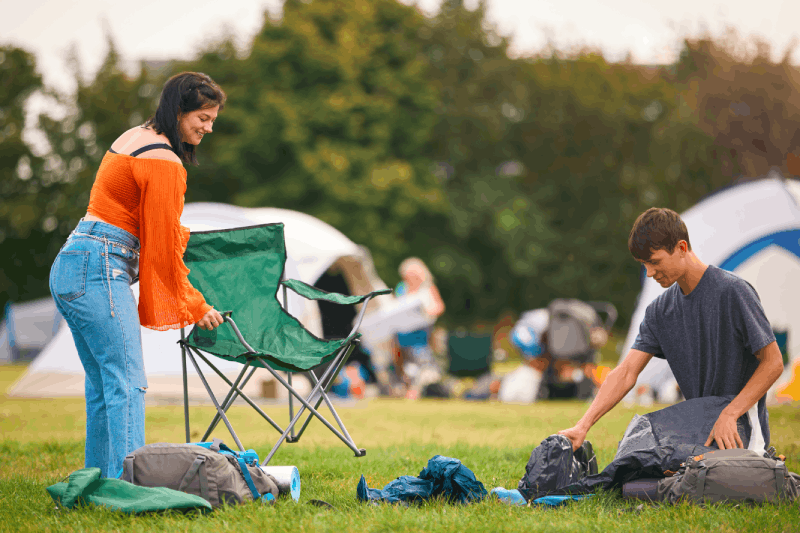
Raising the future campers is the most sustainable way to protect nature. When camping with children, presenting cleanliness as a game is very effective. For example, you can encourage them to find the smallest cigarette butt or piece of paper around with the game "trash hunting." We should explain to them why we should not litter by showing the beauties of nature, not by scaring them. Concrete examples like "Look, this bird lives here, and the plastic you left can make it sick" will be more memorable in children's minds. Being a role model with your own behavior is the strongest lesson. When you collect others' trash, they will adopt this as a natural part of life.
What Should Be the Final Checklist Before Leaving the Campsite?
A five-minute "final sweep" before leaving the campsite can make a big difference. After packing up your tent, check if there are any stakes, ropes, or small pieces of paper left at that spot. Inspect the fire area, toilet pit, and seating areas. Look for not only the trash at eye level but also small packaging pieces that may be stuck among the grass. Remember the principle of "Leave only footprints, take only photographs." Go a step further and ensure that the area is cleaner than when you found it. This meticulousness is the greatest indicator of your respect for nature.
How Can We Reduce Pollution by Contributing to the Local Economy?
When going to the area where you will camp, shopping from local people instead of large chain stores is a method of environmental protection. Fruits, vegetables, or eggs bought from local villagers are usually unwrapped, which prevents plastic waste from the start. Additionally, good relationships with the local community create awareness about protecting that area. When the locals see that campers respect the environment and contribute to the economy, they will make more effort to protect natural areas. A responsible camper should focus on improving the ecological and social fabric of every place they pass through.
How Should We Approach Water Sources to Protect Microbial Life?
Lakes, rivers, or stream banks are the most attractive camping spots but also the most sensitive. The cleanliness of water sources is critical not only for drinking water but also for microscopic life in the water. Before entering the water, you should clean off any chemicals like sunscreen or deodorant on your body (if possible, away from the water). Additionally, dumping soapy water directly into a stream while washing dishes or cleaning can disrupt the oxygen balance in the water and lead to fish deaths. Conducting activities at least 60 meters away from water sources allows nature to maintain its own filtration system. Clear water is a reflection of a healthy ecosystem.
What Is the Relationship Between the Sustainability of Camping Gear and Waste Management?
Choosing quality and long-lasting camping equipment means producing less waste in the long run. Cheap, disposable equipment breaks down after a few uses, turning into massive waste. Repairing a broken camping chair or patching up an old tent is a stand against consumerism. Regularly maintaining your gear to extend its lifespan indirectly protects nature. Additionally, instead of throwing away materials you no longer use, giving them to those in need or including them in recycling projects contributes to a circular economy. Eco-friendly camping starts with our shopping habits.
How Does Noise Pollution Affect Wildlife?
Nature should remain clean not only visually but also acoustically. Loud music, shouting, or engine noise disrupts the communication, hunting patterns, and breeding activities of wildlife. Animals leave areas with noise, which causes an ecological imbalance in that area. Respecting the right of other campers to enjoy nature in silence is also an ethical rule. Creating artificial noise instead of listening to the sounds of birds, the rustle of the wind, and the trickle of water goes against the spirit of nature. Staying quiet allows you to feel nature more deeply and increases your chances of observing animals.
How Can We Participate in Social Responsibility Projects After Camping?
Individual efforts are very valuable, but collective action accelerates change. When sharing your experiences after camping, do not just share landscape photos; also talk about the cleaning and conservation methods you implemented. Participating in "nature cleaning" events organized by various NGOs or local groups raises awareness. You can form your own camping group to periodically clean up polluted areas. As the culture of "leaving nature cleaner than you found it" spreads in society, it will become a lifestyle rather than a rule. Each of us has the potential to be the voice and protector of nature.
What Transportation Options Can We Use to Minimize Our Carbon Footprint?
Getting to the campsite constitutes a large part of your overall environmental impact. If possible, you can reduce carbon emissions by carpooling with your friends. Even better, prefer campsites that can be reached by public transport or by bicycle. Instead of driving your vehicle all the way to the campsite, leaving it at a certain distance and walking helps prevent soil compaction and protects plants from exhaust fumes. Choosing low-fuel-consuming vehicles and avoiding unnecessary speed is also a link in the chain of nature protection. The journey itself is part of the camping experience, and an environmentally conscious journey brings inner peace.
How Can We Prevent Light Pollution in Night Lighting?
Powerful flashlights and projectors used at night not only disrupt your night vision but also disturb the biological clocks of nocturnal animals (owls, bats, insects). Whenever possible, low-lumen and warm-colored (amber/red) lights should be preferred. Red light disturbs animals less and does not disrupt the human eye's adaptation to darkness. Turning off all external lights before going to bed allows for clearer visibility of the stars and shows respect for the darkness cycle of nature. Light pollution is one of the invisible pollutants of the modern world, and there should be no place for it in nature.
What Should We Do to Prevent the Spread of Invasive Species?
Unknowingly, we can carry seeds or microorganisms from one area to another on the bottoms of our boots or the fabric of our tents. This can lead to the spread of invasive species to new areas and the extinction of local species there. Before leaving a campsite, brushing off your equipment and cleaning off any soil reduces this risk. Extra care should be taken when transitioning between different ecosystems (for example, from a lakeside to a forested area). Protecting the balance of nature requires sensitivity not only to trash collection but also to microscopic changes.
How to Show Respect for the Natural Cycle When Collecting Firewood?
When gathering wood for a fire, never cut branches from living trees. Even standing dead trees are important nests for birds and insects. Only wood that has fallen to the ground and is "thinner than wrist thickness" should be collected. When collecting wood from the ground, care should also be taken not to overdo it; because this wood provides nutrients to the soil as it decomposes and serves as shelter for small creatures. If possible, bringing your own sustainable firewood from outside (while being cautious of local insect transport risks) or not lighting a fire at all is the most eco-friendly option. A camp without a fire allows you to better hear the silence and scents of nature.
How to Protect Historical and Cultural Heritage at Campsites?
Some campsites may host ancient remains, rock paintings, or sites considered sacred by local people. Extra sensitivity should be shown when camping in such places. Writing on historical structures, changing the location of stones, or setting up tents on remains causes irreversible damage. Respecting cultural heritage means respecting the story of that land. Researching the history of the place you are visiting in advance strengthens your connection to it and increases your motivation to protect it. We are merely temporary guests on these lands; we must leave this heritage intact for those who come after us.
How Do Nature Cleaning Strategies Change in Seasonal Transitions?
Trash left under the snow in winter emerges when spring comes and the snow melts, mixing with water sources. Those who camp in winter should take extra care to ensure their trash does not get lost in the snow. In spring, the soil is very soft, so walking in muddy areas can leave deep tracks; therefore, it is important not to stray from designated paths. In summer, the risk of fire is at its highest during drought, and even a small piece of glass can cause a forest fire. Each season has its own challenges and conservation methods. A conscious camper understands the language of the season and takes precautions accordingly.
Which Technologies Can We Use to Monitor Human Impact on Campsites?
Modern technology can be our greatest ally in protecting nature. Through various mobile applications, you can report polluted areas, map them, and organize cleaning efforts. With GPS devices, you can protect sensitive areas without straying from designated paths. Additionally, with nature observation applications, you can record the species in the area and provide data for scientific studies. Technology should not disconnect us from nature; rather, it should serve as a bridge to better understand and protect it. We can use our digital tools as a means to spread environmental awareness.
How to Apply Recycling and Upcycling in Camping?
When you return home from the campsite, instead of just throwing the trash you collected into a trash can, you should separate it properly for recycling. Additionally, some waste can be turned into useful tools through "upcycling" during camping. For example, you can make a temporary candle holder or pencil holder from an empty can. However, when you are done, you should still take these items back for recycling. Making waste management a life discipline shows that camping is not just an activity but a philosophy. Our responsibility does not end when we leave the campsite boundaries.
Why Is It Important to Get Responsible Camping Education?
Being in nature may seem like an instinctive action, but ecological protection techniques require education. Participating in internationally recognized training programs like "Leave No Trace" teaches you many details you may not know. A broad knowledge base from soil types to wildlife behaviors, from emergency management to ecological ethics makes you a more competent camper. Knowledge is the greatest protector. Continuously educating yourself and learning new methods is the most concrete evidence of your love for nature. An educated camper is not a destroyer in nature but a protector.
How to Establish a Social Control Mechanism in Campsites?
Protecting nature should not only be a personal effort but also a social agreement. When you see someone engaging in wrong practices, it is important to intervene without hesitation and in an instructive manner. An approach like "If you don't throw this here, it will stay beautiful for all of us" often yields positive results. Monitoring each other within camping communities and appreciating good practices fosters a shared ethical understanding. We must not forget that we are responsible for each other. Social awareness is a much more effective protective shield than bans and penalties.
Where Should the Philosophy of Camping Evolve for a Sustainable Future?
Camping should evolve from being just a weekend pastime into a movement to heal the planet. Every camping trip is an opportunity to reconnect with nature and question ourselves. With a focus not on consumption but on experience, we should concentrate on what we give back to nature rather than what we take from it. "Leaving it cleaner" should not be limited to trash; we should also contribute to the tranquility of that area spiritually. The future camper is someone who knows they are a part of nature and dances in harmony with it. Every step we take on this journey should be a harbinger of a greener world.
In Conclusion, Is Loving Nature About Leaving It as It Is?
Truly loving nature means respecting its existence, not possessing it. Camping teaches us this humility. Leaving an area cleaner than we found it is, in fact, about cleaning ourselves; it is about freeing ourselves from our desires, selfishness, and indifference. With every piece of trash collected, with every fire properly extinguished, the dignity of humanity and the love of nature triumph once again. May every moment you spend in nature be a healing for both you and the soul of the earth. Remember, nature does not need us, but we need it more than ever.