What Should Be Considered When Choosing a Backpack?
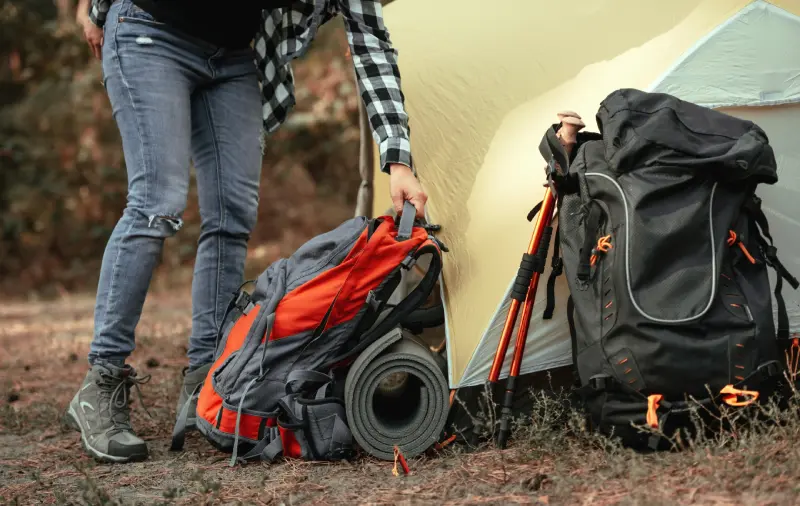
The most fundamental element of your camping adventure is your backpack, which will carry all your gear. When buying a backpack for the first time, it is a big mistake to only look at its color or price. The back system of the backpack should be suitable for your body type, transferring the weight from your shoulders to your hips. Adjustable shoulder straps, a supportive waist belt, and mesh structures that allow your back to breathe will enhance your comfort. Additionally, the volume of your backpack (generally 50-65 liters is ideal for beginners) should be appropriate for the duration of your camping trip and the volume of the equipment you will carry. Waterproof features or an internal rain cover can also be lifesaving in variable weather conditions.
How Should Tent Selection Be Made?
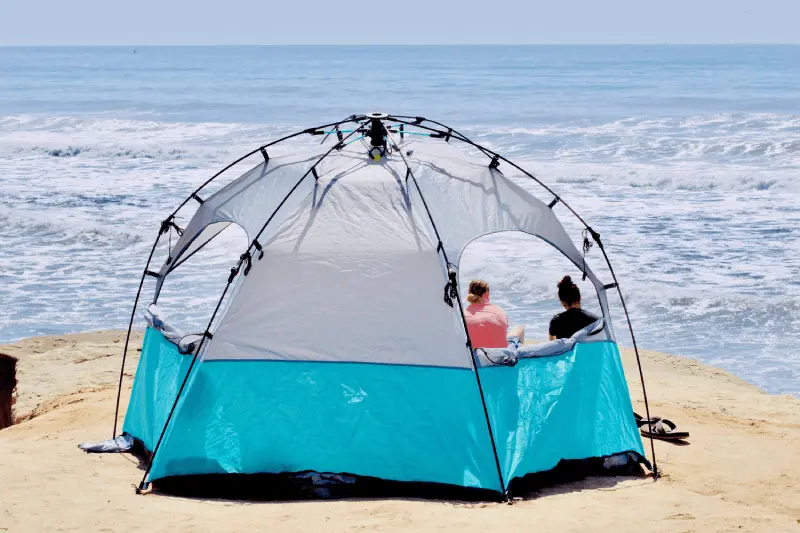
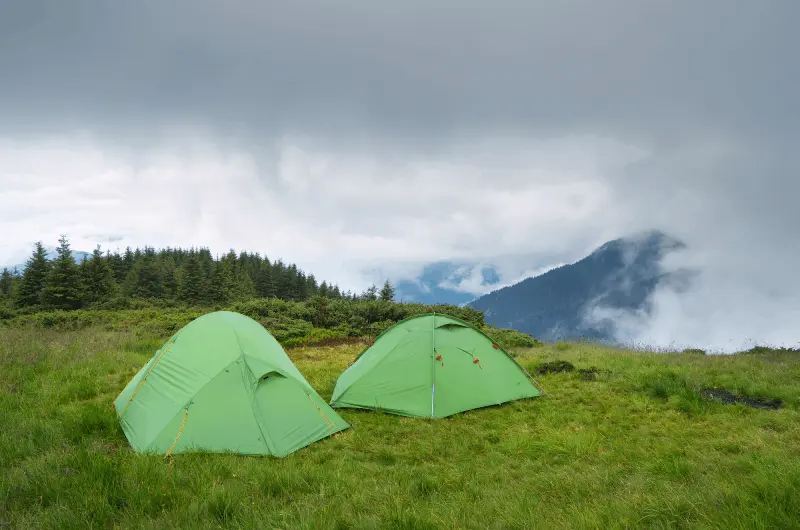
Your tent is your home in nature. When making a selection, the question "how many people will stay?" is as important as "in which season will it be used?" For those camping for the first time, 3-season tents are generally the most suitable option. The ease of setting up the tent will save you time when you arrive at the campsite tired. Double-walled models are more successful in terms of ventilation and prevent condensation inside. The floor fabric of your tent should be thick and resistant to water pressure to prevent moisture from coming up from below. Additionally, details like pockets inside the tent and a lamp hook provide ease of use.
What Criteria Are Important When Buying a Sleeping Bag?
If you can't get quality sleep in nature, you won't enjoy the next day. The most critical point in choosing a sleeping bag is its "comfort rating." You should estimate the lowest nighttime temperature of the area you are going to and choose a bag accordingly. Generally, synthetic-filled bags are more affordable and retain some insulation even when wet; down sleeping bags are lighter and provide better insulation but are more expensive. The shape of the bag is also important; "mummy" type bags wrap the body better to retain heat, while "rectangular" models offer more room to move. Choosing a bag that fits your height prevents you from expending extra energy to warm up empty spaces.
How Does Mat Selection Affect Comfort?
Many new campers underestimate the importance of a mat, but it is actually more critical than a sleeping bag. The only barrier against the cold coming from the ground is the mat. Foam mats are lightweight and cheap but cumbersome to carry and reduce comfort. Inflatable mats or self-inflating models provide better insulation and distribute your body weight more evenly, offering a softer surface. You should pay attention to the "R-value" that indicates the insulation capacity of the mat; high R-values are required for winter camping, while lower values may suffice for summer camping. A compact mat will also help save space in your backpack.
What Is the Layering System in Clothing Selection?
Weather conditions in nature can change rapidly. Therefore, instead of a single thick sweater, you should adopt the "layering system." The first layer (base layer) should be made of synthetic or merino wool fabrics that wick moisture away from the body; you should avoid cotton fabrics because they retain moisture and can make you cold. The middle layer (fleece or lightweight jacket) provides insulation that traps body heat. The outer layer (shell jacket) protects against wind and rain. With this system, you can remove a layer when you get too warm and add one when you get cold. Spare socks and underwear should always be kept in the driest part of your backpack.
What Are the Essential Equipment for a Camping Kitchen?
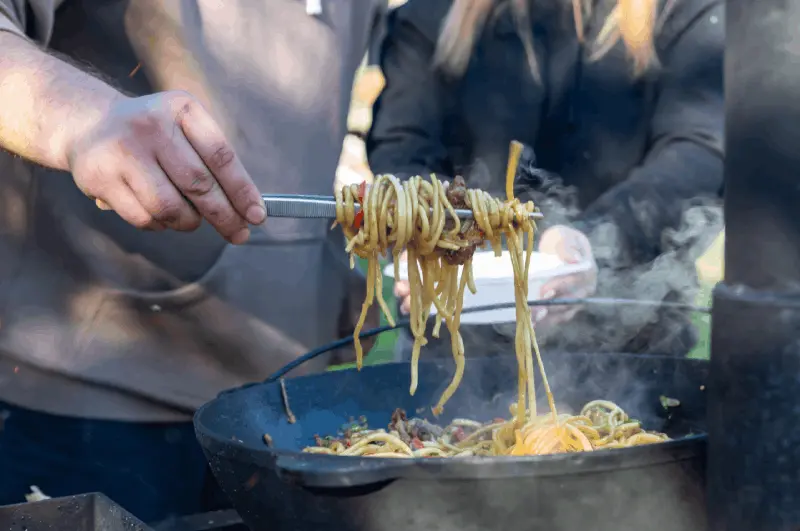
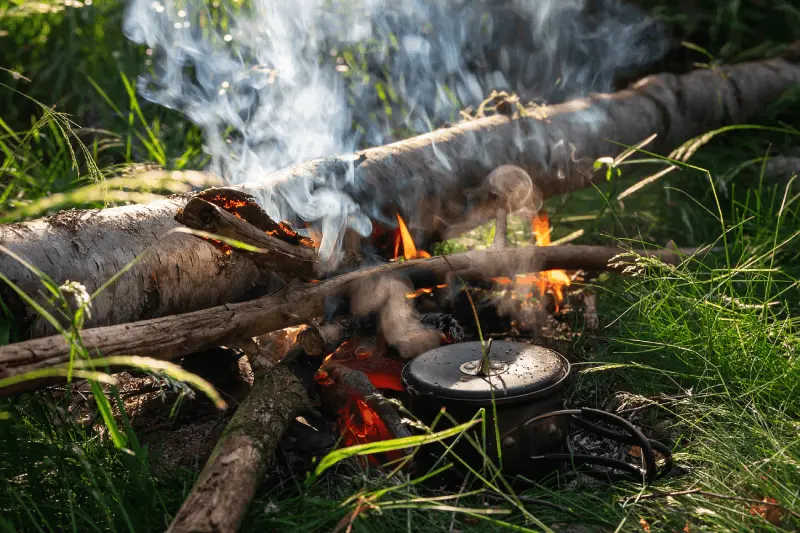
Eating in nature is one of the greatest pleasures. Your first backpack should definitely include a compact camping stove (gas or cartridge stove). A lightweight pot and pan set, a foldable spork (spoon-fork-knife combo), an unbreakable plate, and a cup are essential kitchen items. Additionally, don't forget to bring biodegradable soap and a small sponge for washing dishes in nature. Using airtight storage containers or zip-lock bags to store your food will prevent your backpack from getting dirty and keep food odors from attracting wildlife. Carrying your spices in small containers will add a homemade flavor to your meals.
What Tools Should Be Preferred for Lighting?
When the sun sets, nature plunges into pitch darkness. The best lighting tool for allowing you to use your hands freely is a "headlamp." When setting up a tent, cooking, or walking, a headlamp provides great freedom of movement. Additionally, for lighting inside the tent, a camping lantern or a headlamp held over a water bottle to create a diffuser system will beautify the environment. You should prefer models that can be charged with spare batteries or power banks. It is critical for your nighttime safety and comfort to pay attention to the lumen value and whether there are different modes (red light, strobe, etc.).
What Should Be Included in a First Aid Kit?
Minor accidents can always happen while camping. A standard first aid kit should include adhesive bandages, sterile gauze pads, a bandage, antiseptic solution, tweezers (for splinters or ticks), a small pair of scissors, and a pain reliever. If you have any personal medications, be sure to bring them with you as well. Sunscreen, allergy medications, and burn cream should also be on your list. Knowing how to use the contents of your first aid kit is essential for being prepared for any situation. Carrying the right equipment is just as important; therefore, taking a basic first aid training or keeping a guide in your bag can be life-saving.
What Hygiene Supplies Should Be Included?
Staying clean in nature keeps your morale high and protects your health. You should definitely include biodegradable wet wipes, paper soap, a toothbrush, and toothpaste in your bag. Hand sanitizer is very practical for maintaining hygiene before preparing food. Lockable bags for bringing back toilet paper and used papers are essential for the "leave no trace" principle. Special hygiene products for female campers and a microfiber towel (which dries quickly) must be included in the bag. Additionally, foot care powder or ointment will provide great comfort after long hikes.
How Should Fire Starting Tools Be Selected?
Starting a fire provides warmth, cooking, and psychological comfort. However, it can be difficult to start a fire in humid weather. You should always have multiple fire starters in your bag: a wind-resistant lighter, waterproof matches, and a magnesium stick (starter). Additionally, emergency fuels (tinder) like cotton soaked in petroleum jelly or dry tree bark that you can prepare at home will make your job easier. Never start a fire in areas where it is prohibited or during times of fire risk. Always light the fire in a safe stove area and ensure it is completely extinguished before leaving the campsite.
What Is Needed for Navigation and Orientation?
The GPS systems offered by technology are wonderful, but you should always have an "analog" backup in case of battery depletion or signal loss. A physical map of the area you are going to and a quality compass will enhance your navigation skills and can save lives in emergencies. If you plan to use apps on your phone (such as Wikiloc or Gaia GPS), make sure you have downloaded the maps for offline use in advance. Additionally, noting prominent landmarks and always being aware of your surroundings minimizes the risk of getting lost. Carrying a whistle is also the most effective way to call for help.
What Are Backup Power Sources and Technological Requirements?
In modern camping, smartphones are indispensable for navigation, photography, and emergency communication. To preserve the charge of these devices, you should acquire a high-capacity power bank, preferably one that is waterproof and shock-resistant. While solar panels are ideal for long-term camping, their efficiency may decrease in wooded or cloudy areas. You can also bring a camera or action camera to capture your camping moments. However, be careful not to disturb the silence of nature with your devices and, if possible, put your phone in airplane mode to save battery and truly disconnect from the digital world.
How Should a Multi-Tool and Knife Be Selected?
A quality knife is your best friend in nature. Whether you are cooking, cutting a rope, or carving small branches; a sturdy knife is useful for every task. For beginners, a folding knife with a safe locking mechanism or a small fixed-blade knife will be sufficient. Multi-tools are quite functional as they contain tools like a screwdriver, scissors, and a can opener. Having a knife made of stainless steel makes maintenance easier. Remember, a knife is not a weapon but a hand tool; always use it safely and for its intended purpose, and clean it and put it back in its sheath after use.
How Should the Bag Be Organized According to Weather Conditions?
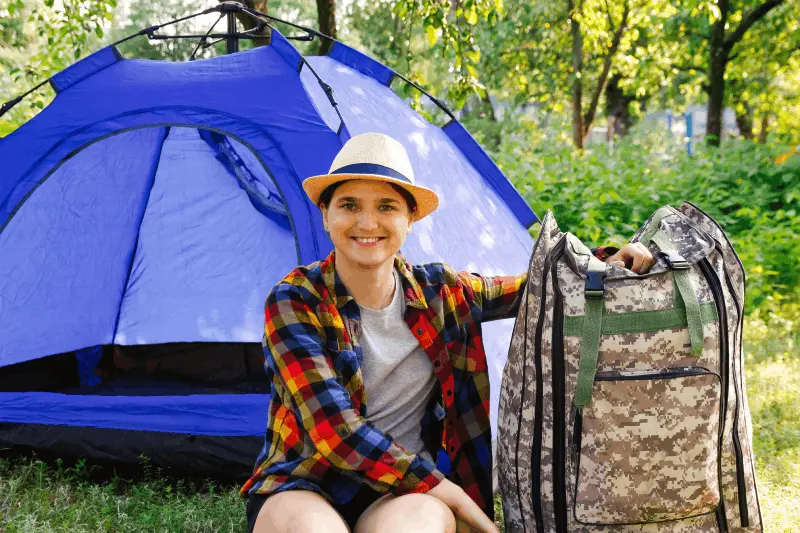
Checking the weather a day before preparing your bag ensures you make last-minute adjustments to your list. If rain is expected, you should double protect everything in your bag by placing them in large trash bags or waterproof "dry bag" sacks. In very hot weather, sunscreen and a hat become essential, while in freezing cold, a thermal mat support or hot water bottle can be life-saving. In windy weather, securing your tent stakes is critical; you may need to bring a few extra heavy-duty stakes. In every situation, being prepared for the worst-case scenario is best.
What Should Be Done for Waste Management and Nature Conservation?
The principle of "leave it cleaner than you found it" should be the constitution of every camper. You should dedicate one pocket of your bag solely to waste management. You should carry durable bags to bring back all your waste, even fruit peels, to the city. You can carry a small "trash can" jar for cigarette butts or plastic pieces that take years to decompose in nature. Never use soap near water sources and you should relieve yourself at least 60 meters away from water sources. It is also very important not to leave food for wildlife to maintain the food balance of living beings in nature.
How Should the Camping Bag Be Packed?
Throwing items randomly into the bag can lead to balance problems and make it difficult to find what you are looking for. The basic rule is this: Light but bulky items (like sleeping bags) should go at the bottom, the heaviest items (food, water, heavy parts of the tent) should be closest to your back and in the middle section, and small items you will need frequently (raincoat, snacks, first aid) should be placed at the top or in side pockets. Keeping the center of gravity of the bag close to your back prevents you from being pulled backward while walking. Also, try not to hang too many items outside your bag; it can swing. Loose parts can disrupt your balance and get caught in the branches.
Why is Choosing Shoes and Socks a Matter of Life?
A blister on your feet can ruin your entire camping enjoyment. Therefore, the shoes you choose for camping should be pre-broken in (opened up) to your feet. Boots with ankle support prevent sprains on rough terrains. Choosing socks is just as important as shoes; you should prefer seamless and moisture-wicking synthetic or wool blend "outdoor" socks. Cotton socks absorb sweat and can cause your feet to stay wet, increasing the risk of blisters, which can lead to water accumulation. It is a golden rule to always have at least one pair of dry spare socks with you and to air out your feet every evening.
How to Ensure Personal Care and Sun Protection?
Spending long periods outdoors can wear out your skin. A high-factor sunscreen, a wide-brimmed hat, and UV-protective sunglasses are necessary not only in summer but also on winter days with snow reflection. Lip balm prevents chapping. Insect and tick repellent sprays, especially in wooded areas, help maintain your comfort and health. If you have sensitive skin, it might be good to carry a light moisturizer. Remember that sunburn or intense mosquito bites can ruin your night’s sleep. You should make it a habit to keep these protective products in an easily accessible pocket of your bag for refreshing throughout the day.
What are the Water Needs and Filtration Systems?
Water is the heaviest but most vital material. Each person should plan to consume at least 2-3 liters of water daily. If there is no safe water source at your destination, you must carry all your water with you. However, if there is a water source, you can use portable water filters, purification tablets, or boiling methods to make the water drinkable. When choosing a water bottle (canteen), you can prefer lightweight and durable models or "hydration bladder" systems that fit inside your bag. Water bladders reduce the risk of dehydration as they allow you to drink without having to stop while hiking.
How to Ensure Safety While Camping?
Safety should be a priority at every stage of camping. You must inform someone close to you about where you will camp and when you will return. To protect yourself from wild animals, keep your food away from the tent and never store food inside the tent. When sleeping at night, you should either bring your shoes inside the tent or turn them upside down (to prevent insects from entering). Identifying your campsite and setting up your tent before dark prevents unseen accidents. Additionally, check the condition of the trees around you; you should definitely avoid setting up your tent under branches that are dead or at risk of falling (widow branches).
What Should Be in Your Bag for Unexpected Situations?
Not everything may go as planned. Your bag should have a "survival kit" in one corner for emergencies. This kit can include an emergency blanket (thermal cover), a whistle, a small mirror (for signaling), an extra fire starter, and a few high-calorie energy bars. A small roll of duct tape can work wonders for repairing your broken mat or torn tent. A length of "paracord" rope will also be useful for everything from hanging a hammock to securing a tent. These small touches can turn a major crisis into a manageable problem.
What are the Seasonal Equipment Differences?
Preparing for summer camping is as different from winter camping as night is from day. In summer, tents with mesh and good ventilation and thin sleeping bags are sufficient; in winter, 4 or 5-season tents that can withstand snow loads and sleeping bags suitable for sub-zero temperatures are essential. In spring, your biggest enemy is humidity and sudden rain, so waterproofing should be a priority. In winter, you also need to bring a snow shovel, stronger stoves, and more fuel. Updating your equipment according to the season is not only for comfort but also essential to protect against serious health risks like hypothermia.
What Should Be Added When Camping with Children or Pets?
If you are not going camping alone, there are special items you need to add to your list. For children, you should bring extra snacks, their favorite toys, more spare clothes, and nature games to keep them entertained (like a magnifying glass, a discovery notebook, etc.). If you have a pet, especially a dog, you should have a long leash, collapsible food and water bowls, a small mat for them, and if the weather is cold, a dog coat. You should also have bags to clean up after your pet and a comb for tick checks. Their comfort means your camping peace.
Is Choosing Lightweight Equipment (Ultralight) Advantageous?
In recent years, the "ultralight" camping trend has become quite popular. This allows you to minimize the total weight of your bag, enabling you to hike longer distances with less fatigue. Lightweight equipment is generally more expensive because it is made from titanium or special technological fabrics. However, every gram counts; for example, using a titanium pot instead of a heavy cast-iron pan can make a big difference. For beginners, getting everything in the lightest version can be costly, but over time, replacing your heavy equipment with lighter alternatives will be a significant investment for your knee and back health in the long run.
Is a Camping Chair and Table Necessary?
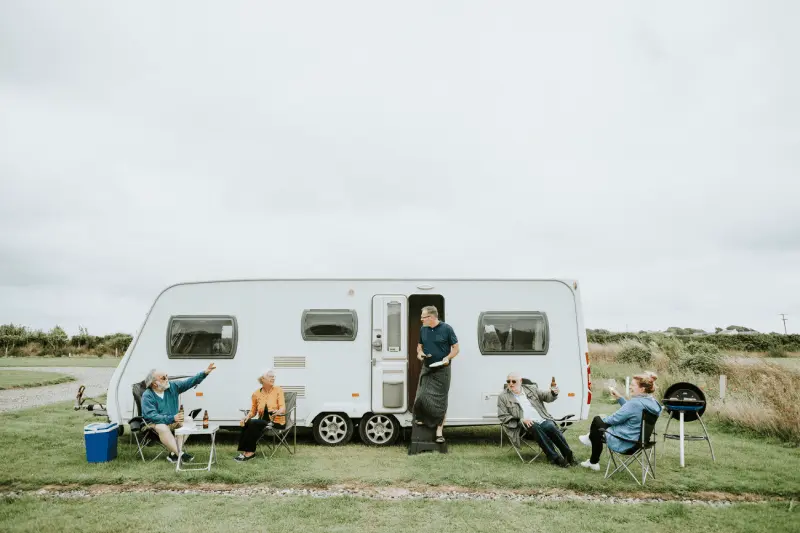
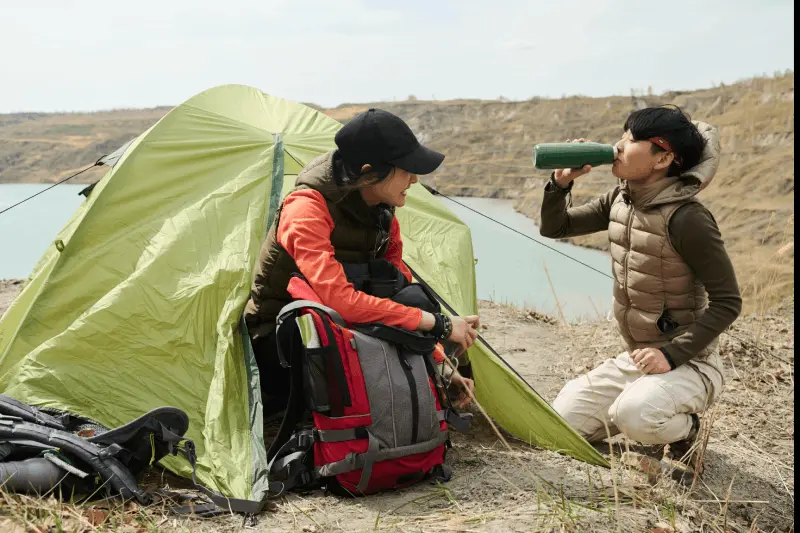
This entirely depends on your understanding of comfort and how you will reach the campsite. If you are driving to the campsite, a comfortable foldable camping chair and table can enhance your camping experience. However, if you plan to go on a long hike with your backpack, carrying heavy and bulky items will tire you out. In this case, you may prefer lightweight, collapsible stools that can be reduced to the size of your palm or just a "sitting mat" (sit pad). Sitting on a rock or log in nature is also an option, but a lightweight chair with back support is always missed for long evening conversations.
How to Ensure Night Safety and Protect Against Wildlife?
Remember that you are a guest in the habitat of wild animals. Bears, boars, or foxes are often attracted by the smell of food. Therefore, you should set up your camp kitchen at least 30-50 meters away from your tent and hang your trash or store it in odor-proof containers. Instead of spraying deodorants that emit odors around the tent at night, it is best to remain quiet and not disturb the natural flow. Most animals will avoid humans; however, you should not corner them or approach their young. If you need to go outside at night, make sure to keep your light close and make noise to announce your presence.
What Are the Meal Planning and Storage Methods?
Planning what you will cook at camp in advance helps you avoid carrying unnecessary weight. For the first day, you should prefer perishable fresh foods (meat, vegetables), while for the following days, you should choose durable products like canned goods, dried foods, or pasta. "Freeze-dried" ready camp meals, which are prepared by simply adding hot water, are very lightweight and nutritious options. Snacks like nuts, dried fruits, and energy bars help prevent blood sugar drops throughout the day. Dividing food into portions and placing them in zip-lock bags speeds up preparation and reduces waste.
Why Should a Repair Kit and Spare Parts Be Carried?
When something breaks in the wild, you cannot call a repairman. A small repair kit is essential for your backpack. This kit should include a tent pole repair sleeve (usually provided with the tent), a strong adhesive, a sewing needle, and a sturdy cord (nylon), a few zip ties, and a patch. If your sleeping mat gets punctured or the strap of your backpack breaks, you can create a temporary solution with these materials. Familiarizing yourself with your equipment and practicing how to make simple repairs in advance prevents you from being helpless in a remote place and having to end your camp early.
What Should Be Taken for Entertainment and Leisure?
Nature can sometimes be very quiet, and activities to do in this silence can refresh your spirit. You can bring a light book, a notebook and pen (to jot down your feelings and discoveries), a harmonica, or a deck of playing cards. If you enjoy stargazing, a small telescope or a stargazing app would be great. If the location is suitable for fishing, a small fishing kit will also provide you with fun. However, make sure to take time to listen to the sounds of nature; the sounds of birds, the rustling of the wind, and the babbling of streams are actually the most beautiful entertainment.
Why Is a Pre-Camp Checklist Important?
Even the most experienced campers can sometimes forget the simplest things (like the stove ignition or lighter). Therefore, you should create a physical or digital "checklist" for yourself. Before closing your backpack, check off each item on this list one by one. You can even prepare different lists according to the type of camping (beach, forest, summit). Giving a "checked" confirmation while packing your items into your backpack eliminates the stress of "did I forget something?" when you arrive at the campsite. Making the preparation phase a ritual will also increase your camping excitement and help you become more professional.
How to Optimize Backpack Weight?
The weight of an ideal camp backpack should not exceed 20% of your body weight (25% if you are experienced). If your backpack feels too heavy, you should distinguish between "wants" and "needs." For example, instead of three t-shirts, buying one quality technical t-shirt and washing it in the evening is a solution. Replacing heavy glass jars with lightweight plastic containers, portioning oversized packaged foods reduces weight. Weigh your backpack and ask yourself after each camp, "what did I not use at all?" By removing unused items from the next list, you will gradually create the most suitable and lightest set for yourself.
How Should Equipment Be Stored After the First Camping Experience?
When the camp is over, your job is not finished yet; proper storage is very important to extend the life of your equipment. You should completely dry your tent and sleeping bag before returning home; damp fabrics can mold and create unpleasant odors that are irreversible. Sleeping bags should be stored in a spacious bag or a breathable large bag, not in a compression sack, to prevent the filling from losing its properties. It is best to store sleeping mats slightly inflated and in an upright position. If you will not be using battery-operated devices for a long time, you should remove the batteries to prevent leakage. Clean and well-maintained equipment ensures that you are always ready for your next adventure.