How Does Ground Selection in the Campsite Affect Sleep Quality?
The ground where you set up your tent is the foundation of your sleep. It is not enough to just find a flat area; you should also analyze the drainage capacity of the ground, the stones on it, and the tree roots. Sleeping on uneven terrain can lead to blood pooling in the lower or upper parts of your body, causing you to wake up with headaches or leg cramps. Ideally, you should choose a ground that is slightly higher at your head than at your feet, with soft and cushioned soil. Remember that even a small stone on the ground can dig into your back throughout the night, disrupting your sleep dozens of times. Therefore, you should meticulously clean the area before setting up and focus on dry leaves or grass that provide natural insulation.
What Do Sleeping Bag Ratings and Comfort Limits Mean?
When purchasing a sleeping bag, it is crucial to read the "Comfort", "Limit", and "Extreme" values correctly. The "Comfort" value represents the temperature at which an average woman can sleep comfortably; the "Limit" value indicates the lower limit at which a man can curl up and sleep. "Extreme" is merely a survival limit, and it is unlikely that you can sleep at this temperature. For quality sleep, you should choose a sleeping bag with a "Comfort" value at least 5 degrees lower than the expected lowest temperature in the area you will be going to. The filling material of the bag (down or synthetic) also directly affects your sleep in terms of moisture transfer and heat retention capacity. Choosing the wrong bag can lead to waking up shivering or sweating excessively throughout the night.
Why Is the R Value Critical in Camping Mats?
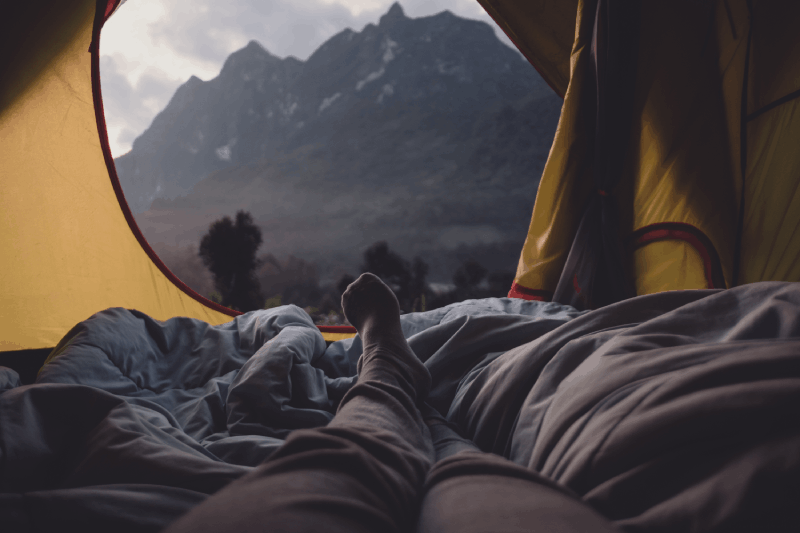
Many campers think that the reason they are cold while sleeping is the air temperature; however, the real heat loss occurs through the cold ground you are in contact with. The "R value" (Thermal Resistance) measures a mat's resistance to cold from the ground. An R value of around 2.0 is sufficient for summer camping, while in winter, this value should exceed 4.0. No matter how thick your mat is, if the R value is low, your body heat will flow into the ground, and no matter how warmly you dress, you will feel cold. While inflatable mats are advantageous in terms of comfort, mats with insulation properties certified by R values or hybrid models are the unsung heroes of deep sleep. Remember, your mat is not just a bed; it is also a thermal shield.
What Methods Should Be Used to Prevent Heat Loss While Sleeping in Nature?
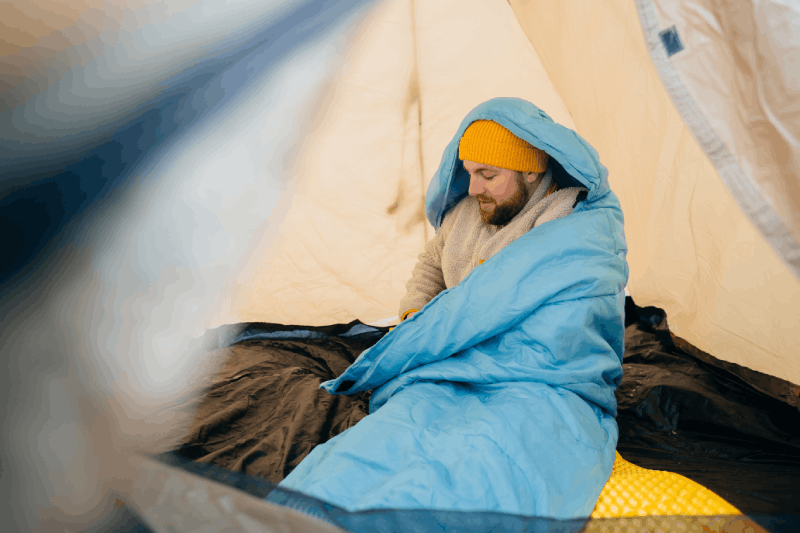
Maintaining body heat starts before you get into your sleeping bag. A light exercise (a few jumps or counting in place) just before entering the sleeping bag can help raise your body temperature and assist in warming the inside of the bag more quickly. Placing a hot water bottle (like a leak-proof Nalgene model) inside the bag will act as a radiator throughout the night. Additionally, to minimize heat loss from the head area, you should definitely wear a beanie and tightly close the sleeping bag's hood. Having too much empty space inside the bag makes it harder to stay warm; you can optimize heat transfer by filling these gaps with your spare clothes. Preventing heat loss is the most crucial key to a restful night's sleep.
Is It Possible to Capture Home Comfort When Choosing a Camping Pillow?
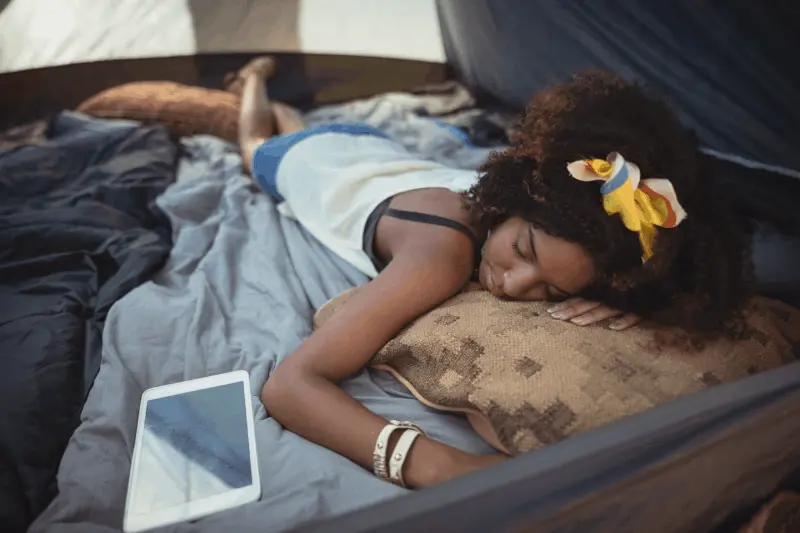
The most neglected piece of equipment in camping is the pillow. Most people try to make a pillow by stuffing their clothes into a bag, but this method invites neck pain and poor sleep quality. Modern camping pillows come in inflatable, foam-filled, or hybrid designs. Inflatable pillows offer advantages in terms of weight and volume, while placing a soft cover or t-shirt over them prevents the plastic fabric from touching your face, enhancing comfort. Camping pillows containing memory foam provide the closest experience to your home pillow. Proper neck support not only improves your sleep but also directly affects your physical performance the next day.
How Does Ventilation and Condensation Inside the Tent Disrupt Sleep?
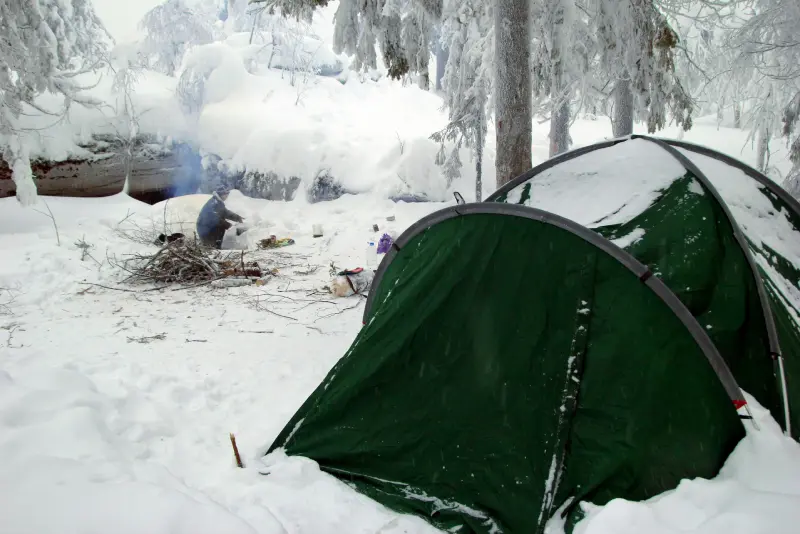
If you wake up to find water dripping from the ceiling of your tent, this is not a leak but a condensation problem. The moisture from your breath hits the cold walls of the tent, turning into liquid and soaking your sleeping bag, making you cold. For quality sleep, you should keep the ventilation windows of your tent open, no matter how cold it is outside. When air circulation is maintained, moisture is expelled, and the interior remains drier. Double-walled tents can largely solve this problem due to the gap between the inner and outer layers. Completing the night with a wet sleeping bag is impossible; therefore, applying the right ventilation strategy is an indispensable technique for a dry and warm sleep.
What Should Be Done to Avoid Being Disturbed by Nature Sounds at Night?
For a city-dweller, the silence of nature can actually be quite noisy. The rustling of the wind outside the tent, the sound of branches, or distant animal noises can wake light sleepers. The most practical way to overcome this situation is to use quality earplugs. Silicone or foam earplugs help minimize environmental noise, aiding in calming your mind. If you do not enjoy complete silence, a "white noise" app or a recording of light rain sounds that you can download to your phone can mask the irregular sounds outside, allowing you to fall into a deeper sleep. Isolating the mind from external stimuli accelerates the adaptation process in the camping environment.
How Do Eating Habits Before Bed Affect Camping Sleep?
Dinner in nature is often heavy and calorie-rich, but eating heavy meals right before sleep engages the digestive system and reduces sleep quality. It is necessary to stop eating at least two hours before bed and to avoid drinks containing caffeine (tea, coffee, cola). While alcohol consumption may seem to facilitate falling asleep initially, it disrupts the REM stage of sleep, causing you to wake up tired in the morning and destabilizing your body temperature throughout the night. Instead, light snacks containing complex carbohydrates or magnesium (hazelnuts, almonds, bananas) can be preferred. Additionally, to avoid waking up for nighttime bathroom needs, you should gradually reduce fluid intake one hour before bed.
Do Camping Clothes and Layering Systems Improve Sleep Efficiency?
The clothes you wear inside your sleeping bag directly affect the bag's performance. The most common mistake is sleeping in very thick or cotton clothes. Cotton retains moisture and makes you cold when you sweat. Instead, you should prefer synthetic or merino wool thermal base layers that wick moisture away from the body. Thin and breathable layers ensure that your body heat reaches the insulation filling of the bag. If you are sweating a lot, it is more effective to throw an extra blanket over the sleeping bag rather than dressing in layers. Choosing the right socks is also very critical; you should definitely change your wet and possibly damp socks for a dry and clean pair of wool socks.
Does Mentally Adapting to Nature Trigger Deep Sleep?
The quality of camping sleep largely requires psychological preparation. In a situation known as the "first night effect", the brain remains alert for safety purposes in a new environment and does not allow deep sleep. To overcome this anxiety, you should create an arrangement that makes you feel safe in the campsite. Ensuring that your tent is set up in a secure location, keeping your gear within reach, and using your headlamp minimally during the evening hours to adapt to the darkness can be beneficial. A short meditation or reading session before bed can help put your nervous system into "rest and digest" mode, providing a harmonious and peaceful transition into nature.
How to Protect Spine Health and Sleep Comfortably While Hammock Camping?
While hammock camping can be liberating, sleeping in the wrong position can lead to serious back and lumbar pain. Instead of lying vertically in a "banana" shape, you should lie diagonally at an angle of about 30 degrees. This position stretches the fabric of the hammock, keeping your body in a flatter plane and preserving the natural curve of your spine. Additionally, to avoid experiencing "Cold Butt Syndrome" during hammock sleep, you should definitely use an "underquilt" or a mat placed inside the hammock. With the right equipment and technique, a hammock can provide a sleeping experience above the clouds, free from all the bumps on the ground.
How Should We Manage Circadian Rhythm in Nature Without Light Pollution?
The greatest gift of nature is the chance to reset our biological clock (circadian rhythm). Artificial lights in the city suppress melatonin hormone, while in the campsite, our body begins to prepare for sleep with the sunset. To maximize the benefits of this natural cycle, you should avoid using bright lanterns or bright phone screens in the evening. Using headlamps with red light mode preserves night vision and does not inhibit melatonin production. Waking up with the sunrise naturally increases the cortisol levels in the body, allowing you to start the day much more energetically and alert. Surrendering to the natural flow of light will enhance the depth and restorative effects of your sleep.
What Should Be Considered When Sleeping with a Tent Mate or Pet?
If you are sharing your tent with someone else or your loyal dog, you should optimize your sleep arrangement accordingly. Using two-person sleeping mats or sleeping bags that can be zipped together creates a shared warmth area, keeping you warmer. However, it may be more practical to use independent inflatable mats to avoid being disturbed by your partner's movements. If you are camping with your pet, you should prepare an insulated corner for them on the ground and create a safe area to prevent them from reacting to outside noises throughout the night. While sleeping together can enhance the feeling of security, having everyone's own space is essential for uninterrupted rest.
When Should Emergency Blankets and Extra Heat Sources Be Used?
Sometimes conditions can be much more challenging than expected, and your standard equipment may be insufficient. In such moments, aluminum emergency blankets (foil blankets) can be lifesaving, but it is better to place them between the mat and the ground or over the sleeping bag rather than inside the bag. Direct contact with the body can lead to sweating and subsequently more shivering. Chemical heat pads (hand/foot warmers) can be placed inside the sleeping bag, especially to accelerate circulation in the feet. However, these extra resources should be used in moments of "need" rather than for "comfort". Knowing the limits of your equipment and having a backup plan will help reduce the anxiety of what you might experience throughout the night, allowing you to sleep more comfortably.
How Should a Sleep Routine Be Established to Reduce Post-Camping Fatigue?
A quality camping sleep should continue not only at the campsite but also during the return process home. You should not sacrifice your altered sleep hours and the rhythm of nature during the chaos of the city. Taking a warm shower on the return night cleanses your body of the physical fatigue of camping and relaxes your muscles. Cleaning and airing out your camping gear provides mental relaxation for the next adventure. Trying to maintain the circadian rhythm you caught in nature for a few more days ensures that the mental and physical healing provided by camping lasts. Remember, the best camping stories are told by those who have had a good night's sleep and a refreshed mind.