Are Solar Panels Always Sufficient for Continuous Power?
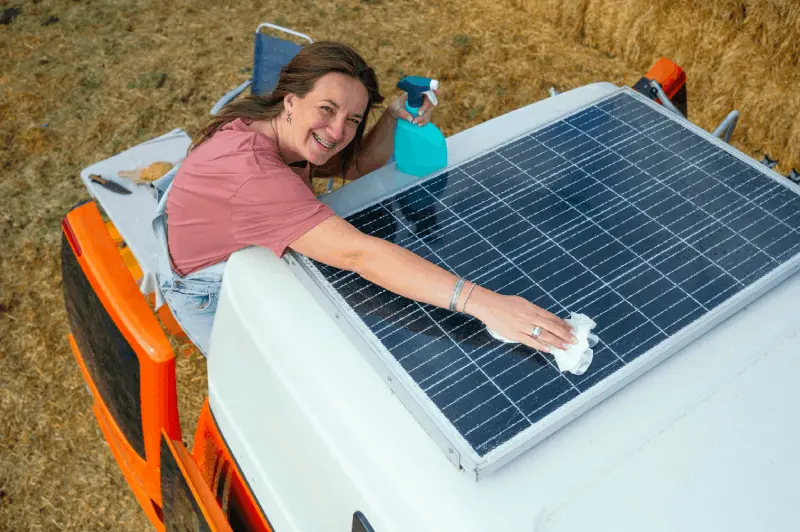
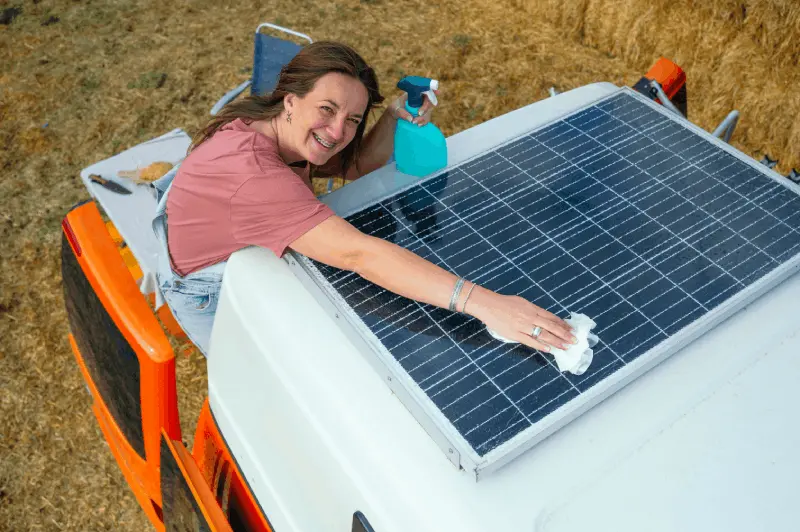
The solar panels, which are the greatest symbol of freedom in caravanning, are unfortunately highly dependent on the whims of nature. Especially during the winter months, the decrease in the sun's angle, the increase in cloudy days, and the desire to camp in wooded areas can reduce the efficiency of photovoltaic systems by up to 10%. This situation can lead to serious disruptions in meeting basic needs such as refrigerators, heaters, and lighting. Therefore, instead of relying solely on the sky, integrating other potential energy sources offered by nature, such as wind, water, and heat, into the system is the key to a true "off-grid" lifestyle. A hybrid energy architecture elevates your energy security to the highest level, preparing you for all weather conditions.
Can Wind Turbines Generate Energy While in Motion?
Many caravanners dream of converting the airflow created while the vehicle is in motion into electricity through wind turbines. While this is technically possible, it should be noted that the fuel consumed may be more costly than the electricity generated due to aerodynamic drag. However, when the caravan is stationary, especially in coastal areas or high-altitude plateaus, the wind can charge your batteries day and night. Small-scale wind turbines, mounted on the caravan or set up with a portable pole, can continue to generate energy even during the hours when the sun has set, closing the system's biggest gap. With the right blade design and an alternator that starts turning even at low wind speeds, wind can become the caravanner's most loyal friend.
Why Should Vertical Axis Wind Turbines Be Preferred?
In mobile structures like caravans that have limited space, the selection of wind turbines is of vital importance. Traditional horizontal-axis turbines must turn according to the direction of the wind and are often noisy. In contrast, vertical-axis wind turbines (VAWT) can operate regardless of the wind's direction. This feature allows you to benefit from turbulent air currents around the caravan. Additionally, these turbines operate more quietly and can generate energy even at low speeds. Due to their compact design, they can be more easily mounted on the caravan's roof and cause less harm to wildlife, such as birds. Visually, vertical turbines also present a more modern stance, making them a niche solution that combines aesthetics and functionality.
How Can Hydroelectric Power Be Used While Staying by a River?
If your camping route includes riverbanks, hydroelectric energy can be an endless resource for you. Portable micro-hydroelectric generators provide continuous energy for 24 hours by utilizing the flow rate of water. Considering that solar panels do not work at night and wind does not always blow, a flowing water source is the most stable energy provider. These devices, resembling a small propeller, rotate when submerged in water or when water pressure is applied through a hose. The generated energy can be directly transferred to the battery bank. Especially during long-term riverbank stays, it is possible to obtain the total energy you would get from a solar panel in just a few hours from water.
Can Portable Hydro-Generators Charge Caravan Batteries?
Today, technology has enabled the production of hydro-generators small enough to fit in a backpack. These devices are generally compatible with 12V or 24V systems and are designed to charge standard caravan batteries. Even in a stream with a flow rate of 1-2 meters per second, these devices can provide a continuous "trickle charge" to prevent the batteries from draining. The installation of the device is quite simple; you just need to secure it in the water and pull the cable to your caravan. This method serves as a lifesaver for caravanners who use heavy electrical devices or work as digital nomads in forest depths where sunlight is insufficient.
Is It Possible to Recover Kinetic Energy from the Caravan's Shock Absorbers?
Although not yet commercially widespread, regenerative suspension systems are an emerging trend in the world of caravanning. Every up-and-down movement of the shock absorbers while traveling on a bumpy road is actually wasted energy. Electromagnetic shock absorbers can convert these vertical movements into electrical energy. The energy obtained from the bumps in the road during travel can be used to power the caravan's life systems. Especially in heavy caravans and long journeys, the energy obtained through this method can be significant. In the future, these intelligent systems, which will replace standard shock absorbers, will enable caravans to generate their own energy while in motion.
Can Energy Generated During Braking Be Stored?
The "regenerative braking" technology we are familiar with from electric vehicles can also be applied to towable caravans and motorhomes. When your caravan descends a slope or slows down, the kinetic energy in the wheels is converted into heat and lost. Thanks to small generators integrated into the wheels, this energy generated during braking can be converted into electricity and stored. For caravanners traveling in mountainous areas, this method not only generates energy but also reduces the wear on brake pads, enhancing safety. This niche technology contributes significantly to the overall energy balance of the caravan by making energy efficiency a part of the driving dynamics.
Can Biomass Energy Solve Heating Problems in Caravans?
Biomass, or organic waste, is a highly creative option for both heating and energy production in caravans. Small biomass stoves that operate using wood pallets, dry branches, and even agricultural waste can heat the interior of the caravan while also providing hot water needs with the help of a heater. However, the real revolution comes from the thermoelectric generators added to these stoves. These systems convert the heat from the stove directly into electricity, allowing you to heat your caravan during winter nights while also charging your phone or lighting your LED lights. Biomass energy, which offers a carbon-neutral cycle, is the most natural way to achieve energy independence with materials collected from nature.
Do Thermoelectric Generators Produce Electricity from Wood Stoves?
Thermoelectric generators (TEG), which operate on the principle of the Seebeck effect, generate electricity by utilizing the temperature difference between two different metal surfaces. These modules, placed on top of your caravan's wood stove, take advantage of the difference between the stove's hot surface and the cold air outside. Since they have no moving parts, they are completely silent and require no maintenance. Although the amount of energy produced is small, it provides a stable flow sufficient to prevent your batteries from dropping below critical levels during freezing winter days when the sun is not shining. Generating electricity as a natural byproduct of the heating process is one of the smartest strategies that can be applied in a caravan in terms of energy efficiency.
Do Hydrogen Fuel Cells Promise a Future for Caravanning?
Hydrogen fuel cells are a candidate for being the "gold standard" energy source for caravans due to their silent operation and the fact that they only emit water vapor. This system, consisting of a hydrogen tank and a fuel cell unit, converts chemical energy directly into electricity. Unlike solar and wind, it is entirely under user control; you can start generating energy by simply pressing a button whenever you want. Although the current installation costs and the scarcity of hydrogen refueling stations pose a barrier, portable hydrogen cartridges have begun to overcome this issue. These systems, which have a very high energy density, are much lighter than lithium batteries and can provide energy for much longer.
Is It Logical to Use Waste Oils as Biodiesel in Caravans?
For those with older diesel motor caravans, waste vegetable oils collected from restaurants can be converted into an alternative fuel source. With a simple filtration and heating system, these oils can be converted into biodiesel and used in the caravan's engine or diesel heater (like Webasto). This not only ensures the recycling of an environmental waste but also reduces fuel costs to nearly zero. From an energy production perspective, a small generator running on biodiesel serves as a massive energy reservoir on cloudy days. Using waste oil is a labor-intensive but highly satisfying renewable energy method that integrates the principles of circular economy into caravan life.
Do Flexible Wings Integrated into the Caravan Roof Capture Wind?
Next-generation aerodynamic designs aim to use the caravan's roof structure like a wind tunnel. Wing profiles placed horizontally on the caravan's roof can accelerate the passage of wind, feeding the micro turbines that rotate in this space. This system increases efficiency by focusing the wind blowing while the caravan is parked at a specific point. Unlike traditional pole-mounted turbines, this system is completely integrated with the caravan's outer lines and requires no installation. These integrated systems, which prevent visual pollution and can operate safely even in high winds, are at the forefront of hybrid solutions that caravan manufacturers may offer as standard alongside solar panels in the future.
Is Wind the Best Alternative for Generating Energy Overnight?
The biggest weakness of solar energy is its inability to generate energy during the evening hours when it is most needed. This is exactly where wind energy comes into play. Statistically, wind speeds tend to increase after sunset due to thermal differences. Using a wind turbine in the caravan not only prevents the batteries from discharging overnight but can also ensure that the batteries reach full capacity by morning. This way, you can comfortably use high-draw devices like coffee makers or hair dryers when you wake up. A turbine that quietly spins throughout the night is a safety factor that completely eliminates energy stress in the caravan.
Do Hybrid Energy Systems Provide Continuous Power in Caravans?
Relying on a single source always carries a risk in caravanning. The ideal solution is hybrid systems that utilize solar, wind, and, if necessary, hydroelectric sources together. Smart charge controllers (MPPT) manage the current from different sources to charge the batteries in the most efficient way. For example, on a sunny day, the panels are active, while on a stormy night, the wind turbine takes over. By the riverside, the hydro-generator becomes part of the system. This multi-layered structure guarantees the energy autonomy of the caravan regardless of seasons and geography. Although setting up a hybrid system may seem complex at first, the peace and freedom it offers far outweighs any investment made.
Can Piezoelectric Floor Coverings Generate Electricity Inside the Caravan?
Although still in the laboratory phase, piezoelectric materials to be used on caravan floors hold exciting potential for the future. Piezoelectric materials can convert the mechanical pressure applied to them (i.e., your footsteps) into electrical energy. Every time you walk around the caravan, go to the kitchen, or sit at the table, the floor generates small electric currents. While this amount of energy may not be enough to power a large system on its own, it can be used to power low-energy LED lights or sensors. Especially in tight spaces, converting every movement into energy makes the caravan feel like a living organism, spreading energy efficiency to every cm².
Is Wave Energy a Dream for Caravanners by the Sea?
Although wave energy is often associated with massive facilities, research is ongoing into small-scale and portable wave energy converters. For a caravanner staying by the seaside, a small buoy system dropped into the water can convert the oscillation movement of the waves into mechanical energy and then into electricity. This method offers a great alternative in situations where there is no wind but the sea is choppy. It is sufficient to tie the device to the water with a rope and pull the cable to the caravan. For those who love to travel along the coast, this niche technology can bring the immense power of nature into the caravan's living space on a miniature scale.
Can Portable Biogas Units Be Used in Caravan Kitchens?
Cooking in a caravan typically relies on LPG or butane gas. However, portable biogas units can end this dependency by converting your food waste into cooking gas. Kitchen waste (fruit peels, vegetable scraps, etc.) placed inside a small tank is broken down by anaerobic bacteria to produce methane gas. This gas can be connected to the caravan's stove. This system, which both promotes waste management and provides free fuel, creates an excellent cycle for eco-friendly caravanners. Although bacterial activity slows down in cold weather, biogas production can become a part of the caravan thanks to insulated tanks.
What is the Seebeck Effect that Converts Caravan Heat into Electricity?
The Seebeck effect is the physical principle underlying the thermoelectric generators we mentioned earlier. When there is a warm environment inside the caravan while the outside is cold, this temperature difference creates an energy potential. Thermoelectric elements placed on the caravan's windows or ventilation outlets can capture this natural heat transfer and generate electricity. Especially recovering some of the heat lost to the outside while heating the caravan at night increases system efficiency. This technology should be viewed as a passive "energy harvesting" method rather than an active energy generation. In a caravan life where every milliwatt counts, converting heat loss into energy is an extremely clever engineering approach.
Can Micro Wind Turbines Be a Silent Energy Source?
The noise of traditional wind turbines can create discomfort in camping areas. However, new technologies like "wind trees" or "bladeless wind turbines" have been designed to capture wind silently. These systems generate energy using vibrations or small leaf-like pieces instead of large blades. These aesthetic devices, placed at the corners of the caravan, prevent noise pollution and continue to operate even at low wind speeds. Silence is one of the biggest motivations for camping in nature; therefore, silent energy generation technologies are rapidly gaining popularity among caravanners.
Can the Caravan Generate Its Own Energy While Driving?
The most common way for a caravan to generate energy while driving is to draw electricity from the vehicle's alternator using a "B2B" (Battery to Battery) charging device. However, this is not exactly a renewable source as it relies on fuel consumption. For truly renewable driving energy, thin-film solar cells and aerodynamic wind intakes can be used, placed on the caravan's exterior. The massive air pressure created during driving can turn the turbines inside through specially designed channels. This method presents a model where energy generation increases as speed increases, turning long journeys into energy charging sessions.
Why Are Resources Outside of Solar Important During Seasonal Changes?
Solar energy is magnificent in the summer, but in winter it can "leave you hanging." Between November and February, in countries like Turkey, the number of sunny hours can drop to 2-3 hours a day. This duration is never sufficient to charge a large battery bank. If you only have a solar panel, camping in winter means either enduring the noise of a generator or running out of energy. Resources like wind and water are less affected by seasonal changes; in fact, the wind potential is much higher in winter. Diversifying your energy portfolio allows you to escape the limitations of the seasons, offering the possibility to live in nature 365 days a year.
Is Charging a Phone from a Campfire a Myth?
Absolutely not! Nowadays, portable USB charging devices that sit on a campfire and convert heat into electricity are available. These devices utilize the thermoelectric principle we mentioned earlier. Electricity is generated through a rod placed inside the fire or a pot of water placed on top of the fire. For caravanners, this is a fun and practical way to charge devices in emergencies or while spending time by the evening fire. Additionally, some advanced models allow you to store this energy in an internal battery, enabling you to use it even after the fire has gone out. Combining the oldest energy source in nature, fire, with modern technological needs is quite an impressive experience.
What Energy Combination Should Be Chosen to Eliminate Carbon Footprint?
For a caravanner who wants to completely eliminate their carbon footprint, the "Golden Triangle" is as follows: A wide array of solar panels, a silent vertical-axis wind turbine, and a biogas unit for organic waste. While solar and wind meet electricity needs, the biogas unit provides the necessary gas for cooking and heating. This combination completely eliminates the need for fossil fuels (LPG, diesel, gasoline). Additionally, adding a micro-hydro generator in areas where water is available perfects the system. This ecological approach not only protects nature but also saves you the hassle of going to gas stations or refueling centers.
Do Portable Hydroelectric Turbines Harm Nature?
For an eco-friendly traveler, it is essential to produce "green energy" without harming nature. Portable micro-hydro turbines do not block the flow of water like dams or alter the ecosystem. They are simply small propellers that pass through the water and do not obstruct its natural flow. Their designs should generally be protective so that fish or other creatures are not harmed. Removing the device from the water at the end of the camping trip ensures that you leave no trace in the riverbed. This is one of the best examples of temporarily taking nature's resources and returning them without causing any harm.
Can the Caravan's Aerodynamic Structure Be Used for Energy Generation?
Caravans are generally high in wind resistance and box-like structures. However, this design disadvantage can be turned into an advantage for energy generation. Air intake channels placed on the front surface of the caravan can compress the air during travel, directing it to small turbines inside. Additionally, the vacuum area created behind the caravan (turbulence) can be converted into energy with appropriately designed turbines. This type of "smart shell" design, which generates energy while making aerodynamic improvements, is one of the most niche and heavily researched topics in the caravanning industry.
Do Magnetic Induction Wheels Accelerate the Charging Process?
This technology aims to generate energy by creating a magnetic field directly from the rotational movement of the wheels. Thanks to magnets and coils placed in the caravan's wheel hub, electricity can be generated without friction (contactless). This method offers less wear and higher efficiency compared to traditional generators. Especially during long highway drives, the wheels can rotate thousands of times in seconds, providing an enormous energy source. This energy can quickly charge the caravan's lithium batteries, offering you a 100% full capacity when you reach your destination.
Can Compost Toilet Waste Be Used for Energy Generation?
Compost toilets are great for water conservation and odor management; however, this waste is also a source of energy. The composting process naturally generates heat (exothermic reaction). In caravans with a large compost tank, this heat can be used to warm the caravan's floor or heat usage water with the help of an exchanger. Additionally, composted material can be dried and pelletized to be used as fuel in biomass stoves. This is one of the most extreme points where waste is converted into energy and is an invaluable solution for caravanners who adopt the "zero-waste" lifestyle philosophy.
Do Heat Pumps Offer Renewable Heating in Caravans?
Heat pumps are highly efficient devices that take energy from the air outside and transfer it inside. Many modern caravan air conditioners now operate on the principle of heat pumps. They can generate 3-4 units of heat energy by consuming 1 unit of electricity. If you have a powerful battery bank and support from solar/wind, using a heat pump for heating is a much more environmentally friendly option compared to diesel heaters. Air-source heat pumps can extract energy from the air even when the outside temperature is -10 degrees. This technology is the most efficient way to convert electrical energy into heat, combining comfort and efficiency in the caravan.
How to Maintain Energy Independence on Cloudy Winter Days?
The secret to maintaining energy independence in winter lies in the formula "savings + diversification." First, all lighting should be LED, and devices should be selected with A+++ efficiency. Then, at least one alternative source (preferably wind) should be added to the system to fill the gaps in solar energy. Having excellent insulation in the caravan reduces the energy spent on heating, lightening the load on the electrical system. Additionally, passive systems like "exchanger hot water tanks" that utilize the engine's heat during travel should be used. Managing energy in winter is like a game of chess; every move must be planned in advance, and every opportunity offered by nature (wind, temperature difference, etc.) must be evaluated.
How Do Smart Energy Management Systems Increase Efficiency?
Managing energy from different sources manually is impossible. Smart energy management systems (EMS) analyze data from solar, wind, and generators in real-time. They decide which source will be used when based on the battery charge level, weather conditions, and your consumption habits. For example, if the wind is very strong and the batteries are full, excess energy is automatically directed to the resistance in the hot water tank, preventing energy waste. These types of smart systems not only increase efficiency but also extend the lifespan of the system and relieve the user from the hassle of constant monitoring.
Do Ultra-Light Wind Turbines Ensure Easy Installation?
Weight is always a concern for caravanners. Traditional cast wind turbines are heavy and bulky. However, ultra-light turbines made from carbon fiber and advanced polymers have solved this problem. Weighing only 2-3 kg, these devices can be easily mounted on the caravan's frame or even on a camping table. Due to their lightness, they start to turn even in the slightest breeze. Their portability allows them to be placed at the best point where the wind blows (10-15 meters away from the caravan). This flexibility allows you to keep the caravan in the shade while operating the turbine on a windy hill, optimizing comfort and efficiency.
Are Hydrogen Storage Tanks Safe in Caravans?
While there are concerns about the safety of hydrogen, modern storage technologies have minimized these risks. Hydrogen tanks designed for caravans are equipped with leak sensors and automatic release valves. The biggest advantage of hydrogen is that in the event of a leak, it rises and disperses quickly because it is much lighter than air (unlike LPG, which creates a hazardous layer that sinks). In the future, "solid-state" hydrogen storage systems (hydrides) will make tanks much smaller and lower pressure. This will pave the way for hydrogen energy to be used in caravans as safely and commonly as water and electricity.
Can Vibrations on the Caravan's Exterior Be Converted into Energy?
When the caravan is in motion or during windy weather, the exterior panels vibrate at a micro level. "Electro-active polymer" coatings that capture these vibrations and convert them into electricity are a niche but promising technology. A thin film layer applied to the caravan's roof or side walls can convert all types of vibrations into energy. This means that even the kinetic energy generated by raindrops hitting the roof can be converted into electricity. Harvesting energy not only from large systems but also from these micro effects can turn the caravan into a true engineering marvel on the path to energy independence.
Can Rainwater's Potential Energy Be Used on a Small Scale?
For those traveling in very rainy areas, rainwater can be not only a water source but also an energy source. Water flowing from the caravan's roof into gutters can be collected at a certain point to turn a small turbine (micro-turbine). Of course, the energy obtained through this method is very small; however, in the philosophy of "energy harvesting," no source is insignificant. The electricity generated can power an outdoor light or a night lamp. On a rainy and cloudy day, when solar panels are silent, the raindrops falling from the sky can provide you with a small amount of energy, showcasing the most elegant indicator of harmony with nature.
How Many Sources Are Needed for a Completely Off-Grid Lifestyle?
For a truly sustainable off-grid lifestyle, it is recommended to have at least three different energy sources together. The first source should be "Solar," which provides the main load; the second source should be "Wind," which is the savior during non-sunny times; and the third source should be "Biomass/Thermal" or "Hydrogen" for emergencies or winter conditions. This triad structure ensures that other sources kick in during any potential failure or adverse weather conditions. Energy independence is not only about generating energy but also about mitigating risks. A caravan powered by three different sources can safely stay anywhere in the world, in any season.
What is the Connection Between Waste Management and Energy Conversion in Caravans?
If you think of a caravan not just as a vehicle but as a small ecosystem, you will realize that wastes are actually "raw materials." Kitchen wastes can be converted into biogas, wood wastes can be used for heating and electricity, and grey waters can be used (after filtration) in micro-hydro systems. Instead of throwing waste away, converting it into energy dramatically increases the autonomy period of the caravan. This circular approach minimizes the caravanner's dependency on the outside world while ensuring that the impact left on nature is as clean as possible. The connection between waste and energy is the heart of sustainable caravanning.
Do Thermal Storage Methods Reduce Electricity Needs?
Often, we try to store energy as electricity, but a large portion of energy is consumed as "heat." Thermal storage, which involves storing excess heat obtained from daytime sun or engine warmth in phase change materials (PCM) or insulated water tanks, eliminates the need for electric heaters at night. Storing heat as heat is much more efficient than converting it into electricity and storing it in batteries. With a good thermal storage system, you won't have to strain your batteries for heating even during winter nights. This situation extends the lifespan of your electrical system and prevents energy crises before they start.
What is the Cheapest System to Assist Solar Panels?
If your budget is limited and you are looking for an assistant for your solar panel, the most cost-effective solution is a "wood stove + TEG module" or a homemade wind turbine. Especially in winter months, adding $20-30 thermoelectric modules to the stove you are already using for heating provides nearly free electricity generation. This is the method to obtain the most stable energy (for as long as you are heating) with the least investment. Additionally, affordable horizontal micro wind turbines (DIY kits) can also be integrated into the system at a low cost. Before switching to expensive technologies, optimizing your existing systems is always the most logical starting point.
Are There Transparent Energy Systems Integrated into Caravan Windows?
In the caravans of the future, windows will not only be used to look outside but also to collect energy. Transparent photovoltaic glass technology captures the visible part of sunlight while converting invisible UV and infrared wavelengths into electricity. This means that the side surfaces of the caravan can also turn into solar panels. This energy generation, achieved without disrupting the caravan's aerodynamics and without taking up extra space, is revolutionary, especially for camper-van type vehicles with limited space. As this niche technology develops, caravans will appear as ordinary vehicles from the outside but will operate like energy plants with every surface.
Will Caravans Become Self-Sufficient Ecosystems in the Future?
Technological advancements indicate a future where caravans can stay in nature indefinitely without relying on any external sources (water, fuel, food). With the diversification of renewable energy sources and the increase in efficiency, caravans will become "mobile ecosystems." In this structure, where water purification systems generate energy and waste management is integrated with heating, the concept of freedom will be taken to a whole new level. The wind turbines, hydro-generators, and hydrogen cells we use today are the first steps toward this autonomous future. Caravanners who convert every particle offered by nature into energy are building the most sustainable lifestyle of the future starting from today.