Why is Practicality So Important in Camp Cooking?
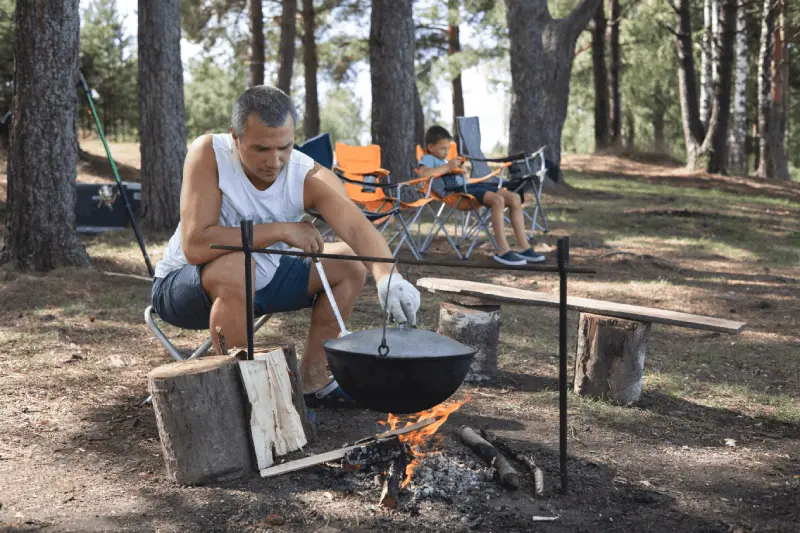
Camping means stepping away from the comforts of the modern world and adapting to the rhythm of nature. However, the time-consuming nature of kitchen tasks during this process can hinder your enjoyment of the outdoors. Practicality ensures that you get the highest efficiency with limited equipment and energy sources. Choosing meals that create minimal dishes, cook quickly, and have high nutritional value helps you conserve energy and leaves you with more time to relax. Therefore, planning in the camp kitchen is lifesaving.
What Can Be Prepared for Breakfast to Store Energy?
Camping days are usually filled with physical activities; hiking, climbing, or even just gathering firewood can burn a lot of energy. For this reason, breakfast should be balanced in terms of carbohydrates and protein. Eggs are the biggest friends of campers. When combined with whole wheat bread, olives, and cheese, which you bring along, you lay the foundation for the energy you will need throughout the day. Additionally, natural sugars like honey and molasses should definitely be on the breakfast table for sudden energy needs.
Why is Menemen an Indispensable Classic in Camping?
Menemen is the emperor of the camp kitchen due to its ease of preparation and filling nature. You can create wonders with just a pan and a few basic ingredients (tomatoes, peppers, eggs). The flavor that emerges when the scent of fresh vegetables in nature combines with the heat of the fire is unmatched. Moreover, since menemen is eaten by dipping bread, it also reduces the need for extra plates. Adding a bit of sausage or cheese can further enrich the dish, increasing the protein content and extending the feeling of fullness.
What Are the Key Points for Cooking Sausage Over a Campfire?
Sausage is one of the most enjoyable and appetizing foods to cook at camp. Instead of throwing it directly into the fire, it is best to cook it on a grill placed over the embers or on a long skewer. The flames of the fire can burn the outside of the sausage but leave the inside raw; therefore, you should be patient and use the heat of the embers. Ensuring that the slices are not too thin will help keep the juices inside, making them tender. When served with roasted peppers, it turns into a real feast.
How to Prepare Lavash Wraps for a Practical Breakfast?
Lavash is much more useful in the camp kitchen than bread because it doesn't stale easily and doesn't take up much space. You can quickly prepare wraps by putting cheese, tomatoes, olive paste, and even scrambled eggs inside the lavash for breakfast. If you have time, lightly heating these wraps over the fire to melt the cheese will double the flavor. Taking these wraps with you and eating them during a break while hiking is also a very practical solution, so you won't be tied to the campsite.
Is Oatmeal a Healthy Option for Camping?
For those seeking lightness and health, oatmeal is a great camping breakfast. Even if finding milk is difficult, you can cook it with water and add dried fruits, nuts, and a bit of honey to create a very filling meal. Preparation takes only a few minutes, and cleaning the pot is quite easy. Thanks to the fibers in oats, you will feel full for a long time, which provides a strategic advantage for campers who will be doing long hikes in nature.
What is the Secret to Brewing Tea Over a Fire?
The taste of tea consumed in nature cannot be found anywhere else, but there are some details to achieve this flavor. You should not place your teapot directly over the flames; instead, it should be placed near the embers where the heat is balanced. After the water boils, add the tea and let it steep a bit away from the fire, keeping it warm. A very small piece of clean wood charcoal thrown into the water gives the tea that famous smoky flavor. Patience in brewing tea is one of the greatest rewards of camping.
What Are the Advantages of Sandwiches in Outdoor Meals?
Outdoor hours are often exploration times, and rekindling the campfire can be cumbersome. At this point, pre-prepared or quickly assembled sandwiches come into play. Sandwiches minimize the need for kitchen utensils and can be customized to suit every taste. You can create a filling and fresh meal with cured meats, hard cheeses, and durable vegetables (like cucumbers instead of lettuce). Additionally, sandwiches are easy to carry in a backpack, allowing you to eat on the go.
How to Prepare Tuna Salad for Camping?
Canned tuna is a protein source and lifesaver for campers. Since it doesn't require cooking, it saves fuel. By mixing the canned corn you brought along with some greens and olive oil, you can prepare a delicious meal in just five minutes. The oil in the tuna provides the healthy fats you will need in nature. If you have crackers or breadsticks with you, placing the salad on top of them makes for a fun and quite filling experience.
What Are the Best Ingredients for Cold Sandwiches?
In a camping environment, the durability of ingredients is critical. When making cold sandwiches, it is better to choose mustard or olive oil instead of quickly spoiling sauces like mayonnaise. Hard cheeses like cheddar or gruyere are also recommended. It shows better resistance to hot weather than soft cheeses. As for vegetables, bell peppers and carrot slices that do not release water immediately help maintain the form of the sandwich. Using dried meats instead of salami is a much more logical and delicious choice in terms of food safety.
How is Dinner Ritual at the Campfire?
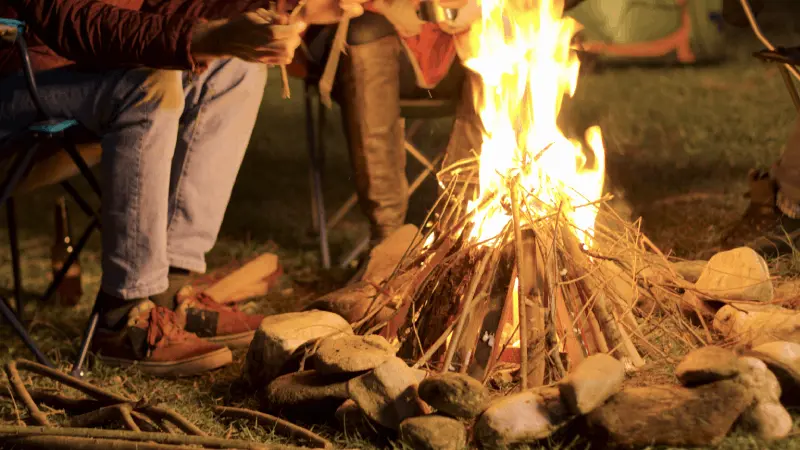
As the sun sets, lighting the campfire and starting to prepare dinner is the most spiritual moment of the camp. Dinner is usually the heaviest and warmest meal of the day. This moment is not only for nourishment but also to shake off the fatigue of the day and chat around the fire. Eating in the light of the fire while the food cooks slowly, the aromas spread around, and the darkness falls brings back that old peace that modern humans have long forgotten but carry in their genes.
How to Make One-Pot Pasta the Most Delicious?
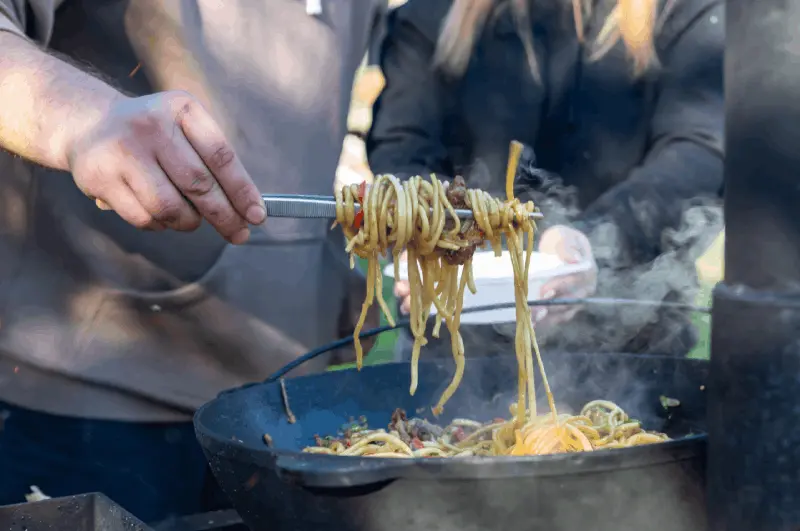
Pasta is the favorite carbohydrate source of campers, but the straining process can be cumbersome in nature. In the "one-pot" method, pasta is cooked with a small amount of water, tomato sauce, and spices; as the pasta absorbs the water, it combines with the sauce. This method prevents water waste and results in a creamier and tastier outcome because all the starch from the pasta remains inside. Adding a bit of tuna or sausage can turn a simple pasta into a feast.
How to Cook Chicken and Vegetables in Foil?
Aluminum foil is the secret hero of camp cooking. Slice the chicken breast and wrap it in foil along with potatoes, carrots, and oregano. Bury this package directly in the hot coals of the fire. In about 20-30 minutes, you will have a dish that cooks in its own juices, tender and infused with aroma. This technique completely eliminates the hassle of cleaning pots since you can eat directly from the foil. Additionally, since the juices of the vegetables transfer to the chicken, the resulting flavor is quite rich.
Is There an Easy Way to Make Meatballs at the Camp?
Making meatballs is actually a process that requires preparation at home. Instead of dealing with ground meat at the campsite, you can bring the meatballs you prepared and froze at home. Frozen meatballs act as ice packs in your cooler bag, keeping other ingredients cold as well. When it's time to cook, they thaw out perfectly. They can be quickly cooked on a grill or in a cast-iron pan. Since meatballs are rich in protein, they are also a great dinner choice for repairing muscles at the end of the day.
What Should Be Considered When Grilling Corn?
Grilled corn is one of the most iconic snacks of camping. If you place the corn with its husks on the grill, the husks act as a steam shield, ensuring the corn cooks without drying out. When the husks turn completely black, the corn inside will have reached a perfectly roasted-grilled texture. If you are grilling without husks, you should turn the corn frequently to prevent the kernels from bursting and burning. After grilling, adding a bit of butter and salt will transform this simple food into an unforgettable flavor.
How to Experience the Classic Sausage Sandwich at the Campfire?
Sausage sandwich is more than just a camping classic; it is a culture. Splitting the bread in half and lightly warming it over the fire, allowing the sausage's fat to soak into the bread is the secret of this dish. You should take the sausages off the fire before they dry out and place them inside the warm bread, and definitely serve them with roasted onion or pepper on the side. The taste of sausage sandwich eaten in nature reaches a whole new dimension when combined with the smell of smoke. This dish is both quick and the most delightful way to satisfy large groups.
Is a Practical Lentil Soup Possible at the Camp?
A hot soup consumed on a cold camping evening instantly warms your internal organs. Red lentils can be preferred for quick cooking at the camp. However, the more practical option is to use the powdered soups you prepared and dried at home or bought ready-made. By simply adding water, you can prepare lentil soup in a few minutes, and by throwing in some croutons or old bread, you can turn it into a filling meal on its own. A soup enriched with spices is a great start to dinner.
How Should Spices Be Used in Camp Cooking?
Spices are magical touches that add character to dishes made with limited ingredients. To save space in your camping bag, you should definitely have salt, black pepper, oregano, and chili flakes in small containers or zip-lock bags. Especially in smoky dishes, oregano and garlic powder work wonders. Spices not only add flavor but also help speed up your metabolism and aid digestion. Proper use of spices can turn even a simple canned food into a gourmet meal.
Are Canned Foods a Friend to Campers?
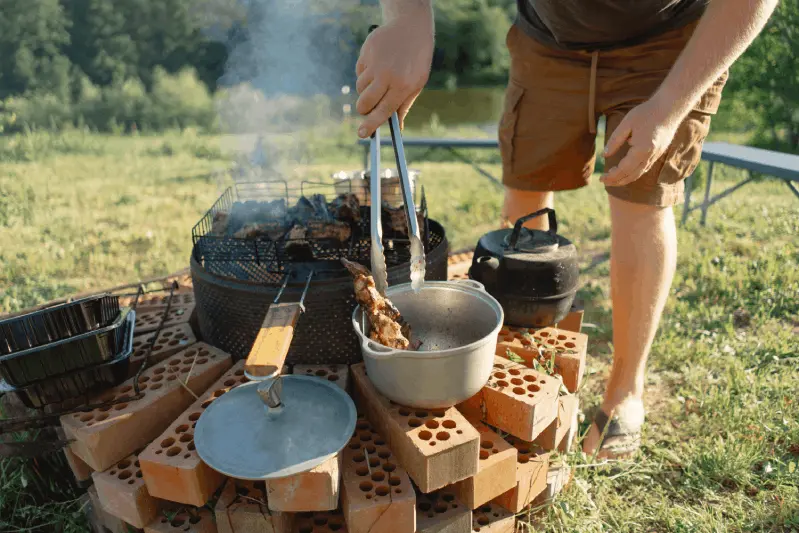
Canned foods are lifesavers, especially in long-term camps without refrigeration. Ready-made canned dishes like bean pilaf, stuffed grape leaves, or grilled eggplant are both filling and require no preparation. However, when choosing canned goods, make sure the lids are intact and the expiration dates have not passed. You can consume canned foods heated or cold; in either case, they are the most reliable food source at the camp. Empty cans should definitely not be left in nature; you must take them back with you.
What Are the Vegan and Vegetarian Options at the Camp?
For vegetarian campers, nature is actually a treasure trove of options. nnettir. Vegetables such as mushrooms, potatoes, eggplants, and peppers are the best foods that pair well with fire. Stuffing large cultivated mushrooms with a bit of cheese and grilling them can be tastier than meat. Canned goods containing chickpeas or beans can be used to meet protein needs. Additionally, ready-made salads with quinoa or bulgur are both light and nutritious. Preparing vegetable dishes presents a visual feast over the evening fire.
Is It Safe to Make Sautéed Mushrooms in the Wild?
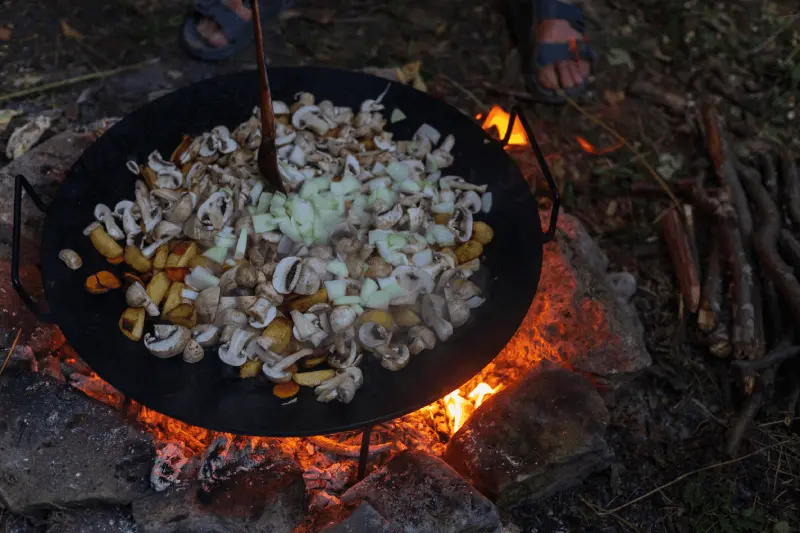
If you plan to forage mushrooms in the wild, you should never attempt it unless you are an expert in this area. However, you can make a fantastic sauté with the oyster or cultivated mushrooms you brought along. Mushrooms should be cooked over high heat until they release their juices, then seasoned with a bit of oil and garlic. Due to their texture, mushrooms are like "the meat of the wild" and are quite filling. They can be added to pasta or enjoyed alone with bread. Cooking mushrooms in the wild is the best way to bring the scent of the forest to your table.
Is There a Different Joy in Roasting Marshmallows Over a Campfire?
This tradition is the sweetest finale of camping. The marshmallow skewered on the end of a stick should be turned slowly, bringing it close to the heat rather than the flames. The outer layer should turn golden brown while the inside melts. When this melted sugar is placed between two biscuits and a piece of chocolate is added on top (known as S'mores), it becomes an unforgettable part of the camping night. This activity, loved by both children and adults, is a ritual that enhances conversations around the fire.
How to Enjoy Coffee Over the Fire?
There is nothing better than a Turkish coffee brewed over the fire to shake off the fatigue of the day. You should place the cezve on the edges of the fire where it is not the hottest but stable in heat. The slow brewing of the coffee, bubbling gently, enhances its flavor. It is important that the water is cold and the coffee is fresh. In the silence of nature, inhaling the rich aroma of coffee is a moment that crowns the camping experience. Watching the stars while sipping your coffee will make you feel that all the preparation was worth it.
What Should Be Included in Camping Kitchen Equipment?
For a good camping kitchen, you should not bring everything, but the right things. A lightweight camping stove, a non-stick pan, a deep pot, a sharp knife, and a foldable cutting board are essential needs. Additionally, a multi-purpose fork-spoon-knife set (spork) saves space. Heat-resistant gloves will keep you safe while dealing with fire. It is beneficial for your equipment to have nesting features, allowing more space for other items in your backpack.
Should Portable Stoves or Campfires Be Preferred?
Both methods have their advantages. A camping stove is more reliable and faster in windy or rainy weather; it is also suitable for delicate dishes since the heat can be adjusted. On the other hand, a campfire offers a more authentic experience and is ideal for cooking large amounts of food. However, in areas where fire is prohibited or during dry seasons with a risk of fire, a portable stove should definitely be used. An ideal camper knows how to use both methods and does not harm nature.
How Can We Protect Food from Bears and Other Animals?
The smell of food in the wild can attract wild animals from miles away. Therefore, you should never store your food inside your tent. Food should be kept in airtight containers or special bags. If you are in an area with a bear population, the safest way is to hang your food bag high off the ground on a tree branch. Not leaving scraps around after eating and keeping trash in a sealed bag at a distance will keep uninvited guests away from your campsite.
How to Use Cooler Bags Efficiently?
To enhance the performance of cooler bags, you should cool the bag at home before filling it. Place ice packs or frozen water bottles at the bottom. Perishable foods like meat should go in the coldest part, while vegetables and fruits should be placed on top. It is critical to open and close the bag as little as possible to maintain the cold air inside. Additionally, keeping the bag away from direct sunlight and under shade or an insulated cover will extend the life of the ice.
How to Clean Dishes After Camping?
When washing dishes in the wild, you should use environmentally friendly, biodegradable soaps. Washing dishes directly in river or lake water can pollute water sources. Instead, you should wash them in a small container at least 60 meters away from the water source and pour the dirty water onto the ground. To clean greasy pans, first wipe off the grease with a paper towel, which reduces water usage. Hot water is always more effective for dissolving fats; therefore, it is wise to heat a little water in the pot after finishing your meal.
How Should Waste Management Be in the Wild?
The principle of "Leave it cleaner than you found it" should be the constitution of every camper. You should take all your trash, even organic fruit peels, back with you. Organic waste can disrupt the feeding habits of wild animals. Cigarette butts and wet wipes do not decompose for hundreds of years in the wild, so carrying a small sealed bag for them is a good habit. Before leaving the campsite, doing a final sweep of the area and leaving no artificial traces is a sign of respect for nature.
What Foods Help Keep You Warm During Winter Camping?
In winter camps, the body burns many more calories to maintain internal warmth. Therefore, meals high in fat and protein should be preferred. Hot soups, pasta with plenty of butter, and hot drinks (hot chocolate, ginger tea) are indispensable. . To prevent the food from cooling down quickly, it may be beneficial to use pre-heated containers. Additionally, drinking a warm beverage or having a small snack before going to bed can help your body continue to generate heat during sleep and ensure a more comfortable night's rest.
What Foods Will Keep You Cool at Summer Camp?
Eating heavy meals on hot summer days can leave you feeling sluggish. During this time, fruits with high water content (watermelon, melon) and fresh vegetables should be prioritized. Cold pasta salads, cheese-bread-watermelon combinations are the most refreshing meals at summer camps. It is important to consume ayran or salty drinks to replenish the electrolytes lost by the body. Cooking should be done not during the hottest hours of the day, but early in the morning or in the evening coolness, which will be more comfortable for you and will not drain your energy.
What Are the Safety Precautions in Camp Cooking?
Dealing with fire always carries risks. You should definitely light your fire in a sheltered area from the wind, surrounded by stones, and in an open space without branches above. Always have a bucket of water or dirt nearby. Using long-handled tools while cooking prevents your hands from getting burned. Additionally, you should ensure that the ground is stable while using a knife; cutting things while on your knees is one of the most common causes of injury. A safe kitchen is the foundation of a peaceful camp.
What Foods Should Be Preferred When Camping with Children?
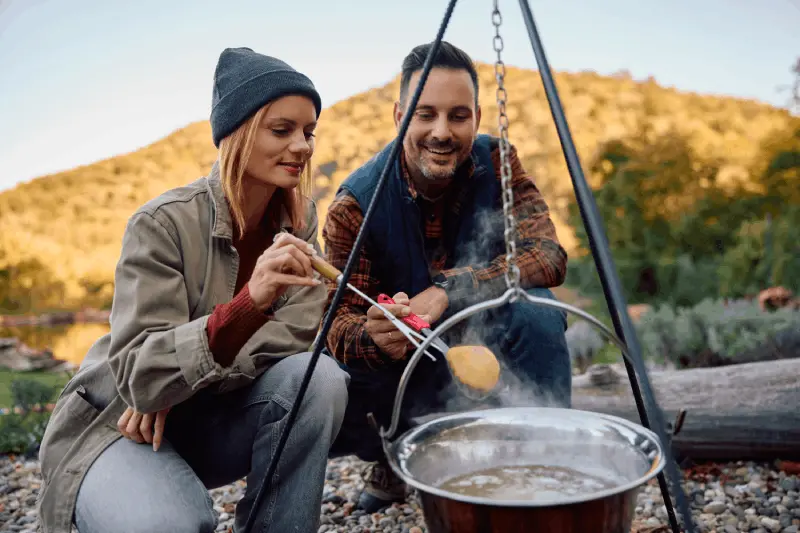
Camping is not only a big adventure for children but also a place where they step outside their usual habits. You can adapt familiar flavors to the campfire to make them happy. Grilled sausages, mini pizzas (on lavash), or fruit skewers will attract children's interest. Involving them in the meal preparation process (for example, holding marshmallows from a safe distance or washing vegetables) strengthens their connection with nature. Filling and fun meals ensure that children love camping and look forward to the next time.
How to Control Portions for Solo Campers?
The biggest problem when camping alone is food waste or having too many dishes to wash. The "ziplock bag" method comes into play here; you can carry the ingredients you portioned at home in these bags. A single serving of pasta, a single-use oil or spice mixture makes things much easier. Cooking everything in one pot and eating directly from the pot helps you control portions and reduces the amount of dishes. Since storing leftovers can be difficult, it is most logical to cook only as much as you can eat.
How to Manage Time While Preparing Camp Meals?
Time flows like water at camp; therefore, preparations need to be planned in advance. It takes time for the fire to reach the right temperature, during which you can chop vegetables or set the table. You should add foods that take the longest to cook (like potatoes, meat) first, and the quick-cooking ones (like tomatoes, eggs) last. Having dinner before it gets dark makes cleaning easier. Time management means having the meal ready before you get too hungry, which is quite important for the overall peace of the camp.
What Are the Sources of Inspiration for Creative Camp Recipes?
To step outside traditional recipes, you can explore different camping cultures around the world. For example, American "Dutch Oven" dishes or Scandinavian open fire recipes can give you new ideas. Social media platforms and blogs written about camping provide great visual and technical information. However, the best source of inspiration is your own experiences. Trying a new ingredient or cooking a dish with a different technique (for example, cooking on a stone) at each camp helps you create your own "signature" camp meal.
How to Save Water in Camp Cooking?
Water is the most valuable resource in nature. To avoid wasting water while cooking, you should wash vegetables in a large container. To avoid pouring out pasta water, you should use the "cook with less water" method or save that water for the next soup. Thoroughly squeezing out the leftovers before washing dishes helps you use less water. Additionally, alcohol-based disinfectants or wet wipes (disposed of without harming the environment) are practical solutions that significantly reduce water usage during cleaning.
How Does Preparing in Advance at Home Facilitate the Camping Process?
Half of the success in camp cooking starts at home. Washing and chopping vegetables at home and putting them in ziplock bags saves water at camp and allows you to leave the trash at home. Marinating meats in advance ensures that the flavor penetrates the meat, leaving you only with the cooking at camp. Even bringing some difficult dishes (like legumes) pre-soaked from home significantly reduces cooking time and fuel consumption at the campsite. Preparing in advance means less work in nature and more enjoyment.
How to Prepare a Fruit Dessert on the Campfire?
You can satisfy your sweet cravings in the healthiest way with fruits. For example, you can core an apple, fill it with cinnamon, sugar, and some dried fruits, wrap it in foil, and throw it into the coals. The soft and aromatic apple dessert that comes out of it is wonderful. The same method applies to bananas; cutting a banana lengthwise with its peel and putting chocolate pieces inside to melt over the fire is one of the most famous desserts at camp. Fruits caramelize with the heat of the fire, offering a natural and light dessert option.
What Are the Unforgettable Details That Make the Camp Meal Experience Memorable?
A camp meal should be transformed from just a meal that fills your stomach into an unforgettable experience. n , that is the awareness of the difference. The warmth of the fire, the sound of the wind, the smoky scent of the food, and the silence you share with your loved ones... Eating in nature makes even the simplest food feel like the most delicious meal in the world. So take your time, savor the taste of each bite, and enjoy this unique restaurant that nature offers you. Remember, the best spice is fresh air.