How Should Budget Management Be Done When Planning a Caravan Tour in Europe?
While a caravan tour in Europe is the pinnacle of freedom, poor budget management can quickly turn this dream into a financial nightmare. The first step is to clarify your daily spending limits. Fuel, highway fees (vignettes), campsite fees, and food expenses make up the four main pillars of the budget. It is important to remember that fuel prices can vary by up to 30% from country to country. Adopting the "Slow Travel" philosophy while managing your budget not only saves fuel but also allows you to minimize your food expenses by shopping at local markets. Additionally, you should definitely set aside an emergency fund of at least 15% of your total budget for unexpected breakdowns or health issues.
Why is the Balkans the Most Economical Region for Caravan Travelers?
As expensive as Western Europe is, the Balkan geography is just as generous and budget-friendly for caravaners. Countries like Serbia, North Macedonia, Bosnia and Herzegovina, and Albania have significantly lower living costs because they are not EU members or use their local currencies. In this region, both diesel prices are more reasonable compared to Western Europe, and eating out is no longer a luxury. The stunning nature offered by the Balkans provides free or very low-cost camping opportunities for caravan users. With its historical texture and hospitable people, this route is not only economical but also one of the richest starting points in terms of culture.
Is the Albanian Riviera a Hidden Paradise for Caravaners?
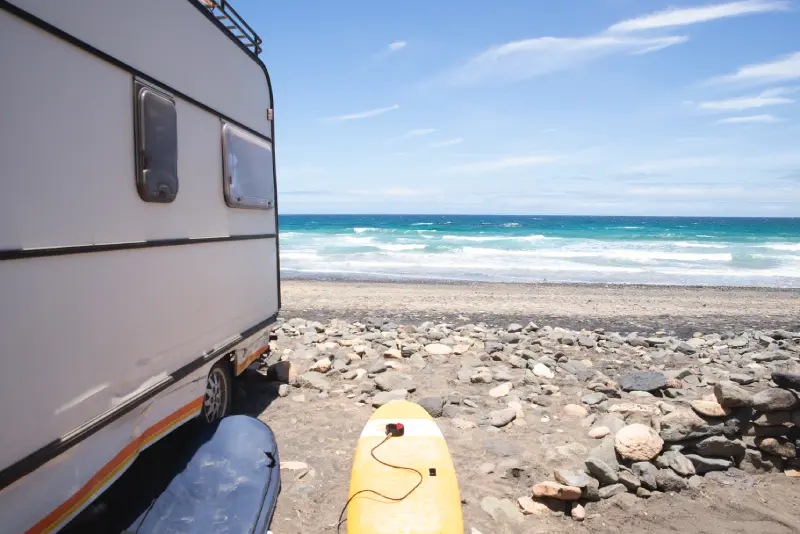
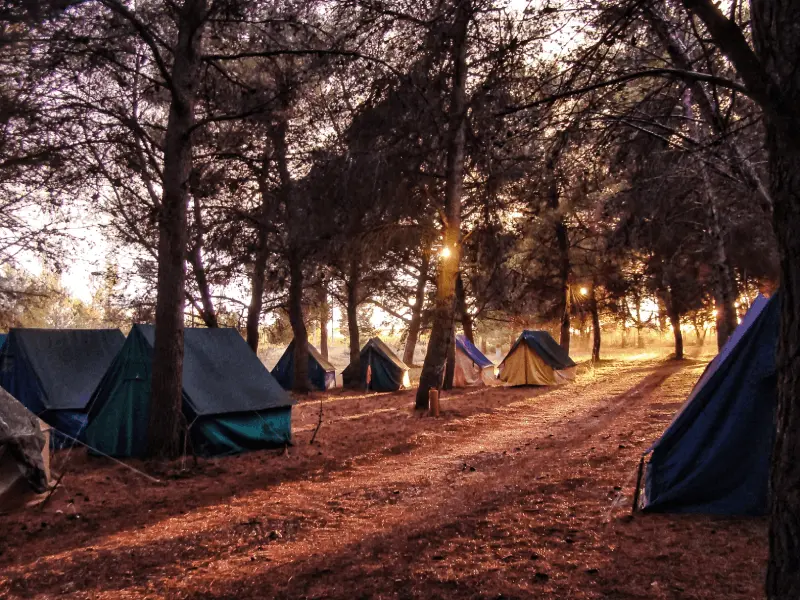
Albania is one of the rare places that has recently come onto the radar of caravan enthusiasts without being fully spoiled by mass tourism. The coastal strip stretching from Vlore in the south of the country to Ksamil is the first stop that comes to mind when "economical route" is mentioned, with its turquoise waters and free accommodation options. Wild camping is still legal on many beaches and mountain slopes in Albania and is welcomed by the local people. Food prices are similar to those in Turkey, and some fresh vegetables and fruits are even cheaper. Scenic roads like the Llogara Pass promise an adventure that enhances your enjoyment while not straining your wallet.
How Can You Reduce Costs While Staying in Bosnia and Herzegovina?
Bosnia and Herzegovina is a captivating stop with its rich history and lush rivers. Economically speaking, small family-run camps around Sarajevo and Mostar offer services at prices well below European standards. The best way to reduce costs here is to stay in villages slightly outside tourist centers. You can stay in gardens operated by locals for a symbolic fee, in return for which you can access fresh milk and eggs. The famous Bosnian pastries known as "Pekara" can be bought from bakeries and offer a filling and incredibly cheap meal alternative, minimizing your restaurant expenses.
Is the Coastal Strip of Montenegro or Its Interior More Affordable?
Montenegro has become a world-famous tourism destination, especially with the Bay of Kotor, so prices along the coastal strip are a bit higher. However, when you steer your caravan north towards Durmitor National Park and the Zabljak region, you will see that costs drop significantly. Campsites in the interior are both quieter and much more economical. There is no vignette system in Montenegro, but some tunnels and private roads may charge fees. Instead of staying in coastal towns, taking breaks in mountain villages and making day trips to the beach is the key to exploring Montenegro in the most economical way.
Why is Poland a Strategic Stop on the Central European Route?
As you climb north from the Balkans, Poland emerges as the most budget-friendly country in Central Europe. The status of the Polish currency, Zloty, against the Euro is a significant advantage for travelers. The extensive highway network stretching from the Tatra Mountains in the south to the Baltic coast in the north is much more affordable compared to other European countries. Camping culture in Poland is well developed; in traditional eateries called "Milk Bar" (Bar Mleczny), you can enjoy home-cooked meals at ridiculous prices. Poland is the most strategic and economical stop on your European tour for both refueling and restocking.
What Should Be Considered When Crossing into Romania and Bulgaria?
For a caravan traveler departing from Turkey, the route through Bulgaria and Romania is the most logical gateway to Europe. It is crucial to pay attention to the "Vignette" system in both countries; otherwise, fines can shake your budget. Fuel in Bulgaria is much cheaper compared to neighboring Greece, so filling up in Bulgaria is a smart move. Romania offers unparalleled views for caravaners, especially in the Transylvania region. Although the roads in the Carpathians can be winding and exhausting, the affordability of campsites in the area and its natural beauty make this effort well worth it.
Are the Baltic Countries Ideal for Those Seeking Freedom in a Caravan?
The Baltic countries, consisting of Lithuania, Latvia, and Estonia, are among the most modern yet economical corners of Europe. Thanks to laws similar to "Everyman's Right," camping in nature is much easier compared to many Western countries. Especially the free campsites operated by RMK (Estonian State Forest Management) offer even basic amenities like toilets and firewood. The Baltic route reduces fuel consumption thanks to its flat paths, and the excellence of the internet infrastructure creates a cost-free workspace for digital nomads.
How to Find Free Accommodation Areas in Europe?
One of the biggest expenses of a caravan tour is campsite fees; however, you can eliminate this cost by using the right tools. Mobile applications like "Park4Night" or "searchforsites" show free parking spots, forest edges, and safe rest areas experienced by other caravaners on the map. By subscribing to systems like "France Passion" or "Agricamper" in countries like France and Italy, you can stay for free in farms or vineyards. This method not only saves you money but also allows you to have a unique cultural experience by getting to know local producers.
What Driving Techniques Should Be Applied to Reduce Fuel Costs?
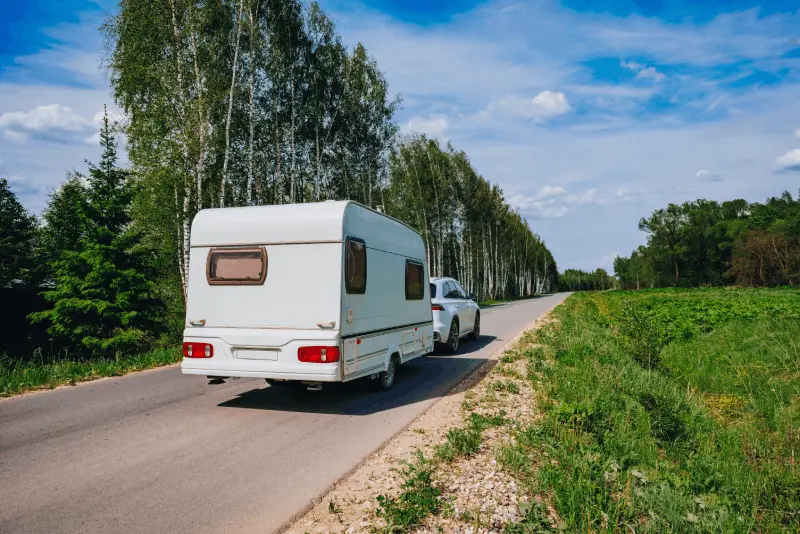
Since caravans are heavy and aerodynamically disadvantaged vehicles, fuel consumption is the most challenging factor for the budget. Following an economical route is not only about where you go but also how you get there. Staying within the ideal speed range of 80-90 km/h can reduce fuel consumption by 20%. Avoiding sudden accelerations and effectively using engine braking also saves fuel. Additionally, gas stations along highways are always among the most expensive; opting for fuel stations next to large supermarket chains (Lidl, Carrefour, Auchan) before entering the city can lead to significant savings per tank.
How to Choose Alternative Routes to Avoid Highway Fees?
In Europe, especially in France, Italy, and Spain, highway fees can be quite high for caravans. By marking the "avoid toll roads" option in your navigation settings, you can escape this expense and discover amazing routes that take you away from the crowded views of main roads and through villages. However, a balance must be struck here; sometimes, free roads can lead to excessive stop-and-go, resulting in higher fuel consumption. When using mountain passes, it is wise to choose well-maintained secondary roads that will not strain your vehicle's brakes and engine, ensuring safety and economy.
How to Minimize Kitchen Expenses in a Caravan?
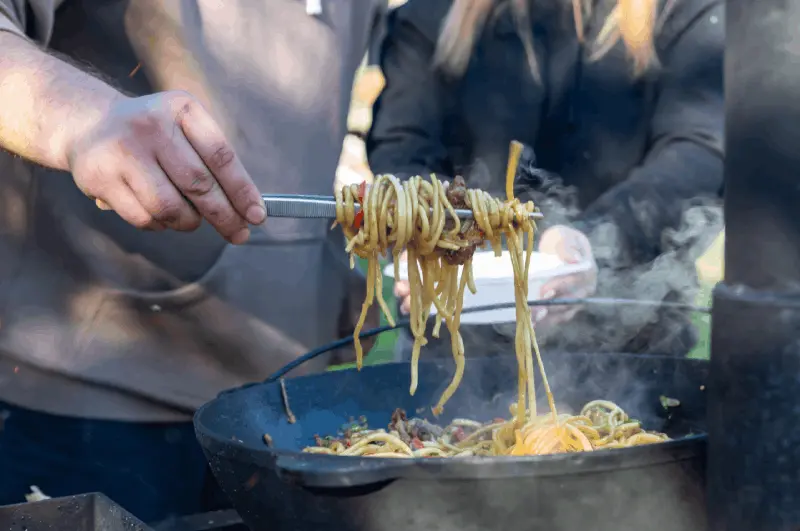
Eating out is the biggest budget buster for a caravan traveler in the Eurozone. The secret to an economical tour is effectively using the caravan kitchen. By following the local markets in the country you visit and buying seasonal products, you can ensure fresh and cheap meals. Discount supermarket chains like "Lidl", "Aldi", and "Penny" are lifesavers throughout Europe. You can manage for a long time with basic foods (pasta, rice, legumes) that you buy in bulk from these stores. Additionally, instead of paying for every bottle of drinking water, you can use clean drinking water fountains available almost everywhere in Europe to eliminate your water expenses.
Why is Caravan Maintenance and Repair Vital Before Traveling?
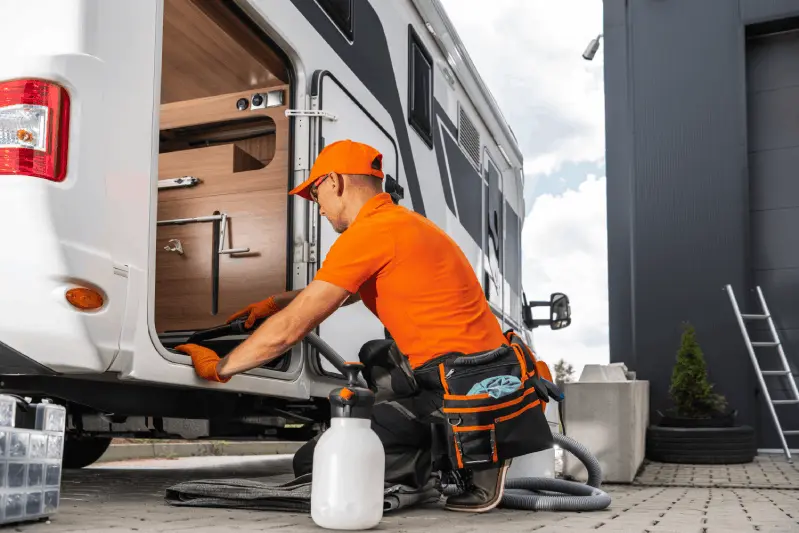
Breaking down in the middle of the road in an unfamiliar country is not only frustrating but also very costly. Since labor costs in Europe are quite high, having all your periodic maintenance done in Turkey before hitting the road is the biggest saving. The condition of the tires, brake pads, battery health, and filters should be checked thoroughly. Additionally, keeping a basic tool kit, spare bulbs, fuses, and engine oil with you for minor repairs will help you avoid service costs by solving simple problems yourself. Remember, preventive maintenance is always cheaper than repairs.
Why Should Green Card Insurance and Health Insurance Not Be Neglected?
Trying to cut insurance costs while planning an economical route is one of the biggest mistakes you can make. Green Card Insurance is a legal requirement on European roads and protects you from huge compensation claims by covering damages to the other party in the event of an accident. Similarly, obtaining comprehensive travel health insurance prevents you from being crushed under high hospital bills in Europe in case of an emergency. Checking for free travel insurance offered by some credit cards or researching affordable annual policies is the most professional way to protect your budget.
How to Meet Electricity and Energy Needs in the Most Economical Way in a Caravan?
Entering a campsite every night to connect to shore power incurs an additional cost of 10-20 Euros daily. The most economical way to avoid this expense is to install a solar panel system in your caravan. A quality solar panel and lithium battery investment can pay for itself in just one season by saving on campsite fees during a European tour. Additionally, using a "DC-DC charger" that charges your batteries while driving helps meet your energy needs on cloudy days. Achieving energy independence not only saves you money but also allows you to stay freely in the most beautiful and remote spots.
How to Supply Water and Manage Waste for Free?
When traveling by caravan, you don't always have to go to paid campsites to fill up water and dispose of waste. Throughout Europe, there are service points called "Euro-Relay" or "Sani-Station" that are usually found at gas stations or municipal parking lots. Most of these are free or allow you to complete all your transactions for just a few Euros. Especially in countries like France and Germany, these services are standard in designated "Aire" or "Stellplatz" areas for caravaners. To use these points without polluting the environment and straining your budget, you should effectively use the filters in the "Park4Night" application.
What is the Most Suitable Season for a Caravan Tour in Europe?
Choosing the season directly affects the total cost of your tour. July and August are considered "high season," causing campsite prices to double, ferry tickets to become expensive, and making it impossible to find free accommodation in popular places. The most economical period is the "Shoulder Season," which refers to May-June or September-October. During these times, the weather is still ideal for traveling, crowds have thinned out, and accommodation facilities offer discounts of 30-50%. Traveling in winter can be even cheaper; however, the fuel you will spend for heating and the risk of some roads being closed may balance out this saving.
What Should Be Done to Avoid Losing Money at Border Crossings and Customs?
During your European tour, especially at border crossings outside the Schengen area (Serbia, Bosnia, Montenegro, Albania), you should be cautious. To avoid arbitrary practices by customs officials, all your documents (registration, insurance, power of attorney) must be complete and up to date. Additionally, currency exchange offices at border gates usually offer the worst rates. Withdrawing local currency from ATMs in city centers or using commission-free digital bank cards (like Revolut, Wise) can prevent hidden losses due to exchange rate differences. Since unnecessary waits at borders will also increase your fuel consumption, it is wise to make crossings in the early hours of the morning when traffic is light.
How to Ensure Internet Access at the Best Price in a Caravan?
Having internet access is essential for planning routes, making reservations, or working while traveling. Since roaming charges have been abolished among EU countries, a local SIM card (for example, a Vodafone card purchased in Spain) will be valid throughout the EU. However, internet can be quite expensive in Balkan countries outside the EU. To protect your budget, buying local "prepaid" cards in each country or using eSIM applications like "Airalo" is the most sensible approach. Additionally, free Wi-Fi points offered by libraries, municipal buildings, and some large supermarkets can also help reduce your data usage.
How Does Communicating with Locals Affect Travel Costs?
Establishing a friendly communication with locals can open doors to economic opportunities that are not mentioned in any guidebook. A farmer you meet while having a coffee in a village café may offer you free accommodation in their garden or tell you where the cheapest diesel is. Being kind and respectful to people can sometimes return to you as an unexpected dinner or a fresh loaf of bread. This is the most beautiful aspect of the "Slow Travel" philosophy; when you travel without rushing, getting to know people, and adapting to their rhythm of life, costs naturally decrease, and your experiences become priceless.
Does Waste Management and Ecological Living in a Caravan Contribute to Budget?
Living respectfully towards nature is actually a way to protect your budget while caravanning. For example, using refillable containers instead of single-use plastics and opting for natural products like vinegar and baking soda instead of chemical cleaners not only protects the environment but also reduces your expenses. Regularly and correctly disposing of your grey water tank (kitchen water) and black water tank (toilet) at designated points helps you avoid potential environmental fines. Additionally, separating your recyclables and leaving them at recycling points is a behavior encouraged in many places in Europe, and in some countries, you can even receive supermarket coupons in return for recycling.
What Are the Biggest Risks on a Caravan Tour in Europe and How to Avoid Them?
The biggest risk is theft or burglary incidents. Caravans parked in unattended lots in the suburbs of major cities (Rome, Paris, Barcelona) can be targets for thieves. Not leaving valuable items visible from outside, installing additional security locks on your vehicle, and choosing spots where other caravaners are present instead of isolated places at night will increase your safety. Experiencing a theft can instantly ruin your entire travel budget and motivation. Therefore, drawing economical routes without compromising safety is the most important skill of an experienced caravan traveler.
Why Should the Minimalist Lifestyle Philosophy Be Adopted in a Caravan?
The limited space of a caravan naturally pushes you towards minimalism. The less stuff you bring along, the lighter your caravan will be, which directly translates to fuel savings. Unnecessary clothes, heavy kitchen utensils, and hobby materials that you rarely use only take up space. Shopping with a minimalist mindset, asking yourself, "Do I really need this or do I just want it?" helps you protect your budget among the attractive shops of Europe. Learning to be content with less is the greatest wealth that a caravan journey can bring you, and this wealth can open doors to financial freedom in the rest of your life.
What Should Caravan Maintenance and Future Plans Be Like After a European Tour?
After thousands of kilometers on a European tour, your vehicle will be worn out. The first thing you should do when you return home is to have your caravan undergo a detailed inspection. Washing the undercarriage after salty coastal roads or dusty Balkan routes is crucial to prevent corrosion. With the experiences gained from this tour, you can make smarter decisions for your next route. Noting which countries suited you better and where you enjoyed yourself more will help you manage your budget much more efficiently in your future travels. Caravanning is a learning process, and each route prepares you better for the next big adventure.
Can the Dream of a Caravan Tour in Europe Be Turned into Reality with a Proper Plan?
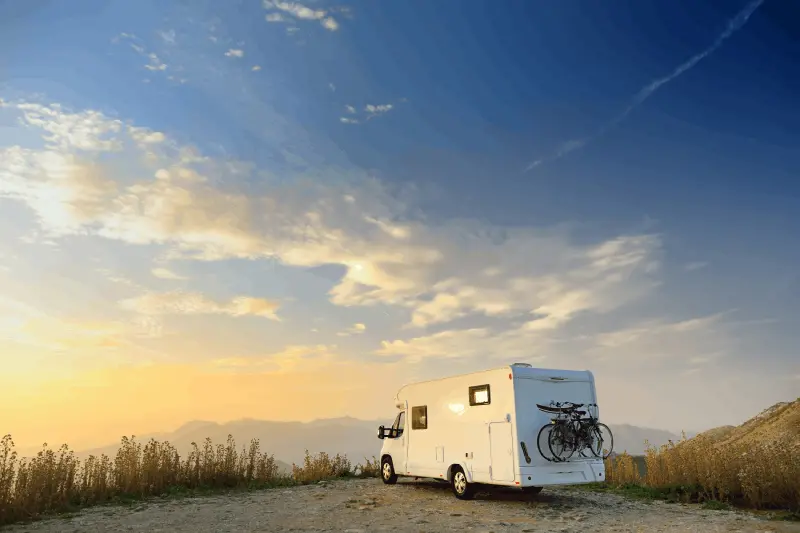
Ultimately, taking a caravan tour in Europe is an achievable dream for everyone with the right strategy and an economical route. From the hospitality of the Balkans to the peaceful nature of the Baltics, from Poland's strategic affordability to Albania's hidden coves, thousands of roads await to be discovered. The important thing is to have the courage to hit the road and to see your budget not as a limitation but as a playground that enhances your creativity during this process. Remember, the most beautiful views are often not found in the most expensive hotel rooms, but in the free sunsets you see through your caravan's window. Now open your map, set your route, and turn that key; the roads of Europe are ready to flow for you.