Why Are Fast Cooking Techniques Important in Campfire Cooking?
Time management in camping life is crucial, especially during meal times. After a long hike or the rush of setting up at the campsite, the body's energy needs increase rapidly. Cooking food quickly over a campfire not only satisfies hunger but also allows you to optimize wood consumption and transition to eating and resting before the night chill sets in. Knowing fast cooking methods ensures you get maximum efficiency with limited resources.
What is the Best Type of Potato for Cooking on a Campfire?
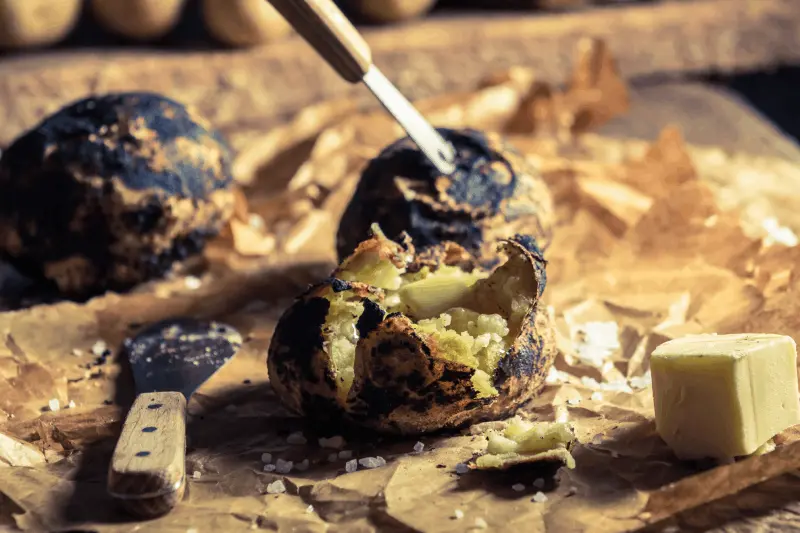
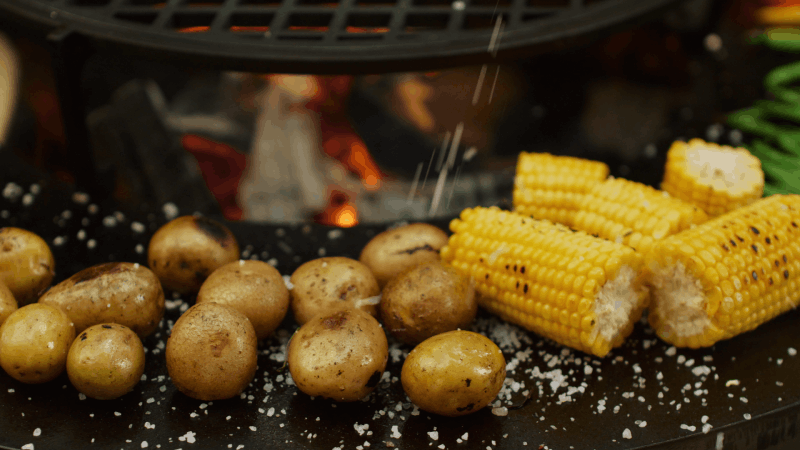
The right potato selection is the first step for a fast cooking process. Generally, "starchy" potatoes with high starch content or thin-skinned fresh potatoes soften much faster over the fire. While large and firm potatoes take a long time to cook through, small or medium-sized potatoes transfer heat to their centers more quickly. Additionally, since fresh potatoes have a more balanced water content, they reach a creamy texture quickly without drying out under the intense heat of the fire.
What Should Be Considered When Choosing Corn?
If fast cooking is the goal, the freshness and type of corn play a critical role. Sweet corn, known for its soft and juicy kernels, becomes edible much faster than tougher varieties. When selecting corn, ensure that the husks are green and vibrant, and the silks remain slightly moist. Dried corn tends to burn from the outside rather than absorbing heat, and the kernels may remain raw inside. Young corn can be ready in minutes at high heat.
How to Tell When the Fire is Ready for Cooking?
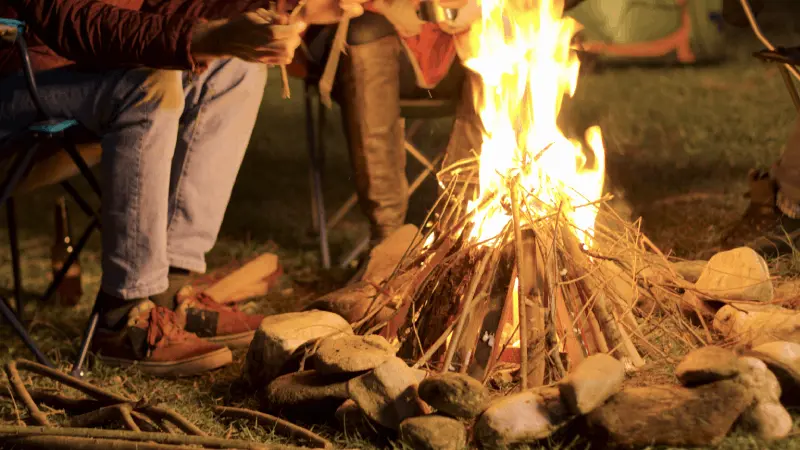
Many campers throw food onto the fire as soon as it is lit, but this is a significant waste of time. For fast cooking, you need a bed of glowing coals rather than a roaring flame. If you can hold your hand about 15-20 centimeters above the fire for more than 2-3 seconds, it means you have reached the ideal cooking temperature. This intense and balanced heat cooks the inside of the potato quickly while preventing the outside from charring, speeding up the process by about 30%.
How Does Aluminum Foil Conduct Heat?
Aluminum foil is the unsung hero of camp cooking. Thanks to its heat-reflecting and trapping properties, it creates a mini-oven around the food. Wrapping potatoes in foil distributes the radiant heat from the fire evenly around the vegetable. This way, the potato starts cooking on all sides, not just the side facing the fire. This method minimizes heat loss, cutting cooking time nearly in half compared to open cooking and enhances flavor by retaining moisture inside.
Does Pre-soaking Potatoes Save Time?
If you have the chance to prepare in advance before heading to the campsite, soaking potatoes for 10-15 minutes is a surefire time-saving trick. When you bring partially cooked (al dente) potatoes to camp and throw them onto the coals, just the skin will crisp up, and the flavors inside will meld in 5-10 minutes. This method is considered one of the most professional solutions that saves you from waiting for hours by the fire, especially if you have to use large potatoes.
Does Soaking Corn in Water Shorten Cooking Time?
Soaking corn in water (preferably salted) for about 20-30 minutes before cooking ensures that the husks and kernels absorb moisture. The heated water creates steam pressure inside the corn, speeding up the cooking process from the inside out. Additionally, wet husks resist burning, allowing the corn to be exposed to high heat for a longer time. This method prevents the corn from drying out while ensuring the kernels are plump and tender, thus increasing cooking speed.
Does the Placement Shape Inside the Coals Affect Cooking Speed?
Yes, the geometry of placement is a factor that directly affects cooking time. Instead of burying potatoes and corn deep in the coals, it is ideal to place them just above the coal layer and cover them with a thin layer of coals. Vegetables buried completely at the bottom may not receive enough air, slowing down heat transfer. Vegetables that can receive airflow from all sides but are surrounded by coals benefit maximally from convective heat. This arrangement ensures more even and rapid heat transfer.
How to Cook Sliced Potatoes on Coals?
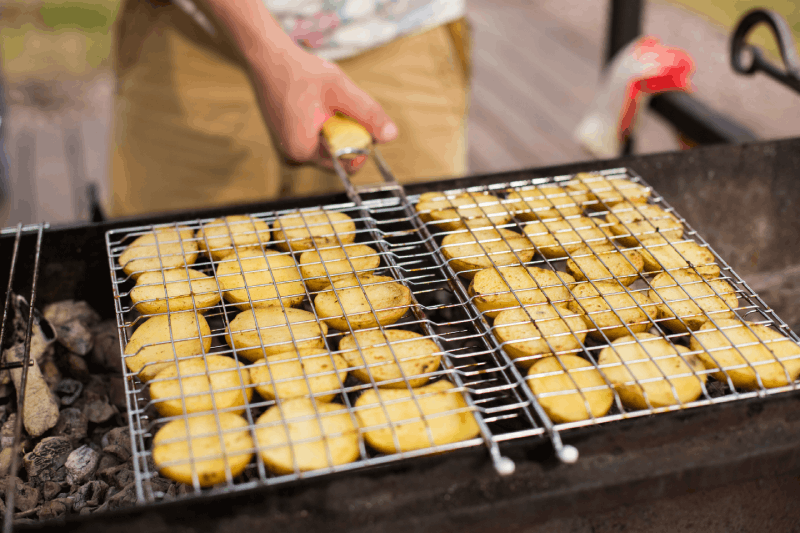
If you don’t want to wait for a whole potato to cook, slicing the potatoes is the fastest way. You can cut the potatoes into wedges or rounds, add a bit of oil and spices, and prepare foil packets (hobo packs). With increased surface area, heat reaches every part of the potato in seconds. With this method, potatoes usually become completely tender within 15 minutes. Considering that cooking a whole potato on coals takes 45-60 minutes, slicing is an incredible time saver.
What Methods Are Used to Prevent Corn from Burning?
The inside of burned corn usually remains raw, extending the overall cooking time. To cook corn quickly without burning it, it is best to cook it without completely peeling the husks, just cleaning the tips. The husks serve as a natural protective shield. If you have peeled the corn, brushing it with butter and wrapping it in foil helps cut off direct contact with the flame while allowing heat to penetrate. Controlled heat is the key to achieving fast and delicious results.
Does Using Salt Water Change the Cooking Speed of Vegetables?
Salt raises the boiling point of water and helps the cell walls of vegetables break down more quickly. Injecting salted water into potatoes before cooking or soaking corn in very salty water creates a chemical effect that speeds up heat transfer. Additionally, salt helps retain moisture inside the vegetable while allowing the outer part to absorb heat more quickly. This small biochemical trick significantly shortens cooking time, especially for dense vegetables.
Is Cooking on a Cast Iron Skillet Faster?
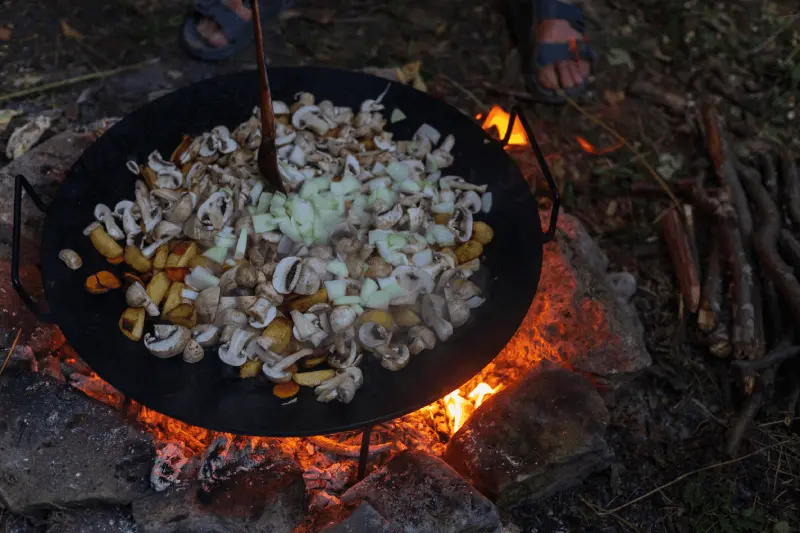
If you have a cast iron skillet (Dutch oven or cast iron skillet) nearby, spreading the coals directly under and over the skillet creates an oven-like environment. Cast iron can reach very high temperatures and retains heat for a long time. Instead of throwing vegetables directly into the coals, placing them in the cast iron skillet allows heat to distribute more evenly, reducing the risk of burning while increasing cooking speed. This method is much more efficient than cooking outside, especially in windy conditions.
What Types of Wood Should Be Preferred for Feeding the Fire?
Fast cooking requires quality coals. Softwoods like pine burn quickly and leave no lasting coals, causing fluctuations in heat. Hardwoods like oak, hickory, or olive create dense coals that provide high heat for a long time. A fire bed made with hardwoods ensures a stable and high temperature that vegetables need. Continuously producing new coals on one side of the fire will speed up the cooking process.
What is the Importance of Using Tongs While Cooking?
Many people try to turn vegetables with their hands or a stick, wasting a lot of heat and time. A quality camp tong allows you to quickly place vegetables in the hottest spots of the coals and turn them gently every 5-10 minutes. Ensuring that every surface of the vegetables comes into contact with the heat prevents "cold spots". Potatoes that are not regularly turned may burn on one side while remaining firm on the other, unnecessarily extending the total cooking time.
How to Create a Steam Effect for Soft Potatoes?
Cooking on coals is essentially a dry heating method, but moisture should be utilized to increase speed. Before wrapping potatoes in foil, spraying a few drops of water on them or placing a tiny ice cube inside the foil creates instant steam. Steam transfers heat much faster than air and softens the fibers of the potato in seconds. This "steaming" trick dramatically reduces cooking time while making the inside of the potato fluffy when combined with the intense heat of the coals.
When Should Butter Be Used for Corn on the Coals?
If you are cooking corn in foil, applying butter at the beginning ensures better heat transfer to the corn kernels. The fat acts as a heat conductor, increasing the temperature on the surface of the corn. However, if you are throwing the corn directly into the coals with the husk, you should apply the butter after cooking. In the foil method, the boiling effect created by the fat helps cook the corn evenly and quickly from the cob to the kernels. This small detail optimizes both flavor and speed.
How to Set Up a Fast Campfire?
Setting up the fire correctly from the start reduces the waiting time for coals. Instead of lighting a "star" or "pyramid" type fire, lighting a "trench" or "log cabin" type fire ensures that more coals gather in one spot. You should place plenty of dry twigs at the bottom and medium-sized hardwoods on top to maximize oxygen flow. The coals that accumulate in the depression formed in the center of the fire create the hottest bed for vegetables. A lively fire with plenty of oxygen cooks the coals much faster.
How to Minimize the Effect of Wind on Cooking Time?
Wind is the biggest enemy of campfires as it constantly carries away the heat generated. Heat loss can double the cooking time. Building a stone barrier around the fire or using a windbreak helps trap heat in the fire pit. When you protect the cooking area from the wind, the coals stay brighter and hotter. This ensures a continuous flow of heat to the potatoes and corn, significantly reducing your waiting time.
How to Prevent the Outside of Potatoes from Burning While the Inside Remains Raw?
This situation usually occurs when the heat is too high but uneven. To prevent this and speed up the process, instead of placing the potatoes directly on the brightest coals, slightly move the coals aside and place them on the hot, ash-covered ground. When you cover them with coals, heat comes from all sides, but since there is no direct contact, the outside does not burn immediately. This method ensures that heat progresses steadily towards the center and eliminates the "burnt outside, raw inside" syndrome.
Should Corn Be Placed at the Bottom or on Top of the Coals?
For fast cooking, corn should always be placed on top of the coal layer and supported by hot coals on the sides. Burying corn at the bottom of the coals can crush the kernels due to the weight above and cut off the flow of heat. Corn on top receives heat through radiation and utilizes the direct heat from the coals below. Additionally, it is much faster and easier to turn and check corn when it is on top.
Why is Resting Time After Cooking Necessary?
Instead of taking your food off the fire immediately, resting it in foil for 5 minutes completes the cooking process. The outside of the vegetables coming out of the fire is very hot, while the inside (if cooked quickly) may still need a bit more heat. During this 5-minute period, the heat balances from the outside to the inside. This is essentially "free cooking time". While you set the table or fill your drinks, the potatoes and corn continue to cook with their own heat. This final touch prevents you from encountering a half-cooked meal.
How Does Camping Equipment Optimize Cooking Speed?
The right equipment (quality foil, long tongs, cast iron skillet, windbreak) is everything in camp cooking. Cheap and thin foils tear easily and let heat escape; whereas thick "heavy-duty" foils trap heat like armor. A long tong allows you to intervene in the fire without fear. When all these tools come together, they can save a total of 20-30 minutes compared to a haphazard cooking process. Trusting your equipment boosts your speed and confidence in the kitchen.
What Should Be Considered When Cooking in the Dark?
It is difficult to see the condition of food in the dark, which can lead to burning or undercooking. Using a powerful headlamp allows you to clearly see the color of the vegetables and the condition of the foil. If you want to be quick in the dark, you should finish your preparations (foiling, piercing, seasoning) before it gets dark. Focusing solely on cooking at the fire reduces the margin for error and helps you avoid confusion, ensuring your meal gets to the table sooner.
Why is Fast Cooking Life-Saving When Camping with Kids?
Children tend to get hungry much faster in a camping environment, and their patience is limited. To avoid hearing the question "Is it done yet?" every minute, it is best to separate the corn from the cob and cook it in foil or slice the potatoes into wedges for cooking. Preparing small packets for them reduces cooking time to 15 minutes and makes portion control easier. Preventing the discomfort caused by hunger in children is the most strategic move for the peace of the entire camping crew.
What Are the Health Effects of Cooking Vegetables on Coals?
Cooking on coals is a very healthy method as it minimizes the use of fat. However, you should avoid eating the charred (blackened) parts of vegetables, as these can contain carcinogenic substances. Using aluminum foil significantly reduces this risk. Potatoes and corn retain a large portion of their vitamins when cooked on coals and reveal their natural flavors in their purest form. A healthy, fast, and delicious meal elevates your experience in nature to the highest level.
What Are the Final Recommendations?
In summary, the fastest way to cook potatoes and corn over a campfire is to prepare a strong bed of coals with the right wood, pierce or slice the vegetables before wrapping them in foil, add a bit of water/oil for moisture balance, and protect the heat from the wind. When you apply these small but effective techniques, there is no reason not to be the chef of your camp kitchen. While enjoying the taste of nature, don’t let your stomach’s growl catch you off guard; stay one step ahead with these tips. Enjoy your meal!