Why You Should Bake Your Own Bread in a Caravan?
Caravan living means freedom, but this freedom sometimes comes with the challenge of accessing fresh food on remote routes. Baking your own bread not only saves you from the hassle of searching for a store but also fills the interior of your caravan with the unique aroma of fresh bread, turning it into a real home. You know exactly what ingredients are in the bread you make; by avoiding preservatives, excessive salt, and processed sugars, you protect your health. Additionally, the pleasure of spreading butter on a warm loaf just out of the oven is a luxury that cannot be found even in the finest restaurants.
Is No-Knead Bread Technique the Most Logical Choice for Caravans?
Absolutely yes. Caravan kitchens usually have limited counter space, and kneading dough requires a lot of room and can lead to flour everywhere. The no-knead technique allows you to mix the ingredients with just a bowl and a spoon. This method works while you relax. When you prepare the dough the night before and let it ferment on its own, gluten strands form through biochemical processes rather than physical effort. This way, you avoid physical fatigue and do not waste your caravan's limited clean water sources to wash dough-covered hands and counters.
What Basic Equipment is Needed for Baking Bread in a Caravan?
Every square centimeter in a caravan is valuable, so multifunctional equipment should be your priority. Your most basic need is a pot with a lid, preferably a cast iron one, or the "Omnia" type of open-top oven that has become legendary among campers. A sturdy glass or stainless steel bowl for mixing, a precise digital scale (small models that can withstand caravan vibrations), and a dough scraper are sufficient. If you don’t have an oven, a thick-bottomed cast iron pan with a compatible lid can work wonders. The important thing is that the equipment can be used for both cooking and storage purposes.
Does the Omnia Oven Break the Mold for Baking Bread in a Caravan?
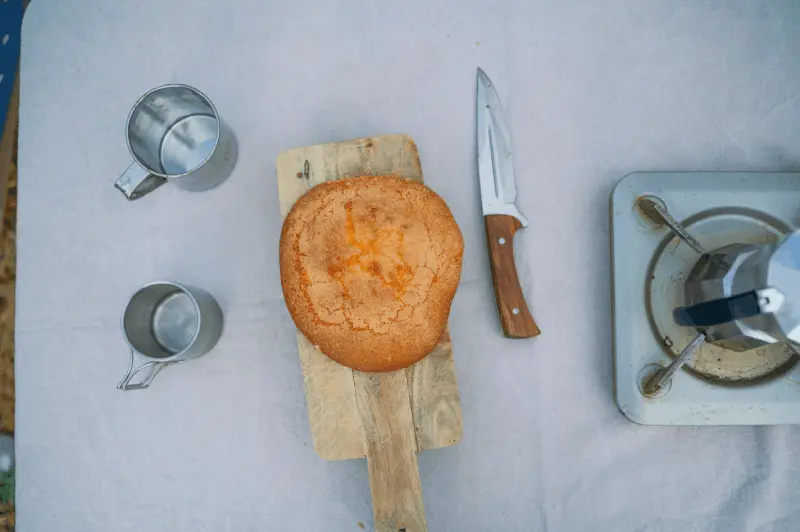
The Omnia oven is the greatest friend of campers because it creates an oven effect on the stove without needing a standard oven. Thanks to its circular design, hot air rises from the center and ensures even baking throughout the bread. Breads made with this device are usually round with a hole in the middle, resembling a cake, but their texture and crust are fantastic. It saves energy because you heat only a small cast iron base instead of a large oven. It is especially efficient when used on gas stoves and is quite easy to clean. For those struggling with space in their caravans, it is a great substitute for a traditional oven.
Is Using a Cast Iron Pot Risky for the Weight Balance of the Caravan?
Cast iron pots (Dutch Ovens) are heavy equipment, and weight management is critical in caravans. However, the stability of the heat they provide is unmatched for achieving professional-quality bread crust. If you can allocate space for a 4-5 kilogram cast iron pot in your caravan, you should definitely store it in the lowest and most secure cabinets. A cast iron pot can be used not only for bread but also for cooking heavy meals and soups over a high flame. Its heat retention feature keeps food warm even after you turn off the stove, which means energy savings. It performs well enough to justify its weight.
What Are the Ways to Protect Against Flour Dust in a Caravan Kitchen?
Working with flour in a small area can quickly lead to a white dust layer covering everything. To prevent this, you should perform the mixing process in a deep bowl and move slowly. If possible, using an outdoor camping table before bringing the dough to the counter is a great alternative. If you must work indoors, laying a large silicone mat on the counter makes cleaning easier. Instead of pouring flour directly from the package, transferring it with a spoon will reduce airborne flour particles. After the process is complete, using a dry cloth to gather flour instead of a wet one speeds up cleaning by preventing dough from sticking.
Is Dry Yeast or Sourdough More Suitable for Caravan Conditions?
This completely depends on your lifestyle. Dry yeast (instant yeast) is the "easiest" way due to its storage convenience and quick results. It does not require refrigeration and has a lower risk of spoilage. On the other hand, sourdough is more in tune with the spirit of caravan life but requires constant feeding and monitoring of room temperature. If you are on the road continuously and not baking bread every day, keeping sourdough alive can become a burden. Dry yeast, however, is always at your fingertips, and the chances of failure are much lower. Newcomers to caravan life are often advised to start with dry yeast due to its controllability.
How Does the Internal Temperature of the Caravan Affect Dough Fermentation?
Caravans can heat up or cool down very quickly depending on the season and external weather conditions. The ideal temperature for dough fermentation is between 22-26 degrees. If your caravan is cold, you can place the dough container next to the stove or by a sunny window. On very hot days, your dough may ferment too quickly and become sour; in this case, you may need to keep the water cool or reduce the amount of yeast. Monitoring the volume of the dough is a more reliable way to check fermentation time than relying on the clock. Discovering the microclimates inside your caravan will help you master bread making.
Does Pan Bread Offer a Solution for Ovens in Caravans?
Making pan bread is the most practical solution for caravans without an oven. By dividing the dough into small pieces and cooking it in a cast iron pan over low heat with the lid on, you can achieve a delicious result that is a cross between flatbread and loaf bread. In this method, the bottom and top of the bread are directly heated. It creates a beautiful caramelization because it is in contact with the heat. The inside cooks with the steam created by the lid. Making bread in a pan allows you to have fresh bread in just 15-20 minutes, especially for breakfasts. Preparing the dough the night before and throwing it in the pan in the morning is the fastest breakfast preparation that can be done in a caravan.
How to Clean the Dough Bowl While Saving Water?
Water is precious in a caravan, and washing the bowls used for making dough can waste a lot of water. The smartest method is to let the dough bowl sit until it dries. When the dough dries, you can easily scrape off the remnants with a dough scraper or a stiff brush. After throwing the scraped pieces in the trash, you can quickly clean the bowl with very little water and soap. Another method is to sprinkle some dry flour on the leftover dough in the bowl and rub it; the flour will clump the dough together, separating it from the surface. These little tricks will help you use your water supply more efficiently and protect nature.
Why is Using Whole Wheat Flour in a Caravan Advantageous?
Whole wheat flour is more nutritious than white flour and gives you a longer feeling of fullness in the fast-paced life of caravan living. Its high fiber content regulates the digestive system, which is important during long journeys with limited movement. Breads made with whole wheat flour stale more slowly, eliminating the need to bake bread every day. However, whole wheat flour absorbs more water, so you may need to slightly increase the amount of water in your recipe. In terms of flavor, adding some walnuts or seeds can turn your caravan meals into a gourmet experience.
Is it Possible to Leave the Dough for Cold Fermentation in the Refrigerator?
If you have a refrigerator in your caravan, cold fermentation will elevate the flavor of your bread to a higher level. When you prepare the dough in the evening and put it in the refrigerator, the yeast slows down in the cool temperature, producing more complex aromas. This method also provides planning flexibility; your dough can wait in the refrigerator for 2-3 days, and you can bake it whenever you want. When you don’t want to deal with dough in the cramped space of the caravan, this method makes your job much easier. It’s enough to take it out of the refrigerator an hour before baking and wait for it to come to room temperature.
Are Solar Panels Sufficient to Power a Bread Machine?
Bread machines typically consume between 500-800 watts of power and require high current, especially during the baking phase. If you don’t have a powerful inverter and a large lithium battery bank in your solar energy system, using a bread machine can quickly drain your batteries. However, on a fully sunny day, it is possible to meet this need with the instantaneous production from the panels. Still, manual methods are safer for conserving caravan energy. Bread machines also take up a lot of space; therefore, many campers prefer traditional cast iron pot or pan methods for energy independence.
How Should Flour Be Stored in the Limited Storage Space of a Caravan?
Flour is a sensitive material that needs to be protected from moisture and insects. The best way to store flour in a caravan is to use airtight, sealed plastic or glass containers. Paper packages can tear in the bumps of the caravan and cause flour to spill everywhere. You should store your containers in the coolest and darkest spots of the caravan, preferably in cabinets at floor level. If you are using different types of flour (white, whole wheat, rye), labeling the containers with the date and type will prevent confusion. Additionally, be careful not to place heavy items on top of the flour containers to prevent them from cracking.
What Should Be Considered When Baking Bread at High Altitudes?
If you go to high-altitude plateaus with your caravan, you will notice that the laws of physics have changed. Due to the low air pressure, the dough rises much faster, but this can be misleading; the dough structure may remain weak and collapse while baking. As a solution, you should slightly reduce the amount of yeast and monitor the fermentation time to avoid over-proofing before putting it in the oven. Also, at high altitudes, water boils at lower temperatures, which can cause baking times to be slightly longer. Baking bread in the clean air of the plateau is enjoyable, but these small technical adjustments are essential for perfect results.
How Does the Amount of Salt Affect the Taste of Bread Baked in a Caravan?
Salt not only affects the taste of the bread but also controls the dough structure and fermentation speed. In caravan conditions, especially in hot weather, slightly increasing the amount of salt can prevent the dough from rising too quickly and becoming sticky. Generally, using about 2% of the flour amount in salt is ideal. Using natural sea salt or rock salt adds mineral richness to your bread. When adding salt, be careful not to pour it directly on the yeast; spreading the salt throughout the dough helps maintain the yeast's effectiveness. A well-balanced amount of salt will also enhance the crust color of your bread.
What Are the Ways to Utilize Stale Bread Left in the Caravan?
It is important not to waste any food in the caravan. If your bread goes stale, you can cut it into small cubes and sauté it in a little oil to make great croutons. These croutons go wonderfully with soups or salads. Additionally, using stale bread to make French toast is a favorite among campers for breakfast. If the bread has become very hard, you can lightly moisten it with water, wrap it in foil, and bake it in a low oven (or heat it in an Omnia) to almost return it to freshness. Crumbling it and using it as meatball filling is another practical solution.
How Should Humidity Balance Be Adjusted When Making Bread in a Caravan?
The steam created during baking affects the bread's texture. The outside should be crispy, while the inside should be soft. In closed cast iron pots, the dough's own moisture creates this steam. However, when baking in open ovens or pans, placing a small bowl of water inside the baking container or spraying water on top of the dough maintains the steam balance. In small enclosed spaces like caravans, intense steam formation can cause condensation on windows and lead to humidity in the long term. Therefore, it is important to ventilate the caravan well after cooking and to open the ceiling ventilation. The moisture balance is critical for both the quality of the bread and the health of the caravan.
How to Achieve Bread Variety with Different Spices?
You may get tired of eating the same bread every day. Use spices to create wonders with limited ingredients in the caravan. Adding a teaspoon of rosemary, thyme, or dried tomato pieces to your dough turns the bread into a feast. Black cumin and sesame are classic choices; however, you can also add fresh herbs you find on local routes in the caravan to the dough. For example, if you are in the Aegean, you can add fresh olives and thyme, and if you are in the Black Sea, you can add corn flour and milk to create regional touches. This variety keeps your meal enjoyment fresh during long caravan trips and motivates you.
How to Save Space When Cutting Bread in a Caravan?
You may not need a large cutting board to cut bread. Foldable or thin plastic cutting mats suitable for the caravan countertop take up little space and are functional. Laying a cloth under the board to collect the crumbs while cutting the bread makes cleaning easier. Using a serrated bread knife allows you to cut the bread without crushing it and produces fewer crumbs. If your space is very tight, you should slice the bread safely on the countertop, not inside the pot where you baked it directly. Storing sliced bread in zip-lock bags increases space efficiency.
How to Extend the Shelf Life of Bread Made in a Caravan?
Homemade breads can stale faster than store-bought breads because they do not contain preservatives. You should not put bread in a bag before it has completely cooled; otherwise, it may become damp and moldy. Wrapping completely cooled bread in a cotton cloth bag and then placing it in an airtight container helps maintain its freshness for 3-4 days. If you are in a very hot climate, storing the bread in the refrigerator prevents mold but may make the bread a bit hard. For long-term storage, slicing and freezing it (if possible) is best. Every bite counts in a caravan, so proper storage methods are vital.
What Are the Energy Saving Strategies When Baking Bread in a Caravan?
Energy is the most limited resource in caravan life. Before starting the baking process, you should prepare all your ingredients and optimize the time you spend at the stove. If you are using a cast iron pot, preheating the pot shortens the cooking time. Adjusting the flame of the stove so that it does not extend beyond the bottom of the pot prevents heat loss. If you are using an oven, not opening the oven door too frequently prevents heat loss. Additionally, baking two loaves of bread at the same time or placing another baking tray in one corner of the oven while baking bread (if space allows) maximizes the benefit from the energy used.
How Does Adding Olive Oil Enhance Dough Consistency?
Adding one or two tablespoons of quality olive oil to your dough significantly softens the texture of your bread. The oil lubricates the gluten strands, making the dough more elastic and helping it rise better during baking. Additionally, olive oil acts as a natural preservative, keeping the moisture in the bread and helping it stay fresh longer. Olive oil is usually the highest quality fat available in a caravan, and using it in bread adds a Mediterranean aroma. Especially when it comes out of the oven, brushing the crust with olive oil helps achieve that appetizing shine and softness.
What Are the Social Benefits of Sharing Bread with Your Caravan Neighbors?
Baking bread nourishes not only the stomach but also the soul. The smell of fresh bread you bake in caravan camps will attract the attention of your neighbors. Sharing a loaf of bread is one of the oldest and most sincere ways to form new friendships. Perhaps you give them bread, and they offer you fruits from their gardens or a dish they made. This culture of exchange is one of the most beautiful aspects of the caravan community. Socializing makes journeys more meaningful, and fresh bread is a great excuse to establish these connections. The pride of serving something you made with your own hands is priceless.
How Should Time Management Be Done When Making Bread in a Caravan?
Baking bread usually requires long waiting periods, so you should integrate the process into your daily routine. Preparing the dough in the evening and baking it in the morning when you wake up is the most efficient start to the day. Alternatively, you can prepare it before you set off in the morning and encounter ready dough when you arrive at the campsite in the evening. During the fermentation period, you can read a book, maintain the caravan, or go out for a nature walk. Making bread slows you down and helps you adapt to the unhurried pace of caravan life. The key to success is not controlling time but flowing with it.
Is Making Bread in a Caravan with Children an Educational Experience?
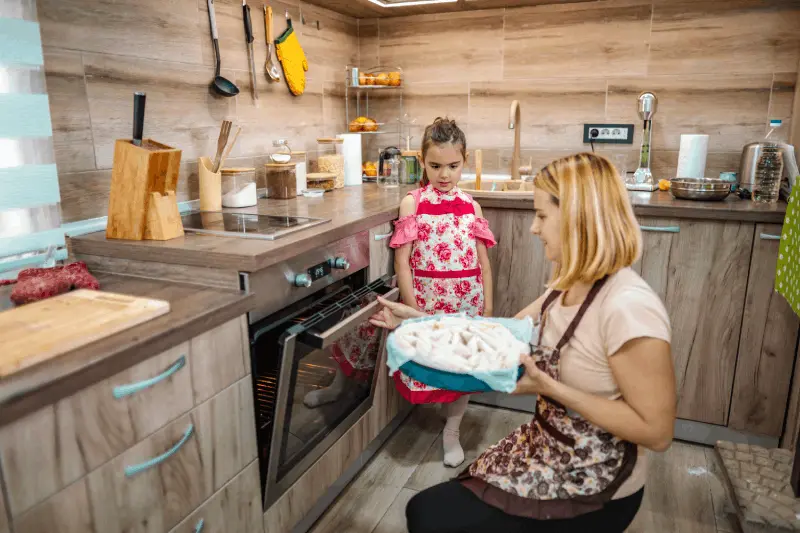
If you are traveling with children, making bread is a great science lesson and source of fun for them. Observing how yeast comes to life and how the dough rises is fascinating for them. Allowing them to shape the dough with their little hands develops their motor skills and fosters respect for the food they eat. This activity requires patience and teamwork in the confined space of the caravan, which strengthens family bonds. The excitement of eating the bread that children made themselves will open the appetite of even the pickiest eaters. This experience will create an unforgettable place in their journey moments.
What Safety Precautions Should Be Taken When Making Bread in a Caravan?
When working with fire and hot equipment in a small and enclosed space, great care must be taken. Ensure that there are no flammable materials (paper towels, curtains, etc.) near the stove. Since cast iron pots can reach very high temperatures, always use quality heat-resistant oven mitts. During baking, make sure the ventilation system is open, as the oxygen inside the caravan may decrease and carbon dioxide may increase. Also, before placing a hot pot on the counter, always use a sturdy trivet; caravan counters may not be as durable against heat as home counters. Safety is the foundation of comfort.
What Are the Biggest Mistakes Encountered When Making Bread in a Caravan?
The most common mistake is being impatient and trying to bake the dough before it has fully risen. Due to the variable temperature in the caravan, the times may not always match the recipe; therefore, you should learn to trust the appearance of the dough. Another mistake is making the dough too stiff by using too much flour; remember that no-knead breads should be somewhat sticky. Additionally, not heating the baking pan sufficiently can cause the bottom of the bread to not cook properly or to be undercooked. Your first attempts may not be perfect, but with each attempt, you will better understand your caravan and equipment. Mistakes are the best teachers, and each one will lead you to a more delicious bread.
Is It Harder to Make Gluten-Free Bread in a Caravan?
Making gluten-free bread in a caravan requires a bit more planning because gluten-free flours behave differently and usually require more binders (like xanthan gum). However, since they do not require kneading, they are actually very suitable for a caravan kitchen. Gluten-free doughs are usually of a cake-like consistency and are poured directly into the baking pan. They are easier to clean because they do not have elastic stickiness. The important thing is to keep your flour mixture fresh and find the right water ratio. If you have celiac disease or are on a gluten-free diet, making your own safe bread in the caravan is the most guaranteed way.
What Are the Psychological Benefits of Making Bread in a Caravan?
Traveling can sometimes be stressful; planning the route, finding parking, or dealing with technical issues can be tiring. Making bread, however, is a meditative process. Touching the dough, watching its development, and ultimately achieving a tangible success boosts confidence and reduces stress. This process is one of the most beautiful examples of the "slow living" philosophy. The great miracle created in the small kitchen of the caravan makes you feel at home and strengthens your sense of belonging. It not only fills your stomach but also relaxes your mind. Where there is the smell of fresh bread, there is surely peace.
How Do You Incorporate Local Ingredients When Making Bread in a Caravan?
One of the most beautiful aspects of traveling is discovering the unique flavors of each region. Buying flour from local mills in the places you visit adds the character of that land to your bread. You can localize your breads with the Aegean's cold-pressed olive oil, Central Anatolia's durum wheat, or the Black Sea's corn flour. Even adding fresh walnuts you picked up by the roadside or wild thyme you gathered from the mountains to the dough turns the bread into a diary of moments. This not only supports the local economy but also allows you to taste the stories of the places you have passed with every bite. Local ingredients are the soul of your caravan bread.
Can a Professional Starter Yeast Be Cultivated in Caravan Conditions?
Yes, but it requires patience and determination. To collect natural wild yeasts inside the caravan, you only need to mix flour and water and wait a few days. Traveling to different places with the caravan can ensure that your yeast has a variety of bacterial cultures, giving it a unique flavor profile. Feeding the yeast at the same time every day creates a routine. If you are very mobile, keep the yeast in a small jar to protect it from shocks. Creating your own "caravan yeast" is like creating your most loyal companion on the road. It is a living organism, and as long as you take care of it, it will nourish you.
How Does Making Bread in a Caravan Become a Lifestyle?
After a while, making bread will transform from a task into the most anticipated moment of the day. Thinking about when to shape the dough and when to fire up the oven becomes a natural part of your journey. Buying bread from the market will start to feel artificial. This skill not only gives you independence but also transforms your relationship with nature and food. Making bread in a caravan is about finding richness in simplicity. Less stuff, fewer ingredients, but immense flavor and a sense of satisfaction. Baking your own bread on this journey is tasting freedom.
How Is Hygiene Maintained When Making Bread in a Caravan Kitchen?
Hygiene is very critical in small spaces. Before starting with the dough, you must disinfect your hands and your counter. To use the limited water source in the caravan efficiently, alcohol-based surface cleaners can be helpful. You should thoroughly clean your dough bowl after each use and dry it in such a way that no moisture remains inside. Tightly closing the bags of flour prevents insects that could leak into the caravan. Additionally, covering the dough with a clean cloth or lid while it rises protects it from airborne contaminants. It prevents the ingredients from mixing. A clean workspace protects both your health and enhances the quality of your bread.
What is the easiest way to bake bread in a camper?
To summarize, the easiest way to bake bread in a camper is to use the "No-Knead Technique" with the "Omnia Oven" or "Cast Iron Pot". A dough mixed in 5 minutes in the evening can be effortlessly transferred to the baking dish the next morning and baked. This method creates neither space nor energy waste. It requires minimal equipment, minimal cleaning, and offers maximum flavor. If you don't have an oven, flatbreads or small pita breads cooked in a thick-bottomed pan are equally easy and filling. The important thing is to focus on the simplest and most natural with the resources you have, without complicating the process.