What Is the Easiest and Most Guaranteed Way to Bake Bread in the Wild?
Baking bread in the embrace of nature, without the luxury of modern kitchen equipment, is both a challenge and a great source of joy for many campers. The aroma of freshly baked bread, combined with the smoke of the campfire, is enough to make you forget all the stress of the outside world. However, making bread outdoors requires specific techniques and tips, as you do not have a standard oven with controlled temperatures like in a kitchen. In this article, we will explore step-by-step methods that anyone, from the most amateur camper to the most experienced bushcraft master, can apply to eliminate the possibility of failure.
Why Is Baking Bread in the Wild a Form of Spiritual Therapy?
The fast pace of city life and the endless notifications of the digital world often tire the human spirit and distance it from nature. Making your own bread in the wild is a meditative process that pulls you away from all this chaos of the modern world and into the moment. Kneading the dough with your own hands, inhaling the scent of the earth, feeling the warmth of the fire on your skin, and witnessing the flour combine with water to transform into a source of life connects you with humanity's thousands of years of genetic heritage. In this process, you learn to be patient, communicate with fire, and accept the reality that the result may not be perfect, but it is your effort. Baking bread is not just a physical need; it is a way for the soul to synchronize with nature.
What Ingredients Should You Bring for Baking Bread in the Wild?
The first rule of successfully baking bread in the wild is to organize the right ingredients in a light and portable manner. The basic components, flour, water, yeast, and salt, are already at the top of the list; however, the quality of these ingredients and how they are stored is of vital importance. Carrying your flour in pre-sifted, airtight bags is the best method to protect it from moisture. Additionally, bringing a small bottle of olive oil can enhance the dough's consistency and prevent it from sticking to containers. If you want a professional result, a cast iron pot (Dutch Oven) or a lightweight titanium pan set will be the most valuable part of your gear. While carrying a thermometer to measure heat may seem like a luxury, it can be lifesaving for beginners to understand the intensity of the fire.
Is Unleavened Bread or Bread with Dry Yeast More Guaranteed?
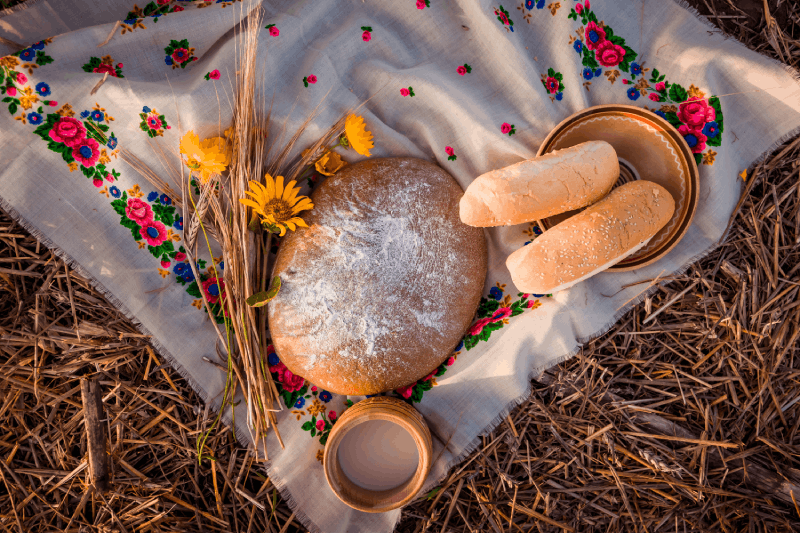
In the wild, time and weather conditions may not always be under your control. At this point, unleavened breads (like Bannock) stand out for their speed and practicality. To make unleavened bread, you only need flour, water, salt, and a bit of baking powder; this means you don't have to wait for hours for the dough to rise. However, if you are looking for a real bread texture and aroma, using dry yeast (instant yeast) is a more guaranteed method. Dry yeast can be mixed directly with flour without needing to be soaked, providing great convenience in camping conditions. If the weather is warm and you have time, leavened bread will always be tastier and more filling; however, if the weather is cold and you are hungry, the unleavened method is the safest harbor.
How to Control Heat While Baking Bread on a Campfire?
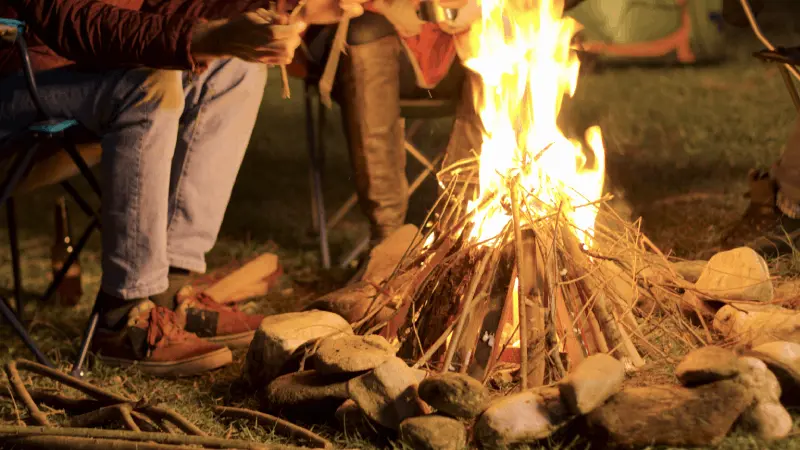
In a kitchen oven, the button you set to 200 degrees leaves its place to the embers and flames in a campfire. Controlling the heat of the fire is the most challenging yet critical phase of baking bread in the wild. Cooking directly over flames can cause the outside of your bread to burn while leaving the inside raw. The most reliable method is to use the embers you obtain from the fire. By creating a small "baking pit" next to the fire, you should only transfer the embers here and place your pot on top of them. Sprinkling some ash over the embers helps keep the heat stable and distributes it more gently and evenly. Remember, bread is baked not with flames but with consistent heat.
Is It Possible to Bake Bread Without a Dutch Oven?
Many campers do not want to carry heavy cast iron pots, but that does not mean you cannot bake bread. One of the most creative ways to bake bread without a Dutch Oven is to use the "reflector oven" method. By placing aluminum foil or a shiny metal surface in an open manner facing the fire, you can ensure that the heat hits the dough from all sides. Another method is the "double pan" technique; you can create a small oven environment by placing the dough inside one pan and covering it with another pan upside down. In bushcraft techniques, wrapping the dough around a clean branch and turning it over the embers also offers a very effective and fun alternative.
What Are the Tips for Baking Bread on a Stone?
If you have no baking vessel nearby, nature provides everything you need. Baking bread on a stone is one of humanity's oldest techniques. However, not every stone is suitable for this job; especially wet stones by riverbanks can explode due to the moisture inside when heated. Therefore, you should prefer dry and porous rocks. After thoroughly heating the flat stone you choose in the fire, pull it aside, clean its surface, and place the dough directly on top of it. Covering it with a metal lid or another hot stone creates an oven effect, ensuring that both sides of the bread cook evenly. The heat of the stone adds a wonderful crispness and smoky aroma to the bread.
What Are the Secret Techniques to Ensure Bread Dough Rises in the Wild?
Cold weather is the biggest obstacle that forces yeast to activate. In mountainous or forested areas, when the night temperature drops, you need creative solutions to ensure the dough rises. One of the most effective techniques is to keep the dough bowl warm with your body heat; wrapping the bowl in a cloth and placing it inside your jacket will help the dough ferment quickly. Alternatively, you can dig a small hole in a spot where the ground is slightly warm, away from the campfire, and bury the bowl there. This method, which traps heat, provides the stable warmth needed for the yeast to work. Additionally, adding a pinch of sugar to the dough will provide the energy the yeast needs, speeding up the process.
What Should Be Considered When Baking Bread at High Altitudes?
As you ascend from sea level, air pressure decreases and the boiling point of water drops; this directly affects the bread baking process. At high altitudes, dough rises faster because the outside pressure is lower, but this can also cause the dough to extinguish before entering the oven. Therefore, it is better to slightly reduce the amount of yeast and slightly increase the amount of flour in high places. Additionally, in high areas where humidity is low, the dough dries out very quickly; placing a small container of water inside the pot during baking or spraying water on the dough helps it bake softly without drying out.
How to Optimize Hygiene Conditions While Baking Bread in the Wild?
While working outdoors, the cleanliness of your hands and equipment is as important for your health as the taste of the bread. You should definitely clean your hands with natural soap or disinfectant before kneading the dough. To prevent soil and leaf pieces from mixing into the dough, you can create a working area by sprinkling flour on a wide silicone mat or a clean trash bag. If you do not immediately clean the leftovers in the bowl where you kneaded the dough, odors can attract wild animals to your camp. Using boiled and cooled water in advance to create a hygienic environment is also the best precaution against bacteria that may contaminate from water.
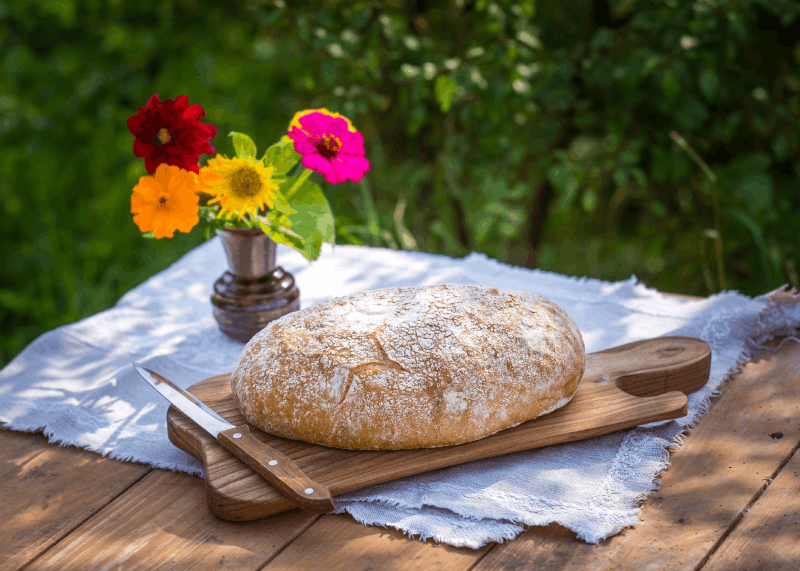
What Aromatic Herbs Can Be Added to Bread Dough in the Wild?
The most exciting aspect of baking bread in the wild is incorporating the ingredients around you into your dough. If the season is suitable and you know the plants, adding aromas like wild thyme, fresh rosemary, or wild garlic can transform your bread into a gourmet delight. After thoroughly washing and finely chopping the plants you collected from the wild, adding them to the dough ensures that these aromas spread throughout every particle of the bread while baking. Additionally, if you can find fresh pine needles (only certain types, be careful), steeping them in water and using this aromatic water in the dough adds a light forest touch to the bread. This ensures a complete communion with nature.
How Should Ash Be Used to Avoid Burnt Bread Crust?
The most common problem encountered in campfires is that the bottom of the bread sticks to the coals while the top remains white. To solve this problem, the "ash bed" technique is applied. Sprinkling a thin layer of ash over the heated coals reduces the direct burning heat and converts it into radiant heat. When you place your pot on top of this ash layer, the heat is transmitted more slowly and deeply. Similarly, when placing coals on top of the pot's lid, mixing ash between the coals prevents the lid from overheating and burning the top of the bread. Ash is your most sensitive degree adjustment in the wild and is indispensable for controlled baking.
How to Establish Bottom and Top Heat Balance When Using a Cast Iron Pot?
The golden rule when cooking with a Dutch Oven is the principle of "more heat from above, less from below." Bread tends to heat from the bottom, and if the heat at the bottom is too strong, the bottom of the bread will burn quickly. For ideal balance, if there is 1 unit of coals underneath, there should be 3 units of coals on top of the lid. This way, while the inside of the bread rises, the top will also brown beautifully. Rotating the pot 90 degrees on its axis and the lid 90 degrees in the opposite direction halfway through the cooking time minimizes the uneven heat distribution caused by the wind direction of the fire. This rotation technique is a trick used by professional bakers.
Is Maintaining and Using Sourdough Difficult in the Wild?
Sourdough, being a living organism, may seem difficult to maintain in natural conditions, but it is actually one of the most resilient methods. You can carry dried sourdough with you on long trips and revive it with water and flour in the early days of your camp. Breads made with sourdough stay fresh longer and are easier to digest, giving you an advantage on long hikes. The only challenge is that the fermentation process of sourdough takes a long time; therefore, you need to knead the dough the night before and let it rest next to your sleeping bag or in a safe, warm place until morning. The reward for your patience is the most delicious bread you can eat in the wild.
What Is the Fastest Way to Make Bread on a Stick (Bannock)?
If you are short on time and have no baking vessel, making bread on a stick is the most practical solution. For this method known as "Bannock," you should knead the dough a bit firmer and wrap it around the end of a long, clean stick. Peeling the bark off the stick prevents the dough from sticking. Instead of placing the prepared stick directly over the fire, you should stick it into the ground next to the fire to expose it to the heat of the embers. By turning the stick occasionally to ensure even cooking on all sides, you will have a wonderful bread in about 15-20 minutes that is hollow and rolled. Adding pieces of cheese or sausage to the dough in this method turns it into a complete camp feast.
How Do Weather Conditions Affect the Bread Baking Process?
The weather in the wild can be your greatest ally or your toughest adversary. In windy weather, the heat of the fire is constantly dispersed, and one side of the pot may remain cold while the other side becomes excessively hot. In this case, creating a windbreak is essential. In rainy weather, the humidity will be very high, which may cause the dough to become too runny, so you should carefully adjust the amount of flour. In extreme heat, the dough rises very quickly and may sour, which spoils the taste. To adapt to every weather condition, you should be flexible, follow the direction of the wind, and position your fire according to the weather conditions.
What Are the Storage Conditions to Keep Baked Bread Fresh?
You may not be able to finish that beautiful bread you made in the wild immediately. To prevent the bread from drying out and hardening, you should wrap it in a cloth bag or a clean towel immediately after baking. Plastic bags can cause the bread to sweat and mold quickly, so breathable fabrics should be preferred. If the bread becomes too hard, lightly spraying water on it before reheating it near the embers will bring it closer to its original freshness. Additionally, storing the bread whole without slicing it helps retain moisture for a longer time. When storing food in the wild, be careful not to attract wild animals by ensuring that it does not leak odors.
What Test Is Applied to Ensure There Is No Dough Left Inside the Camp Bread?
Your bread may look very beautiful on the outside, but sometimes it is hard to be sure if the inside is cooked through. The classic method is the "knock test"; when you take the bread out of the pot and tap the bottom with your finger, it should produce a hollow sound. If the sound is dull, the inside is still moist and doughy. Another method is to insert a thin, dry twig into the center of the bread and pull it out; if the twig comes out clean, the bread is ready; if there are dough remnants on it, it needs to bake a little longer. Acting impatiently and cutting the bread too early can cause the steam inside to escape and the bread to extinguish; therefore, it is critical to let it rest for at least 15 minutes before cutting.
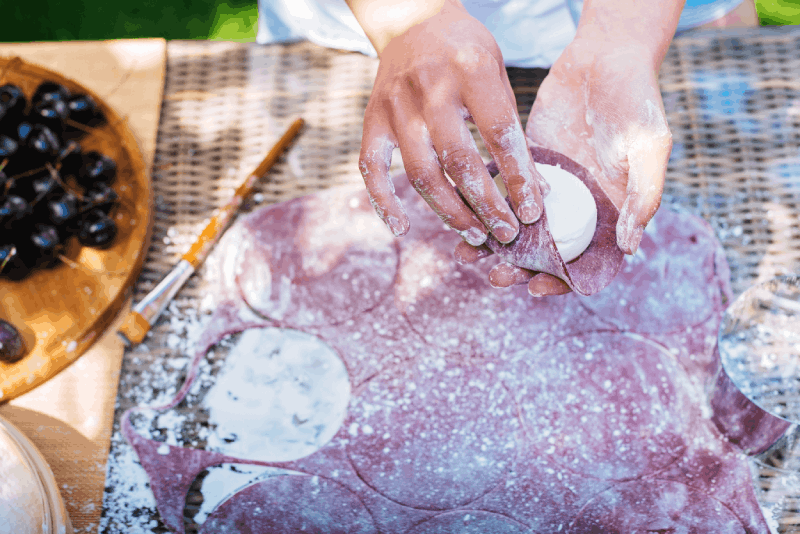
What Are the Biggest Mistakes Encountered While Baking Bread in the Wild?
The biggest mistake beginners make is putting the dough directly into the flames or acting impatiently by constantly opening the pot lid. Every time you open the lid, the valuable heat and moisture that has accumulated inside escape, prolonging the cooking time and leading to hardening of the bread. Another common mistake is not kneading the dough enough; in the wild, the dough needs to be kneaded energetically for at least 10 minutes to develop gluten strands. Additionally, directly contacting yeast with salt can kill the yeast, so it is healthier to add the yeast after thoroughly mixing the salt into the flour.
What Is the Lightest Cooking Equipment for a Minimalist Camper?
For campers who want to save weight but do not want to give up on bread, "vacuum cooking" or "foil packets" are great solutions. Doubling thick, quality aluminum foil and placing the dough inside before leaving it between the embers is the lightest method. However, for a more professional result, collapsible titanium ovens or silicone baking containers weighing only 200-300 grams can be preferred. Silicone containers are also suitable for steaming (bain-marie method) by placing them inside a pot on top of the camp stove. Breads made with this method are crustless and very soft, making them ideal for making sandwiches.
How Should the Fire Area Be Cleaned After Baking Bread?
The joy of baking bread in the wild can only be sustained as long as respect for nature is maintained. After your baking process is complete, you should use water and soil to completely extinguish the coals you used. According to the "Leave No Trace" principles, you should return the stones you used to their places, clean up any spilled flour, and restore the fire area to its original state. Pouring water containing dough remnants into the ground at least 60 meters away from water sources helps protect the ecosystem. The better you take care of nature, the more generous it will be to you on your next camping trip, allowing you to bake your best breads again in its embrace.