How Should Vehicle Selection Be When Starting Off-Road Camping?
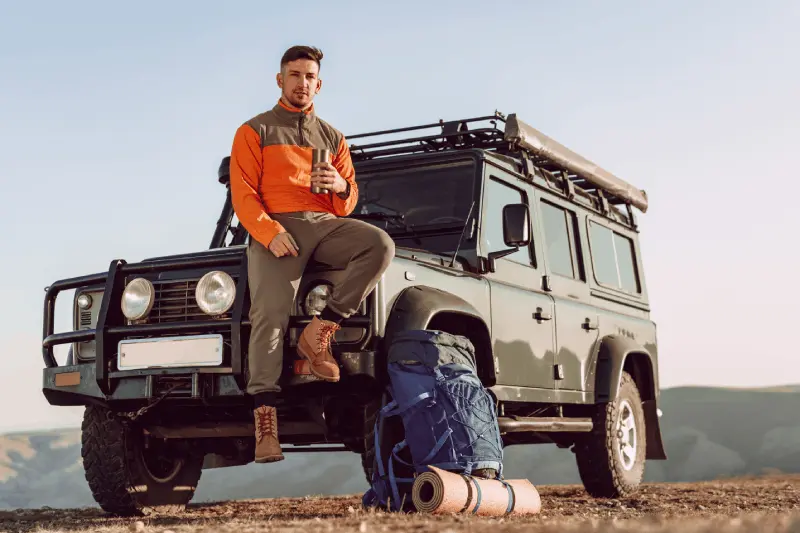
The fundamental stone for a proper off-road camping experience is the vehicle's chassis and towing system. Vehicles with a ladder-type chassis, true 4x4 (four-wheel) systems, and "Low Range" (low gear) options should generally be preferred. While AWD systems can be useful in light terrain, a vehicle carrying heavy camping loads must transmit torque to the wheels in the correct ratio to progress on steep and rocky roads. Additionally, having high approach, departure, and belly clearance angles prevents damage to the body when overcoming obstacles. In vehicle selection, the availability of spare parts as well as mechanical durability should be considered as a criterion for long-term camping routes.
What Are the Differences Between All-Terrain (AT) and Mud-Terrain (MT) Tires?
Tires are the only contact point between your vehicle and the ground, and a wrong choice can jeopardize the entire journey. All-Terrain (AT) tires provide 50% asphalt and 50% off-road performance, making them balanced for both daily use and moderate terrain. Mud-Terrain (MT) tires have a deeper tread pattern and provide superior traction, especially in muddy and soft ground. For campers, AT tires are generally preferred due to their lower noise and fuel economy; however, if your route includes extreme bogs or deep mud, MT tires are indispensable. The sidewall of the tire should also be of a "3-ply" structure to prevent punctures in rocky areas.
Why Are Suspension Lift Kits Necessary?
Standard suspensions are designed according to the factory weight of the vehicle; however, a camping vehicle becomes approximately 300-500 kg heavier with tents, water tanks, kitchen equipment, and spare parts. Heavy-duty suspension lift kits not only raise the vehicle off the ground to avoid obstacles but also maintain ride stability while carrying this extra load. A quality shock absorber and spring set absorbs impacts better, increasing passenger comfort and extending the lifespan of the vehicle's undercarriage. The lift amount should generally be kept around 2 inches (5 cm), as much higher modifications can disrupt the axle angles.
Do Winches and Recovery Equipment Save Lives?
Even the most professional off-road driver can get stuck at some point. In such cases, having a recovery winch allows you to take care of yourself without waiting for help. A winch should be selected with a capacity of at least 1.5 times the weight of the vehicle. Along with the winch, a synthetic rope, tree saver strap, snatch block, and sturdy shackles should be part of the kit. Not only the winch but also traction boards and a sturdy shovel can help you get out of simple stuck situations without straining your winch. This equipment defines the fine line between being stranded in a remote campsite and continuing your adventure.
Is Installing a Snorkel Important Only for Water Crossings?
Many people think a snorkel is only for preventing the engine from sucking in water during deep water crossings (hydro-lock). However, one of the main advantages of a snorkel in off-road camping is providing clean air. When moving in a convoy on dusty roads, standard air intakes directly suck in the dust raised by the wheels. A snorkel elevates the air intake to a higher and cleaner point, extending the life of the air filter and allowing the engine to breathe more easily. Additionally, especially on hot summer days, the engine benefits from drawing in cooler outside air, contributing to performance improvement and fuel efficiency.
What Areas Should Skid Plates Protect?
While traversing rocky and uneven roads, the sensitive components underneath the vehicle are defenseless against impacts. The oil pan, transmission, transfer case, and fuel tank must be protected. Factory plastic protections will shatter upon a hard rock impact. Therefore, aluminum or steel skid plates with a thickness of 4mm-6mm should be preferred. These plates not only provide protection but also ensure that the underside of the vehicle has a flat surface, helping you progress in deep snow or mud by creating a "skidding" effect. The installation must be direct to the chassis and robust to ensure safety.
How Should a Dual Battery System and Energy Management Be Planned?
When using a vehicle refrigerator, lighting, and electronic devices at the campsite, there is always a risk of draining the main battery. A Dual Battery System, with the help of an isolator, allows you to draw energy from a second deep cycle battery while protecting the main battery. While both batteries charge when the vehicle is running, when the engine stops, the systems are powered only by the auxiliary battery. This way, the likelihood of your vehicle not starting in the morning is eliminated. A system supported by solar panels allows you to set up an independent energy station from the outside during long-term camps.
Should You Prefer a Roof Tent or a Ground Tent?
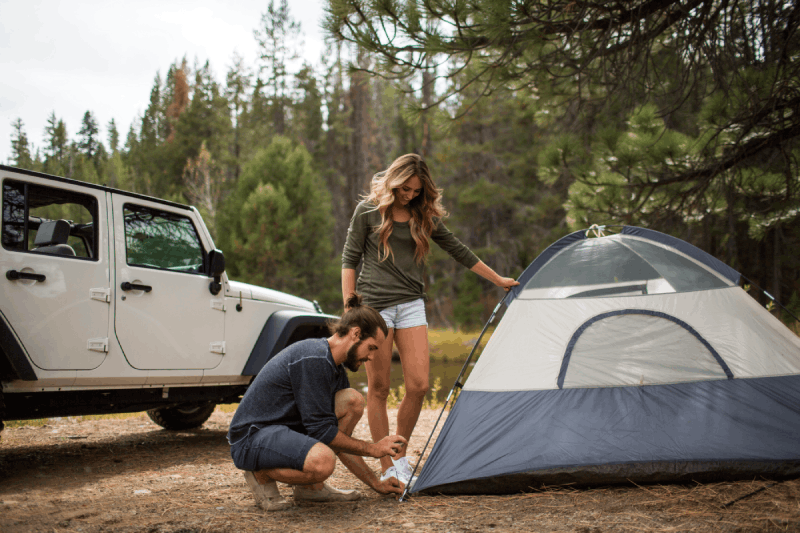
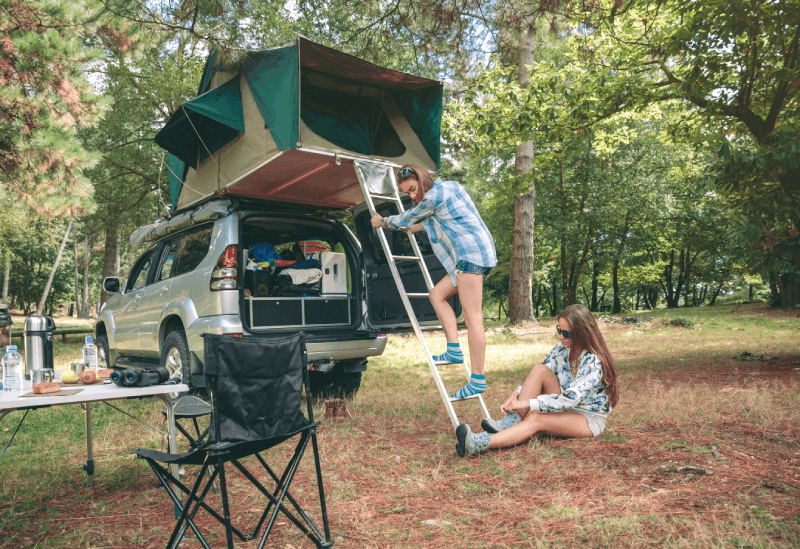
Roof tents have become the favorite of off-road campers in recent years. Being elevated off the ground protects you from moisture, insects, and wild animals. Additionally, they allow you to set up in minutes upon arrival at the campsite. However, roof tents raise the vehicle's center of gravity and increase wind resistance, affecting fuel consumption. Ground tents are more economical and lighter; you don't have to dismantle the camp when you want to leave with your vehicle. Your choice should be shaped according to how often you camp, your budget, and your vehicle's roof load capacity (dynamic load rating).
Why Are Lighting Systems Critical in Off-Road Night Driving?
Off-road driving at night requires visibility far beyond the capacity of standard headlights. Additional lighting with LED bars or spot & flood features helps you see around corners and obstacles on the sides of the road. Additionally, work lights mounted on the sides or rear of the vehicle provide great convenience for setting up the campsite. Proper lighting placement reduces eye fatigue during driving and enhances safety. However, it is a legal and moral necessity to control these lights with separate switches and to use them carefully on roads open to traffic to avoid blinding oncoming drivers.
Why Should You Have Radios and Satellite Communication Devices with You?
In remote areas where you go camping, cell phone reception is often poor. If you are traveling in a convoy, a VHF/UHF radio system is essential for communication between vehicles. Sharing obstacles, maneuvers, or needs for breaks via radio maximizes driving safety. If you are going to very remote areas with only one vehicle, a satellite messaging device (like Garmin inReach) can save your life in emergencies. These devices allow you to communicate your location to your loved ones or call for help. Communication is your greatest assurance in the field.
What Should Be Considered When Choosing an Awning?
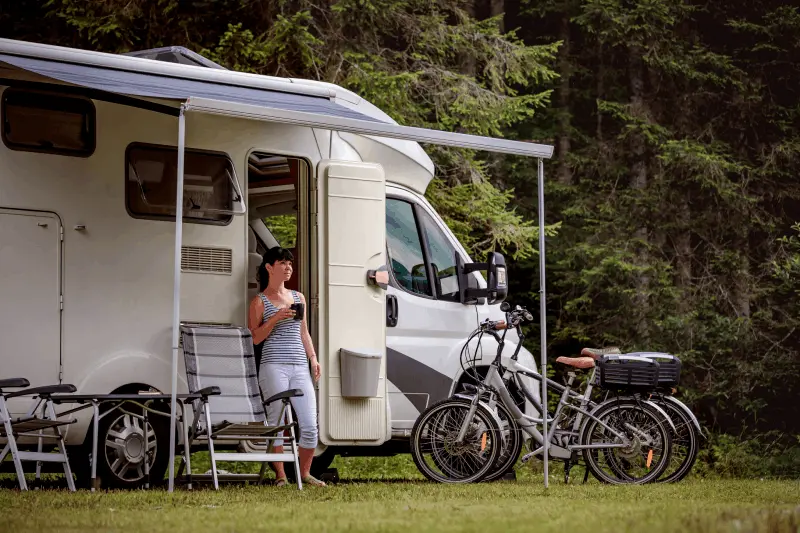
In the scorching heat of the sun or light rain, side awnings are indispensable for creating a comfortable shaded area next to your vehicle. Awnings are usually mounted on the vehicle's roof rack and can be deployed in seconds. 270-degree awnings cover both the side and rear of the vehicle, providing a spacious kitchen and relaxation area. The fabric quality should be UV-protected and waterproof. Additionally, to prevent the awning from flying away in windy conditions, its legs and tension ropes must be sturdy. By adding side panels, you can turn your awning into an enclosed room, providing privacy and wind protection.
How to Optimize Roof Storage and Storage Solutions?
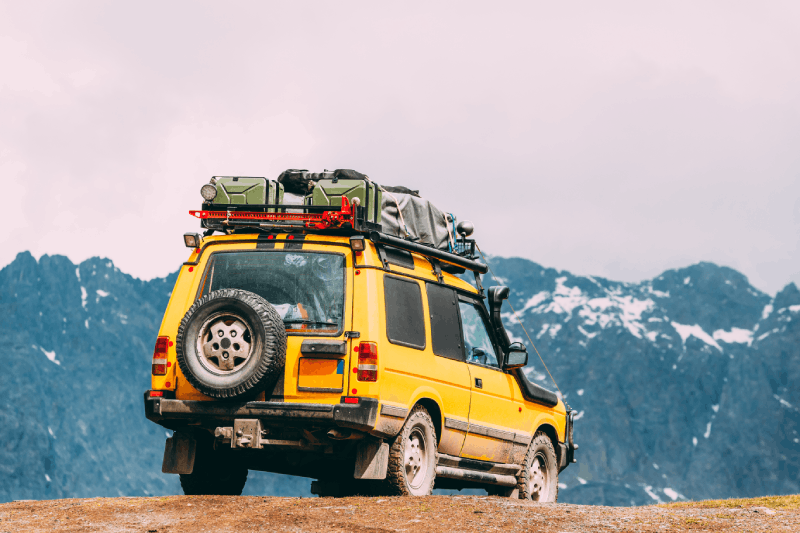
Transporting bulky camping equipment (spare tires, fuel cans, jacks) inside the vehicle takes up space and can be dangerous. A sturdy roof rack or roof rails ensures that these loads are transferred outside. However, roof loads increase the risk of vehicle rollover; therefore, heavy materials (like water cans) should be placed as low as possible or close to the wheels whenever possible. Lightweight but bulky items (sleeping bags, chairs) can be transported in roof boxes. To prevent items from flying around on the road or getting damaged from jolts, quality tie-down straps and waterproof bags should be used.
How Should Mobile Kitchen and Refrigerator Selection Be Made?
Cooking over a campfire is enjoyable, but a portable stove system is essential for efficiency. Dual stoves integrated into drawer systems allow you to prepare meals quickly with wind protection. To keep food fresh, a real compressor refrigerator should be preferred over thermoelectric coolers. These refrigerators can reach the desired temperature (including freezing level) independently of outside heat and have very low battery consumption. Capacities between 35 and 50 liters will comfortably meet the fresh food storage needs of a medium-sized family for 3-4 days.
Why Are Deflation and Inflation (Air Lowering/Inflating) Important?
The most effective way to increase traction on difficult terrain is to lower tire pressure. Deflation expands the tire's contact area and creates a kind of "tread" effect, preventing you from sinking into sand or mud. However, returning to asphalt with low pressure can damage the tire and is unsafe. Therefore, your vehicle must have a high-flow (powerful in liters per minute) air compressor. Quick-release valve attachments and a digital pressure gauge are essential for adjusting the pressure suitable for every type of terrain (sand, mud, rock), which directly determines the comfort and safety of driving.
What Is a Differential Lock and When Is It Used?
Standard differentials transmit power to the wheel that spins the easiest (usually the one in the air or spinning), which can cause the vehicle to get stuck. A differential lock ensures that both wheels turn at the same speed, transferring power to the wheel that grips the ground. While many modern 4x4s come with a rear differential lock as standard, a lock can also be added to the front for more challenging trails. Air lockers or electric lockers should only be engaged when needed. Making turns on hard ground with a locked differential can cause mechanical damage, so knowing when and how to use this equipment is critically important.
What Should Be Included in a Spare Parts and Tool Kit?
A small malfunction that can occur in the middle of nature can turn into a major hassle without the right tools. A basic tool kit should include various sizes of wrenches, screwdrivers, pliers, crowbars, and a tow strap. Additionally, spare fuses, radiator hose clamps, WD-40, liquid gasket, and a strong adhesive should be included for your vehicle. A tire repair kit (plug kit) and carrying an inner tube for large punctures can also be lifesaving. Most importantly, having your vehicle's user manual and technical diagrams available digitally or in print will help you diagnose issues in case of a malfunction.
How Should Water Storage and Filtration Solutions Be?
During camping, you will need water not only for drinking but also for food preparation and cleaning. Fixed water tanks are usually placed in the empty spaces of the vehicle's chassis or under the storage drawers. If you do not have a fixed tank, sturdy plastic or stainless steel containers (Jerry Cans) that do not contain BPA should be used. Daily water consumption should be calculated as at least 3-5 liters per person. If you are sourcing water from natural sources, it is essential to purify it with lifestraw or pump-type filtration systems. Adding a small hydro pump (water pump) and an extendable shower head to water tanks will bring your camping comfort closer to home quality.
How to Manage the Impact of Off-Road Equipment on Vehicle Weight?
The biggest mistake when adding equipment is exceeding the vehicle's Gross Vehicle Weight Rating (GVWR) limits. Each steel bumper, winch, and roof rack increases the vehicle's weight. This situation extends braking distance, strains the suspension, and increases fuel consumption. When selecting equipment, it is advisable to prefer lightweight materials like aluminum and avoid unnecessary "show-off" accessories. Ensuring that your vehicle's weight distribution is balanced reduces the risk of rollover, especially on off-camber roads. Checking your vehicle's loaded weight at weigh stations and, if necessary, switching to stiffer springs or sacrificing some items is the most logical approach.
What Additional Equipment Is Needed for Off-Road Camping in Winter Conditions?
Winter camping requires special preparation to deal with the cold. Diesel heaters like Webasto can keep the inside of the vehicle or the roof tent warm and comfortable even at -20 degrees. These systems draw directly from the vehicle's fuel tank and consume very little electricity. Additionally, snow chains or special winter tires (3PMSF certified) should be kept to navigate snowy roads. To prevent batteries from losing performance in the cold, insulated battery blankets or batteries with higher cold cranking amps (CCA) should be preferred. Insulating water systems that are at risk of freezing in cold weather is also part of winter equipment.
What Should Be Included in a First Aid and Safety Kit for an Off-Road Vehicle?
Safety comes first. In addition to standard traffic kits, a comprehensive first aid kit containing burn creams, tourniquets, bandages, antiseptics, and pain relievers should be prepared. Since injuries in off-road sports can often be more serious, basic first aid training should also be undertaken. Additionally, at least a 2 kg ABC type fire extinguisher should be easily accessible in the vehicle. Especially in vehicles with electric winches and additional lighting, there is always a risk of short circuits. Having a seatbelt cutter and glass breaker tool in the vehicle can also speed up evacuation in case of accidents.
Should You DIY Equipment Installation or Seek Professional Support?
Some simple accessories (roof racks, lighting, etc.) can be installed at home; however, winch installation, suspension changes, or complex electrical systems require expertise. A wrongly installed winch can detach during pulling, leading to fatal accidents. Similarly, an uninsulated electrical line can cause your vehicle to catch fire. To avoid compromising safety, especially for structural and mechanical modifications, professional support from an off-road garage should be sought. Keeping records of every operation and performing bolt checks periodically (especially after returning from off-road) ensures the longevity of the equipment.
How Are a Vehicle's Capabilities Evaluated When Choosing a Campsite?
Reaching a great view sometimes requires pushing your vehicle's limits. Applications like Wikiloc or iOverlander provide preliminary information about the difficulty level of the route. However, you should always be prepared for the "worst case scenario." If you only have one vehicle, you should avoid entering roads where turning around is impossible (narrow and steep). You should compare your vehicle's ground clearance with the size of the rocks on the road, and in water crossings, you should not enter depths above your air intake level (even if you have a snorkel). Experience is as valuable as equipment; gradually increasing your limits will help you confidently reach even the most remote campsites.
What Equipment Is Needed for Adjusting Off-Road Tire Pressure?
Adjusting tire pressure is not only about lowering it but also managing it precisely. "Deflator" tools that quickly release tire valves save you time. High-quality, oil-type or digital pressure gauges should be used to measure pressure; because even a 1-2 PSI difference can determine whether you sink in snow or sand. When inflating tires, models with a high "duty cycle" should be selected to prevent the compressor from overheating. Additionally, keeping small but critical parts like valve cores and core removal tools in your glove compartment protects you from minor accidents that may occur in the field.
How Should Winch Selection and Bumper Selection Be Made?
Factory plastic bumpers shatter upon the slightest contact and are not suitable for winch installation. Steel or lighter aluminum off-road bumpers increase the vehicle's approach angle and provide a winch mount. However, a heavy steel bumper increases the load on the front suspension; therefore, the suspensions should also be updated to accommodate this weight when installing the bumper. Additionally, iron bumpers mounted on the back can be functionalized with additional modules like spare tire carriers or fuel can holders. These structures connected directly to the chassis also serve as armor to protect the vehicle's main structure in case of an accident.
How Efficient Are Solar Panels in Off-Road Camps?
In long-term camping stays, solar energy is the cleanest and quietest solution for charging your vehicle's batteries. Flexible panels mounted on the roof tent or roof rack provide charging during driving. Foldable portable panels allow you to pull your vehicle into the shade and place the panels in the sun. A panel power between 100W and 200W is generally sufficient to meet the needs of a refrigerator and lighting. MPPT type charge controllers maximize efficiency even in low sunlight, ensuring your batteries are charged as accurately as possible. Using solar panels eliminates the need to run the engine to charge batteries, reducing noise and fuel consumption.
What Should Be Considered When Using a Hi-Lift Jack?
Hi-Lift jacks are among the most iconic yet dangerous tools in the off-road world. These jacks are used when your vehicle's ground clearance is insufficient for standard jacks (for example, when a wheel is stuck in a rut). However, to use the jack, your vehicle must have sturdy lifting points like metal bumpers or "rock sliders." The ground must be very stable during use, and the jack should never be released from the handle. Incorrect use can cause the handle to snap back quickly, leading to serious injuries. Hi-Lift should be stored for very specific recovery moments that cannot be handled by a winch and should be used after proper training.
When Are Sand Ladders (MaxTrax, etc.) Used?
Sand ladders are your biggest helper in situations where the winch cannot find a place to attach (in sand dunes or wide mud areas). These rigid and toothed plates placed under the tire create an artificial surface that the tire can immediately grip. Sometimes, just lightly digging the front of the tire into these ladders is enough to free a stuck vehicle. Quality models made of lightweight, durable, and flexible plastic should be preferred. Cheap imitations can break on the first use. It is more practical to carry the ladders outside the vehicle in an easily accessible spot to avoid getting mud on your hands when accessing the trunk.
How to Maintain a Snorkel and Air Filter?
The maintenance routine for a vehicle with a snorkel differs. The snorkel head generally faces the direction of travel and has a centrifugal structure that blows away large dust particles while drawing air in. However, after extremely dusty routes, the snorkel head and line should be checked. The air filter should be checked after every off-road trip and cleaned or replaced if necessary. Fine dust that can seep into the filter quickly shortens the engine's lifespan. Additionally, the silicone seals at the connection points of the snorkel to the chassis should be visually inspected for cracks, especially before water crossings.
Are Vehicle Interior Organizers and Drawer Systems Useful?
Organization in off-road camping is not only a matter of comfort but also a safety issue. Heavy items thrown into the trunk can collide with each other during jolts, causing damage or flying like projectiles in case of an accident. Specially designed drawer systems allow you to categorize kitchen supplies, tools, and recovery equipment. Installing refrigerator rails on the upper sections makes accessing the refrigerator easier. Vehicle interior nets and seat-back organizers prevent small items from getting lost. In a well-organized vehicle, reaching what you are looking for in seconds will double the enjoyment of camping.
Are Night Vision and Rear View Cameras Unnecessary in Off-Road Driving?
While some may see these devices as luxury, for those driving off-road alone, they provide an "extra eye." Especially when climbing a steep hill, you cannot see the rocks just below the front bumper when your nose is pointed at the sky. A camera mounted on the front bumper covers this blind spot. A rearview camera helps prevent hitting tree branches while maneuvering on narrow forest roads. Combined with rock lights, these cameras reduce the need for a "spotter" during night driving, providing the driver with great confidence and safety.
Are Off-Road Driving Trainings as Important as Equipment?
Even if you have the best-equipped vehicle in the world, if you do not know how and where to use this equipment, you are at risk. Off-road driving technique training teaches you to understand your vehicle's limits, manage tire pressure on different terrains, and safe recovery methods. Knowing what to do when a synthetic winch rope breaks or how to stabilize your vehicle on a slope can save your life. Before spending thousands on equipment, taking basic training and practicing with experienced groups on short trips will be your best investment.
What Equipment Is Necessary for Eco-Friendly Off-Road Camping?
The principle of "leave no trace" also applies to off-road camping. Trash bags (trasharoo) that attach to the spare tire from the outside are a great solution for storing your waste, preventing smelly trash from entering the vehicle. When washing dishes in nature, plant-based and biodegradable detergents should be used. To avoid damaging the ground when starting a fire, portable fire pits should be preferred. Additionally, especially in crowded campsites, using portable chemical toilets or digging a "cat hole" at the correct depth for toilet needs is essential to protect nature and leave a clean environment for future campers.
In conclusion, off-road camping equipment is a whole. It is not enough to just buy tires or just a tent; mechanical durability, recovery capability, energy independence, and comfort elements should be in balance. A well-prepared vehicle will open the doors of nature for you. Happy camping!