What Basic Documents Should We Put in Our Backpack as the First Step to Traveling Abroad by Caravan?
Traveling abroad by caravan requires serious bureaucratic preparation that encompasses much more than just planning a route. The first and most important documents that officials will request when you arrive at the border are a valid passport, the vehicle's registration, and an internationally valid insurance. It is mandatory to have the originals of these documents; photocopies or digital images generally do not hold legal validity at customs. Additionally, your passport must be valid for at least six months beyond your return date to avoid risks such as exceeding the visa duration in case of unforeseen delays. The vehicle's registration will be meticulously examined to ensure that the chassis number and technical details match the customs records. These essential documents are the key to your freedom beyond the border, and any deficiencies may end your journey before it even begins.
Are New Chip Licenses Valid Abroad or Should We Obtain an International License?
For years, the debate over the "international license" has gained significant clarity with Turkey's transition to new chip licenses. If you have a new generation license that complies with European Union standards, you do not need to obtain an additional "International Driving Permit" (IDP) in most European countries. However, if you continue to use an old-style license, these licenses are not legally valid abroad, and you must obtain an international license from the Turing institution. Still, if you plan to travel to countries outside the EU, such as Georgia, Iran, or some Balkan countries, it is advisable to check the bilateral agreements of each country. For a large and conspicuous vehicle like a caravan, your license class (B, BE, or C) and validity will be among the most frequently questioned elements during police checks.
What is the Green Card Known as Green Insurance and Why is it Indispensable?
Green Insurance (Green Card) is an international financial liability insurance that covers damages that may be given to the other party in an accident your vehicle may encounter abroad. This insurance is valid in 47 countries that are members of the system (all of Europe and some neighboring countries) and is the first document checked by the police at border crossings. It is not possible for a vehicle to exit its own country or enter the destination country without Green Insurance. When obtaining your insurance, you must confirm your travel duration (options include 15 days, 1 month, 3 months, or 1 year) and whether the countries you will visit are covered by the insurance. If you are using a trailer caravan, remember that it also needs a separate Green Insurance since it has its own license plate and registration. In motorhomes, a single policy is sufficient.
What Power of Attorney is Required to Pass Through Customs if the Vehicle Registration is in Someone Else's Name?
If the vehicle you are traveling with is not yours, and it has been rented from a rental company or is a company vehicle, you may face a serious obstacle at the customs gate. A "Power of Attorney for Traveling Abroad" prepared in the presence of a notary must be presented by someone who does not own the vehicle. This document must clearly state that the owner has permitted the vehicle to be taken abroad, include the vehicle's details (license plate, chassis number, brand), and the driver's identification information. If the vehicle is registered under a company, adding the company's signature circular and authorization document to the power of attorney will expedite the process. A power of attorney translated into English or French will help you overcome language barriers not only at Turkish customs but also at the customs of the foreign country you will be entering, preventing possible inquiries.
What are the Document Differences Between Motorhomes and Trailer Caravans?
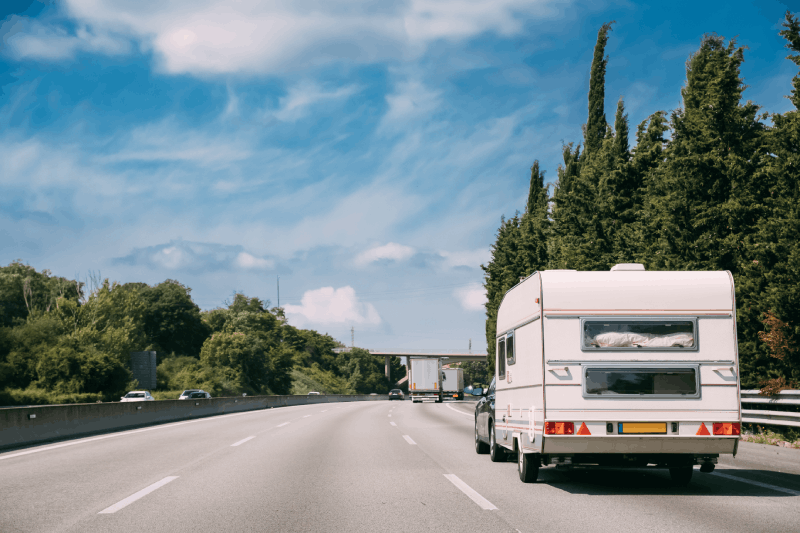
The type of caravan you have plays a decisive role in the list of documents you need to prepare. Motorhomes are subject to similar procedures as passenger vehicles since they are classified as "special purpose transport" in the registration; a single registration and a single insurance are sufficient. However, the situation is a bit more complicated for trailer caravans. Trailer caravans under 750 kg (Class O1) are not subject to registration in Turkey, so they do not have licenses, but it is expected that these caravans also have an identity when traveling abroad. Many European countries may require even a trailer under 750 kg to have a document. Trailer caravans over 750 kg (Class O2) already have their own registration and license plates. At customs, both the towing vehicle's and the caravan's registration and Green Insurance are checked separately. Additionally, the towing hitch of the trailer caravan must be registered in the license and comply with European standards (e-document) during technical inspections.
What Health Records and Tests are Mandatory When Traveling with Our Pets in a Caravan?
The best part of caravanning is not having to part with our loyal friends; however, taking them abroad requires longer preparation than you might think. First, your pet must have an international standard microchip, and this chip number must be recorded in their passport (health record). The most critical document for entering European Union countries is the "Rabies Titer Test." This test is performed by taking blood at least 30 days after the rabies vaccination, and the result may take weeks to come out. Additionally, you must obtain a health certificate from a veterinarian stating that "there is no objection to traveling abroad" within the last 48 hours before the trip and have it approved by the Provincial Directorate of Agriculture. Some countries also require that parasite treatments be done within a specific time frame. If these documents are missing, your pet may face the risk of being quarantined at the border or sent back.
How Should We Prove Caravan Accommodation When Applying for a Schengen Visa?
Schengen visa applications often face one of the biggest challenges: providing a "proof of accommodation." While a reservation receipt is sufficient for a passenger staying in a hotel, this may seem uncertain for someone traveling by caravan. To overcome this issue, you should write a detailed letter outlining your travel itinerary day by day, specifying which cities you will stay in and at which camping sites. If possible, making advance reservations at least 2-3 major camping sites along your route and adding their confirmations to your file will provide a strong answer to the consulate's question, "Where will you stay?" Additionally, including a photocopy of the vehicle registration proving that the vehicle belongs to you, Green Insurance, and photos of the caravan will substantiate that the purpose of the trip is indeed "caravan tourism." Photos showing the interior equipment of the caravan will serve as convincing evidence that the accommodation needs will be met within the vehicle.
In Which Situations and Countries is a Turing Document or Temporary Admission Carnet Required?
Documents issued by Turing (Turkey Turing and Automobile Association) come into play, especially when traveling to some neighboring countries outside the European Union or when using an old-style license. The "Carnet de Passages" known as the Customs Temporary Admission Carnet is an international guarantee document that allows a vehicle to temporarily enter a country exempt from customs duties. This document is particularly mandatory in the Middle East, Africa, and some Asian countries. Although this document is not often needed in European travels due to modern systems, in some Balkan countries or special situations, the support and international driver documents provided by Turing can be lifesaving. Before you travel, reviewing the customs regime of the countries on your route and confirming whether a "triptych" or "carnet" is needed through Turing will protect you from high deposit payments or being turned back at border crossings.
What Standards are Required for the Gas Cylinders in the Caravan's Kitchen and Heating System Abroad?
The gas cylinders used in your caravan's kitchen and heating system may be subject to inspection abroad for both safety and technical compliance. Many countries in Europe expect the gas installations used in caravans to pass a "G607" leak and safety test every two years. Although this is not always checked at the border, it is likely to be requested upon entering camping sites or during a possible traffic inspection. Additionally, the gas fittings in Turkey differ from the gas filling devices in Europe. Therefore, you should have an international adapter set (Euro-set) with you and ensure that your cylinders have not expired. Having a technical report proving that your gas system is safe is of great importance for both your safety and legal compliance.
What Items Must Be Declared When Customs Searches Caravans?
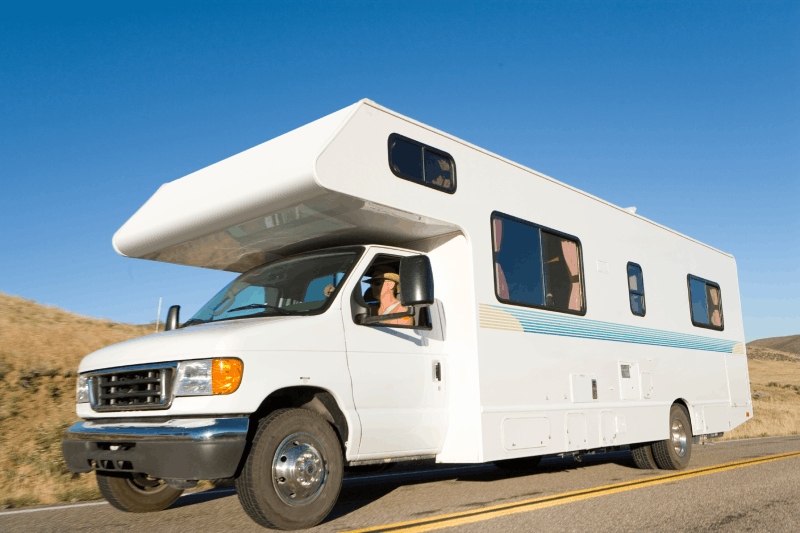
Due to the living spaces inside them, caravans are among the types of vehicles that customs officers examine most closely under the suspicion of "commercial goods or smuggled items." Especially when exiting Turkey or entering Europe, you must declare large amounts of cash (generally 10,000 Euros or more per person), professional camera equipment, drones, or large quantities of tobacco and alcohol. While the amount of water or fuel in the caravan's tanks usually does not pose a problem, the volume of spare fuel containers may be restricted in some countries (generally a maximum of 10-20 liters). Additionally, some countries strictly prohibit the entry of meat and dairy products to protect their agriculture. When asked by customs officers, explaining what is inside the caravan clearly and preparing an inventory list of valuable items in advance can help you avoid lengthy detailed searches.
Where and How to Obtain Highway Vignettes in European Countries?
Driving a caravan in Europe requires compliance with each country's unique highway toll system. In countries like Austria, Switzerland, Slovenia, the Czech Republic, and Bulgaria, you must obtain "Vignette" stickers or digital records to use the highways. Vignettes are usually sold at gas stations at border crossings, customs offices, or increasingly online in many countries. If your caravan weighs over 3.5 tons (like some large motorhomes), you may need to pay based on the distance traveled using devices like "Go-Box" instead of a passenger vehicle vignette. The penalty for entering the highway without a vignette is much higher than the cost of the stickers. Therefore, as soon as you cross each country's border, stop at the first station to obtain the appropriate sticker for your vehicle class or complete your digital registration (e-vignette) online before crossing the border.
What Should Travel Health Insurance Cover for Caravan Trips Abroad?
The travel health insurance you obtain when traveling abroad by caravan is not just a "document" for obtaining a visa; it is a guarantee that will save you from unexpected expenses amounting to thousands of Euros. Caravan trips naturally take longer and involve various outdoor activities, so you must ensure that your insurance covers the entire duration of your trip and that the coverage limits (usually a minimum of 30,000 Euros) are sufficient. Additionally, it is vital to include items like "medical transportation" and "transportation in case of death" in your policy. If you plan to engage in extreme sports or have special health conditions, you should include these in your policy. Having a 24-hour emergency call center available in case of accidents or illnesses will facilitate your access to health services in a country where you do not speak the language. It is advisable to keep one copy of your policy in an easily accessible place in the caravan and another in your file.
What Should Be Considered When Crossing the Borders of Greece or Bulgaria by Caravan?
The borders of Greece and Bulgaria, which are Turkey's gateways to Europe, are among the most frequently used but also the busiest points for caravan travelers. Long queues can form, especially during holiday periods, at the İpsala (Greece) and Kapıkule/Hamzabeyli (Bulgaria) crossings. Although the Greek customs are generally calmer, they meticulously check the Green Insurance and the class of your license. On the Bulgarian side, the vehicles must pass through disinfection pools, and vignette checks are the most important steps. If you plan to continue to Europe via Bulgaria, do not forget to obtain a vignette immediately after customs; otherwise, you may be stopped by the police and face high fines. In both countries, inspections regarding food items (meat and dairy products) inside the caravan can be strict. Planning border crossings during late night hours or early mornings on weekdays can significantly reduce your waiting time.
Why is It Vital to Obtain an Endorsement for Your Comprehensive Insurance for Abroad?
The standard comprehensive insurance you obtain in Turkey is only valid within the country's borders unless otherwise stated. When you travel abroad with your caravan, you must add a "Foreign Endorsement" to your insurance to avoid being liable in case of theft, fire, or damage due to an accident. This process is usually done with an additional premium payment and is arranged to cover the countries you will travel to and the date range. While Green Insurance only covers damages to the other party, the comprehensive endorsement protects your own vehicle. This guarantee is indispensable, especially for high-cost motorhomes or equipped trailer caravans. Some insurance companies also offer towing services abroad (assistance), so you can solve logistical problems such as towing the caravan to an authorized service or transporting it back to Turkey thanks to this endorsement.
What are the Residence and Duration Limits for Long-Term Stays Abroad by Caravan?
If you are planning a "road trip" that will last for months abroad by caravan, you should pay attention not only to your visa duration but also to how long your vehicle can stay in that country. Many European countries allow a foreign-plated vehicle to remain in their territory for a continuous period of 6 months (185 days). If this period is exceeded, the vehicle may be considered imported into that country, and heavy taxes may need to be paid. Additionally, the rules for "wild camping," which refers to free camping by the roadside or in nature, vary from country to country. For example, while it is much freer in Scandinavian countries (under the Everyone's Right law), it is prohibited to camp outside of designated camping areas in Greece and Croatia, and heavy fines apply. For long-term stays, always be prepared for "accommodation records" that local authorities or camping sites may request, and keep track of the entry-exit stamps in your passport.
Is the Technical Inspection and Emission Stickers of the Caravan Checked Abroad?
If your caravan's periodic inspection (TÜVTÜRK) in Turkey expires while you are abroad, it can pose a significant legal issue. A vehicle without a valid inspection can be banned from traffic both when exiting Turkey and in foreign countries, and most importantly, your insurance policies may be deemed invalid. Therefore, check your inspection date before you travel and bring it forward if necessary. Additionally, in many major cities in Europe (such as Berlin, Paris, Amsterdam), you may need to obtain stickers indicating your vehicle's emission class for the "Low Emission Zones" (LEZ). For example, if you enter city centers in Germany without obtaining the green sticker called "Umweltplakette," you may face heavy fines. Keeping technical documents proving that your caravan complies with motor standards like Euro 5 or Euro 6 will facilitate your entry permits into these environmentally sensitive areas.
What Reports Should Be Prepared in Case of an Accident Abroad with a Caravan?
Having an accident with a caravan in a foreign country can be stressful, but managing the process with the right documents is possible. First and foremost, you must have an "International Accident Report" (Agreed Statement of Facts on Motor Vehicle Accident) in your caravan. This form is standardized across Europe and has the same boxes in every language; thus, even if you do not speak the language of the other party, you can mark the shape of the accident to document it. After the accident, be sure to take a photo of the other party's license, registration, and insurance (Green Card) information. If there are injuries or the other party is reluctant to document the accident, you must call the local police (112 across Europe). Immediately call your insurance company's foreign damage line to open a file and take detailed photos of the scene (with the caravan's license plate and surrounding area visible), as this will be your strongest evidence for future compensation processes.
How are the Brake System and Chassis Number Checks of Trailer Caravans Conducted at the Border?
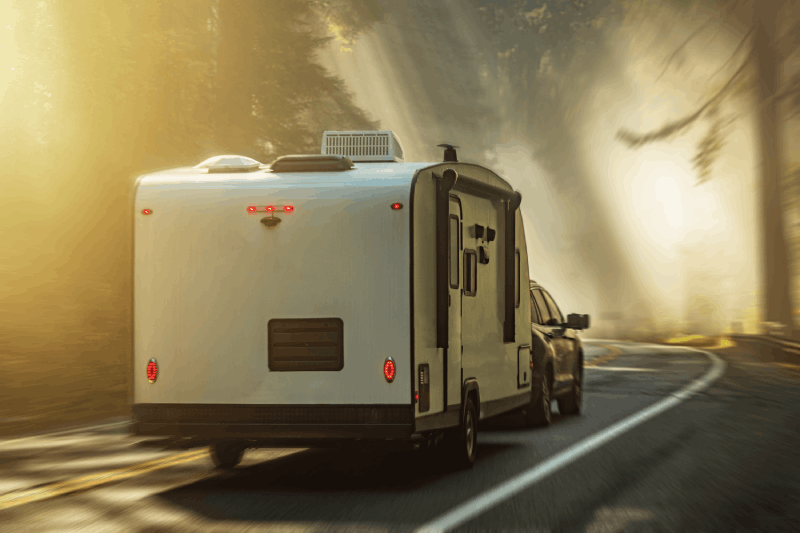
For users of trailer caravans, border crossings may involve a technical inspection. Customs officers can check whether the chassis number on the caravan's registration matches the number engraved on the chassis. If this number is unreadable due to corrosion or paint, it may cause the vehicle to be classified as "stolen or suspicious." Additionally, the "overrun brake" system in trailer caravans must be operational, and the safety cable (breakaway cable) must be properly attached to the towing vehicle for traffic safety. The rear lighting group of your caravan (signals, brake lights, license plate light) must work in complete harmony with the towing vehicle. Checking all these technical details once again before reaching the border will reduce the likelihood of officers pulling you over for a detailed technical inspection.
Why are the Prescriptions for Medications Required When Crossing Borders with a Caravan Important?
Caravan travelers often carry a comprehensive first aid kit and their regularly used medications for long trips. However, some painkillers, sleep medications, or psychiatric drugs may be classified as "controlled substances" at customs in different countries. If you encounter such a situation, you should have an English prescription or health report from your doctor to prove that the medication belongs to you and is used for medical necessity. Medications should be kept in their original boxes, and the quantity should remain within a reasonable personal use limit (usually a 3-month supply). Especially if you are traveling with narcotic medications, declaring this situation at customs in advance will protect you from legal investigations. Keeping a digital copy of your health reports can also facilitate obtaining a new prescription abroad in case your medications are lost.
What Additional Permission Documents May Be Required When Traveling with a Baby or Child by Caravan?
Traveling with children in a caravan is a wonderful experience, but there is a special point to pay attention to in terms of documentation: the "Consent Letter." If one of the parents traveling with the child is not present or if the child is traveling with another relative, the absent parent's notarized permission is mandatory. In the case of divorced couples, the original custody document or a notarized copy must be with you. Customs officers are extremely sensitive to child abduction cases and will not allow a parent without permission to take the child out of the country. Additionally, children must also have their own valid passport and visa. Before traveling, keeping a copy of the children's vaccination cards and noting your pediatrician's contact information for emergencies should be among the top priorities on your safety checklist for a family trip.
What are the Restrictions on Food Products at Border Crossings with a Caravan?
While it may seem tempting to fill your caravan's refrigerator with delicious cheeses, meats, and homemade dishes from Turkey, the European Union (EU) customs rules are quite strict in this regard. The entry of animal products (meat, milk, cheese, salami, etc.) from third countries (including Turkey) into EU territory is prohibited due to the risks of foot-and-mouth disease and other animal diseases. If such products are detected during border inspections, they will be confiscated and destroyed, and you may also face fines. Although there are some restrictions on fruits and vegetables, processed and packaged foods (canned goods, legumes, pasta) generally do not pose a problem. My recommendation is to buy enough basic food for the first few days of your journey and do your major shopping at the first settlement market after crossing the border. This will save you time at customs and minimize legal risks.
Are Digital Tachographs or Driving Time Restrictions Applicable to Large Caravans?
This issue is a technical detail that particularly concerns owners of motorhomes classified as heavy vehicles over 3,500 kg. If your caravan is registered as "private" rather than "commercial" in the registration, you are exempt from the tachograph and driving time restrictions applicable to professional truck drivers in Europe. However, due to the size of your vehicle, you must comply with certain road restrictions, bridge height limits, and city entry bans. Standard caravans under 3.5 tons are subject to the driving rules for passenger vehicles. Nevertheless, for safety reasons, it is essential to take breaks every 2-3 hours and not to stay behind the wheel for more than 8-10 hours a day, as this is vital for heavy vehicles affected by wind. Mistakes made due to fatigue in foreign countries can attract the attention of traffic police and lead to more frequent inspections of your documents.
Are There Seasonal Suitability Requirements for Caravan Tires and Is There a Requirement to Carry Chains?
If your trip abroad coincides with the winter months or mountainous areas (like the Alps), the markings on your tires (M+S or Snowflake symbol) may become a legal requirement. The penalties for using summer tires in winter conditions in Germany, Austria, and Scandinavian countries are very high, and your insurance may not cover damages in case of an accident. Since caravans are heavy vehicles, the tire tread depth is expected to meet European standards (generally a minimum of 1.6 mm, 4 mm for winter). Additionally, carrying a suitable snow chain set, towing strap, and chocks in your luggage is not just a recommendation but a legal requirement in many countries (for example, during winter in Bulgaria and Romania). The presence of this equipment may be questioned during border checks or roadside inspections; being prepared will save you from being stranded and paying fines.
What SIM Card or Modem Documents are Required for Internet and Communication Abroad?
Nowadays, having uninterrupted internet access while traveling by caravan for navigation, finding camping sites, or calling for help in emergencies is not just a luxury but a necessity. Activating your line from Turkey abroad can be costly, so many caravan travelers prefer to buy a local SIM card after crossing the border. Since "Roaming" charges have been abolished within the European Union, a line purchased from an EU country (for example, Greece or Bulgaria) will be valid throughout your European trip. You must have your original passport with you when purchasing this line. If you plan to install a fixed 4G/5G modem in your caravan, you should not encounter any issues regarding the IMEI registration or technical documents, but it is most logical to opt for "Prepaid" packages for high data usage. You should also keep digital copies of your important documents (insurance, reservations, etc.) on your phone.
What Camping Cards are Required for Staying at Caravan Parks?
When traveling by caravan in Europe, there are some international cards that provide discounts for staying at camping sites and expedite the entry processes. The most well-known of these are ACSI, ADAC CampCard, and CCI (Camping Card International). These cards offer discounts of up to 50% at camping sites, especially during the low season. Some campsites allow you to make a secure transaction by accepting these cards instead of holding your passport as a deposit. You can obtain these cards online or from large caravan stores. The guidebooks provided with the cards contain information about the facilities, GPS coordinates, and prices of thousands of camping sites in Europe. Having these documents with you will protect your budget and relieve you from the stress of "where will I stay?" Having the right documents in caravan life is the biggest key to enjoying the journey.