Why is the Vehicle's Interior Volume the Most Critical Factor When Choosing Caravan Heater Capacity?
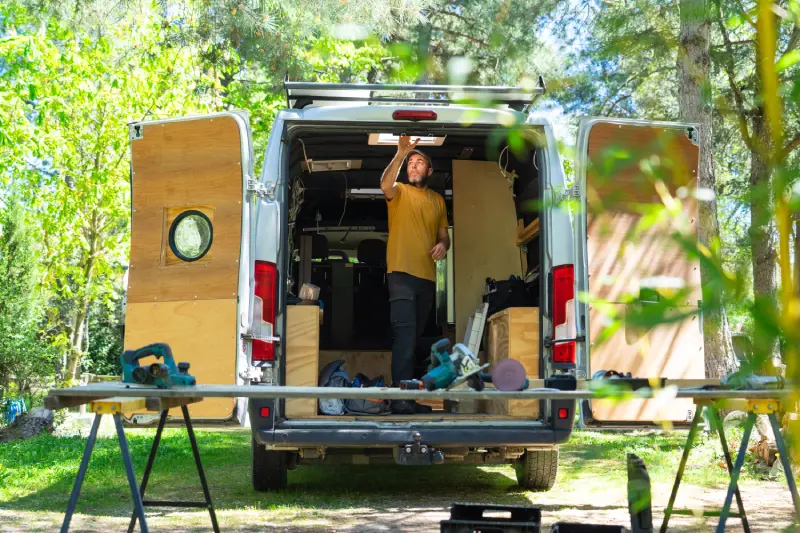
The first and most important parameter to consider when determining the heater capacity in caravans is the total interior volume to be heated. Users typically face two main options, 2 kW and 5 kW, and if they do not calculate the volume correctly, they experience efficiency loss. Using 5 kW in a small PSA group vehicle (for example, a Citroen Berlingo or VW Caddy) can lead to overheating the environment in a very short time and cause the device to constantly cycle on and off, leading to soot buildup. On the other hand, using 2 kW in a 17 cubic meter panel van can result in the device running at full capacity without stopping in freezing cold, yet still failing to reach the desired temperature. Therefore, calculating the volume of your vehicle in cubic meters is the key to choosing the right device.
How Does the Quality of Insulation Material Affect Your Heater Power Preference?
Keeping the heat inside is as critical as heating the interior of a caravan. If you have used high-quality insulation materials such as elastomeric rubber foam, stone wool, or felt in your caravan, your heat loss will be at a minimum level. A well-insulated 13 cubic meter caravan with a 2 kW heater can bring the interior to a comfortable level even while it is snowing outside. However, in vehicles with weak insulation, exposed metal parts, or large glass areas, heat can escape quickly. In such cases, a low-capacity heater that would normally be sufficient cannot compensate for the heat loss. Therefore, before making a "capacity choice," you should evaluate your caravan's thermal performance and, if the insulation is weak, aim for a higher capacity.

What Type of Caravans is a 2 kW Heater Ideal For?
One of the most popular models on the market, 2 kW diesel heaters are generally produced for caravans classified as "small and medium-sized." This capacity offers an excellent balance, especially in campervan-style vehicles like the VW Transporter and Mercedes Vito, or in panel vans up to 11.5 cubic meters. The biggest advantage of 2 kW devices is their low power consumption and quieter operation. Additionally, these devices are designed to run for long periods at low settings, making them successful in preventing moisture buildup in the caravan. If your vehicle is small and you usually camp in mild or moderately cold conditions, a 2 kW capacity will be the most logical choice for you in terms of both economy and performance.
Does Choosing a 5 kW Heater Always Mean More Comfort?
Many users turn to 5 kW heaters with the logic of "more power is better, just in case," but this does not always provide an advantage in caravan life. A device with a 5 kW capacity can heat a small volume to sauna-like temperatures within minutes. When the thermostat kicks in, the device shuts off or switches to the lowest speed; however, even the lowest speed of 5 kW can sometimes be too much for a small vehicle. This constant cycling can lead to soot buildup in the combustion chamber, shortening its lifespan and causing the fuel pump to make a ticking noise throughout the night. Unless you have a large bus caravan or a vehicle over 15 cubic meters, choosing 5 kW can bring technical issues instead of comfort.
Is a Webasto Without a High Altitude Kit Sufficient for High Altitude Camps?
A detail that caravan users often overlook is altitude and oxygen levels. If you plan to camp at altitudes of 1500-2000 meters or higher, it becomes important whether your heater has a "high altitude kit" rather than its capacity. Standard heaters cannot adapt to the low oxygen levels at high altitudes and enrich the combustion mixture; this can result in black smoke emissions, soot buildup, and device failure. Whether you choose a 2 kW or 5 kW device, if high-altitude or mountainous camps are of interest to you, you should prefer models with an automatic altitude adjustment control unit. No matter how high the capacity, if the combustion efficiency is low, the heating performance will also decrease.
How Does the Fuel Consumption of the Heater Affect the Caravan's Energy Budget?
Choosing the capacity in a caravan is not only about heating but also involves logistical planning. A 2 kW heater consumes approximately 0.20 - 0.25 liters of diesel per hour when running at full capacity, while a 5 kW device can exceed 0.50 liters. This difference may not seem significant for a weekend camp, but if you live full-time in the caravan throughout the winter, it will create a serious difference in your monthly fuel expenses. Additionally, the capacity of your fuel tank should also be determined according to this choice. In systems fed from their own tank, as the capacity increases, the frequency of refueling will also increase. If you want to have an economical winter season, choosing the lowest but sufficient capacity you need is the best for your wallet.
Does Your Battery Capacity Play a Determining Role in Heater Selection?
Diesel heaters do not only run on diesel; they require a glow plug to ignite the fuel and a fan to distribute warm air, which means electricity consumption. At startup, devices draw a significant current between 8-12 Amperes. The fans of 5 kW models are larger, so their continuous electricity consumption during operation is slightly higher than that of 2 kW models. If you have a limited solar energy system and a small battery bank in your caravan (for example, below 100Ah), a 5 kW device can quickly drain your batteries on days when sunlight is scarce in winter. At this point, the capacity of the device must be compatible with the electrical balance of the caravan; otherwise, you may wake up in a dark caravan with no electricity instead of a warm one.
Is Noise Level and Sleep Comfort Directly Related to Capacity?
Silence in a caravan is invaluable, especially for a good night's sleep. The noise in heaters comes from two sources: the sound of the fuel pump and the fan noise. Devices with a 5 kW capacity can be noisier even at the lowest setting compared to 2 kW models, as they have a larger air flow rate. In a small vehicle, the airflow created by a 5 kW device can create a "storm" feeling in a confined space and disrupt sleep quality. On the other hand, 2 kW models provide a comfortable warmth at a whisper level thanks to their smaller and optimized fan designs. If you are a light sleeper and your vehicle is not very large, the acoustic comfort offered by a low-capacity device cannot be compensated by any high heating power.
Should the Number and Size of Windows in the Caravan Be Included in Capacity Calculation?
Windows are the biggest "heat bridges" in a caravan. The original windows of a standard panel van or rear door windows lose heat 10 times more than insulated walls. If your caravan has panoramic windows, a roof window (hatch), or many side windows, your heat loss will be very high even if the interior volume of the vehicle is small. In such cases, installing a 5 kW heater in a vehicle that would normally suffice with 2 kW may become a necessity. However, a smart solution here is to use special thermal curtains or vacuum insulation covers for the windows before increasing the capacity. If your window area is large and you are not taking additional precautions, you may need to be generous in your capacity selection.
Are the Capacity Data of Chinese Heaters the Same as European Devices?
There can be a difference in capacity efficiency between affordable devices known as "Chinese Webasto" on the market and brands like Eberspächer or Webasto. A 2 kW device from a European brand can provide more stable and effective heating than some unbranded 5 kW devices due to its combustion chamber design and airflow engineering. The "5 kW" value stated in cheap devices is sometimes a theoretical maximum value and may not reach this efficiency in actual use. Additionally, since the thermostat sensitivity of these devices is low, managing the capacity can be more difficult. When you buy a quality device, remember that you can achieve more stable heating with a lower kW value; do not focus solely on the numbers on paper.
How Does the Installation Location Affect Heating Performance and Capacity Feel?
Sometimes the issue is not the capacity of the heater but where the warm air is blown. If a wrongly positioned vent directs warm air towards the exit door or ceiling, even using 5 kW will not prevent your feet from getting cold. If the heater is at one end of the caravan, the bed at the other end, and the air ducts are very long (or uninsulated), heat will be lost along the way. In this case, users may think the heater is insufficient. However, with an efficient air duct system, a 2 kW device can distribute equal heat to every corner of the caravan. Before deciding on capacity, planning where the device will be placed and how warm air will circulate inside the caravan will prevent disappointments caused by incorrect capacity selection.
What Capacity is More Suitable for Solving Humidity and Condensation Issues?
The biggest enemy of winter camping is humidity. Warm air holds moisture, and when this moisture hits cold surfaces (windows and metal), it turns into water. To dry the humidity inside the caravan, a continuous and stable flow of warmth is required. 2 kW heaters are better at drying the air inside the caravan because they tend to run for longer periods and at lower speeds. 5 kW devices, on the other hand, heat the environment very quickly and do not allow enough time for the moisture in the air to escape or dry out. This can lead to waking up with water droplets on the windows in the mornings. For a healthy indoor climate, a "low-capacity device that retains heat" is always more advantageous than a "fast heater."
How Should Capacity Be Selected If There Will Be a Water Heating (Boiler) Feature in the Caravan?
Some advanced diesel heater models (for example, Truma Combi D or Webasto Dual Top) provide both heating for the environment and hot water (boiler) for the bathroom/kitchen. If you are going to install such a "combi" system, your capacity needs will not be limited to just the interior volume. Since the water heating process requires additional energy, these devices are generally produced as 4 kW or 6 kW. If you have a separate water heater, 2 kW may be sufficient for the environment; however, if you are considering an all-in-one system, keeping the capacity high is necessary to be able to take a shower and keep the interior warm at the same time. This is a niche preference and will directly affect your installation budget and space requirements.
Does the Capacity Requirement Increase if More People Will Stay in the Caravan?
The human body is a natural heat source; an average adult emits about 100 Watts of heat while at rest. When a family of four is in the caravan, this means an additional heating power of approximately 400 Watts. In crowded families, especially if using sleeping bags or quality blankets, the need for a very high-capacity heater decreases. However, if the caravan's door will be opened and closed frequently during the day (as in families with children), it is good to have some backup capacity to quickly heat the cold air that enters. At this point, the choice between 2 kW and 5 kW should be balanced according to the family's lifestyle and the frequency of going outside.
What is the Ideal Solution for Those Traveling from Hot Climates to Cold Climates?
If you are a digital nomad and find yourself in both the Aegean coast and the freezing cold of Erzurum with your caravan, "flexibility" is the most important criterion for you. Some users prefer to install two 2 kW heaters instead of one 5 kW (twin system). In this system, only one operates in mild weather, providing maximum comfort and silence; in extreme cold, both kick in to provide massive heating power. Additionally, this is a great backup that ensures you won't be stranded if one of the devices fails. Instead of being stuck with a single large capacity, considering modular options is one of the most professional approaches for long-distance travelers.
What Checklist Should Be Followed When Making the Final Decision on Caravan Heater Selection?
Following these steps will lead you to the most accurate result when choosing capacity:
Volume Calculation: How many cubic meters is your vehicle? (If below 12, 2 kW is a candidate; if above 15, 5 kW is a candidate).
Insulation Analysis: Are there many windows, how thick are the insulated walls?
Purpose of Use: Is it just for weekends, or full-time winter living?
Electric Power: Does your battery capacity support high current?
Budget: How much do you care about fuel and maintenance costs?
Once you clarify the answers to these questions, you can confidently choose the heater that will be the heart of your caravan. Remember, the most powerful heater is not necessarily the best; the one that best meets your needs is the best.