What is the Critical Relationship Between the Weight of Dried Foods and Nutritional Balance?
Dried foods are the greatest allies of campers and backpackers. The removal of water from food significantly reduces its weight and extends shelf life by preventing the growth of microorganisms. From a nutritional balance perspective, dried fruits are a source of fiber and vitamins, while dried vegetables retain their minerals. These foods, which are our first stop on this 3200-word journey, take up little space in a backpack and regain their filling nature when combined with water in the stomach. Establishing a balance of protein, carbohydrates, and fats through these lightweight foods minimizes muscle fatigue on long hikes and provides a sustainable energy level.
How to Experience an Energy Burst at Breakfast with Vacuum-Packed Pastrami?
Pastrami has been one of the most important delicacies of nomadic cultures throughout history. Thanks to its salted and dried structure, it can last for a long time at room temperature. When you wake up in the morning, a slice of pastrami lightly warmed over the campfire is ideal for starting the day, not only because of its appetizing aroma but also due to its high protein content. You can break the pastrami into small pieces and mix it with powdered eggs or wrap it in tortilla bread for a quick wrap. This type of breakfast provides the sodium and protein you will need on challenging trails, helping to keep your blood sugar balanced throughout the day and speeding up muscle recovery.

Is the Combination of Couscous and Lentils the Fastest Cooked Camp Dinner?
Saving fuel in camp cooking and quickly reaching a meal is of vital importance. Although couscous is technically a type of pasta, it is a favorite among campers due to its ability to cook simply by soaking in boiling water. When you add pre-soaked and dried or canned red lentils, the dish turns into a protein bomb. Since lentils cook quickly, they pair wonderfully with couscous. By adding a bit of dried onion and tomato powder, you can have a nutritious and warm meal ready in just five minutes. Instead of waiting for hours by the camp stove after a long day, you can spend more time resting with this practical combination.
Is it Possible to Transform Monotonous Camp Menus into a Gourmet Experience by Preparing a Spice Bag?
The biggest disadvantage of non-perishable foods is sometimes their bland flavors. This is where spices come into play. Small, sealed bags of spices like cumin, oregano, chili flakes, and curry that you carry with you can elevate an ordinary pasta or canned beans to a whole new level. Spices do not spoil and add very little weight. For example, you can turn rice into an exotic dish with just a pinch of curry. By preparing your own special blends at home, you can avoid the hassle of deciding what to add to which dish during your camping trip. The perception of flavor is directly linked to morale and motivation; therefore, a delicious meal can become the most enjoyable moment of the camp.
How Can Canned Fish Be Used as Extra Fuel or Calories in Camp Conditions?
Tuna or sardine cans are a source of omega-3 and high-quality protein. However, many campers make the mistake of throwing away the oil inside the can. Yet, that oil is a valuable energy source that the body needs in cold weather conditions. You can increase the calorie content of your prepared couscous or pasta by adding the canned oil, enhancing its flavor. Additionally, in emergencies, you can use a piece of cotton or cloth soaked in this oil as a slow-burning candle or fire starter. Not wasting anything in nature is fundamental to survival and efficiency strategies. Canned fish is an essential item in a camping backpack, providing both physical and technical advantages.
How Do Dried Mushrooms and Creamy Soup Combinations Create a Feast in the Forest?
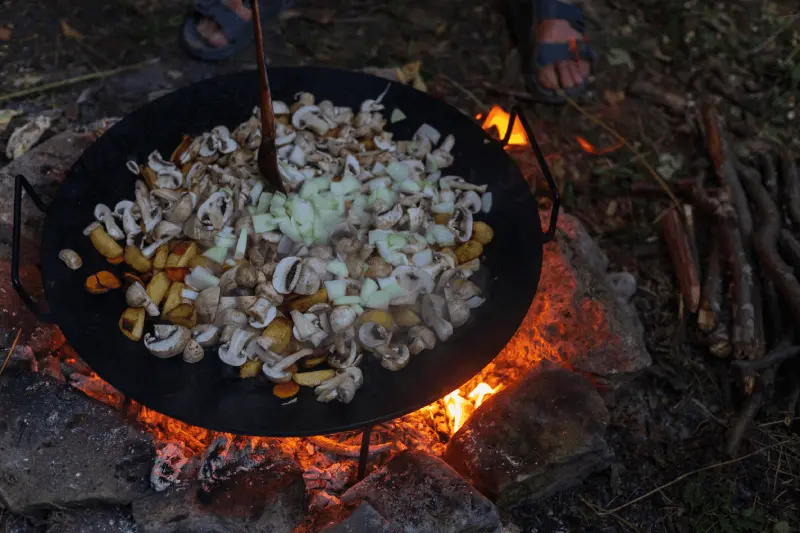
Foraging for mushrooms in the forest can be dangerous, but the dried culture mushrooms you bring from home are completely safe. When dried mushrooms come into contact with water, they quickly return to their original form and release a rich aroma. When you enrich ready-made powdered creamy mushroom soups with these real mushroom pieces, you get a restaurant-quality meal. Adding a bit of dried garlic deepens the flavor even further. This dish not only satisfies the stomach but also creates a warming effect with its hot consistency. Especially on rainy or cool camp evenings, this rich soup served in a warm bowl is a comfort food that nourishes the spirit of campers.
How Do Walnut and Almond Butters Balance Blood Sugar When Combined with Carbohydrates?
Being constantly active in nature can cause fluctuations in blood sugar. While consuming pure carbohydrates provides instant energy, it can lead to feelings of hunger shortly after. Nut butters (pistachio, almond, or walnut butter) slow down the digestion of carbohydrates thanks to their healthy fats and proteins. Almond butter paired with a slice of whole wheat tortilla or a handful of dried fruit helps spread energy over time. This is critical to prevent the "wall hitting" feeling while climbing steep hills or covering long distances. Additionally, these butters are extremely durable against spoilage and can be easily transported in jars or tube packaging.
Do Liquid Breakfasts Prepared with Milk Powder and Oat Flour Provide an Advantage in Challenging Climbs?
In situations where you need to hit the road early in the morning before the sun rises, sitting down to cook can be a waste of time. At this point, milk powder, oat flour, and a bit of tarçın can be prepared. Nutritional powders can save lives. This mixture, which you simply shake by adding water, offers a quick-to-consume liquid breakfast. Oat flour is a complex carbohydrate that is easy to digest but provides long-lasting satiety. Milk powder provides calcium and protein support. This practical solution supplies the body with the fuel it needs without causing heaviness in the stomach. Especially in high-altitude camps, liquid nutrition can help prevent dehydration in situations where appetite decreases.
How Does the Fibrous Structure of Chia and Flax Seeds Protect the Digestive System in Long-Term Camps?
Changes in dietary habits during camping can often lead to digestive issues. A diet low in fiber, especially one heavy in canned foods, can lead to uncomfortable situations like constipation. Chia and flax seeds, despite their very small volume, contain a massive amount of fiber. A spoonful of chia seeds added to water or milk powder mixture in the evening turns into a gel-like structure by morning, making digestion easier. They are also rich in omega-3 fatty acids and can help reduce muscle inflammation after exercise due to their anti-inflammatory properties. These seeds are indispensable supplements for long trips due to their lightweight and non-perishable nature.
Why Is It Essential to Transport Olive Oil in Non-Leaking Containers and Its Caloric Density?
Fats are the most efficient energy source in nature, providing 9 calories per gram. Carbohydrates and proteins provide only 4 calories per gram. This means that a small bottle of olive oil you carry with you offers a massive energy reserve without adding weight to your backpack. Olive oil also enhances the flavor of dishes and aids in the absorption of fat-soluble vitamins (A, D, E, K). Olive oil transported in a non-leaking, quality container is a golden touch that can be added to every meal. Especially in cold weather camps, high caloric intake is essential to maintain body heat, and olive oil is the healthiest and most durable food to meet this need.
Can Practical Wraps Prepared with Pickled Leaves and Canned Rice Be Cooked Over a Campfire?
For those who cannot give up traditional flavors, pickled leaves are a great option. Since they are stored in salty water, they do not spoil. You can easily make simple wraps with these leaves using canned rice or quick-cooking rice that you will carry with you. Although they may not be as carefully prepared as at home, these wraps, lightly cooked in a pot over a campfire, provide a true feast feeling in the middle of nature. The sourness of the leaves and the filling nature of the rice are perfect for refreshing the palate during long-term camps. Such creative experiments prove that camping life is not just a struggle for survival but also a delightful lifestyle.
Why Should Whole Grains with Low Glycemic Index Be Preferred in Long-Distance Hiking?
High glycemic index foods like white rice or white bread provide energy quickly but also drop just as fast. This can lead to sudden fatigue and hunger crises during hiking. Whole grains like bulgur, buckwheat, or whole wheat pasta release energy slowly and steadily into the bloodstream. These grains, which are on the list of non-perishable foods, are invaluable for endurance athletes. Bulgur, especially as a miracle of Anatolian cuisine, is ideal for campers as it cooks quickly with very little water. Its fibrous structure prolongs the feeling of fullness and supports bowel movement, making days spent in nature much more comfortable.
What Is the Freezing Point of Coconut Oil and Its Caloric Density in Camp Meals?
Coconut oil solidifies below approximately 24 degrees, making it easy to transport; the risk of it leaking is lower than that of olive oil. Thanks to its high saturated fat content, it is very resistant to oxidation, meaning it does not spoil even in hot weather. For campers, this oil is used to add an exotic flavor to meals and to enhance mental focus when added to coffee (bulletproof coffee). Its medium-chain triglycerides (MCT) allow for quick conversion to energy by the liver. A cup of coconut oil coffee consumed in the morning provides the initial push you need before a long hike and helps support the body's fat-burning process by encouraging it to use its own reserves.
How Do Freeze-Dried Fruits and Chocolate Snacks Boost Moral Motivation?
When night falls and the air gets cold, the body continues to burn calories to generate heat. A small sweet treat consumed during these hours provides not only physical but also psychological support. Freeze-dried strawberries, bananas, or raspberries retain 98% of their nutritional value and are delightful with their melt-in-the-mouth textures. When combined with a piece of dark chocolate, they trigger the release of endorphins, making you forget the fatigue of the day. Chocolate can remain unspoiled for months in its sealed packaging. This duo is one of the most delicious and lightest treats shared around the campfire stories. Remember, a camper with high morale is much more resilient to physical challenges.
How Can Dried Tomatoes and Cheese-Stuffed Tortillas Be Stored Without Spoiling in the Heat?
When you take a break for a meal, the sun is usually at its peak, and the risk of food spoilage increases. Dried tomatoes, when carried dry rather than in oil, pose no spoilage risk. Hard cheeses (like aged cheddar, parmesan, or gruyere) are quite durable against heat due to their low moisture content. By placing these cheeses and dried tomatoes inside a tortilla, and sprinkling some oregano, you can prepare a wonderful meal that requires no cooking. Tortilla breads can stay fresh for weeks as long as they remain unopened in their vacuum-sealed packages and do not crumble like regular bread. This practical wrap keeps you... A heavy meal is light enough to prevent the lethargy that follows.
What is the Nutritional Difference Between Omelets Made with Powdered Eggs and Real Eggs?
Although many people approach powdered eggs with prejudice, modern production techniques manage to preserve most of the nutritional values. Carrying fresh eggs is a complete nightmare in camping conditions; the risk of breakage and the likelihood of spoilage in heat are very high. Powdered eggs, on the other hand, can be ready to be thrown into the pan in seconds just by mixing with water. The protein and fat ratios are very close to fresh eggs. An omelet enriched with dried pieces of pastirma or dried vegetables that you add will help the body regain the amino acids lost overnight. This is a vital protein source for long-term campers who want to maintain muscle mass.
Is the Mixture of Quinoa and Mung Beans the Best Protein Source for Vegan Campers?
For vegan campers, getting "complete protein," meaning combining all essential amino acids in a single meal, is challenging. Quinoa is one of the rare complete protein sources in the plant world. Mung beans complement quinoa perfectly with their quick cooking time and high fiber content. You can mix these two at home and cook them together on a camping stove. When flavored with dried vegetable broth, it creates a filling and ethical meal. Quinoa and mung beans are extremely durable against spoilage and can retain their freshness for years under proper storage conditions. This mixture is scientifically one of the most efficient options for adventurers who do not consume animal products to keep their energy at peak levels.
How to Make Homemade Energy Balls with Dates and Nuts Most Efficiently?
Energy bars sold in stores often contain high amounts of processed sugars and preservatives. The energy balls you prepare at home are both healthier and can be customized to your taste. By processing pitted dates in a food processor and adding walnuts, hazelnuts, oats, and a bit of cocoa, these balls become your fastest energy source during camping. Dates are a natural preservative and can last for weeks without spoiling due to their sugary structure. You can carry these balls in small portions wrapped in cling film in your pocket and consume them without stopping your hike. Adding a pinch of sea salt will also help you regain the sodium lost through sweating.
What is the Secret of Mustard and Hot Sauce Packets Taking Up Less Space in the Camping Kitchen?
The small single-use sauce packets we are familiar with from fast-food restaurants are the unsung heroes of the camping kitchen. Instead of carrying large bottles, collecting these small packets saves space in your bag and minimizes weight. Condiments like mustard, vinegar, and hot sauce are resistant to spoilage due to their high acidity or salt content. You can elevate your morale by flavoring even the simplest canned meat or boiled pasta with these sauces. Hot sauce also speeds up metabolism and helps warm you up by stimulating blood circulation in cold weather. The variety provided by these small packets is the most effective remedy for "meal fatigue" syndrome during long-term camps.
How to Have a Practical Mexican Night in the Woods with a Mixture of Canned Beans and Corn?
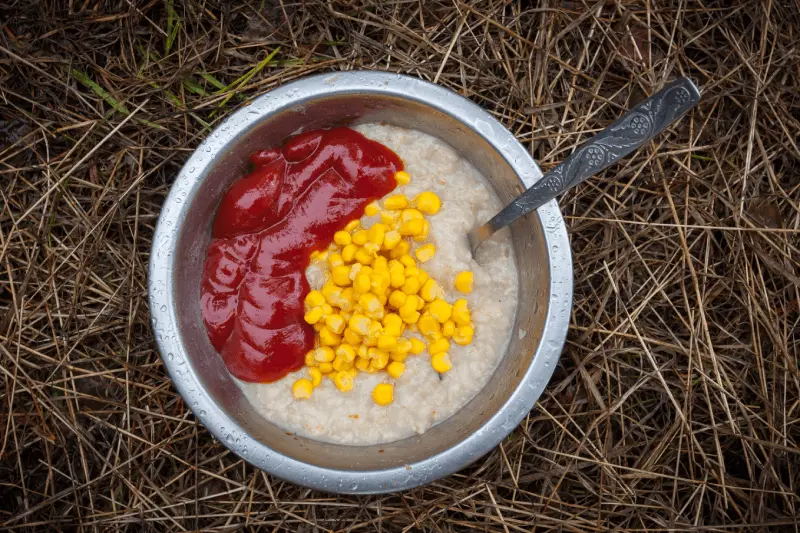
Mexican cuisine is one of the easiest cuisines to adapt to camping conditions. A can of black bean and a can of corn, along with some hot peppers and cumin, create a great base. If you have tortilla bread on hand, you can wrap this mixture inside and make a "burrito." Canned foods can last for years as long as they are not opened since they are sterilized. This meal is rich in both plant protein and complex carbohydrates. You can enhance the flavor by grating some hard cheese on top. Eating this spiced dish under the stars in the middle of nature will turn your camping experience into more of a festival than an adventure.
Why are Traditional Foods like Pemmican Becoming Popular Again in Modern Camping?
Pemmican is a mixture invented by Native Americans and is considered the first "superfood" in history. It consists of dried meat powder, rendered animal fat, and sometimes dried fruits. Despite containing no preservatives, it can last for decades if kept away from moisture. Modern campers are making this concentrated energy source at home and carrying it with them. Just a matchbox-sized portion of pemmican can meet a significant part of an adult's daily calorie needs. It is nearly impossible to find another natural food that is so rich in both protein and fat. This food, where traditional wisdom meets modern needs, is the gold standard for ultralight backpackers.
How Does the Tahini and Molasses Duo Boost Body Resistance in Cold Night Camps?
The indispensable tahini and molasses of Anatolia's winter months are also a great energy source for camping bags. Tahini contains high-quality fats and calcium derived from sesame; molasses is a natural sugar and iron source that quickly enters the bloodstream. You can mix these two in a small jar and carry them with you. Especially in night camps where the temperature drops below zero, a spoonful of tahini-molasses eaten before bed helps maintain body heat and promotes deep sleep. While the glucose in molasses nourishes the brain, the fat in tahini ensures that metabolism works slowly throughout the night. This way, when you wake up in the morning, you will feel much more refreshed and warm.
Do Dried Fruits like Dried Plums and Apricots Meet Instant Energy Needs with Their Natural Sugar Content?
Naturally dried fruits are a great alternative to snacks containing refined sugars. is a much superior alternative. Dried apricots and plums help prevent muscle cramps thanks to their potassium content. These fruits also provide a feeling of satiety because they require chewing. The natural fructose they contain does not spike blood sugar levels as aggressively as artificial sweeteners, which helps prevent insulin fluctuations. Keeping a small amount of dried fruit in the side pocket of your backpack quickly brings you back to yourself when you feel sudden fatigue. Additionally, these fruits help you tolerate imbalances in your camping diet by stimulating the digestive system. Their durability makes them an indispensable part of every camper's supplies in every season.
Why is One-Pot Spiced Bulgur Pilaf a Favorite Among Campers?
One-pot meals are the best way to reduce dishwashing burdens and use heat efficiently while camping. Bulgur is more nutritious and much more durable than rice. When you put bulgur, dried tomatoes, onion, garlic powder, and your favorite spices in the same pot, it traps all the flavors as it cooks until it absorbs the water. This method also minimizes nutrient loss because no cooking water is discarded. Bulgur pilaf can be consumed hot or cold, allowing you to make a meal from leftovers the next day. Its economical, hearty, and filling nature keeps bulgur at the top of camping lists.
Which Dried Proteins Should Be Used to Enrich Instant Soup Packs?
Ready-made soups sold in stores are often low in calories and may be insufficient as a standalone camping meal. However, using these soups as a base is a great idea. Adding dried minced meat, soy protein, or freeze-dried chicken pieces transforms a simple noodle soup into a filling main dish. Additionally, adding a spoonful of milk powder to the cooking water gives the soup a creamy texture and extra protein. This way, you benefit from easy-to-carry packages while ensuring you get the macro nutrients your body needs. This strategy helps you maintain that delicate balance between lightness and nutrition.

How Does Storing Nuts in Airtight Packages Prevent Oxidation?
Nuts contain a high amount of fat, and these fats can become rancid when exposed to air. This process accelerates, especially in hot and humid camping environments. Storing your nuts (walnuts, hazelnuts, pistachios) in vacuum-sealed bags at home or sealing the air out of zip-lock bags with a straw helps keep them fresh for weeks. A fresh and tasty nut not only provides energy but also helps you combat stress by supplying high amounts of magnesium and vitamin E. Since oxidized fats can lead to inflammation in the body, paying attention to storage conditions is critical for your health. A small precaution guarantees that your taste buds remain intact throughout the camping trip.
How Can the Nutritional Value of Instant Noodles Be Increased?
Instant noodles are the "emergency" food that campers reach for the quickest; however, their nutritional values are quite low. To improve this, you can add canned corn, dried mushrooms, and some dried meat. Additionally, adding real bone broth powder instead of a bouillon cube to the cooking water increases the meal's mineral value. Sprinkling sesame or nigella seeds on top adds visual richness and provides healthy fat support. Noodles are not only used to fill the stomach but also to quickly warm up and intake sodium. With the right supplements, this "empty calorie" source can be transformed into a balanced meal.
What is the Effect of Salty Snacks on Electrolyte Balance During Long Trails?
With sweating, not only water but also minerals like sodium, potassium, and magnesium are lost from the body. Drinking only water can sometimes lead to excessive dilution of these minerals in the blood (hyponatremia). Therefore, it is vital to have salty crackers, roasted peanuts, or salted dried meats in your camping backpack. These salty foods help the body retain water and prevent muscle cramps. Especially during long runs in hot weather, consuming a few salty pistachios every hour directly affects your performance. However, it is also important to maintain a balanced intake of water along with salt consumption to avoid straining the kidneys. Salt is not just a flavor enhancer in nature; it is also a vital source of electrolytes.
How Do Dried Garlic and Onion Powder Shorten Cooking Time?
Carrying fresh onions and garlic can create odors and require tedious processes like peeling and chopping. However, their powdered or granulated forms add aroma to the dish instantly. They have no cooking time because they have been heat-treated or dried; they release their flavors the moment they are added to boiling food. This helps you save fuel for your camping stove. Additionally, garlic is a natural antibiotic and strengthens immunity; it helps you build resistance against diseases in changing environmental conditions. These powders, which you can carry in a small spice jar, give your camping kitchen a professional and practical atmosphere.
What is the Role of Honey and Pollen on the Immune System in Camping Conditions?
Honey is one of the rare foods that never spoil; it is known that even the honey found in the tombs of pharaohs thousands of years ago is still consumable. For campers, honey is both a natural sweetener and a quick source of energy. When mixed with pollen, it turns into a complete bomb of vitamins and proteins. Adding a spoonful of honey or mixing it with tea increases the body's adaptability. Additionally, honey has antiseptic properties; it can even be used as an emergency aid for small cuts or burns. Choosing natural and unprocessed honey ensures that these benefits are maximized. Honey carried in lightweight plastic containers is the most valuable "golden" liquid in a camping backpack.
How Can the Juice from Canned Meats Be Used to Enhance the Flavor of Dishes?
Canned chicken or the gelatinous liquid inside canned beef is actually a very valuable source of protein and collagen. Instead of pouring this liquid out, adding it to the water of the pasta or rice you are cooking enhances the dish's consistency and flavor depth. Collagen is particularly beneficial for repairing joints that are under pressure during long hikes. Additionally, since this liquid contains extra salt, it reduces the need to add salt from outside to the dish. Considering that natural resources are limited, using every drop of nutrition ensures efficiency and reduces the amount of waste you leave in nature. Canned liquid is the secret flavor ingredient of a camping kitchen.
What Are the Pre-Cooked Grains That Shorten Cooking Time at High Altitudes?
As altitude increases, air pressure decreases, and the boiling point of water drops; this means that food takes much longer to cook. To overcome this situation, "pre-cooked" and dehydrated grains should be preferred. Quick-cooking rice, lentils that have been pre-soaked, or vacuum-packed steamed corn can be lifesavers in high-altitude camps. These foods are already largely cooked, so just soaking them in water or warming them is sufficient. This way, you won't go hungry, and you reduce the risk of running out of supplies. Foods prepared with the right technology are your strongest defense against the physical laws of nature.
What Is the Effect of Tea and Coffee Choices on Camping Motivation and Dehydration?
A cup of hot coffee or brewed tea symbolizes the most peaceful moment of camping. However, attention should be paid to the amount of caffeine. Excessive caffeine consumption can have a diuretic effect, leading to water loss from the body, which increases the risk of dehydration. On the other hand, herbal teas (chamomile, linden, rosehip) provide both hydration support and improve sleep quality with their calming effects. Quality granulated coffee or practical brewing packets are indispensable for morning motivation. You can enhance this pleasure with a piece of dark chocolate to enjoy alongside. The choice of beverage is an important detail that determines not only the physical but also the sensory and spiritual quality of the camping experience.
What Are the Packaging Strategies to Minimize Food Waste in Camping Kitchens?
The "Leave No Trace" principle is a sacred rule that every camper should adhere to. Portioning food before returning home and getting rid of unnecessary packaging (cardboard boxes, large packages) reduces the amount of trash you leave in nature. Ziplock bags, being transparent, allow you to see the contents and take up very little space when empty. You can also use these bags to collect other trash that accumulates during the camp. Remember that food waste (like leftovers) should never be left in nature; this can attract wild animals to your campsite and disrupt the ecosystem. Thoughtful packaging lightens both the weight on your back and your footprint in nature.
What Criteria Should Be Considered When Preparing Emergency Food Supplies?
In every camping plan, things can sometimes go wrong; the weather can change, or you might get lost. Therefore, at the very bottom of your backpack, there should be a stock of high-calorie, no-cook emergency food. This stock should consist of foods like energy bars, dried meats, and nuts. It should contain at least 24 hours' worth of extra calories. Ensure that these foods have a shelf life of at least one year and are stored in a waterproof package, separate from the other compartments of your backpack. This small precaution is not just a matter of comfort; it is also your guarantee of survival in serious situations.
Eating in nature is not just about survival; it is also about enjoying this unique experience. The creative and nutritious meals you prepare with non-perishable foods will keep you strong physically and make your conversations around the campfire even more delightful. Don't forget to keep this guide with you on your next adventure!