How Should Body Cleaning Be Planned in Situations Where Water Resources Are Limited?
Water is your most valuable resource while camping. If there is no water source nearby or if the water you have brought is limited, you need to plan your body cleaning in a "region-focused" manner. Instead of washing your entire body, critical areas such as armpits, groin, feet, and face, where bacteria multiply rapidly and cause odor, should be prioritized. A "cat bath" with a cup of water and a small piece of cloth balances body warmth while also providing freshness. In this method, it is sufficient to only moisten the cloth to avoid wasting water. Additionally, body cleaning foams that do not require rinsing are lifesavers in such scenarios. This planning not only ensures you stay clean but also allows you to save your water for more vital needs like drinking and cooking.
What Is the Role of Microfiber Towels in Raising Hygiene Standards?
Traditional cotton towels pose a significant risk in a camping environment; they dry slowly and remain susceptible to bacteria and mold as long as they stay damp. Microfiber towels, on the other hand, can absorb several times their weight in water and can dry within minutes under the sun or in the wind. This quick-drying feature prevents the growth of microorganisms inside the towel. For a hygienic camping experience, it is advisable to choose microfiber towels that contain anti-bacterial silver ions, which will also prevent the towel from smelling. Furthermore, the ultra-lightweight and compact nature of these towels allows you to leave more space for other items that need to stay clean in your backpack. Airing the towel outdoors after each use guarantees you have a clean surface throughout your camping trip.
What Should Be Considered to Protect the Ecosystem When Using Biodegradable Soaps in Nature?
Soaps marketed as "biodegradable" or naturally biodegradable are often the first choice for campers; however, improper use of these products can cause serious harm to the ecosystem. These soaps should not be used directly in water sources such as rivers or lakes. The soap ingredients must be filtered and broken down by the soil. Therefore, you should perform washing or dishwashing at least 60-70 meters away from the water source. Soapy water poured onto the ground can be safely broken down by soil microorganisms, while soap that directly enters the water can disrupt the pH balance, harming fish and aquatic plants. Additionally, just because these products are "natural" does not mean they can be used without limits; you should always minimize your environmental footprint by using the least amount of soap possible.
What Are the Effects of Using a Sleeping Bag Liner on Skin Health?
Sleeping bags are quite difficult and cumbersome to wash. Skin cells, sweat, and oils shed from your body accumulate inside the bag during camping. This accumulation can reduce the insulation capacity of the bag and lead to skin issues such as acne or irritation. A sleeping bag liner acts as a protective barrier between your body and the bag. Made from silk, cotton, or synthetic materials, these liners can be easily washed in a washing machine after each camping trip. Having your skin come into contact with a clean surface every night helps prevent pore blockage and the formation of "camp acne," especially during long-term camping. Additionally, using a liner extends the life of the bag, saving you from professional cleaning costs.
What Methods Should Be Followed to Protect Scalp Health During Long-Term Camping?
Hair is the area that gets dirty and oily the fastest in nature. Continuously wearing a helmet, hat, or beanie can prevent the scalp from breathing, increasing oiliness and irritation. To conserve water, dry shampoos or natural powders based on cornstarch are excellent for absorbing excess oil in the hair. However, to prevent these products from accumulating on the scalp, the hair should be brushed at regular intervals. If you have access to water, a quick wash focusing solely on the scalp will be sufficient. Instead of wasting extra water to wash the ends of your hair, you can protect your hair by braiding it or putting it in a tight bun. Brushing your hair daily with a soft brush to improve blood circulation in the scalp and remove accumulated dust is the most practical way to maintain hygiene.
How Should Boot Care Be Done to Prevent Foot Fungus and Blisters?
Feet are the most active and sweat-prone limbs during camping. The moisture that accumulates inside closed boots creates an excellent breeding ground for fungal infections and blisters. To maintain hygiene, boots should be removed and feet aired during every break. Ideally, clean and highly moisture-absorbing socks (like merino wool) should be worn every day. Sprinkling baking soda inside the boots overnight or placing newspaper can absorb moisture and odors. Keeping the spaces between the toes dry is critically important; applying a small amount of powder to this area prevents chafing and moisture buildup. Additionally, when reaching the campsite, removing the boots and switching to sandals or camp shoes allows the feet to "breathe" and recover.
How Is Hygiene Maintained After Using the Toilet in the Wild and How Is the 'Cat Hole' Method Applied?
Relieving oneself is the most challenging aspect of hygiene in nature. According to the "Leave No Trace" principles, toilet needs should be met at least 70 meters away from water sources and campsites, in a "cat hole" dug 15-20 cm deep.
should be disposed of properly. From a hygienic perspective, used toilet papers should never be left in nature or buried; they should be collected in sealed bags and taken back. Alternatively, "natural cleansing" methods (such as smooth stones or specific leaves) can be used, but in this case, hand hygiene becomes even more important. After the process is completed, hands must be washed with soap or cleaned with high-alcohol disinfectants. The diligence in this process is the only way to prevent stomach and intestinal infections that may occur within the camping group.What Are the Menstrual Cup and Other Hygiene Solutions for Female Campers?
The menstrual period requires additional logistics and hygiene management while camping. Traditional pads and tampons produce a lot of waste and may attract wild animals due to odor. Menstrual cups (menstrual containers) are the most sustainable solution for maintaining hygiene in nature. These cups provide protection for up to 12 hours and can be rinsed with clean drinking water after being emptied and reused. If pads are used, the used products should be stored in airtight odor-proof bags like "Ziploc" and carried until the end of the camp. Additionally, pH-balanced wet wipes produced for special areas can be used to reduce the risk of infection (such as cystitis) when water is not available. Maintaining the highest level of hand hygiene during this process is vital to prevent bacterial complications.
How Can Bacterial Growth Be Prevented When Cleaning Kitchen Equipment?
Kitchen hygiene is one of the biggest risk areas in the camping environment. Insufficiently cleaned pots and utensils can lead to food poisoning. It is healthiest to establish a three-step system when washing dishes: removing coarse dirt, washing with soapy water, and finally rinsing with hot water. Hot water is effective not only in breaking down fats but also in killing most bacteria. For drying, air drying should be preferred over using dirty cloths. Since sponges can be a breeding ground for bacteria, they should be thoroughly squeezed after each use and hung in a sunny area. Additionally, it is essential to never mix surfaces used for cutting raw meat with those used for cutting vegetables, as this minimizes the risk of cross-contamination.
Is It Possible to Naturally Neutralize Sweat Odor in Clothes?
Wearing the same clothes throughout the camp can lead to a significant buildup of odor, especially in synthetic fabrics. The cause of the odor is not the sweat itself but the bacteria that feed on the sweat. If you do not have the opportunity to wash clothes, turning them inside out at the end of the day and hanging them in a breezy area will help them air out. The sun's UV rays act as a natural disinfectant; leaving clothes outside in sunny weather will kill some of the bacteria. Additionally, a small spray bottle filled with vinegar-water or vodka-water mixture can neutralize odor molecules when sprayed on areas where odor is intense (like armpits). Choosing naturally odor-resistant fabrics like merino wool is the most professional way to tackle this issue from the start.
What Are the Critical Differences Between Alcohol-Based Gels and Soap in Hand Hygiene?
Most campers think that hand sanitizers can completely replace soap and water, but this is a significant misconception. Hand sanitizers kill germs but do not remove dirt, grease, or chemical residues (like insect repellent) from hands. If your hands are visibly dirty, the sanitizer cannot reach the bacteria beneath the layer of dirt. Therefore, it is advisable to wash hands with soap and water before preparing food or after using the toilet whenever possible. Sanitizers should be used in emergencies when water is not available or for extra safety after washing with water. Gels containing at least 60% alcohol should be preferred and should be rubbed until hands are completely dry. Remembering to clean under the nails while washing hands ensures that you maintain hygiene throughout the camp.
Why Is It Important to Clean the Skin After Sweating All Night?
During sleep, the body sweats to eliminate toxins and rejuvenate itself. Inside a closed sleeping bag, this sweat combines with skin flakes to form a sticky layer on the skin. Not cleaning this layer when you wake up can lead to more dust sticking to the skin throughout the day and clogging the pores. Washing the face and neck area with cold water in the morning not only cleanses the skin but also prepares you for the day by speeding up blood circulation. The constricting effect of cold water on the pores makes it harder for environmental pollutants you will be exposed to throughout the day to penetrate the deeper layers of the skin. If your water is very cold, a quick wipe with a damp cloth can also help restore the skin's pH balance.
What Is the Best Way to Remove Sunscreen and Insect Repellent Residues from the Skin?
Sunscreens and insect repellents (especially those containing DEET) create a chemical layer that clogs the pores while protecting the skin. Not cleaning these products off the skin at the end of the day can lead to skin irritations, rashes, and allergic reactions. These products are often water-resistant, so they do not come off with just water. Using an oil-based cleanser or cotton/cloth soaked in baby oil is very effective in breaking down chemical bonds. If these are not available, gently rubbing the skin with soapy warm water is necessary. After cleaning, applying a light moisturizer to the skin helps repair the skin barrier that the chemicals have dried out. Removing these residues from the skin allows it to breathe and rest overnight.
What Is the Relationship Between the Methods Used in Purifying Drinking Water and Hygiene?
Hygiene is not just about external cleanliness, but also relates to the quality of the liquids taken into the body. Natural water sources, even if they appear clear, can contain protozoa, bacteria, and viruses. Boiling water is the safest method, but filters or chemical tablets (iodine/chlorine) are more practical for fuel savings. For hygienic water management, you should regularly maintain your filter and never mix the "clean water" container with the "dirty water" container. Regularly cleaning the mouthpiece of your water container prevents bacteria from your hands from contaminating the water. Additionally, it should be noted that flavored powders used to improve the taste of water contain sugar; these sugary residues can quickly breed bacteria in the container, so these types of containers should be very well disinfected after use.
How to Reduce the Negative Effects of Campfire Smoke on Skin and Hair Pores?
The smoke from campfires contains soot, particles, and sometimes toxic chemicals (if processed wood is burned). These particles settle into skin pores, causing formations known as "soot acne" and a strong odor in the hair. The basic rule to protect against smoke is to sit according to the direction of the wind. Covering the hair tightly or using a bandana before going to bed reduces the penetration of soot particles into hair strands and skin. Wiping the facial area with a mild cleanser in the evening eliminates the drying and contaminating effects of smoke. Additionally, to prevent irritation that smoke can cause in the eyes, cooling the face frequently with water ensures the cleaning of foreign substances accumulated in the tear ducts.
How to Ensure Waste Management and Ecological Responsibility in the Use of Wet Wipes?
Wet wipes are the biggest helpers for campers, but they mostly contain plastic fibers and can remain in nature for centuries without decomposing. To maintain hygiene without polluting nature, 100% biodegradable and compostable wipes should be preferred. However, even these wipes do not mean "can be thrown into nature"; the moisture and heat conditions in nature greatly slow down this decomposition. The most responsible method is to collect all used wipes in a sealed trash bag. Ensuring that wipes are alcohol-free and fragrance-free prevents your skin from drying out and reduces the risk of irritation in sensitive areas. To make your own wet wipes, putting a small amount of water and natural oil in a container and adding compressed towel tablets is a more hygienic and eco-friendly alternative.
How to Save Water with the "Spitting" Technique in Oral Hygiene?
Brushing teeth is one of the moments when water waste is most prevalent while camping. Instead of swishing the mouth with the classic method, taking a sip of water into the mouth and cleaning it by "spitting" after brushing saves water. To ensure that toothpaste does not harm nature, fluoride-free and completely natural ingredient models should be chosen. Many professional campers save weight by using "toothpaste tablets" and leave less waste in the environment. To keep the toothbrush hygienic, it should be left to dry after each use and not stored in closed, damp containers. If you do not have a toothbrush, crushing the end of a fresh pine branch (like a miswak) can help you clean your teeth by utilizing the antibacterial properties of the natural resins in trees.
How Should Personal Items Be Organized to Prevent Cross-Contamination in the Camping Area?
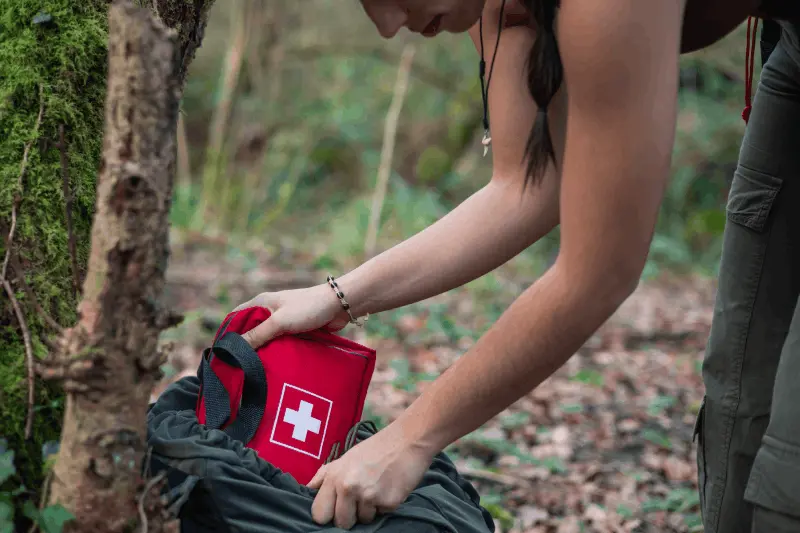
The inside of your camping backpack is a complex ecosystem where dirty and clean items are constantly interacting. Using "color-coded" waterproof bags (dry bags) to maintain hygiene makes your life easier. For example; a red bag for dirty laundry, a green bag for clean kitchen supplies, and a blue bag for hygiene kits. Not separating dirty clothes from clean ones causes bacteria and odors to spread to all items. Especially, the first aid kit and hygiene supplies should be in the most accessible place in your backpack. Keeping frequently used items like soap, disinfectant, and towels in a separate outer pocket prevents you from contaminating clean items in your backpack when you need clean hands.
How Should Personal Hygiene Routine Change in Winter Camps with Low Temperatures?
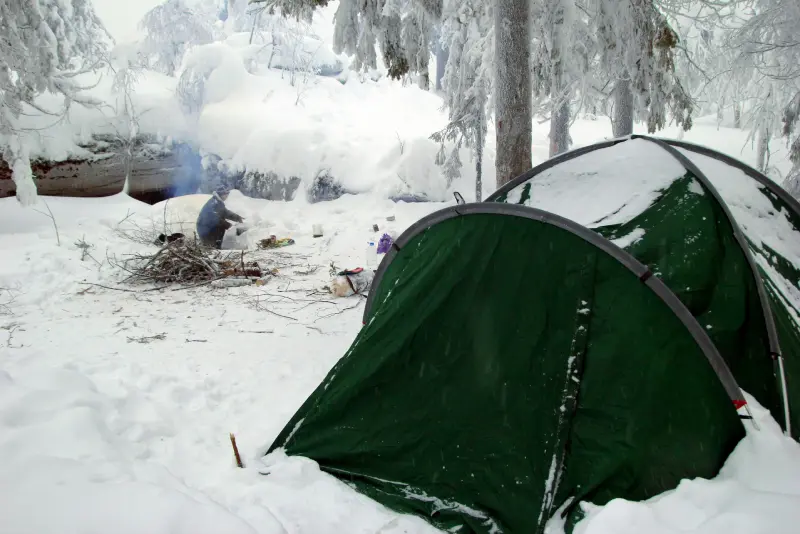
Camping in winter makes it difficult to maintain hygiene routines due to the "risk of freezing." Wet wipes can freeze, and cleaning with water can increase the risk of hypothermia. In winter camps, cleaning should always be done inside a tent or in a sheltered area from the wind. Warming your body with your body heat or near the stove before using wet wipes reduces the shock effect. If you are going to clean with water, you must heat the water and quickly wipe and dry your body by exposing only a small part of it. The skin in winter dries more quickly and cracks; these cracks can open the door to infections. Therefore, using thick barrier creams after cleaning supports hygiene and provides protection against cold burns.
What Extra Hygiene Measures Should Be Taken in Camps with Babies or Children?
Camping with children requires increasing hygiene standards several times because children's immune systems and skin are more sensitive than adults. Children's hands are constantly in contact with dirt and objects in nature; therefore, cleaning should be encouraged with "hand washing games." Diaper changes for babies should be done in a completely isolated spot away from the camping area and kitchen area, and waste should be immediately disposed of in leak-proof bags. Sunscreens and lotions produced for children can facilitate the adherence of sand and dust to the skin; therefore, this layer should definitely be cleaned with a warm "diaper bath" before sleep. Additionally, regularly disinfecting children's toys prevents the transmission of bacteria through the mouth. reduces the risks of contamination.
How Should We Comply with Environmental Laws While Washing in Natural Water Sources (River, Lake)?
Many people think that washing in a river is very "natural", but the perfumes, deodorants, and even natural oils on our bodies can alter the chemistry of the water. In many national parks and conservation areas, entering water sources is prohibited. Even if allowed, no cleaning products (even if natural) should come into direct contact with the water. The best method is to take water with a bucket or bottle and wash away from the shore. Additionally, swimming in shallow areas during the breeding seasons of aquatic creatures (usually in spring) can harm the larvae. Approaching the water using rocky or sandy areas without crushing the shoreline vegetation is part of ecological hygiene. Rinsing your body with just water while cleaning is often healthier and less harmful than using chemicals.
How Should Camp Turnaround Equipment and Body Detoxification Be Done?
The hygiene process does not end when the camp is over; rather, the maintenance of the equipment forms the basis of hygiene for the next camp. Everything from the tent to the sleeping bag should be aired out and wiped down with appropriate disinfectants if necessary. A thorough cleaning is essential for your body. During a long shower, especially areas often neglected in camp, such as between toes, hair roots, and behind the ears, should be carefully washed. The entire body should be checked in the mirror for ticks or other parasites. The skin may have lost its moisture after exposure to harsh conditions in nature; therefore, supporting the skin barrier with body oils or lotions is part of the detox process. Additionally, water bottles and food containers used during the camp should be sterilized by washing them in a dishwasher at high temperatures.
How Are Hygiene Risks Managed in Campgrounds with Shared Facilities?
Shared toilets and showers in organized campgrounds (campings) can harbor more bacteria and viruses than wild nature. To maintain hygiene in these areas, one should never walk barefoot on the ground and must use personal slippers. Shower heads and faucet handles can be held with paper towels or disinfectant wipes. Carrying your own towel and soap in a clean bag when going to shared areas prevents them from coming into contact with common surfaces. Additionally, instead of using these areas during peak hours, choosing times when fewer people are present also reduces the risks of airborne transmission. Not setting up camp near trash bins in the camping area is a critical strategy for hygiene in terms of both odor and insect/pest control.
How Does Keeping Food Storage Containers Hygienic Prevent Poisoning?
Most food poisoning in camp comes from dirty containers or improper storage conditions. The sealing parts of covered containers are the places where food residues and bacteria accumulate the most. These seals should be removed and cleaned after every meal. Containers used for perishable foods like meat and dairy products should be kept separate from vegetable containers. Instead of putting your hand directly into the containers, using a clean spoon prevents the bacteria on your hands from transferring to the food. If you do not have enough water to wash the containers, using bread to wipe off dirt or rinsing with a small amount of vinegar water can be a temporary solution. The water formed by melting ice inside cooler bags should not come into contact with food; this water is actually very conducive to bacterial growth.
Why Is Fragrance-Free Hygiene Essential Against Wildlife with Scent Sensitivity?
Many animals, such as bears, wild boars, and raccoons, have a sense of smell that is thousands of times more developed than that of humans. Scented soaps, shampoos, fruity toothpastes, and even scented moisturizers can signal "food" to these animals. This not only endangers your safety but also disrupts the natural feeding habits of the animals. Therefore, it is a vital safety rule that every product in your camp hygiene kit should be "unscented". Instead of spraying deodorant to mask body odor, it is much safer to eliminate the bacteria that cause the odor. Cleaning in nature should mean "smelling neutral" rather than "smelling like flowers". This approach helps maintain a respectful distance between you and wildlife.