What Is the Fundamental Philosophy and Psychology of Water Conservation in Nature?
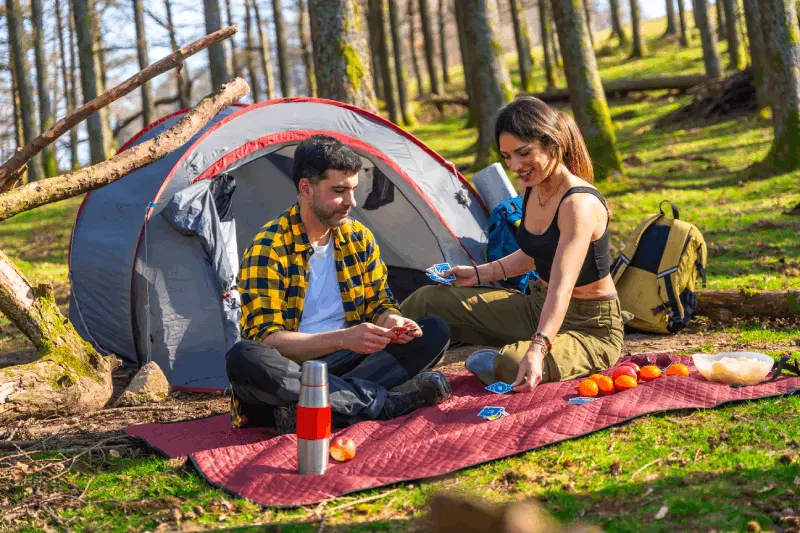
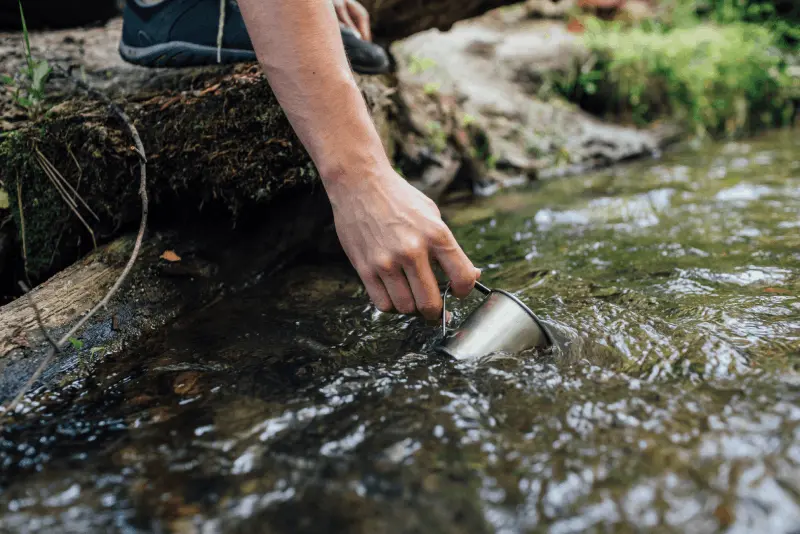
Water conservation in nature is not just a physical practice, but also a profound mental discipline. The illusion of unlimited water that flows when we turn on the tap in city life gives way to the reality of "total volume" in nature. At the core of this philosophy lies the awareness that water is not only a means for drinking but also for energy production (cooking), hygiene, and thermoregulation. Before starting to conserve, you should think of your existing water like a bank account. Every milliliter spent leaves you more vulnerable until the next water source. Psychologically training yourself to restrict can help you manage sudden thirst crises. A conscious camper understands the value of water only when it is transported miles away from its source. This awareness fosters the motivation to protect every drop of water like a jewel.
How Does Cooking with One Pot Method Reduce Water Consumption?
The biggest reason for water loss in camp kitchens is the use of multiple pots, each requiring separate water for cleaning. The one-pot method minimizes water needs by cooking all ingredients in the same pot. For example, instead of boiling pasta in separate water and draining it, cooking the pasta with just enough water to absorb the sauce enhances flavor and reduces water waste to zero. This method focuses not only on cooking water but also on rinsing water in a single surface. Additionally, when food residues stuck to the bottom of the pot are scraped with a piece of bread, a "pre-cleaning" is done, requiring only a few drops of water for the final rinse. In nature, efficiency comes from simplifying the process steps.
How Can We Reuse Pasta or Vegetable Water in the Kitchen?
The most common mistake in the kitchen is pouring high-nutrient and pre-heated cooking water directly onto the ground. However, this water can serve as a great soup base or a moisture liquid for the next meal due to the starch and minerals it contains. If you have cooked vegetables in the evening, you can add this water to your morning herbal tea (if the taste is suitable) or to the sauce of your next meal instead of throwing it away. Additionally, starchy pasta water is much more effective than cold, clean water in dissolving greasy residues. Pouring the water while it is still warm over the residues helps soften hardened leftovers. Thus, the effort and fresh water you will spend for cleaning significantly decrease.
What Is the Role of Natural Cleaners When Cleaning Camping Gear?
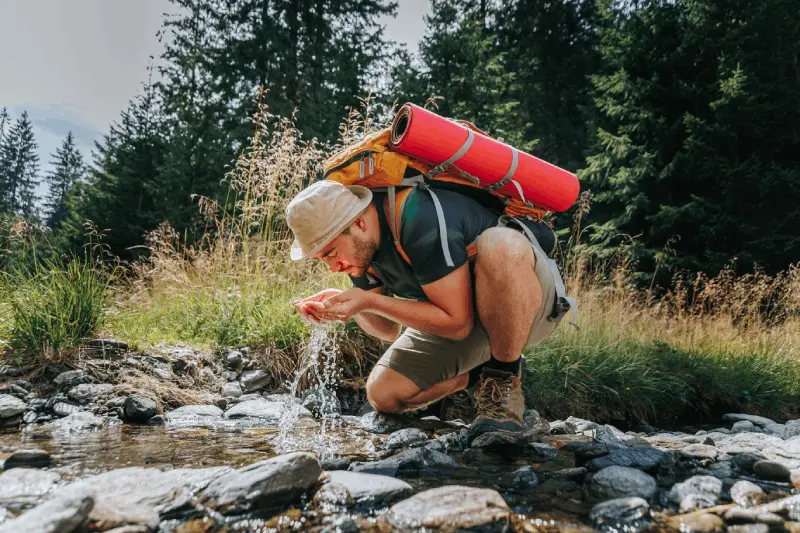
Traditional detergents require liters of water for rinsing when used in nature and harm the ecosystem. Instead, using natural cleaners like river sand, fine gravel, or wood ash revolutionizes water efficiency. Adding a small amount of sand and a drop of water to the bottom of the pot and scrubbing in circular motions can remove even the most stubborn residues in seconds. Wood ash, when combined with water, forms a weak base (potassium hydroxide) and acts as a natural soap. Scrubbing oily surfaces with ash and then wiping with a piece of grass or cloth ensures cleanliness without the need for rinsing. With these methods, you can complete a dishwashing session that would normally require 5 liters of water with just a cup of water.
How Effective Are Waterless Shampoo and Soap Alternatives in Nature?
Personal hygiene is one of the areas where water is consumed the fastest in nature. However, waterless shampoos, cleansing wipes, or powder deodorants can alleviate this burden. Powdered natural ingredients (cornstarch or baking soda) absorb excess oil from hair and skin, providing a feeling of freshness without using water. If such products are not available, the most logical way is to do "spot cleaning" with a clean cloth, focusing only on sweaty areas. Applying water only to odor-causing areas (armpits, feet) instead of washing the entire body helps preserve your water stock throughout the day. Remember, taking a shower every day in nature is not a necessity but a luxury brought by urban habits.
What Are the Techniques for Extracting Water from Moist Soil and Plant Cover?
Often, water is hidden not in a visible stream but in the moist soil and green leaves around you. With a technique called "Solar Distillation," moisture in the soil can be vaporized and collected in a container by stretching a transparent plastic over a pit dug into the ground. Solar energy draws moisture from the soil upwards; the vapor that hits the plastic condenses and drips into a glass placed in the center. The same logic applies to plastic bags tied to living plant branches. The water vapor formed as a result of the plant's transpiration condenses inside the bag. Although the amount of water obtained with these methods is small, it is a "passive" and efficient source used to prevent thirst in critical situations.
Is Using a Solar Oven a Solution to Prevent Water Loss?
Cooking over a fire causes the water in food to evaporate quickly due to intense heat, leading to the pot drying out. Solar ovens, however, allow food to cook in its own juices due to working at lower and controlled temperatures. This not only reduces the amount of water added from outside but also helps preserve the nutritional value of the food. Additionally, since there is less moisture loss in solar ovens, the bottoms of the pots do not stick, minimizing the need for water for cleaning. These closed-loop systems that prevent steam loss are among the most strategic components of water management, especially in arid areas where sunlight is abundant. We should use water not only for drinking but also for managing its physical state during the cooking process.
How Does Insulating Water Bottles Control Evaporation?
Water is lost not only through consumption but also through evaporation. Especially in hot weather conditions... , the surface heating of plastic or metal water bottles can lead to the loss of water at the molecular level and spoil its taste. Covering the bottle with a wool sock or using special insulation sleeves helps keep the water cool, balancing the desire to drink (the feeling of thirst). Interestingly, lightly moistening the fabric that wraps the bottle causes the heat from outside to evaporate the water in this fabric, keeping the water inside cold (evaporative cooling). Although this method uses some water, it allows your body to cool down more with less water while preserving the quality of your water.
In Which Climates Are Fog Nets and Dew Collection Methods Effective?
In areas with high humidity or fog, the air is actually filled with suspended water droplets. Fog nets are simple yet ingenious systems that capture these droplets and direct them into a reservoir. When a porous net or mesh is stretched vertically against the direction of the wind, fog particles cling to the net's wires and coalesce, filtering downwards. Similarly, dew that accumulates on the grass in the early morning can be collected and squeezed into a container with a clean absorbent cloth. Especially in desert or coastal areas, where the temperature difference between night and day is high, dew collection can meet up to 20% of daily water needs. This is the art of converting the free moisture provided by nature into liquid water.
What Textile Technologies Minimize the Need for Washing Clothes?
Washing clothes in nature means both detergent risk and massive water consumption. To tackle this issue at its root, merino wool or synthetic fabrics with silver ion technology should be preferred. Merino wool is naturally antibacterial and prevents odor formation while wicking moisture away; thus, you can wear a t-shirt for weeks without washing it. If washing is necessary, it is sufficient to locally clean only the odor-causing areas, such as the armpits, instead of soaking the entire garment in water. The It should be protected like a "bank vault".
What Are the Secrets to Increasing Efficiency While Melting Snow in Winter Camps?
Melting snow is a process that requires a lot of fuel and patience, contrary to popular belief, and can be inefficient. Due to the air pockets in the snow, only a finger's worth of water can be extracted from a pot full of snow. To increase efficiency, you must leave a certain amount of "initial water" at the bottom of the pot. This water helps conduct the heat from the snow more quickly and prevents the pot from burning. Instead of placing the snow directly on the fire, adding it gradually to the pot and constantly stirring minimizes energy and water loss. Additionally, preferring the denser ice chunks from the lower layers of fresh, fluffy snow allows you to obtain more liquid from the same volume.
How Are Natural Springs in Caves and Rocky Areas Efficiently Collected?
In some geographies, water seeps not as a stream but as droplets between the rocks. To collect these springs, one must be patient and technical. By placing a leaf or a flat piece of stone under the spring like a "gutter," you can direct the water straight into your water bottle. If the dripping is very slow, securing a piece of clean string to the spring point and dipping the other end into a container allows the water to be collected along the string through capillary action. This method can allow you to collect liters of water overnight. Turning the slowness of nature into an advantage is an efficient water collection strategy.
Does Soaking Food Save Fuel and Water?
When legumes, dried vegetables, or grains are soaked in water for a few hours before cooking, the cooking time is reduced by half. This significantly reduces the amount of water lost through evaporation. Never throw away the soaking water; use it as cooking water to preserve nutrients and reduce the need for fresh water. Especially in situations with limited fuel and water, soaking food in a sealed container with water overnight using the "cold soaking" method allows the food to soften without needing a fire. This technique is an excellent intersection of energy efficiency and water efficiency.
Is Collecting Condensation Water in Tents a Practical Option?
The water droplets that accumulate on the inner tent fabric when you wake up in the morning are actually "pure" condensation water from your breath and body heat. Although drinking this water may not be very tasty, it can be hygienically used or collected and filtered with a cloth. The amount of condensation that accumulates overnight can sometimes fill a glass of water. You can use this water by wiping it with a sponge or microfiber cloth and squeezing it into a container for handwashing or cleaning dusty equipment. The principle of not letting a single drop of water go to waste always takes your survival chances one step further.
How Can Water Loss Through Sweating Be Prevented by Balancing Body Temperature?
Water conservation is not only an external process but also involves maintaining the body's internal water balance. Sweating is the body's largest water loss channel. Avoiding movement during peak hours by taking a "siesta" in hot weather, staying in the shade, and lightly moistening clothing to cool the body reduces sweating. Passive cooling methods like a "sweat bag" can reduce your drinking water needs by 30%. Additionally, breathing through the nose prevents moisture loss through the mouth. Remember, the best water conservation is not letting the water that enters your body go out. Calibrating your movements and pace according to your water supply is the most professional approach in nature.
How Is Lye Water Prepared and Used as a Natural Disinfectant?
The white ashes left from the campfire, when mixed with water and left for a while, yield "lye water." This liquid is a natural cleaner that breaks down fats and disinfects surfaces. Using only lye water when washing dishes reduces the amount of fresh water needed for rinsing because lye water does not leave a sticky layer like traditional soaps. Additionally, lye water is effective in removing stubborn stains from clothes. However, be careful, as highly concentrated lye water can irritate the skin. Properly prepared lye water is an ancient way to maintain hygiene and manage water efficiently without using chemicals in nature.
What Are the Advantages of Using Reusable Cloths Instead of Paper Towels in Camp Kitchens?
Paper towels are single-use and turn into trash when wet. In contrast, microfiber or cotton cloths allow you to clean multiple times with a small amount of water. You can wipe the table, your hands, and pots by lightly moistening a cloth. Soaking a cloth in a small amount of water in a container and squeezing it is much more efficient than washing it under running water. These cloths dry quickly and are ready for reuse. Water efficiency is directly related to the interaction of the tools you use with water. Reusable systems align perfectly with the principles of "zero waste" and "minimum water" in nature.
What Are the Lid Designs That Prevent Evaporation During Water Transport?
The lid design of the containers used for transporting water is critical in preventing water loss. Wide-mouthed bottles cause more water vapor to escape each time they are opened. "Narrow mouth" designs or bottles with straws minimize the contact of water with air. Additionally, the silicone seals inside the lids should be checked; a single drop of water leaking into your bag can mean significant loss by the end of the day. Instead of sipping water, delivering it directly to the throat with a straw system also prevents the water left in the mouth from evaporating. Engineering details play a larger role in water conservation than one might think.
When Can Methods of Obtaining Water from Plant Roots Be Applied?
Some plants, especially in arid regions, store water in their roots or stems. For example, the birch tree releases sugary and nutritious water from its trunk in the spring months. Similarly, when some vines are cut, clean water can flow from their branches. However, before applying these methods, you must definitely identify the plant; because some milky or colored liquids can be toxic. Obtaining water by placing moist pieces obtained by digging up the roots into a cloth and squeezing them is one of the last resorts used in survival situations. This is the skill of discovering nature's water reserves and harvesting them efficiently.
Is It Possible to Eliminate Water Usage with Sand Baths and Air Cleansing?
Making a "sand bath" like animals do in nature is a waterless way to clean excess oil and dirt from our skin. When clean and dry sand is rubbed on the skin, it creates a natural peeling effect, removing dead cells and sweat. Of course, this does not completely replace washing with water, but it allows the skin to breathe in environments like deserts where water is very scarce. Similarly, making an "air bath" by simply holding clothes and the body against the wind is effective in removing moisture and odor. While it may not be possible to completely eliminate water usage, you can dramatically postpone your water needs with these ancient techniques.
How Should Central Water Management for Personal Consumption Be Considered in Group Camps?
In group camps, everyone using their own water separately is a major source of waste. Instead, setting up a central "kitchen station" and washing dishes collectively increases water efficiency. With a three-bucket system (soaping, rinsing, disinfecting), the water used for one person's dishes can wash the dishes of 10 people. Additionally, combining the routes to the group's water source and using water from common storage makes tracking water easier. Collective awareness overcomes individual mistakes and minimizes the total water footprint at the campsite. Being united also creates strength in water conservation.
How to Perform Pre-Filtration to Extend the Life of Water Filter Cartridges?
Water in nature is often filled with sediment, sand, or plant debris. Putting this water directly into an expensive micro-filter (Sawyer, Katadyn, etc.) quickly clogs the filter's pores and causes you to use more water for cleaning (backflush). Instead, filtering the water through a cloth, bandana, or coffee filter removes coarse sediments and provides "pre-filtration". When you put pre-cleaned water into the main filter, both the filtration speed increases and you save valuable drinking water for cleaning your filter. Smart preparation preserves the lifespan of your equipment and the purity of your water.
How to Benefit from the Water Content of Fruit and Vegetable Peels?
The peels of fruits like apples, cucumbers, or watermelons that you bring with you in nature are actually water reservoirs. Instead of throwing these peels directly into the trash, you can chew them to extract their juice or soak them in a container of water to prepare a flavorful and vitamin-rich drink. Even grating the white part of the watermelon rind and adding it to dishes ensures that the dish's water needs are met from within. In nature, no organic matter is "waste"; every piece contains a certain amount of hidden water. Evaluating these micro-sources is a subtle detail that helps you maintain your water balance in the long run.
How Do Urine Recycling and Distillation Devices Work in Emergencies?
In extreme situations, drinking urine directly can leave the body even more dehydrated due to the salts and waste it contains. However, urine can be distilled into pure water using a solar still. The urine that evaporates with the sun's heat is purified from ammonia and salts, condensing on a nylon surface and turning into drinkable pure water. This method is slow but completely safe. Compact "water recycling bags" found in modern survival kits also work on the same principle. Reintroducing the liquid expelled by the body into the system is the most extreme yet efficient example of closed-loop water management.
What Should Be the Hierarchy of Gradual Use of Water Heated on a Campfire?
When you heat a pot of water on a campfire, you should establish a "hierarchy" for using this valuable resource instead of using it for a single task. For example; first, use the steam from this water to cook your vegetables, then prepare your hot drink with the water. Use the remaining hot water to pre-clean an oily pot, and finally, use the contaminated but still warm water for body cleaning with a cloth. This chain usage allows you to benefit from the energy and mass of the same amount of water multiple times. Instead of using water once and pouring it out, extending its life cycle in the camp as much as possible is a true mastery.
How to Prepare Devices for Collecting Moisture from Under Stones in Arid Regions?
In deserts or dry steppes, the moisture that escapes deep into the soil during the day moves towards the cooling surface at night and condenses under large stones. When you turn over the flat and wide stones you placed in the evening early in the morning, you can see that their underside is moist. It is possible to collect this moisture with a sponge and obtain a few sips of water. Additionally, placing small plastic pieces under the stones helps you collect this condensed water more efficiently. Although this method yields very little water, it is vital for maintaining the body's moisture balance in an environment where there are no sources.
What Should Be Considered in the Return of Domestic Wastewater to the Soil?
The efficient use of water also includes its return to nature. The gray water you use should be treated properly before being returned to the soil.
Instead of pouring it into one spot, you should spread it over a wide area to return it to the soil. However, there should definitely be no non-biodegradable chemicals in this water. Utilizing the soil's filtration capacity to deliver water to plant roots contributes to the ecosystem's water cycle. If the water is too oily, first dig a hole to pour the water into and cover it with soil to prevent odor and insect infestation. Returning the water you take from nature in the cleanest way possible is the essence of sustainable camping.What Are the Smart Bottle Accessories That Provide Water Savings?
Technology offers smart devices that help us save water in nature. For example, "shower head" adapters attached to the mouth of the bottle conserve 80% of the water during hand washing or rinsing by allowing the water to flow in a very fine stream. Bottles with measurement lines indicating the water level ensure that you use exactly the right amount of water while cooking, eliminating margin for error. Additionally, UV light water purification devices (like Steripen) make water drinkable faster and without water loss (without the need for rinsing) compared to chemical tablets. Choosing the right equipment is an investment that directly affects your success in water management.
How to Strategically Analyze Water Sources When Determining Travel Routes?
The best water-saving technique is to know where the water is and to plan the route accordingly. Instead of following blue lines on topographic maps, you should explore valley floors, areas where vegetation is dense, and hidden springs known by locals. The easier it is to access water, the less stress your body will experience related to water restriction. However, you should always have a backup plan in case of a "water shortage" scenario. Calculating the distance between water points on the route and adjusting your consumption rate according to this data (pacing) is the logistical aspect of water management. Smart planning eliminates the risk of dehydration on the map.
Where Is Water Efficiency Evolving in Future Survival Technologies?
As technology advances, portable devices that directly convert atmospheric moisture into water (AWG - Atmospheric Water Generators) are becoming more compact. In the future, a small panel that we will hang on our backpack could produce 1-2 liters of water from the air while we walk. Additionally, thanks to nanotechnology filters, even the dirtiest waters can be purified in seconds without losing a single drop. However advanced these technologies become, the awareness that water is a "limited treasure" in nature will not change. Combining basic skills (primitive techniques) with technology will be the most powerful strategy for future nature enthusiasts. Every drop is also a legacy of the future.