Storage Tricks to Use Limited Space Efficiently in a Caravan
Caravan living symbolizes the passion for freedom and being one with nature, while also bringing the art of organizing in a very limited space. In these mobile homes, where square meters are not counted but rather square centimeters, it is essential for every item to have a place and for every empty space to serve a purpose. In this guide, we will explore the most effective storage strategies that will enhance the quality of life in your caravan and eliminate clutter in a question-and-answer format.
Why Is Storage Vital in a Caravan?
In micro living spaces like a caravan, organization is not just an aesthetic choice but also a functional necessity. Inefficient use of space can lead to a struggle with daily routines, an inability to find the items you need, and most importantly, can jeopardize driving safety. Unsecured or haphazardly stacked items can shift while in motion, causing noise pollution and disrupting the caravan's center of gravity. Additionally, clutter in a small space can create a feeling of oppression, overshadowing your travel enjoyment. Therefore, applying the right storage tricks is key to transforming your caravan from merely a means of transportation into a peaceful and functional "home." A well-organized caravan means less stress and more adventure.
How Can You Use Kitchen Space More Efficiently?
Caravan kitchens are often the areas where the most items are crammed but the least space is allocated. The first step to optimizing this area is to completely clear the countertop. You can instantly expand your workspace by using cutting boards that fit perfectly over the sink. In cabinet interiors, it is necessary to add shelves or wire baskets to utilize the "dead space" known as upper voids. Shelf organizers that allow you to stack plates vertically not only prevent breakage but also save space. Additionally, the inner parts of cabinet doors are perfect hidden storage areas for spice racks or cutting boards. Using every centimeter in the kitchen wisely turns cooking from a chore into an enjoyable activity.
How Do Magnetic Strips Create Space in the Kitchen?
Magnetic strips are the unsung heroes of caravan kitchens. These powerful strips, mounted on walls or under cabinets, can securely hold knife sets, metal spice containers, and even small hand tools. This method eliminates clutter in drawers and gives you instant access to the tools you need most. If you're worried about items falling during travel, you can enhance safety by using extra strong neodymium magnets. Additionally, by attaching small magnets to jar lids, you can hang these jars under upper cabinets, thus freeing up space on shelves for other items. This solution not only offers a modern look but is also one of the smartest ways to utilize vertical space.
Why Should Collapsible Kitchenware Be Preferred?
When it comes to caravan kitchens, "volume" is your biggest enemy. Standard strainers, bowls, and ladles take up massive amounts of space in cabinets. Silicone-based collapsible kitchenware reduces to just a few centimeters in thickness when not in use and can be stacked. This allows you to fit ten times more items into a drawer. Collapsible kettles, strainers, storage containers, and even folding buckets are indispensable for caravaners. These durable and lightweight products also help reduce the overall weight of the caravan. Remember, in a caravan, the value of an item is determined not only by its function but also by the space it occupies. Therefore, opting for collapsible alternatives wherever possible makes a significant difference in space management.
How Do Cabinet Organizers Double the Space?
Caravan cabinets are typically designed to be deep and tall, which can cause items to stack on top of each other and make it difficult to reach those at the bottom. You can divide this vertical void into layers using folding shelf organizers or transparent boxes that can stack on top of each other. Using transparent boxes allows you to see the contents from the outside, eliminating the need to rummage through the cabinet. Additionally, using adjustable dividers in drawer interiors ensures that everything from forks and knives to small tools stays in place. Rotating trays (Lazy Susans) placed inside cabinets allow you to reach spices or sauces at the back with a single touch. These simple touches theoretically double your cabinet capacity while maximizing your daily usability.
How Can We Use Ceiling Space for Storage?
The often overlooked ceiling area actually holds massive potential in a caravan. Ceiling nets or elastic mesh are great solutions, especially for lightweight items. Jackets, hats, towels, or soft toys can be stored in these nets. For those looking for a more permanent solution, storage boxes mounted on ceiling rails are perfect for rarely used items. Additionally, cup holders or paper towel holders mounted under the ceiling in the kitchen free up counter and shelf space. The most important point to consider when using the ceiling is to ensure that items are above head height and securely fastened so as not to compromise driving safety. When used wisely, these areas close to the ceiling can increase storage capacity without compromising the feeling of spaciousness in the caravan.
What Are the Key Points of Using Vertical Spaces?
In a caravan, horizontal space (floor and countertop) is limited, but vertical space (walls) is often empty. Pegboards, which are perforated panels mounted on walls, allow you to create a fully customizable storage wall with hooks and shelves. Keys, kitchen utensils, headphones, and decorative objects can be displayed on these boards. Additionally, thin magazine racks or file holders mounted on the sides of furniture are ideal storage spots for laptops, tablets, and books. Vertical shoe racks placed next to doors can be used not only for shoes but also for cleaning supplies, sunscreen, and umbrellas. Thinking vertically ensures that you leave the floor of the caravan free, making your living space appear larger and more organized.
What Hanging Systems Save Space in the Bathroom?
Caravan bathrooms are the smallest areas in terms of square meters, so every centimeter here is worth its weight in gold. Multi-pocket organizers that attach to the shower curtain rod gather items like shampoo, soap, and loofahs in one place. Instead of folding towels, rolling them up and placing them in vertical towel holders provides a more modern look and saves space. Towel hooks hung behind doors or self-adhesive hooks create extra space without drilling into bathroom walls. Additionally, by mounting toothbrush holders and soap dishes on the wall, you can prevent clutter around the sink. If you don't have a bathroom cabinet, thin shelves hidden behind the mirror can serve as a secret compartment for medicines and personal care items.
How Do Vacuum Bags Solve the Closet Problem?
Clothes, especially winter coats and spare bedding, are among the items that take up the most volume in a caravan. Vacuum bags (vacuum-sealed bags) can reduce the volume of these textile items by up to 70% by sucking out the air inside. You can place off-season clothes, spare pillows, and blankets in these bags and use a vacuum cleaner to remove the air, allowing you to fit dozens of items into tight spaces like under the bed. This method not only saves space but also protects your belongings from moisture, dust, and odors that can develop in caravan living. Leaving only the clothes you need at the moment outside and vacuuming the rest keeps your wardrobe area always fresh and organized.
How Should the Space Under the Bed Be Utilized?
The space under caravan beds is often the largest storage area, but if not organized correctly, it can turn into a "black hole." To use this area efficiently, hydraulic piston bed mechanisms should be preferred; this way, you can easily lift the heavy mattress to access the lower compartment. Dividing the under-bed area into large, wheeled, or sliding storage boxes prevents items from mixing together. You can allocate one compartment for outdoor equipment like camping chairs and tables, while using other compartments for technical supplies or long-lasting food stocks. It is important to place non-slip mats under the boxes to prevent items from sliding during travel. When planned correctly, the under-bed area serves as the "main depot" of your caravan, carrying all the heavy loads in your living space.
Are Multi-Functional Furniture Essential in a Caravan?
Absolutely yes. A piece of furniture in a caravan should not have just one function. The lower parts of seating groups (dinette) must have storage compartments and should be used as storage space. Tabletops should be designed to fold or convert into a bed when not needed. Some caravaners create hidden compartments for shoes or small tools by turning the insides of steps into drawers. Poufs can serve as both seating and storage boxes with their internal voids. Even headboards can be equipped with thin shelves for storing books or phones. When choosing or designing furniture, asking the question "What else can this piece do?" helps you use the limited space in the smartest way possible.
What Methods Can Be Applied for Shoe Storage?
Shoes tend to create a messy appearance and can carry mud/dust due to their structure. Creating vertical shoe racks near the entrance of the caravan is the most practical solution. Drawers hidden inside stair steps are perfect for shoes. If you don't have such an option, elastic nets mounted under the seats can lift shoes off the ground. Transparent pocket organizers hung behind doors are also very useful for sneakers and slippers. Keeping a shoe box outside for muddy shoes or using the luggage compartment outside the caravan helps keep the interior clean. Keeping the number of shoes to a minimum (for example, one pair of slippers, one pair of sneakers, one pair of boots) is also a fundamental storage strategy.
How Do Door Organizers Simplify Caravan Life?
The backs of caravan doors and cabinet doors are often unused vertical surfaces. By hanging transparent plastic or fabric organizers on these doors, you can neatly store dozens of small items. Foils, bags, and cleaning cloths can be found in kitchen cabinet doors; personal care items in the bathroom door; and sunglasses, keys, and flashlights at the main entrance can all fit in these pockets. This method keeps items visible and frees up drawers for larger items. Additionally, during travel, items in these pockets do not make noise or shift. Door organizers allow you to create small "logistics centers" in every corner of the caravan, making daily life incredibly faster.
What Is the Best Method for Storing Spices?
One of the biggest sources of clutter in the kitchen is spice containers of various sizes. The best method for spices in a caravan is to transfer them to standard-sized magnetic jars. You can attach these jars to a metal plate mounted above the hood, next to the refrigerator, or on the kitchen wall. If you don't want to use magnets, thin "clip-on" spice holders mounted inside cabinet doors tightly hold jars, preventing them from tipping over during travel. Another creative idea is to use rotating lid systems screwed under upper cabinets; by turning the jar, you can easily remove it, thus saving shelf space entirely. Standardizing your spices not only saves space but also gives your kitchen a professional and organized look.
Where Should Cleaning Supplies Be Hidden?
Vacuum cleaners, mops, and cleaning liquids are long and bulky items. To store them, the thin vertical voids that are often considered "dead space" in the caravan should be utilized. For example, a 10-centimeter gap between the refrigerator and the wall can accommodate all cleaning supplies with a thin pull-out shelf system. By choosing collapsible silicone buckets and telescopic (extendable and retractable) mops, you can minimize storage space. You can create extra space on the lower shelf by hanging cleaning sprays on a tension rod mounted inside the cabinet under the sink. A small handheld vacuum cleaner should be stored in an easily accessible but out-of-sight location, such as under a seat or inside a cabinet.
How to Optimize Outdoor Storage Areas?
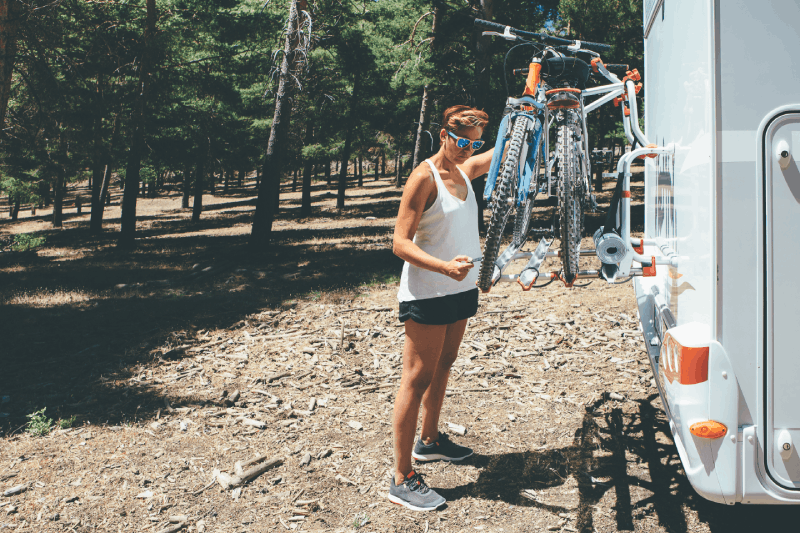
The external compartments or "garage" areas of the caravan are often places where camping equipment is thrown in haphazardly. To optimize this area, large plastic drawer units or labeled transparent boxes should be used. Mounting hooks on walls for items like hoses, cables, and camping chairs frees up floor space. Wrapping electrical cables and water hoses around reels prevents tangling and shortens setup time. Additionally, bike carriers mounted on the back of the caravan or roof-mounted storage boxes (roof racks) are ideal for large items that will never find space inside. Outdoor storage is the "heavy lifting" center of the caravan, and the organization here determines how quickly you can set up when you arrive at the campsite.
Why Is Weight Distribution Important in Storage?
In a caravan, it is not enough to just store items; placing them in the right spots is crucial. Improper weight distribution can disrupt the vehicle's road handling, cause uneven tire wear, and increase fuel consumption. The basic rule is to place the heaviest items (water tanks, batteries, heavy camping gear) closest to the caravan's axis (the wheels) and at the lowest level. Lighter items (clothes, chip bags, towels) should be placed in upper cabinets. Additionally, it is important to monitor the weight balance between the left and right sides of the caravan. If one side is too heavy, the vehicle may show a tendency to sway in turns. When applying storage tricks, always prioritize safety over aesthetics and space-saving.
Does Digitalization Save Physical Space in a Caravan?
In modern caravanning, digitalization is the most modern way to preserve physical space. Carrying an e-reader instead of hundreds of books frees up a whole library's worth of space. Storing movies and music playlists on digital platforms or portable disks instead of DVD or CD collections saves a lot of space. Keeping digital copies of paper maps, user manuals, and cookbooks on a tablet reduces clutter. Even storing scans of important documents (registration, insurance, passport) in a cloud system eliminates the need to carry physical files. Embracing digitalization with the philosophy of "less stuff, more experience" not only reduces visual clutter inside the caravan but also provides mental clarity.
What Is the Relationship Between Lighting and Storage?
Proper lighting makes even the narrowest storage areas more usable. Battery-operated or rechargeable motion-sensor LED lights placed inside deep cabinets ensure you can find what you're looking for instantly. Searching for an item in a dark cabinet often leads to disorganization in that area because you have to pull everything out. Additionally, placing item LED lights under shelves creates a deeper and more spacious appearance, breaking that claustrophobic "tight space" feeling. Illuminating storage areas under the kitchen countertop also indirectly lights up your workspace. A well-lit caravan always looks more organized and spacious. Light is not just a necessity in a caravan; it is also a design tool used to manage space.
How to Store Toys in a Caravan with Children?
Traveling in a caravan with children is wonderful, but toys can quickly invade the entire caravan. In this case, each child should have their own "adventure bag" or basket. A rule should be established that only toys that fit into this basket are allowed in the caravan. Toy storage can be created under seats or on the side walls of bunks with mesh pockets. Magnetic boards are a great display and storage area for small metal cars. Small piece toys like Legos can be stored in zippered transparent file bags to prevent mixing. The most important trick is to use nature itself as a play area; thus, outdoor games reduce the need for physical toys inside and consequently the storage burden.
What Areas Are Suitable for Pet Supplies?
Our pets' food, bowls, and beds also require planning. You can mount food and water bowls inside one of the lower cabinets of the caravan with a sliding drawer; this drawer can be closed when not in use to keep it out of the way. Storing large bags of food in airtight plastic containers under the bed prevents odors and keeps them fresh. You can create a special "nest" area for the pet bed by placing it in an empty compartment under the seating area. Attaching small hooks next to the entrance door for leashes and brushes is a practical solution. If you use a litter box, placing it under the bathroom cabinet or in a special compartment accessible from the outside with a small cat door keeps odors away from the living space.
How Should Dirty Laundry Be Managed?
Dirty laundry takes up space in a caravan and can emit unpleasant odors. The best solution is to use thin, long, breathable fabric laundry bags. These bags can be hung behind the bathroom door or in an unreachable corner of the bedroom. Some caravaners create a hatch to access the external storage compartment directly, allowing them to "shove" dirty laundry into a basket there. This completely removes odors from the living area. Additionally, using multi-compartment fabric bags that separate dirty laundry by color makes your trips to the laundromat easier. Instead of accumulating laundry during your travels, doing small loads frequently (or using machines at campsites) keeps storage needs to a minimum.
How to Organize Electronic Devices and Cables?
Nowadays, phones, tablets, cameras, and their charging cables can create serious cable clutter in a caravan. Creating a "charging station" can solve this problem at its root. You can place a power strip with multiple USB ports inside a cabinet or in a corner of the countertop to gather cables here. Unused cables can be stored in empty toilet paper rolls or wrapped with Velcro cable ties and kept in a labeled box. Thin leather pockets mounted on the sides of seats for laptops protect devices and keep them out of sight. You can also divide the spaces around technical devices like solar panel control units and inverters into compartments for small technical accessories without blocking heat distribution.
Is "Minimalism" a Storage Strategy in a Caravan?
Absolutely yes; in fact, minimalism is the most effective storage trick. No matter how much storage space you create, if you have unnecessary items, your space will never be enough. Applying the "one in, one out" rule is very beneficial; when you buy a new item, you should remove an old one from the caravan. Choosing multifunctional items (for example, sets that can serve as both pots and pans) reduces the number of items. Asking yourself every six months, "Have I used this in the last three months?" while emptying all cabinets helps you get rid of unnecessary burdens. Less stuff not only saves space but also makes cleaning and organizing the caravan much faster. A minimalist approach expands your physical space inside the caravan while also freeing up your mental space.
What Solutions Can Be Offered for Seasonal Items?
For those living full-time in a caravan or traveling for extended periods, seasonal transitions are a storage challenge. In summer, winter coats need to be stored, while in winter, sun loungers and fans need to be kept. At this point, in addition to vacuum bags, the most difficult-to-reach places in the caravan (such as the far corners of the ceiling or deep under the couch) should be reserved for these "seasonal items." If you have no space in your caravan and your route is fixed, you can leave some items in rental storage or at friends' houses and switch them out when the season comes. For outdoor items, roof storage boxes (roof racks) are the safest places to store seasonal materials without affecting indoor space.
Are Open Shelf Systems Useful in a Caravan?
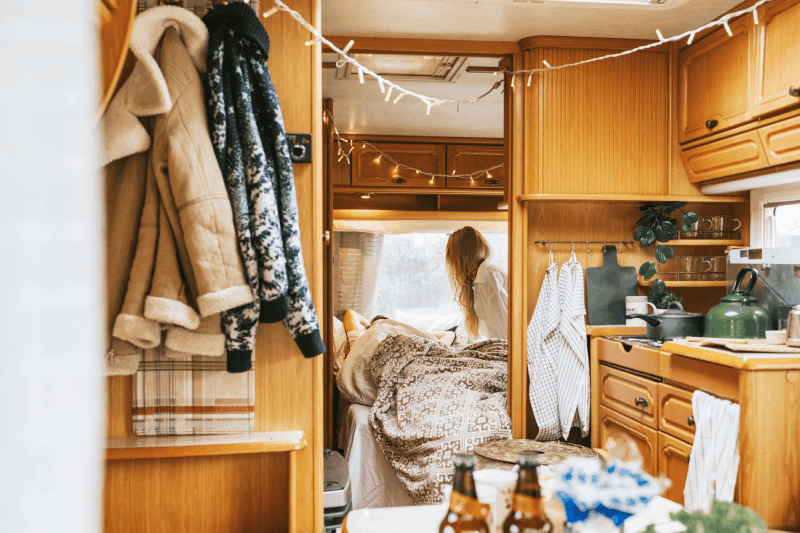
Open shelves make the space appear larger and airier, but they pose a significant risk while the caravan is in motion. To make open shelves usable, "protective bars" or elastic nets must be added. These bars prevent items from falling during travel. Additionally, placing non-slip mats under the items you put on the shelves or placing items in boxes that are secured to the shelf increases safety. Open shelves should generally be preferred for aesthetically valuable items like coffee mugs or frequently read books. When applied correctly, they can break the boxy feeling created by closed cabinets and give the caravan a chic boutique hotel atmosphere.
How to Create Hidden Compartments?
Hidden compartments are great for security and space-saving. The voids in the caravan floor can be turned into storage places for valuable items with false floor panels. The voids behind seat cushions or the kick-plate areas under cabinets can be converted into hidden drawers with hinged lids. Hidden "cutting board" drawers can be added to the empty spaces under the kitchen countertop. Additionally, a small hidden safe mounted inside the wardrobe is necessary for important items like passports and cash. These types of compartments not only provide protection against theft but are also ideal for storing technical materials (spare keys, cable extensions, etc.) that you don't want to be visible.
Are Non-Slip Mats Necessary for the Safety of Items?
The unsung hero of caravan storage is non-slip mats. These roll mats placed on cabinet shelves, drawers, and even countertops prevent items from sliding, tipping over, and colliding with each other, causing noise. Especially when placed under glass cups or porcelain plates, the risk of breakage is almost eliminated. These mats also protect shelves from scratches and make cleaning easier (they can be removed and washed). It is recommended to use them not only in cabinet interiors but also on bathroom shelves and in outdoor storage. This inexpensive, lightweight material that can be cut to fit any size is the best friend of caravaners for a quiet and safe ride.
Where Should Waste Management and Recycling Bins Be Placed?
Trash bins generally take up a lot of space and pose a risk of unpleasant odors. The best waste management in a caravan is through rail systems mounted under the kitchen countertop or cabinet doors. With these systems, the trash bin can be completely hidden when not in use. For recycling (paper, plastic, glass), thin vertical boxes that can be stacked or the luggage compartment outside the caravan can be used. If you don't plan to compost, small airtight bins with carbon filters can solve odor issues. The most important rule in waste management is to empty the trash every day and minimize the purchase of packaged products to reduce waste at the source. A clean and odor-free caravan is achieved through a well-planned waste storage system.
How to Keep the Caravan Entrance Area Organized?
The entrance area is the "foyer" of the caravan, and clutter here can spoil the entire atmosphere of the caravan. A small "pocket" or key holder mounted right next to the door collects essential items like phones, glasses, and masks. A mat placed over the entrance step prevents dirt from entering. Vertical hooks that do not stack on top of each other should be installed next to the door for jackets. If space allows, a thin pouf can serve as both a stool for putting on shoes and a storage area with its internal void. Keeping the entrance area clear and organized ensures that you feel a sense of spaciousness every time you enter the caravan and saves you from searching for items when leaving.
How to Pack Camping Equipment in the Luggage?
The external luggage (garage) area is the logistics center of the caravan. When packing here, the "accessibility" rule should be applied. The items you need first when you arrive at the campsite (electric cables, water hoses, leveling blocks) should be placed at the very front and in the most accessible spot. Rarely used spare parts or winter items can be placed at the back. Heavy camping chairs and tables should be secured with special rail compartments or fastening straps to prevent them from moving during travel. Storage box systems mounted on the ceiling of the luggage compartment free up floor space for small tools and cleaning supplies. An organized luggage area can reduce setup time to 10 minutes, while a disorganized one can drain all your holiday energy.
How to Meet Extra Storage Needs for Winter Camping?
Winter camping means thicker clothes, heating equipment, and more food supplies. To manage this extra load, a "layered storage" strategy should be applied. A heated mat or moisture-absorbing devices should be added for winter boots at the entrance of the caravan. A temporary hanging rail can be installed inside the shower cabin to use the bathroom as a "drying room" for wet coats. Extra blankets can be hidden behind the seats in vacuum bags. Additionally, since more time will be spent indoors in winter, some items that are usually kept outside in summer (such as portable stoves) may need to be moved to permanent indoor spots. Winter storage not only finds space but also protects items from moisture and cold.
These tricks in this guide will transform your caravan from merely a means of transportation into a professionally organized living space where you enjoy every centimeter. Remember, the best storage solution is the one that best fits your needs and the structure of your caravan. Safe travels!