What Is the Fundamental Philosophy of Leaving No Trace in Nature?
Leaving no trace in nature does not simply mean filling a bag with your trash and taking it with you; it is a conscious effort to avoid disrupting the balance of the ecosystem from the moment you enter it. This philosophy aims to minimize the impact of humans on plant life, wildlife, water sources, and other people while visiting nature. At its core, this discipline, rooted in "respect," ensures that nature can sustain its existence without holding a piece of us in its own cycle. As a camper, ensuring that the place you visit looks as if it has never been touched by anyone after you is the highest virtue of nature ethics.
Why Is Pre-Camp Planning So Important?
The key to a successful and environmentally friendly camping experience starts at home. Good planning prevents you from panicking in unexpected situations you may encounter in nature, thus avoiding making poor decisions. Knowing the rules of the area you will visit, checking the weather, and choosing a route suitable for your group's capacity reduces the pressure on the environment. For example, if you portion your meals at home and put them in reusable containers, you won't create packaging waste at the campsite. Additionally, avoiding popular spots during peak times helps prevent the overuse of nature and offers you a more peaceful experience.
What Does It Mean to Move on Durable Surfaces?
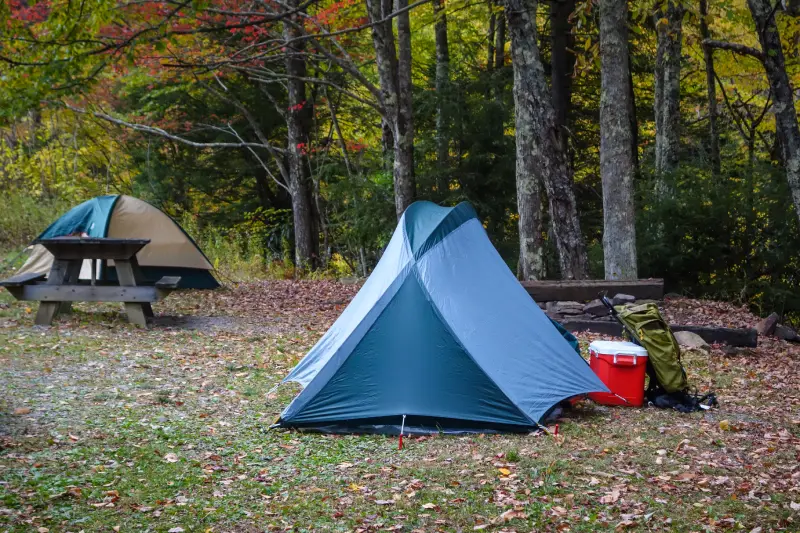
The ground you choose while walking or camping in nature plays a critical role in protecting the local ecosystem. Durable surfaces are areas like rocks, gravel, dry grass, and snow that do not suffer lasting damage when stepped on or when a tent is set up. Straying off existing trails can compact the soil and lead to the death of plant life, triggering erosion. If there is no designated trail, spreading your group out on different paths helps prevent the complete destruction of plant life. However, the main rule is always clear: use previously used campsites and avoid creating new trails in untouched areas.
What Mistakes Should We Avoid in Waste Management?
Many people think that fruit peels or food scraps can be left in nature because they are "natural"; however, this is one of the biggest misconceptions. Foods like apple cores or banana peels do not belong to the local ecosystem and can take months to decompose. Worse, these foods disrupt the feeding habits of wildlife and attract them to human campsites. You must take all your waste—without exception, including the micro trash we call wrappers or cigarette butts—back with you. The "leave no trace" rule is the most fundamental law of protecting a clean environment in nature.
How to Address Toilet Needs in a Hygienic and Eco-Friendly Way in Nature?
When there are no toilet facilities at campsites, the standard method to be applied is to dig a "cat hole." This hole should be at least 60-70 meters away from water sources, campsites, and trails. A hole approximately 15-20 cm deep should be dug in the ground, and after use, the hole should be covered with the original soil. Used toilet paper must not be left in nature; it should be stored in leak-proof bags and disposed of in the trash at the end of the camp. This method prevents pathogens from contaminating water sources and helps the natural decomposition of waste.
How Should We Dispose of Kitchen Waste and Dishwater?
The water used for washing dishes poses a significant threat to water sources due to food particles and detergent residues. You should wash your dishes at least 60 meters away from a water source, in a container. The detergent used must be biodegradable; however, it should not be dumped directly into the river. After separating solid waste with a strainer, you should pour the water over a wide area to allow the soil to filter it, ensuring that the substances in the water reach the groundwater cleanly.
Why Should We Leave Natural Objects and Historical Artifacts in Place?
Picking a flower, tossing an interesting stone into your pocket, or moving a historical artifact may seem innocent; however, consider that thousands of people might do the same thing. Every stone, branch, and flower in nature is a part of that ecosystem and serves as a home for microorganisms or insects. Additionally, moving historical and archaeological finds can lead to the loss of scientific data about the past. The principle of "take only pictures, leave only footprints" comes into play here. Leaving nature as you found it is the greatest virtue of a camper in order to preserve the spirit and aesthetic integrity of the area.
What Are the Negative Effects of Campfires on Nature?
While the image of a traditional campfire may seem romantic, uncontrolled fires are the leading cause of forest fires. Fire kills the living organisms beneath the soil and renders the soil infertile. Collecting wood by breaking branches off trees means destroying the nests of birds and small animals. If possible, you should use portable camp stoves instead of a campfire. If a fire must be lit, pre-established fire pits should be used, wood should only be selected from dead branches on the ground, and the fire should be completely extinguished before leaving, with the ashes cooled.
What Should We Do to Respect Wildlife?
Nature is the home of wildlife; we are merely guests there. Feeding animals does not do them good; it makes them dependent on humans, leading to their demise.
It is important to store your food in a way that animals cannot reach (such as in bear-proof containers or by hanging them from a tree) to prevent nighttime visits and potential conflicts. You should remain quiet while observing animals and maintain a safe distance. Disturbing animals, especially during mating or birthing periods, poses a significant risk to the continuity of species. Always keep your pets under control to prevent them from harming wildlife.What Rules Should We Follow in Our Relationships with Other Campers?
You are not the only one seeking silence and peace in nature. Respecting the experiences of others is a social aspect of not leaving a trace. Playing loud music, shouting until late at night, or passing through someone else's campsite are rude behaviors. Listening to the sounds of nature (wind, water, birds) is a right for both you and those around you. Additionally, choosing nature-compatible colors for your camping gear (tent, clothing) reduces visual pollution. When encountering others on the trail, always give way to those coming uphill; it is harder for them to maintain their rhythm.
How Does Equipment Selection Affect Waste Amount?
Zero waste in nature is directly related to the selection of quality and long-lasting equipment. Disposable plastic plates, forks, or tents made from low-quality materials quickly turn into trash. Instead, stainless steel or titanium kitchen sets and repairable high-quality textile products should be preferred. Additionally, foods bought in bulk and carried in cloth bags instead of packaged foods will dramatically reduce the amount of trash you will have at the end of your camping trip. Remember, the most eco-friendly equipment is what you already have and use for the longest time.
What Can Be Done to Prevent Light and Noise Pollution?
The artificial lights and noise we bring with us while escaping the modern world disrupt the biological clock of wildlife. Instead of using very powerful projectors, using red light headlamps that only illuminate what is in front of you makes nighttime animals less disturbed. Noise can travel for miles, especially in echoing valleys. Keeping the volume of electronic devices low and keeping your phone on only for emergencies makes it easier to harmonize with the rhythm of nature. The bond you create with nature will strengthen as you reduce technological noise.
What Distances Should We Maintain to Avoid Polluting Water Sources?
Lakes, rivers, and streams are the lifeblood of campers; however, they are also the most sensitive ecosystems. To keep water sources clean, all "dirty" activities (washing dishes, toilets, personal hygiene) should be done at least 60 meters (approximately 80 steps) away from the water. Substances like soap or toothpaste can harm aquatic life with the chemicals they contain. When brushing your teeth, take water in a container and after brushing, pour it out in a wide area. Polluting water directly from the source affects not only the immediate environment but also the entire ecosystem and other people who rely on that water.
Is Cleaning Shoes Important to Prevent the Spread of Invasive Species?
You may unknowingly carry seeds or small organisms from one area to another. Foreign seeds hidden in the mud on the soles of your shoes can become invasive when they enter a new area by outcompeting local species. Therefore, it is crucial to clean your shoes, tent stakes, and tires when moving from one route to another. Protecting biodiversity is not only about conserving large animals but also respecting microscopic balances. This small detail is a vital defense mechanism for the health of forests.
What is the Impact of Group Size on Nature?
Large groups inevitably create more noise in nature, occupy more space, and compact the soil more. Whenever possible, camping in small groups (4-6 people) is always preferred. If your group is large, dividing your activities into smaller groups and carrying them out at different times or locations reduces environmental pressure. Choosing specially designed, expanded campsites for large groups prevents damage to plant cover in a wide area. Social interaction is nice; however, this interaction should not be allowed to overshadow the silence and structure of nature.
How Should Waste Management Be When Camping with Pets?
Spending time in nature with your dog is a wonderful experience; however, pets pose a disease risk to wildlife. Just like in city parks, you should pick up your pet's waste with a bag and dispose of it away from the campsite. While some campers may prefer to bury the waste, the safest way is to bag it and take it back with you. You should also not allow your dog to chase wildlife. Keeping your dog on a leash is the most responsible behavior for both its safety (from snakes or large predators) and the peace of wildlife.
Why is Waste Management More Difficult in Winter Camps?
Camping on snow may seem advantageous as it does not damage the ground, but waste management in winter is challenging. It is much more difficult. Everything buried under the snow will come to the surface when the snow melts in spring and create pollution. Since the ground is frozen, it may be impossible to dig a cat hole; in this case, you may need to use special waterproof waste bags called "WAG bags" to carry your waste back with you. Additionally, winter wildlife is in energy-saving mode; disturbing them can cause them to expend their vital energy and lead to their death. Cold weather makes mistakes less forgivable.
What Should a Camp Kitchen Prepared with the "Zero Waste" Goal Look Like?
When setting up your camp kitchen, "reusability" should be your priority. Silicone storage bags, beeswax cloths, and lightweight titanium containers are great options. By preparing and freezing your meals in advance, you can ensure they serve as ice packs and eliminate unnecessary packaging. Additionally, focusing on "one-pot" recipes that create less mess in nature reduces water consumption and the need for detergent. Getting a waterproof and odor-proof bag for your trash helps maintain hygiene at the campsite. A good camp kitchen leaves behind only delicious memories.
What is the Final Check to Make Before Leaving the Campsite?
Your "final round" before leaving the campsite is a test of whether you are a true friend of nature. After packing up your tent, you should walk over the area where you camped again to check for any small pieces of string, food scraps, or microscopic trash that may have been overlooked. If you find trash left by others, you should collect it as well; this is the rule of "leaving the place cleaner than you found it." You can lightly aerate crushed grass to restore the ground or put back any stones you may have moved. This diligence is the most concrete expression of your gratitude to nature.
What is the Greatest Legacy We Can Pass on to Future Generations?
The culture of camping without leaving waste in nature is actually a way of life. Every patch of land we protect today is a path that our children can walk on peacefully tomorrow. Nature is not a resource depot; it is a living environment. By applying these rules, we not only prevent physical pollution but also initiate a conscious transformation by setting an example for those around us. The voice of nature is heard when we remain silent and respect it. The most valuable legacy we can leave to future generations is their right to sleep safely under the stars in an unspoiled nature, just like we did.