How Should the Neighbor Distance Be Adjusted Upon Entering the Camping Area?
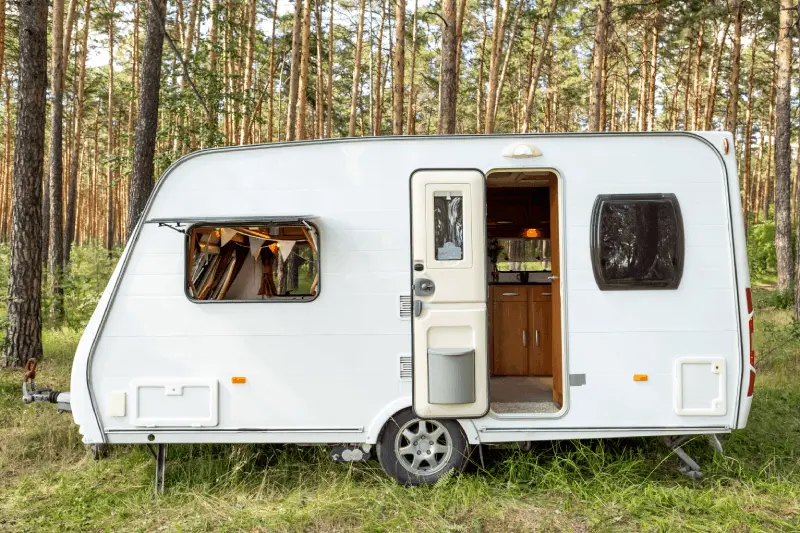
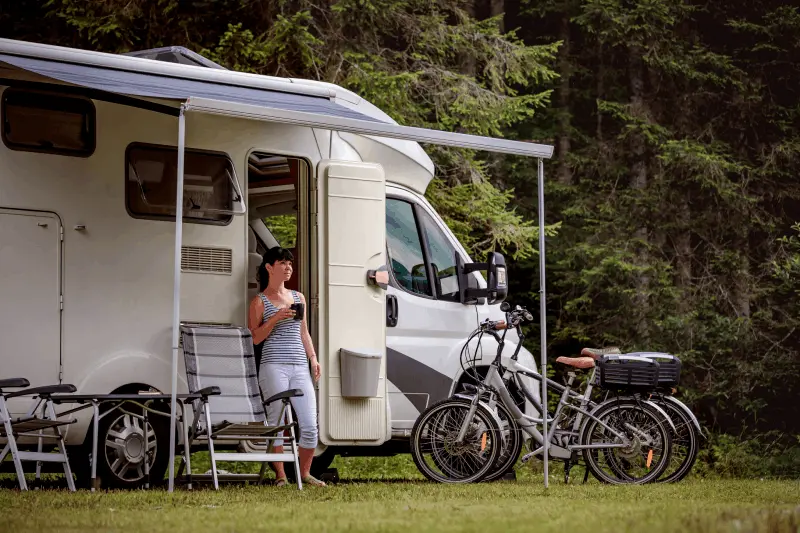
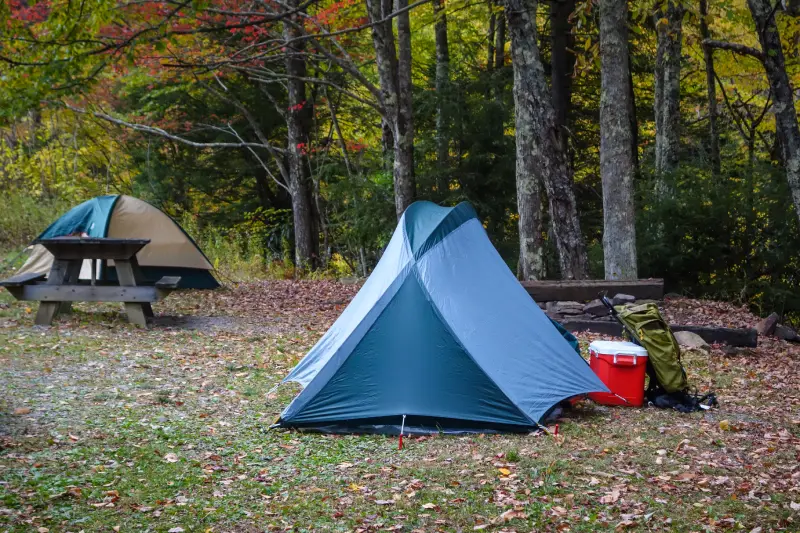
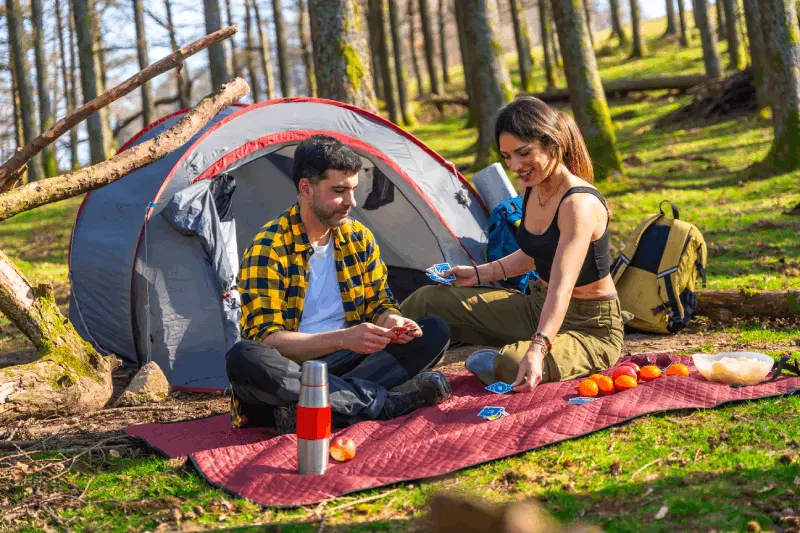
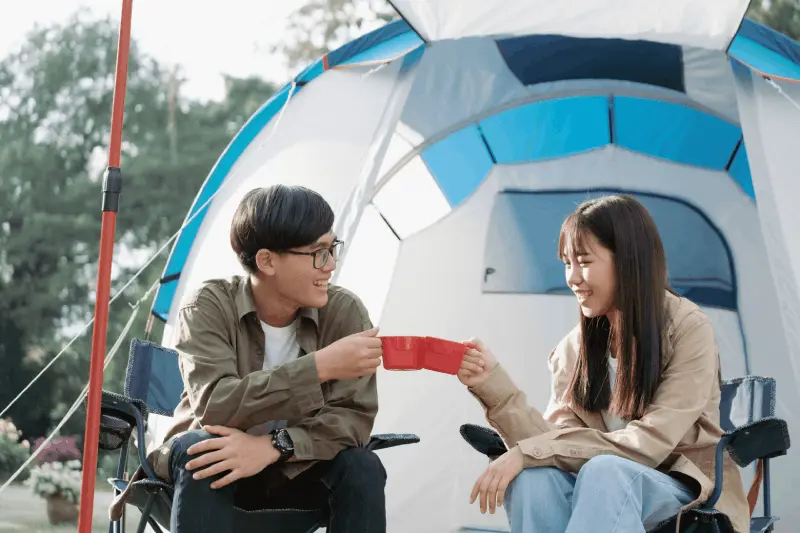
When you arrive at the camping area, the first thing you should do is to consider the privacy zones of your neighbors while determining where to set up your tent or caravan. If the area is not too crowded, it is best to leave a reasonable gap between you and the nearest person instead of setting up right next to them. People generally come to nature to escape the crowd; therefore, camping "shoulder to shoulder" can make the other party feel uncomfortable. As much as the physical conditions of the area allow, you should ensure that your tent lines do not intersect with the paths of other campers. Maintaining your distance helps preserve the personal space of both you and your neighbor and lays the groundwork for a positive relationship from the very beginning.
What Protocols Should Campers Arriving Late at Night Follow?
If you arrive at the camping area after sunset or at midnight, silence and light discipline are the most critical rules. You should act under the assumption that a large portion of other campers are asleep. You should not slam vehicle doors, speak loudly, and if possible, set up your tent at the most basic level with minimal noise. Avoid shining your car headlights directly at other tents; instead, use a low-lumen headlamp. If setting up your tent will be too noisy, it would be most courteous to simply lay out your sleeping bag and wait until morning. This kind of sensitivity is the only factor that determines the sincerity of the greeting you will receive from your neighbors when you wake up in the morning.
How Should Hygiene Be Maintained in Shared Kitchens and Dishwashing Areas?
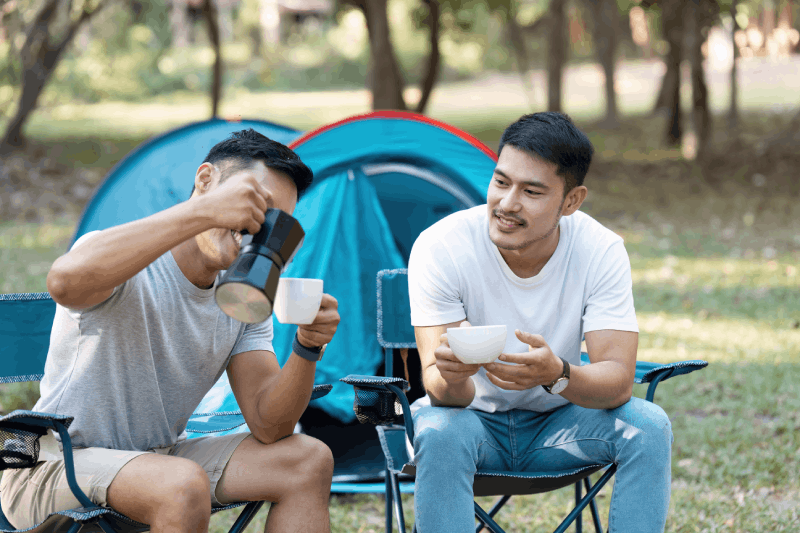
In many camping areas, shared kitchens and dishwashing points are among the areas where hygiene can deteriorate the fastest. When washing your dishes, it is a fundamental ethical rule not to leave food scraps in the sink and not to leave the counter wet and dirty. Additionally, you should strive to use environmentally friendly, biodegradable detergents when washing your kitchen utensils. While waiting in line behind other campers, not occupying the area more than necessary is part of social harmony. When you finish your work, leaving the area cleaner than you found it is not just a courtesy but also a necessity. The cleanliness of these areas directly affects the overall health standards of the camp.
How Should Pet Owners Respect the Space of Other Campers?
Bringing a dog or another pet to the camping area is enjoyable, but it comes with significant responsibilities. You must ensure that your pet does not disturb the peace by barking constantly, does not go into others' tents to steal food, and does not damage camping equipment. You should always keep your dog under control and clean up any messes it makes immediately. Some people may be afraid of dogs or have allergies; therefore, you must always ask for permission before allowing your pet to approach others. Remember, your cute friend, who is a member of your family, can be a source of noise or security concern for others.
How Should Wind and Smoke Effects Be Calculated When Starting a Campfire?
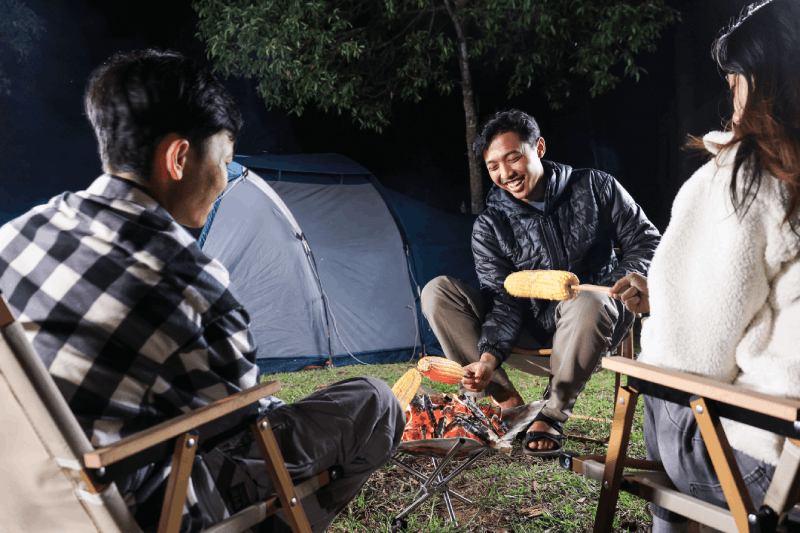
Spending time by the fire is the spirit of camping, but the direction of the smoke can disturb your neighbors. Before lighting your fire, you should check the wind direction and ensure that the smoke does not go directly into someone else's tent. Additionally, playing loud music or talking loudly by the fire can be heard from miles away in the quiet of the night. Always keep the fire under control and ensure it is completely extinguished before going to sleep. When collecting firewood, you should not damage living trees; only use dry branches on the ground. Allowing ash or thick smoke to go into your neighbor's tent is considered a serious disrespect and can spoil the camping experience.
How Should Families with Children Maintain Social Order in the Camping Area?
Nature is a great playground for children, but a camping site is not an amusement park. Parents should ensure that their children do not get tangled in the tent lines of other campers and do not run around making noise in others' resting areas. Teaching children the silence and respect that comes with being in nature is also important for their development. Toys in shared areas should be collected, and children should not be left unattended in areas like toilets and bathrooms. While other campers may try to be tolerant of children's noise, parents should be proactive about this and not lose control, as it prevents tensions within the camping community.
What Should Be Done to Prevent Visual and Light Pollution?
Powerful LED flashlights and projectors used in modern camping can disrupt the natural atmosphere of the night. When illuminating your area, you should direct the light downwards and avoid using lights that are powerful enough to illuminate your neighbor's tents. Especially when using a headlamp, it is a fundamental courtesy not to shine the light directly into someone's eyes while talking to them. Turning off your outside lights before going to bed ensures that the stars can be seen and shows respect for those seeking peace in the night. Light pollution can negatively affect not only people but also the wildlife in the area; therefore, the principle of "the less light, the better the camp" should be followed.
How Is the "Leave No Trace" Principle Applied in Waste Management and Waste Disposal?
The "Leave No Trace" principle should be the constitution of every camper. When leaving your camping area, you should clean not only your trash but also organic waste such as fruit peels or nut shells. These wastes can attract wild animals to the camping area, posing a danger for the next camper. Keeping your trash in sealed bags and preventing odors is also important for neighborly relations. If there is no trash can in the camping area, you should load all your waste into your vehicle and take it to the nearest city center. Any waste left in nature permanently damages the ecosystem and its aesthetic value.
What Should Be the Time Limits for Using Generators and Technological Devices?
Using a generator may be unavoidable, especially in caravan camping, but the noise they produce can ruin the silence of nature. You should only use your generators during certain hours (usually between 10:00 AM and 6:00 PM) and, if possible, in a soundproof manner. Starting a generator when the evening silence begins is one of the biggest camping sins. Similarly, instead of playing music loudly outside, using headphones shows your respect for the people around you. No one goes to nature to listen to your music taste or the sound of your generator's motor; therefore, you should plan to use technology minimally and in a way that causes the least disturbance.
How Should Time Management Be Done in Shared Bathrooms and Toilets?
Waiting for your turn in toilets and bathrooms in camping areas can sometimes be unavoidable. Spending hours in these areas, overdoing personal care, or wasting water unnecessarily infringes on the rights of others. Taking short showers and handling long processes like shaving or makeup at the beginning of your tent is a more considerate approach. Additionally, cleaning up hair from the floor after using the bathroom and leaving the toilet clean is the most basic hygiene requirement of social life. The cleanliness of these areas is the responsibility of both the camping operation and the users. The meticulousness you do not show in your own home should be doubled in shared areas.
What Are the Alcohol Consumption and Social Boundaries in the Camping Area?
A pleasant drink can enhance the enjoyment of camping, but exceeding alcohol limits can lead to noisy behaviors and uncontrolled actions. Laughing, arguing, or showing signs of intoxication loudly enough to disturb others is completely against camping ethics. You should ensure that your voice does not reach other tents while drinking in your area. Additionally, you should not leave empty bottles lying around; you should hide or throw away these wastes with the first light of morning. Camping areas are generally places where families and those seeking peace gather; therefore, maintaining social boundaries and avoiding excess is part of being a respectful camper.
Where Are the Ethical Boundaries in Helping and Sharing Equipment?
The spirit of camping requires helping those in need. If you see that a neighbor is struggling to set up their tent, needs a tool, or is looking for first aid supplies, offering help is a very common behavior. However, this does not mean that your neighbor should rely on you for every need or that you should intrude into their space without permission. When you borrow something from someone, you should return it immediately and in a clean manner. Constantly trying to fulfill your own deficiencies by borrowing from others is seen as "dependency" and is not well-received. Helping should be based on a voluntary principle and should never become a burden.
How Should Tree Selection and Placement Be Done When Setting Up a Hammock?
Enjoying a hammock is essential for camping, but not every tree is suitable for hanging a hammock. Hanging a hammock on young and thin trees can damage the tree's trunk and hinder its growth. If possible, you should use wide straps that protect the tree and avoid thin ropes that damage the tree bark. Additionally, you should not hang your hammock over paths where people walk or in a way that obstructs others' views. Choosing the exact front of your neighbor's tent when setting up a hammock means violating their privacy. Choosing the right place and the right tree is a sign of respect for both nature and people.
What Should Be on the "Final Check" List When Leaving the Camping Area?
When your camping is over and you start to pack up, you should ensure that the area is cleaner than it was before you arrived. There should be no trace left except for the yellowed grass that comes out from under your tent. Cigarette butts, small plastic pieces, or food scraps left on the ground should be picked up one by one. If you have made a fire, you should completely cool the ashes and dispose of them properly, and you should level the fire area. Saying goodbye to your neighbors and wishing them "good camping" is a graceful finale to camping culture. The clean area you leave behind is the best gift you can give to the next guest and reflects your camping ethics.
How Should Noise Pollution Be Addressed and Complaints Be Made?
If the campers around you are not adhering to noise rules, you should use gentle and constructive language before reacting. Instead of shouting directly, approaching them and saying, "I see you are trying to relax, but the noise is a bit high" usually yields positive results. If the problem persists, it is best to seek help from the camp officials. Getting into big arguments on your own can disrupt the peace of the entire camp. The important thing is to resolve the issue without escalating it and without hurting anyone. Being empathetic helps us understand that the other party may sometimes raise their voice without realizing it and reduces tension.
Why Is Feeding Wildlife Considered an Ethical Offense?
It is possible to encounter animals such as foxes, cats, dogs, or birds in camping areas. While feeding these animals may sound cute, it actually harms them and future campers. Wild animals fed with human food lose their natural hunting instincts and become dependent on humans. This can lead to their aggression or cause them to invade camping areas and tear down tents. You should always keep your food in sealed containers and inside your vehicle. Causing an animal to try to steal your neighbor's food indirectly creates a security issue. Leaving nature as it is begins with observing animals in their natural state.
How Should Gray Water and Chemical Waste Be Disposed of in Nature?
Gray water (kitchen and bath water) or black water (toilet waste) that accumulates in caravans should never be dumped randomly. These waters can cause significant damage to the soil and groundwater due to the chemicals and bacteria they contain. It is mandatory to use designated disposal points for this purpose in camping areas. If there is no such point, you should collect your waste in appropriate tanks and take them to legal dumping sites. Just thinking of it as "a bucket of water" can lead to a major environmental disaster as thousands of campers do the same thing. Respecting nature also means properly managing even the unseen wastes.
How Should Safety and Behavior in Suspicious Situations Be Handled in the Camping Area?
Camping areas are generally safe places, but it is always good to be vigilant. If you see unfamiliar individuals exhibiting suspicious behavior around others' tents, you should quietly observe the situation and report it to camp authorities if necessary. The good relationships you have built with your neighbors actually create a mutual security network. Glancing at your neighbor's tent while they go to the restroom gives them a sense of security. You should never leave valuable belongings out in the open; you should contribute to the social security of the camping area. This should not be seen as snitching but rather as a social solidarity and protection reflex.
What Are the Privacy and Noise Rules for Using Drones?
You may want to use a drone to capture great camping scenery, but the buzzing sound and cameras produced by these devices can seriously disturb people. Before flying a drone, you should definitely ask for permission from nearby campers or choose quieter times when there are no people around. Flying low over others' tents is an invasion of privacy and can lead to legal issues. Using a drone is not just a visual hobby; it is also a responsibility regarding airspace and the privacy of personal lives. Flying a drone in a valley where silence reigns can cut through that silence like a knife; therefore, you should be very careful.
How Should the Arrangement and Neighborly Relations Be in Long-Term Camps?
If you are going to stay in a camping area for weeks, it may be tempting to arrange your area like a "home." However, building fences around your area, occupying large spaces, or setting up permanent structures restricts the rights of other campers to use the area. Establishing deeper communication with your neighbors during long-term stays, such as sharing meals together or having evening chats, enriches the camping experience. Still, you should always remember that you are a "guest" and keep your arrangement minimalist, causing the least harm to nature and not obstructing others' movement. Building lasting friendships in a temporary community is one of the most beautiful aspects of camping.
How Do Ethical Rules Change According to Seasonal Conditions?
In winter camping, larger fires may be lit or more fuel may be consumed due to the need for warmth, making smoke and odor management even more critical. In summer, due to crowds, noise and hygiene rules come to the forefront. In rainy weather, care should be taken to clean shoes when entering shared areas to avoid bringing mud. Each season has its own unique challenges and ethical priorities. Campers should develop their empathy skills according to the conditions they are in and consider the impact of the current environmental conditions on others. Flexibility and understanding are your best camping companions in every season.

Who Should Be Considered When Taking Photos and Videos in the Camping Area?
When creating content for social media, it is important to obtain the consent of other campers who enter your frame. No one wants their photo taken in pajamas or inside a messy tent and shown to thousands of people. You should ensure that others' private areas do not appear in the background. You should be especially sensitive when taking and sharing photos of children. While collecting your own moments, it is also critical not to violate the peace and privacy of others from a digital ethics perspective. Ruining someone's camping enjoyment for the sake of a beautiful landscape shot is not a behavior that aligns with a true camper.
What Rules Should Be Followed in Solar Panel Placement and Energy Sharing?
Solar panels are silent and eco-friendly energy sources, but when placing them, you should not block your neighbor's sunlight or invade their space. If there are a limited number of electrical outlets in the camping area, it is a great courtesy to share the outlet with others once your needs are met or to use a power strip to share resources. In places where access to energy is limited, "selfishness" is the biggest source of tension. Being generous means not only sharing items but also allowing for the fair use of resources. The sun is for all of us; it is up to us to use it in the most efficient and respectful way.
How Should Neighborly Courtesy Be Practiced on Hiking Trails and Paths?
When you encounter other campers on the hiking trails surrounding the camping area, giving a brief greeting or smiling enhances the spirit of camaraderie in nature. Yielding to the person going uphill on narrow paths, showing patience to those walking slowly, and walking without making noise is essential. When hiking, you should stay on marked paths to avoid damaging the plant cover. Walking quietly in nature not only increases your chances of seeing wildlife but also enhances the overall atmosphere of the camping area, making people feel safer and happier.
What Should Be Considered When Using Shared Refrigerators and Coolers in the Camping Area?
If there is a shared refrigerator in the camping area, you must write your name and date on your items. Taking someone else's food or drink "by mistake" is a serious ethical violation. You should not unnecessarily overfill the refrigerator; only place perishable items inside. Additionally, it is important not to leave the refrigerator door open for long periods to save energy and protect other food. You should not leave spoiled or smelly food in the fridge and should completely empty the fridge when leaving. The order in these areas is one of the most concrete indicators of the respect campers have for each other.
What Does the Concept of Quiet Hours Include?
Generally, camping areas designate "quiet hours" from 10:00 PM to 8:00 AM. During this time, you should speak in whispers, completely stop music playback, and minimize physical activities. Even moving slowly when unzipping your tent is a courtesy to avoid waking someone sleeping in the adjacent tent. Those who wake up early in the morning should also remain quiet until others wake up and avoid making noise with metal pots and pans while preparing their coffee. Sleep is the most important part of rejuvenation in nature, and disturbing someone else's sleep is akin to sabotaging their vacation.
When Should Relocation or Tent Shifting Be Done?
Sometimes you may realize that the spot you have settled in is not suitable due to wind, sun, or neighbor noise. When you want to change your location, it is very polite to ask the campers in the new area, "Is it okay for you if I set up here?" Additionally, you should not move to a new place without completely cleaning your old spot. If another camper has set up very close to you and it makes you uncomfortable, you can politely explain the situation without escalating it and request them to move a bit. Communication solves every problem. While seeking your own comfort, it is important to avoid disrupting others' arrangements, which is one of the fundamental rules of camping.
How Should Community Support Work in First Aid and Emergency Situations?
In nature, small accidents or unexpected health issues can happen at any moment. If you notice that your neighbor is injured or feels unwell, you should be ready to help immediately. If you have basic first aid knowledge, you should share it; otherwise, you should call for help. Similarly, knowing that you can ask your neighbors for help for your own medical needs provides peace of mind. Camping is not an isolated individualism but a collective stance against the challenges of nature. Being each other's protector turns the camping area into a safe haven, not just a place to stay.
What Can Be Said as a Summary of the Camping Etiquette Guide and Final Words?
In conclusion, camping etiquette is the adaptation of the principle of "do not do to others what you do not want done to yourself" to nature. A camper who acts with respect, empathy, and environmental awareness enhances not only their own vacation but also the experience of everyone around them. Leaving nature better than we found it, saying goodbye to people with a smile, and listening to the sound of silence is what true camping is about. Following these rules not only makes you a good neighbor but also turns you into a conscious individual who deserves to understand the language of nature and be a part of it. Remember, we are guests in nature, and the best kind of guest leaves behind only beautiful memories and clean ground.