How Should Breakfast Planning Be Done While Camping?
The most enjoyable way to start the day in nature is with a healthy breakfast accompanied by the sounds of birds. However, since the facilities are limited while camping, planning is of vital importance. First, you should determine how many days you will stay and the number of people. Prepare your ice packs to store perishable items (milk, eggs, cheese) in cooler bags. When creating your menu, you should balance carbohydrates that will provide energy and proteins that will keep you full for a long time. Portioning the ingredients at home and placing them in zip-lock bags will reduce waste while camping and shorten preparation time. Also, don't forget to plan your drinks by considering water consumption.
What Tips Should Be Known for a Practical Menemen?
Menemen, one of the most beloved dishes of Turkish breakfast culture, is also quite ideal for camping. Its preparation in a single pan reduces the dishwashing load while providing the energy you will need throughout the day. When making menemen while camping, chopping the peppers and tomatoes at home and storing them in a container provides great convenience. You should first sauté the peppers in a little oil and then add the tomatoes, waiting for them to release some of their juice. Adding spices before breaking the eggs ensures that the flavor is evenly distributed throughout the dish. If you are cooking over a campfire, you should be careful to distribute the heat evenly in the pan; otherwise, the high flame can cause the tomatoes to burn quickly. This flavor is unbeatable when paired with fresh village bread.
Why is Sucuklu Yumurta Indispensable While Camping?
The appetizing aroma of sucuk that spreads in the mornings when you wake up while camping is one of the biggest sources of motivation for campers. Sucuk is rich in both protein and fat, quickly providing the fuel the body needs, especially in the mornings. Its preparation is quite simple; just slice the sucuk and lightly fry it in its own fat before breaking the eggs on top. Since the spices in sucuk add extra flavor to the dish, you don't need to use too many spices. Additionally, sucuk is a bit more durable compared to other meat products when stored properly. Thanks to its nutritional value and practicality, sucuklu yumurta is worth its weight in gold, especially on days when physical activity will be intense.
Is Oatmeal a Possible Energy-Filled Start?
If you are looking for a lighter yet filling option in the mornings, oatmeal can be one of your best choices. Thanks to its complex carbohydrate structure, oats release energy slowly into the bloodstream, providing a long-lasting feeling of fullness. It only takes a few minutes to prepare. You can cook it with hot water or milk, or you can soak it in a jar overnight and consume it in the morning. You can enhance its flavor by adding nuts (walnuts, hazelnuts), dried fruits (apricots, raisins), and a bit of honey. For campers who will be hiking or doing long-distance walks, oats are an easily digestible superfood that boosts performance.
What Ingredients Are Used When Preparing Breakfast Burritos?
Breakfast burritos are the "everything included" breakfast of camps, as they can be eaten by hand and accept all kinds of ingredients. Essentially, they consist of lavash bread, scrambled eggs, cheese, and optionally salami or sausage. However, enriching this recipe is entirely up to your creativity. You can increase the nutritional value by adding roasted peppers, corn, or avocado. After frying all the ingredients in a pan, if you wrap them in lavash and lightly heat the outside in the pan, you will achieve a crispy texture. The biggest advantage of a burrito is that it can be consumed even while hiking. A burrito wrapped in paper and placed in your pocket is a filling meal that comes to your rescue whenever you feel hungry.
Is Potato Fry a Filling Option?
Potatoes are one of the highest satiety foods and deserve a leading role on camping tables. Preparing potato fry involves chopping the potatoes into small cubes and frying them in a pan with onions and peppers. If you are short on time, you can peel and soak the potatoes in water or over the fire overnight, and just fry them in the morning to speed up the process. When you add a bit of oregano and red pepper flakes, the taste is irresistible. If you want to increase the protein value, you can crack one or two eggs into the mixture at the end of the frying stage. The capacity of potatoes to keep the stomach full makes this recipe the number one choice for campers who will be eating on the go.
How Are Crepes or Pancakes Cooked While Camping?
For those who love sweet alternatives for breakfast, crepes or pancakes create a luxurious restaurant breakfast feeling in nature. If you mix flour, milk, and eggs in a pet bottle at home and bring it with you, all you need to do while camping is shake the bottle and pour it into the pan. Don't forget the baking powder to make the pancakes fluffy. Topping them with hazelnut cream, peanut butter, or fresh fruits creates a wonderful combination. This is especially the most requested recipe in camps with children. Cooking in small portions makes flipping easier. Eating a pancake with smoke wafting above it at the campfire definitely elevates the camping experience and ensures you start the day happily.
What Alternatives Are There for Toppings on Bread?
Sometimes, instead of wasting time cooking, you can quickly prepare a meal.
You want to combine flavors with bread. At this point, toppings come into play. In addition to the classic duo of white cheese and tomatoes, avocado spread, which has become a favorite in recent years, and poached eggs on top are also a great option. Pistachio paste and banana slices are ideal for mornings when you need high energy. Even lightly toasting your bread over a campfire and drizzling it with garlic-infused olive oil can be a feast in itself. The best part of bread-based recipes is that they can be personalized; everyone can prepare their own slice according to their taste, which provides great practicality for large groups.How to Prepare Şakşuka Over a Campfire?
Şakşuka is both a visual and taste delight for those who love vegetable-based meals. This recipe, where eggplant, peppers, and zucchini meet tomato sauce, is not just a breakfast dish but a meal that can be enjoyed at any time. To make this recipe at camp, it helps a lot to have your vegetables pre-chopped. After sautéing the vegetables nicely in a pan, pour in a generous amount of garlic tomato sauce and let it simmer over low heat. You can serve it topped with crumbled white cheese or sprinkled parsley. Since Şakşuka can be consumed hot or cold, you can also use leftover portions in your sandwiches throughout the day. Thanks to its fibrous structure, it also supports the digestive system.
How to Make a Sweet Breakfast with French Toast?
French toast is an amazing camp recipe, especially for using up stale bread. Dip slices of bread into a mixture prepared with eggs, milk, and a pinch of cinnamon, and fry them in a buttered pan until both sides are golden brown. Making this recipe at camp is quite simple since the main ingredients are always at hand. You can serve it with a drizzle of honey, molasses, or powdered sugar. The appetizing aroma of cinnamon and the soft texture of the bread will warm you up on a cold camp morning. When enjoyed with a cup of hot tea, French toast is one of those rare delights that brings the comfort of home to the heart of nature.
How to Make the Quickest Breakfast with Muesli and Yogurt?
If you want to save most of your time for hiking or resting, the muesli-yogurt duo will be your lifesaver, requiring no stove at all. You can instantly prepare your breakfast by adding ready-made muesli or granola on top of a bowl of strained yogurt or regular yogurt. Adding fresh strawberries, blueberries, or bananas according to the season not only increases the vitamins but also balances the flavor. Thanks to the probiotics in yogurt, it helps protect your stomach against the variations in nutrition in nature. This type of breakfast is a perfect fit for those looking for a refreshing option during hot summer camps. It takes a minute to prepare and two minutes to finish, leaving you plenty of time for the rest of the day.
What Should Be Included in Camping Gear for Breakfast?
For a successful breakfast, the right equipment is as important as the taste of the food. First of all, a quality, non-stick pan (preferably cast iron or anodized aluminum) will be your biggest helper. A windscreen is essential to prevent the fire from going out in windy conditions, and a sturdy camp stove is a must. A spatula, cutting board, and a sharp knife will speed up the preparation process. For storing ingredients, airtight containers and a quality cooler to prevent food spoilage will be a lifesaver in the long run. Additionally, for coffee lovers, a manual coffee grinder or a practical French press completes the morning ritual. Having lightweight and stackable equipment provides a significant advantage in terms of transport comfort.
What is the Role of Spices in Camp Breakfast?
Spices are one of the most important elements that change the flavor of a dish. If you want to create wonders with limited ingredients at camp, you should keep your spice bag well-stocked. Beyond salt and pepper; you should carry flavors like oregano, red pepper flakes, cumin, and turmeric with you. You can even save space by storing them in small pill containers or tiny vacuum-sealed bags. For example, you can turn an ordinary meal into a gourmet delight by adding oregano to potatoes, red pepper flakes to eggs, and cinnamon to oats. Spices not only add flavor but can also help speed up metabolism, aiding in maintaining body heat. Proper use of spices is the secret key to professionalism in camp cooking and makes your meals unforgettable.
Do Homemade Preparations Save Time?
Half of the success in camp cooking starts at home. Peeling, chopping, and washing vegetables in nature not only wastes water but also takes up your time. Therefore, it is a great idea to wash and chop all vegetables at home and put them in zip-lock bags. If transporting eggs without breaking them is difficult, you can crack them into a bottle and shake it to have ready "liquid eggs". Preparing and freezing liquid mixtures like pancake batter will not only serve as a freezer function but will also be ready to cook immediately when needed. These small touches made at home will give you more time to relax and enjoy nature while camping. Remember, the goal at camp is not to struggle to cook but to achieve maximum flavor with minimum effort.
What Types of Breakfasts Should Be Preferred in Cold Weather Camps?
In winter camps, the body's greatest need is to produce heat, which means consuming more calories. On cold mornings, in addition to quick sugars that will quickly enter the bloodstream, heavy proteins and fats that will provide long-lasting fuel should also be consumed. A hot soup can even be a part of breakfast; lentil soup is a great breakfast option in winter camps. Toasted bread with butter, cheesy omelets, and hot oatmeal with plenty of dried fruits will keep your body warm. It elevates. Additionally, increasing the consumption of hot beverages is critical to prevent dehydration. In a breakfast made in cold weather, you should be careful to consume your food as soon as you take it off the stove or to warm your plate slightly to counter the rapid cooling of the food.
Do Protein-Focused Breakfasts Keep You Full All Day?
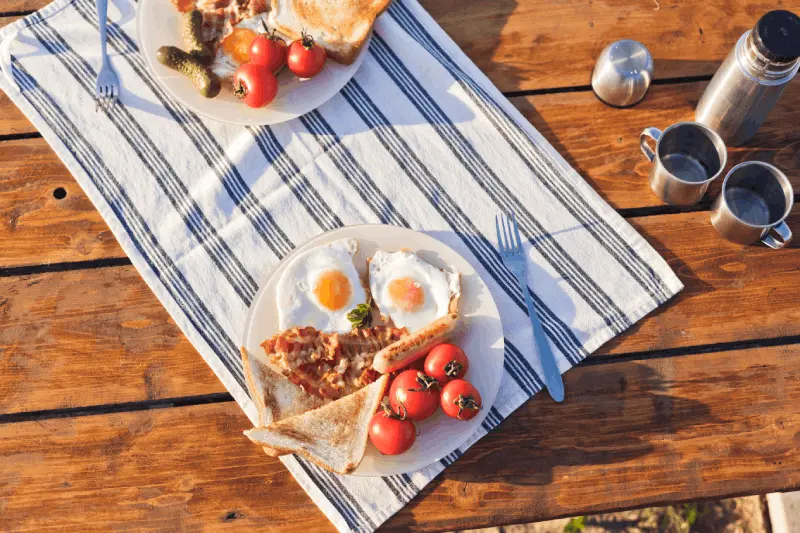
Scientifically, the digestion of proteins takes longer than that of carbohydrates, which ensures a more lasting feeling of fullness. If you are going to hike a long route while camping, you should definitely include protein sources such as eggs, cheese, sausage, or peanut butter in your breakfast. A breakfast made only with bread and jam can quickly raise your blood sugar and then suddenly drop, causing you to feel hungry shortly after. On the other hand, a plate rich in protein keeps your energy levels more balanced throughout the day. Boiled eggs are one of the most practical solutions at this point; you can boil them the night before and just peel them in the morning. Consuming protein is essential during physical challenges to maintain and repair muscle tissue.
What is the Freshness Effect of Fruits in Breakfast?
Alongside heavy breakfasts, fresh fruits are the most natural flavor enhancers that soothe the stomach and provide freshness. Durable fruits like apples, bananas, and oranges are suitable for camping backpacks. Fruits provide natural sugars (fructose) and regulate digestion with their fiber content. A few slices of apple or a handful of grapes added to the edge of your breakfast plate will cleanse your palate and help you better appreciate other flavors. Additionally, fruits are the easiest way to obtain critical vitamins like vitamin C, which is often lacking in nature. If you cannot carry fresh fruits, dried fruits (apricots, figs, plums) can serve the same purpose. Fruits are valuable components that add color and health to camping tables and should not be overlooked.
How to Enrich an Olive and Cheese Plate?
A classic olive and cheese plate can be transformed into a luxurious appetizer plate with a few small touches. Adding olive oil, oregano, and a bit of lemon juice over the olives takes the flavor to a whole new level. Diversifying the types of cheese; for example, adding a soft cream cheese or aged cheese next to a hard cheese enhances the taste. Adding walnuts, sun-dried tomatoes, or fresh rosemary visually enriches the plate as well. Preparing such a plate while camping is very easy since it does not require cooking. Especially for campers who will set off early in the morning, a plate filled with healthy and local flavors in a "grab and go" style is always a favorite. The choice of good olive oil is the most important factor determining the quality of this simple plate.
What are the Techniques for Brewing Tea and Coffee Over a Campfire?
The most sacred moment of camping is the first cup of tea or coffee brewed over the fire. For tea, it is usually preferred to use a "samovar" method or a teapot directly over the fire. The slow boiling of water over the coals gives the tea an unmatched smoky flavor. For coffee lovers, there are more options. You can prepare espresso-like coffee using a moka pot, or you can boil ground coffee directly in water using a method called "cowboy coffee" and wait for it to settle. Whichever method you choose, the quality of the water directly affects the taste. Watching nature while sipping your coffee helps you shake off the morning grogginess. This ritual is one of the most fulfilling aspects of camping life, both socially and spiritually.
What Breakfast Recipes are Suitable for Vegan Campers?
Camping without consuming animal products offers great alternatives. The "vegan omelet" made with chickpea flour and water instead of eggs is quite nutritious. Additionally, avocado is an indispensable plant-based oil and protein source for camping tables. The mixture of tahini and molasses provides both high energy and deliciousness. Hummus is a great option for spreading on bread at breakfast or eating with vegetables. Oatmeal enriched with nuts can also be prepared with plant-based milks (almond or oat milk). Vegan nutrition means using more vegetables and legumes in camping cuisine, which is a significant advantage for easy digestion. A well-planned vegan camper's backpack is always colorful and full of energy.
How to Make Breakfast Enjoyable for Kids on Camping Holidays?
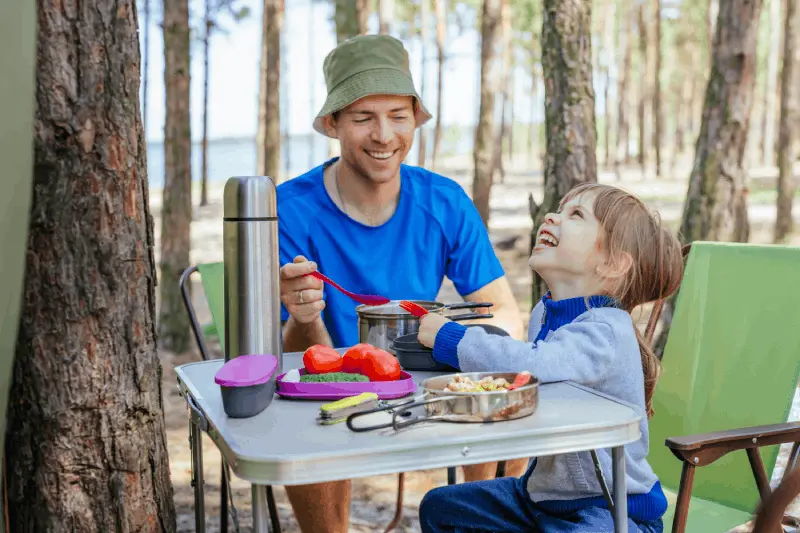
Camping can be a big adventure for kids, but they can be picky about food. Involving them in the breakfast process is the best way. For example, you can let them decorate their pancakes with fruits or turn "bread on a stick" into a game. Wrapping the dough around a stick and cooking it over the fire will be an unforgettable experience for them. Chocolate hazelnut spread or colorful fruit platters always catch their interest. Additionally, you can prepare small sandwiches and convince them to have breakfast with a "treasure hunt" concept. Since children's energy runs out quickly, it is crucial for breakfasts to be both fun and nutritious to prevent crankiness throughout the day.
How to Utilize Canned Foods in Breakfast?
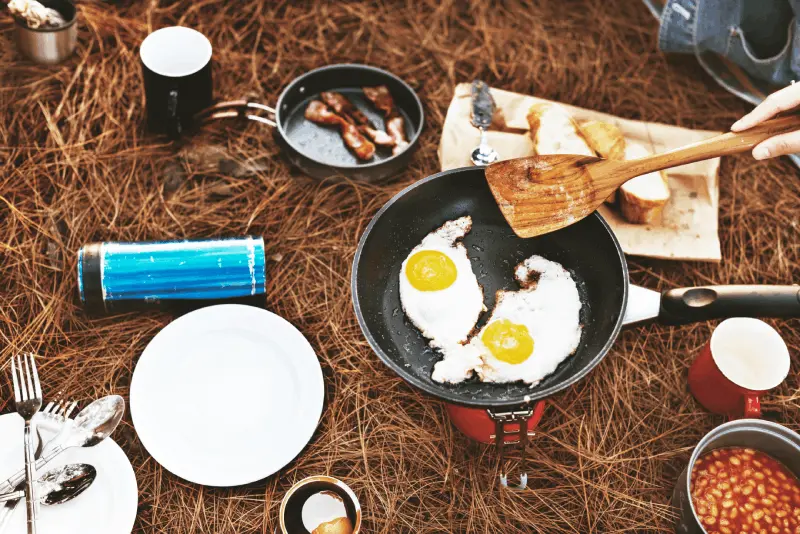
Canned foods are lifesavers in long-term camps where fresh produce is at risk of spoiling. For breakfast, canned corn, roasted peppers, mushrooms, or baked beans are excellent options. If you want to have an English-style breakfast, you can heat the canned beans in a pan and add an egg next to it. Canned tuna or sardines are also quick solutions to meet protein needs. presents. The biggest advantage of canned foods is that they can be stored at room temperature and do not require preparation. However, you should not leave empty cans in nature; you must bring them back with you. A breakfast prepared with canned foods is your most reliable friend in emergencies or when your equipment is insufficient.
How Can the Post-Cooking Cleaning Process Be Made Easier?
As enjoyable as eating is, washing dishes can be just as tedious, especially in cold water. To simplify this process, you should prefer "one-pot" recipes whenever possible while cooking. If you put some water in your pan right after using it and heat it on the stove, you will ensure that the leftovers soften. It is very important to use biodegradable dish detergents that do not harm nature. Additionally, pre-cleaning heavy dirt with paper towels reduces water usage. Never pour your dishwater directly into a stream; dig a hole at least 60-70 meters away from the water source and pour it there. Planning the cleaning process is essential to maintain the hygiene of the campsite and keep wild animals away.
What Are the Psychological Benefits of Having Breakfast in Nature?
Unlike the stress of city life, quick breakfasts, and mornings spent in front of screens; having breakfast in nature provides a mental cleansing. As fresh air fills your lungs, you can smell the food more deeply. This situation naturally brings the practice of "mindful eating"; that is, you focus on the taste, texture, and the moment of the food. Scientific studies show that time spent in nature lowers cortisol (the stress hormone) levels. A calm breakfast made with the first rays of the morning light refreshes the mind and creates a positive foundation for the rest of the day. Adapting to the rhythm of nature helps a person find their inner balance. For this reason, a camping breakfast is not only physical nourishment but also mental nourishment.
Is It Possible to Capture Great Flavor with Few Ingredients?
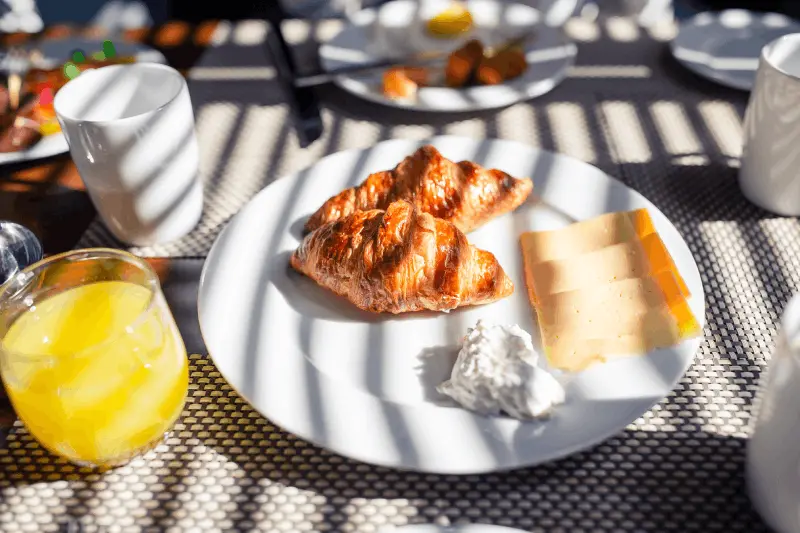
It is definitely possible; the art of camping cuisine lies in simplicity. With just a piece of good cheese, quality olive oil, and fresh bread, you can make the best breakfast in the world. What matters is the freshness and quality of the ingredients. For example, an omelet made with just eggs and some local herbs (thyme, mint, or edible plants you picked from nature) can be tastier than hotel breakfasts that include dozens of varieties. A minimalist approach reduces the weight you carry and keeps the cooking process uncomplicated. Using fewer ingredients challenges your creativity and allows you to truly taste each ingredient. Remember, the best flavors are often the simplest ones.
What Are the Breakfast Options Without Eggs?
Those who do not like eggs or have allergies still have a rich camping breakfast. You can prepare pancake batter without eggs and make plenty of cheesy and vegetable-filled wraps. By pouring olive oil and chili flakes over fried potatoes, you can create a wonderful meal. Peanut butter, jam, and bread are classic energy sources. Additionally, you can enjoy fruit salads or heat up pastries you brought from home over the campfire. A rich appetizer plate made of cherry tomatoes, cucumber, and walnuts is also a fresh option that won't make you miss eggs. An eggless breakfast is also a good alternative for those who want a lighter morning and offers great opportunities to diversify the menu.
Is It Necessary to Count Calories at Breakfast?
Counting calories while camping usually works differently than in the city. If you are not going to spend the whole day sitting in front of your tent, your body will burn significantly more calories than usual. Starting with the cold, setting up the tent, walking, and gathering firewood requires serious energy. Therefore, instead of restricting calories at breakfast, you should focus on nutritious foods that will keep your energy up throughout the day. Of course, this does not mean eating unhealthily; however, it is important to listen to your body and fuel it with the right fuel when you feel hungry. If you are not on a weight-loss-focused camping trip, being a little generous at breakfast will enhance your performance. Instead of counting calories, focusing on "nutrient density" (protein, fiber, vitamins) is a much more logical approach.
What Is the Impact of Seasonal Ingredients on Breakfast?
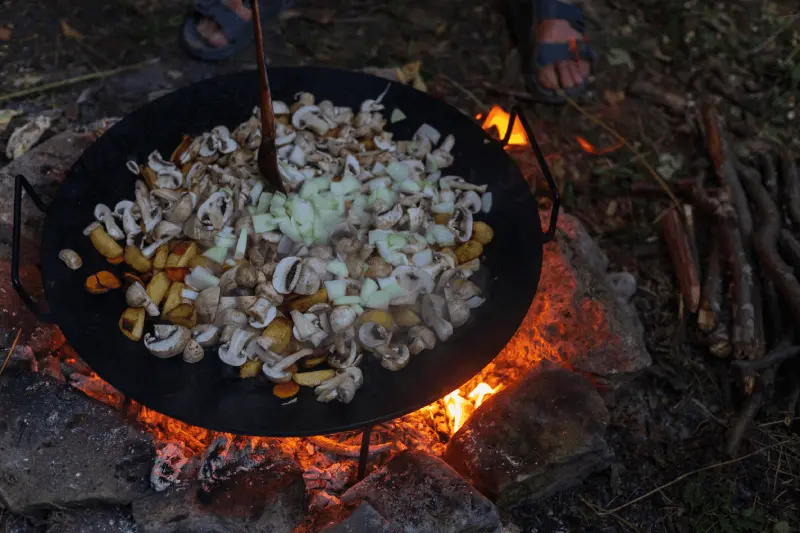
The fruits and vegetables offered by nature change according to the season, so updating your camping menu accordingly will bring freshness. In summer, you can make great menemen with juicy tomatoes and fresh peppers; in winter, you can lean more towards root vegetables and nuts. In autumn, roasted mushrooms make a great companion for breakfast, while fresh greens add energy to your table in spring. Eating seasonally is both more economical and ensures that foods are consumed at the time when their nutritional value is highest. Additionally, buying seasonal products from local producers in the area you visit (for example, local honey or cheese) combines your camping experience with the spirit of that geography.
What Is the Contribution of Sweets Like Honey and Jam to Energy?
Natural sugars like honey and jam are quick energy sources that enter the bloodstream (simple carbohydrates). Eating a slice of bread with honey when you wake up in the morning gives you instant energy because your blood sugar is low. Honey also has antibacterial properties and helps soothe the throat, providing support against potential colds in the camping environment. However, these types of sweets should not be consumed alone. It is important to consume foods that contain protein or fiber (for example, whole grain bread or cheese) together, as this ensures a more balanced distribution of energy. When choosing jam, it is advisable to prefer homemade and those with low sugar content, as this helps you avoid artificial additives. Sweets are the sweet and energy-giving final touches of a camping breakfast.
What should an ideal camping breakfast be like?
An ideal camping breakfast is one that is prepared with minimal equipment, offers maximum nutrition, and ultimately leaves minimal waste. Although it may vary according to a person's taste and the physical activity plan for that day; any plate that includes a protein source (egg/cheese), a complex carbohydrate (oatmeal/whole grain bread), and fresh vegetables/fruits can be considered "ideal". However, the most important thing is the peace you feel while making that breakfast. Every breakfast made without haste, while listening to nature and sharing with your loved ones, is more valuable than anything offered by the finest restaurant. Prepare in advance, protect your ingredients, and enjoy this unique experience with respect for nature. Camping breakfast is not just a meal, but a lifestyle.