Why Are Dried Legumes the Most Reliable Protein Source While Camping?
Dried legumes are the most loyal friends of campers and long-distance hikers (trekkers). Products like lentils, chickpeas, and beans are almost completely sealed off from microbial activity due to their very low moisture content. This allows them to remain unspoiled for months, or even years under proper storage conditions, without needing any refrigeration. While carrying fresh meat poses a significant risk to meet protein needs while camping, legumes perfectly fill this gap with their lightness and nutritional value. Quick-cooking varieties like red lentils also allow for fuel savings. Additionally, since legumes are rich in complex carbohydrates and fiber, they provide the sustainable energy you need in nature. The best way to carry them is in airtight sealed bags or lightweight plastic containers; this way, they are protected from moisture and maintain their freshness.
How Is the Weight and Nutritional Value Balance of Freeze-Dried Foods Maintained?
Freeze-drying technology is considered the pinnacle of food preservation methods. During this process, foods are first frozen, then the ice inside is turned into vapor in a vacuum environment (sublimation) and removed. The resulting product is a miracle that has lost 90% of its original weight but retains 97% of its nutritional value. The biggest advantage of these foods while camping is that they can be transformed into a home-cooked quality meal in just a few minutes by adding hot water. Because they are structurally porous, they absorb water quickly and their tissues remain very close to fresh food. Since the moisture that causes spoilage is completely eliminated, these packages can be stored at room temperature for up to 25 years. Thanks to their lightness, you won't feel the burden on your back even if you carry dozens of meals in your backpack. This technology is the most modern feature that increases the chances of survival in challenging climbs and long-term outdoor activities.
Pemmican: What Is the Survival Secret of Arctic Explorers?
Pemmican is the most durable energy bar known in history, discovered by Native Americans and later adopted by Arctic explorers. It is essentially made by mixing dried meat (usually buffalo or deer), rendered animal fat, and sometimes dried fruits (like blueberries) in specific proportions. The high fat content provides the immense calories needed to maintain body heat in cold weather conditions. Fat also prevents oxidation by cutting off the meat pieces' exposure to air, allowing this mixture to remain unspoiled for years in a cool place. Carrying pemmican while camping can serve as both a meal replacement and a lifesaving energy source in emergencies. Unlike processed foods, it contains no preservatives and offers maximum durability with completely natural ingredients. Adding your own pemmican to your camping gear allows you to experience one of the most primitive and effective nutrition methods in nature.
How to Store Ghee Without Spoiling in Hot Weather?
Regular butter quickly oxidizes and spoils in heat due to its milk proteins and water; however, Ghee (clarified butter) eliminates this problem at its root. This fat is obtained by evaporating the water through prolonged boiling at low temperatures and filtering out the milk solids, resulting in a product that is 99.9% pure fat. This purity ensures that Ghee does not spoil even at room temperature, or in the scorching heat of camping. With its high smoke point, it is ideal for cooking over a campfire. Additionally, because it is free from lactose and casein, it is much easier to digest. Ghee is not just a cooking fat; it is also a flavor bomb that adds tremendous aroma to your dishes. When stored in a glass jar or an airtight container, it can maintain its freshness for months as long as it is kept away from sunlight. If you want a delicious and high-calorie kitchen in nature, Ghee should be an indispensable part of your camping gear.
Hardtack: Is the "Ship Biscuit" Consumed by Sailors for Centuries Still Edible?
Hardtack is a type of biscuit made only from flour, water, and sometimes salt, baked multiple times to remove all moisture. It has been a staple food in some of history's toughest journeys, from wars to sea explorations. What makes it so special is that its moisture content is so low that bacterial growth is impossible. A hardtack biscuit can be consumed even 50 years later if stored in a dry container; however, there is a price for its durability: it is as hard as a rock. To consume it while camping, it usually needs to be softened by soaking in soup, coffee, or tea. It is an excellent option for modern campers as an "emergency ration." Even if you forget it in the bottom corner of your backpack, it won't spoil and will meet your carbohydrate needs at any moment. Although this biscuit is quite simple to make at home, it may not replace fresh bread in nature, but it is the most guaranteed way to avoid going hungry.
What Is the Scientific Truth Behind Honey's Thousands of Years of Preservation?
Honey is the only "eternally immortal" food produced by nature. Archaeologists have discovered that 3000-year-old honey found in the Egyptian pyramids is still edible. The extraordinary durability of honey is based on three fundamental factors: low moisture content, high acidity, and hydrogen peroxide formed by the enzymes of bees. Honey has a hygroscopic structure, meaning it attracts moisture, which kills bacteria by drawing out the water inside them. Carrying honey while camping is not only a natural sweetener but also a quick energy source and even provides a natural antiseptic for small cuts. Its crystallization does not mean it has spoiled; it returns to its original form when slightly heated. Storing it in a sealed, lightweight plastic tube prevents spillage and preserves its nutritional value in all weather conditions.
How Do Meat Drying Techniques Facilitate Access to Protein in Nature?
Meat is one of the fastest spoiling foods under normal conditions; however, the drying process (beef jerky) completely changes this situation. When more than 80% of the moisture in the meat is removed, there is no environment left for microorganisms to survive. Meats seasoned with spices and salt gain flavor and increase their durability due to the preservative effect of salt. While you can prefer packaged dried meats while camping, you can also prepare your healthy snacks at home using a dehydrator. It is lightweight, takes up little space, and requires no cooking. You can consume it while hiking or add it to a soup for a protein-rich feast at dinner. Lean meats have a longer shelf life because fats can become rancid over time. Therefore, when buying dried meat, it is essential to pay attention to the fat content to maintain your health during long-term camping.
Why Are Nut Butters and Dried Fruits Unmatched in Energy Storage?
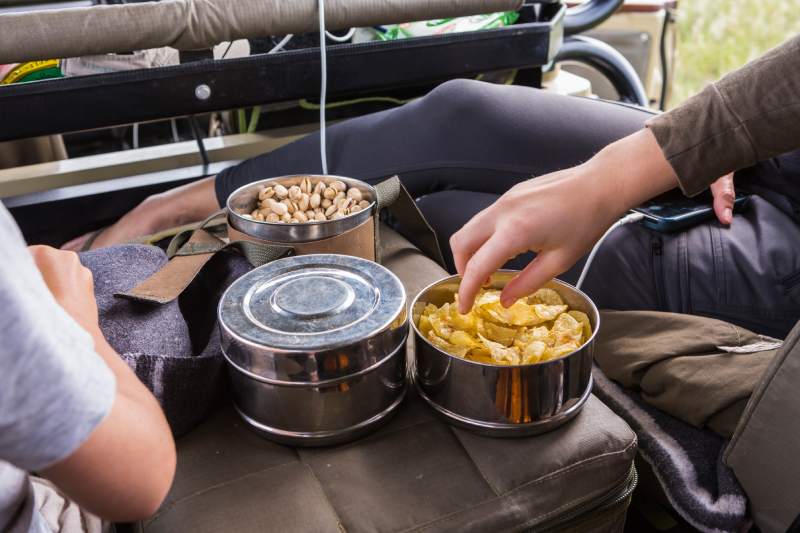
Dried fruits and their butters are dense energy stores that offer the highest calories per gram. Nuts like walnuts, almonds, and hazelnuts are rich in natural fats and proteins. The vitamin E they contain acts as a natural preservative. Hazelnut or pistachio butter is the king of camping breakfasts due to its filling nature and practicality. The moisture content of these products is very low, making them quite resistant to spoilage. However, due to their high-fat content, they can undergo "oxidation" or rancidity if exposed to direct sunlight for long periods. To prevent this, it is recommended to store them in opaque and airtight containers. In those critical moments when you need a quick energy boost while camping, a handful of nuts or a spoonful of pistachio butter can stabilize your blood sugar and keep you going. Additionally, their fibrous structures help regulate your digestive system.
How Are Root Vegetables' Durability Below Ground Transported to Camping?
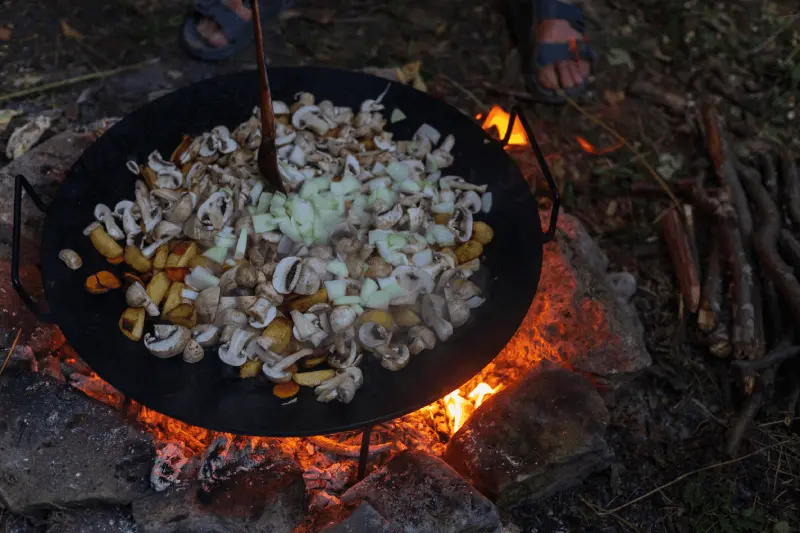
Root vegetables like potatoes, carrots, onions, and garlic are naturally designed to be suitable for storage. These vegetables can stay alive for weeks underground and are among the most durable fresh food options while camping. Especially potatoes and onions can maintain their freshness for 2-3 weeks even in a camping situation if kept in a cool and dark place (like the inner parts of your backpack). When transporting these vegetables, you should be careful not to crush them by bumping into each other and to keep them dry. Carrots can be wrapped in a cloth to prevent moisture loss. Root vegetables add fresh texture, vitamins, and minerals alongside canned or dried foods. The morale provided by a roasted potato or sautéed onion over the campfire is incomparable to any prepared food. Cooking them without peeling their skins helps you preserve their nutritional value at maximum levels.
Do Seeds and Sprouting Methods Meet the Need for Fresh Food?
In long-term camps, the biggest deficiency is fresh greens and vitamins. Nutrients like chia, flaxseed, and hemp seeds are very lightweight and never spoil. However, what is even more interesting is to carry seeds like mung beans or lentils with you and sprout them in a jar. With just a little water and air, you can produce "living food" in your backpack within a few days. Sprouts explode in terms of vitamins and enzymes and add great freshness to your salads or dishes. Seeds are nature's most concentrated energy and life packages. While they take up no space in their dry form, their nutritional value increases exponentially when needed. This method is frequently used by professional foragers to improve the quality of nutrition, especially in arid areas where access to fresh fruits and vegetables is limited.
How Does the Aging Process of Hard Cheeses Prepare Them for Travel?
For cheese lovers, eating cheese while camping is not impossible; you just need to choose the right type. While cream cheeses or white cheeses spoil quickly in heat, hard and aged cheeses like Parmesan, aged cheddar, Gruyère, or Emmental are quite resistant to natural conditions. In the production process of these cheeses, a large amount of moisture is removed, and the salt content is increased. The natural protective layer that forms on the outer surface (or sometimes wax coating) prevents the inner part from coming into contact with air. When storing these cheeses while camping, wrapping them in wax paper instead of plastic bags allows the cheese to "breathe" and prevents sweating and spoilage. Hard cheeses provide high protein and calcium while adding a gourmet touch to dinner. If there is a slight white or mold formation on the surface, you can safely consume the healthy cheese inside by cutting off that part.
How Are Salt and Spices Used as Preservatives in Camp Cooking?
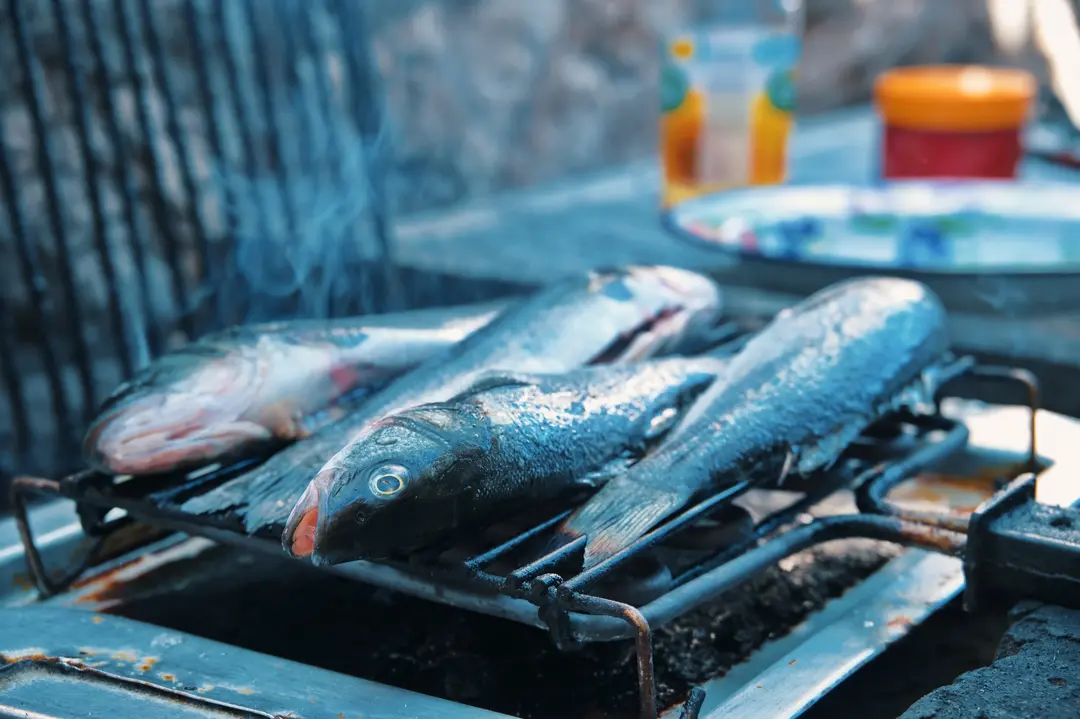
Salt is the oldest and most effective food preservative in human history. By drawing moisture out of foods, it prevents bacterial growth. While camping, it not only adds flavor to meals but also helps preserve a fish you caught or a meat you found temporarily. Spices can delay the rancidity of fats due to their antioxidant properties. For example, oregano, rosemary, and turmeric contain powerful antimicrobial compounds. Carrying small, compartmentalized spice containers not only saves your meals from being bland but also extends the shelf life of foods. Additionally, spices like hot pepper can help warm you up on cold camping nights by raising your body temperature. Keeping your spices dry is the most important rule to preserve their aromas. Adding a few grains of rice to salt to prevent clumping is a simple yet effective camping trick.
How Does Vacuum Packaging Technology Extend the Shelf Life of Foods?
The main culprit behind food spoilage is oxygen. Most bacteria need air to survive, and oxygen causes fats to oxidize (spoil). Vacuum packaging dramatically slows this process by completely removing the air around the food. Vacuum-sealing your homemade meals, nuts, or cheeses for camping can extend their shelf life by 3 to 5 times. Additionally, vacuum-packed items take up much less space in your backpack and eliminate the risk of spillage. A cooked and vacuum-sealed meal can last for several days without refrigeration. Vacuum sealing is also a great method for maintaining hygiene and controlling portion sizes while camping. Packing each meal separately allows you to consume only what you need without opening the rest of the food.
What Should Be Considered in Storing Olive Oil and Healthy Fats?
Olive oil is one of the most valuable oils for both cooking and health, but it is sensitive to light and heat. When carrying olive oil while camping, it is better to choose opaque and airtight stainless steel flasks or dark-colored hard plastic containers instead of transparent plastic bottles. Olive oil is a natural preservative; for example, dried tomatoes or spices placed inside it last much longer because they are cut off from air exposure. Olive oil is a critical part of camping nutrition as it helps the body absorb fat-soluble vitamins (A, D, E, K). With its high-calorie content, it provides significant energy even in small amounts. Storing your oil in the coolest and darkest part of your backpack will prevent it from becoming rancid.
Do Canned Foods Weigh More or Less?
Canned foods are flawless in terms of food safety because their contents are sterilized and sealed in a way that prevents air from entering. However, the biggest disadvantage for campers is the "weight" and the subsequent "trash" problem. If you are doing a vehicle-based camping, canned foods are a great convenience. However, if you are a backpacker, you should prefer canned foods sold in lightweight foil pouches instead of metal cans. Versions of tuna, corn, or ready meals in these lightweight packages offer the same durability at a much lower weight. Once you open canned foods, you must consume them immediately, as the food will spoil quickly once the protective barrier is removed. Additionally, instead of throwing away the liquid from canned foods, you can use it to add flavor to your meals, thus saving water.
How Do Fermented and Pickled Foods Protect the Digestive System While Camping?
Pickles and fermented foods (like fermented sausage) are naturally preserved due to their acidic structures. The biggest benefit of these foods while camping is the probiotics they contain. Changes in dietary patterns in nature can sometimes lead to digestive issues. Consuming a few slices of pickles or a naturally fermented product can support your gut flora and prevent issues like bloating and constipation. Pickles are also very effective in replenishing electrolytes (salts) lost through sweating. Since glass jars are heavy and fragile, you can carry your pickles in airtight plastic bags. These foods are not only durable but also appetizing; they can instantly revive even the blandest camp meal. However, since they contain very high sodium, remember to increase your water intake after consuming them.
How Do the Storage Conditions of Tea, Coffee, and Powdered Drinks Affect Their Flavor?
The best way to start the day in nature is with a cup of hot coffee or tea. These drinks themselves are quite durable against spoilage, but their flavors are very sensitive to moisture and air. Powdered foods (milk powder, instant soup, coffee) can clump and lose their flavor by absorbing moisture from the air. The best way to store them is to portion them into small, vacuum-sealed, or zip-lock bags after opening their original packages. Powdered drinks can be used not only for enjoyment but also to maintain electrolyte balance or take vitamin supplements (like vitamin C tablets or electrolyte powders). Especially remember that powdered drinks containing sugar can attract ants, so keep the outer surfaces of the packages clean.
Is It Worth Making Your Own Camp Bread with Flour and Grain Mixtures?
Making your own bread over a campfire is both a morale-boosting activity and a fresh source of carbohydrates. However, flour can quickly become infested with insects and mold in humid environments. For camping, you can prepare your flour in advance by mixing it with salt, baking powder, and dry milk to create a "ready bread mix" and store it in zip-lock bags. This mixture can be made into a dough by simply adding water and cooking it in a pan or over a fire. Grains (oatmeal, couscous, bulgur) are very filling as they swell with water and provide great energy according to their volume. Especially couscous and fine bulgur can be prepared just by soaking in hot water without cooking, saving fuel. When storing grains, placing a bay leaf inside is an old but effective method to prevent insect infestation.
How Do Dried Fruits and Fruit Leathers Meet Sweet Cravings?
When fruits are dried, their sugar content becomes concentrated, which prevents them from spoiling. Dried apricots, figs, raisins, or fruit leathers, known as "fruit pestil," are excellent snacks while camping. Unlike fresh fruits, they do not crush, leak, and take up much less space. The natural sugars they contain provide a quick energy burst during hikes; their fibrous structures help release this energy more steadily. It is important not to leave too much moisture when drying fruits, as even slight moisture can lead to mold. You can carry them in the outer pockets of your backpack to have them at hand during hikes. Additionally, you can add them to your oatmeal at dinner to turn it into a luxurious dessert.
What Are the Safe Ways and Alternatives for Carrying Eggs?
Fresh eggs can last a few days at room temperature (in a cool place) as long as their shells are not washed; however, the risk of breakage is a significant issue while camping. Specially designed plastic "egg carriers" are very effective for protecting eggs. If you want to save weight, you can crack the eggs at home and pour them into a plastic bottle (and freeze them) to take them camping; this way, they serve as a refrigerator and are ready to be poured into the pan immediately. Another option is "egg powder." When mixed with water, this powder can be made into an omelet and is a favorite among professional long-distance campers. Having such a protein-rich and versatile food while camping significantly enhances your nutritional quality.
What Is the Practicality of Milk Powder and Plant-Based Milks in Camp Kitchens?
Fresh milk spoils within a few hours without refrigeration; therefore, powdered milk or long-life small milk packages (UHT) should be used in camp kitchens. Powdered milk not only saves weight but is also the easiest way to add protein and calories to your coffees, soups, or bread mixtures. Powdered versions of plant-based milks (almond, oat milk) are also available and are great alternatives for those with lactose intolerance. When storing powdered milk, make sure it does not absorb moisture; otherwise, it can clump. The calcium and vitamins provided by milk are especially important for your muscle health during challenging physical activities in camps.
Why Are Ready-to-Eat Meal Packs (MRE) Life-Saving in Emergencies?
MRE (Meal, Ready-to-Eat) are high-calorie meal packs designed for armies, durable against all kinds of weather and impact conditions. They usually contain a chemical heating bag, meaning you can eat hot meals without even needing to start a fire. These packs typically have a shelf life of 3 to 5 years and are completely airtight. They can be carried as a main meal while camping or as a "last resort" at the bottom of your backpack. Although their flavors may not be as good as home-cooked meals, they are the most practical way to reach a warm meal when you are extremely tired or when weather conditions do not allow for a fire. However, due to the excessive packaging waste, you must remember to take your trash back with you after use.
How Does the Art of Proper Food Packaging Prevent Spoilage?
How you package your food is just as important as the food itself in determining its durability. The "layered packaging" principle should be applied in camping. The innermost primary container (zip-lock bag, vacuum) protects the food, while the outer layer is a primary box or backpack compartment that protects against impacts. Liquid foods (oils, honey) should always be placed in double zip-lock bags; because variations in pressure can cause the lids to open. When placing foods in your backpack, heavier items should be placed in the middle and closer to your back, while lighter items should be placed on top. Keeping aromatic foods (meat, cheese) in airtight containers not only prevents spoilage but also keeps wild animals (bears, pigs) away from your campsite.
Who Are the Three Major Enemies of Camp Foods: Light, Moisture, and Heat?
The biological reasons for food spoilage lie behind these three environmental factors. Heat geometrically increases the rate at which bacteria multiply. Moisture prepares the ground for mold and yeast formation. Light, especially, breaks down the structure of fats and vitamins, distancing the food from its nutritional value and ruining its taste. To combat these enemies while camping, you should store foods in the innermost parts of your backpack, in places that do not receive direct sunlight. To prevent your backpack from heating up during daytime hikes, you can cover it with a light-colored rain cover or blanket. When you arrive at your campsite, placing your food backpack in a cool shade, preferably in a lightly breezy area, will extend their shelf life. If you are camping by a river, you can create a natural refrigerator by placing your food in a waterproof container in cold water.
What Methods Should Be Used to Protect Foods from Wildlife?
Your food should not only be protected from spoilage but also from the forest inhabitants. Many creatures, from ants to bears, can be attracted to the smell of your camp food. Storing food inside your tent is a big mistake; because an animal can tear your tent apart to get to the food. The safest method is to put the food in a bag and hang it at least 50 meters away from the campsite, on a high tree branch (the "bear bag" method). If such an option is not available, special "bear canisters" should be used. Cleaning up any crumbs that fall to the ground while preparing food also prevents uninvited guests from coming at night. A clean campsite is essential for both your safety and the integrity of your food.
How to Prevent Spoilage and Illness in Camp Hygiene?
Sometimes, even if food has not spoiled, bacteria from your hands can cause food poisoning. Even if water is limited while camping, hands must be cleaned before preparing food. Alcohol-based disinfectants or biodegradable soaps are suitable for this purpose. To prevent cross-contamination, you must clean the knife you used to cut raw meat (even if it is dried) before cutting vegetables. Washing your kitchen utensils immediately after use stops bacteria from growing on them. Disposing of dirty dishwater away from the campsite and water sources is also important for environmental health. Remember, even a simple stomach upset in nature can turn into a serious safety risk.
How Should Food Planning Be Done for Long-Term Camps?
At the end of this 3200-word journey, it will be understood that food selection in camping is a strategic task. In the first days, fresh and heavy foods (meat, vegetables, cheese) should be consumed. In the later days of the camp, dried, vacuum-packed, and canned products should be transitioned to. Calculating the calorie intake for each meal (2500-3500 calories per day for an adult male) prevents your energy from running out. Always keep an extra day’s worth of non-cooking food (nuts, pemmican, hardtack) as an "emergency ration." Variety is important for both nutrition and morale; eating the same thing continuously can dampen your appetite. Proper planning not only ensures your survival but also allows you to enjoy the taste of nature at its highest level.