Is It Possible to Cook Meat Without a Barbecue in Nature?
Cooking meat without a barbecue or grill is not only possible but also a tradition that has been practiced for thousands of years. Long before our ancestors developed metalworking, they utilized the physical principles offered by nature to trap heat and tenderize meat. Underground ovens, heated river stones, and plant leaves can provide a much more homogeneous heat distribution than a modern oven. These methods allow the meat to stew in its own juices, overcoming the drying problem often encountered when grilling. With patience and the right technique, creating a feast in the heart of nature is entirely in your hands.
How Is the Underground Oven Technique Applied?
The underground oven technique is one of the oldest methods used to cook large pieces of meat slowly and very tenderly. First, you need to dig a hole about 50-60 centimeters deep in the ground. You should place large, flat stones at the bottom and sides of this hole to retain heat. By lighting a large fire on top of the stones, heat them for about two hours. When the fire turns to embers, take some of the embers out and place the meat wrapped in wet leaves (such as collard greens, banana leaves, or corn husks) on top of the stones. Cover it again with embers and finally seal it completely with soil to prevent air from entering. The meat will cook slowly underground for about 4 to 6 hours.
Can You Cook on Hot Stones?
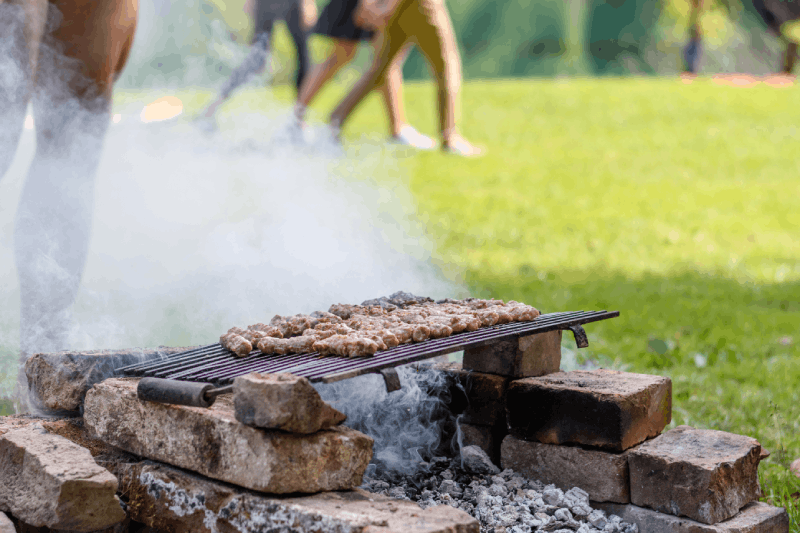
Flat and porous stones that you can find along riverbanks actually serve as natural cast iron pans. However, there is a vital point to consider here: porous stones that contain water can explode when heated. Therefore, you should choose dense and dry stones. Place the selected stone directly into or on top of the fire and wait for it to heat up thoroughly. When you drop a drop of water on the stone and it evaporates immediately, your stone is ready. You can seal your meat by placing thin slices on this stone within seconds. The natural mineral structure of the stone will impart a slight smoky flavor to the meat and ensure that the outer part is crispy.
Is It Safe to Cook Meat While Protecting It with Clay?
Clay is a fantastic insulating material for trapping heat inside and protecting against external factors. If there is a clean clay source in your area, you can effectively trap the meat inside a clay pot. First, wrap the meat in clean, wide leaves, then cover it with a layer of clay about 2-3 centimeters thick. Throw this "clay package" directly into the live fire or between the coals. As the clay hardens and turns into ceramic, the steam from the meat cooks it. When the cooking time is over, you can break the clay to reveal the incredibly fragrant and tender meat inside. This method ensures that the meat does not come into direct contact with smoke, allowing you to enjoy the purest meat flavor.
Can Meat Steam Between Wet Bark?
Especially the thick and wet barks of resin-free trees (such as poplar or willow) can serve as a natural steamer for cooking meat. Soak the large bark pieces you carefully separated from the tree in water to thoroughly moisten them. After seasoning your meat, place it between two thick bark pieces and tightly bind this arrangement with thin green branches. Place this package next to a low fire or on top of the embers. Before the barks start to burn, they will evaporate the moisture inside, ensuring that the meat cooks slowly and remains moist. This method yields fantastic results, especially for fish and thinly sliced red meats.
What Is the Clay-Covered Chicken Cooking Method?
This method, also known as "gypsy chicken" among the public, is an interesting technique that combines cleanliness and flavor. It involves covering the entire body of the chicken with clay after cleaning its insides without plucking its feathers. However, in modern camping, it is more common to use wet paper or leaves instead of feathers. After cleaning the chicken, you coat it with a thick layer of clay and throw it into the fire. When the clay dries and cracks, the chicken is considered cooked. When you remove the clay, if you cooked it with feathers, the feathers will come off with the clay, and the skin will remain perfectly clean. The fats and juices trapped inside make the chicken incredibly delicious.
Is Cooking Meat with Solar Energy a Dream?
In very hot and sunny weather, if you have a reflective surface (such as aluminum foil or an emergency blanket) nearby, you can create a solar oven. By covering a hole with reflective material and placing the meat inside, you can raise the temperature above 100 degrees. This method cooks very slowly but allows the collagen inside the meat to break down completely. The solar oven can be a lifesaver in dry areas where lighting a fire is prohibited or where wood is unavailable. Of course, you need to be patient for this method and continuously adjust the reflector by tracking the sun's position.
How Does Slow Cooking in a Hot Sand Pit Work?
In areas where sand is abundant, such as deserts or by the sea, you can take advantage of the sand's ability to retain heat for a long time. Start a large fire and ensure that the sand underneath gets thoroughly heated. Then, pull the fire aside and dig a hole in the hot sand. Place your wrapped meat (in leaves or foil) into this hole and cover it again with hot sand. The granular structure of the sand ensures that the heat reaches every part of the meat evenly. Meat cooked using this method does not create "hot spots," meaning that while one part of the meat may burn, another part remains raw.
Can You Smoke with Pine Resin and Needle Leaves?
Smoking not only cooks the meat but also adds a deep aroma and extends its shelf life. To smoke without a barbecue in nature, you can create a simple branch skeleton and cover it with leafy branches to form a cone. At the bottom, burn slightly moist wood and pine needles just enough to produce smoke. Hang the meats at the top of this cone. When the aroma of the pine needles combines with the fat of the meat, it creates a unique gourmet flavor. However, it should be noted that too much resin can make the meat bitter, so the intensity of the smoke should be well-regulated.
Does Meat Wrapped in Wet Paper Burn in the Fire?
Physical laws can sometimes be our greatest ally in the kitchen. If you have newspaper or paper bags, you can soak them thoroughly and wrap the meat. The wet paper layers prevent the meat from burning until all the water evaporates and keep the temperature stable around 100 degrees. With this "wet cocoon" technique, the meat can steam in its own juices without burning, even in the hottest part of the fire. Once the outer layer of the paper burns, the moisture in the inner layers continues to protect the meat. This method is especially great for cooking fish; the skin of the fish does not stick to the paper, and the meat remains juicy.
What Is the Secret of Cooking Meat Inside Bamboo Shoots?
This method, very common in Asia, turns bamboo's natural structure into a steamer. By cutting a small hole at the top of a bamboo shoot, place small pieces of meat, spices, and a bit of water or coconut milk inside. Seal the hole with a leaf and lay the bamboo directly over the fire. As the outside of the bamboo burns, the water inside boils and cooks the meat with pressurized steam. The natural sugars inside the bamboo also give the meat a slightly sweet aroma. You need to remove the food inside before the bamboo burns completely.
Can You Cook with Reflectors on Snow?
In winter camping, snow can be used both as an obstacle and as an insulating material. A reflector (wood or metal plate) placed behind a hole dug into the snow focuses the heat from the fire directly onto the food. In this method, the meat cooks in front of the reflected intense heat rather than directly in the fire. This allows the outside of the meat to brown while the inside cooks slowly. The snow walls minimize heat loss as they cut the wind, and your campfire creates a small oven effect.
How to Use the Heat Retention Capacity of Volcanic Rocks?
Volcanic rocks, such as basalt, are natural materials that retain heat the longest and can withstand the highest temperatures. If you are in such an area, you can heat a few large volcanic rocks with fire and then transport these rocks to a closed pit or an insulated box (underground). These rocks can cook the meat placed on them at a stable temperature for hours. This can be thought of as a primitive version of the "soevide" technique used in modern kitchens. The steady heat tenderizes the meat fibers individually and creates a texture that melts in your mouth.
Is Cooking Meat Between Salt Blocks a Luxury?
If you have plenty of rock salt nearby, cooking meat by trapping it inside a salt block is an incredible experience. Moisten the salt with a little water to achieve a dough-like consistency. Completely cover the meat with this salt. Place the salt ball on top of the embers. While the salt distributes heat evenly, it prevents the meat from losing moisture. When you break the hardened salt crust with a stone, you will see that the meat is not overly salty but has a perfect balance of saltiness and juiciness. This is one of the most prestigious meals that can be prepared in nature.
Can You Apply the Torch Method Inside a Wooden Log?
Vertical split logs, known as the "Swedish torch," serve as both a stove and a fuel source. Split a log vertically into four pieces but leave the bottom intact (or tie it with wire). By lighting a small fire in the middle, ensure that the log burns from the inside out. The top level of the log creates a flat platform for placing pots or slices of meat. The smoke and heat from the inside cook the meat on top of the log. This method allows you to achieve efficient and long-lasting heat with minimal wood.
How to Ferment and "Cook" in Nature?
Cooking does not always have to involve heat; chemical changes can also make meat edible and delicious. Rubbing very fresh meat with plenty of salt and wild herbs (such as wild garlic or thyme) and letting it sit in a cool, shaded place under a weight initiates a type of "natural curing" or "dried meat" process. Although this method takes days, it is one of the safest ways to obtain protein without lighting a fire in survival situations. The meat's juices are drawn out, and the growth of microorganisms is prevented, making the meat edible.
Is Cooking with Lemon and Spice Acid Real?
This method, known as the "ceviche" technique, involves denaturing the proteins in meat (especially fish) through acid. When you soak slices of meat in the acid of sour fruits (such as wild lemons or the juice of the plant called lamb's ear) found in nature, the color of the meat changes, and its texture firms up as if it were "cooked." For this method, it is vital that the meat is very fresh, as the acid may not kill all the bacteria. However, when done correctly, you can obtain a refreshing and nutritious meal without the hassle of lighting a fire on a hot summer day.
Do Nettle Leaves Tenderize Meat?
When choosing the plant to wrap your meat in nature, nettle is an excellent choice. The formic acid and enzymes in nettle break down the tough fibers of the meat, marinating it. After wrapping the meat in plenty of nettle leaves and letting it sit for a few hours, you will immediately notice the difference when you cook it using one of the methods above. During cooking, the stinging properties of the nettle become ineffective, and the leaves can be consumed like spinach. This serves as both a cooking protection and a flavoring method.
What Is the Stone Heating Technique Inside a Leather Bag?
In prehistoric times, before people had pots and pans, they used the animal's own skin or stomach as a pot. They would place water and pieces of meat inside a leather bag and heat stones until they were red-hot outside, then drop them one by one into the bag to boil the water. This method, known as "stone cooking," cooks the meat in a very short time. The sound of the "sizzle" when the stone touches the water and the rising steam is one of the purest kitchen scenes in nature. As the water cools, new hot stones are added to complete the cooking process.
Can You Steam on Top of Branches?
If you want a light and aromatic cooking method, you can create a simple grill from willow or hazelnut branches. Place this grill over an area where water is boiling (perhaps in the hollow part of a stone or in a natural pool with hot stones). Arrange the meat on this grill and cover it with large leaves or a piece of leather. The rising steam, combined with the fresh wood scent of the branches, gently cooks the meat. This method is one of the healthiest natural cooking techniques that preserves the nutritional value of the meat at the highest level.
Do Natural Fruit Juices Speed Up Cooking?
Some fruits you can find in nature can significantly reduce the cooking time of meat due to the enzymes they contain. For example, wild fig sap or crushed pineapple (if available in the area) contains bromelain and fisin enzymes. Soaking the meat in these fruit extracts for half an hour before cooking ensures that even in low-heat and less heated environments, the meat becomes tender like "lamb." However, if you leave it too long, the meat may completely dissolve and turn into mush.
Does the Humid Air Inside a Cave Change the Flavor of Meat?
Caves can serve as natural aging cabinets (dry-aged). If you are not going to consume your meat immediately, hanging it in the cool and consistently humid air of a cave, protected from flies, allows the flavors in the meat to intensify. The natural minerals and microflora on the cave walls can create a protective layer on the outer surface of the meat. A few days of "resting" meat in this way will ensure that it reaches the flavor quality of aged meats found in modern restaurants, regardless of the cooking method used afterward.
Can Underground Geothermal Sources Be Used as a Kitchen?
If you are adventurous and in an area with geothermal activity (hot springs, steam vents), nature has provided you with a ready-made stove. Leaving the meat in a waterproof package (such as tightly wrapped leaves) in boiling water pools offers a perfect "natural sous-vide" experience. Since the water temperature usually remains stable between 70-90 degrees, there is no risk of overcooking the meat. Meat left in this natural hot bath for hours will reach a tenderness that can be pulled apart with a fork.
How Does Wax Affect Meat in the Fire?
Raw beeswax, found in areas where natural beekeeping is practiced, is an excellent cooking coating. When you wrap the meat in a leaf and then cover it with a layer of wax, even if the wax melts, it fills the pores of the leaf, creating an airtight seal. When this package is placed next to the embers, the low melting point of the wax allows heat to be transmitted inside in a controlled manner. The wax also leaves a slightly sweet and aromatic scent on the meat. Peeling off the wax after cooking is quite easy, leaving behind a smooth and unblemished meat texture.
Can You Cook with Dry Ice or Cold Cooking in Nature?
Although this is a more extreme and modern approach, it can sometimes be used as a "cold cooking" method at high altitudes or in polar regions. Extremely low temperatures solidify proteins just like heat does. Of course, this is not real cooking and does not eliminate the risk of parasites, but it is a method to change the texture of the meat. However, in general, the "cold" method in nature is used to preserve the texture of thinly sliced meats (like carpaccio) rather than cooking them and to prepare them safely before consumption.
How Well Do Gravel Stones Retain Heat in a Filled Pit?
Using thousands of small gravel stones instead of large stones can revolutionize heat insulation. Fill a pit with small heated gravel stones. Bury your meat in the middle of this "sea of stones." The small stones maximize heat transfer by making contact with every crevice of the meat. The air in the gaps also helps insulate and retain heat for hours. This method ensures that pieces of meat that are not uniformly shaped (such as a whole rabbit or partridge) cook evenly.
Is It Possible to Cook Meat Inside Giant Mushrooms?
Some giant mushrooms or large-cap mushrooms found in nature can serve as natural covered pots. Gently hollow out the inside of the mushroom, place chopped meat and herbs inside. Cover the mushroom cap with its own cap and place this giant "mushroom pot" next to the fire. As the mushroom heats up, it will release its juices and cook the meat with them. In the end, you will have both delicious meat and a wonderfully aromatic mushroom garnish cooked in the meat's juices.
Does the Smoke from Resinous Woods Spoil the Meat?
Pine, cedar, or fir woods can make the meat bitter when burned directly on the grill. However, if controlled smoking is done, the unique aromas of these woods (especially cedar) can add incredible character to game meats. Our secret is to create a dense but short smoke bath by throwing damp branches onto the embers instead of burning the wood directly. If this "perfuming" process is done in the last 10 minutes of cooking, you will leave the wild signature of nature on the meat without spoiling its taste.
Does Wet Soil and Clay Mixture Provide Insulation?
Clay is actually an excellent heat insulator. If you wrap the meat in a leaf and cover it with a thick layer of wet soil and fresh clay mixture, when this mixture dries, it acts as a regulator that transmits the external 500-degree heat to the meat inside at 100 degrees. With this method, you can throw the meat directly into the heart of the fire and forget about it for hours. The clay-soil armor never burns the meat; it only stews. This method is favored by hunters who do not want to wait by the fire in survival situations.
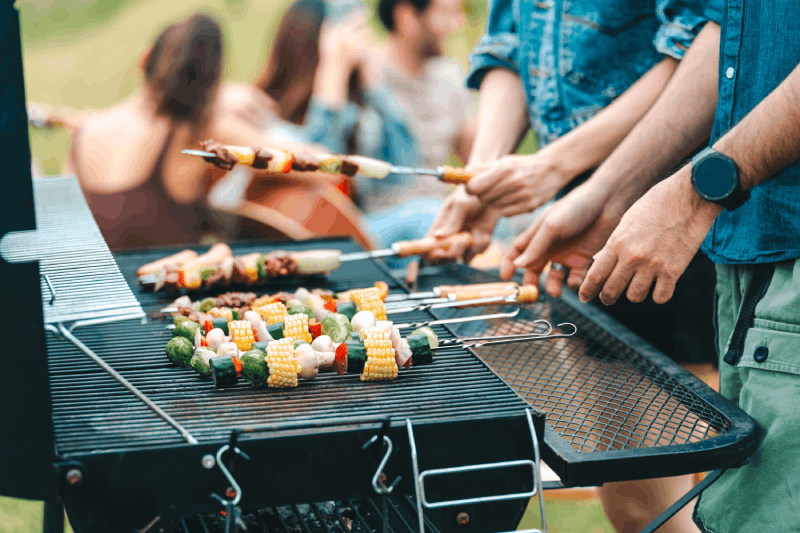
Can You Cook Meat Like Potatoes Among the Coals of a Campfire?
Yes, especially fatty pieces of meat can be cooked by burying them directly in the embers. The important thing here is that the meat has a natural protective layer (like skin) on its outer surface or is covered with a thick layer of spices. Meat buried in the embers cooks at very high temperatures without "pyrolysis," meaning without turning into charcoal. The light burnt layer (crust) that forms on the outer surface helps retain the moisture of the inner part. After cooking, this crust can be scraped off with a knife to reach the incredible tenderness underneath.
Can Reeds by the Water Be Conductors of Heat?
Reeds are hollow and contain air, making them excellent insulating materials. However, if you soak the reeds and weave them around the meat like a mat, this mat acts as a shield that prevents the meat from burning directly in front of the fire. The heated air inside the reeds expands, creating a warm air corridor around the meat. This "cooking in a mat" method allows the meat to absorb a slight smoky flavor while visually presenting a complete feast of nature.
How to Keep Meat Wrapped in Wild Thyme from Burning?
Using fresh wild thyme or rosemary branches, which are abundant in nature, as a bed for the meat ensures an aromatic cooking experience. If you hold these green branches thick enough, while the lower parts burn, the meat on top cooks with the rising essential oils. The trick here is that the water inside the green plants does not burn until it is gone. Even if the thyme has charred by the time the meat is cooked, the aroma they impart to the meat is invaluable. This method is called "cooking on a herbal bed."
How to Create an Oven Effect Without Metal Cans?
You can create a natural "micro-oven" by leaving a gap between two large stones and covering it with a third large stone. Light a fire inside this structure to heat the stones thoroughly, then pull the embers outside. Place the meat inside and cover it with another stone. The radiant heat emitted by the stones will surround the meat from all sides, creating an oven effect. This method also saves fuel due to minimal heat loss.
How Does Meat Turn When Hung from Branches with String?
Hanging meat tied with natural fibers from a tripod structure set over the fire is the most primitive form of the "rotisserie" concept. As the meat is gently turned by the wind or heat, the outer surface continuously heats up, and the fats drip onto the meat, basting it. This constant movement ensures that both the inside and outside of the meat cook evenly. The meat, hanging slightly away from the fire, gains a unique flavor through slow cooking and basting.
Can Bones Be Used to Conduct Heat?
If you have meaty bones, you can utilize their heat-conducting properties. Bones transfer heat to the depths of the meat, meaning the hardest-to-cook central points. If you place the meat on top of a stone with the bones facing down, the bone heat will start cooking the meat from the inside. This prevents the outer part from overcooking while allowing the bone marrow to mix with the meat, enhancing its flavor. In nature's kitchen, bones are not just waste; they are effective heat bridges.
Is It Possible to Boil Water and Cook Meat Without a Pot?
As mentioned earlier, with the "hot stone" method, you can even boil water by hollowing out the inside of a tree trunk. Fill the hollow with water, and when you heat the stones you have heated in the fire, drop them into the water. The water will start boiling within seconds. You can make a nutritious soup or stew by adding pieces of meat and wild herbs to this water. In situations where there is no metal pot, this method is the cleanest and most effective way to obtain protein for survival.
Does Ant Acid Help "Cook" Meat?
This is a very niche secret known by survival experts. The formic acid released by some large ant species (forest ants) has a tenderizing effect on meat. By carefully placing the meat near an ant nest and allowing the ants to crawl over it (and then cleaning it), you can chemically marinate the meat. Of course, this method raises hygiene and ethical concerns, but it is one of the most extreme methods used when no acidic substance is available in nature.
Can Wind Panels Focus Heat on Meat?
Bright stones or shells placed around the fire not only prevent the wind from dispersing the heat but also reflect the heat towards the center, where the meat is located. Creating a "heat mirror" in nature significantly reduces cooking time. Stones or wet wood arranged in a semicircle behind the fire can work like a parabolic reflector, doubling the amount of heat hitting the meat. This is the smartest way to do a lot with little fire.
What Is the Chemical Effect of a Salty Clay Layer on Meat?
You can use clay not only for insulation but also as a flavoring agent by mixing it with sea salt or mineral-rich soils. As the meat covered with salty clay cooks, the osmotic effect of the salt penetrates the meat fibers. This ensures that the meat becomes tender more quickly and that the heat from the outside is transmitted more efficiently through the salt crystals. The resulting meat tastes as if it has come out of a special oven, seasoned and balanced like a professional chef's creation.
What Does Nature-Friendly Cooking Ethics Include?
When applying cooking methods without a barbecue in nature, leaving no trace behind is our greatest responsibility. You must cover the holes you dig when you are done, leave the stones you used in their places, and not leave the area until you are sure the fire is completely out. These amazing cooking methods offered by nature can only be passed on to future generations as long as we protect nature. A delicious meal is truly satisfying as long as you do not harm nature.
In conclusion; the barbecue is just a tool. Nature itself is a vast, ancient, and generous kitchen. By trying the methods above, you can enhance your palate and strengthen your bond with wild nature. Remember, the most delicious meal is the one that contains effort and the spirit of nature.