Why is Water Conservation Vital in a Caravan Kitchen?
Caravan living promises freedom, but it is actually a discipline based on managing limited resources as efficiently as possible. The water tanks in caravans typically vary between 60 to 150 liters, and this amount must be shared between drinking, cooking, personal hygiene, and washing dishes. Especially in nature, when camping in areas far from water sources, every drop of water spent directly affects your stay duration. Washing dishes is one of the areas where we waste the most water in our homes; however, changing this habit in a caravan plays a critical role in being able to stay on the road longer and reducing the amount of wastewater left in nature.
Is it Necessary to Pre-Clean Dishes Before Starting to Wash Them?
Absolutely yes. The golden rule of washing dishes in a caravan is that the plates going to the sink should already be "half clean." Scraping off the leftover sauce, grease, and food scraps from the plates immediately after eating with a silicone spatula or a piece of stale bread can reduce water usage by more than 50%. If food scraps dry, it will require much more water and scrubbing power to remove them. Therefore, scraping the plates immediately after the meal and wiping them with a paper towel will minimize the rinse water you will use during washing. This simple habit also slows down the filling rate of your gray water tank, giving you a significant advantage.
How is the Spray Bottle Method for Washing Dishes Applied?
The spray bottle method is the most secret and effective weapon for campers. You can create your own cleaning solution by mixing water, a few drops of concentrated dish detergent, and optionally a bit of white vinegar into a spray bottle. Instead of turning on the tap while washing dishes, spray this mixture onto the dirty surfaces. This method ensures that the detergent is evenly distributed on the surface and keeps the amount of foam under control. Too much foam means too much rinse water. By using a spray, you only wet and clean the area you need; thus, you prevent liters of water from flowing away unnecessarily.
Does Using a Silicone Spatula Really Reduce Water Consumption?
The silicone spatula is the hero of the caravan kitchen. In traditional methods, food stuck in pots and pans is removed by soaking them under water for minutes or continuously running water while scrubbing. However, with a flexible silicone spatula, you can scrape all the remnants from the bottom of the pot in one go. This not only saves water but also prevents your sponge from getting dirty and waste from entering your gray water tank. Scraping the leftover grease in the pan with a spatula and throwing it in the trash is also a very professional approach to prevent clogging the sink drain and the formation of bad odors.
What Role Do Paper Towels and Napkins Play in the Dishwashing Process?
Many people see the use of paper towels as wasteful, but in a caravan kitchen, paper towels are actually a water-saving tool. When you try to wash a greasy pan directly, you need hot water and plenty of detergent to dissolve that grease. However, if you thoroughly wipe the pan with a paper towel before washing, you mechanically remove a large portion of the grease. This way, the rinsing phase is completed much faster and with less water. Of course, using reusable towels or washable cloths can also be an option for environmental friendliness, but the "pre-wipe" process is the cornerstone of waterless cleaning.
Why Should Low-Foaming Natural Detergents Be Preferred?
Standard dish detergents sold in stores are designed to create excessive foam to evoke a sense of cleanliness in the consumer. However, in a caravan, "foam" means liters of rinse water spent to remove that foam. By using natural, biodegradable, and low-foaming detergents, you can significantly shorten the rinsing time. Additionally, these types of detergents cause less harm to nature. If you have to discharge your gray water into nature improperly (which is not recommended), at least you will minimize the damage you cause to the ecosystem. Less foam means quick rinsing and maximum savings.
How is a Dual Basin Washing System Set Up in a Caravan?
Caravan sinks are generally small, so using two separate basins makes things easier. The first basin contains a small amount of soapy hot water, while the second basin contains clean rinse water. You scrub the dishes in the soapy basin to remove dirt, then dip them into the rinse basin. With this method, you can save approximately 80% of water compared to washing each dish individually with the tap continuously running. After the washing process is completed, you can reuse the water in the rinse basin for pre-washing the next batch or cleaning dirty equipment outside, as it will still be relatively clean.
How Does Adding Vinegar to Rinse Water Affect Cleaning Performance?
White vinegar is a natural disinfectant and grease cutter. Adding vinegar to the rinse water or spray solution works wonders for reducing water usage in the caravan kitchen. Vinegar helps break down detergent residues more quickly, shortening the rinsing time. It also prevents limescale stains on glasses and metal surfaces, making the drying process easier. Especially in areas where the water is hard, using vinegar makes the dishes look much shinier and more hygienic. For campers who do not want to use chemicals, a mixture of vinegar and baking soda is the most economical way to achieve high hygiene with little water.
What Methods Should Be Applied for Very Dirty Pots?
Pots that have food burned to the bottom are the biggest water enemy of the caravan. Instead of washing them, try the "steam method." Put just a finger's worth of water in the bottom of the pot, cover it, and boil it on the stove for a few minutes. The steam will soften the stuck remnants. Then, you can easily scrape these remnants with a spatula and throw them in the trash. For this process, you will use only half a glass of water instead of 2-3 liters. If the pot is very greasy, sprinkling baking soda on it and letting it sit will also help absorb the grease, making pre-cleaning easier.
How Does Using Hot Water Facilitate the Rinsing Process?
Hot water dissolves fats much faster than cold water. Heating a limited amount of water in the caravan is more logical than wasting liters of cold water. You can use the small amount of water you boiled in the kettle to rinse the soapy dishes. Since the surface tension of hot water is lower, it quickly lifts and carries away dirt and soap. Additionally, dishes washed with hot water dry much faster, reducing the need for drying cloths and the potential for bacterial growth. A small amount of hot water is always more efficient than a large amount of cold water.
Is the Rinsing Method for Dishes Included in Water Conservation?
The rinsing process is indirectly related to hygiene and water management. Instead of leaving washed dishes to air-dry, wiping them with a clean microfiber cloth helps you control moisture and water stains in the sink area. Additionally, immediately putting away dried dishes allows you to quickly regain limited workspace in the kitchen. If you couldn't rinse the dishes thoroughly (if you used very little water), the drying cloth can also physically remove any micro detergent residues on the surface. Regularly changing drying cloths is critical to prevent the spread of bacteria in the kitchen.
How Does the Size of the Caravan Sink Affect Water Usage?
When washing dishes in a large home sink, you don't notice where the water goes, but a small caravan sink reminds you of the value of water. If the sink is large, placing a plastic container inside to reduce the space saves water. The smaller the area, the less water is needed to fill it. Additionally, deep sinks prevent water from splashing around, saving extra water you would spend on cleaning the countertop. Installing a strainer under your sink to prevent solid waste from going into the gray water tank is also essential for the longevity of your plumbing.
Is it Better to Wash Many Dishes at Once or One by One?
This is a debated topic among campers, but generally, "bulk washing" is more efficient. Heating water for a few dishes, preparing detergent, and wetting the sink each time leads to a certain amount of water loss. However, collecting dishes (of course, doing pre-cleaning to prevent odors) and washing them all at once ensures maximum efficiency in using the prepared soapy and rinse water. By stacking the plates on top of each other, you can ensure that the water running off the top plate also rinses the ones below without pre-rinsing. This "waterfall effect" revolutionizes water conservation.
Why Should Gray Water Management Be Done Carefully?
The water used for washing dishes goes into the gray water tank. When this tank is full, you cannot use your sink until you find a suitable dumping area. Saving water not only protects your fresh water tank but also extends the life of your gray water tank. Allowing greasy residues to go into this tank can lead to bad odors and damage to the tank sensors over time. Therefore, pre-wiping dishes and using minimal water is technically a necessity for the healthy functioning of your caravan's systems. Always ensure to empty your tank in permitted areas and using ecological methods.
How Can Damage to the Environment Be Prevented When Washing Dishes Outdoors?
When the weather is nice, washing dishes outside reduces humidity inside the caravan and refreshes the area. However, in this case, your responsibility towards nature increases. Never wash dishes directly by a lake or river; soapy water destroys the ecosystem in the water. You should wash at least 60 meters away from the shore and use biodegradable soaps. The best method is to spread the dirty water over a wide area to allow the soil to filter it (if local regulations permit). Never dump soapy water into a water source; this is both unethical and prohibited in many camping areas.
Is Using a Foot Pump Instead of Electric Faucets Beneficial?
A foot pump is one of the best mechanical developments that can be made for water conservation in the caravan world. Electric faucets usually release water at full flow when you press a button, leading to uncontrolled consumption. However, with a foot pump, you can instantly control the amount and pressure of the water. When your hands are busy with dishes, simply pulling your foot back prevents water from flowing away unnecessarily. This can reduce water consumption by 30% to 50% while washing dishes. If you are building or renovating your caravan, you should definitely consider a foot pump system.
What Are Quick Cleaning Methods for Coffee and Tea Cups?
The most frequently soiled dishes throughout the day are cups. Instead of going through a full washing cycle each time, it may be sufficient to rinse the cups with hot water. If there are tea or coffee stains left in the cups, using a damp cloth with some baking soda to scrub will clean them without using detergent and rinse water. In caravan life, you should adopt the philosophy that "everything doesn't have to be perfect, just clean enough." Washing your personal cups in detail once at the end of the day will prevent you from wasting water throughout the day.
How Does the Quality of the Dish Sponge Affect Water Absorption?
Not all sponges are the same. Very porous and water-retaining sponges require more water to rinse off detergent. It is more logical to use denser, microfiber-based, or silicone-based dish brushes in the caravan. Silicone brushes do not harbor bacteria and can be cleaned with a single rinse. Traditional sponges, on the other hand, cause you to waste a lot of water to release the dirty water they have trapped inside. Additionally, using your sponge in small pieces prevents waste and allows you to reach tighter spaces.
How to Conserve Water While Washing Dishes in the Caravan During Winter Months?
In winter camping, water is at risk of freezing, and accessing outdoor water sources is difficult. During this period, water conservation is vital. When washing dishes in winter, you must heat the water, as it is impossible to dissolve fats with cold water. Additionally, to avoid increasing humidity inside the caravan during winter, you should quickly dry the dishes and keep the sink dry. Ensure that the antifreeze water you use (if any) does not mix with your kitchen system to prevent your water tanks from freezing. Cooking one-pot meals in winter significantly reduces the number of dishes to be washed, providing the greatest savings.
Should Water Be Taken from Natural Sources in the Camping Area?
If you are near a clean stream or spring, it may seem logical to use this water for washing dishes. However, you should never put this water directly into your drinking water tank. You can use this natural water, collected with a bucket, for washing dishes outside. But remember; you must also comply with eco-friendly soap rules when using water sourced from nature. If the water is murky, it may leave residue on your dishes. Therefore, filtering natural waters with a cloth and boiling them if possible is the safest way from a hygiene perspective.
What Can Be Used Instead of a Dish Drying Rack?
Caravan kitchens are narrow, so bulky plastic drying racks take up space. Instead, using absorbent microfiber drying mats is much more practical. These mats quickly absorb the water drained from the dishes and can be folded and stored in a drawer when you're done. This prevents water from pooling on the countertop and flowing back into the sink, wasting it. Additionally, these mats are machine washable and dry quickly. To use the space even more efficiently, you can also opt for roll-shaped metal drying rails placed over the sink.
How Does Plate Selection Determine the Difficulty of Washing Dishes?
The material of the kitchen utensils you use in the caravan directly affects the ease of cleaning. For example, melamine or high-quality plastic plates are lightweight but leave grease more stubbornly than porcelain. Steel pots are also more prone to sticking. Non-stick surfaces with granite or Teflon coatings become nearly clean even when wiped with a paper towel. Therefore, choosing "easy-to-clean" materials when setting up your caravan kitchen will save you thousands of liters of water in the long run. Enamel pots are also a great choice for campers due to their durability and non-porous surfaces.
Are Disposable Items a Correct Solution?
In emergencies or in extremely water-scarce environments, disposable plates and cutlery can be a lifesaver. However, this poses a significant problem in terms of environmental pollution and waste management. The waste area in a caravan is also limited. If you are looking for a disposable solution, you should prefer compostable paper or bamboo products instead of plastic. Still, the most sustainable method is to learn and apply the low-water washing techniques mentioned above. Disposable products should not be a habit but rather a "Plan B" for extreme situations.
How Can Dishwashing Habits Be Improved in a Caravan?
Water conservation is more of a mindset than a technique. Knowing that water is not infinite when you turn on the tap ensures that you plan every action. If you are traveling with family or a group of friends, everyone must adhere to these rules. Every liter of water wasted by saying "it won't hurt just this once" can mean cutting your planned route in half. You can turn the process of teaching this discipline to children into a game. Over time, you will realize that washing dishes with little water is not a hassle but a part of living in harmony with nature.
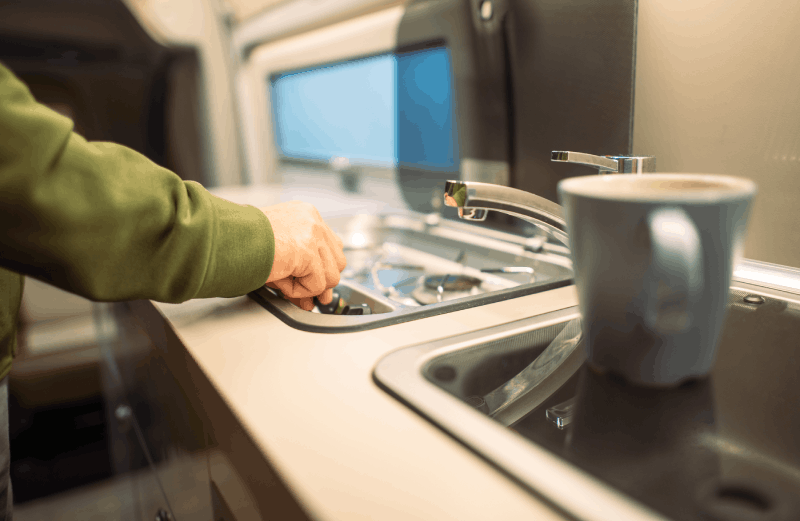
Is it Possible to Reuse Dirty Water?
You can follow a "tiered usage" strategy based on the degree of the water you obtain while washing dishes. For example, the water you used to wash fruits is almost clean; you can collect this water in a bowl and use it to pre-soak dirty plates. Or you can use the slightly soapy water collected in the rinse basin to clean the caravan's exterior steps or dirty shoes. Pouring gray water into the toilet reservoir (if you are using a cassette toilet) is a common practice to relieve the gray water tank. However, you should not use water with heavy food residues in these tasks to avoid damaging your plumbing.
Is Using a Dishwasher in a Caravan Logical?
With advancing technology, tiny countertop dishwashers designed for caravans have become popular. Interestingly, these machines can use much less water (about 5 liters) compared to hand washing. If your caravan has sufficient energy capacity (solar panels and lithium batteries) and space, a dishwasher can actually be a great investment for water conservation. However, these machines usually operate on 220V and require significant electricity consumption. If you can balance water and energy well, adding this comfort to your caravan can make your life much easier.
Are Dish Brushes More Efficient Than Sponges?
Dish brushes, especially those with long handles, allow you to keep your hands away from water and clean larger areas with less water. Brush bristles are much more effective at removing food residues from the corners of pots compared to sponges. Moreover, brushes hold less soap and are easier to clean. Some brush models have a detergent reservoir in the handle; this allows for controlled application of detergent directly onto the dirty surface. Keeping a sturdy bristle pot brush and a soft-tipped cup brush in the caravan speeds up the washing process.
Do Food Residues Cause Odors in the Gray Water Tank?
Yes, and in a big way! Every grain of rice or drop of grease that goes into the gray water tank can quickly lead to bacterial growth in a closed and warm environment. This means a terrible odor spreading from the sink drain into the caravan. Another reason to thoroughly scrape plates while conserving water is this. If your tank starts to smell, you can use commercially available biological gray water tank cleaners or a natural method like a mixture of vinegar and baking soda. However, the best solution is to prevent food residues, which are the source of the problem, from entering the tank in the first place.
Is Washing Dishes with Seawater an Option?
When camping by the sea, seawater is a great alternative for removing coarse dirt. You can use a bucket of seawater to do a rough clean of the dishes and remove grease. However, since seawater is salty, it can cause corrosion (rust) on your metal utensils. Therefore, after washing with seawater, you must rinse with a very small amount of fresh water. This method can save you nearly 70% of your fresh water tank. The only thing you need to be careful about is ensuring that the seawater is clean and free of debris like algae/sand.
How Do Oil Cutters Minimize Water Consumption?
Greasy pans are the nightmare of the caravan. Sometimes dish detergent can cause grease to spread rather than dissolve. At this point, quick oil-cutting sprays or alcohol-based cleaners designed for kitchens come in handy. Spraying the cleaner on the dirty surface and wiping it with a paper towel after a few seconds removes 90% of the grease without water. What remains is just a light cleaning and rinsing process. This method is the most technological way to minimize water usage, especially when cooking meat dishes or frying.
Can Fruit and Vegetable Washing Water Be Used for Dishes?
Caravan living is the art of using a single source for multiple purposes (re-purposing). The water you used to wash lettuce, tomatoes, or apples is technically considered "clean" water. Instead of letting this water run down the sink, you can collect it in a bowl and use it for pre-soaking dishes or foaming detergent. You can even wash your hands with this water or wipe the dust off the front window of your caravan. Every drop has a story, and the longer you extend that story, the more comfortable and sustainable your caravan life becomes.
How to Balance Kitchen Hygiene and Water Conservation in a Caravan?
Using less water does not mean living dirty. The important thing is to use water "smartly" rather than "sparingly." With spray bottles, silicone spatulas, proper detergent selection, and bulk washing methods, you can maintain the hygiene standards of your home in your caravan as well. Ensuring that dishes are dried and keeping the sink always dry prevents bacterial growth. Living in a caravan is a state of being one with nature, and this wholeness starts with a small plate in the kitchen. When you respect water, nature will offer you longer and more enjoyable journeys.