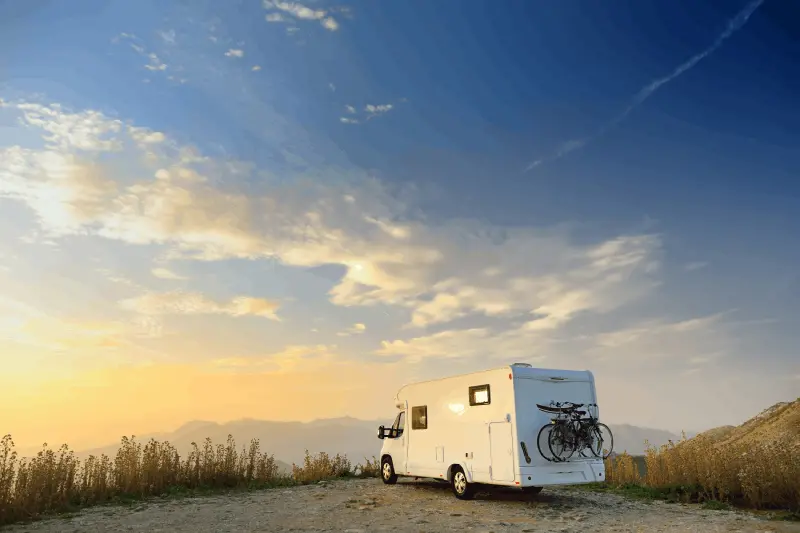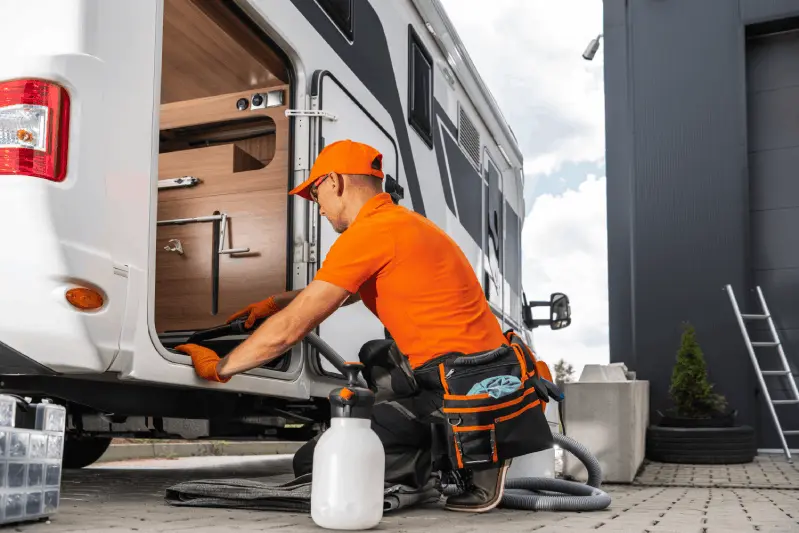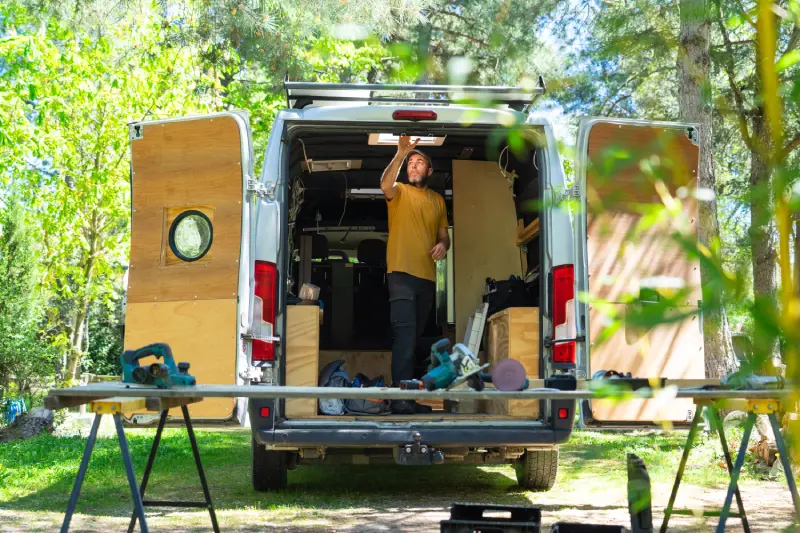

A caravan holiday is one of the most enjoyable ways to experience freedom and be one with nature. However, while enjoying this freedom, it is crucial to protect yourself legally and financially, as this constitutes the most critical phase of the rental process. A caravan rental agreement is not just about receiving the keys to the vehicle; it is also a mutual agreement regarding how potential risks will be managed. Here are the points you need to read carefully when renting a caravan and the reasons why.
Why Is the Caravan Rental Agreement So Important?
The caravan rental agreement is the fundamental document that legally frames the rights of both the renter and the lessor. This agreement includes all details, from the condition of the vehicle at the time of delivery to potential issues that may arise during the journey, insurance coverage, and additional fees. The existence of the agreement is the first recourse in case of any disputes. Rentals made without an agreement can leave the renter under significant financial burdens, especially in cases of damage. Therefore, it is vital for both parties to clearly understand and approve their responsibilities, making this document complete and transparent.
How Should Rental Duration and Delivery Times Be Determined?
The agreement should clearly specify not only the start and end dates of the rental but also the times. Caravan deliveries are usually made after a certain hour, and returns are expected in the morning. Whether additional fees will be charged for exceeding these hours should be explicitly stated in the agreement. Additionally, penalties for late returns should also be specified. By defining terms like "half-day" or "full-day" charges, the renter should be enabled to plan accordingly. If the delivery location changes, any transfer fees that may arise should also be included under this heading.
What Is Insurance Coverage and What Is Deductible Insurance?
One of the most confusing topics when renting a caravan is insurance coverage. It is essential to inquire whether there is "Caravan Insurance" beyond standard traffic insurance. The agreement should detail what the insurance covers (accidents, theft, fire, glass breakage, tire damage, etc.). The term "deductible insurance" refers to the maximum amount the renter is responsible for paying in the event of an accident. For example, in a deductible insurance of 5,000 TL, even if the damage is 20,000 TL, the renter only pays 5,000 TL. The agreement should clarify how much this deductible amount is and under what circumstances the insurance will be invalid (e.g., alcohol use, speeding violations).

What Is the Deposit Amount and What Are the Refund Conditions?
The deposit is a security amount taken by the rental company for potential damages, traffic fines, or fuel shortages. The agreement should clearly state how much this amount is and whether it will be taken in cash or as a credit card hold. The most critical point is the refund period for the deposit. Considering the time it takes for traffic fines to be recorded in the system, the deposit is usually refunded 10 to 20 days after the vehicle is returned. Having this period written in the agreement ensures that the renter knows when they will get their money back. Additionally, the conditions under which deductions will be made from the deposit should also be listed.
Is There a Mileage Limit and What Is the Excess Charge?
Many caravan rental companies impose a mileage limit for daily or total rental periods. The agreement must specify how much this limit is and how much you will pay per kilometer if you exceed it. If you plan to travel long distances, you should ask whether there is an option for "unlimited mileage" and ensure that this is included in the agreement. The method of calculating the difference between the mileage at the time of delivery and the mileage at the time of return should also be included as a clause in the agreement. This is essential to avoid unexpected bills at the end of the holiday.
Who Is Responsible for the Technical Maintenance of the Caravan?
The maintenance of the vehicle's engine, the condition of the tires, the braking systems, and the maintenance of the water, gas, and electrical systems in the caravan are entirely the responsibility of the rental company. The agreement should include a statement that all maintenance of the vehicle has been completed and that it is ready for the road. However, there should be a shared responsibility for simple issues that may arise during use or technical failures caused by renter error. If the vehicle breaks down due to a lack of periodic maintenance, the company should be responsible, and the renter's liability should be eliminated. Requesting a copy of documents showing the currency of maintenance is also your right.
How Is Roadside Assistance Provided in Case of Breakdown?
In the event of a breakdown during the journey, how the rental company will provide support should be defined in the agreement. Is there a 24/7 emergency assistance line? Is towing service included in the rental price? If the breakdown lasts a long time, is a replacement vehicle provided, or are accommodation expenses covered? The answers to these questions should be included in the agreement. Especially in complex structures like caravans, it should also be specified how issues in the living area (refrigerator, heater, etc.) will be resolved, not just engine breakdowns. The company's agreements with authorized service centers will directly affect your downtime.
What Are the Cleaning Fees and Conditions for Dirty Returns?
Caravans are usually delivered professionally cleaned. The agreement should specify the cleaning standards to which the vehicle must be returned. If the vehicle is returned excessively dirty, the amount of "extra cleaning fee" to be charged should be clear. Some companies charge a standard cleaning fee at the beginning of the rental, while others offer the renter a cleaning option. Expectations such as washing kitchen utensils, emptying the refrigerator, and cleaning the floors can be included in the agreement. By specifying what "reasonable use" limits are in the cleaning clause, it should be ensured that malicious extra charges are avoided.
What Are the Rules for Emptying Waste Water and Toilet?
The most sensitive point of caravan use is the management of gray water (sink/shower) and black water (toilet) tanks. Rental companies generally require these tanks to be returned empty and clean. The agreement must state the "emptying service fee" that will be applied if the tanks are returned full. This fee can sometimes be quite high, so it is important to know the rule in advance. It should also be specified whether the chemicals used for the toilet cassette will be provided by the rental company or if the renter will need to purchase them. The penalties for not complying with hygiene rules should be an integral part of the agreement.
How Should Cancellation and Change Conditions Be Included in the Agreement?
Due to unexpected situations that life may bring, you may need to cancel your reservation. The agreement should state in a graduated manner how much will be deducted for cancellations made a certain time before the rental date (for example, 20% if canceled 30 days in advance, 50% if canceled 7 days in advance). No refunds may be made for "last-minute" cancellations, but this should also be clearly stated in the agreement. Additionally, the processing fees for date change requests or seasonal differences should also be included in this clause. The refund policy in cases of force majeure, such as a pandemic or natural disaster, should also be inquired about.
How Is the Equipment List and Inventory Check Conducted?
The kitchen supplies, camp chairs, tables, linens, and technical equipment (hoses, cables, etc.) delivered with the caravan should be included as an "equipment list" in the appendix of the agreement. When receiving the vehicle, you should check this list item by item and note any missing or damaged items in the agreement. Knowing the costs for each lost or damaged item in advance prevents disputes during the return. Inventory control is the most concrete evidence that the caravan is received not just as a vehicle but as a home. A missing jack or spare tire can turn your journey into a nightmare.
What Are the Driver's License Requirements and Age Restrictions?
The required license class for using a caravan may vary depending on the weight of the caravan (usually class B is sufficient, but some may require BE or C). The agreement should clearly state the type of license the person driving the vehicle must have and the minimum driving age (usually 25 years and older). Additionally, the requirement for the license to be a certain number of years old (for example, at least 2 or 5 years) can also be a criterion. If someone who does not meet these conditions drives the vehicle, it will be stated in the agreement that the insurance will be invalid. The requirement for foreign tourists to have an international driver's license should also be examined under this heading.
What Notifications Should Be Made in Case of an Accident?
Steps that must be taken in the event of an accident should be presented in the agreement as a protocol without panicking. It should be stated that the rental company must be notified within a certain number of hours after the accident, the obligation to prepare a police report, and how photographs should be taken. The agreement must include a warning that in accidents where no official report is prepared, the insurance coverage will be void. It should also be specified whether the company needs to be informed even for minor damages (for example, a scratch caused by hitting a branch). The responsibilities of the renter during the towing and repair process after the accident should also be clarified.
Are Pets Allowed and What Are the Conditions?
Many caravan enthusiasts want to enjoy this holiday with their loyal friends. However, not every rental company may accept pets. The agreement should state whether it is "pet-friendly" and whether an additional cleaning fee or increased deposit is required for this. If pets are prohibited and it is discovered that an animal was transported in the vehicle, the heavy cleaning penalties to be applied should be included in the agreement. If pets are allowed, measures that need to be taken to ensure the safety of the animal in the vehicle and to prevent damage to the upholstery can also be specified. This clause protects both pet owners and future renters with allergies.

What Is the Smoking Ban Inside the Caravan and What Are the Penalties?
The living areas of caravans are small and prone to odor absorption. Therefore, almost all rental companies strictly prohibit smoking inside the vehicle. The agreement should specify the fees for "ozone cleaning" or "deep odor removal" in case of violation of this ban. These fees are usually much higher than normal cleaning fees because it is difficult to completely remove cigarette odor from a caravan. Having the renter accept this rule from the beginning helps prevent unpleasant situations during the odor tests that may occur during the return. Complying with this rule is beneficial for everyone to have a healthy indoor experience.
Does the Fuel Policy Work on a "Full to Full" Basis?
Caravans are usually delivered with a full tank and are expected to be returned with a full tank. This situation should be clarified under the heading "fuel policy" in the agreement. If the tank is returned empty, in addition to the cost of the missing fuel, a "fuel replenishment service fee" may also be charged. This service fee compensates for the time the company spends going to refuel. Taking a photo of the fuel gauge at the time of delivery and marking it in the agreement is a good practice. Additionally, the status of the kitchen gas cylinder (LPG/Kitchen cylinder) and payment terms after use should also be evaluated under this clause.
Is Permission Required for International Travel and Is Additional Insurance Necessary?
If you plan to take the rented caravan abroad, this must be explicitly approved in the agreement. While most local rental companies do not allow this, some offer an additional "international travel package." In this case, adding additional coverages such as Green Card (International Insurance) and roadside assistance valid abroad to the agreement is essential. Taking the vehicle abroad without permission can lead to the vehicle being treated as stolen and the insurance becoming completely invalid. Details about which countries can be entered and which border crossings will be used may also be restricted in the agreement.
Is There a Charge for Designating a Second Driver?
It is reasonable to change drivers during long caravan journeys to prevent fatigue. However, allowing someone who is not named in the agreement to drive the vehicle poses a significant risk. The agreement should require the identification and license information of anyone who will drive the vehicle in addition to the primary renter. Some companies charge a daily additional fee for the "second driver," while others may allow it for free. If an accident occurs involving someone not registered in the agreement, no insurance payment will be made, and all financial burdens will fall on the renter. Therefore, everyone who will be included in the driving should be added to the agreement.
What Are the Penalties for Delayed Delivery?
During a caravan holiday, you may lose track of time, but you must adhere to the delivery time. The agreement should include the penalties that will be applied if the caravan is delivered later than the agreed time. Typically, there is a fee for each hour late, or a full day's charge for delays exceeding 3 hours. This clause protects the time the company needs to prepare the vehicle for the next customer. If there is an obstacle or traffic on the road, it can also be stated in the agreement how these penalties can be relaxed if the rental company is notified in advance.
How Is the Use of Kitchen and Heating Systems Explained in the Caravan?
The technical devices inside the caravan (Webasto heater, Truma water heater, control panel, inverter, etc.) should be demonstrated at the time of delivery. The agreement should include a clause stating that these devices are delivered in working condition. Devices that are damaged due to user error (for example, putting diesel in the water tank or overloading the inverter) are considered user errors. Since the costs of such errors can be very high, it is instructive and protective for the renter to specify the situations that fall under "user error" in the agreement. A summary of the short training provided at the time of delivery or a user manual can be added to the agreement.
Are Tire and Glass Damages Covered by Insurance?
Standard insurance packages generally do not cover tire punctures, glass cracks, or rearview mirror damages. These items are protected by additional coverages known as "mini damage insurance" or "glass-tire insurance." You must check this detail in the agreement. The cost of replacing a front glass that cracks due to a stone impact is quite high in caravans. If you do not want to take these risks, you can request that this insurance be included in the agreement for an additional fee. The agreement should clearly state which parts are excluded from insurance (usually blind spots like the roof or bottom of the caravan).
Should Information About GPS and Tracking Devices Be Provided?
Rental companies install GPS tracking devices in their vehicles for security and logistics reasons. According to the Personal Data Protection Law (KVKK), the information that the vehicle is being tracked should be included in the agreement. These devices can also be used to monitor whether the vehicle exceeds speed limits or enters restricted areas (such as off-road areas). The agreement should specify how this data will be used and how privacy will be protected. It should also be transparently explained whether the system sends alerts to the company in case of speed violations and whether this constitutes a penalty.
How Can It Be Understood Whether There Are "Hidden Fees" in the Agreement?
Unfortunately, some rental processes may reveal hidden costs that arise later, such as "service fees," "preparation fees," "weekend extra fees," or "mandatory taxes." A good agreement should list what the total amount paid includes and what it does not include. Even in "everything included" packages, it should be specified which services are excluded. By carefully reviewing the "Additional Fees" table in the agreement, you should determine your total budget accordingly. For example, if you are renting in winter, chain fees may be included, while in summer, awning or outdoor table fees may be listed. Do not allow any fee to remain "verbal".
How Should Existing Damages of the Caravan Be Detected?
The external and internal inspection conducted when receiving the vehicle is the most important appendix of the agreement. Existing scratches, dents, stains in the interior, or broken parts should be recorded in a "damage form." The agreement should reference that this form has been signed by both parties. If possible, taking high-resolution photographs or videos of all sides of the vehicle, the roof, and the interior at the time of delivery is your best guarantee. You can only prevent being charged for a damage that existed when you received the vehicle with this form. Simply saying "it was already there" is not legally sufficient; it must be proven.

How Are Electrical and Solar Panel System Failures Addressed in the Agreement?
Modern caravans typically meet their energy needs through solar panels and batteries. The agreement should include a statement that this system is functioning at full capacity. If the system is insufficient and your food spoils or you are left in the dark, compensation for this situation should be anticipated in the agreement. Especially in vehicles rented with the promise of "off-grid" or camping outside, the durability of the energy system is critically important. If the battery's life has expired, it is the rental company's responsibility, but connecting a very powerful hairdryer to the inverter is a renter's fault. The limits of responsibility should be clearly explained without confusing technical terms.
What Is the Difference Between the Reservation Confirmation Document and the Agreement?
When you usually make a reservation online, you receive a "confirmation" document. However, this document is not the actual agreement. The actual agreement is the text that is usually signed after identity verification at the time of vehicle pickup or digitally. You should check that the prices and terms in the reservation document match exactly with the final agreement to be signed. Sometimes, reservation sites may add their commissions, while the rental company may request different items in the agreement. The presence of a statement like "all terms specified during the reservation are an integral part of this agreement" helps protect your consumer rights.
How Is the Agreement Terminated Under Force Majeure?
Situations beyond the control of the parties, such as earthquakes, floods, wars, or pandemics, are referred to as "force majeure." The agreement should specify how the rental process will be suspended or canceled in such cases. Will a refund be made, or will a "future use voucher" be issued? This question is particularly important during uncertain times. Additionally, if the vehicle becomes unusable due to a serious breakdown during the rental period, this can also be considered a type of force majeure. In this case, the renter's right to refund for the remaining days should be guaranteed in the agreement.
How Are HGS and Traffic Fines Collected?
The highway and bridge fees (HGS/OGS) you will incur during your journey are usually calculated after the rental. The agreement should specify whether these fees will be deducted from the deposit or billed separately. More importantly, traffic fines that are issued during the rental period but arrive later at the address are also a concern. The agreement should specify how the company will notify you of these fines and how much time they will allow for payment. Some companies may charge an additional amount under the name of "service fee" for tracking traffic fines (for example, 100 TL per fine). Including this detail in the agreement clarifies any surprise costs that may arise later.
How Can the Reliability of the Caravan Rental Company Be Investigated?
The legal status of the institution you are signing the agreement with is very important. The agreement should include the company's full commercial title, tax office, tax number, and official address. In "informal" rentals made by individuals, the legal binding of the signed documents is weak, and the risk of fraud is high. You should research whether the company is a member of TURSAB or has the necessary "Vehicle Rental Authorization Certificate" before signing the agreement. A reliable company will not hesitate to share its agreement transparently with you and will provide clear answers to all your questions.
What Does the Concept of "User Error" in the Agreement Cover?
User error refers to damages that occur as a result of operating the vehicle outside the rules specified in the user manual. The limits of this should be outlined in the agreement. For example, entering a low-ceilinged area and hitting the top of the caravan, putting the wrong fuel, driving with the handbrake engaged, or leaving the awning open in windy weather are typical user errors. These situations are not covered by insurance, and all costs are charged to the renter. Clearly specifying such scenarios in the agreement ensures that the renter pays extra attention while using the vehicle and eliminates excuses like "I didn't know" during the return process.
How Should the Water Tank Fullness and Hygiene Control Be Conducted?
The clean water tank of the caravan meets your bathing and kitchen needs. The agreement should state that this tank is delivered clean and full, and that disinfection processes are carried out periodically. As a renter, you are also responsible for only filling the tank with "drinkable quality" clean water. Any damage caused by dirty or hard water to the pump system is also the user's responsibility. Additionally, checking for any leaks in the water system at the time of delivery and noting it in the agreement prevents you from being held responsible for any water damage that may occur later. Seeing hygiene documents is also a right before the agreement.
Is the Sleeping Capacity of the Caravan Compatible with the Number of Seatbelts?
The number of people legally allowed to travel in a caravan is limited by the number of seatbelts in the vehicle. The agreement specifies how many people the vehicle can accommodate (for example, 2+1 or 4 people). If an accident occurs while 6 people are traveling in a vehicle that states it accommodates 4 people, the insurance company may refuse to pay. Additionally, the sleeping capacity must also be compatible with the number of people for your comfort. Clearly stating these capacities in the agreement defines your limits in terms of both traffic inspections and safety. The responsibility for any risks arising from exceeding the specified capacity lies with the renter.
Should a Final Checklist Be Made Before Signing the Agreement?
Yes, you should ensure that you have gone through everything before signing. Are the prices correct? Are the dates and times clear? Do you fully understand the insurance coverage? Is the deposit refund period acceptable? Have all damages been recorded on the form? Renting a caravan is a long-term and costly commitment, so it should not be rushed. If any item does not sit well with you or is unclear, do not sign the agreement until that item is clarified. Remember that every word you sign will be your only legal protection throughout your holiday. A well-prepared agreement is the key to a peaceful holiday.