What Are the Hottest Routes to Travel by Caravan in Winter?
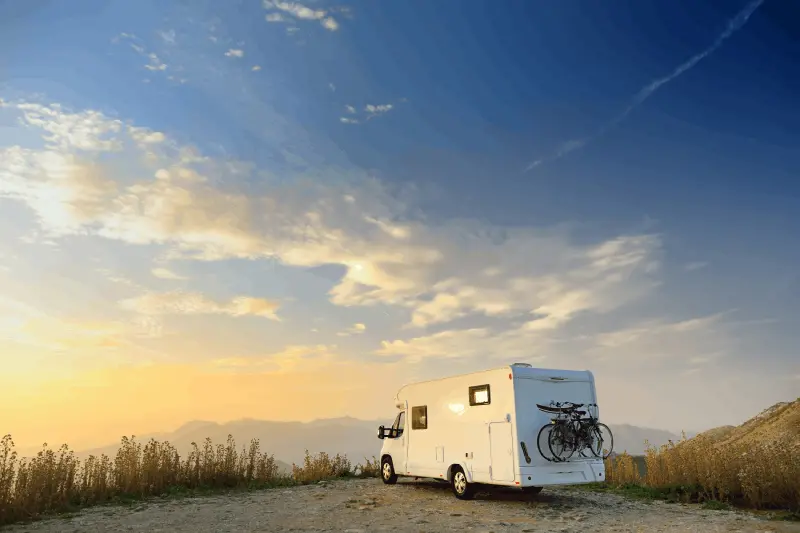
When winter arrives, many people consider parking their caravans, but in fact, this season is one of the most special times for exploration throughout the year. While freezing winds blow in the Northern Hemisphere, regions close to the Mediterranean basin and the Equator are still warm enough to explore in a t-shirt. In Turkey, the coasts of Antalya and Muğla, in Europe, the southern Andalusia region of Spain, and the Algarve coasts of Portugal are among the hottest and most popular routes to travel by caravan in winter. In these regions, daytime temperatures hover around 15-20 degrees, and even the night chill can be easily tolerated with a caravan heater. When choosing a winter route, it is essential to pay attention not only to warmth but also to whether the local winter camping areas are open.
How Is the Winter Sun Experienced in Kaş, the Pearl of the Mediterranean?
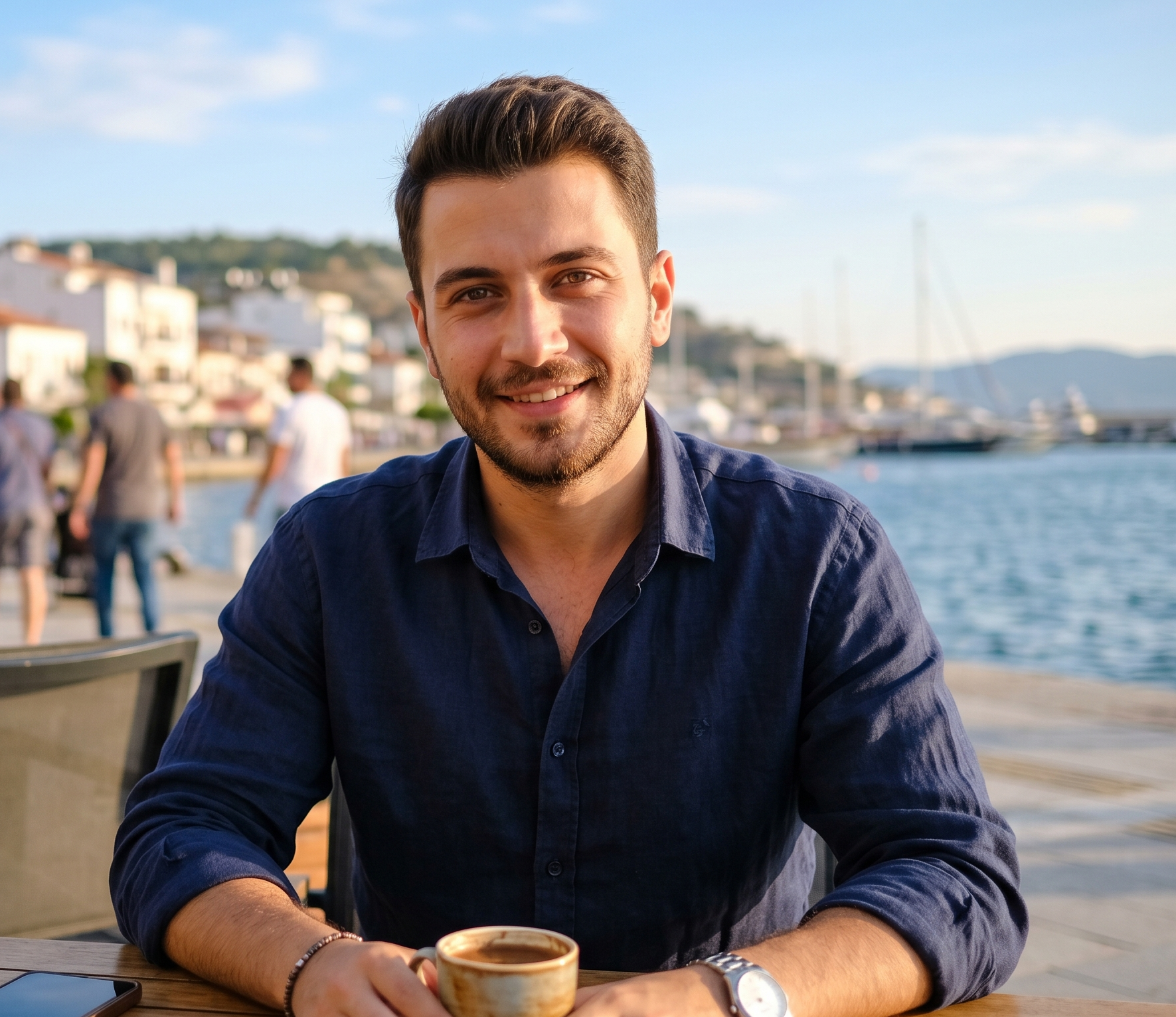
Located in the west of Antalya, Kaş is one of the rare places that does not spare the sun even in winter months. The narrow streets, which are crowded in summer, offer an incredible tranquility to winter caravaners. Parking your caravan at a sea-level point in Kaş and sipping your coffee against the backdrop of the deep blue waters upon waking up is an invaluable experience. The camping areas in the region generally continue to operate throughout the year. The biggest advantage of winter in Kaş is that the temperature rarely drops below 10 degrees. Additionally, diving here in winter or hiking a part of the Lycian Way without breaking a sweat is also possible. Seeing Kaputaş Beach as if it belongs only to you is one of the greatest rewards of winter caravanning.
How Do the Calm Bays of the Datça Peninsula Offer Peace in Winter?
The saying, "If you're in a hurry, what are you doing in Datça?" takes on a much deeper meaning for those who come here with their caravans in winter. The winter weather in Datça is free from humidity, clean, and slightly cool. Bays like Palamutbükü and Hayıtbükü, which are very crowded in summer, are completely immersed in silence in winter. Staying in a caravan in Datça during winter means witnessing the awakening of nature. The almond blossoms that bloom in February cover the peninsula in white, heralding the arrival of spring. The winding roads of Datça are safer in winter for caravaners as traffic decreases to a minimum. Watching the sunset at the Ancient City of Knidos while sipping your warm wine under the blanket you brought with you is one of the most romantic activities to do in winter.
Is Gazipaşa, the Hidden Garden of Antalya, Suitable for Winter Camping?
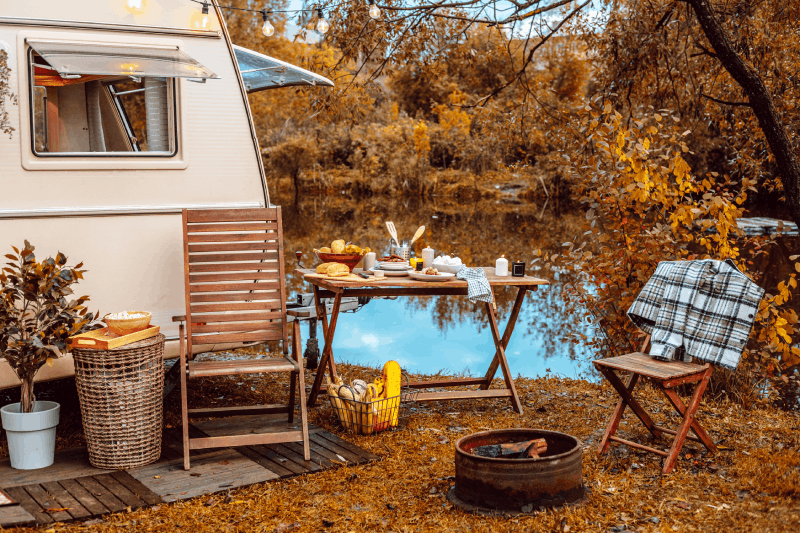
Located in the easternmost part of Antalya, Gazipaşa is often overshadowed by Alanya, but it is a true hidden garden for caravaners. Thanks to its microclimate, this district, where banana plantations and tropical fruits thrive, is one of the hottest spots in Turkey during winter. The Selinus and Koru beaches of Gazipaşa are quite suitable for caravans with their spacious parking areas. Especially the natural pools at Koru Beach offer a serene view even on days when the sea is rough. While staying in a caravan in Gazipaşa during winter, you can buy fresh avocados, mangoes, and dragon fruits from local markets, enriching your caravan kitchen with exotic flavors. This place is an ideal stop for winter travelers who want to be away from the hustle and bustle and connect with nature.
What Is It Like to Wake Up by the Köyceğiz Lake in a Caravan?
The peaceful district of Köyceğiz in Muğla greets you with the mystical atmosphere of the lake view in winter months. When you park your caravan by the shores of Köyceğiz Lake, you wake up to a light mist over the water and the sounds of birds in the morning. The biggest attraction here in winter is the Sultaniye Hot Springs. The healing waters you can reach with a short drive from your caravan are the most natural way to warm yourself when the outside air is cool. The local products sold in Köyceğiz's winter market provide the natural energy sources needed for winter caravanning. The walking trails around the lake are quite comfortable for hiking in the winter chill. Köyceğiz is one of the calmest ports to settle for caravaners who embrace a slow lifestyle.
What Does the Azmak River in Akyaka Promise to Winter Caravaners?
Akyaka, which has the title of Cittaslow (Slow City), reveals its true identity in winter. The icy but sparkling waters of the Azmak River, along with the surrounding marshes, create a stunning landscape. The forest campsite in Akyaka is known as one of the best caravan camping areas in Turkey and continues to operate in winter as well. It is quite enjoyable to experience the winter sun by the sea in a location right under the pine trees. Walking in the streets of Akyaka, which are in harmony with its architecture, and tasting local flavors in empty restaurants will make you feel privileged. Additionally, for windsurfing enthusiasts, Akyaka can continue to offer suitable winds in winter, but it is advisable to be prepared for the water temperature.
Why Should Fethiye's Turquoise Waters Be Preferred in Winter Months?
Fethiye has sheltered coves protected from winds in winter due to its geographical structure. The calm waters of Ölüdeniz retain their turquoise color even in winter, and spending time on the beach with a caravan is quite peaceful. Watching paragliders soaring from the peak of Babadağ allows you to feel the dynamic spirit of Fethiye even in winter. The abandoned atmosphere of Kayaköy near Fethiye becomes much more impressive in winter. By staying near this ghost town with your caravan, you can embark on a journey into the depths of history. Additionally, since Fethiye is a large district, it hosts many shops where you can meet your winter technical needs and find caravan equipment. For those who want both nature and urban amenities, Fethiye is indispensable in winter.
Is a Caravan Tour to Cyprus a Warm Alternative in Winter?
If you are looking for a warm route just outside the borders of Turkey but not too far away, the Turkish Republic of Northern Cyprus (TRNC) is an excellent choice. You can take your caravan to the island with ferries departing from Mersin. Winter in Cyprus is like Turkey's spring months. Daytime temperatures can rise above 20 degrees. The historical harbor of Kyrenia, the ancient ruins of Gazimağusa, and the untouched beaches of the Karpaz Peninsula await to be explored by caravan in winter. Encountering wild donkeys in Karpaz and staying in completely deserted bays will make your winter adventure unforgettable. The culinary culture and hospitality of Cyprus are another element that will warm you during the cold winter days. Remember that traffic flows on the left, and you need to be careful while driving your caravan.
Is the Peloponnese Peninsula in Greece Safe for Winter Caravaners?
Located in the southernmost part of Greece, the Peloponnese Peninsula is one of the favorite stops for winter caravaners in Europe. This peninsula, adorned with olive trees, has a quite mild climate in winter. Historical castles, ancient theaters, and turquoise beaches are free from tourist crowds in winter. Although Greece is generally a caravan-friendly country, many camping areas may close in winter; therefore, it is essential to respect local rules and nature while "wild camping." Traveling by caravan in the Peloponnese in winter means encountering an ancient city at every corner. Additionally, the winter warm dishes of Greek cuisine will enrich your caravan meals. From a safety perspective, it is always a good idea to get information from locals before staying in deserted areas.
Is It Possible to Travel by Caravan in Winter on the Island of Crete?
Crete is the largest island in Greece and is so far south that the weather here hardly ever gets cold in winter. You can take your caravan to Crete by ferry from Athens. The southern shores of the island face the Libyan Sea and can be warm enough to swim even in winter. Although there may be snow in the mountainous interior of Crete, the coastal areas are always warm. Traveling by caravan in winter in Crete is a great opportunity to taste the world-famous olive oils and cheeses of the island. The Venetian-inspired ports of cities like Chania and Rethymno look even more enchanting in winter lights. The people of Crete are more relaxed in winter and are quite hospitable towards caravaners. However, you should drive carefully, keeping in mind that the roads are narrow and winding.
Is the Andalusia Region of Spain the Hottest Caravan Route in Winter?
If you ask where the hottest place to travel by caravan in Europe in winter is, the answer is undoubtedly Andalusia. Cities like Seville, Granada, Malaga, and Cadiz, located in the south of Spain, are the most loyal friends of the winter sun. The Costa del Sol fills up with caravanners in winter. The infrastructure here is so developed that you can find hundreds of caravan parks and camping areas open in winter. In Andalusia, not only will you enjoy the sun in winter, but you will also discover the passion of Flamenco and the grandeur of Moorish architecture. You can ski in the Sierra Nevada mountains with your caravan and sunbathe on the beach just an hour away on the same day. This contrast makes Andalusia unique for winter caravanning.
Is the Algarve Coast of Portugal the Capital of Winter Caravanning?
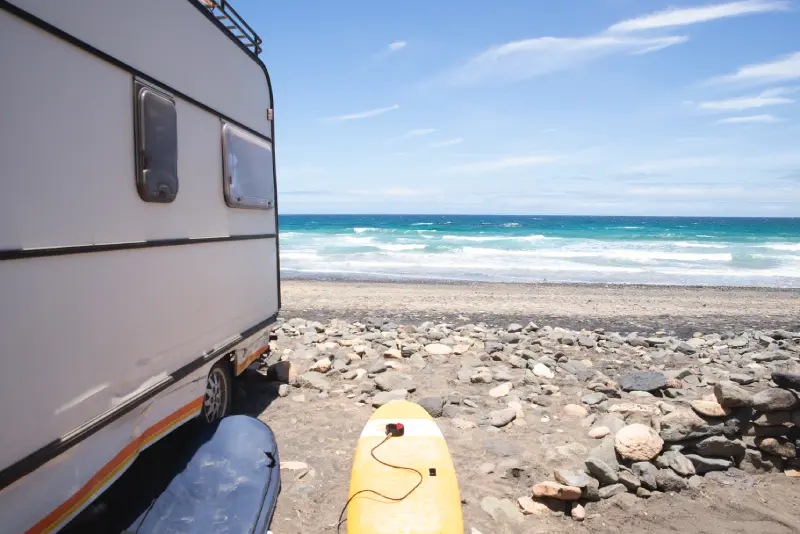
The Algarve, the southernmost region of Portugal, attracts caravanners with its dramatic cliffs, massive waves, and surf culture in winter. During the winter season, "vanlifers" from all over Europe form a large community here. The temperature in the Algarve during winter is usually around 16-18 degrees. The cape known as "The End of the World" in Sagres is the favorite spot for caravanners to watch the sunset. While traveling by caravan in Portugal in winter, you can taste fresh seafood and safely watch the ocean's giant waves from a distance. The caravan parks in the region are quite modern and more affordable in winter months. The Algarve is an excellent destination for those who want to socialize and feel the pulse of nature in winter.
What Can Be Done in Winter on the Island of Sicily in Italy?
This massive island in southern Italy is where you can experience Italian culture in its warmest form in winter. While traveling by caravan in Sicily in winter, you can inhale the scent of citrus groves along the coastline while watching the snowy peak of Mount Etna. The chaotic yet enchanting streets of Palermo, the ancient theater of Taormina, and the historical texture of Siracusa are much more serene to explore in winter. Sicilian cuisine adds flavor to your caravan adventures with its rich and delicious winter dishes. There are many agrotourism (farm camping) options available for staying in Sicily by caravan. Although the winter weather in Sicily is often rainy, when the sun shines, it paints the entire island in golden hues. The hospitality of the Italians and the historical depth of the island are the greatest sources of motivation that will warm you in winter.
Is It Worth Exploring the Atlantic Coast of Morocco by Caravan?
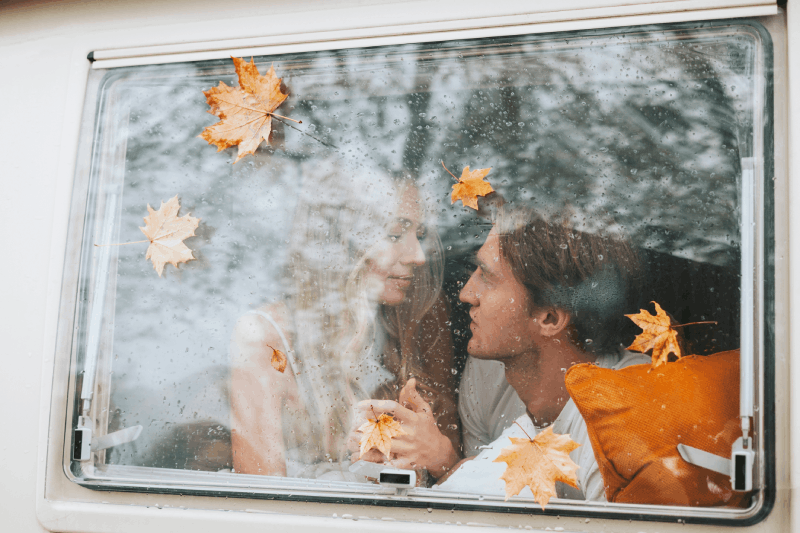
If you want to push the boundaries and spend winter in a completely different culture, going to Morocco by caravan can be the adventure of your life. Easily accessible by ferry from Spain, Morocco offers all the generosity of the African sun in winter. Cities like Agadir and Essaouira on the ocean coast are paradises for surfers and caravanners in winter. On this route extending to the doors of the Sahara Desert, you can watch camel caravans and camp under the stars. Traveling by caravan in Morocco means waking up every day to new scents of spices and a riot of colors. Although the infrastructure is not as developed as in Europe, there are safe camping areas available. Morocco is one of the most niche routes for winter caravanners due to its budget-friendly nature and the exotic atmosphere it offers.
How to Solve the Heating Problem in a Caravan Efficiently in Winter?
Even if you go to warm routes, the weather in the caravan can cool down at night in winter. Therefore, an efficient heating system in the caravan is essential. Nowadays, the most preferred system by caravaners is diesel heaters, such as Webasto type devices. These heaters can quickly make the inside of the caravan as warm as a sauna with a small amount of diesel drawn from the vehicle's fuel tank. Another aspect of the heating problem is insulation. If the walls and floor of your caravan are not well insulated, no matter how powerful the heater is, you cannot keep the heat inside. Additionally, using thermal curtains or foil protectors to block the cold coming from the windows makes a significant difference. Hot water bottles and quality sleeping bags can also be lifesavers when the heater is insufficient or when you want to save energy.
Do Solar Panels Meet the Energy Needs of the Caravan in Winter?
Since the sun's rays come at a more horizontal angle in winter and the days are shorter, the efficiency of solar panels decreases. However, this does not mean that the panels do not work at all. If you are on southern routes, solar panels are still an important energy source. To increase energy efficiency in winter, you should clean the dust and moisture on the panels regularly. Additionally, instead of flexible panels, adjustable monocrystalline panels allow you to take better advantage of winter sunlight. Since your energy needs will be higher in winter (due to lighting and heater fan), using lithium batteries (LiFePO4) provides great comfort for winter caravanning. If the sun is insufficient, having DC-DC chargers that charge the batteries from the vehicle's alternator or planning to camp in areas where you can get 220V support from outside should be part of your plan.
What Facilities Should Be Sought in Winter Caravan Camping Areas?
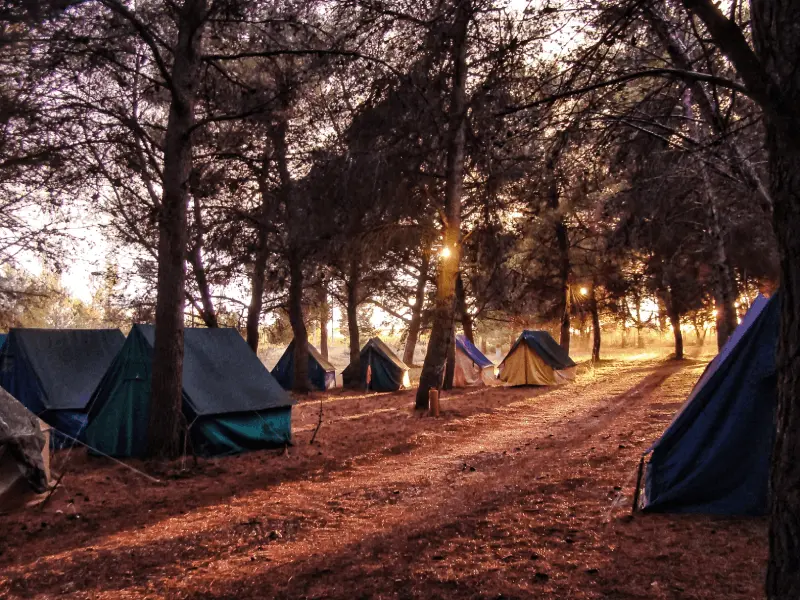
The facilities of the camping areas you choose while traveling by caravan in winter are more critical than in summer vacations. First of all, you should check whether the campsite offers a 220V electricity connection; because your energy needs will increase in winter. The second important point is the continuity of hot water. Taking a hot shower after a cold evening is not a luxury but a necessity. Additionally, having closed and heated common areas (kitchen, lounge) allows you to breathe when you feel cramped in the caravan. Since the ground may be muddy in winter, it is essential that the places where caravans park have a solid surface like concrete or gravel to prevent the vehicle from getting stuck in the mud. The campsite's central location increases your safety by ensuring easy access to markets and health services in winter.
What Technical Maintenance Should Be Done Before Leaving for Winter Caravan?
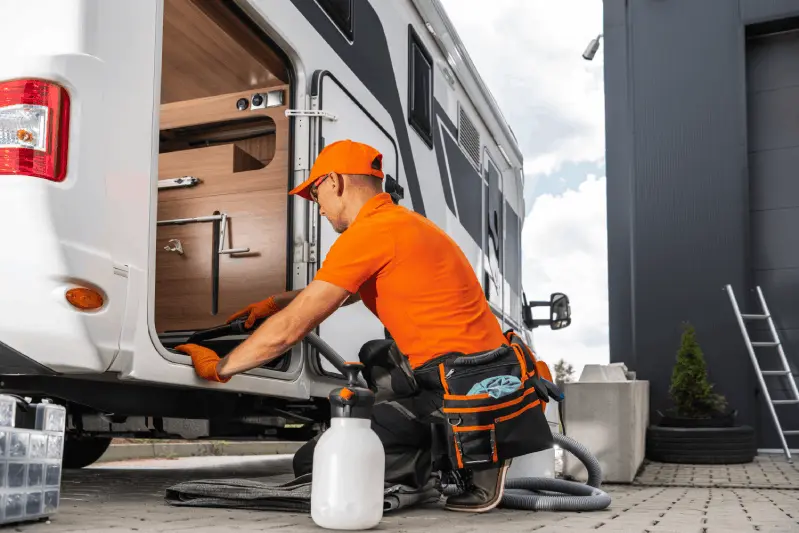
Before hitting the road in winter, both the living area and the vehicle mechanics of the caravan should be meticulously checked. The antifreeze level of the engine is vital to prevent the engine from freezing in winter. The performance of batteries decreases in cold weather; therefore, both the engine battery and the living battery should be tested for capacity. The tread depth of the tires and their suitability for winter conditions (preferably winter tires or all-season tires) are critical for road grip. Wiper blades should be replaced, and the wiper fluid should be of a non-freezing type. In the living area of the caravan, the water system should be checked, and any leaks should be identified. Additionally, all external lighting systems should be ensured to work perfectly for visibility at night and in foggy weather. Always keep a set of jumper cables and a tow rope with you.
How to Deal with Humidity and Moisture Problems in a Caravan in Winter?
The biggest enemy of winter caravanning is not the cold but the humidity. Breathing, cooking, and showering inside the caravan quickly increase the humidity level. This humidity can condense on cold surfaces, leading to dampness and mold. The best way to prevent this is proper ventilation. Keeping the roof vent (ventilation window) slightly open allows the moist air inside to escape. Running the heater while simultaneously allowing fresh air from outside reduces humidity. Additionally, dehumidifiers or moisture-absorbing tablets available on the market can help balance the air inside the caravan. Leaving gaps for airflow under beds and inside cabinets is an effective method to prevent moisture buildup in these areas.
How to Prevent the Freezing of Water Tanks in a Caravan in Winter?
Even in warm routes, when nighttime temperatures drop below zero, the water tanks outside the caravan are at risk of freezing. Frozen water can expand and damage the tank or pipes. To prevent this issue, a small amount of salt or antifreeze can be added to the gray water tank (wastewater), but this should only be done in emergencies as it can harm the environment. The healthiest method is to cover the external tanks with insulating materials or use heating pads that operate on 12V. If very harsh cold is expected, leaving the valve of the gray water tank open and placing a bucket underneath prevents the water from freezing in the tank. The clean water tank is usually inside the caravan, under the bed or sofa, so as long as it is heated, the risk of freezing is low; however, it is essential to ensure that the pipes leading outside are insulated.
What Should Be the Kitchen Needs and Meal Preparation in a Caravan in Winter?
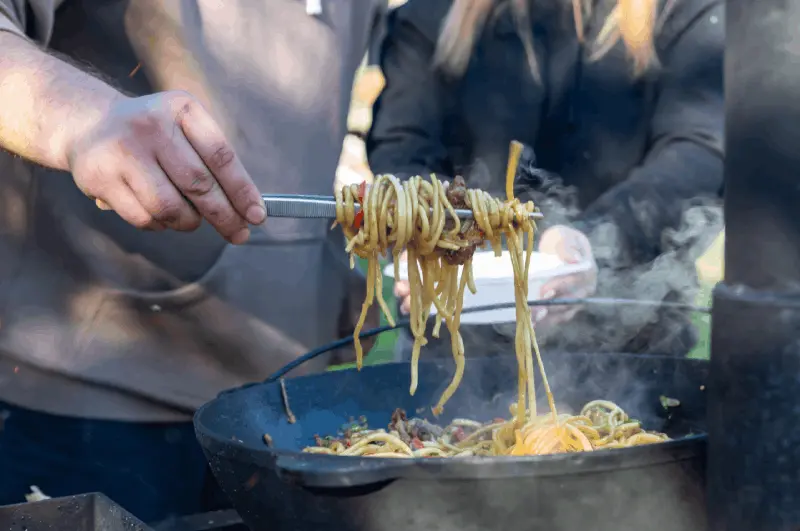
Cooking in a caravan in winter is not only about satisfying hunger but also a delightful activity that warms the inside of the caravan. However, a fan or window must be used to ventilate the steam generated while cooking. Since more energy is consumed in winter, nutritious meals rich in protein and carbohydrates should be preferred. One-pot dishes, soups, and oven meals are practical and contribute to the warm atmosphere of the caravan. Keeping energy-boosting foods like nuts, honey, and ginger in your kitchen stock is beneficial. Additionally, using practical kitchen tools that reduce the amount of dishes is helpful in winter camping, where water may be limited. Make sure to have a quality thermos in your caravan to keep your tea and coffee warm for a long time.
What Are the Risks of Being Alone in Nature While Caravanning in Winter?
Camping "off-grid" can be much riskier in winter. The biggest risk is that due to bad weather conditions, the caravan may get stuck in the mud or roads may be closed. An engine breakdown or running out of fuel while being alone in nature can lead to the heating system stopping and pose a life-threatening situation. Additionally, since the days are shorter in winter, your time to remain in darkness in case of any adverse situation increases. To mitigate these risks, always inform someone about your whereabouts, keep your phone charged, and have backup power sources. Always carry a few days' worth of extra food, water, and a spare blanket with you. When alone in nature, you should closely monitor the local weather conditions and know when to retreat to a safe campsite or settlement in case of an unexpected storm.
Should Precautions Be Taken Against Mosquitoes in Warm Routes in Winter?
While many people think there won't be mosquitoes in winter, in warm routes like Antalya or Andalusia, mosquitoes can still be active even in winter. Especially if you are camping near stagnant water or in humid areas, you may encounter annoying visitors at night. Ensuring that the mosquito nets in your caravan are intact is important for your comfort in winter. Natural repellents (like lemongrass, lavender) or electric mosquito traps can be used inside the caravan. Additionally, wearing long but thin clothes while spending time outside is the easiest way to prevent mosquito bites. Some insect species that wake up with the winter sun can also be attracted to the warmth of the caravan; therefore, being careful at caravan entrances and keeping the interior clean will prevent pests from entering.
Where Are the Socializing Areas for Caravaners in Winter?
Caravanning in winter can sometimes feel lonely, but you can find a strong community in the right places. Caravan parks in Europe (like Aires or Sosta) are filled with permanent winter caravaners. The communal campfires held in these areas in the evenings help you form sincere friendships that will make you forget the winter cold. In Turkey, places like Fethiye, Kaş, and Akyaka turn into "caravan towns" in winter. Local cafes, libraries, and surf schools that are open in winter are meeting points for caravaners. You can connect with other caravaners in the area through social media groups and caravan apps (like Park4Night) and combine your routes. Socializing in winter not only provides companionship but also offers significant advantages in terms of technical assistance and safety.
What Documents Are Required When Traveling Abroad with a Caravan in Winter?
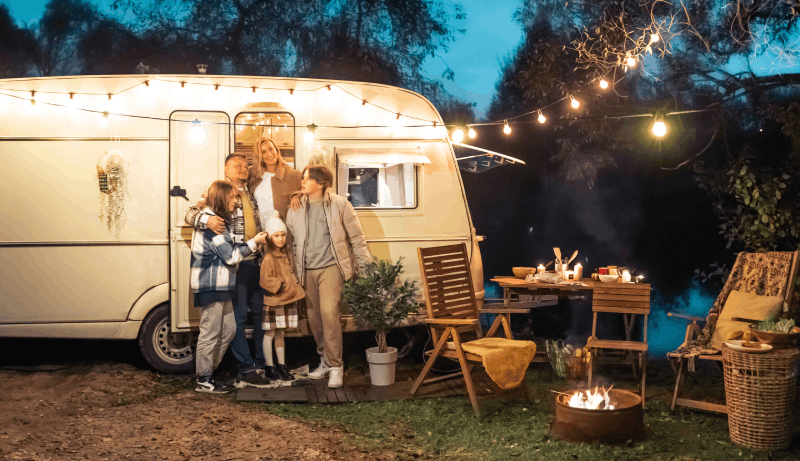
Before hitting the road to winter routes abroad, it is essential to complete all paperwork thoroughly. The "Green Card" (international insurance) of your vehicle must be up to date. You should research in advance the laws regarding the use of winter tires or chains, which are mandatory in some countries in winter. Your passport must be valid for at least 6 months, and you must have completed the necessary visa (Schengen, etc.) procedures for the countries you will visit. Additionally, if the registration of the caravan is not in your name, you will need to obtain a notarized power of attorney. Ensure that your personal health insurance covers abroad and, if possible, situations like Covid-19. Some countries may require special health certificates and vaccination records for pets traveling in the caravan. Although waiting times at customs in winter may be shorter, it is advisable to check the working hours.
What Should Be Done Before Switching to Winter Sleep Mode in a Caravan?
If you will only use your caravan at certain times in winter and park it in between, you should prepare for "winter sleep." The most important rule is to drain all the water systems. Tanks, pipes, and especially the water heater must be emptied; otherwise, frozen water pipes can burst. Removing all food items from the kitchen prevents rodents and insects from entering the caravan. To protect the lifespan of the batteries, you can disconnect the polar caps or ensure that the solar panel continues to charge the batteries. It is wise to take the textile products (pillows, blankets, etc.) inside the caravan out to protect them from moisture or place them in airtight vacuum bags. Instead of completely closing the windows, leaving them in micro-ventilation mode allows for air circulation inside and prevents moisture. Finally, covering the caravan with a tarp will protect the exterior from the harsh effects of winter.
Is There Any Other Joy in Reading a Book in a Caravan Under the Winter Sun?
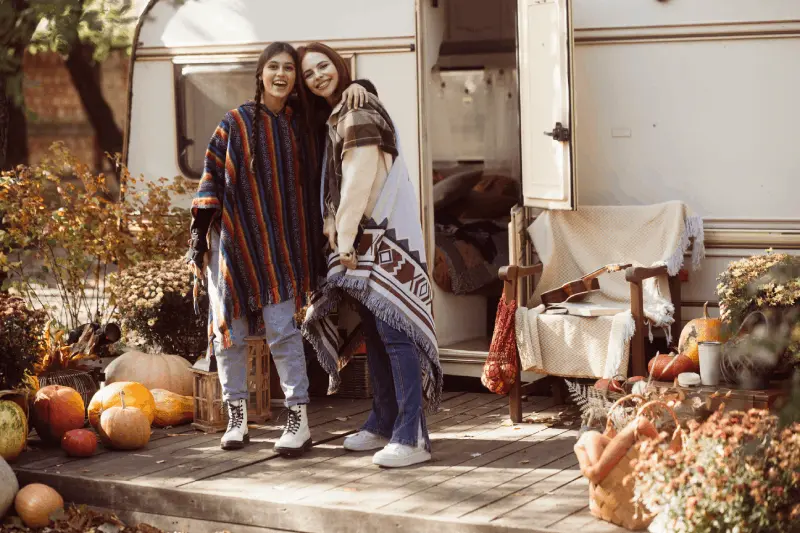
One of the greatest luxuries of traveling by caravan in winter is the slowing down of time. You can do many things in the tranquility of winter that you couldn't do while rushing outside in the summer heat. Reading a book while looking at the sea from the window of your caravan, despite the wind blowing outside, feels like meditation in the warmth of your heater. The winter sun is not as scorching as in summer; it is soothing. Sitting in a chair you placed in front of your caravan, wrapping a blanket around your knees, and immersing yourself in your book refreshes your soul. This silence provides an invaluable environment for diving into deep thoughts, writing, or simply watching the sky. Winter caravanning is, in fact, a journey into yourself rather than the outside world. Don't forget to bring a powerful reading list that matches your winter route.
How Useful Are Mobile Applications for Determining Caravan Routes in Winter?
While creating caravan routes has become much easier in the digital age, the importance of these applications doubles in winter. Applications like Park4Night, Campercontact, and iOverlander inform you about which campsites are open in winter and whether water filling points are operational based on user reviews. Using weather applications like Windy, in addition to Google Maps or Waze for road conditions (snow, closed roads), is vital. Knowing the speed and direction of the wind is critical for the safety of caravan driving. Additionally, applications that show charging stations are essential for those using electric caravans or seeking external charging support. Thanks to mobile applications, you can find the nearest market or technical service you need in seconds, even in the coldest areas in winter.
Is Traveling with Pets in a Caravan in Winter Difficult?
Traveling with pets, the most loyal companions of caravan life, can be both enjoyable and require attention in winter. When taking your dog or cat on the road in winter, remember that they can also feel the cold. It is important to place an extra insulating layer under your pet's bed, as the floor of the caravan can be cold. Cleaning and drying their paws after outdoor walks is necessary for their health and the cleanliness of the caravan. Even in warm routes, the night chill can affect short-haired or small animals; therefore, it may be beneficial to have winter clothes for them as well. When traveling with your pet in winter, ensure that the campsites you visit are pet-friendly and that there is a veterinarian nearby for emergencies. Their presence will make your winter days much more colorful.
What Is the Place and Importance of Winter in Caravan Culture?
Caravanning is not just a method of vacation; it is a philosophy of life. The most genuine test of this philosophy is given in winter. Anyone can be a caravanner in summer, but being on the roads in winter requires real passion and preparation. Winter caravanning strengthens your bond with nature because you encounter the harshest yet purest face of nature. In this culture, winter symbolizes endurance, technical knowledge, and inner peace. Journeys made by caravanners in winter create the most powerful stories to be shared. When you meet a caravanner on the road in winter, an instant bond of respect and understanding is formed between you. This season is the best proof that caravanning is more of a discovery process than a consumption one.
How Will Future Trends in Winter Caravanning Shape?
With the advancement of technology, caravanning is becoming more accessible in every season. In the future, lighter and more efficient insulation materials, smart energy management systems, and fully electric heating solutions will come to the forefront in winter caravanning. With the widespread adoption of the "Digital Nomad" concept, the number of caravanners working from warm regions in winter is rapidly increasing. This will increase the number of modern caravan parks that offer high-speed internet and operate at full capacity in winter. Additionally, due to climate change, routes may shift; areas that were once very cold may start to offer warmer winters, opening up new discovery areas for caravanners. In the future, caravans will become not just travel vehicles but the most comfortable and mobile "smart homes" that can be settled in winter.
Is It Possible to Have an Unforgettable Holiday in the Hottest Routes in Winter with a Caravan?
In conclusion, with the right preparation and route selection, traveling by caravan in winter can be one of the best decisions of your life. From the warm sun of Antalya to the ocean breezes of Portugal, many options await you. Exploring ancient cities free from crowds in winter, finding budget-friendly accommodations, and witnessing the tranquility of nature is invaluable. When the warmth of your caravan's heater combines with the hot tea in your hand and the breathtaking winter landscape outside, you will question why you didn't hit the road in winter sooner. Remember, the hottest route is sometimes not just a point on the map but the peaceful atmosphere you create inside your caravan. Make your preparations, determine your route, and start following the winter sun!