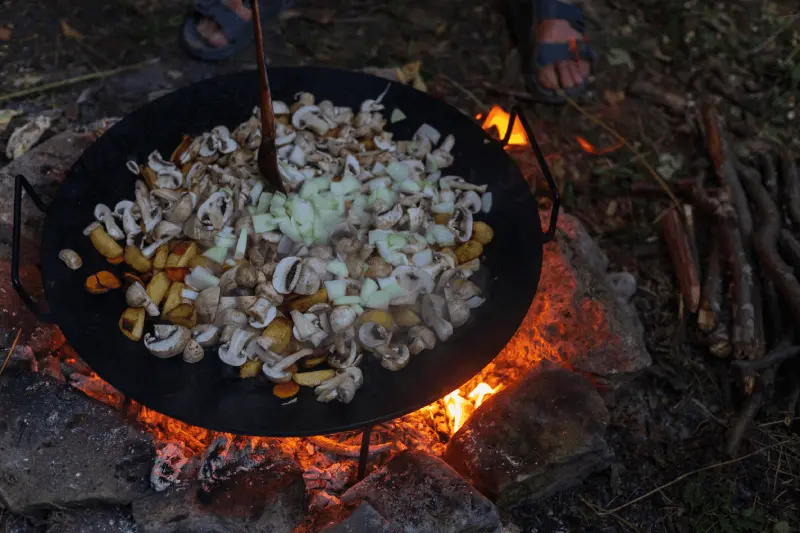

Why Is Camping Nutrition Different from City Life?
Camping is a challenging activity where the body expends significantly more calories than normal, physical endurance is tested, and metabolism strives to adapt to external conditions. The energy needs of an individual working at a desk in city life cannot be compared to those of a camper climbing a steep slope or covering miles with a heavy backpack. Even maintaining body temperature in nature is a significant energy expenditure in itself. Therefore, the snacks consumed should not only satisfy hunger but also be balanced in glycemic index, rich in micronutrients, and light. The dietary regimen of campers should focus on providing sustainable energy rather than sudden energy spikes.
What Should Be the Ideal Carbohydrate and Fat Ratio in Trail Mix Combinations?
Traditional "Trail Mix" is the biggest friend of campers; however, the contents of this mix should not be chosen randomly. An ideal mix should contain 40% dried fruits (carbohydrates) for quick energy, 40% raw nuts (healthy fats) for long-lasting satiety and calorie density, and 20% seeds or protein sources for muscle repair. Fruits like dried apricots or figs raise blood sugar levels quickly, while fatty seeds like almonds and walnuts prevent this sugar from dropping rapidly. This balance ensures that there is no "hitting the wall" feeling during the hike and that the body efficiently uses fuel.
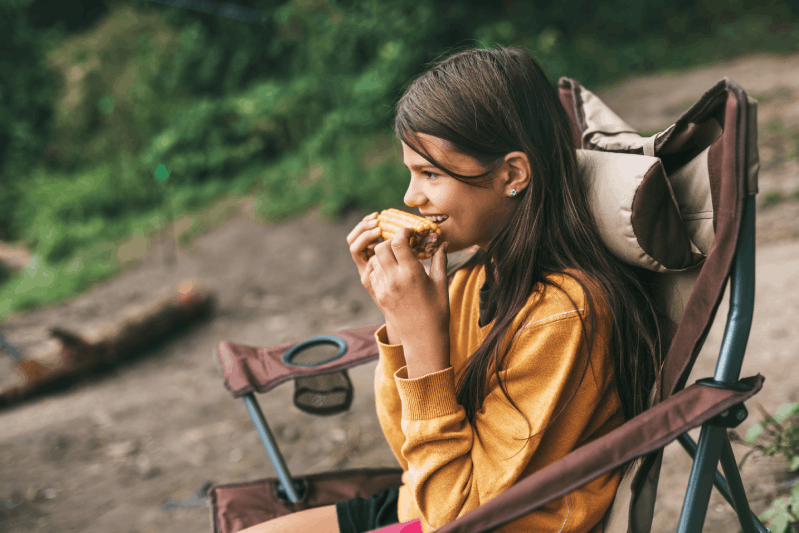
Are Homemade Energy Balls More Advantageous Than Store-Bought Products?
Store-bought energy bars often contain preservatives, high amounts of refined sugar, and corn syrup. Homemade energy balls made with dates, oats, raw cocoa, and hazelnut butter are both more economical and much healthier. In your homemade snacks, you can control the sugar content and add superfoods like chia seeds or flaxseeds according to your taste. Additionally, these balls do not require cooking, preserving their nutritional value, and can be easily transported in small containers in your camping backpack. The personalized content directly responds to your body's specific needs.
What Is the Effect of Dried Fruits on Glycogen Stores During Camping?
During prolonged physical activities, glycogen stores in the muscles deplete quickly. Dried fruits like apricots, figs, and plums are rich in natural sugar forms such as fructose and glucose. When these fruits are consumed, blood sugar levels rise rapidly, providing the fuel that muscles need. Additionally, dried fruits regulate the digestive system due to their high fiber content. Carrying fresh fruits during camping poses risks of weight and spoilage; thus, these dense energy sources, with 80% of their water removed, are strategically important due to their lightness.
What Is the Difference in Energy Efficiency Between Raw Nuts and Roasted Ones?
One of the biggest mistakes campers make is opting for delicious but overly salty and roasted nuts. However, the roasting process can alter the structure of the healthy fatty acids (like Omega-3) in nuts and reduce their vitamin content. Consuming raw almonds, hazelnuts, or cashews provides unprocessed, pure energy to the body. Additionally, roasted and salted snacks can lead to water retention and unnecessarily increase hydration needs. In situations where water is limited in nature, raw nuts keep you full longer and provide the magnesium and potassium your body needs without straining your metabolism.
Why Should You Be Cautious of Sugar Alcohols When Choosing Protein Bars?
Many high-protein bars on the market contain sugar alcohols like "maltitol" or "xylitol" to reduce calorie content. These substances can cause stomach cramps, bloating, and diarrhea in sensitive individuals or during intense physical activity. Experiencing digestive issues in the middle of a mountain climb is the last thing a camper wants. Therefore, it is safer to opt for products that contain natural sweeteners like honey, molasses, or stevia. As a protein source, plant-based options like pea protein or rice protein, which are easier to digest, can be preferred over whey isolate.
Do Snacks with Chia Seeds Provide Long-Lasting Satiety?
Chia seeds, known as the "running food" of Aztec warriors, have the capacity to hold 10-12 times their weight in water. This property helps maintain the body's hydration levels. Puddings made with chia seeds or fruit bars containing chia slow digestion by gelling in the stomach. This results in a much more balanced release of sugar into the bloodstream and a feeling of fullness that lasts for hours. Even a small amount of chia seeds provides high levels of calcium and antioxidants, maximizing a camper's endurance.
Which Salty Snacks Should Be Preferred for Electrolyte Balance in Nature?
Through sweating, not only water but also vital minerals such as sodium, potassium, and chloride are lost from the body. Relying solely on sweet snacks can lead to electrolyte imbalances and muscle cramps. At this point, lightly salted pumpkin seeds, oven-roasted chickpeas containing sea salt, or snacks like olives should come into play. Especially naturally fermented olives provide probiotic support and help regain lost sodium. Instead of salty crackers, whole grain and sesame crackers should be included in your backpack as a healthier source of carbohydrates and minerals.
Is Consuming Jerky Sufficient for Muscle Repair?
Dried meat, or "Beef Jerky" as it is originally called, is one of the strongest muscle repair options for campers due to its very low fat and very high protein content. After intense exercise, protein is needed to repair the micro-tears that occur in the muscles. Jerky is an excellent source of animal protein because it does not require refrigeration and is lightweight. However, not all jerky on the market is healthy; those containing nitrites and excessive sodium should be avoided. A naturally dried and seasoned piece of meat also meets the body's needs for iron and vitamin B12, reducing fatigue.
Does the Magnesium Content of Pumpkin Seeds Reduce Camping Fatigue?
Magnesium plays a role in over 300 enzymatic reactions in the body and is critical for muscle relaxation and energy production. Pumpkin seeds are one of the richest sources of magnesium in the plant kingdom. Consuming a handful of pumpkin seeds during camping helps relax the muscles that have been working all day and promotes better sleep. Additionally, the zinc content supports the immune system, which is vital for campers exposed to changing weather conditions. These lightweight and nutritious seeds are among the best "healing" snacks in nature.
Why Is Peanut Butter an Indispensable Superfood for Campers?
Peanut butter is a real energy bomb due to its high calorie and protein content per gram. Its ability to be transported in a small jar or single-use packets makes it logistically excellent. The single unsaturated fats it contains protect heart health, while its thick consistency provides long-lasting satiety. Spreading peanut butter on a slice of whole grain bread or an apple slice can create one of the most efficient meals of the day by combining complex carbohydrates and protein. Natural versions that are sugar-free and contain only sea salt should always be the first choice.
Are Oat-Based Snacks Suitable for Morning Hikes?
Oats are a "slow-releasing" carbohydrate source that spreads energy over time due to their low glycemic index. The oat bars or overnight soaked oatmeal you consume when you step out of your tent provide you with uninterrupted energy as you start your hike. Thanks to beta-glucan fiber, they balance cholesterol and regulate digestion. You can enhance the flavor of oats by sweetening them with dried fruits and optimize blood sugar control by adding your preferred toppings. For campers looking for a quick start, oats are the foundation of sustainable energy.
Do Snacks Containing Coconut Oil Provide Quick Energy?
Coconut oil is rich in medium-chain triglycerides (MCTs). Unlike other fats, MCTs are processed immediately in the liver and converted into instant energy. These properties make them a fast fuel similar to carbohydrates, but they do not raise insulin levels. Adding a sweet spoonful of coconut oil to your coffee or consuming homemade bars made with this oil can particularly enhance mental clarity and physical strength in the morning hours. Although it may solidify in cold weather, this oil melts easily with body heat, making it a secret hero of camping cuisine.
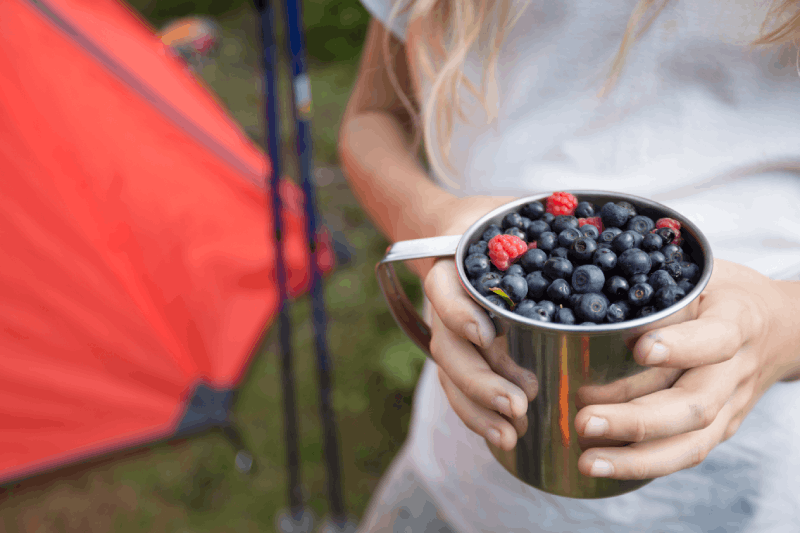
How Do Fermented Snacks Support Digestion in Camping Conditions?
Changes in eating habits during outdoor sports can often lead to digestive problems. Dried fermented vegetables, homemade kefir bars, or kombucha-based gel snacks contain probiotics that support gut flora. A healthy gut means better absorption of nutrients and a strong immune system. Especially during long camping trips, getting support from these types of fermented foods to prevent the digestive system from slowing down directly affects overall comfort and energy levels. Their slightly tangy flavors can also create a refreshing effect during intense hikes.
What Is the Effect of Dark Chocolate on Focus and Morale?
Dark chocolate containing at least 70% cocoa is not only a reward but also a serious performance enhancer. Cocoa contains flavonoids that increase blood flow to the brain and the mild stimulant theobromine. In moments when morale drops on challenging trails or when it gets dark, a square of dark chocolate can boost motivation by promoting the release of endorphins. It is also rich in minerals such as magnesium and copper. Since its sugar content is low, it does not cause the sudden sugar drop (reactive hypoglycemia) that sugary chocolates create and takes up very little space in your backpack.
How Effective Are Chickpea Snacks (Roasted Chickpeas) in Meeting Protein Needs?
Oven-roasted chickpeas or traditional yellow chickpeas are both an economical and highly nutritious option for campers. Chickpea snacks, which offer a combination of plant-based protein and high fiber, are also known for their ability to balance stomach acid. A handful of chickpeas can be a lifesaver for campers experiencing heartburn. Chickpea snacks enriched with spices can satisfy cravings for chips in a healthy way while providing the amino acids the body needs throughout the day. They are easy to transport, do not crush, and maintain their freshness in all weather conditions.
Can Dried Vegetable Chips Meet Vitamin Needs?
Carrying fresh vegetables can be difficult in camps due to volume and weight. However, dehydrated beet, zucchini, or kale chips retain most of their vitamins and minerals. These chips satisfy the body's antioxidant needs while also fulfilling the craving for crunchy snacks. Beet chips can enhance oxygen transport capacity by dilating blood vessels thanks to the natural nitrates they contain, contributing to your performance at high altitudes. Vegetable chips provide not only calories but also cell-renewing micronutrients.
Do the Combination of Almonds and Walnuts Enhance Mental Performance?
Camping is not only a physical activity but also involves mental activities such as navigation and decision-making processes. Walnuts, known for their resemblance to the brain and high omega-3 fatty acid content, are considered a "brain food." Almonds are rich in vitamin E and healthy fats. The combination of these two nuts supports communication between neurons, helping to keep the mind clear even during moments of fatigue. You should not part with this mix to prevent distraction and make correct decisions on the trail. They also extend the feeling of fullness, preventing unnecessary calorie intake.
Is Spirulina Necessary in Extreme Conditions?
Spirulina, a blue-green algae, is considered one of the most nutrient-dense food sources in the world. This "superfood" contains high levels of iron, B vitamins, and plant-based protein. Spirulina energy balls or tablets produced for campers particularly enhance the body's resistance in high altitudes or extremely low temperatures. Since it supports the blood's oxygen transport capacity, it can reduce symptoms of shortness of breath and fatigue. Although its taste may not appeal to everyone, spirulina is an indispensable supplement for professional campers looking to elevate their performance to the next level.
How Do Dates and Hazelnuts Balance Blood Sugar?
Dates are one of nature's richest sugar stores and provide instant energy. However, when consumed alone, they can quickly raise blood sugar levels and then drop. Consuming roasted hazelnuts alongside slows the absorption of the sugar in dates due to their healthy fats and protein. This perfect synergy ensures that blood sugar remains stable for a long time. Additionally, dates are very rich in potassium, supporting muscle functions. Hazelnuts protect cells against oxidative stress with their vitamin E content. This duo creates one of the most natural and effective energy bars.
Which Snacks with High Water Content Should Be Carried in Summer Camps?
Hot weather and intense activity accelerate water loss (dehydration). Sometimes, just drinking water may not be enough; consuming foods with high water content supports hydration. Combinations prepared by soaking apples, fresh cucumbers (if the campsite is nearby), or dried fruits in water can be helpful in this regard. Especially fresh apples provide refreshing energy with both water and pectin fiber. Dried coconut slices also help with electrolyte balance. Instead of heavy and fatty snacks in summer, lighter options with high water content help maintain body temperature.
What Are the Spicy Snacks That Create a Thermogenic Effect in Winter Camps?
In cold weather camps, the metabolism needs to work quickly to maintain body heat. Snacks containing ginger, cinnamon, and mild chili (capsaicin) create a "thermogenic" effect, increasing the body's internal temperature. Ginger cookies (sugar-free), cinnamon apple chips, or spicy nut mixes can speed up blood circulation. This can particularly help warm the hands and feet. Additionally, consuming fatty seeds (walnuts, cashews) in winter provides the body with the energy it will burn due to their high calorie density and creates a resistance shield against freezing.
Do Whole Wheat Crackers Raise Blood Sugar Slowly?
Choosing whole wheat, rye, or oat flour crackers instead of white flour crackers plays a critical role in campers' energy management. Whole grains retain their complex carbohydrate structure because they are not refined. This slows down the absorption of sugar into the bloodstream, providing a long-lasting energy release. Adding seeds like sesame, caraway, or sunflower seeds increases their nutritional value. When combined with a piece of cheese or peanut butter, whole wheat crackers turn into a filling snack and a fuel source that enhances endurance.
Is the Vitamin E Support of Sunflower Seeds Important Under the Sun?
Sunflower seeds are among the richest foods in terms of vitamin E. Vitamin E is a powerful antioxidant and helps protect the skin from harmful UV rays from the sun. For campers spending long hours outdoors directly under the sun, consuming sunflower seeds helps defend cell membranes against oxidative damage. Additionally, their selenium content strengthens immunity. Shelled sunflower seeds can be added to trail mix combinations, adding crunch while providing micronutrients that support the body's repair mechanisms.
Why Should Dried Figs and Apricots Be Preferred as a Source of Fiber?
Changes in dietary habits during camping can often lead to digestive issues such as constipation. Dried figs and apricots naturally promote bowel movements due to their high fiber content. Especially dried figs act as a mechanical cleanser with their small seeds. These fruits are also rich in calcium and iron. For a camper to feel energetic throughout the day, the digestive system must function smoothly. Therefore, consuming a daily portion of dried fruits not only satisfies sweet cravings but also maintains internal balance.
Is Goji Berry Necessary for Antioxidant Support?
Goji berry is known as the "fruit of longevity" in traditional Asian medicine and is very high in vitamin C and beta-carotene. As physical activity increases, free radicals form in the body, leading to fatigue. Antioxidant-rich fruits like goji berry neutralize these free radicals, shortening recovery time. A small handful of goji berries can provide more vitamin C than an orange. With its slightly tangy and sweet taste, this fruit takes up little space in camping backpacks but has a significant "protective" effect.
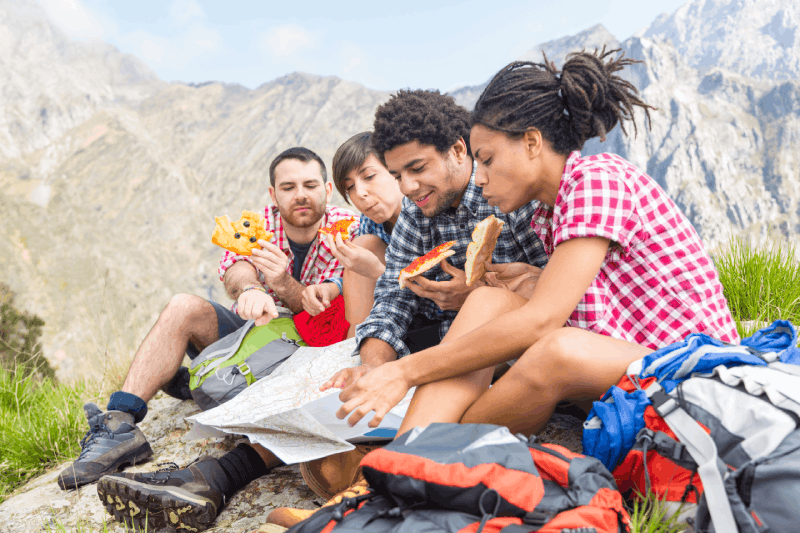
Are Homemade Mueslis More Nutritious Than Store-Bought Products?
Mueslis in stores often contain added sugars, artificial flavors, and cheap fillers. Your homemade muesli made with oats, raw nuts, oily seeds, and your favorite dried fruits is much more nutrient-dense. You can enhance the flavor by adding raw cocoa pieces or shredded coconut. By adding hemp seeds or pumpkin seeds to increase the protein content while preparing your muesli, you can provide your body with the highest quality fuel during breakfast or between hikes. When you have control, the nutritional value is also at its highest level.
Do Mustard Seeds and Spiced Almonds Stimulate Blood Circulation?
Mustard seeds and almonds flavored with spicy seasonings not only appeal to the palate but also stimulate blood circulation. The essential oils in the spices can help slightly dilate blood vessels, allowing more oxygen to reach the muscles. This is particularly beneficial for relieving leg fatigue in cold weather or during climbs. Additionally, spicy snacks can serve as a natural stimulant that increases the desire to drink water, preventing campers from becoming dehydrated. Healthy spices are the smallest yet most effective performance enhancers in camping cuisine.
How Do Seaweed Snacks Meet Iodine Needs?
Seaweed chips (Nori) offer a massive mineral content compared to their very low calorie count. They are the richest source of iodine in the world, which is critical for thyroid function and energy metabolism. Being lightweight and crunchy, seaweed is a fun snack for campers and also contains vitamin B12. The healthy functioning of the thyroid gland determines how the body burns energy. Therefore, avoiding iodine deficiency is important for managing camping fatigue. Seaweed is one of the lightest and most mineral-rich snacks in nature.
Do Bee Pollen and Honey Combinations Create Instant Energy Boosts?
Bee pollen is referred to as "nature's multivitamin"; it contains amino acids, vitamins, and minerals in perfect balance. Honey is the purest carbohydrate source that enters the bloodstream directly. The combination of these two, especially in the last meters of a climb or during energy crisis moments, provides an instant recovery. This combination supports the immune system and increases the body's endurance. Bee pollen and honey combinations that can be transported in small containers will give you that last "push" you need without any artificial sugars. It creates a natural and powerful doping effect.
What Is the Calcium and Protein Contribution of Single-Serving Cheeses?
Cheese contains high levels of calcium and casein (slow-digesting protein). Single-serving vacuum-packed cheeses like cheddar, string cheese, or Gruyère can last a few days without refrigeration. Calcium is a vital mineral for muscle contractions and nerve transmission. The body needs calcium for the muscles to function properly during long hikes. Cheese also provides long-lasting satiety due to its fat content. When combined with whole grain crackers, it creates a balanced protein-carbohydrate meal and offers a satisfying flavor during camping evenings.
Are Oven-Roasted Lentil Snacks Suitable for Vegan Campers?
Lentils are one of the strongest legumes in terms of plant-based protein and iron. Today, oven-roasted and spiced lentil snacks have become an excellent protein source for vegan or vegetarian campers. Iron is crucial for oxygen transport in the blood, making it a determinant in camping performance. Lentil snacks are both lightweight and crunchy, serving as a salty alternative to trail mixes. Their high fiber content keeps you full for a long time, and their low glycemic index helps maintain your energy levels throughout the day.
Are Quinoa Puffs a Low-Calorie but High-Energy Alternative?
Quinoa is one of the rare plant sources that contains all nine essential amino acids. Quinoa puffs are similar to rice puffs but have a much higher nutritional value. Their lightness means they won't add weight to your backpack. They can be consumed with yogurt (or mixtures prepared with milk powder) or simply as a handful. Rich in magnesium and manganese, quinoa supports muscle recovery. Despite being low in calories, their complex carbohydrate structure provides quality fuel to the body and quickly suppresses hunger by taking up space in the stomach.
Do Banana Chips Prevent Muscle Cramps as a Source of Potassium?
Bananas are the first fruit that comes to mind when potassium is mentioned, and potassium deficiency can lead to muscle cramps. Fresh bananas can easily get squished and turn brown during camping, but dried banana chips eliminate this problem. These chips provide a concentrated source of magnesium and potassium. Consuming a few banana slices during hikes regulates the signals sent by the nervous system to the muscles and prevents sudden contractions. However, when choosing banana chips, it is crucial to select those that are naturally dried without being dipped in sugar syrup to avoid unnecessary sugar overload.
How Should Snacks Be Packaged and Stored in Nature?
Choosing the right snacks is as important as how you transport them. Airtight ziplock bags or lightweight silicone containers prevent food from getting damp and spoiling. Dividing your snacks into portions helps you monitor how much you consume. Additionally, storing nuts and fruits in the same container can cause the moisture from the fruits to soften the nuts; therefore, separating dry and wet foods preserves their texture. Opting for reusable packaging solutions is also a responsibility of every camper to avoid leaving waste in nature (Leave No Trace).
What Are the Light Snacks That Should Be Consumed When Hunger Strikes at Night During Camping?
In the middle of midnight hunger crises, choices should be made that won't burden the stomach but will facilitate falling asleep. A handful of pumpkin seeds or a few walnut halves support the release of serotonin and melatonin due to their tryptophan content. This means deeper sleep. It is advisable to avoid overly sugary foods because sugar can speed up blood flow and disrupt your sleep. A small piece of dark chocolate or an oat biscuit consumed alongside a cup of herbal tea (chamomile or fennel) provides both mental relaxation and prepares you for a refreshed awakening in the morning.
What Are Fun and Nutritious Options for Camping Groups with Children?
Camping with children requires extra preparation due to their energy needs changing faster than adults. Colorful dried fruits (blueberries, strawberry chips), homemade fruit leathers, and fun recipes like celery sticks with peanut butter and dried grapes can capture children's interest. Giving them the chance to prepare their own trail mixes turns healthy eating into a game. Easy-to-hold foods like whole grain crackers and cheese sticks provide the energy they need during play breaks and eliminate the need for packaged snacks.
What Is the Environmental Impact of Snacks and Is Zero Waste Camping Possible?
A true camper is not only someone who loves nature but also someone who protects it. Single-use plastic packaging is the biggest enemy of campsites. Preparing your own snacks and carrying them in reusable cloth bags or beeswax wraps reduces your plastic waste to zero. Additionally, choosing local and seasonal foods reduces your carbon footprint. Every piece of trash you leave in nature can harm wildlife. Therefore, managing your food packaging with the "leave it as you found it" principle is vital for a sustainable camping culture. A clean environment is the primary source of the healthiest foods.