Does Minimalist Toy Selection Save Space in a Caravan?
The essence of caravan life is minimalism, and this rule also applies to children's toys. Since space is limited in a caravan, toys known as "open-ended" should be preferred instead of massive plush bears or multi-piece plastic sets. For example, a set of wooden blocks or magnetic pieces can transform into different things every day according to the child's imagination. These types of toys take up less space and stimulate the child's creativity. Additionally, applying the rule of "if one toy comes in, one toy goes out" is one of the most effective methods to prevent clutter inside the caravan. It is important to remind the child that nature itself is the biggest playground, and that every stone, branch, or leaf outside can be a play material, which will significantly lighten your physical toy load.
How to Turn the Caravan's Outdoor Area into a Playground for Children?
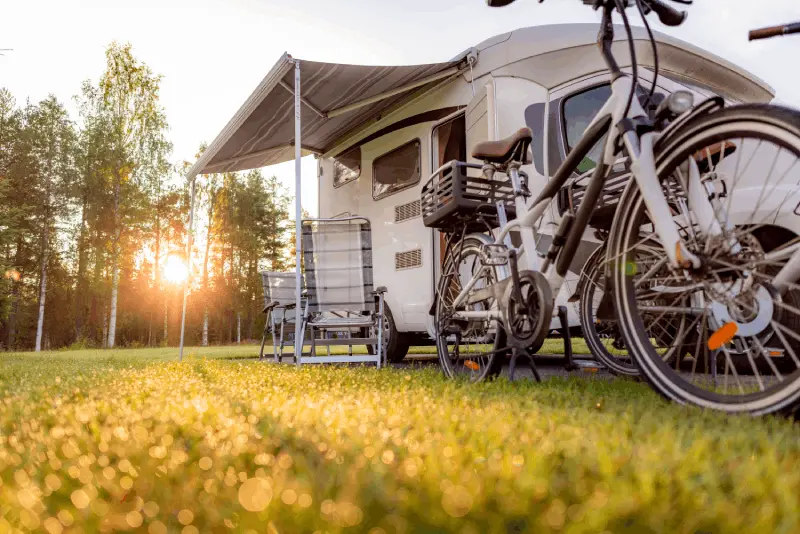
When traveling with a caravan, your living space is not just limited to four walls; the entire world outside your door is your garden. You can use practical and portable equipment to turn the outdoor area into a playground. For example, a hammock set up under the caravan's awning, a portable sandpit, or a foldable easel can keep the child entertained for hours. It is important that toys used outdoors are easy to clean and water-resistant. Additionally, colorful lanterns or outdoor lighting used like a "night lamp" that can be hung outside the caravan in the evening will help the child feel that the outdoor area is safe and belongs to them. This area is the healthiest outlet for the child's energy and eliminates the feeling of confinement inside.
How to Release Energy in a Small Space During Rainy Weather?
One of the most challenging moments of caravan life is undoubtedly rainy days. During these times when you cannot go outside, managing the child's pent-up energy in a small space requires strategy. Creative games like "caravan indoor Olympics" can be devised; balance games made with soft cushions on the beds or a hopscotch area created with tape on the caravan floor can somewhat meet the children's need for movement. Additionally, to evaluate these moments as quality "indoor time," activities such as audiobooks, board games, or making dough together should be introduced. Listening to the sound of rain, watching the drops from the windows, and telling stories in the warm, sheltered atmosphere of the caravan will help the child perceive this confined space not as a prison but as a safe fortress.
How to Protect Little Travelers from Sharp Objects in the Kitchen?
Caravan kitchens are much more compact compared to standard home kitchens and are areas where everything is within reach. This situation can pose some risks for curious children. Magnetic locks or child safety locks must be used for dangerous areas such as sharp knives, glass cups, and the stove. When storing kitchen utensils, placing heavy and sharp items in the bottom drawers and locked compartments will also prevent them from being dislodged during bumpy travels. Defining a "safe zone" in the kitchen for the child and assigning them a drawer that is appropriate for their height and cannot cause harm (by putting in plastic containers, wooden spoons) will help satisfy their curiosity in a safe way. This way, the child becomes involved in the kitchen process while being kept away from potential dangers.
What Does Making Their Own Bed in the Caravan Teach a Child?
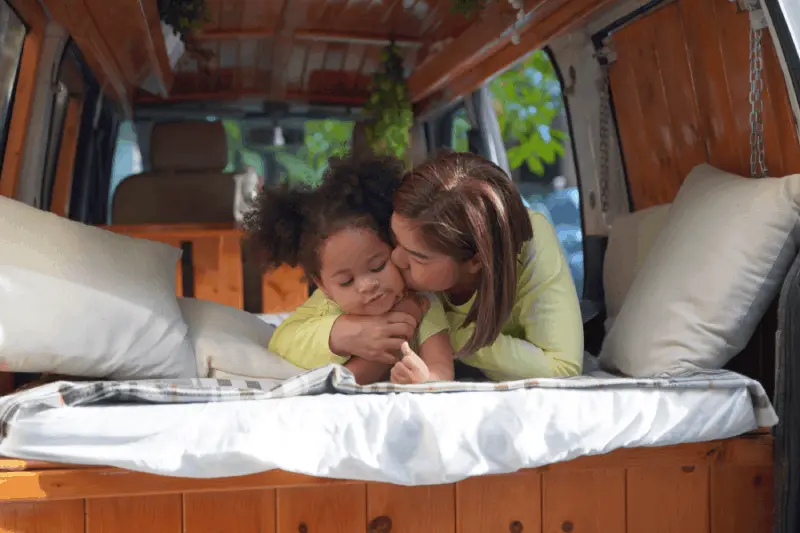
In micro living spaces like a caravan, order is the key to peace. Giving the child the responsibility of tidying up their own sleeping area from a very young age instills self-confidence and fosters a sense of communal living. In a caravan, beds are usually converted into seating areas during the day, so making the bed is a necessity. Turning this process into a game, using colorful sleeping bags or easily foldable bed linens will make it easier for the child. A child who organizes their own space will begin to respect the overall order inside the caravan more. This habit lays the foundation for them to become a disciplined and responsible individual not only in the caravan but also in their future life. A child who makes their own bed better understands that the space belongs to them and that the caravan is a "home".
Is Digital Detox Possible for Children in Mobile Life?
Caravan life is an invaluable opportunity to free children from the captivity of digital screens. The dependency on tablets and televisions in city life can be replaced by the endless stimuli offered by nature, allowing for observation and exploration. However, for this transition to be smooth, parents must also set an example. Instead of setting a "screen time" in the caravan, concepts like "nature exploration time" should be emphasized. Choosing camping areas where the internet does not reach encourages children to examine the surrounding insects, observe the stars, or chat around the campfire. It should be established that digital devices will only be used during long journeys or when truly necessary (for example, to watch an educational documentary). This way, the child learns to maintain a healthy distance from technology while strengthening their connection with the real world.
How to Teach Safety to Children Who Encounter Wildlife?
Diving into the depths of nature with a caravan also brings the possibility of encountering wild animals. Teaching children that nature is not just a playground but a living ecosystem is crucial for their safety. The system should be explained. Basic information about which plants should not be touched and how to behave when a wild animal is seen (such as avoiding sudden movements, not making noise) should be conveyed in an entertaining and educational manner. By playing games like "Footprint Detective", children can learn to recognize the living beings around them. Additionally, it should be taught that they should not go out alone beyond the boundaries of the campsite, and emergency protocols such as using a whistle must be taught. A child who grows up with respect for nature and a sense of safety will explore their surroundings with conscious curiosity instead of fear, and this experience will shape their environmental awareness for a lifetime.
How to Make Caravan Toilets and Cleaning Appealing to Children?
For many families, the most daunting aspect of living in a caravan with children is the issue of toilets and hygiene. Caravan toilets (cassette or compost) can be different from those at home, which may initially confuse children. To normalize this process, it may be helpful to simply explain how the toilet works and to use colorful and child-friendly scented cleaning products. Giving the child small tasks during the cleaning phase (such as making a label for the cassette or throwing in a cleaning tablet) helps them see the process as a "routine" rather than a "task". Additionally, water-saving competitions aimed at protecting the caravan's limited water resources will both increase hygiene awareness and teach resource management. Making the toilet routine fun and hassle-free is one of the most critical factors in ensuring that the child fully adapts to caravan life.
How to Set Up a Safe Area Outside the Caravan at Night?
When it gets dark in nature, the environment can seem a bit scary for children. Lighting up the outside of the caravan is not only a practical necessity but also an element that enhances the child's sense of security. Drawing a "safety boundary" around the caravan with solar-powered stake lights ensures that the child knows they can move freely within this boundary. Additionally, glow-in-the-dark bracelets or headlamps that the child can wear help keep them visible and assist parents in seeing them at all times. Small campfires lit in the evenings or movie nights with an outdoor projector set up next to the caravan can transform darkness from something frightening into a delightful experience. The feeling of a safe area prepares the child to sleep peacefully while listening to the sounds of nature at night.
What Are Alternative Games to Screen Time During Long Trips?
Long journeys, which are an inevitable part of caravan travel, can become tedious for children. Instead of just passing the time with a tablet, games should be developed that turn the journey into an adventure. Games like "License Plate Hunt", "Counting Yellow Vehicles by the Roadside", "Story Completion", or "Charades" increase mental activity and strengthen family communication. Additionally, activities like painting on travel trays that can be placed on the child's lap or playing magnetic chess can make them forget how time is passing. Sharing information about interesting geographical shapes or cities seen along the way turns the journey into a geography lesson. Pre-determining rest stops and doing a short physical activity at each stop will minimize restlessness during the trip.
What Vacuum Systems Are Suitable for Organizing Clothes in a Caravan?
The wardrobe areas in a caravan are usually very tight, and although children's clothes are small, they can quickly become cluttered due to their quantity. Using vacuum bags or organizing "packing cubes" can be a lifesaver in a caravan. Vacuuming out-of-season clothes and storing them in blind spots like under the bed, while categorizing daily use clothes into cubes, provides great convenience. For example, making separate bags for "socks", "t-shirts", and "pajamas" makes it easier for the child to find their own clothes and prevents clutter. Additionally, since laundry facilities in a caravan are limited, technical fabrics that are stain-resistant, quick-drying, and do not require ironing should be preferred. This organizing system eliminates the stress of searching for clothes every morning, allowing you to start the day more energetically.
How to Alleviate Nighttime Fears Under the Safe Roof of the Caravan?
Sleeping in a different environment away from home can sometimes cause nighttime fears in children. The metal body of the caravan or the sounds of wind from outside can be magnified by the child's imagination. To overcome these fears, the inside of the caravan should be personalized as much as possible. The child's favorite blanket from home, a sleep buddy, or an accessory they brought from their room should be placed on their bed in the caravan. Using metaphors like "Our caravan has a protective shield" or taking a "check-up tour" outside the caravan together before bedtime increases the child's sense of control. Playing soft nature sounds or having a dim night light can break the eeriness of the environment. Parents sleeping in the same space as the child (but perhaps in different sections) is the greatest source of security for the child.
Can the Kitchen Table Serve as Both a School and a Play Table?
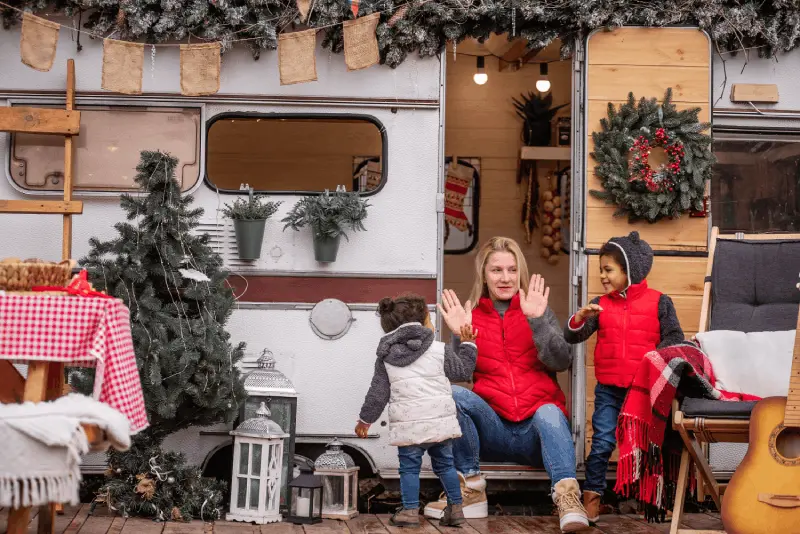
Multi-functional furniture inside the caravan is the center of life. The kitchen table often serves as a place for eating, playing games, and if the child is of school age, a study area. Some rules and arrangements are necessary for this area to "transform". Once mealtime is over, completely cleaning the table and laying a "study cover" on it signals a mental shift for the child. Magnetic boards or small organizers that can be hung on the walls next to the table ensure that stationery supplies are within reach but remain organized. In the caravan, "homeschooling" or "worldschooling" can be effectively implemented. This table can turn into the most efficient class in the world for families with children. The important thing is that the table is "reset" appropriately for each activity; this increases the comfort of the room and prevents chaos.
How is Peer Bullying or Communication Managed in Caravan Camps?
Caravan camps are like a social laboratory where children meet kids from different cultures and ages. In these environments, communication accidents or peer bullying can sometimes occur. As a caravan resident, it is important to teach your child how to maintain social boundaries and how to respect the boundaries of others. Observing your child from a distance in playgrounds or common areas of the campsite, while allowing them to solve their own problems without interference, contributes to their development. If a bullying situation is sensed, you may need to establish "safe communication" with your child to ask about their feelings and calmly discuss with the other family's parents if necessary. The caravan community is generally helpful and understanding; therefore, viewing social interactions as learning opportunities significantly enhances your child's social intelligence (EQ).
How Can Water Conservation Awareness Be Instilled in Young Children in a Caravan?
Water in a caravan is as valuable as gold. Seeing how quickly a tank of water runs out is an excellent practical lesson to instill environmental awareness in your child. Instead of just telling the child to turn off the water while brushing their teeth, tracking the water level indicator in the tank together makes the situation more concrete. Small competitions like "Who will waste the least water today?" can be organized. Additionally, conversations about the amount of water used while rinsing dishes or taking a shower increase the child's sensitivity to the limited resources in the world. Allowing the child to witness those "troublesome" moments when the water runs out and needs to be refilled helps them understand the effort behind comfort. Children raised with this awareness will become more sensitive and frugal individuals not only in the caravan but in every environment in the future.
How to Ensure Regular Nutrition in a Moving Home?
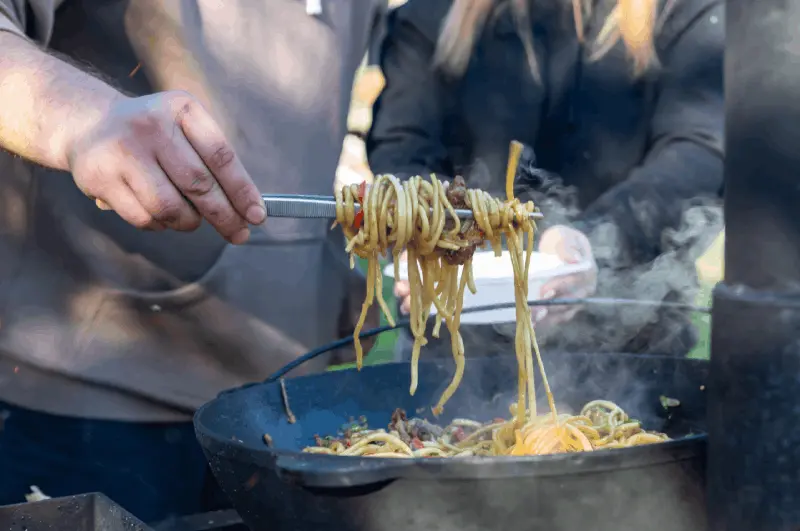
Traveling can sometimes lead to the risk of meal times shifting and unhealthy snacks. To maintain regular nutrition in the caravan, "travel menus" should be planned in advance. Due to the small size of the refrigerator, it is more efficient to do fresh shopping every 2-3 days rather than weekly. Preparing healthy snack boxes (nuts, fruit slices, whole grain crackers) that children can always access prevents drops in blood sugar and irritability during the journey. Additionally, shopping from local markets at the destinations is a great way to introduce the child to new flavors. Eating dinner outside the caravan in the open air can turn even a simple pasta into the most delicious feast in the world. Flexibility in the nutrition routine without completely breaking it is critical for the child's digestive system and overall mood.
Is a Baby Lock Necessary for the Steps and Doors of the Caravan?
Safety is the most technical aspect of living with children in a caravan. Especially for young children, the high steps and easily opened sliding doors of the caravan can pose serious risks. Additional safety latches that can be attached to the doors or foldable safety gates placed in front of the steps can provide peace of mind for parents. Additionally, safety devices that prevent windows from fully opening are as important as balcony safety in a high-rise home. The rule of securing the child in their car seat while on the move should never be compromised; although the inside of the caravan may look like a home, it is a vehicle while on the road. When stationary, soft protectors attached to sharp corners reduce the impact of collisions while the child runs in a confined space. Technical measures are the unsung heroes that prevent major accidents in that one second when attention is diverted.
What Should Be in a First Aid Kit for Children in Nature?
There will be times during caravan travels when you may be far from cities and pharmacies. Therefore, a special first aid kit for children should be kept in the most accessible place in the caravan. In addition to standard supplies, this kit should include children's fever reducers, allergy syrups, gels for insect bites, sunscreens, and band-aids in various sizes (those with cartoon characters boost morale). Additionally, backups of any regular medications the child may have should definitely be included. A set of tweezers is also vital for situations like tick bites or thorn pricks, which are commonly encountered in nature. Parents should have received basic first aid training and should keep the location of the nearest hospital saved in digital maps for emergencies; this is a crucial part of the safety net.
How to Protect Children's Immunity While Traveling in Different Climates with a Caravan?
While traveling in a caravan, you might wake up one day in warm weather by the sea and the next day in a cool climate on a high plateau. These sudden temperature changes can challenge children's immune systems. The most practical method to protect immunity is the "layering" (principle of dressing in layers) method; adding or removing a layer as the weather changes protects the child from sweating or catching a cold. Additionally, vitamin support and fresh nutrition are very important during seasonal transitions. Using dehumidifiers or ventilation fans to maintain humidity balance inside the caravan improves indoor air quality. Ensuring that the child drinks plenty of water and not compromising their sleep schedule are natural shields that prevent a decrease in body resistance. Children who are in close contact with nature generally have stronger immunity, but being prepared for these changes is always a prudent approach.
Are Insect Screens on Caravan Windows Only for Protecting Against Insects?
r?The screens on the windows and doors of the caravan are the greatest expectations of comfort. However, when it comes to children, the screens have another duty: to create a kind of "visual boundary." Children tend to lean out of open windows when they are inside; having screens can somewhat curb this urge. Of course, screens cannot bear weight, so children should be taught not to lean on them. In the summer months, flies or mosquitoes entering the caravan can disturb children's sleep and make them restless; therefore, high-quality, tear-resistant screens are among the most important equipment of the caravan. Additionally, using plant-based insect repellents inside the caravan and doing a "fly hunt" before going to bed can turn into a funny nighttime routine that can be done with the child.
Why Is It Important for Little Travelers to Prepare Their Own Backpacks?
A sense of responsibility develops naturally as a byproduct of caravan life. Assigning the child a small "exploration backpack" where they can put their own water, a snack, their binoculars, or their favorite toy transforms them from a passive traveler into an active explorer. A child who prepares their own backpack learns to think ahead about their needs and to take their belongings with them. Taking this backpack with them every time they exit the caravan gives them a sense of readiness for adventures in the outside world. Additionally, this backpack is an extension of the child's "personal property" area inside the caravan. The responsibility of organizing and carrying their belongings greatly supports the child's process of individualization and keeps their travel motivation high at all times.
How to Have Safe and Educational Conversations Around the Campfire?
The campfire is the most mystical and unifying moment of caravan life. However, the moments when the fire is lit can be both a source of great curiosity and great danger for children. The child should be taught "fire discipline" by giving them small, safe tasks during the processes of lighting, feeding, and extinguishing the fire. Conversations held around the fire are the best educational opportunities. Talking about stars, constellations, tree species in the forest, or interesting events that happened during the day enriches the child's knowledge base. Roasting marshmallows (or healthier alternatives like apple slices) over the fire adds flavor to these conversations. These quality times spent around the fire are etched in the child's memory as moments when they are completely disconnected from the digital world and when family bonds are strengthened the most.
How to Establish a Balance Between Pets and Children in the Caravan?
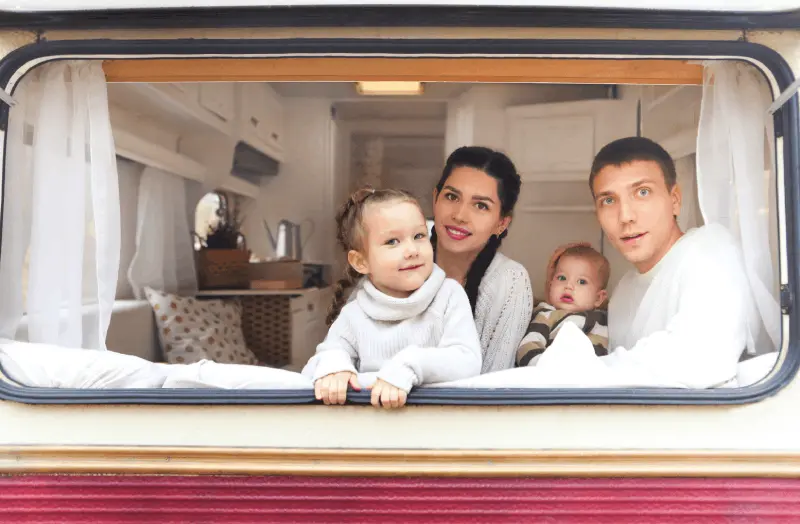
Many caravan families also take their pets with them on their travels. The interaction between a child and a dog (or cat) in the confined space of the caravan can lead to chaos if not managed properly. The pet should have its own sleeping area, and the child should be taught not to interfere with that area. "Safe zones" for both parties should be defined inside the caravan. Vacuuming the caravan daily during the pet's shedding periods is critical to prevent potential allergic reactions in the child. Additionally, having the child take age-appropriate responsibilities regarding the pet's outdoor toilet needs and cleanliness (for example, filling the food bowl) strengthens the bond and empathy between them. This triadic dynamic (parent, child, pet) turns caravan life into a true microcosm.
How Is Life in the Caravan with Neighbors Who Have Noise Sensitivity?
Neighborhood relationships in caravan camps are very close, and the caravan walls are thin. As a family with children, respecting the peace of other campers around is a fundamental rule. Children should be taught that they need to speak in "indoor voices" inside the caravan and that noisy games should not be played outside very early in the morning or late at night. If a child is in a crisis or is crying a lot, taking them outside to calm down or maximizing the caravan's insulation (by closing the windows) is a courteous approach. Generally, campers are understanding towards children; however, showing this sensitivity will ensure you are received more warmly in the camping area. Good relationships with neighbors help the child learn social rules and empathy by observing them.
How Does the Caravan's Lighting System Affect Children's Sleep Patterns?
The lighting in the caravan usually consists of bright LED lights; however, these lights can inhibit the child's melatonin production at night. An hour before bedtime, turning off the main lights of the caravan and switching to softer, yellow light battery-operated lamps or dim LED lights sends a message to the child's body that bedtime is approaching. The "blackout" curtains used for the caravan's sun-facing windows prevent the child's sleep from being disturbed, especially during the summer when it gets dark late or in the early morning hours. Light management is the most technical yet effective way to maintain a sleep pattern in a confined space. Proper lighting softens the metallic atmosphere of the caravan, allowing the child to feel at home in a peaceful environment.
Can Cooking Together with Minimalist Kitchen Tools Be Done with Children?
In the caravan kitchen, everything is limited: space, utensils, and ingredients. However, this limitation paves the way for the most creative kitchen workshops that can be done with children. "One-pot" pastas made in a single pot or simple pastries baked in the caravan oven (if available) develop the child's cooking skills. Giving the child tasks such as washing vegetables, mixing ingredients, or setting the table makes them feel useful. Using multifunctional tools (for example, items that serve as both a strainer and a container) in the caravan kitchen speeds up the process. Cooking with children is not only about filling the stomach but also about collaborating in a confined space and making the most of limited resources. It teaches to create wonders. These experiences also support the child's problem-solving ability.
Should Storage Areas in the Caravan Be Organized According to Children's Height?
The hierarchical order inside the caravan determines the child's independence. If the items the child needs to reach (cups, toys, books) are in very high cabinets, they will remain constantly dependent on the parent. Therefore, creating a special "accessible area" for the child is a golden rule. Designating one of the lowest drawers for their clothes and another for play materials makes it easier for them to make their own decisions and maintain their order. Hazardous materials (medications, cleaning chemicals) must definitely be kept in the highest and locked cabinets. This "organizing from bottom to top" logic increases the child's mobility within the caravan while alleviating the burden of "can you pass me that" on the parents. A child who can reach their own belongings feels that they are not just a guest in the caravan, but a real resident.
Can Museums and Parks on the Road Be a Part of Education?
Caravan travel is a lively school surrounded by history and nature on all sides. Every ancient city, every local museum, or every national park along the route allows the child to experience the information they will see in their textbooks in a vivid way. This approach is called "worldschooling." For example, discussing the life of the period while exploring a castle, or explaining the water cycle by a stream, makes the information more memorable. Communicating with the locals in the places visited, hearing different languages or dialects develops the child's cultural intelligence. These educational stops break the monotony of travel and foster a natural curiosity in the child to learn. Each stop is a new discovery, and each discovery is a new opportunity for growth.
Are the Heating Systems of the Caravan Safe for Babies?
The most important issue for families camping in winter with a caravan is heating. Diesel heaters like Webasto or gas systems are generally safe but require some precautions. There must be a "carbon monoxide detector" inside the caravan; this is essential for every caravan, whether it has children or not. The heating ducts should be placed where the child cannot directly access them, or protective covers should be placed in front of them to prevent burns. Additionally, since the air inside the caravan can become very dry, placing a small water container on top of the heater to maintain humidity balance protects the baby's respiratory system. Instead of heavy blankets on the child while sleeping in the caravan during winter, it is safer to dress them in thermal sleeping bags that will keep them warm. With the right system and precautions, a caravan can even become the warmest and safest home for babies in winter.
How Does Keeping a Travel Journal Deepen the Child's Caravan Experience?
Having children keep a travel journal is a great idea to make the trips, places visited, and feelings experienced more memorable. For children who cannot read or write, this journal can be created with crafted leaves, shells collected from the beach, or drawn pictures. Older children can write about the most interesting event of the day at the end of each day. This activity helps the child evaluate their day, express their feelings, and enhance their observation skills. At the end of the caravan trip, you will have not only photos but also a unique document of that adventure from the child's perspective. These journals will become the most valuable treasures of the child's childhood in the future and will always remind them of the depth that caravan life has added to them.
How Does Child Psychology Get Affected During International Travels with a Caravan?
Crossing borders and entering lands where different languages are spoken can be exciting for adults but sometimes confusing for children. When traveling abroad with a caravan, it is important to keep the caravan's "internal world" stable to avoid shaking the child's sense of security. No matter how much the outside world changes, maintaining the routine inside the caravan (meal times, sleep rituals, favorite toys) gives the child the message that "home is wherever I am." Learning simple greetings with people in a foreign language boosts the child's self-confidence and encourages them to be open-minded towards the world. A child observing different cultures, foods, and lifestyles from the safe window of the caravan gains tolerance and a global perspective. These travels leave indelible, positive marks on the child's character development.
Are Future Eco-Friendly Individuals Being Raised in Caravan Life?
Caravan life is essentially the art of living in harmony with nature with minimal harm. The child learns the best environmental education in an environment where they separate their daily trash, see the limitations of water, and know that electricity is obtained from the sun. A child raised with the philosophy of "leave only footprints in nature" becomes much more sensitive to their surroundings. Small actions like collecting trash in the places visited while traveling by caravan instill a sense of social responsibility in the child. This lifestyle emphasizes the value of "more experiences" over "more belongings" imposed by the consumer society. As a result, caravan life is not just a vacation; it is a unique laboratory for raising conscious generations who love nature, protect resources, and respect the world.
Living with a child in a caravan is a journey that requires patience, planning, and plenty of love. The golden rules above aim to create a life discipline rather than technical details. Remember that children do not need luxury hotels or giant toy rooms; what they need are parents who share their adventures, watch the stars with them, and exist peacefully in nature. As the wheels of your caravan turn, the foundations of your child's lifelong character are also being laid. May your path be clear, and your moments be plentiful!