How to Determine the Ideal Camping Area for Nature-Loving Families?
Choosing a camping area for a family with children means much more than just finding a place to pitch a tent. An ideal facility should provide a peaceful environment where parents can relax while having modern and safe playgrounds where children can safely expend their energy. When making a choice, the ground structure of the facility (is it rocky or grassy?), the abundance of shaded areas, and most importantly, the cleanliness of common areas should be the primary priorities. Additionally, the distance of the camping area from the city center or a healthcare facility is a critical factor that should always be kept in mind for emergencies. A good family camp should be established on a balance that is within nature but does not compromise on basic comfort standards.
Which Facilities with Spacious Gardens Can Children Safely Run in the Aegean Coast?
The Aegean Region is an indispensable route for family camps due to its climate and rich vegetation. Especially the camping areas in Akyaka and Fethiye are known for offering spacious playgrounds under the shade of eucalyptus trees. While children engage with the soil, families can spend time in the coolness of the Azmak River. Some niche camping spots around Muğla stand out by building wooden playhouses and sandpits specifically for children. Controlled areas where children can socialize with their peers are among the most important elements that enhance the quality of the holiday. These green areas, combined with the shallow waters by the sea, are like a paradise for young children.
Where Are the Camps Offering Educational Playgrounds in the Highlands of the Black Sea?
Contrary to the steep slopes that come to mind when thinking of Black Sea camping, there are private facilities that offer flat and safe play areas for families. Some ecological camps located in the high plateaus of Rize and Artvin have adopted the concept of "nature games" aimed at teaching children about nature. In these facilities, instead of plastic toys, there are tree trunks, rope courses, and natural water channels where children can establish balance. These activities, conducted in clean air and abundant oxygen, develop the motor skills of children growing up in the city while instilling in them an unforgettable spirit of adventure. These camps usually operate under the motto "let the children get dirty," bringing the bond with nature to its purest form.
What Are the Camping Routes That Cool Down with Shade and Water Games in the Mediterranean Heat?
Camping with children in the scorching heat of the Mediterranean can be challenging, but with the right facility choice, this situation can turn into fun. Near Antalya and Kaş, there are camping areas established under giant plane or olive trees, featuring small pools with fountains inside. These facilities allow children to spend time in the shade with water games even during the hottest hours of the day. Especially some family-run businesses along the Olympos and Adrasan line invest in creative play areas such as mud workshops or stone painting, where children can develop their manual skills. This way, children return from the holiday not only physically but also mentally enriched.
Why Are the Safety Standards of Play Groups in Camping Areas the Top Priority?
For a camping facility to be defined as "child-friendly," the playgrounds must meet certain safety criteria. The equipment in the playgrounds must be well-maintained, free from rust or broken parts, and the ground must be covered with shock-absorbing sand or rubber. Families want to ensure that their children are safe while playing in these areas. A safe playground should also be located in a position that can be easily seen from where the parents are sitting. This allows children to move freely while providing a quick intervention chance in case of any mishap. Quality facilities earn the trust of families by periodically conducting these safety checks.
Where Are the Family Camps Close to Istanbul in the Marmara Region?
For families looking to escape the hustle and bustle of Istanbul, Şile, Ağva, and Kocaeli offer great opportunities. The campgrounds in this area have well-organized playgrounds to manage weekend crowds. Mini football fields, volleyball nets, and sometimes areas that foster love for animals with a small farm concept enhance the appeal of these facilities. Especially some campgrounds that collaborate with nature schools organize small games themed "survival in nature" for children on weekends, combining education with entertainment. These places, just one or two hours away from Istanbul, are the most practical escape points for children to step away from concrete and connect with the earth.
Where Are the Most Comfortable Parks and Play Areas for Families Traveling with Caravans?
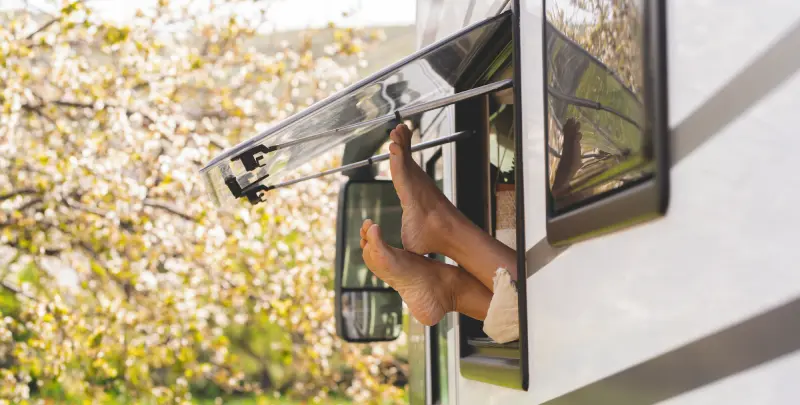
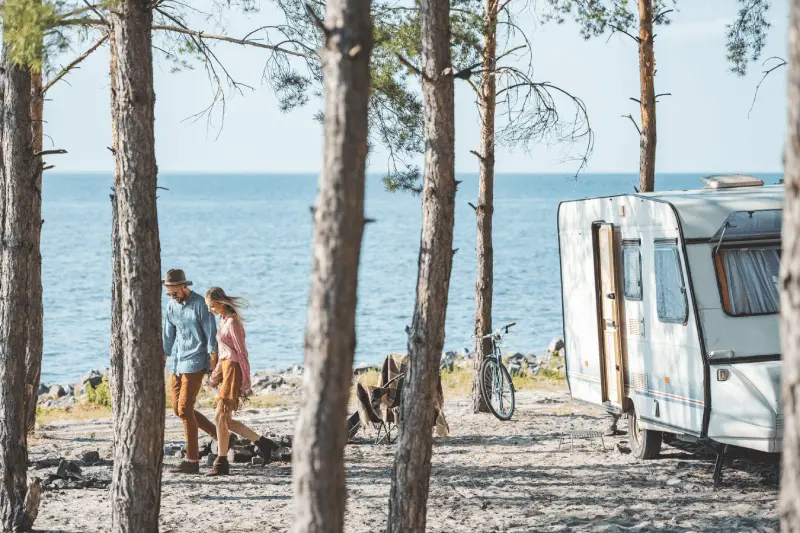
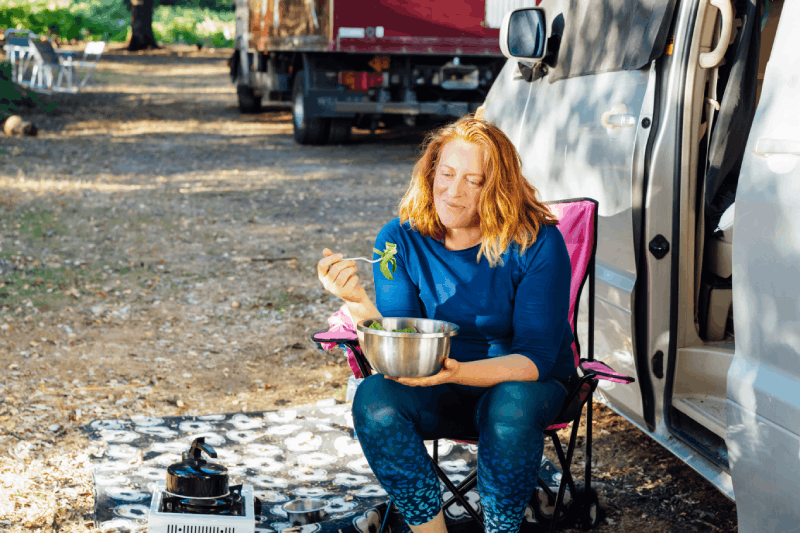
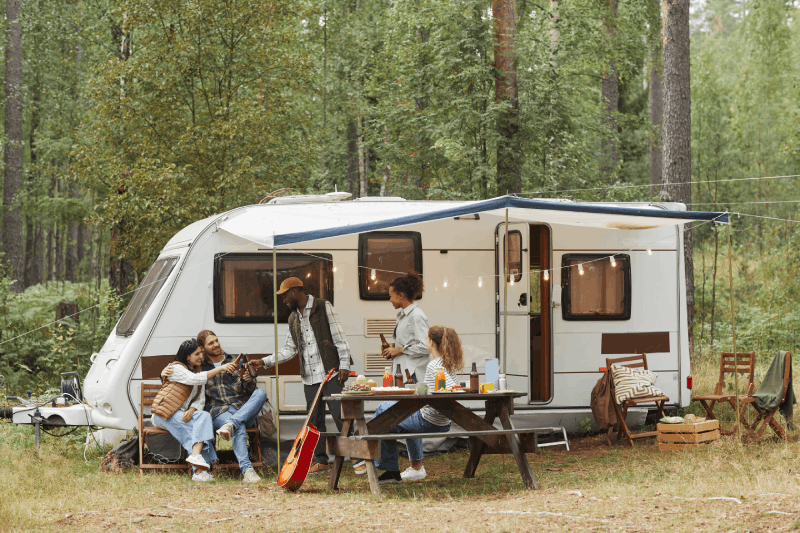
Caravan camping offers a wonderful experience that provides the comfort of home while on the move for families with children. However, caravan parks must have open spaces and playgrounds where children can expend their energy. Modern caravan parks located on Turkey's western coastal strip not only provide electricity and water facilities but also have a vast green area and a children's park right in the middle of the caravans. This arrangement ensures that children step into a safe play area as soon as they exit the caravan. When choosing a caravan park, attention should be paid not only to the technical infrastructure but also to whether there are smooth paths where children can ride bicycles or skateboards.
What Should Common Activity Areas Look Like to Ensure Children Socialize During Camping Holidays?
One of the most beautiful aspects of camping is that children can make new friends. A successful camping facility should create "social focal points" that bring children together. This could be an area around a safe campfire lit in the evenings for storytelling or organized as a giant outdoor cinema. Mini tournaments or treasure hunt games held in common play areas help children learn teamwork. Bringing together children who do not know each other around a game fosters their social skills while also allowing families to connect with other parents.
What Luxurious Play Opportunities Are Offered for Children in the Glamping Concept?
For families who shy away from the challenges of classic camping but do not want to disconnect from nature, glamping (glamorous camping) is a great alternative. Glamping areas usually offer a more organized and boutique service, so the playgrounds can also be more creative and luxurious. For example, some glamping facilities offer giant trampolines, tree houses, or archery areas with professional instructors specifically for children. These areas provide the comfort of a holiday village within nature. While children spend time in these luxurious and safe playgrounds, parents can enjoy nature without the hassle of setting up tents or cooking.
What Fun and Practical Meals Can Be Prepared Together with Children in the Camping Kitchen?
Camping is not just accommodation; it is also a process of learning life skills. The kitchen or fire pit at the campsite can turn into one of the biggest "play" areas for children. Under parental supervision, roasting marshmallows or making "snake breads" from dough can be an unforgettable experience for them. Small tasks like washing vegetables or setting the table instill a sense of responsibility in children. The joy of eating a camping meal they prepared with their own hands teaches them that every stage of life in nature can be enjoyable.
How Can Environmental Awareness Be Instilled in Children During a Nature-Centric Holiday?
Camping areas are a vast classroom where theoretical knowledge turns into practice. Various "ecological games" can be organized during the camping period to instill environmental awareness in children. For example, competitions can be held to see who can collect the most litter around the camp or to identify which plant belongs to which species. Declaring children as "nature detectives" on topics like separating recyclables or using water efficiently helps them adopt this process as a game. A child who learns to camp without harming nature takes the first steps toward becoming a much more sensitive individual in the rest of their life.
What Are the Most Enjoyable Activities That Can Be Done with Children Around the Campfire at Night?
After the sun sets, the beauty of camping begins, and these moments are the most exciting for children. Gathering around a safe fire pit to observe stars, embarking on a discovery journey in the sky with mobile apps that introduce constellations is a fantastic nighttime activity. Additionally, shadow games, telling slightly spooky but fun stories, or simply listening to the sounds of nature in silence feed children's imagination. A short "night exploration" with flashlights offers an opportunity to observe nocturnal creatures and helps children overcome their fears of the dark.
What Should Be Included in the First Aid Kit for Families Camping with Children?
Being in nature can always invite minor accidents, so families with children should have a comprehensive first aid kit. In addition to standard supplies, child-friendly sunscreen, natural insect and mosquito repellent sprays, allergy medications, and burn gels must be included. It is very likely that children will scrape their knees while playing, so colorful and fun band-aids not only cover the wound but also boost children's morale. Additionally, bringing a thermometer and commonly used pain relievers/syrups provides great peace of mind when you are far from the nearest settlement.
How to Spend Time with Children in a Camping Area on Rainy Days?
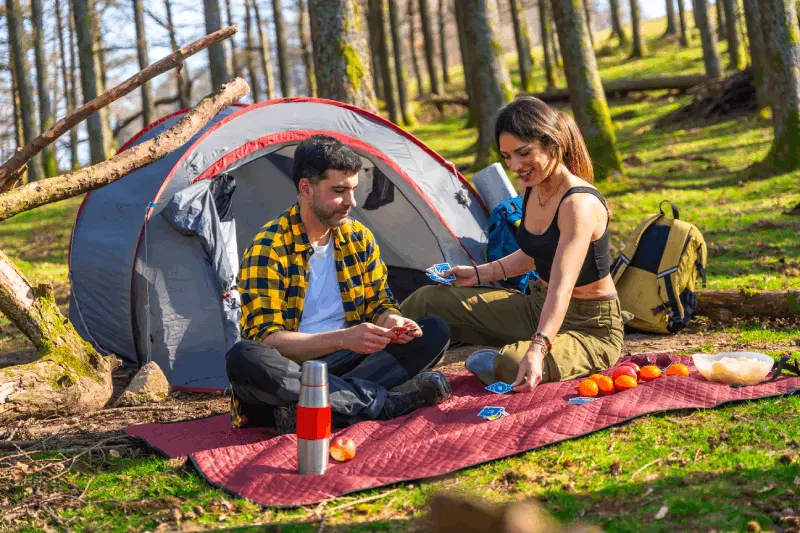
We cannot guarantee that the weather will always be sunny while camping. A rainy day can turn into a creative indoor game day instead of ending the camping trip. Playing card games, reading books, or painting while listening to the sound of rain outside inside a large tent or caravan can be very peaceful activities. If the rain is not too heavy, dressing children in raincoats and boots and letting them splash in puddles helps them love nature in all its forms. Returning to the tent after getting wet and warming up with a hot drink creates one of the most unforgettable and fun parts of camping moments.
Why Is Toilet and Shower Hygiene Critical for Children When Choosing a Camping Area?
Children's digestive systems are more sensitive than adults, so hygiene standards at the camping area are non-negotiable. Regular cleaning of toilets, the availability of hot water, and sink heights suitable for children's use indicate the quality of a family-friendly facility. Especially the presence of a changing table or a family bathroom concept is lifesaving for families with babies. An unhygienic environment can turn a holiday into a health issue. Therefore, it is always best to read the latest reviews about the facility's bathroom and kitchen hygiene before making a reservation.
What Are the Most Suitable Camping Spots for Families with Pets and Children?
For many families, pets are part of the family, and going on vacation without them feels incomplete. "Pet-friendly" camping areas that welcome both children and pets are wonderful for social harmony. These facilities have various areas where animals can roam freely. Children growing up with animals and playing with them develop a sense of responsibility. However, in such places, certain rules (leash rules, cleaning up after pets, etc.) must be strictly enforced for the safety of both children and animals. Facilities that have both a playground for children and a running area for pets offer complete family happiness.
What Are the Ways to Ensure Children Stay Away from Technology While Camping?
One of the biggest challenges of modern times is keeping children away from screens. The camping environment is an excellent laboratory for "digital detox." If the camping area has a rich playground, climbing wall, or nature workshops, children are unlikely to even ask for their tablets. Families should encourage "analog" entertainments that nature offers instead of technology. Activities like birdwatching with binoculars, examining insects with a magnifying glass, or making slingshots from tree branches are much more exciting than the virtual world. Staying offline increases children's awareness of the world around them while deepening family communication.
How Should Clothing Selection Be Made When Camping with Children in Seasonal Transitions?
Spring and autumn months are times when nature presents its most beautiful colors, but temperatures can change suddenly. When camping with children in these seasons, the principle of "layering" (the rule of warmth) should be applied. An inner layer of thermal clothing that does not sweat, a polar mid-layer, and a waterproof and windproof outer jacket are ideal. Active children in playgrounds tend to sweat quickly; when they stop, they can get cold immediately. Therefore, spare socks, clean clothes to wear inside sleeping bags, and ear-covering hats should always be in the backpack. The right clothing selection ensures that children can continue their games without interruption, regardless of the weather conditions.
What Are the Methods to Protect Against Wild Life and Insects While Camping in the Forest?
Living in nature means being neighbors with insects and wildlife that are part of that ecosystem. Children should be taught to respect these creatures instead of fearing them and to maintain a distance. The most basic rule is not to leave food out in the camping area to prevent ants or other creatures from entering the tent. Facilities where the surroundings of the playground are regularly treated with pesticides or natural methods (like lavender oil) should be preferred. Simple habits like teaching children to check their shoes before putting them on minimize small risks in nature.
What Educational Toys Can Children Use While Exploring Nature?
To make the camping holiday more efficient, it is recommended that the toys children bring along be "exploration-focused." A magnifying glass, a small compass, a plant pressing box, or a binocular can help the child use the camping area like a laboratory. Simple game sets that can be played with natural materials (stones, leaves, pine cones) are also great. These types of "toys" stimulate the child's curiosity and transform them from a passive user into an active explorer. A child who paints the stones they collected or collects leaves will realize that they do not need plastic toys when they discover the limitless play materials nature offers.
What Workshop Activities Contribute to Child Development in Camping Areas?
Some pioneering camping facilities do not stop at just providing playgrounds but also organize workshops with professional instructors. Activities like pottery making, rhythm workshops, organic farming practices, or simple woodworking lessons develop children's hand-eye coordination and creativity. These workshops are usually conducted in the common areas of the camp, together with other children. Having a child make a pot or plant a seed with their own hands teaches them a sense of achievement and patience. Choosing facilities that offer such activities turns a camping holiday into a personal development camp.
What Are the Ways to Keep Expenses to a Minimum for a Budget-Friendly Family Camp?
Camping as a family is generally much more economical than hotel vacations, but it still requires planning. Cooking your own meals provides significant savings by reducing the need to buy prepared food from outside. Facilities that do not charge extra for playgrounds and activities, close to the "all-inclusive camping" concept, can be preferred. Additionally, instead of buying camping equipment, renting it or finding second-hand clean items can ease the budget. When you create your own entertainment (nature walks, playing cards, campfire songs), you can spend quality time with your children without needing expensive activities.
What Positive Changes Can Be Observed in Children After a Camping Trip?
Even a few days of camping can create visible positive effects on children's character and behavior. Children who move freely in nature and create their own games gain more self-confidence. Physical activities improve their sleep patterns and increase their appetites. More importantly, children who observe nature while staying away from technology extend their attention spans and develop patience skills. Camping life teaches children to step outside their comfort zones and to create creative solutions to the small problems they encounter. When you return home, you will notice how significant a place this bond with nature occupies in your child's world.
How Should Tent Selection and Interior Arrangement Be Made for Families with Children?
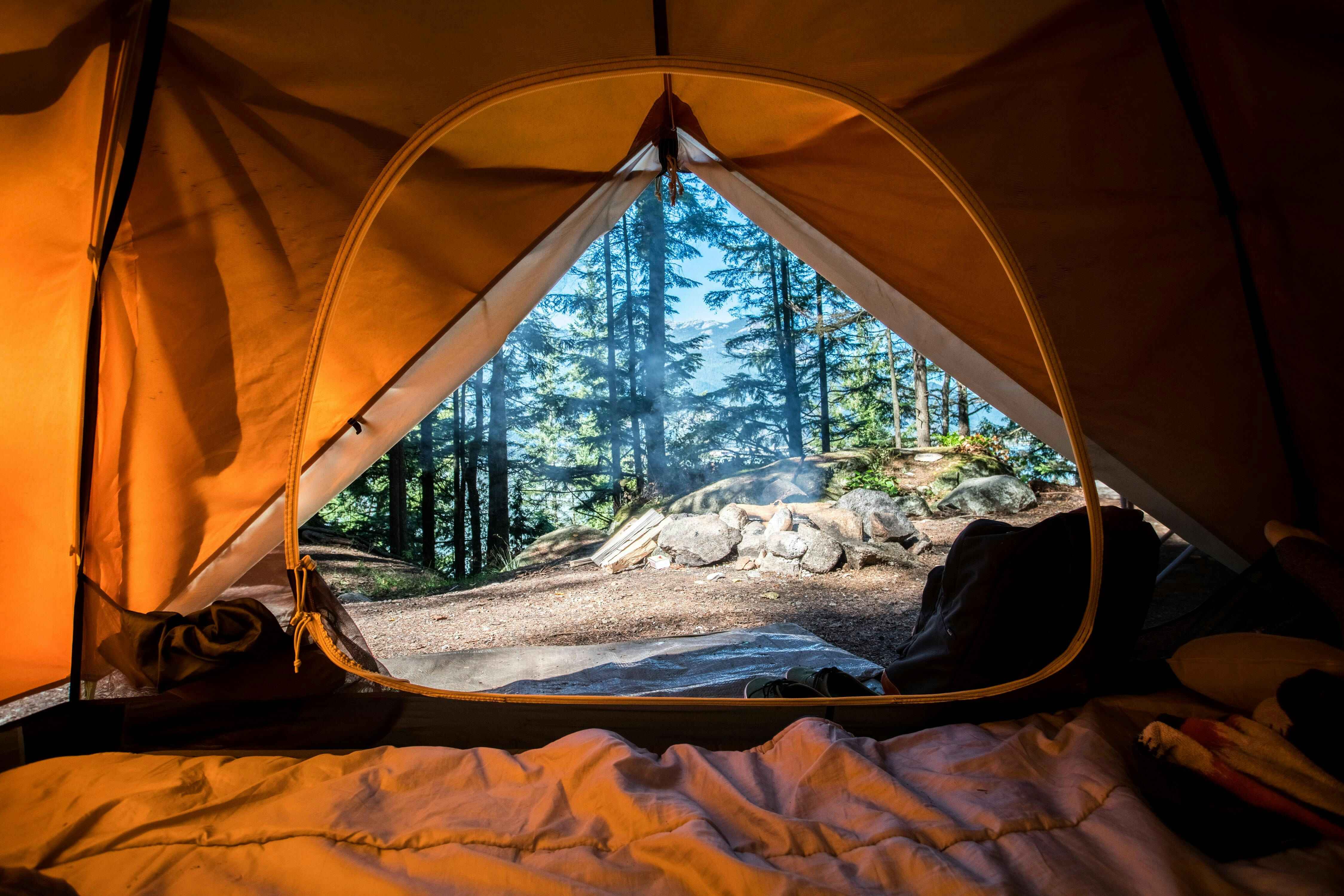
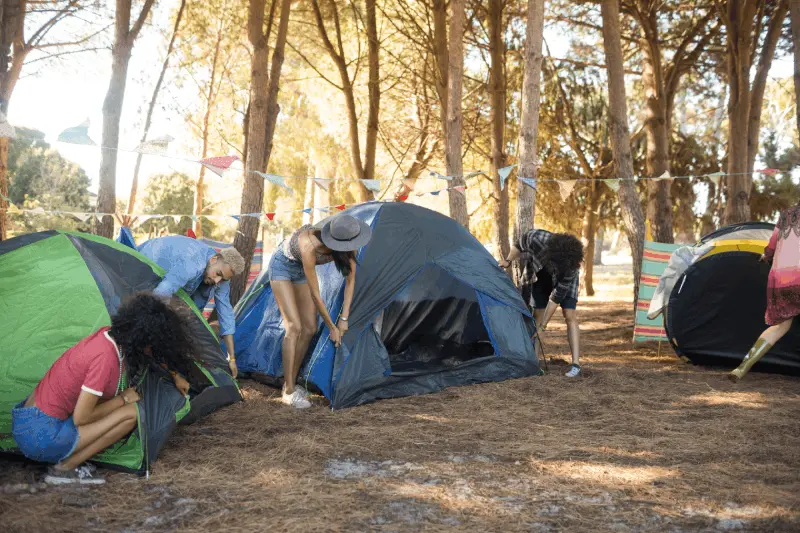
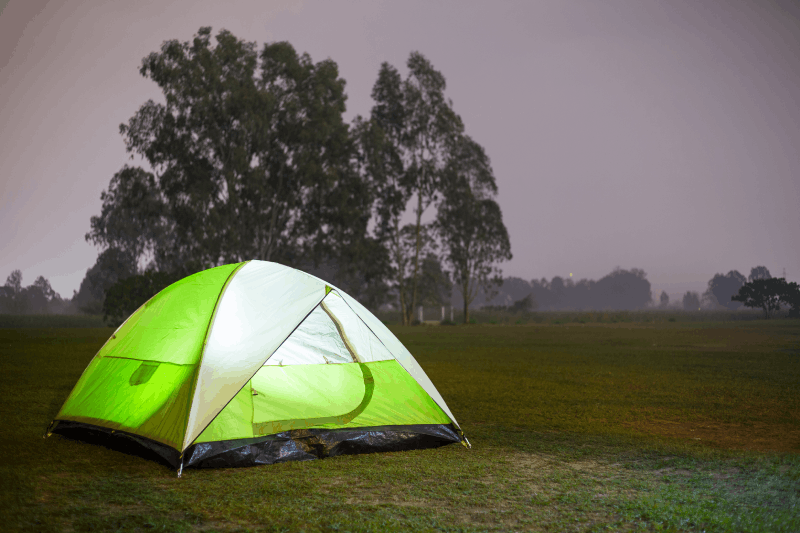
The heart of camping is the tent, and for a family with children, the spaciousness of the tent is everything. Ideally, tents that are "tall enough to stand" and have at least two rooms should be preferred. Separating one room for children's play and sleep areas and the other for parents is important for privacy and organization. A soft mat or rug to be laid inside the tent allows children to play comfortably on the ground. Additionally, the lighting inside the tent should be arranged in a way that is accessible to children but safe for them (like battery-operated LED lamps). A well-organized tent provides children with a safe and peaceful "home" feeling after the outdoor adventure is over.
What Criteria Should Be Considered When Choosing the Best Baby-Friendly Camping Facilities in Turkey?
Camping with a baby requires courage but can turn into an enjoyable experience with the right facility. A baby-friendly camping site must have a clean nursing room, a baby bath, and smooth paths suitable for pushing strollers. Additionally, having a quiet area away from noise for babies is critical for nap times. Places that offer laundry facilities greatly ease the burden for families with babies. Facilities with well-maintained and chemical-free grassy areas where babies can explore the ground safely are the safest havens for little campers' first nature experiences.
What Role Do Child-Friendly Facilities Play in Allowing Parents to Rest During Camping Holidays?
Many parents face the dilemma of whether "to vacation with children or to work for children." This is where the opportunities offered by child-friendly camping facilities come into play. If a facility provides safe play areas for children, activities supervised by monitors, and a secure environment where they can socialize with their peers, parents can also take time for themselves. While a child plays safely in a sandbox in a corner or participates in a group activity, mom and dad can read a book or enjoy nature. This balance is the key to ensuring that the holiday is truly a "vacation" for everyone.