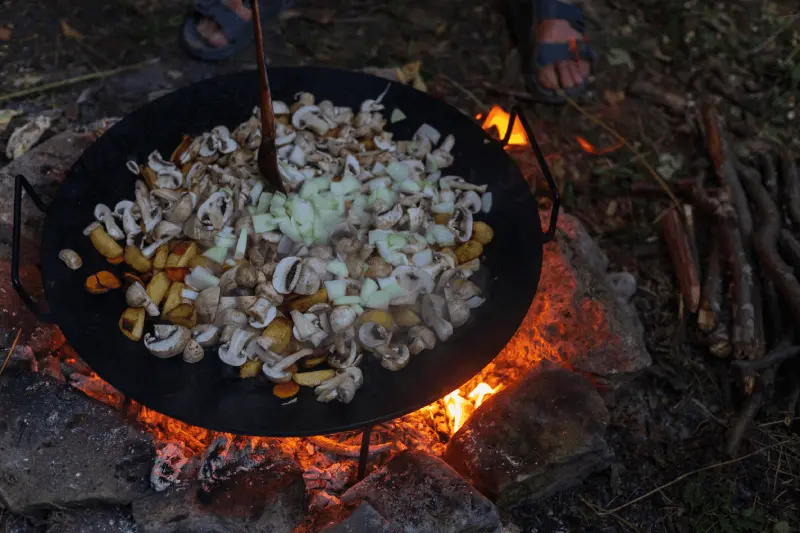
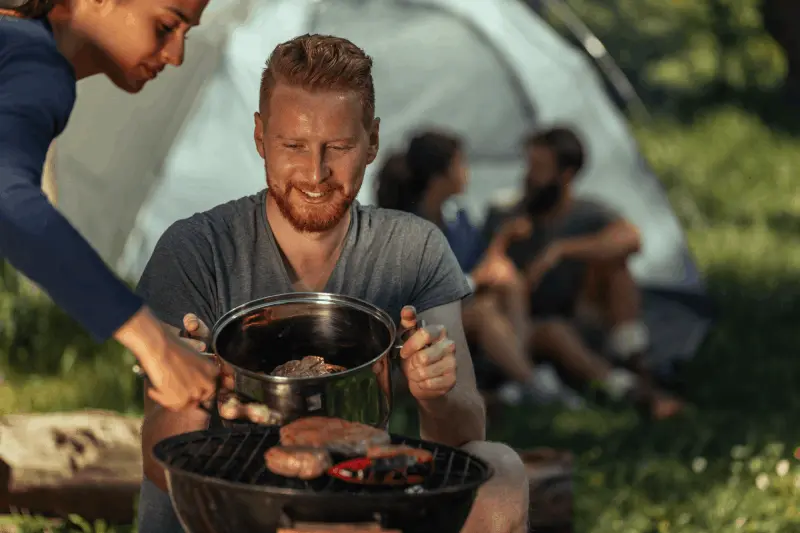
Spending time away from the chaos of city life in the heart of nature is every camper's dream. However, satisfying your hunger with limited ingredients and minimal equipment can sometimes turn into a challenge. In this guide, you will discover how to create gourmet flavors with just the basic resources at hand, without heavy pots or complicated stoves. Here are practical solutions that will make your life easier by the campfire.
Is It Possible to Experience a Flavor Explosion with Limited Ingredients?
Having limited resources while camping does not mean compromising on flavor. On the contrary, working with fewer ingredients sparks your creativity. By using basic spices, you can create wonders with just one can or a few vegetables. The key is knowing how the ingredients complement each other. For example, instead of just boiling a packet of instant soup in water, adding a bit of sausage or stale bread can turn the meal into a feast. The main point of cooking in nature is to enjoy the process while satisfying your hunger.
Can All Dinner Be Cooked in Just One Pot?
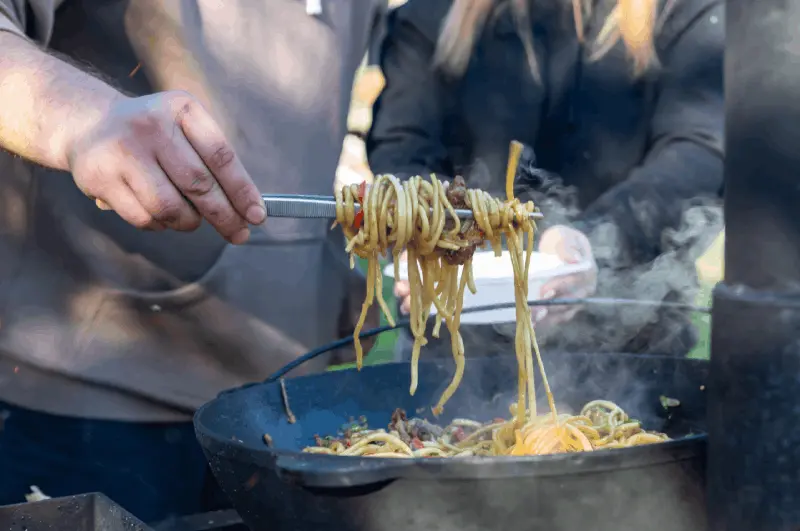
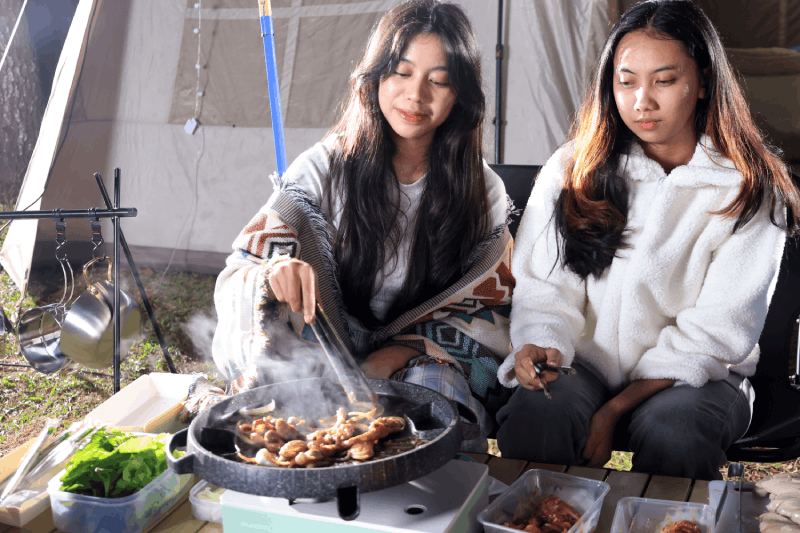
The "one-pot" method reduces the pile of dishes while ensuring flavors meld together. Instead of boiling pasta separately and draining it, try cooking it in the same water with the sauce. When you adjust the amount of water according to the pasta, the starch remains in the water, making the sauce thicker. Adding dried tomatoes and oregano will provide a restaurant-quality meal despite limited resources. This method is a lifesaver for long-term camping as it saves fuel.
Can Aluminum Foil Be Your Best Kitchen Helper?
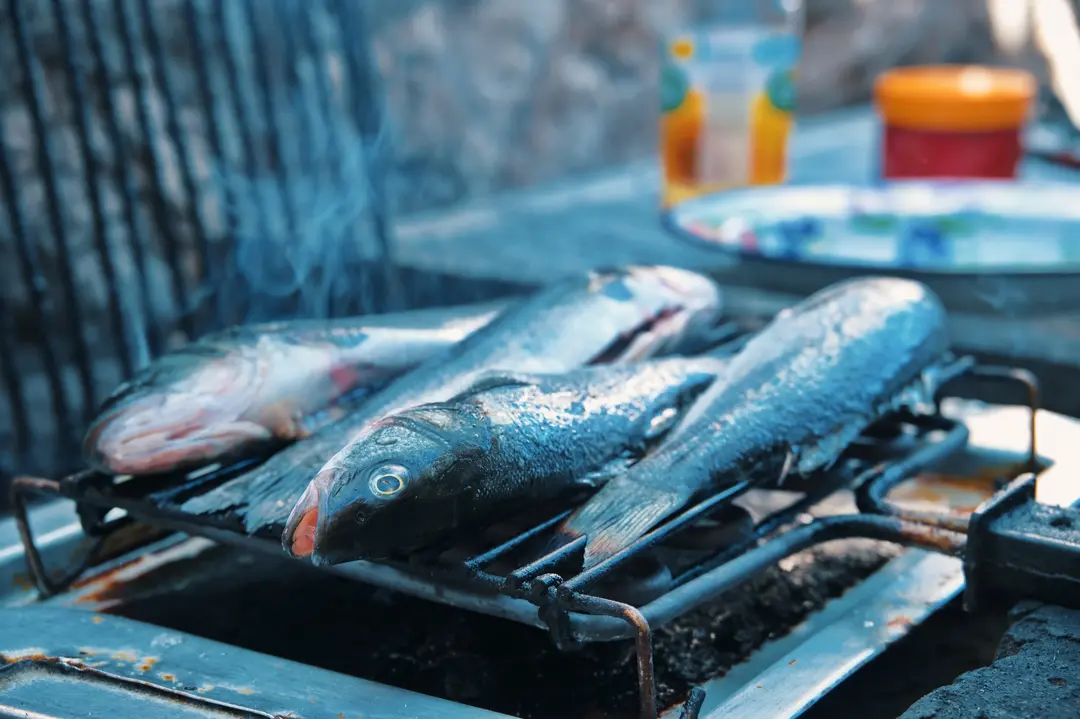
If you don't want to carry a pot, aluminum foil is your secret hero. You can wrap potatoes, onions, peppers, and chicken pieces in foil and place them directly on the coals. Ingredients cooked in their own steam become tender without losing their nutritional value. The foil cooking technique completely eliminates the hassle of cleaning. After cooking, you just need to fold the foil and throw it in the trash. Especially if you love fishing, wrapping a freshly caught fish in foil with lemon slices and cooking it is a unique experience.
Are Dried Foods the Secret Weapon of the Camping Backpack?
For those looking to save weight, dried foods are invaluable. Dried eggplant, peppers, or tomatoes quickly return to their original form when they come into contact with water. When sautéed with a bit of olive oil and garlic, they taste as fresh as if just picked from the field. Additionally, dried fruits provide a natural source of sugar for your morning oatmeal. Due to their lightness, they are the most logical choice for backpacking campers and have almost no risk of spoilage.
What Cooking Techniques Can Be Used Over Direct Fire?
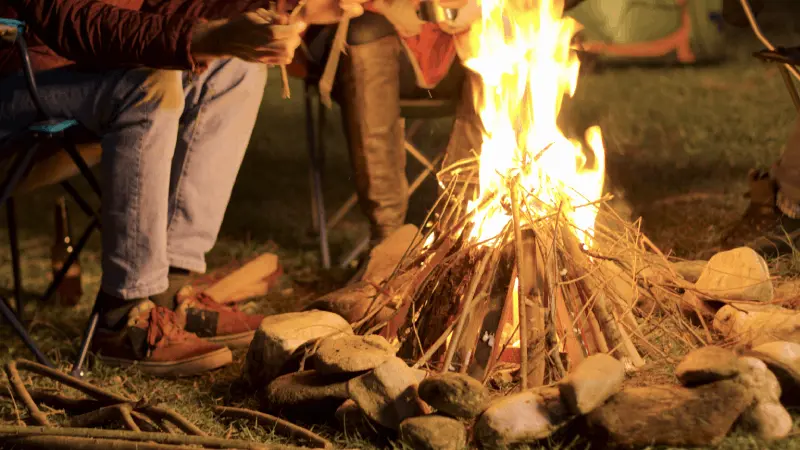
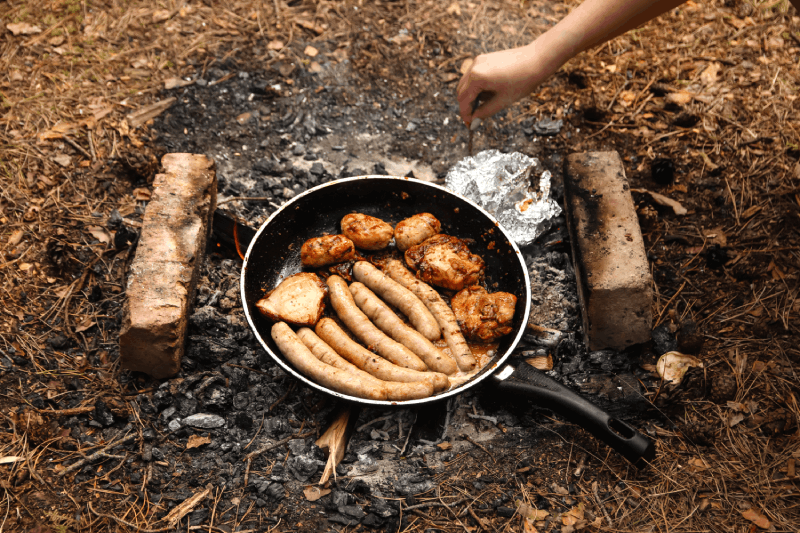
You can cook sausages, bread dough, or corn using just a stick. This is the most primitive yet effective method. Wrapping the dough around a long stick and rotating it over the fire gives you fresh sandwich bread. The direct heat from the fire imparts that famous smoky flavor to the food. However, the key is to cook over the coals, not the flames. Cooking over direct flames can burn the outside while leaving the inside raw. Patience in waiting for the coals is the key to flavor.
Why Is Making Menemen Without Onions More Practical While Camping?
Menemen is the national dish of campers, but peeling and chopping onions can be cumbersome in places with limited water and equipment. Menemen made with just tomatoes, peppers, and eggs cuts the preparation time in half. If you don't have fresh vegetables on hand, soaking dried tomatoes you prepared at home in hot water can yield great results. A pinch of red pepper flakes sprinkled on top will warm you up in the morning chill. Minimal ingredients, minimal cleanup, and maximum energy make it ideal.
Is Baked Potato a Hidden Delight Among the Coals?
Roasting potatoes is one of the oldest camping traditions, but turning them into a baked potato is an art. After cooking the potatoes, cutting them in half and mashing them with a bit of butter (if available) and cheese increases their heartiness. Even if you have no extra ingredients, they can be perfect with just salt and roasted peppers. Even if the skin of the potato is burnt, the inside will remain soft and aromatic. Burying potatoes in the coals when the evening fire is about to die down is the best prevention against midnight hunger.
How to Solve the Dish Problem with Limited Water?
Water is the most valuable resource while camping. Therefore, being careful not to create a pile of dishes while cooking is critical. Using a piece of bread to wipe the bottom of the pot helps prevent waste and makes cleaning easier. Additionally, putting some water in the pot immediately after the meal and heating it over the fire prevents the fats from hardening. Using sand or dirt as natural cleaners is an old but effective method for removing tough stains. However, you should avoid using detergent to protect nature.
Do Spice Mixes Add Flavor Without Taking Up Space in Your Backpack?
Spice mixes you prepare in small bags can change the fate of your meal. Combining salt, pepper, oregano, and cumin in one container saves space. A simple mashed potato made with limited resources can turn into a gourmet salad with the right spices. Spices not only add flavor but also stimulate your appetite and aid digestion. Especially garlic powder saves you from the hassle of fresh garlic while providing the same aroma to every dish.
How to Prepare the Fastest Oatmeal for Morning Energy?
Oats are indispensable for campers due to their lightness and long-lasting satiety. They can be ready in 2 minutes with just hot water and a bit of honey or dried fruit. Adding a spoonful of peanut butter to oatmeal made with water creates a source of energy that lasts all day without the hassle of carrying milk. If your mornings are limited, soaking oats in a bowl of water overnight will make them soft and ready to eat in the morning. This method is especially ideal for those planning to do peak climbing.
Is Making Bread Over the Campfire Easier Than You Think?
A simple dough made by mixing flour, water, and a bit of salt gives you the joy of fresh bread. These "flatbreads" made without yeast can be cooked on top of a pan or directly on a flat stone over the fire. Rolling the dough thin speeds up the cooking time. When the smell of fresh bread wafts through the campsite, you forget all the fatigue created by limited resources. Making your own bread is the most tangible indicator of how independent you are from the city and boosts your morale.
How to Brew the Best Camp Coffee Without Equipment?
You can enjoy great coffee even without a coffee maker or filter paper. With the method called "cowboy coffee," you can throw coffee grounds directly into hot water and boil it, then add a few drops of cold water to help the grounds settle at the bottom. Cold water helps the grounds sink quickly. Another method is to filter the coffee using a clean cloth. In the silence of the forest, no chain store coffee can match the taste of smoky coffee.
How to Manage Food Odors in the Wild?
Cooking is not only about satisfying your hunger but also about managing your safety. Especially in areas with a population of bears or wild boars, food odors can attract unwanted guests. Quick-cooking, low-odor meals (like pasta or instant soup) should be preferred with limited resources. There should be at least a 100-meter distance between the cooking area and the sleeping area. Never leave leftovers out in the open; they should be stored in sealed bags high up. Safety comes before flavor.
How to Boil a Hot Soup Under the Snow?
In winter camps, maintaining body heat is vital, so consuming hot liquids is essential. A lentil soup prepared with water obtained by melting snow will warm your frozen hands and soul. Since snow water is pure, adding a bit of salt is beneficial for mineral balance. Powdered soups are the most practical solution in winter, but adding a bit of butter provides the calories needed for your body to generate heat. It is important to consume food quickly in cold weather to finish before it freezes.
Can Canned Tuna Be Turned into a Gourmet Dinner?
Canned tuna is both a protein source and requires no cooking. However, when combined with a bit of cooked pasta and dried vegetables, it creates a balanced meal. Adding the oil from the tuna to the pasta enhances the flavor and adds calories. Additionally, tuna is also great for sandwiches. Carefully opening the metal can, placing a napkin inside, and heating it over a small flame is also possible.
How to Plan a Weekly Menu with Non-Perishable Foods?
If there is no refrigeration option for long-term camping, food selection is crucial. In the first days, consume fresh vegetables and meats, and for the following days, turn to legumes like lentils, bulgur, and rice. These products are both light and durable. Dried meat (beef jerky) meets your protein needs without adding weight. When planning the menu, applying the "eat the perishable first" rule helps prevent food waste. Choosing different sources of carbohydrates and proteins for each meal will enhance your fitness during the camping period.
Can Vitamin Needs Be Met with Pine Needle Tea?
Nature offers you not only scenery but also healing. If your tea runs out with limited resources, you can prepare a vitamin C-rich drink by steeping fresh green pine needles in boiling water. Its taste is slightly tangy and refreshing. However, it is important to recognize the trees; you should only use those you are sure are harmless. These unique flavors offered by nature will elevate your camping experience and strengthen your connection with the environment.
Is There a Way to Bring Eggs to Camp Without Breaking Them?
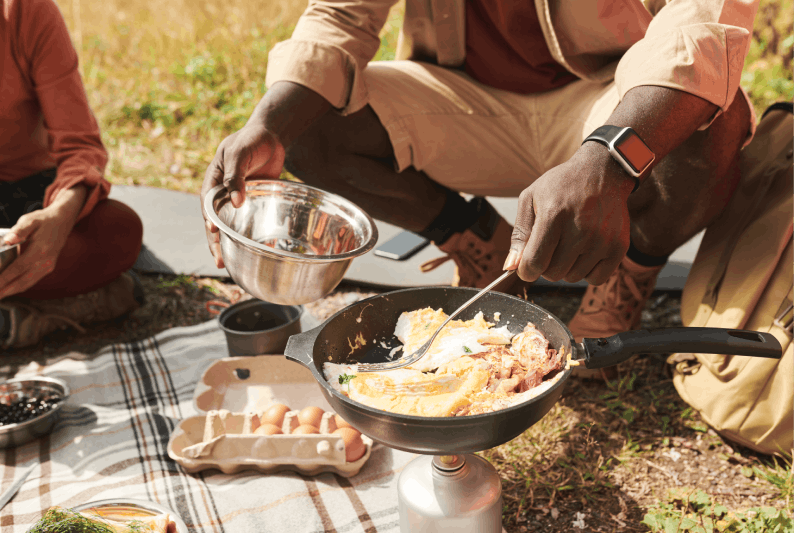
Eggs are the highest quality source of protein, but transporting them can be a hassle. As a practical solution, you can crack the eggs at home and fill them in a plastic bottle. This way, you avoid the hassle of shells and minimize the risk of breakage. Pouring the egg directly into the pan to make an omelet is very easy. If you prefer scrambled eggs, you can prepare them in advance and transport them in a sturdy container with the shells. Eggs are the king of breakfasts made with limited resources.
Is It Possible to Prepare Sauce Without Draining Pasta Water?
Draining pasta water is both a waste of water and a loss of valuable starch. With the "steeping" method, you can cook the pasta with just enough water to cover it, and when the water is almost absorbed, you can add cheese or sauce ingredients. This way, the pasta water acts as a thickening agent for the sauce. This technique is invaluable in places where water sources are limited. As a result, you get creamier, tastier, and less labor-intensive pasta.
Can Roasted Apple Satisfy the Sweet Craving?
Craving something sweet while camping is very natural. Instead of carrying heavy desserts, you can core an apple, fill it with a bit of cinnamon and sugar (if available), wrap it in foil, and place it on the coals. After 15-20 minutes, the apple caramelizes and turns into a soft dessert. If you have no ingredients, simply roasting the apple as it is will also satisfy you by releasing the sugars inside the fruit. It is a natural, healthy, and quite enjoyable final touch.
Can a Filling Camping Meal Be Made Without Meat?
Vegetarian options are often more practical while camping because they have a lower risk of spoilage. A mixture of green lentils and bulgur provides a complete protein source that supplies all the amino acids your body needs. Adding roasted peppers makes for a wonderful dinner. Instead of trying to keep meat cold, opting for the practicality offered by legumes lightens your camping load. Plant-based proteins also facilitate digestion, allowing you to sleep more comfortably at night.
How to Achieve Heavy Flavors with Light Equipment?
You can do everything with just a titanium cup and a spork. First, brew your tea in the cup, then clean it and use it to cook your soup or pasta. Choosing multifunctional equipment is the key to efficiently using limited resources. Being light gives you the freedom to go on longer routes, while a quality cooking pot ensures even heat distribution, preventing your food from burning. Minimal but essential equipment is the foundation of professional camping.
Can Meals Be Enhanced with Wild Herbs?
If you have knowledge of plants, you can add a fresh touch to your dishes with wild nettles, lamb's ear, or wild mint that you gather according to the season. However, you must be very careful in this regard; you should never consume any plant you do not know for sure. A handful of wild herbs collected from nature can turn a simple bulgur pilaf prepared with limited resources into a regional flavor feast. This is the most delicious way to live in harmony with nature.
What Cooking Methods Save Fuel?
If you are using a gas stove, you must use fuel sparingly. After bringing the food to a boil, you can turn off the stove and wrap the pot in a towel or sleeping bag (carefully) to let it cook in its own heat. This method, which works on the "cooking box" principle, is especially useful for foods that need to cook for a long time, like legumes and rice. It not only extends the life of your fuel but also saves you from the hassle of waiting by the stove.
What Is the Most Popular Snack for Camping with Kids?
Involving kids in the cooking process while camping is fun. Marshmallows or sausages skewered on sticks are the most enjoyable things for kids by the fire. However, as a more filling option, making "quesadillas" by placing cheese inside a tortilla and heating it over the fire is quick and suits children's tastes. Limited resources provide a great opportunity to teach kids to create solutions in nature and turn mealtime into a playground.
What Are the Cooking Strategies in Rainy Weather?
Starting a fire while it’s raining is difficult, so you should always have a "B plan" that doesn’t require cooking for such situations. Dried fruits, energy bars, or pre-prepared sandwiches can be lifesavers. If you have a tarp, you can safely operate your stove under it at a safe distance. In rainy weather, the body loses heat more quickly, so a quickly prepared hot drink or soup is necessary for morale and physical endurance. Instead of wasting time with wet wood, you should focus on quick solutions.
Can Leftover Rice from Dinner Be Used for Breakfast?
No food is wasted while camping. You can turn a bit of leftover rice or bulgur pilaf into a warm breakfast similar to a milk pudding by heating it with a bit of milk (or water) and sugar in the morning. Or you can stir-fry the rice in a pan with an egg to create a filling morning meal. This method shortens the cooking time and reduces waste. Repurposing leftover food is one of the practical and creative aspects of camping.
How to Improve Food Quality by Preventing Oil Leakage?
Olive oil adds flavor to dishes, but it can be disastrous if it leaks in your backpack. It is safe to store your oil in small, leak-proof containers or special camping bottles. Even more practically, you can soak cotton in olive oil and carry it in small containers; these cotton balls can be used in cooking and also serve as excellent fire starters in emergencies. Proper oil usage prevents meals made with limited ingredients from drying out and increases their calorie content, providing you with more energy.
How to Plan a One-Pot Meal for Large Groups?
If you have a large group, cooking a communal meal in a big pot is much more efficient than everyone making their own food. A large pot of chickpea rice or vegetable pasta ensures everyone eats hot food at the same time. By dividing tasks; one person can gather firewood while another chops vegetables. The communal meal culture strengthens the social fabric of the camp and helps you overcome limited resources with collective strength. Shared meals are always more delicious.
Is It Logical to Use Seawater Instead of Salt?
If you are camping by the sea and run out of salt, adding a bit of seawater to pasta or vegetable water is an old sailor's method. However, you must boil this water and take it from a clean area. Seawater provides not only salt but also various minerals. Still, you should be careful of pollution risks. This is one of the most "niche" survival tips that can be done with limited resources and can save your meal from being tasteless in emergencies.
What Is the Quietest Snack to Prepare at Midnight?
At midnight, you may need to satisfy your hunger without waking other campers. In this case, a mix of nuts and dried fruits (trail mix) is your best friend. It can be consumed quietly and fills you up quickly with its high-calorie content. A piece of dark chocolate you carry with you can also help balance your blood sugar in the coolness of the night, allowing you to sleep more comfortably. Silence and peace are the most important rules of camping.
Are Limited Resources an Obstacle or an Opportunity?
Ultimately, cooking while camping is not just a biological necessity but a bond established with nature. Limited resources force you to be more careful, respectful, and creative. When you understand the value of a single pot, a handful of spices, and the campfire, you realize that the luxury is not in the ingredients but in the moment. The simplest meal eaten in nature leaves a more unforgettable impression than the most expensive meal in a restaurant. Bon appétit and enjoy your camping experience!