How to Make Vegan Meals with Limited Water in Caravan Kitchens?
One of the biggest limitations of caravan living is water. When preparing vegan meals, it is wise to use a bowl while washing vegetables and later use that water to water plants or for cleaning. By especially opting for steaming methods, you can preserve nutritional values and create wonders with very little water. One-pot meals, techniques where the cooking water is not discarded (for example, draining pasta water into the sauce) are among the golden rules of caravan kitchens. Additionally, consuming fruits and vegetables without peeling reduces the need for washing and increases your fiber intake.
What is the Recipe for Lentil Casserole that Creates Wonders in One Pot?
One-pot recipes are lifesavers for reducing the dish load in the caravan. Red lentils, with their quick cooking time and high protein content, are the stars of the caravan. After sautéing one onion and one clove of garlic in a little oil, add a cup of rinsed red lentils, diced carrots, and a tablespoon of curry. Add enough hot water to cover and cook for about 15-20 minutes until the lentils are soft. In the final stage, toss in a handful of spinach and stir. This meal, which is both filling and requires minimal equipment, is indispensable for winter camping.
Which Legumes Should Be Stored in Caravans Without Refrigerators?
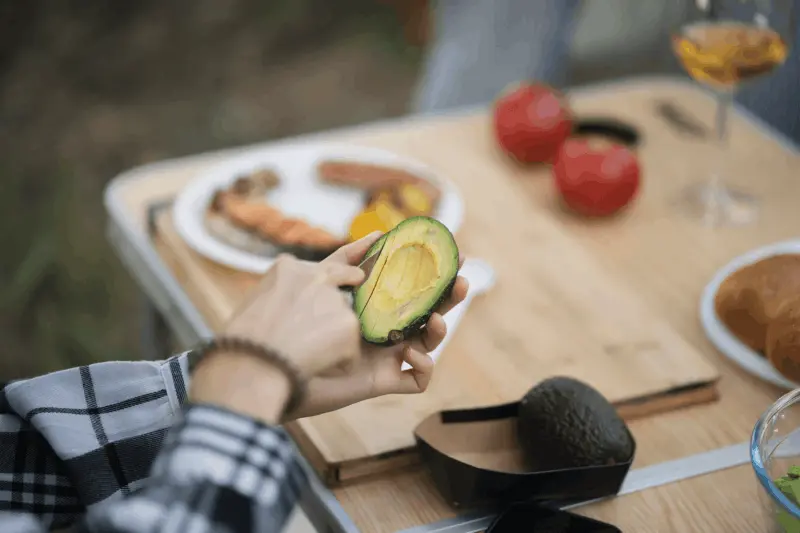
If your caravan does not have a refrigerator or you keep it closed for energy savings, dried legumes are your best friends. Red lentils, green lentils, chickpeas, and dried beans can last for months at room temperature without spoiling. Especially small varieties like "beluga" lentils cook very quickly and add great texture to salads. Additionally, pseudo-grains like quinoa and buckwheat are rich in protein and have quite flexible storage conditions. By storing these foods in glass jars or airtight cloth bags, you can save space and protect them from pests.
What Cooking Methods Do Not Strain Solar Energy Panels?
Using electric stoves or blenders in caravans depends on the capacity of the solar panels. Using a pressure cooker is revolutionary for energy savings; it minimizes gas or electricity consumption by halving the cooking time. Additionally, soaking legumes overnight significantly reduces cooking time. If you are in a sunny area, you can cook without using any energy by making solar ovens. Keeping the lid closed while cooking and letting the food rest after removing it from the heat are also ways to use energy efficiently.
How to Prepare Vegan Sausage and Vegetable Skewers Over a Campfire?
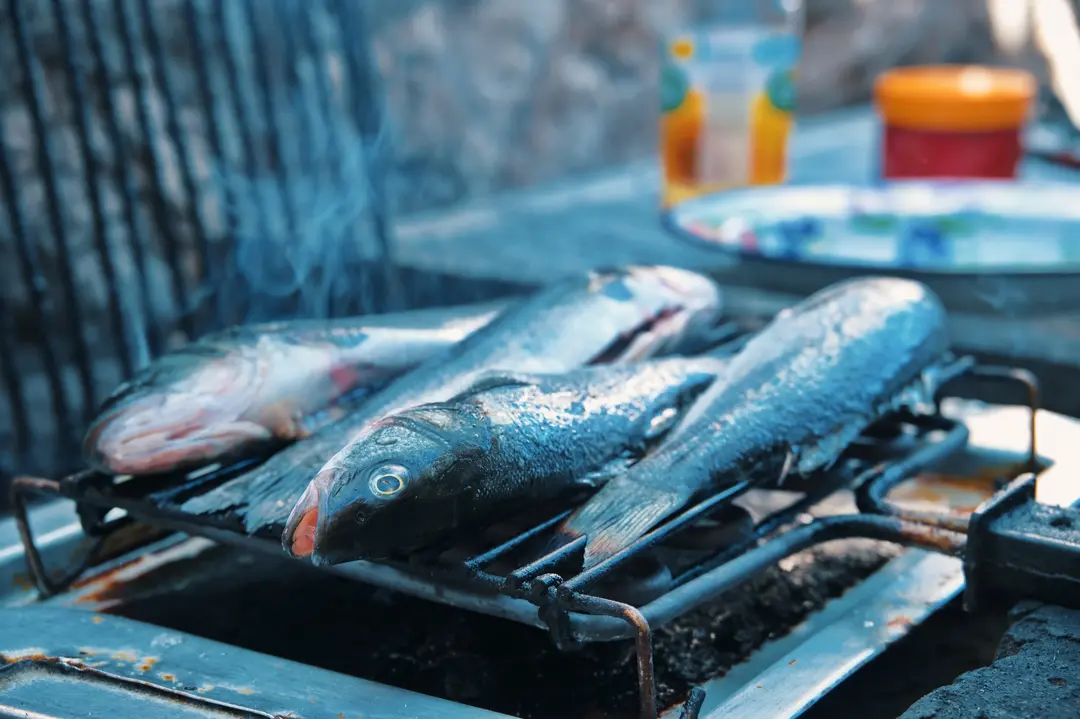
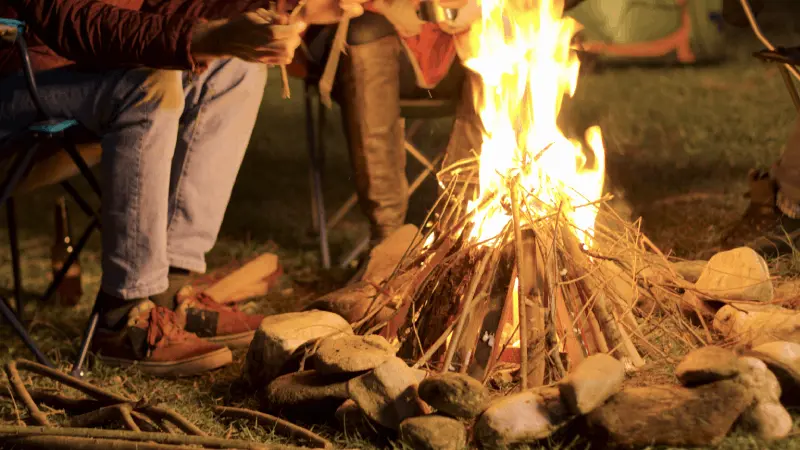
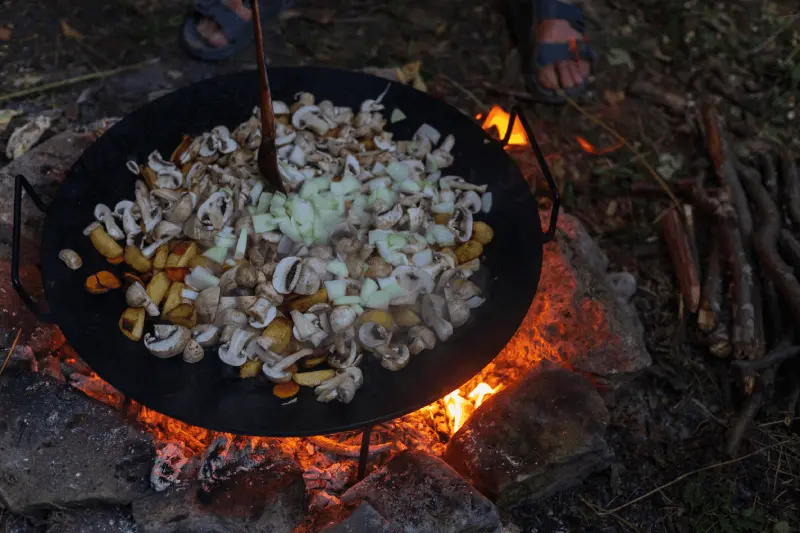
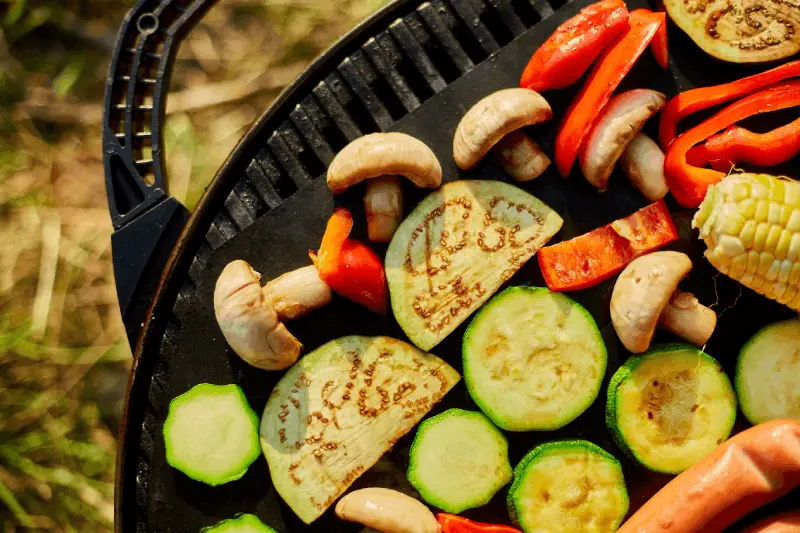
Lighting a campfire in nature is a part of caravan culture. For vegans, a campfire is a great opportunity to achieve smoky flavors. Use soy mince or ready-made vegan sausages made from gluten, and thread them with pearl onions, red peppers, and mushrooms. Use olive oil, oregano, and a bit of smoked paprika for marinating. Cook them over the glowing embers instead of direct flames, turning them slowly. By adding roasted potatoes or eggplant on the side, you can prepare a delicious and ethical dinner that you wouldn't find in a restaurant.
What Are the Key Points for Growing Fresh Greens in Limited Spaces?
Accessing fresh vegetables in a caravan may not always be possible. Microgreens and sprouting in a small area in front of the window or in hanging pots is a great solution. You can sprout chickpeas, lentils, or mung beans in a jar to obtain vibrant and high-protein foods. This method, which requires only water and a bit of light, ensures that you use the limited space as efficiently as possible. Additionally, herbs like mint and basil are resilient to the caravan's vibrations in small pots and instantly add freshness to your dishes.
How to Make Overnight Oats for Morning Energy?
If you don't want to struggle with lighting the stove in the mornings in the caravan, "overnight oats" is the best option. In a jar, add half a cup of oats, a tablespoon of chia seeds, and a cup of plant-based milk (almond or oat milk). If available, add a slice of banana. Close the lid and let it sit in a cool corner of the caravan until morning. When you wake up, without any further preparation, just add some hazelnuts or dried fruits on top and enjoy. This method does not create any dishes and provides you with sustainable energy for long journeys.
How to Enhance Flavor While Keeping the Spice Rack Minimal?
There is no room for dozens of different spice jars in a caravan kitchen. Therefore, versatile and strong-flavored spice blends should be preferred. "All-in-one" blends like curry, garam masala, or Italian herb mix (oregano, basil, rosemary) allow you to create dozens of different flavor profiles with a single jar. In addition to salt, black pepper, and red pepper flakes, having nutritional yeast is critical for vegans; it gives dishes a cheesy flavor and provides B12 vitamin support. You can save drawer space by using small magnetic spice containers to hang them on the caravan's metal surfaces.
What is the Recipe for Vegan Caravan Bread That Can Be Made in a Pan?
Most caravans do not have an oven, but this fresh bread doesn't mean you can't enjoy it. You can quickly knead a dough with just flour, water, a pinch of salt, and a small amount of baking powder (or dry yeast). Divide the dough into small pieces and roll it out thinly with a rolling pin or a stick. In a non-stick pan, cook for 2-3 minutes on each side until brown spots form. These "bazlama" style breads can be turned into great wraps by spreading avocado or hummus inside. The smell of freshly baked bread will make your caravan feel like a real home.
How to Evaluate Wild Greens Bought from Local Markets?
Every stop while traveling by caravan is a new flavor discovery. It's very economical to evaluate wild greens like nettle, mallow, or purslane that you gather from village markets or directly from nature (if you know what you're doing). You can lightly sauté these greens and squeeze lemon on top to consume them, or mix them with cooked bulgur to make a filling salad. Wild greens are generally much more nutritious than supermarket products and provide the minerals your body needs. However, you should never consume plants you don't know; always seek help from locals or guidebooks.
How to Make a Chickpea Salad Without Tuna in Five Minutes?
When you need a quick meal, canned chickpeas are your best ally. Drain a can of chickpeas and roughly mash them in a bowl with a fork. Add finely chopped red onion, pickles, plenty of dill, and vegan mayonnaise (or tahini-lemon sauce). Once mixed well, this mixture, which resembles the taste and texture of tuna salad, will be perfect on top of your caravan bread. It's a protein powerhouse and, since it doesn't require cooking, you can prepare it on hot summer days without heating up your caravan.
What Are the Vegan Strategies to Reduce Kitchen Waste in a Caravan?
Waste management is one of the most sensitive points of caravan life. Instead of immediately throwing away vegetable peels and stems while eating a vegan diet, you can collect them in a small bag and use them to make vegetable broth for your next meal. The water you obtain by boiling onion peels, carrot tops, and celery stalks adds deep flavor to your rice and soups. Additionally, opting for bulk legumes instead of packaged products prevents trash accumulation inside the caravan. If you have the opportunity to compost, plant-based waste is the best material to return to nature.
How to Choose a Sun Panel Friendly Hand Blender?
If you love smoothies or pureed soups, a hand blender with low wattage (around 300W-400W) is ideal for a caravan. High-powered devices can strain your inverter or quickly drain your batteries. USB rechargeable portable blenders have also become quite popular among campers in recent years. These devices have enough power to prepare a single serving smoothie and can be charged with energy from the sun. When choosing a device, pay attention to the ease of cleaning the parts, as washing complicated mechanisms in a narrow sink can be quite frustrating.
What Are the Vegan Recipes That Don't Require Fermentation Process on Long Journeys?
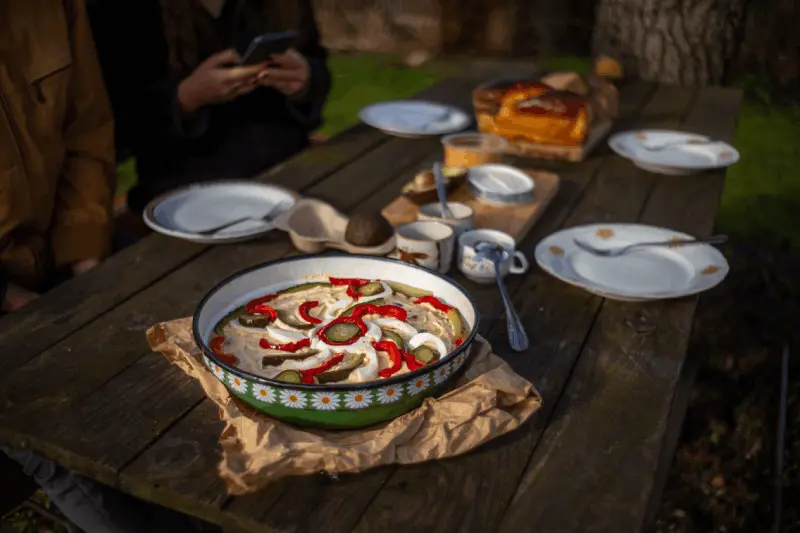
Waiting for dough to rise while on the move is difficult. Therefore, "quick breads" or pancake-like recipes that use baking powder are more suitable. "Socca" (chickpea pancake), made with chickpea flour and water, is both gluten-free and high in protein. You can create a great base for a meal by simply mixing chickpea flour, water, and salt and cooking it in a pan. Additionally, "polenta" made with corn flour is a practical option that quickly thickens and turns into a delicious dinner when sautéed mushrooms are added on top.
How to Prepare a Quick Vegetable Soup That Warms You Up in Winter Camping?
When it's snowing outside, drinking a steaming soup inside the caravan is priceless. Chop any vegetables you have (potatoes, carrots, zucchini) into small cubes. After sautéing the vegetables in a bit of olive oil, add a spoonful of tomato paste and plenty of dried mint. Add hot water and a handful of small pasta or vermicelli on top. Your soup will be ready when the pasta is cooked. This recipe is easy on the stomach and balances your body temperature. It's a perfect winter meal when paired with a slice of toasted bread.
What Are the One-Pot Pasta Techniques That Shorten Cleaning Time?
Draining pasta and rinsing it is both a waste of water and means extra dishes in a caravan. Instead, you can cook pasta using the "risotto method." Place the pasta in a pot, add enough water or vegetable broth to cover the pasta. Toss in the sauce ingredients (chopped tomatoes, olives, garlic) at the same time. As the water is absorbed, the starch will thicken the sauce, and the pasta will be much tastier. With this method, you can prepare a gourmet Italian dish using just one pot and a fork.
Is It Possible to Make Sugar-Free Jam from Roadside Fruits?
During your travels, you can prepare great breakfasts with the blackberries, rosehips, or wild apples you find in nature. Mash the fruits in a small pot until they release their juices. To thicken, add a bit of apple juice concentrate or just one or two tablespoons of chia seeds instead of sugar. Chia seeds absorb the liquid and create a jelly-like consistency while preserving the natural flavor of the fruit. These "living jams" can be stored in the refrigerator for a few days and bring the true flavor of nature to your caravan breakfasts.
What Are the Vegan Dishes That Don't Create Odors in the Tight Space of a Caravan?
Processes like frying that produce strong odors can lead to lingering smells inside the caravan for days. Therefore, boiling...
Cooking with a pot or pan (if available) is more logical. Sautéing onions and garlic without burning them over very high heat also reduces the smell. Spices commonly used in vegan cuisine, such as curry and cumin, are flavorful but their aroma can linger on textile products. Keeping a window open while cooking and cooking the food over low heat with the lid closed will help keep the indoor space fresh.Are Protein Powders Really Necessary in Caravan Kitchens?
If you have a very active camping life (trekking, climbing, etc.), protein powders can be a practical support. When it is difficult to find fresh protein sources every day in the caravan, a plant-based protein powder (pea or hemp protein) can be added to your smoothies or oatmeal. However, in general, lentils, chickpeas, nuts, and whole grains are sufficient to meet your basic protein needs. Protein powders can be stored in a small jar as a backup for "emergency" or "intense activity" days.
What Are the Methods for Cooking Rice and Bulgur Without a Strainer?
Using the "absorption" method instead of straining the water while making rice is fundamental in caravan cooking. Generally, using 1.5 parts water for rice and 2 parts water for bulgur ensures the right consistency. Roasting the grains in a little oil until they become translucent before adding water prevents the grains from sticking together. Once the water is completely absorbed, turn off the heat and cover the pot with a clean cloth or paper towel and let it steam for 10 minutes. This method prevents water waste and retains all the vitamins in the grains.
What Are Long-Lasting Vegan Sauces?
Preparing durable sauces to quickly add flavor to your meals is a great idea. A sauce made with tahini, lemon juice, and a bit of garlic powder can last for several days even at room temperature and is suitable for all kinds of salads, pasta, or wraps. Additionally, a homemade pesto made with olive oil, sun-dried tomatoes, and walnuts can last a long time due to the preservative nature of the oil, despite not containing preservatives. These sauces can turn even the simplest cooked pasta into a gourmet meal.
Which Fruits Are the Most Practical to Consume in Caravan Life?
Fruits with hard skins like apples, pears, and citrus are resistant to caravan jolts and do not easily get squished. Bananas are delicious but spoil quickly and can get squished when pressed, which can dirty your other items; therefore, it is best to store bananas by hanging them. Dried fruits (apricots, figs, dates) take up little space and provide a healthy source of sugar. To avoid wasting a large amount of water washing fruits during travel, wiping or peeling them just before eating can be a practical solution.
What Is the Importance of Nuts as Snacks?
Nuts like almonds, walnuts, and hazelnuts are your best friends while driving in the caravan or during hiking trips. These foods, rich in healthy fats and plant-based protein, keep you feeling full for a long time. You can prepare your own "trail mix": Add some pumpkin seeds, dried raisins, and a few pieces of dark chocolate if available. This mix helps keep your blood sugar stable and eliminates the need for pre-packaged sugary snacks.
How Should Kitchen Organization Be Managed in a Caravan?
In a caravan kitchen where every square centimeter is important, using "nesting" containers is a lifesaver. Silicone collapsible strainers and storage containers take up almost no space when not in use. Storing spices and dry foods in square or rectangular jars saves 25% more space compared to round containers. You can prevent drawer clutter by hanging frequently used utensils (spoon, knife, opener) on magnetic strips on the wall. Putting materials back in place after each use is the only way to prevent chaos in a tight space.
How Can You Make Vegan Cheese Alternatives in a Caravan?
Store-bought vegan cheeses can sometimes be expensive or unavailable everywhere. You can soak cashews (or sunflower seeds as a cheaper alternative) in water for a few hours, then blend them with some nutritional yeast, lemon juice, and salt to create a great cream cheese alternative. If you want a firmer texture, you can add some agar-agar to the mixture and heat it to set. These cheeses pair perfectly with your caravan bread or pasta and are made with completely natural ingredients.
What Should Be the Role of Canned Foods in Caravan Trips?
Canned foods serve as a "lifeline" especially in bad weather conditions or situations where you cannot reach a grocery store. However, they should be used sparingly due to their weight and waste. Canned chickpeas, beans, corn, and crushed tomatoes should always be kept in stock. After opening canned goods, be careful of the sharp edges and make sure to rinse them before throwing them away to prevent odors. Prefer products sold in glass jars if possible, as those jars can be reused later for storing legumes or sprouting.
What Should Be Used as Dish Soap in Nature?
When camping outdoors, you should use 100% biodegradable detergents to avoid the possibility of your gray water mixing with the soil or water. Even better; you can make your dishes sparkling clean with a mixture of baking soda and vinegar. Lemon peels are a natural source of acid for cleaning oily surfaces. To clean with less water, first scrape off food residues from the dishes with a paper towel or spatula, then wash with minimal water and natural soap. This will help your water supply last longer and minimize the damage you cause to nature.
What Vitamins Should Be Taken on a Caravan Journey?
Is Mineral Supplementation Necessary?
For those following a vegan diet, B12 vitamin supplementation is always critical, and caravan living does not change this need. However, you may be more concerned about vitamin D since you spend more time under the sun. Still, supplementation may be necessary during winter months or in consistently cloudy weather. Magnesium can be particularly helpful in preventing leg cramps on long driving days. It is best to get a blood test before starting any supplements; however, having a basic multivitamin in your caravan can provide a safety net on challenging days when your nutrition may be lacking.
What Are the Ethical and Economic Advantages of Shopping at Local Markets?
One of the best aspects of traveling by caravan is getting to know the local producers of each region. Shopping at village markets instead of supermarket chains supports the local economy and reduces the carbon footprint of food. Additionally, products bought from the market are often much fresher and plastic-free. The taste of a tomato eaten in season can turn even the simplest pasta you make in the caravan into a feast. While shopping at the market or chatting with the producer, you might even learn some hidden vegan recipes from that area.
What is a Simple Vegan Menu That Can Be Prepared When Hosting Guests in a Caravan?
Inviting your caravan neighbors for a meal is a great way to socialize. For an impressive yet easy-to-make menu; you can prepare bruschetta (tomato, garlic, basil) on toasted caravan bread as a starter, and a Thai curry with plenty of vegetables and coconut milk as the main dish. For dessert, you can serve "nice cream" made by blending frozen bananas or just drizzle melted dark chocolate over fresh fruits. This menu is light since it contains no animal products and is visually appealing with its colorful presentation.
Should Glass or Plastic Be Preferred in Caravan Kitchens?
Weight and breakage risk should always be kept in mind in a caravan. Glass jars are the healthiest way to store food, but they can break if jostled; therefore, they should be wrapped in cloth or stored in compartmentalized cabinets. Plastic containers are lightweight but can develop odors over time and may contain BPA. Stainless steel storage containers and enamel plates are the ideal balance for caravan living; they are unbreakable, lightweight, and can be heated directly over a fire or on the stove. When choosing your kitchen utensils, pay attention to them being "durable" and "multi-purpose".
What is the Final Word on the Sustainability of Vegan Living in a Caravan?
Living vegan in a caravan is not just a dietary choice; it is also an effort to minimize your impact on the world. Consuming less water, supporting local producers, freeing yourself from the burden of the animal industry, and maintaining a rhythm in harmony with nature gives you a profound sense of freedom. Although limited kitchen facilities may seem challenging at first, over time this simplicity will become your greatest source of creativity. Remember; the most delicious meal is enjoyed under the stars, with a clear conscience, and on the roads you love.