Why is Protein Vital for Vegetarian Campers?
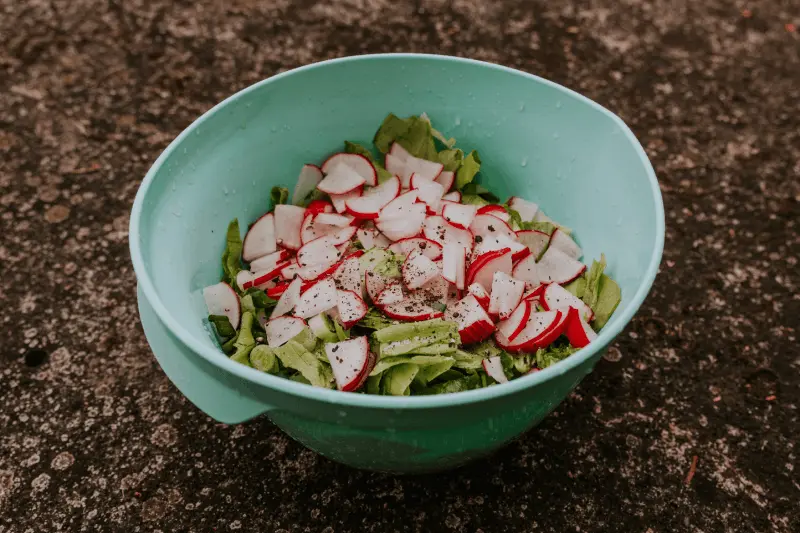
Spending time in nature requires much more energy compared to city life. Setting up a tent, gathering firewood, or hiking for miles depletes the body's glycogen stores and causes micro-level damage to muscle fibers. For a vegetarian camper, repairing this damage and ensuring energy sustainability depends on the quality of the protein consumed. Protein is not only essential for muscle building but also necessary for maintaining a strong immune system and prolonging the feeling of fullness. Salads enriched with proper protein sources provide a light yet highly nutritious alternative to heavy meals during camping nights, helping you start the next day feeling more refreshed.
Why is Chickpea Salad Your Best Friend on Long Hikes?
Chickpeas can be considered the "gold standard" among plant protein sources due to their high economic value and portability. Carrying dried and cooked chickpeas in your camping backpack offers significant advantages in terms of weight management. A bowl of chickpea salad meets a significant portion of your daily protein needs while also regulating your digestive system thanks to its fiber content. Especially when lightly warmed over the campfire and combined with fresh greens and a tahini dressing, chickpeas transform from just a salad into a complete meal. The complex carbohydrates in chickpeas provide long-lasting energy without spiking your blood sugar, preventing hunger crises.
How Can Quinoa and Buckwheat Elevate Your Camp Menu to the Next Level?
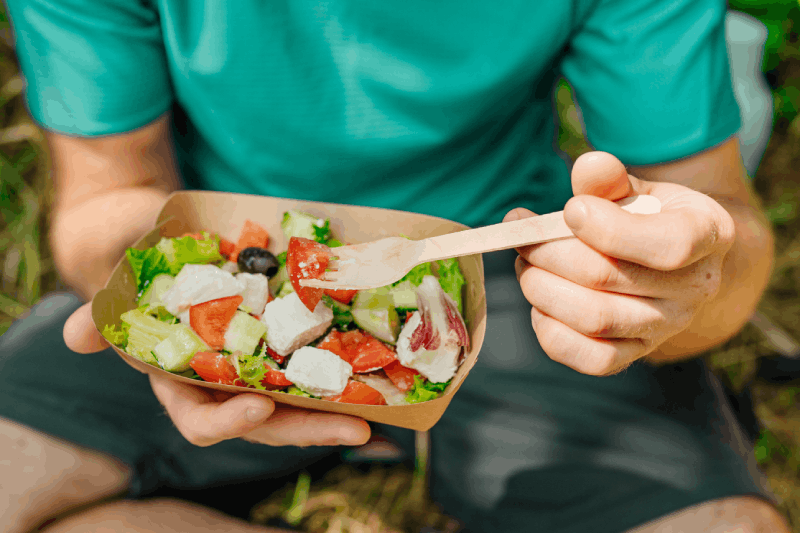
Quinoa is one of the rare plant sources that contains all nine essential amino acids, placing it in the "complete protein" category. Buckwheat (grechka) is effective in preventing muscle cramps due to its gluten-free structure and high magnesium content. By combining these two superfoods at your campsite, the salad base you prepare offers a complete protein profile for your body. You can cook quinoa on a camp stove in just 15 minutes, saving fuel. Soaking buckwheat beforehand further reduces cooking time. When this mixture is combined with nuts and sun-dried tomatoes, it transforms into a gourmet camp meal of restaurant quality, providing you with all the macros you need.
How Can You Shorten the Cooking Time of Red Lentils in Camping Conditions?
Red lentils are known for cooking much faster than green lentils, but saving fuel on a camp stove is always a priority. If you soak your lentils in hot water before leaving home or let them steep in a thermos with hot water, you can ensure they soften without even needing to start a fire at the campsite. Lentil-based salads are rich in iron and protein, which is critical for your oxygen transport capacity at high altitudes. By mixing cooked lentils with plenty of lemon juice, olive oil, and cumin, you can prepare a salad that is both high-energy and does not cause bloating. This method stands out as a niche technique that maximizes efficiency with limited equipment.
How Do Pumpkin Seeds and Hemp Seeds Enhance Protein Value?
Many campers focus solely on the main ingredient when preparing salads, but seeds are the hidden protein heroes. Pumpkin seeds can contain more zinc and protein than many types of meat when measured by weight. Hemp seeds offer a perfect balance of omega-3 and omega-6 fatty acids. Sprinkling two tablespoons of this seed mixture on your salad can add an extra 10-12 grams of pure protein to your meal. Additionally, these seeds add crunch to your salad, satisfying your chewing sensation and speeding up the brain's signals of fullness. Being lightweight, they take up no space in your camping backpack and require no preparation, making them unparalleled in terms of practicality.
How Can Marinated Tofu Cubes Stay Fresh in Hot Weather?
Tofu is a great protein block for vegetarians, but the risk of spoilage can deter campers. The secret lies in marinating the tofu at home in a high-flavor vinegar and salt mixture. Vinegar and salt are natural preservatives; if you marinate tofu in soy sauce, garlic, oregano, and plenty of olive oil and transport it in a vacuum-sealed container, it can stay fresh for up to 48 hours. At the campsite, you can add these cubes directly to your salad or skewer them over the campfire for a lightly grilled smoky flavor. Thanks to its spongy structure, tofu absorbs sauces and creates a burst of flavor with every bite. This is one of the most effective ways to ensure protein variety in camp cooking.
How Do Nut Butters Add an Energy Boost to Salads?
Salad dressings are often thought of solely for flavor, but a sauce based on peanut or almond butter can double the calories and protein of your salad. By thinning peanut butter with a bit of apple cider vinegar, chili flakes, and water, you can prepare a creamy dressing that pairs especially well with carrot and cabbage-based salads. This dressing not only contains protein but also healthy fats, enhancing the absorption of vitamins by the body. After a long day, a salad enriched with this high-energy dressing accelerates the body's recovery process. Carrying peanut butter in small single-use packets is a great convenience in terms of hygiene and weight management.
Are Dehydrated Vegetables and Legumes the Ultimate Solution for Lightweight Packing?
For those who love ultra-light camping, carrying fresh vegetables can be a luxury due to their weight. This is where dehydrated vegetables and legumes come into play. By reviving dried peas, corn, and beans you’ve dried at home or purchased, you can instantly create a "fresh-looking" salad by soaking them in a bowl of hot water. This method gives you the feeling of eating fresh produce even at an altitude of 3200 meters. Dehydrated products lose 80% of their weight, so they won’t weigh down your backpack. When combined with water, they regain all their nutritional value. This is one of the greatest technological and gastronomic conveniences modern camping offers.
Why is Nutritional Yeast Used as a Cheese Alternative in Salads?
Nutritional yeast is known for its "cheesy" flavor in vegetarian and vegan diets, but its real strength lies in its protein and B12 vitamin content. Two tablespoons of nutritional yeast contain about 8 grams of protein and provide all essential amino acids. While carrying fresh cheese to the campsite poses a spoilage risk, nutritional yeast, being a dry powder, never spoils. When sprinkled on any salad, it deepens the flavor and strengthens the protein profile. It pairs especially well with lentil or bean salads. The natural supply of B vitamins needed for the body's energy production creates a natural doping effect that alleviates fatigue for campers.
How Do Chia Seeds Turn Salad Dressing into a Protein-Packed Gel?
Chia seeds can hold up to 10 times their weight in water. This property can be used in camp salads to maintain hydration (body water balance) and thicken the dressing. If you add a tablespoon of chia to your salad dressing and wait for 10 minutes, it prevents the dressing from sinking to the bottom of the vegetables and ensures that each piece of vegetable gets coated in a protein-rich layer. Chia is so rich in fiber and omega-3 that even a small amount can prolong the feeling of fullness in the stomach. This is a strategic nutritional trick for campers who want to avoid hunger pangs late at night. The fact that it requires no cooking is invaluable for limited camping resources.
Why Should Nuts Be Eaten Raw for Muscle Repair?
Nuts are natural stores of protein and fat, but the roasting process can alter the structure of some sensitive fatty acids. Using raw walnuts or almonds in your camp salads provides your body with the purest form of vitamin E and antioxidants. Vitamin E reduces oxidative stress in muscles after intense physical activity. Soaking almonds in water for a few hours before adding them to the salad (activating them) increases the digestibility of proteins and facilitates absorption. Walnuts, thanks to their omega fats that support brain functions, help keep your mind clear while planning your route. The texture diversity that these foods add to the salad makes the act of eating more enjoyable and satisfying.
Should You Carry Frozen or Dried Edamame?
Edamame is one of the strongest players in the plant protein world. If you plan to consume them on the first day of your camping trip, you can place frozen edamame in the cold section of your backpack; they act as an ice pack, keeping other foods cool as they thaw. However, for longer trips, roasted and salted dried edamame should be preferred. Dried edamame offers about 15 grams of protein per handful and changes the character of your salad with its crunch. Especially if you are making an Asian-inspired camp salad with ginger and soy sauce, edamame is an indispensable ingredient in this recipe. Its lightness and no cooking requirement place it on the secret list of professional campers.
How Can Tempeh Be a Protein Source Over the Campfire?
Tempeh is a fermented soy product with a denser, nuttier texture compared to tofu. Thanks to the fermentation process, the bioavailability of proteins is very high, and it is easy to digest; this is important for those who do not want to experience stomach discomfort during camping. By cutting tempeh blocks into small pieces and sautéing them in a pan or directly over the coals, the salads you prepare will provide you with incredible satiety. Thanks to its probiotic properties, tempeh helps your intestines adapt to the changing diet in nature. Since tempeh absorbs smoky flavors very well, when combined with the smoky aroma of the campfire, it creates a plant-based bacon effect.
Is Seitan a Champion in Weight-Nutrient Ratio?
Seitan is almost entirely made of gluten (wheat protein) and is the closest plant alternative to meat in texture. 100 grams of seitan contains about 25 grams of protein, which is comparable to chicken breast levels. The advantage of seitan for campers is that even a small amount provides a massive protein intake. You can slice seitan sold in vacuum-sealed packages into "steak" pieces and add them to your salads. While you get your carbohydrate needs from other vegetables in the salad, seitan focuses solely on muscle repair. However, it is not suitable for those with gluten sensitivity. If you have tolerance, a salad with seitan is the quickest way to reward your body after the toughest trails.
How to Grow Sprouting Seeds on the Go?
Having a fresh and vibrant protein source while camping is best achieved by sprouting seeds. You can sprout lentils, mung beans, or clover seeds you carry in a small jar or mesh bag by keeping them moist at the edge of your backpack throughout the day. Within 2-3 days, these seeds will sprout and their nutritional values will peak. Sprouted seeds contain more vitamins and active enzymes than their normal forms. Adding this "living food" to your salads turns your camp kitchen into a laboratory. Harvesting your own fresh produce in the heart of nature provides both psychological satisfaction and the freshest form of protein for your body.
How Do Hummus-Based Salads Maximize Satiety?
Hummus is not just a dip; it is actually a protein sauce. By mixing ready-made hummus powder with just water and a bit of olive oil at the campsite, you can achieve a creamy consistency. When you spread this cream as a base under your salad, every type of green and nut you add becomes part of the hummus. Hummus, made from the combination of chickpeas and tahini, nourishes your muscles with its "complex protein" structure while its thick consistency slows down the emptying of your stomach. A salad prepared this way keeps you full until your next meal without making you hungry. Hummus salads are a complete feast for campers who love to dip bread.
Does Layered Salad in a Jar Ensure Safe Transport?
Mixing salad in a container can cause the vegetables to wilt. However, by using the "layering" method, you can transport a jar with dressing at the bottom, sturdy proteins like chickpeas/beans on top, and delicate greens at the very top. When mealtime arrives, simply shaking the jar is enough. This method prevents the vegetables from becoming soggy by keeping them from contacting the dressing and preserves the freshness of the proteins. If the glass is too heavy, you can apply the same principle in lightweight plastic containers or ziplock bags that are BPA-free. Ziplock bags save space and take up very little room in the trash when finished. This smart packaging ensures discipline and freshness in your camp kitchen.
How Does Vacuum Packaging Extend the Shelf Life of Salad Ingredients?
If you are going on a week-long expedition, vacuum-sealing your protein sources is lifesaving. When beans, marinated tofu, or cooked quinoa are vacuum-sealed, their exposure to oxygen is cut off, minimizing bacterial growth. Vacuum packs also take up much less space, freeing up room in your backpack for other gear. When you open the package at the campsite, the ingredients smell as fresh as if they were just cooked. This method is one of the most commonly used techniques by professional guides and long-distance hikers. Safely and compactly transporting your protein stores is the most critical step in the planning phase.
Does Using Coconut Oil Instead of Olive Oil Increase Energy Efficiency?
Olive oil is essential for salads, but coconut oil (MCT oils) has the property of converting directly to energy by going straight to the liver. In cold-weather camps, coconut oil solidifies and adds a filling texture to the proteins in your salad (such as quinoa or buckwheat). These fatty acids are effective in maintaining body heat and speeding up metabolism. A tablespoon of this oil added to your salad supports the transport of proteins to the muscles. Additionally, coconut oil is highly resistant to spoilage, making it a safer option than olive oil in hot climate camps.
How Do Apple Cider Vinegar and Lemon Juice Support Digestion?
A high-protein diet can sometimes strain the digestive system. Adding quality apple cider vinegar or freshly squeezed lemon juice to your salad activates the pepsin enzyme, which helps break down proteins by balancing stomach acid. Experiencing bloating or indigestion during camping can directly affect your hiking performance. These acidic touches also enhance the absorption of iron in the salad (especially iron from lentils and spinach). The liquids you carry in small, non-drip droppers serve both as flavor enhancers and biological helpers. The right dressing is not only about taste but also a functional health component.
How Do Spice Blends Affect Metabolism and Protein Absorption?
Turmeric, black pepper, and ginger are the "healing" spices of camp cooking. The piperine in black pepper increases the absorption of curcumin in turmeric by 2000%, and this combination reduces inflammation in the body. Adding these spices to your salad is a smart move to alleviate joint pain after camping activities. Additionally, cumin eliminates the gas problem caused by legumes. Spices add depth to your salad without adding calories and stimulate your appetite, helping you maintain your desire to eat even under challenging conditions. Preparing your own "camp salad spice blend" in a small container turns every meal into a healing elixir.
Why Does Protein Need Change at High Altitudes?
As altitude increases, the body's basal metabolic rate rises, and the risk of muscle loss (catabolism) increases due to oxygen deprivation. If you are camping at 2500 meters or higher, you may need to increase your protein intake by 20-30% above normal. Appetite loss is common at these altitudes, so "dense" salads should be preferred. Combining as many protein sources as possible (like chickpeas + quinoa + pumpkin seeds) in a bowl of salad ensures maximum efficiency even if you eat less. Since digestion slows down at high altitudes, plant proteins (like tofu or cooked lentils) are easier to digest than animal proteins and put less strain on the body.
What Are the Different Protein Strategies for Summer and Winter Camping?
In summer camps, the body loses water, so salads enriched with watery vegetables (cucumbers, tomatoes) and lightly consumed tofu or cooked legume salads are ideal. In winter camps, the body requires more fats and complex carbohydrates to maintain body heat. The concept of "warm salads" should be adopted in winter. For example, adding walnuts and dried fruits to warmed buckwheat on a camp stove creates a thermogenic effect, warming you from the inside out. Updating your salad ingredients according to seasonal cycles ensures that your diet aligns with nature's rhythm and keeps your performance at its peak in every condition.
What Are the Most Economical Protein Sources for Budget-Conscious Campers?
Camping can sometimes be costly, but it is possible to save on nutrition. Dried green lentils and yellow chickpeas (roasted chickpeas) are the cheapest options per unit of protein. By adding yellow chickpeas to your salads as "croutons," you can provide both crunch and a significant amount of protein. Additionally, sunflower seeds are a great alternative to expensive nuts and offer a similar amount of protein. Instead of buying quinoa in large packages, locally produced and highly nutritious bulgur can also be used as a salad base. By cleverly combining economical sources, you can create a professional camping menu without straining your budget.
How to Prepare Salads in Zero Waste Camping?
Protecting nature is every camper's duty. Wrapping your salad ingredients in reusable beeswax cloths or silicone bags instead of plastic packaging minimizes waste. Instead of throwing vegetable peels in the trash, you can boil them with a bit of water on the camp stove to obtain "protein-rich vegetable broth" for the next day. Additionally, by adding edible wild plants like blueberries or purslane that you have foraged (and are absolutely sure about!), you can reduce the amount of packaged products you bring from outside. The zero waste principle not only protects the environment but also pushes you towards a more creative and nature-connected culinary understanding.
Do No-Cook Salads Save Lives in Emergencies?
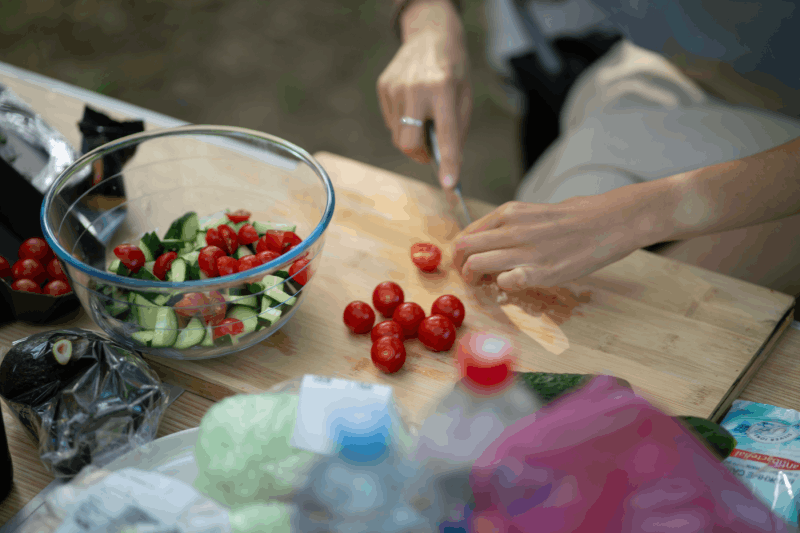
In situations like heavy rain or strong winds, lighting a camp stove may be impossible. For these moments, you should have ingredients suitable for the "cold brewing" method. Couscous or fine bulgur can be rehydrated simply by soaking in cold water for 20 minutes. Canned beans or pre-cooked vacuum-sealed packages can meet your protein needs without requiring fire. You should keep these "emergency salad" kits in the most accessible part of your backpack. A nutritious meal that enters your stomach under difficult conditions not only provides physical strength but also boosts morale and motivation. Being prepared is the most fundamental rule of camping.
How Does Eating Protein Salad for Breakfast Affect Daily Performance?
Instead of classic breakfasts, consuming a morning salad with green lentils and avocado ensures you start the day with incredible energy. Consuming protein and healthy fats in the morning keeps your muscles "ready to go" throughout the day’s hikes. Adding a few dried apricots or figs to your morning salad provides the natural sugars you need, while protein sources ensure that these sugars are absorbed slowly into the bloodstream. This balanced start prevents "blood sugar spikes" until meal time and enhances your focus ability. Stepping outside the ordinary can create a new revolution in camp cooking.
Do Overnight Preparation Strategies Save Time?
If you plan to leave early in the morning, preparing your salad the night before and letting it "marinate" in the dressing is a great idea. Especially vegetables like cabbage, broccoli, or firm beans soften and deepen their flavors as they sit in the dressing. During this process, proteins also absorb the dressing, becoming more aromatic. In the morning, all you have to do is open the lid to eat; this can save you an extra 30 minutes on your route. A "marinated salad" offers a more homogeneous flavor profile by allowing the ingredients to meld together. Time management in camp life is the golden rule for a safe and enjoyable experience.
Why is the Balance of Fiber and Protein Critical for Digestive Comfort?
Focusing solely on protein can lead to issues like constipation due to a lack of fiber. Experiencing digestive issues during camping can ruin all your enjoyment. Therefore, you should balance your salads with plenty of fibrous greens (arugula, parsley, spinach) and fiber-rich protein sources like chia seeds. Fiber ensures that proteins move gently through the intestines and facilitates the elimination of waste from the body. Protein is for your muscles, while fiber is for your internal peace. When you establish this balance, you will feel much lighter and more energetic in nature. Remember, a good digestive routine is a hidden indicator of a successful camping experience.
What is the Relationship Between Hydration (Water Intake) and Protein Consumption?
Protein metabolism requires more water than carbohydrates. When you consume a high-protein salad, your body needs water to complete its metabolic cycle. If you do not drink enough water, proteins can strain your kidneys and lead to dehydration. You should always add a drink containing electrolytes or plenty of water alongside your salad. Additionally, you can choose some of your salad ingredients (like cucumbers) that have a high water content to support hydration. Water and protein are like two sides of the same coin; one cannot work efficiently without the other. Every drop of water in nature is as valuable as every gram of protein.
How Should Portioning and Protein Distribution Be Done in Group Camps?
If you are camping in a group, setting up a communal "salad bar" ensures everyone gets the protein they need. By preparing a large bowl of greens and placing small containers of chickpeas, quinoa, walnuts, and tofu alongside, you allow everyone to create their own protein mix. This method respects the different dietary preferences within the group (some may want less, while others may want more protein). Additionally, this sharing culture strengthens the social fabric of camping nights. Allowing everyone to adjust their own "protein dose" helps maintain balanced energy levels within the group and enhances collective performance.
What Should Be Considered When Choosing Lightweight and Durable Salad Containers?
Choosing equipment in the camp kitchen affects the quality of the meal. Titanium bowls are very lightweight but conduct heat very quickly; this can make it difficult to hold a hot salad in your hands. Enamel bowls give a classic camping vibe and look great in photos but can be a bit heavy. The best option is collapsible silicone containers. They take up no space when empty, are lightweight, and allow you to securely store your salad with their leak-proof lids. Additionally, using versatile tools like a "spork" (a spoon-fork hybrid) while preparing salads saves space and increases functionality. The right container transforms your meal from a chore into a pleasure.
How Do Edible Flowers Change the Nutritional Value and Aesthetics of Salads?
While camping, edible flowers like nasturtium, violets, or daisies that you can find around you not only add aesthetics to your salad but also provide rare micronutrients. For example, nasturtium flowers are rich in omega-6 fatty acids. Adding these flowers to your salad gives you a "nature gourmet" feeling and boosts your morale. However, you must be very careful and only consume plants you are 100% sure are edible. The positive effect of aesthetics on human psychology makes the salad you eat after a challenging hike taste much better. A colorful plate means a colorful mood.
How Do Smoked Salt and Dried Spices Add Flavor to Salads?
Vegetarian campers may sometimes crave the smoky flavor of meat cooked over a campfire. The way to satisfy this need is to add smoked salt or smoked paprika to the salad dressing. This small touch adds a "barbecue" vibe even to a simple bean salad. Smoked salt tricks the brain into perceiving a more filling and rich meal. Additionally, using mineral-rich Himalayan salt instead of sea salt helps replenish the minerals lost through sweating. This wonderful combination of flavor and function instantly elevates the standards of your camp kitchen.
How Do Fermented Pickles (Kimchi/Sauerkraut) Create Synergy with Proteins?
Kimchi or German-style sauerkraut contains billions of friendly bacteria that aid in the digestion of proteins in your salad. Fermented foods are the most natural source of probiotics that support the immune system. Adding a spoonful of pickles to your salad can work wonders, especially for correcting the disrupted gut flora during long-term camping. The sharp taste of these products balances the neutral taste of legumes and grains, enhancing digestion by stimulating saliva production. These fermented powerhouses, which you can carry in small leak-proof jars, are like the "health guardians" of your camping backpack.
Why Are Black Beans Indispensable for Iron and Protein?
Black beans are among the highest in antioxidant (anthocyanin) content among plant proteins. Their dark color is a sign of how nutritious they are. A bowl of black bean salad can meet more than half of your daily iron needs, which is vital for female campers and high-altitude climbers. Preparing a "Mexican-inspired" camp salad by combining black beans with corn and quinoa provides you with both a protein and magnesium boost. Magnesium is the most important mineral that prevents cramps in your legs while sleeping in a tent at night.
How Can Mung Beans Be Added to Salads for Detox and Lightness?
Mung beans are much smaller than other types of beans, making them quick to cook and incredibly easy to digest. They are a "detox" effective protein source that helps eliminate heavy metals from the body. If you feel heavy or bloated during camping, having a salad with mung beans can reset your body. When combined with finely chopped fresh onion and plenty of pomegranate, it has a refreshing and revitalizing effect. Mung beans are a secret weapon for campers who want to stay "light yet strong" and pair perfectly with all kinds of vegetables.
Conclusion: How Can Creativity Be Combined with Protein in Camp Cooking?
Being a vegetarian camper is not just about eating cheese and bread. With the right information and preparation, you can create a protein feast in the heart of nature. The niche strategies and ingredients mentioned in this guide will not only satisfy your hunger but also ensure your body repairs itself while pushing your physical limits. Remember that camp cooking is a reflection of your creativity and respect for nature. On your next camping trip, try one of these protein-rich salad techniques to surprise yourself and your companions. Staying strong in nature starts with what you eat; therefore, make your choices consciously and with love.