How to Optimize Your Camping Backpack at Home?
Filling your camping backpack randomly can invite back and shoulder pain on long hikes. When preparing at home, you should place the heaviest equipment (water, food, stove) closest to your back and in the middle of your backpack. Lightweight and bulky items like sleeping bags should go at the bottom, while items you will need urgently, like a raincoat or first aid kit, should be placed at the top. Using a sensitive scale at home to weigh your backpack's total weight and ensuring it does not exceed 20% of your body weight minimizes your risk of injury on the trail.
How to Test Your Tent's Waterproofing at Home?
You need to ensure that the tent you haven't used for years or just bought won't leave you stranded halfway in the rain. Set up your tent on your home's balcony or in the garden and check the seams by spraying water on it with a garden hose or shower head. If water seeps through the seams, you can solve this problem in advance with seam sealer sprays that you can apply at home. Additionally, checking if the zippers are working properly and lubricating them with wax if necessary can prevent you from getting trapped inside the tent in the dark.
How to Use the Dehydration Method While Preparing Your Camp Menu?
Instead of carrying heavy canned goods in nature, you can ensure both lightness and nutrition by dehydrating your food at home. You can dry meat, vegetables, or fruits in your home oven at the lowest temperature for hours to remove moisture. Dehydrated foods can be rehydrated at the campsite by simply adding hot water and take up very little space in your backpack. This method allows you to bring the healthy home-cooked meals you made at home to the campsite, keeping you prepared and free from processed foods.
Is It Possible to Increase the Heat Efficiency of Your Sleeping Bag at Home?
The temperature rating on your sleeping bag's label may not always reflect real comfort. With a small preparation at home, you can enhance the performance of your bag. Adding a fleece "liner" (inner sheet) that you can sew at home or buy ready-made inside the sleeping bag can help retain heat by approximately 5-8 degrees. Also, if the insulation material (down or synthetic) of your bag has clumped, you can restore its loft by tossing it in the dryer with two clean tennis balls on a low heat setting.
How to Check the Expiration Dates of the Medications in Your First Aid Kit?
Most campers prepare their first aid kit once and never open it for years. However, before heading out, you should check the sterilization of each bandage, the expiration dates of ointments, and pain relievers one by one. Especially allergy medications and disinfectants can lose their effectiveness over time. While updating your kit at home, don't forget to replace your personal prescription medications and attach a medical ID card (blood type, allergies) that can be used in emergencies to a visible part of your kit.
How to Test the Fuel Efficiency of Your Camping Stove at Home?
Trying to cook in windy conditions can be a major disappointment if your stove malfunctions. At home, light your stove and check the flame color (it should be blue) and pressure. If an orange flame is coming out, there may be a blockage in the nozzle, which can be cleaned at home with a thin needle. Additionally, measuring how many minutes your fuel burns at full power with a stopwatch at home provides you with clear data on how much backup fuel you need to bring.
How to Prepare Your Shoes for Long Hikes at Home?
Going directly to camp with a new pair of boots can cause blisters on your feet. Wear your shoes with thick socks at home and walk around the house for a few days. This helps soften the leather of the shoe and allows your foot to mold to its shape. Also, considering that your shoes may have lost their water-repellent properties, applying water-based protective sprays at home is a critical preparation that ensures your feet stay dry on muddy and wet surfaces.
How to Prepare Digital Maps for Offline Use at Home?
Your phone may not get a signal in nature, and GPS signals can weaken. Therefore, you should download the maps of the area you are going to use your high-speed internet at home for offline use. Make sure to load not only the main roads but also layers that include topographic details, water sources, and possible emergency exit routes. Pinning the campsite location and the place where you leave your vehicle on these maps at home is a digital safety measure that prevents you from losing your sense of direction.
How to Save Space in Your Clothing with Folding Techniques?
The military folding technique called "Ranger Roll" prevents clothes from wrinkling and provides incredible space efficiency in your backpack. At home, roll your t-shirts, socks, and underwear tightly so they fit into each other. This method allows you to easily access every item in your backpack without disturbing the others. Additionally, placing each clothing set in transparent ziplock bags is a simple yet effective home preparation that keeps your spare clothes dry even if your backpack gets wet.
What Are the Natural Insect Repellent Recipes You Can Prepare at Home?
Instead of chemical sprays, you can prepare your own natural repellent at home. Mix apple cider vinegar, lavender oil, eucalyptus oil, and peppermint oil in specific proportions and put it in a spray bottle. This mixture is harmless to your skin and keeps pests like ticks and mosquitoes away from you. Preparing this mixture at home and transferring it to a small bottle ensures you are protected with nature-friendly aromas instead of synthetic scents at the campsite; additionally, some of these oils have a calming effect.
How to Establish Your Power Source Strategy for the Campsite at Home?
Energy management for phones, headlamps, and cameras should be planned at home. Check that your power banks are fully charged and learn how much current each device draws. If you are going to use a solar panel, test the panel's efficiency and cable connections in the sunniest corner of your home. Considering that batteries will drain faster in cold weather, preparing small insulated cases at home to protect the batteries is a clever step that prevents your devices from shutting down at critical moments.
How to Create Your Hygiene Kit in a Minimalist Way at Home?
Instead of carrying a large tube of toothpaste or a bottle of shampoo, you can minimize these at home. You can squeeze toothpaste into small drops on an oily paper and sprinkle baking soda on top to dry, creating "toothpaste tablets." Instead of liquid soap, you can prepare solid soaps that you have cut into small pieces to use like paper. These small touches reduce unnecessary volume and weight in your backpack while ensuring you do not compromise your personal hygiene in nature.
How to Make a "Quick Igniter Kit" for Campfires at Home?
Instead of struggling with wet wood, prepare your own fire starters at home. Dipping makeup removal cotton in melted vaseline and drying it or filling egg cartons with sawdust and pouring melted wax on top can help you start a fire in seconds even in the toughest weather conditions. Making these preparations at home and placing them in a waterproof box prevents you from struggling to start a fire for hours at the campsite. This kit will be your most valuable assistant in survival situations.
How to Start Your Waste Management and "Leave No Trace" Strategy at Home?
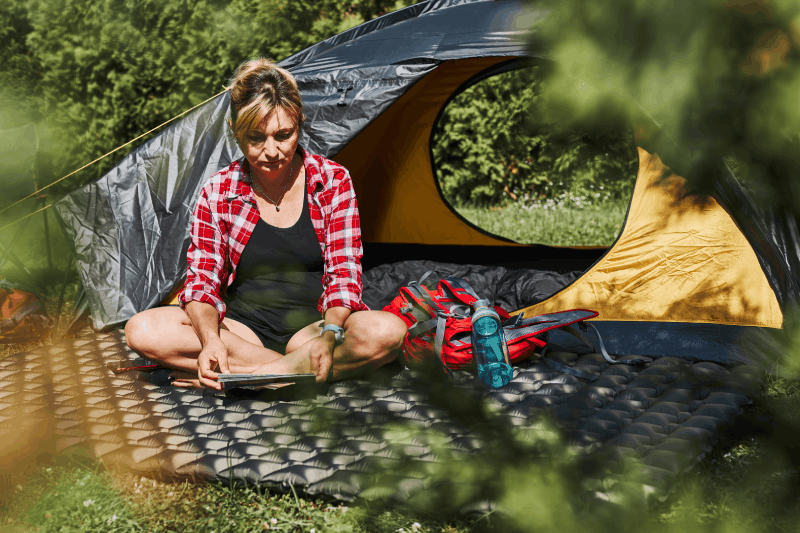
The best method to protect nature is to take no trash to the campsite. While preparing at home, remove the outer packaging of food (cardboard boxes, unnecessary plastics) and place the products in reusable silicone bags or containers. This way, your backpack will be lighter, and you won't accumulate waste that is difficult to recycle at the campsite. Creating a "waste plan" at home to determine how to recycle each type of waste is an essential responsibility of a true nature lover.
How to Maximize the Battery Life of Your Lighting Equipment at Home?
While checking the batteries of your headlamp or flashlight, you can clean the oxidation in the battery compartments with a cotton swab and vinegar at home. Stock up on lithium batteries, which perform better at low temperatures, instead of alkaline batteries in your devices. Additionally, placing a small piece of paper between the batteries or inserting them backward to prevent accidental activation in your bag eliminates the risk of encountering a dead battery when you reach the campsite.
How to Optimize the Sharpness of Your Camping Knife at Home?
A dull knife is more dangerous than a sharp knife because it requires more force to cut, increasing the risk of slipping. Sharpen your knife at a 20-degree angle with your whetstone at home, and then use a leather strop to remove the burrs. Test if your knife cuts through paper smoothly. Additionally, lubricating the hinge parts of your knife with quality oil at home prevents rust and ensures the mechanism always operates smoothly.
How to Conduct a Micro-Climate Analysis for Proper Campsite Selection at Home?
Simply looking at the general weather is not enough. At home, check advanced meteorology sites that analyze the valley structure, wind direction, and elevation differences of the area you are going to. For example, predicting whether the wind will blow down from the mountain or up from the valley at night gives you a significant advantage in determining the direction in which you will set up your tent. Collecting this data at home helps you sleep peacefully instead of waking up in the middle of the night due to a storm.
How to Practice Knot Techniques for Backup Rope at Home?
Knowing how to tie knots can save your life in situations like setting up a tent, hanging gear, or making an emergency shelter. Take a piece of paracord at home and practice basic techniques like "tent stake knot," "cargo knot," and "tension knot" until you become proficient. Being able to tie these knots even with your eyes closed speeds up your work in the dark or in the rain. Preventing the ends of the ropes you will take with you from fraying by melting them with a lighter at home is also a professional touch.
How to Support Your Physical Condition Before Camping at Home?
Walking for miles with a heavy backpack requires serious effort. Two weeks before the camping date, put weights (water bottles or books) in your backpack at home and practice going up and down the stairs. This helps your back and leg muscles adapt to the load. Additionally, stretching and mobility exercises you do at home can prevent muscle strains or joint injuries that may occur during sudden movements while camping, ensuring your holiday is not ruined.
How to Compact Your Spices and Seasonings at Home?
To not compromise on flavor while eating in nature, divide your spices into small packages at home. You can burn the ends of empty medicine containers or small pieces of straws to seal them and fill them with spices like salt, pepper, and oregano. This method ensures you have portioned flavor packets for each meal instead of carrying large jars. This mini set you prepare at home takes up almost no space in your backpack while transforming your camp kitchen into a gourmet experience.
How to Improve the "Water Resistance" Rating of Your Equipment at Home?
Your electronic devices or clothing may not be completely waterproof. Check your "dry bags" (waterproof bags) at home; inflate them and seal them, pressing down to see if air escapes, as water will escape too. If there are holes, patch them with repair patches at home. Additionally, applying a thin layer of vaseline to the battery covers of devices like headlamps that may leak is an old but effective sailor's method that can be applied in seconds at home.
How to Create a "Checklist" at Home Before Camping?
Forgetting a lighter or a roll of toilet paper can ruin the entire camping trip. Be sure to create a categorized checklist (Shelter, Kitchen, Clothing, Hygiene, Electronics) on digital or paper before you leave home. Instead of checking off the list as you pack each item, spread the items out in the middle of the room and do a "visual check." This method helps your brain notice missing pieces faster. The final check done before leaving home is the biggest enemy of "if only" moments in nature.
How to Restore Your Wet Wipes to Functional Condition at Home?
Wet wipes are the biggest helper in camping, but they dry out quickly if left open. At home, you can revive dried-out or partially dried wipes by adding a small amount of drinking water and a drop of tea tree oil (for antibacterial properties). Additionally, dividing the packages into smaller ziplock bags prepares a fresh and moist set for each day, saving weight and maximizing hygiene.
How to Choose "No-Wash" Items for Your Camp Kitchen at Home?
Water may be limited in nature, and washing dishes can be a hassle. At home, prefer non-stick and easy-to-clean titanium or hard anodized aluminum utensils instead of cast iron pans. Additionally, setting up a system where you can vacuum seal the meals you prepared at home (if you have a vacuum machine) allows you to heat them directly in the bag, completely eliminating the dishwashing hassle. Comparing the weight of each pot using your kitchen scale at home helps you choose the lightest and most functional one.
How to Prepare "Powder and Band" for Your Foot Health at Home?
Proactive measures should be taken to prevent blisters that may occur during hiking. At home, identify the areas of your feet that are most prone to blistering (heels, sides of toes). Cut moleskin or quality sports tape into appropriate sizes to apply to these areas. Additionally, filling a small container with baby powder or special foot powder at home to prevent your feet from sweating is a professional preparation that stops moisture-related blister wounds before they start.
How to Conduct a "Mental Rehearsal" (Scenario Planning) at Home Before Camping?
Mental preparation is as important as physical preparation. Sit on your couch at home and think about possible scenarios: "What will I set up first if it starts to rain?", "What was the last clear landmark I saw if I get lost?", "If my moon (moon phase) comes, where will my food be?" Clarifying the answers to these questions at home helps you make the right decisions automatically instead of panicking in a crisis. Mental preparation is the strongest "equipment" you have in nature.
How to Determine Your Sun Protection Strategy at Home?
Sunburns are one of the biggest factors that ruin camping comfort. At home, don't just settle for sunscreen; check the "SPF" value and expiration date of the cream. Also, choose a lightweight, breathable, and UV-protective hat or buff to use during the hours when the sun is at its peak. Don't forget to add a sun-protective lip balm to your hygiene kit at home to prevent your lips from chapping.
Who Should You Leave Your "Logistics and Communication Plan" With Before Camping?
It is critical for your safety that someone knows where you will be when you go out into nature. Leave a note with your planned route, estimated coordinates where you will set up camp, and your return date with a trusted friend or family member at home. Giving clear instructions like "If you don't hear from me by this time, call this number" makes it 500% easier for rescue teams to find you in emergencies. This simple home preparation could be the fine line between life and death.
How to Test the "Layering System" in Your Clothes at Home?
Instead of a single thick jacket, try a three-layer (base, mid, shell) system at home. Test whether the inner layer wicks moisture away, the middle layer provides insulation, and the outer layer cuts the wind by stepping out onto the balcony in windy conditions. Checking whether the layers fit comfortably over each other and whether they restrict your movement prevents you from feeling like a "cabbage" that is layered but unable to move in nature.
How to Set Up "Reflector" Systems for Lighting Inside Your Tent and for Camp Lanterns at Home?
A powerful light coming from a single point can strain your eyes. At home, clean a milk jug or a transparent water bottle. Test how the light from your lantern softens into a room-like illumination (diffusion) when you hold it up to this bottle at the campsite. Additionally, preparing lightweight carabiners or magnetic hooks at home to hang from the ceiling of your tent is a comfortable detail that allows your hands to be free while reading at night or organizing your backpack.
How to Conduct "Equipment Cleaning and Disinfection" at Home Before Camping?
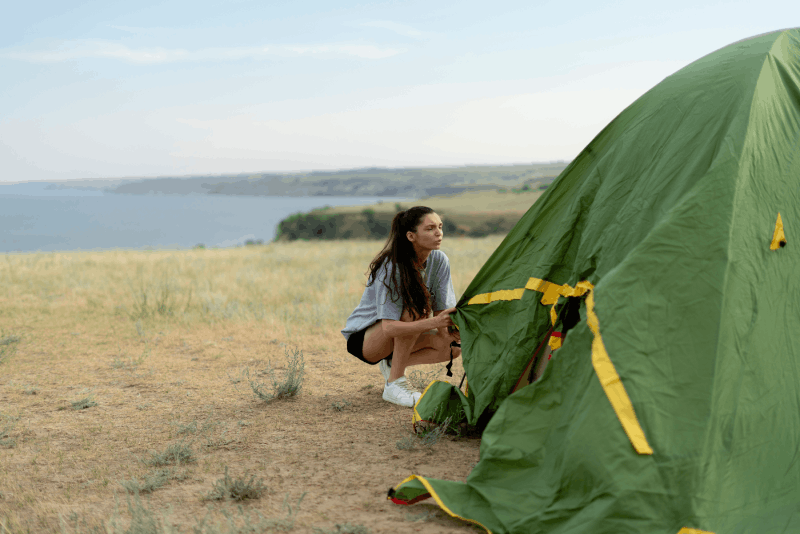
A damp tent or a dirty stove left over from the last camp is a breeding ground for mold and bacteria. At home, air out all your equipment, wipe it down with vinegar water, and ensure they are completely dry. Especially cleaning your water filters with clean water at home by "backwashing" them removes any sediment inside, eliminating the problem of slow water flow at the campsite. Clean equipment is long-lasting equipment, and the best place to perform this maintenance is in the safe environment of your home.
How to Make Your Personal Care Products "Eco-Friendly" at Home?
Standard shampoos and soaps can harm water sources. At home, transfer products labeled "biodegradable" into small containers. You can even prepare your own natural toothpaste or deodorant at home using baking soda, coconut oil, and essential oils, aiming for zero chemicals in nature. This preparation is a noble effort that protects not only your health but also the ecosystem you visit.
How Should Your "Sizing and Sorting" Strategy for Campfire Wood Be at Home?
To avoid wasting energy chopping large logs in nature, check the sharpness of the axe or saw you have at home. If possible, bringing some dry kindling or small branches from home for the initial phase of the fire (especially if you are going to a rainy area) will provide significant convenience. Storing these pieces in a small mesh bag at home and hanging them outside your backpack saves you time when setting up your stove as soon as you arrive at the campsite.
How to Set Up a Lockable Bag and Container System for "Safe Storage" at Home?
To prevent the smell of your food from spreading (especially in areas where wildlife is present), use "odorless" packaging methods at home. Double-lock vacuum bags are ideal for this job. Label each item according to its date and time (Breakfast-1, Dinner-2, etc.) to ensure you know what you will find in the dark. This organization eliminates confusion at the campsite and gives you more time to enjoy your meal.
How to Practice "Emergency Whistle and Signal Mirror" at Home?
Test how far the sound of an emergency whistle travels or how you can reflect sunlight with a mirror at home (without disturbing others). Check if your whistle is easily accessible in your bag. Memorizing the location of these small safety items at home allows you to call for help in seconds during an accident; remember that even simple tasks can become difficult in stressful situations.
How to Detect Air Leaks in Your Sleeping Pad at Home?
The biggest problem with sleeping pads is tiny holes that are not visible to the eye. At home, inflate your pad and apply soapy water on it; bubbles will form at the leaking spots. Patching these holes with your repair kit at home and letting it dry prevents you from waking up on hard and cold ground in the middle of the night. Researching the insulation (R-Value) of your pad at home and confirming whether it is suitable for the ground temperature of your destination guarantees a comfortable sleep.
How to Research "Local Regulations and Permits" from Home Before Camping?
Each area may have its own rules (such as fire bans or mandatory bear canisters). At home, check the websites of the national parks or forest management offices in the area you are going to. Obtaining necessary permits online at home or printing them out to take with you prevents legal issues you may encounter with officials at the campsite. Being informed is the first step to being a responsible camper, and this research is best done at your home computer.
How to Test All Functions of Your "Multi-Tool" at Home?
You may have never used the pliers, can opener, or screwdriver on your multi-tool before. At home, open and close each part of this tool one by one and test its functions. If any part is rusty or difficult to open, perform maintenance at home by oiling it. Being able to rely on your tool when you need to tighten a screw or cut a wire at the campsite is a small but vital preparation that saves you from many technical mishaps.
How to Modify the "Rain Cover" of Your Camping Backpack at Home?
The standard rain covers that come out of backpacks can sometimes fly away in heavy winds. At home, you can ensure a tighter fit by adding elastic bands or clips to the edges of the rain cover. Additionally, applying seam sealer to the rain cover or placing a large trash bag inside the backpack to create a "double-layered protection" ensures that your gear stays completely dry even in the heaviest storms.
What Are the "High-Energy Snacks" Recipes You Can Prepare at Home?
Instead of packaged products when your energy drops during hiking, make your own "energy balls" at home. Mix oats, peanut butter, honey, and dried fruits, roll them into balls, and freeze them in your fridge to take to camp. These snacks are healthier and raise your blood sugar levels in a balanced way. Preparing these little treats at home will give you the magical motivation you need when you feel like giving up on the trail.
How to Refresh Your "Navigation and Compass" Knowledge at Home?
Practice taking bearings with a compass from one point to another on a map at home. Remember how to read the scales on the map and how to calculate the difference (declination) between true north and magnetic north. Refreshing this technical knowledge at home ensures you retain the ancient skill of navigating without technology when it fails in nature. Knowledge is your lightest but most functional gear.
How to Conduct an "Ultralight" Analysis of Your Gear at Home Before Camping?
Take your kitchen scale at home and weigh each item. Ask yourself, "Do I really need this?" for each item. For example, save grams by choosing a microfiber cloth instead of a heavy towel or a small headlamp instead of a large flashlight. This weight analysis done at home will help you shed unnecessary loads you will carry on your back during the camp, doubling your hiking enjoyment.
How to Check the Shape of Your Tent Stakes at Home?
A bent tent stake won't go into hard ground and will throw off the balance of your tent. Check your stakes at home; straighten the bent ones with a hammer or replace the severely bent ones with new ones. Additionally, lightly sharpening the ends of the stakes at home with a file speeds up the setup on rocky ground. Marking your stakes with bright colored ropes or tapes at home is a clever preparation that eliminates the risk of losing stakes among the grass at the campsite.
How to Plan Your "Post-Camp Cleaning and Storage" at Home in Advance?
Since you will be tired after camping, you should think about your home preparations before the camp. Designate a corner where your equipment will dry, keep the washing machine empty, and prepare cleaning supplies to lighten the load on your return. Storing your equipment with the same care you used to clean it before going to camp ensures you start preparing for your next adventure right away. Good camping preparation is an endless cycle.