How Does Preparing Camp Meals at Home Affect Time Management?
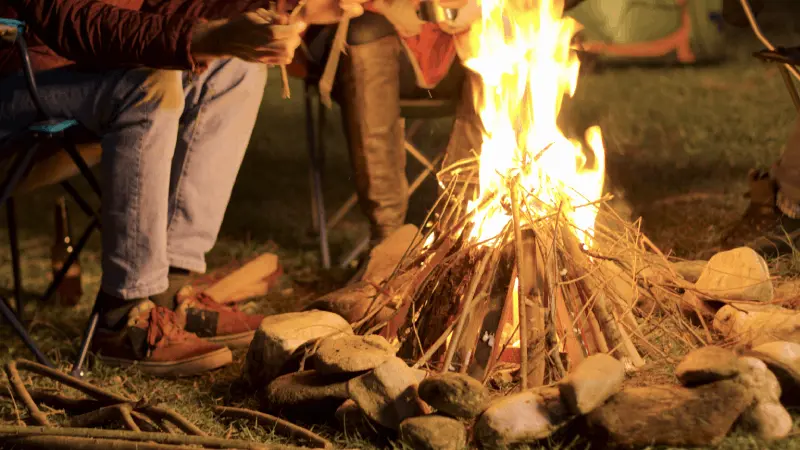
Completing meal preparation at home allows you to dedicate your valuable time at the campsite to discovering nature or resting. Chopping vegetables, marinating meats, and portioning at home minimizes the amount of equipment you will need at the campsite. Additionally, thanks to sharp knives and spacious countertops at home, the processes are completed much faster and more hygienically. This preparation process helps reduce your stress levels by allowing you to focus solely on the "cooking" and "enjoying" phases at the campfire, taking your outdoor experience to a more professional level.
What Is the Secret to Keeping Marinated Chicken Dishes Tender at Camp?
Proper marination done at home is vital to prevent chicken from drying out and to preserve its flavor while camping. Chickens that are rested in a sauce made with yogurt, olive oil, garlic, and oregano for at least 12 hours will fully absorb the flavor by the time you reach the campsite. Arranging the meats in vacuum bags or airtight containers at home ensures that you only need to place them over the fire at the campsite. This method keeps the meat juicy even over an open flame by tenderizing its fibers. Additionally, the acidic nature of the marinade (using lemon or vinegar) naturally extends the meat's shelf life, enhancing safety.
How to Store Frozen Vegetable Packs in a Cooler Bag?
A great technique to efficiently use the space inside your cooler bag is to chop vegetables at home, place them in zip-lock bags, and then freeze them. Frozen packs of peppers, corn, and peas act as ice blocks inside the cooler, helping to keep other foods cold. These vegetables, which can be thawed on the second or third day of camping, are ready to go straight from the bag to the pan or foil without losing any freshness. This strategy saves you ice pack space and reduces the amount of trash at the end of the camping trip. However, it is crucial that the vegetables are thoroughly dried before freezing to prevent excessive moisture.
How to Quickly Serve Vacuum-Sealed Fajita Ingredients at Camp?
Bringing the beloved Mexican dish fajita to camp is very simple with proper packaging done at home. You can place sliced meats, colorful peppers, and onions with spices into a vacuum bag and remove the air. At camp, all you need to do is heat a cast-iron pan and dump the contents of the bag into it. The vacuum sealing process ensures that the ingredients touch each other and the flavors blend; this allows you to enjoy a restaurant-quality meal over the campfire. You can quickly complete this impressive meal by heating the tortillas you bring along over the fire for just a few seconds.
What Precautions Should Be Taken When Storing Egg Liquid in a Container?
Transporting eggs, an essential part of camp breakfasts, in their shells is always risky. Instead, you can crack as many eggs as you need at home, add salt and a bit of milk, and mix them in a container with a whisk. It is important to tightly seal the container and store it in the coldest part of the cooler. This method not only saves you from the worry of breakage but also allows you to pour directly into the pan and make an omelet in seconds. The key point to remember is to shake the container well before opening and ensure that it has been thoroughly cleaned beforehand; hygiene is the biggest factor in preventing spoilage at this point.
Which Spices Should Be Selected When Preparing Salmon in Foil?
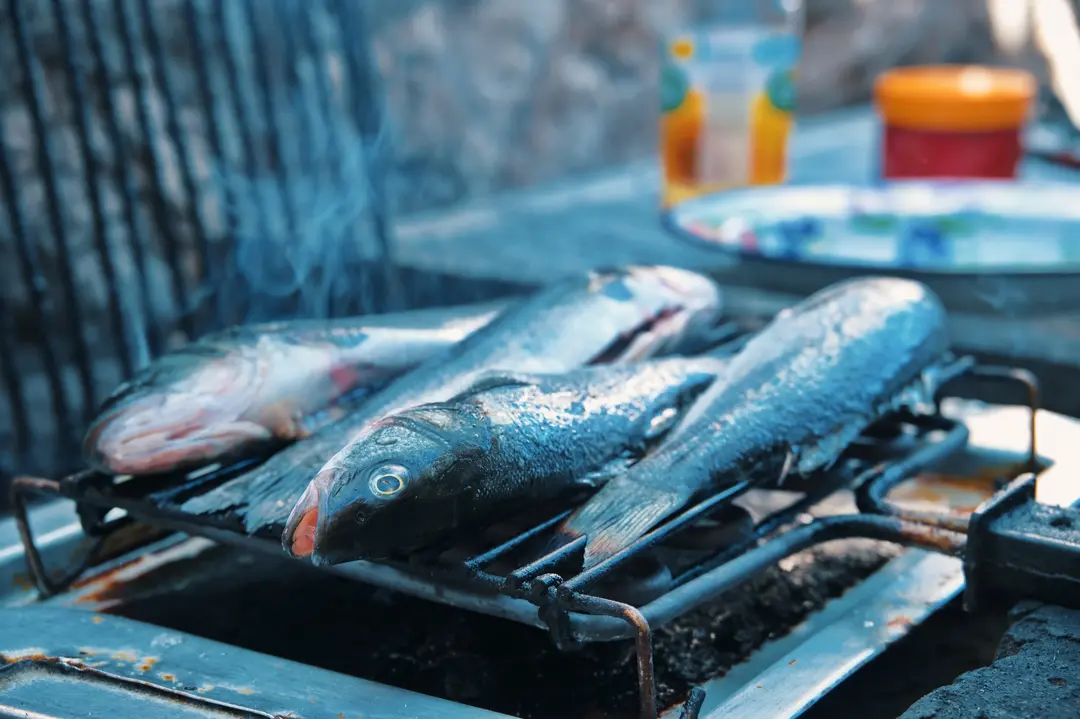
Fish is one of the most delicate foods to cook while camping; however, aluminum foil makes this process much easier. At home, place salmon fillets with asparagus, thinly sliced lemon, and fresh rosemary in foil packets. Add olive oil, salt, and a pinch of black pepper, then tightly seal the packets. When you place these prepared packets directly over the coals or on the grill at camp, the salmon cooks perfectly in its own juices and steam. Specialty spices like bay leaves or garlic powder balance the fish's aroma with the intense heat inside the foil, creating an appetizing scent.
Why Are Pre-Cooked and Frozen Meatballs Advantageous?
After shaping the meatballs at home and lightly sealing them (partially cooked), freezing them provides great convenience while camping. This method eliminates the risk of the inside of the meatballs remaining raw while shortening the time needed to give them that smoky flavor over the campfire. Additionally, it is a safer alternative against the risk of contamination and dripping from completely raw meat. Packaging the meatballs in portions allows you to only defrost as many as you will consume. When combined with a side of homemade piyaz or grilled pepper salad, you can turn your camping dinner into a feast.
How to Apply Pancake Mixture Prepared in a Zip-Lock Bag?
Eating fresh pancakes in nature may seem like a luxury, but it is very easy with a zip-lock bag. At home, place flour, baking powder, sugar, and salt in a bag; at the campsite, simply add an egg and milk (or water) to it, seal the bag, and knead it with your hands. When the mixture is ready, cut a small amount from the end of the bag and pour it into the pan in portions. This "ready mixture" method means you don’t have to carry a mixing bowl or whisk with you. Plus, you won’t waste time cleaning up in nature since there are no dishes to wash. You can make a great start by adding a bit of honey or jam you brought from home on top.
How to Prepare "Ready Soup" with Dry Foods?
Is It Healthy?
Instead of packaged soups in markets, you can create your own healthy mixtures at home. Layer dried lentils, finely chopped dried vegetables, broth cubes, and your favorite spices in a glass jar or bag. At the campsite, just add hot water to this mixture and cook until the legumes soften. This method offers a dinner that is preservative-free, high in fiber, and filling. Especially on cool camping nights, these soups, which provide warmth, are among the most preferred practical solutions due to the comfort of being homemade.
How to Prepare Portion-sized Casseroles at Home and Cook Them Over Coals?
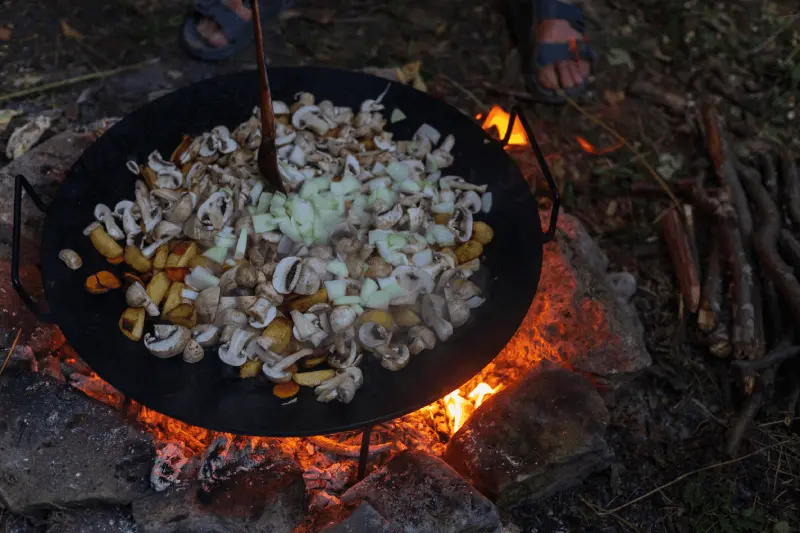
You can share omelets or vegetable mixtures with mushrooms in small clay casseroles or thick aluminum containers at home. Seal them tightly with foil and transport them in this way in the refrigerator. When you place these containers among the hot coals by the campfire, the slowly cooked meals reach an incredible flavor. Since the casserole retains its heat for a long time, your meal won't cool down until it reaches the table. This method is especially ideal for tough meats that need to be cooked over high heat; because the heat from the fire combines with the moisture inside the casserole, softening the meat enough to separate it from the bone.
How to Pack Homemade Sauced Pasta Practically?
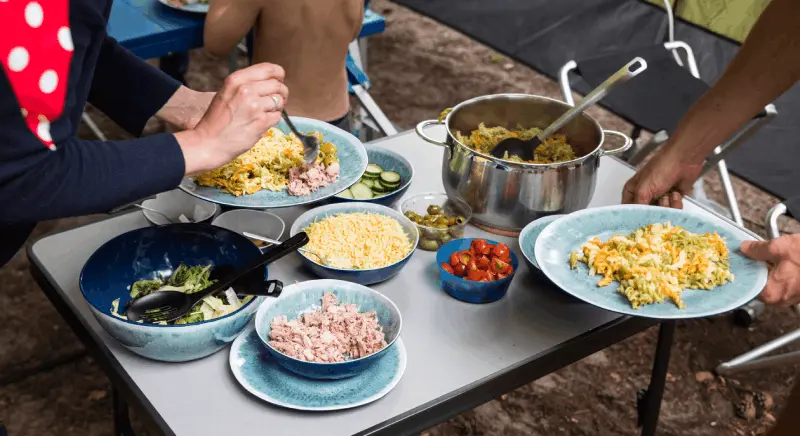
Boiling pasta at the campsite can lead to water waste and straining difficulties. Alternatively, boil the pasta at home to "al dente" consistency, rinse it in cold water, drizzle with olive oil, and place it in a zip-lock bag. Prepare the sauce (for example, bolognese or pesto) in a separate container. At the campsite, all you need to do is combine the pasta and sauce in the same pan and heat for a few minutes. This "one-pan" technique saves fuel and helps the pasta absorb the sauce better. Preparing a gourmet dinner with a bit of parmesan cheese will take you less than ten minutes.
How to Adapt Cheese and Pastrami Bread Filling for Camp Breakfast?
Slice the inside of a large loaf of bread at home in a café style but do not cut all the way through. Place slices of cheddar cheese, pastrami, and finely chopped parsley in between. Wrap the entire loaf in a large piece of foil. At the campsite, leave this package in a spot that is not too hot on the fire. This "tear-and-eat" style breakfast, where the cheese melts and the bread becomes crispy, is both fun and filling for large groups. Since you arranged the ingredients at home, all you need to do at the campsite is heat the bread. This method is also a great way to utilize stale bread.
How Long Do Vacuum-sealed Olive Oils Stay Fresh at Camp?
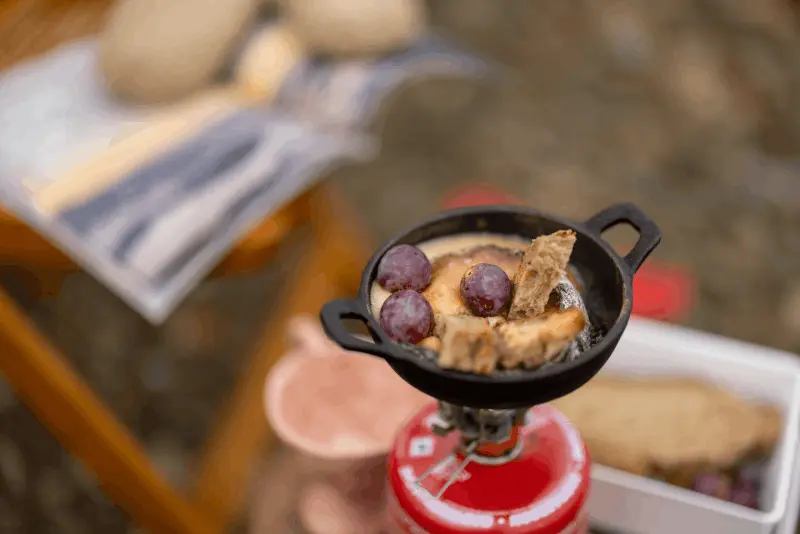
Olive oil beans, stuffed grape leaves, or imam bayıldı dishes are perfect for the first days of camping as they can be consumed cold. After cooking at home and completely cooling, portion them into vacuum bags; these dishes can last 4-5 days in refrigerator conditions (or a good cooler). Vacuum sealing minimizes the risk of spoilage by cutting off oxygen exposure and prevents accidents like spills/leaks. Instead of a heavy meal during the hot hours of camping, consuming a direct-to-plate olive oil dish will not only be easy on the stomach but also create a refreshing effect.
What Preparations Should Be Made at Home When Making Baked Potatoes Over the Campfire?
To enjoy the classic baked potato experience, instead of boiling the potatoes at home, just wash them thoroughly and dry them, then poke a few holes in them with a fork. Bring along small containers of corn, pickles, olives, and pre-prepared garnishes. Wrap the potatoes in foil and bury them in the deepest part of the coals. After cooking, open the middle and mix in the butter and grated cheese you brought from home. Since you prepared the ingredients at home, all that remains at the campsite is the mixing process. This method offers an interactive and filling activity for families with children, providing a meal option.
What is the Best Sauce Combination for Grilled Marinated Vegetables?
Vegetables like eggplant, zucchini, and mushrooms tend to dry out on the grill. Marinate these vegetables in a mixture of balsamic vinegar, soy sauce, garlic, and olive oil for at least 2 hours at home. Transport the vegetables in a container with this sauce. When you throw them on the grill at the campsite, the sugars in the sauce will caramelize and add an unmatched flavor to the vegetables. Adding a bit of fresh thyme to the sauce helps retain the moisture inside the mushrooms, enhancing the aroma. This light dish works perfectly as a balancing garnish alongside heavy meat dishes.
How to Quickly Cook Bulgur Pilaf Soaked in Broth at Camp?
Instead of boiling bulgur for a long time at camp, you can soak it in hot broth or chicken stock at home for 15 minutes, then drain it lightly before packing. This "partially soaked" bulgur will be ready to serve in just 5 minutes at the campsite with a bit of water or butter in the pan. You can also enhance the flavor profile by adding dried tomatoes or roasted peppers that you prepared at home. This technique reduces cooking time by about 70% and ensures that each grain of bulgur captures the flavor, resulting in a more delicious outcome.
Frozen Minced Meat Stir-fry
What Practical Meals Can Be Made with Minced Meat?Cook the minced meat at home with onion, pepper, and spices until well browned, then let it cool and spread it flat in a freezer bag to freeze. This frozen minced meat can be the base for many meals while camping. You can add it to your morning eggs, make a sauce for pasta in the evening, or simply heat it up and make a wrap with lavash. Since it is frozen flat, it defrosts very quickly and becomes a lifesaver in emergencies (like arriving at camp late at night). Choosing fatty minced meat is a better option to prevent flavor loss after freezing.
Does Preparing Ahead for Chocolate Banana Dessert on the Grill Require?
The beloved dessert of camping, chocolate banana, only requires you to slice the banana peel lengthwise at home and place pieces of chocolate and optional marshmallows inside. Wrap the prepared bananas individually in foil. The packets you leave on the grill after dinner at camp will turn into a legendary dessert within 5-10 minutes as the chocolate melts. You won't get your hands dirty for the ones you prepared at home, and you won't need to carry an extra knife with you. You can elevate this simple dessert to a gourmet dish by adding some crushed hazelnuts on top.
What Role Do Dried Meat and Pastrami Play in Camp Cooking?
To counter the risk of fresh meat spoiling, bringing quality pastrami or dried meats from home is a great source of protein. Cut these meats into small pieces at home and vacuum seal them. You can add them to any legume dish, pasta, or just on top of a slice of bread to add depth. Especially in the last camping days when the temperature in the refrigerator rises, these products, which have a low risk of spoilage, serve as a safe haven. Additionally, since they are lightweight, they provide high energy without adding extra weight in backpacking camps.
Does Menemen Filling Stored in Airtight Containers Spoil?
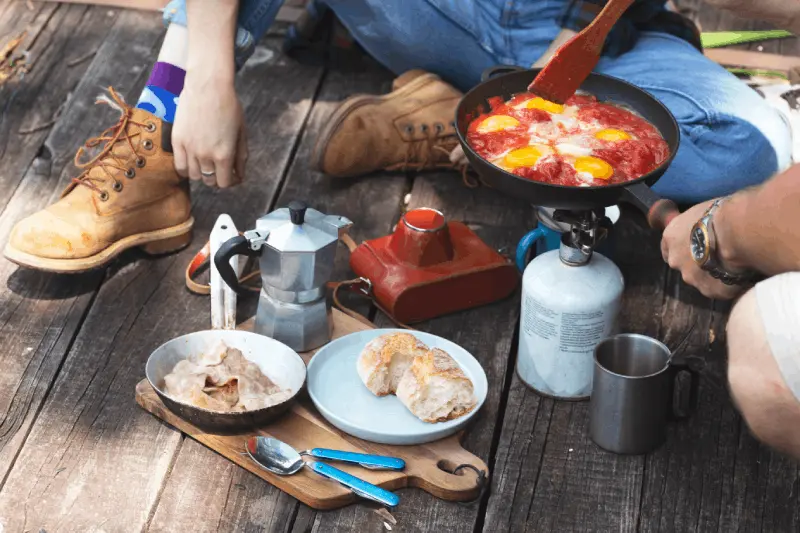
Chopping the tomatoes and peppers for menemen at home and pre-cooking them with a bit of oil (sautéing) and placing them in an airtight jar turns camping mornings into a feast. If stored properly, this filling can maintain its freshness for 2-3 days. At camp, you just need to pour it into a pan and heat it up, then crack the eggs on top. Although the acidity of the tomatoes acts as a natural preservative, it is advised not to add raw onions; because as long as the onion sits, its taste can become overpowering. If you chop the onion fresh at camp or plan to make a completely onion-free filling, you should be careful to consume it on the same day.
What Should Be Done to Prevent Browning While Preparing Fruit Salad?
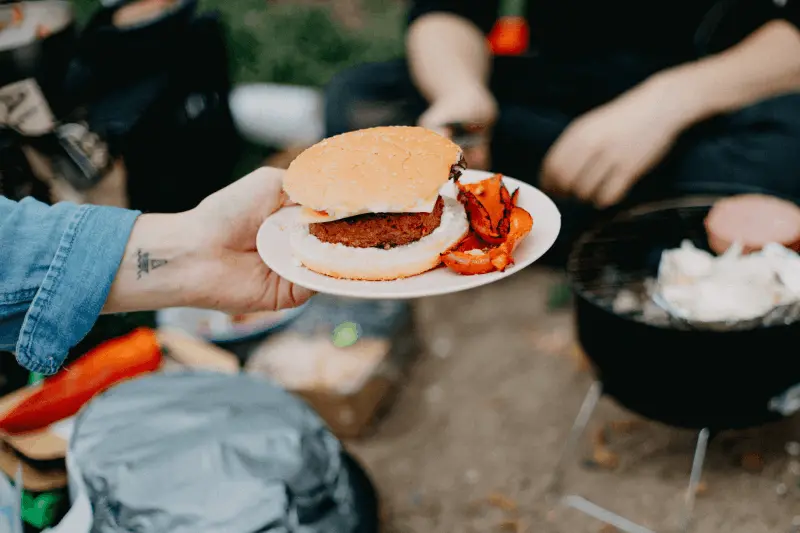
To avoid the hassle of peeling fruit at camp, you can prepare a fruit cocktail at home. To prevent fruits like apples, pears, and bananas from browning, add plenty of lemon juice or orange juice on top of the salad you prepared. Vitamin C slows down oxidation, keeping the fruits looking fresh. Store this mixture in an airtight plastic container. After a tiring hike during the camp, the icy fruit salad you take out of the cooler will satisfy your hydration needs and instantly boost your energy with natural sugar.
Why is a Cast Iron Pan Indispensable Among Camping Equipment?
The only tool that allows you to cook the quality meat and vegetable packs you prepared at home in the best way is a cast iron pan. Thanks to its even heat distribution feature, it balances the irregular heat of the campfire and ensures that the outside of the meat is sealed while keeping the inside juicy. The cast iron pan also allows you to continue a dish you started at home (like an oven dish) over the campfire. Although its weight may seem like a disadvantage, it deserves to be the heart of every camp kitchen with the flavor difference and durability it offers. Bringing a bit of coarse salt with you is enough for cleaning.
Are Meals Pre-Cooked and Kept Warm in a Thermos Safe?
In short-term (day trips or overnight) camps, putting a hot soup or stew you cooked at home into a high-quality food thermos is a great idea. Pre-warming the thermos with hot water helps keep the food warm for up to 12 hours. However, the most critical safety rule in this method is that the food must not drop below 60 degrees; because below this temperature, bacteria growth accelerates. If you plan to consume the food within 4-5 hours, this method is quite practical and allows you to have a hot meal without lighting a fire at the campsite.
What is the "Single Bag" Method that Reduces the Amount of Dishes at the Campsite?
When preparing your meals at home, you can layer the ingredients in the same ziplock bag according to the cooking order. For example, the meats at the bottom, onions on top, and vegetables at the very top. At camp, you will have managed to use all the ingredients with just one bag by first putting the meat at the bottom in the pan and then adding the others by squeezing. This method prevents you from dirtying multiple containers or plates at the campsite, cutting your cleaning time in half. In situations where water is limited in nature, this kind of smart packaging solutions can be a real lifesaver.
How to Best Cook Marinated Lamb Chops at Camp?
At home, marinate the lamb chops only with fresh rosemary, garlic, and olive oil, and vacuum seal them. Keeping the salt until cooking time prevents the meat's juices from leaking out. After the fire has died down at camp, place the grill about 10-15 cm above the fire. Cook the chops for 3-4 minutes on each side. The simple yet effective marination done at home balances the dominant flavor of the lamb and results in a tender texture. You can elevate the camp table to a luxurious restaurant experience by serving it with grilled garlic on the side.
How to Transform Dried Spice Mixtures Prepared at Home into Camp Meals?
Instead of carrying separate spice jars for each meal, prepare a spice mix at home. Create "signature blends" for different types of cooked meals. For example; a blend of smoked paprika, cumin, and sea salt for red meats; prepare a blend of curry, garlic powder, and dried parsley for chickens. You can carry these blends in small film containers or mini zip-lock bags. Adding a pinch of these blends to even the simplest meal you prepare at the campsite instantly deepens the flavor profile of the dish. It is important to keep the spices away from sunlight during the camping period to preserve their freshness.
How Does Organizing Your Cooler Prevent Food Spoilage?
When filling your cooler, place the foods you will consume last at the bottom (where the ice is most concentrated), and your first-day foods at the top. Perishable items like meat should be in direct contact with ice, while vegetables and fruits should be content with the cold air in the upper layers. Every time you open the cooler, the warm air that enters shortens the lifespan of the food; therefore, a regular arrangement reduces the time you keep the lid open. Additionally, you should ensure that all packages are leak-proof to prevent the liquids from mixing.
What Preparations Should Be Made at Home for Easy Pizza Making While Camping?
Making pizza outdoors is not impossible! Prepare the pizza dough at home and place it in greased small bags. Keep the sauce and grated cheese in separate containers. At the campsite, lightly grease the bottom of a cast-iron pan and stretch the dough by hand. After cooking the bottom, flip it over and add the sauce and cheese on top, covering the pan with a lid (or foil) to wait for the cheese to melt. The "pan pizza" made this way has a much more characteristic flavor when combined with the smoky aroma of the campfire compared to oven pizzas.
Why Are Homemade Energy Balls Important During Camping Trips?
Besides the main meals, prepare energy balls at home with oats, peanut butter, honey, and dried fruits to prevent energy dips during the day. You can pack them in small portions and carry them in your pocket. These snacks, which take only 10 minutes to prepare, provide you with the energy you need instantly when your blood sugar drops at the campsite or during a long hike. Since they are made with natural ingredients, they are much healthier and more filling than packaged bars. Moreover, they are ready to consume at any moment as they require no cooking.
What Should You Bring from Home to Ensure Hygiene in the Camping Kitchen?
To maintain the care you show while preparing food at home in the campsite, make sure to bring biodegradable soap, a small sponge, and hand sanitizer with you. The vinegar water you prepared at home in a small spray bottle for cleaning surfaces that come into contact with meat serves as a natural disinfectant. Additionally, carrying disposable gloves to use when opening raw meat packages is the most practical way to keep your hands clean in a camping environment where water is limited. Remember, a good camping experience is possible not only with delicious meals but also with a healthy kitchen arrangement.
Why Should We Prepare at Home?
Ultimately, every small preparation made at home returns to you as more freedom and comfort at the campsite. With the right marination techniques, smart packaging solutions, and strategic cooler management, you can create wonders in your camping kitchen. These methods not only make your job easier but also prevent food waste and reduce the carbon footprint you leave behind in nature. By applying the tips in this guide on your next camping trip, you can enjoy those unique flavor moments by the fire in a much more effortless way. Bon appétit and happy camping!