Why Should You Opt for Light Options Instead of Classic Breakfasts on Camping Mornings?
Camping life is the art of escaping the chaos of the modern world and harmonizing with the rhythm of nature. However, how you meet the energy your body needs while adapting to this rhythm is the most important factor determining the quality of your day. When a classic Turkish breakfast is filled with sausages, heavy cheeses, and pastries, your digestive system expends a lot of energy to process this heavy load. This can make you feel sleepy and sluggish during the most productive hours of the morning. On the other hand, light options like dried fruits and yogurt provide natural sugars and quality proteins that enter the bloodstream without burdening the stomach. Not overloading your body before long hikes or climbs increases your mobility. A light breakfast ensures that your mind is clearer and helps you focus better on the sounds, scents, and views of nature. Therefore, opting for these easily digestible, nutrient-dense, and practical alternatives with the first light of camping will provide both physical and mental relief.
Why Do Dried Fruits Provide a Weight Advantage in Your Camping Backpack?
For a backpacker with a backpack on their back, the biggest enemy is unnecessary weight. Fresh fruits contain 80% to 90% water, which means you are actually carrying a large amount of water in your backpack. While the drying process removes water from the fruits, the vitamin, mineral, and sugar content becomes concentrated. For example, when one kilogram of fresh apricots is dried, it reduces to about 200-250 grams, but the nutritional capacity remains almost the same. This allows you to carry more calories and nutrients in a limited volume of camping backpacks, taking up less space. Additionally, fresh fruits are at high risk of bruising, spoiling, or rotting in nature. Dried fruits, however, are resilient and can withstand all weather conditions and physical pressure due to their sturdy structure. Dried figs, raisins, or blueberries stored in sealed bags are strategic camping foods that provide you with the highest energy efficiency per gram. This lightness, especially on challenging trails where altitude is gained, reduces the load on your knees and back, making your journey more enjoyable.
What Methods Should You Use to Keep Yogurt Fresh in Nature?
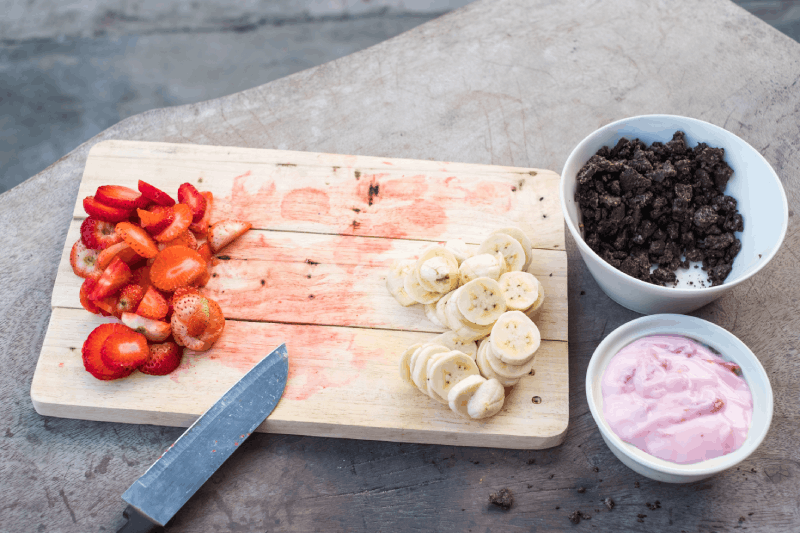
Consuming yogurt while camping can sometimes seem like a challenge due to limited cooling options. However, with the right techniques, it is possible to carry this fresh protein with you. If you are on a daily or short-term camping trip, a small thermal bag and a frozen water bottle will keep the yogurt at the ideal temperature. For longer adventures, opting for strained yogurt is a wise move; because strained yogurt has a lower water content, it spoils much slower than regular yogurt. Another creative method is to freeze the yogurt at home and take it to the campsite; as the yogurt slowly thaws, it keeps other foods cool and will be at the perfect consistency when breakfast time arrives. If you are a true nature enthusiast, you can also add powdered yogurt cultures or long shelf-life (UHT) small packaged yogurts to your list. Additionally, placing the yogurt in a glass jar and securing it in a cold stream at the campsite is the most romantic and effective way to use nature's own refrigerator. With these small precautions, you won't have to give up your probiotic source even in the heart of nature.
How to Prepare an Energy-Packed Breakfast Step by Step with Dried Fruits and Yogurt?
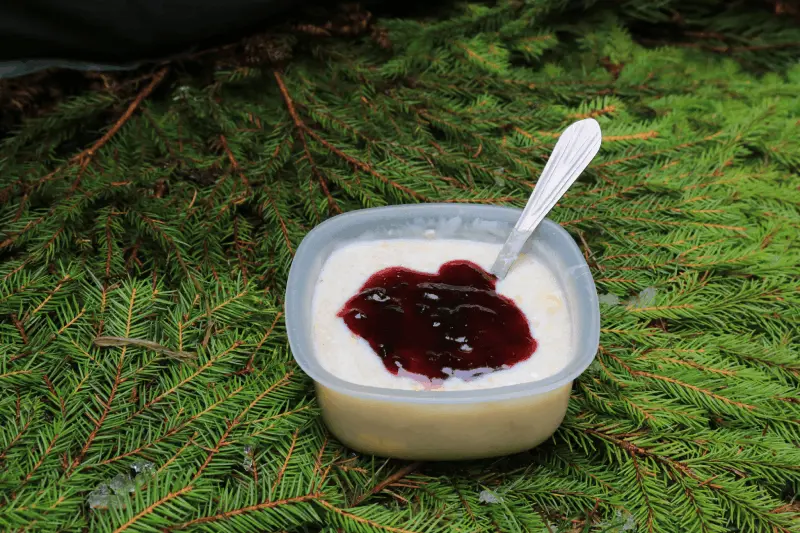
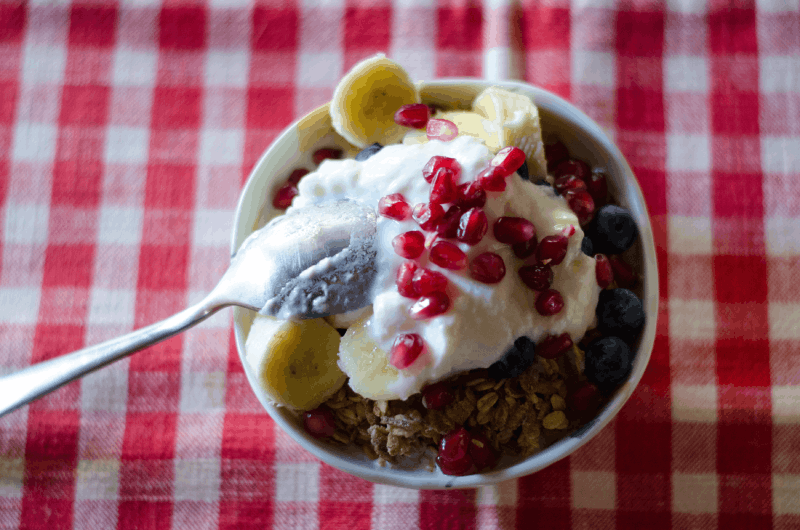
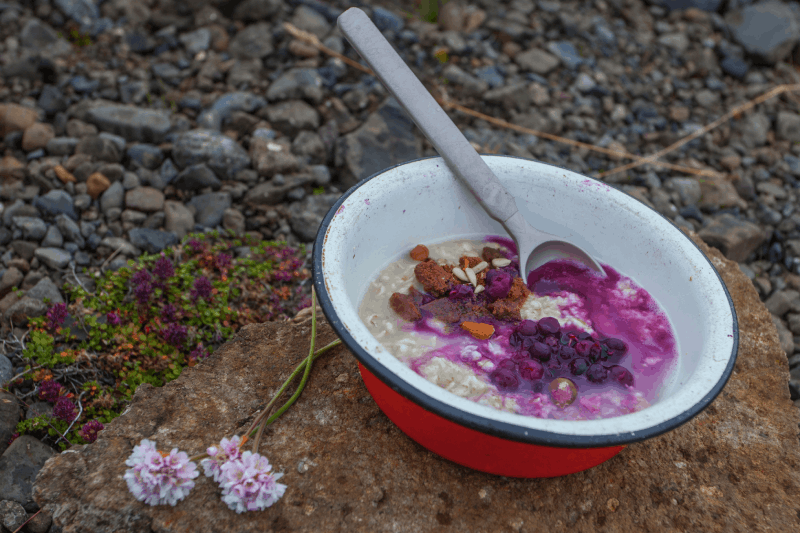
To prepare a perfect camping breakfast, you don't need complex equipment; just knowing the right order is enough. As the first step, put about 200 grams of yogurt into a deep camping plate or enamel cup that will serve as a bowl. If your yogurt is strained and very thick, you can thin it out with a bit of clean drinking water to achieve a creamy consistency. In the second step, chop the dried fruits you have into small pieces; this process helps the flavors of the fruits infuse into the yogurt more quickly. Sprinkle dried apricots, sun-dried raisins, or blueberry pieces over the yogurt. If you have time, letting the fruits sit for about 5-10 minutes after adding them to the yogurt will allow them to soften slightly and give the yogurt a natural sweetness. As a final touch, you can add some oatmeal or granola that you brought along to add crunch to the mixture. Be gentle while mixing so that the yogurt's smooth texture doesn't get ruined. This simple yet effective recipe will provide you with a balanced meal in terms of carbohydrates, protein, and fiber in just a few minutes.
How Does This Breakfast Recipe Support Your Digestive System in Challenging Nature Conditions?
Outdoor sports and camping can cause the body to step outside its usual routine; this often brings along digestive issues. Changing water quality, different sleep hours, and physical fatigue can slow down bowel movements. At this point, the duo of yogurt and dried fruits comes into play like a "miracle." Yogurt regulates the gut flora thanks to the live probiotic cultures it contains and creates a shield against harmful bacteria. Dried fruits, especially dried plums and apricots, are an incredible source of fiber. Fibers ensure that the digestive system works like a broom, preventing conditions like bloating and constipation, which are the nightmares of campers. Additionally, natural compounds like sorbitol in dried fruits help maintain the water balance in the intestines, facilitating digestion. Being a light meal does not disturb the acid balance of your stomach and allows you to move without feeling heavy right after eating. A healthy digestive system in nature directly affects your overall mood and energy, so this breakfast actually serves as a kind of natural medicine.
Which Combinations of Dried Fruits and Yogurt Will Elevate Your Taste Buds?
Creativity in camping cuisine is the art of creating wonders with limited ingredients. Since yogurt provides a neutral base, the combinations you can make with dried fruits are entirely up to your imagination. If you are looking for a tropical breeze, you can combine dried mango pieces with shredded coconut; this combination will give you an exotic energy in the early hours of the morning. For a more traditional and filling option, you can try sun-dried apricots, walnut pieces, and black raisins; this mixture will bring the ancient flavors of Anatolia to your camping table. If you love tart flavors, a bowl prepared with dried blueberries and sour cherries will create a perfect contrast with the yogurt's slight acidity. If your sweet tooth is high, chopping dried figs into small pieces and adding a pinch of cinnamon will turn the yogurt into a gourmet dessert. Since each fruit has its own unique texture and sugar content, you can experiment with different combinations every morning, diversifying your camping days in terms of flavor and avoiding monotony.
Is This Simple Breakfast Enough to Keep You Full Until Lunch?
Many people think that yogurt and dried fruits are just a snack, but this duo actually offers quite a strategic level of satiety. Yogurt contains high-quality animal protein, and proteins are one of the food groups that take the longest to digest, which helps maintain the feeling of fullness for a long time. Dried fruits, thanks to their dense fiber structures, take up space in the stomach and suppress hunger signals. The real secret of this breakfast lies in its "glycemic index" balance; the natural sugars from the fruits provide you with instant energy, while the protein and fat in the yogurt slow down the absorption rate of these sugars into the bloodstream. This way, you won't experience sudden fluctuations in your blood sugar levels and won't suffer from "hunger crises." If you have a steep climb or a 10-kilometer trail ahead of you, you can double the satiety duration by adding a handful of nuts (like almonds or hazelnuts) to the mixture. When portioned correctly, this light bowl will keep you energized until lunch break, maintaining your energy levels steadily.
How Do the Minerals in Yogurt and the Sugars in Fruits Affect Your Camping Performance?
Spending an active day in nature means your muscles and nervous system are working hard. Yogurt is not only a source of protein but also a tremendous reservoir of calcium, magnesium, and potassium. These minerals regulate muscle contractions and help replace electrolytes lost through sweating, especially in hot weather, preventing muscle cramps. On the other hand, the fructose and glucose in dried fruits are the body's favorite fuel types. They fill the glycogen stores in the liver, providing you with that "explosive energy" you need in the early hours of the morning. Especially when signs of fatigue begin, the antioxidants in dried fruits support cellular repair. So, this breakfast is not just fuel for your performance that day; it is also a "restorative" meal that helps erase the fatigue of the previous day. Strong muscles are the key to safer and longer adventures.
What Should You Do to Protect Dried Fruits from Moisture and Insects?
Food safety in the campsite is vital for both your health and to prevent your food from spoiling. Dried fruits, due to their high sugar content, are a magnet for ants, bees, and even small rodents. The first rule to protect them is to use airtight ziplock bags or lightweight plastic storage containers instead of their original packaging. Moisture is the biggest enemy of dried fruits; because humid air can cause the fruits to mold or spoil. Therefore, you should store dried fruits in a cool corner of the tent, elevated from the ground, and not exposed to direct sunlight. If you are camping in a very humid area, placing moisture-absorbing silica packets (of the type that does not come into contact with food) inside the bag can be a solution. Additionally, you should be careful not to leave any fruit pieces or sugary remnants around after breakfast; according to the "Leave No Trace" principle, food odors can attract wildlife to your campsite. A disciplined storage habit will ensure that your fruits retain their freshness and hygiene until the last day of camping.
How Can You Personalize Your Camping Breakfast with Plant-Based Yogurts?
For vegans or campers with lactose intolerance, a breakfast with dried fruits is an indispensable option. Nowadays, alternatives like coconut yogurt, almond yogurt, or soy yogurt do not fall short of the creamy texture and freshness offered by animal yogurts. Especially coconut yogurt is a great energy source for campers due to the healthy fats it contains and is a bit more durable at room temperature than animal milk products. The flavors of these plant-based yogurts generally pair well with dried fruits; for example, the slightly nutty taste of almond yogurt combined with the tartness of dried cherries creates a gourmet flavor. Additionally, since these products are often fermented, they continue to provide plant-based probiotics to support the digestive system. If you have trouble finding these products in stores, you can quickly create your own "yogurt" base by mixing some cashew butter with water and enriching it with dried fruits. This personalization option proves once again how inclusive and flexible camping cuisine can be.
Can Adding Honey and Nuts Turn This Light Breakfast into a Feast?
Our basic recipe of yogurt and dried fruits can turn into a gastronomic feast with small additions. Honey, the purest source of energy from nature, not only adds sweetness to your yogurt mixture but also strengthens your immunity in camping conditions with its antibacterial properties. Drizzling a spoonful of strained honey over the dried fruits not only appeals to your taste buds but also enhances the aesthetic pleasure of camping. Additionally, adding roasted hazelnuts, almonds, or pumpkin seeds will give the mixture a "crunchy" texture, increasing the enjoyment of chewing. Nuts also provide healthy omega-3 fatty acids and extra protein, maximizing the nutritional density of your breakfast. If you are carrying a small jar of chia seeds or flaxseeds, adding them to the yogurt will elevate the fiber content to the peak. These additions will transform a simple morning meal into the most anticipated moment of the day, making you feel like you are having breakfast in a luxurious restaurant; the only difference is that your view is not a five-star hotel but endless mountains.
How Can You Transport This Recipe Without Spoiling It on Daily Hikes?
If you are going to take a long hiking route without staying in one place at the campsite, you may need to prepare your yogurt mixture in advance and carry it with you. The biggest risk in this case is that the yogurt may become watery or spoil in taste due to heat. To prevent this, using a vacuum-sealed stainless steel food thermos that guarantees airtightness is the most professional solution. A quality food thermos can keep yogurt cold for 6-8 hours. During the preparation phase, placing the dried fruits at the bottom and the yogurt on top without mixing will prevent the fruits from making the yogurt watery too soon. You should do the mixing when you take a break. If you don't have a thermos, wrapping the yogurt container in a wet towel and placing it in the middle of your backpack, away from sunlight, is an old scout trick to keep it cool through evaporation. Additionally, placing a cold juice box around the yogurt container can serve as a temporary cooler. When you pay attention to these logistical details, rewarding yourself with a refreshing and nutritious treat when you reach the peak will be priceless.
What Are the Psychological Effects of Preparing a Bowl in the Middle of Nature?
Nutrition is not just a biological process; it is also a mental ritual. Sitting with a fresh bowl of yogurt and colorful dried fruits in hand, away from the city's noise and accompanied by bird songs, triggers the release of dopamine and serotonin hormones. The slowness in the preparation phase, watching the fruits being placed one by one and the vibrant colors of the fruits mixing with the whiteness of the yogurt, is one of the moments of "mindfulness" that modern humans desperately need. This light breakfast symbolizes that you value yourself and are one with nature. Instead of the heaviness or discomfort created by heavy meals, the lightness provided by this recipe boosts your confidence. Feeling more agile reduces your fear of challenging trails and nourishes your adventurous spirit. Additionally, seeing how satisfying a meal you can create with such simple ingredients helps you move away from consumerism and embrace the peace of minimalism. A bowl of happiness can sometimes help you store more morale than the most complex equipment.
How Do Dried Tropical Fruits Protect Your Immune System Throughout Camping?
Camping exposes the body to cold, wind, and sometimes wet conditions; this requires the immune system to be more alert than ever. Tropical fruits like dried mango, pineapple, papaya, and kiwi are real bombs of vitamin C and beta-carotene. During the drying process, these vitamins become concentrated. Vitamin C boosts the production of white blood cells, increasing your resistance to potential microbes in nature, while the bromelain enzyme found in pineapple helps reduce inflammation in muscles. Additionally, the rich antioxidants in dried fruits combat free radicals formed during physical activity, protecting your cells. Combined with the zinc and selenium minerals in yogurt, this breakfast becomes an edible "defense shield." Especially in camps held during seasonal transitions, regularly consuming this tropical mixture minimizes the risk of experiencing "post-nature cold." Protecting your health deliciously is the smartest way to ensure an uninterrupted and enjoyable camping experience.
What Should You Pay Attention to When Preparing Camping Breakfast with the "Zero Waste" Principle?
The biggest responsibility of nature lovers is to leave only footprints behind. A yogurt and dried fruit breakfast, when planned correctly, is a meal that produces almost no waste. Instead of buying dried fruits in single-use plastic packages from the market, buying them in bulk from herbalists and putting them in your own cloth bags or reusable silicone bags stops plastic waste. You can also make yogurt at home and bring it in a large glass jar or portion it from large packages into your camping container, preventing small plastic containers from becoming trash in nature. To clean your bowl after breakfast, using very little water and a bit of sand or a natural fiber cloth instead of chemical detergents protects water sources. Even scraping the last bits left at the bottom of the yogurt bowl with a piece of bread prevents waste and makes cleaning easier. Every meal prepared in accordance with the "Leave No Trace" philosophy allows future generations to enjoy an unspoiled breakfast in nature as well. Sustainability is the most fundamental ingredient of camping cuisine.
Why Are Yogurt and Dried Fruits a Lifesaver in Camps with Children?
Camping with children can sometimes turn into a logistical operation, and children's food preferences can complicate this process. The duo of yogurt and dried fruits is sweet, colorful, and familiar enough that most children cannot refuse. Visual presentation is important for children; making smiling faces or animal figures with dried fruits on top of the yogurt can turn it into a game that will whet their appetite. From a nutritional standpoint, this meal contains plenty of calcium and natural sugars needed for growing children. Instead of the excessive refined sugars and additives found in packaged corn cereals, the natural energy provided by dried fruits ensures that children remain balanced in their activity levels throughout the day rather than hyperactive. Additionally, it is so easy to prepare that you can allow children to prepare their own bowls, instilling a sense of camping responsibility in them. This "cold" preparation process, which does not carry the risk of kitchen accidents (like hot water burns), also creates the most stress-free and safe moment of the morning for parents.
How Do You Modify This Cold Breakfast to Keep Your Body Warm in Winter Camps?
Eating a bowl of icy yogurt in the winter's freezing cold may not sound appealing at first. However, with small touches, you can adapt this recipe for winter camping. The first rule is to take the yogurt out of the freezer or from the riverbank half an hour before eating, allowing it to come to room temperature (or the warmth inside the tent). The second and most effective method is to use "warming" spices. Adding plenty of cinnamon, a bit of powdered ginger, and even a tiny amount of hot red pepper (not chili flakes, but fine powder) to the yogurt will speed up your circulation and provide internal warmth. You can soak the dried fruits in a small amount of warm water (like leftover water from the kettle) for 1-2 minutes before adding them. The high-calorie duo of tahini and molasses you add will deepen the flavor and provide the fuel your body needs to fight the cold. In winter camping, energy means warmth; therefore, keeping your portions a bit more generous and adding plenty of dried fruits can help your body burn fuel.
Which Containers Are Most Suitable for This Recipe for a Minimalist Camping Kitchen?
For a minimalist camper, "multi-functionality" is sacred. Instead of carrying an extra bowl for your yogurt breakfast, you can use the titanium or stainless steel pot you used for dinner. Titanium containers are preferred by professionals due to their lightness, but they can heat up yogurt too quickly due to their excellent heat conductivity. Enamel mugs create a nostalgic camping atmosphere and have the ideal depth for your yogurt and dried fruit mixture. If you embrace the "lightweight" philosophy, collapsible silicone bowls are your best friends; they flatten when you're done and fit into your backpack's pocket. As for the spoon choice, a long-handled "spork" (a hybrid of spoon and fork) ensures you can reach every corner of the yogurt. Wooden spoons offer a natural touch and protect the taste of yogurt from metallic effects, but they need to be thoroughly dried after each use to remain hygienic. The right equipment not only reduces weight but also makes your breakfast ritual more ergonomic and enjoyable.
What Are the Advantages of Natural Sugars from Dried Fruits Instead of Sugary Sweets in the Morning?
Many people reach for chocolate bars or sugary cookies in the morning for a quick energy boost. However, these "empty calories" can lead to an insulin spike in your body and make you feel more tired an hour later. The sugars in dried fruits are trapped within the fruit's own fiber structure. These fibers slow down the passage of sugar through the digestive system, providing a more controlled and prolonged release into the bloodstream. This is what we call "sustainable energy." Especially in camping activities that require prolonged physical effort, sudden drops in blood sugar (hypoglycemia) can lead to dizziness and fatigue; dried fruits eliminate this risk. Additionally, unlike refined sugars, dried fruits come with potassium, iron, and vitamin A as packaged extras. Your body does not struggle to process these nutrients and recognizes them as natural fuel. The light and natural sweetness that lingers on your palate in the morning does not trigger the dryness or thirst caused by artificial sweeteners; this is a significant advantage in camps where water is precious.
How Does the Duo of Dried Fruits and Yogurt Ease Your Budget in an Economic Camping Plan?
Camping can sometimes turn into an expensive hobby, but it is possible to save on the nutrition part. Pre-packaged "ready-to-eat camping meals" are quite expensive. However, half a kilo of dried fruits like raisins and apricots, along with a large yogurt from a local market, can provide you with 4-5 quality breakfasts at a fraction of the cost of ready-made packages. If you buy fresh fruits in season and dry them at home (in the oven or in the sun), you can reduce the cost even further. Making yogurt at home is both healthier and much more economical. This budget-friendly approach allows you to use the extra money from your camping expenses to buy a better sleeping bag or a quality backpack. Additionally, these ingredients are low-risk for "waste"; you can consume any leftover dried fruits throughout the day as snacks. An economical breakfast not only benefits your wallet but also supports the camping philosophy of "live simply, be free," easing your conscience.
What Is the Cultural Value of Drying Local Mountain Fruits and Combining Them with Yogurt?
Anatolia and many geographies have a long-standing tradition of drying fruits for centuries. Purchasing locally dried fruits from the markets of the region where you are camping (for example, unsweetened apricots from Malatya, mountain figs from the Aegean, or dried blueberries from the Black Sea) adds cultural depth to your breakfast. This is not just a meal; it is tasting the story of that land. Supporting local producers is one of the ethical dimensions of camping. When you add the dried strawberries or rose hips you dried yourself to the yogurt, your connection with nature becomes even stronger. Knowing that nomads and herders used to feed on similar dairy products and dried foods also makes you a part of a historical continuity. This breakfast plate is a bridge where the wisdom of the past meets modern nutritional science. With every bite, you can feel the wind that dried that fruit, the sun you saw, and the soil it was harvested from. This awareness transforms your camping experience from just a sporting activity into a kind of cultural discovery journey.
Does the Water Content in Yogurt Help Prevent Dehydration in Hot Weather?
In hot summer camps, the body's biggest need is water. However, just drinking water may not always be sufficient for cellular hydration; the body needs electrolytes to retain this water. Yogurt contains about 80-85% water, and this water comes with electrolytes like calcium and potassium. This makes yogurt a "consumable hydration source." Although dried fruits are dry, they combine with the body's water during digestion, swelling and creating a water reservoir in the intestines. Consuming yogurt at breakfast ensures that you start your day with a good fluid balance. Especially before setting up a tent or hiking under the sun, the cooling effect of yogurt helps lower your body temperature. Adding a few mint leaves (if you find them in nature or brought them with you) will double this refreshing effect. Starting your day with this watery and mineral-rich breakfast is vital to prevent symptoms of dehydration like headaches and fatigue.
How Does the Protein Content in Yogurt Repair Tired Muscles from the Night Before?
Camping nights can sometimes be exhausting for the body due to hard ground, thin mats, or cold. Throughout the night, your body tries to repair the damage from the previous day's physical activity, and this process requires amino acids, i.e., protein. The quality yogurt you consume in the morning provides branched-chain amino acids (BCAAs) like "leucine" that are necessary for muscle repair. These proteins help you shake off the fatigue of the previous day and alleviate muscle soreness (DOMS). Yogurt also contains two different types of protein, casein and whey protein; whey protein quickly enters the bloodstream, while casein is digested more slowly, providing a continuous flow of amino acids to your muscles throughout the day. The antioxidants in dried fruits reduce oxidative stress in the muscles, speeding up the recovery process. So, this breakfast is not just fuel for your performance that day; it is also a "restorative" meal that helps erase the fatigue of the previous day. Strong muscles are the key to safer and longer adventures.
How Long Before Hiking Should You Consume This Light Breakfast?
Timing is one of the most critical details of athlete nutrition. Although yogurt and dried fruits are light, you need to give your digestive system some time to finish its work. Ideally, you should consume this breakfast about 45 to 60 minutes before starting physical activity. During this time, the simple sugars in the dried fruits will enter the bloodstream, and the proteins in the yogurt will leave the stomach and pass into the intestines. If you hit a steep hill right after eating, your body may be unsure whether to send blood to the leg muscles or the stomach; this can lead to stomach cramps or bloating. You can use this one-hour waiting period to pack up your campsite, review your route, or do some light stretching. If your time is very limited, you can speed up digestion by reducing the portion and thinning the yogurt a bit (to a consistency close to buttermilk). Proper timing ensures that energy is available exactly when you need it, that is, at the first steep step.
Which Dried Fruits Pair Best with Yogurt During Seasonal Transitions?
As the colors of nature change, our taste preferences and needs also change. In spring camps, dried strawberries or sour cherries, which have a refreshing effect to shake off the winter lethargy, are fantastic; the acidic nature of these fruits complements the freshness of spring. In the scorching heat of summer, fruits like dried melon or peach, which feel juicier and have a higher sugar content, support the refreshing quality of yogurt. In the nostalgic yet peaceful atmosphere of autumn, dried apples sprinkled with cinnamon and plenty of dried grapes fit perfectly with the feeling by the campfire. In winter, when energy needs peak, the most calorie-dense dried figs and dates should be on the menu. Each seasonal transition is a process of adaptation for the body; adjusting your fruit selections to this process (for example, using more rose hips for winter immunity) elevates your harmony with nature to a biological level. A camper who respects seasonal cycles will always enjoy the peace of consuming the most appropriate food at the most appropriate time.
What Are Some Easy Ways to Organize This Breakfast for Large Camping Groups?
Preparing breakfast in group camps can sometimes turn into chaos. Yogurt and dried fruits are the most "self-service" friendly method to prevent this chaos. With the "Yogurt Bar" concept, you can place a large bowl or pot of yogurt in the center of the table and surround it with small bowls of different dried fruits, nuts, and seeds. Everyone can freely prepare their own bowl according to their taste and energy needs for that day. This method reduces the amount of dishes (only one large pot and personal bowls) and allows everyone to have their breakfast at the same time and quickly. Additionally, respecting the different dietary habits in the group (vegan, gluten-free, etc.) is very easy with this system. You can energize the team spirit from the early hours of the morning by assigning one person the task of chopping the dried fruits and another the task of portioning the yogurt. A shared and communal table strengthens the bonds within the camping group and allows you to start the day with positive social interaction.
What Presentation Techniques Can Create a Visual Feast for Your Camping Photos?
Nowadays, camping also means immortalizing these unique moments with photos. A bowl of yogurt and dried fruits can turn into an Instagram star with the right presentation. The white yogurt base is an excellent canvas for contrasting with dark-colored fruits (black raisins, blueberries). Instead of randomly tossing the fruits, you can arrange them in circular or linear patterns in the bowl. Adding a fresh pine branch, a few wildflowers, or the wooden handle of your camping knife will add depth and an "outdoor" spirit to the photo. Lighting is very critical here; the horizontal and soft light of the morning sun (the golden hours) will best reveal the texture of the yogurt and the brightness of the fruits. Create a natural background by placing your bowl on a rock or on the wooden floor at the entrance of your tent. A beautiful presentation is not only important for the photo but also for your eating pleasure; because the rule of "the eye eats first" applies in nature as well. An aesthetic breakfast will nourish your soul as much as your stomach.
What Is the Shelf Life of Dried Fruits You Have Dried at Home in Camping Conditions?
Drying your own fruits is a wonderful hobby that enhances the quality of your camping kitchen. Homemade dried fruits are more natural than industrial ones as they do not contain preservatives like sulfur dioxide, but they are a bit more sensitive. Completely dried (with no moisture left) fruits can last between 6 months to 1 year if stored in a cool and dry place. However, this duration can shorten under changing temperature and humidity conditions during camping. If your fruits are in a "semi-dry" (slightly moist and soft) state, it is best to consume them within the first few days of camping. You should check for signs of spoilage such as mold, sour smell, or excessive darkening every morning. Slicing the fruits during the drying process increases the surface area, allowing moisture to escape better and extending shelf life. Make sure the fruits are completely cool before placing them in the camping bag; packing warm fruits can cause condensation and lead to spoilage. Protecting these healing sources you have dried with your own effort is a sign of your respect for them.
What Do Spices Like Cinnamon or Ginger Add to Yogurt Camping Breakfast?
Spices are the small but effective heroes of camping cuisine. Despite taking up very little space, they create massive differences in flavor and health. Cinnamon not only gives a wonderful aroma but also balances blood sugar, preventing sweet cravings and pairs perfectly with the sugars in dried fruits. Ginger, with its anti-nausea and digestion-enhancing effects, is especially lifesaving during high-altitude camps or challenging hiking mornings. If you feel a bit sluggish, adding a pinch of turmeric and a tiny bit of black pepper to your yogurt will help you create one of the most potent anti-inflammatory combinations in nature. More aromatic options like cardamom or vanilla extract can turn your breakfast into a gourmet experience, pairing wonderfully with your morning coffee. Carrying a small spice box allows you to discover different flavors every day with the same ingredients, breaking the monotony in your camping cuisine.
Why Should You Make This Light Start a Habit for Your Future Adventures?
Ultimately, the duo of dried fruits and yogurt is not just a recipe; it is a camping philosophy. Its practicality saves you time, its nutritional value elevates you to the peak, and its lightness does not hinder you from enjoying nature. Once you adopt this habit, you will realize how unnecessary the fatigue you felt after heavy breakfasts that took hours to prepare was. Being in nature means simplifying; reflecting this simplicity on your plate brings mental freedom. Trying a different dried fruit on each camping trip and savoring this bowl against different landscapes will become a ritual that remains unchanged yet renews itself every time. Prioritizing your health allows you to explore these paths for many more years. No matter how challenging your future routes are, as long as you have a pack of dried fruits and fresh yogurt with you, you will find the strength to overcome any obstacle with the first light of the morning. Now pack your bag, choose your fruits, and let nature embrace you.