Why Is the Leave No Trace Principle a Matter of Survival for Modern Camping?
"Leave No Trace" is a global ethical framework aimed at preserving the delicate balance of nature, far beyond just picking up our trash. The increasing outdoor activities in the modern world are putting unprecedented pressure on wild areas. These principles aim to minimize human impacts that exceed the self-repair capacity of ecosystems. Every trace a camper leaves in nature is actually a piece of the habitat of the wildlife there. If we do not make this awareness a universal standard, the landscapes and clean water sources we admire today will remain just a memory for future generations. Therefore, these ethical rules are not just a recommendation but a long-term survival strategy for nature and, consequently, humanity.
How Does Pre-planning and Preparation Play a Role in Protecting Nature?
Detailed planning done before embarking on a camping adventure helps prevent 90% of the negative impacts that could occur in nature before you even set out. Knowing the seasonal conditions of the area, determining what equipment is necessary, and understanding the sensitivities of the route to be taken minimizes the damage to nature. For example, a route taken in the wrong season can lead to increased erosion of muddy paths or disturb wildlife during their breeding season. Portioning meals and removing packaging during the planning phase reduces waste that will occur in nature. Additionally, choosing a route suitable for the group's abilities helps avoid emergencies and, consequently, rescue operations (which leave significant traces in nature). Good preparation is the fundamental discipline that allows you to act as a guest in nature.
Why Is Moving and Camping on Durable Surfaces Critically Important?
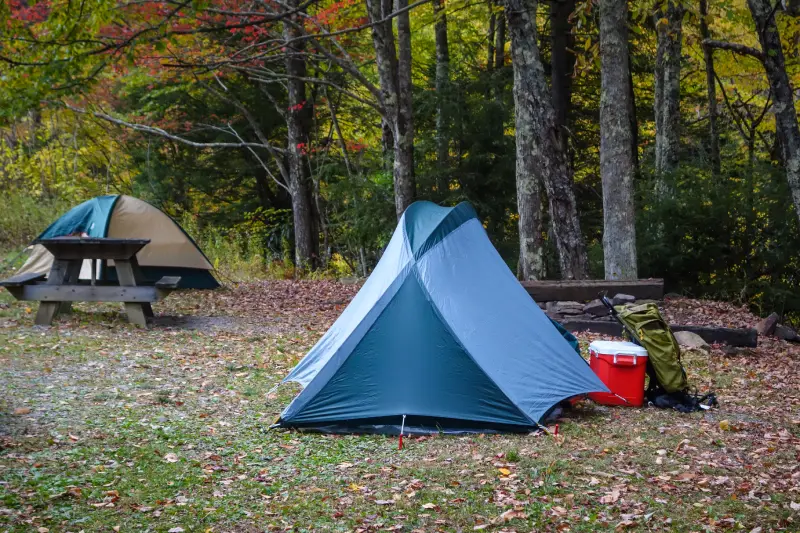
The ground you choose while walking in nature or setting up a tent determines the future of the vegetation and soil structure in that area. Durable surfaces are rocks, gravel, dry grasses, or pre-established campsites. Walking on sensitive vegetation leads to the crushing of plants and compaction of the soil, which prevents water absorption and invites erosion. Using existing trails in popular areas keeps human impact confined to a specific corridor. In pristine areas, group members should not create a distinct trail by following different paths. By acting on the philosophy that "campsites are found, not made," choosing already damaged or resilient points in nature prevents the collapse of micro-ecosystems. This approach is the most physical way to exist there without disrupting nature's own cycle.
How Should Waste Management and Dealing with "Non-recyclable" Waste Be Handled?
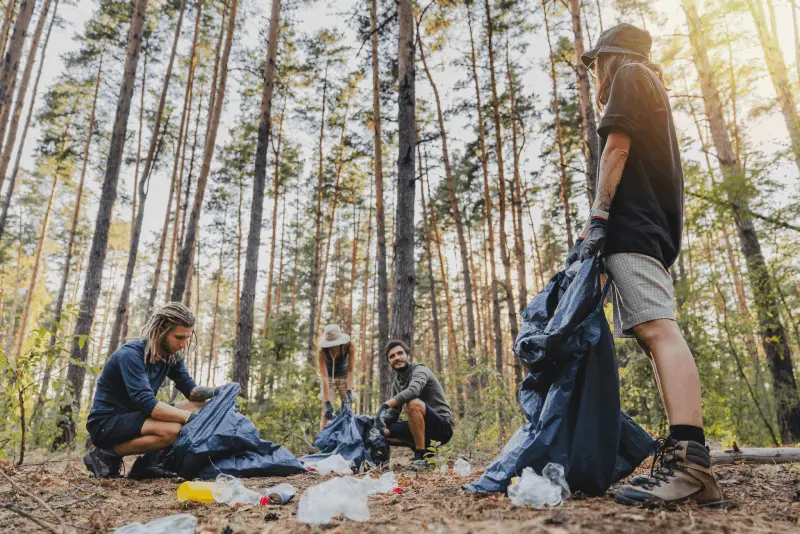
The rule of "take back what you brought" in camping is an absolute law. However, waste management is not limited to plastic items; organic-looking materials such as fruit peels, seeds, or food scraps also disrupt the ecosystem. These types of "natural" waste alter the feeding habits of local wildlife, open the door to diseases, or lead to the spread of invasive plant species that do not belong to the area. Hygiene products, wet wipes, and women's hygiene materials should never be buried in nature; they should be taken back to the city in sealed bags. Liquid waste, meaning contaminated waters, should be disposed of at least 60 meters away from water sources and spread over a wide area of soil. The discipline of waste management is the most concrete indicator of a camper's respect for nature and is the only barrier preventing forests from turning into landfills.
What Is the Ecological Balance of Leaving Objects Found in Nature as They Are?
A stone, an interesting tree bark, a historical artifact, or a rare flower; everything you see in nature is a part of that ecosystem and has a function. The principle of "take only pictures, leave only footprints" comes into play here. Moving a stone can mean destroying the home of dozens of microorganisms beneath it. Historical artifacts or natural materials like horns should remain in place for the preservation of cultural heritage and the continuation of the calcium cycle in nature. Additionally, creating barriers from stones, digging trenches, or hammering nails into trees in the name of "beautifying" campsites is an interference with nature. Leaving nature as you found it, or even better if possible, preserves the wild spirit of the ratio. Remember that the object that is a small memory for you may be a link in the chain of life for nature.
Is It Possible to Sustain the Culture of Campfires with Minimal Harm?
While traditional campfires can be visually stunning, they are one of the greatest risks in terms of forest fires and soil fertility. The Leave No Trace principle strongly recommends the use of portable camp stoves instead of fires. Stoves are quick, efficient, and do not leave lasting burn marks on the ground. If a fire must be lit, it should only be done in designated areas, within existing fire rings. When collecting wood, live trees should never be touched; only small, dry branches that can be broken by hand and found on the ground should be preferred. Burning large logs lasts longer and leaves behind charcoal remnants that do not completely disappear. When extinguishing the fire, water should be poured until the ashes are completely cool, and the ashes should be disposed of without scattering (after cooling). Lighting a fire is a privilege; using this privilege without burning nature is a great responsibility.
Does Respecting Wildlife Mean Just Watching from Afar?
Respecting wildlife begins with not disturbing the natural behaviors of animals. Feeding them not only leads to their habituation to you but also causes them to lose their hunting skills and become dependent on humans. This can lead to dangerous situations by becoming aggressive. A safe distance must always be maintained while observing animals; if an animal is changing its behavior due to your presence, it means you are too close. Especially during sensitive periods such as mating, nesting, and hibernation, areas where wildlife is present should be avoided. If camping with pets, they should be prevented from chasing or scaring wild animals. Access to water sources is vital for wildlife; therefore, campsites should be set up away from water edges so that animals are not frightened when they come to drink. Allowing nature's true owners space is the noblest rule of camping.
Is Being Kind to Other Visitors a Social Ethic in Nature?
Nature is a center for many people seeking silence and peace. Therefore, respecting the experiences of other campers and visitors is a fundamental rule of courtesy. Listening to loud music, shouting, or using a generator disrupts the peace of others by drowning out the sounds of nature (bird chirps, the rustle of the wind). Yielding to other hikers encountered on trails, especially giving priority to those going uphill, is a general etiquette. When choosing campsites, being careful not to be too close to other groups helps preserve everyone's privacy. Additionally, choosing nature-compatible tones instead of bright-colored tents reduces visual pollution. This social etiquette displayed in nature ensures that the community as a whole enjoys nature and enhances the quality of outdoor culture.
How Should Leave No Trace Strategies Change in High Altitude Camping?
At high altitudes, the ecosystem is much more sensitive and fragile. Short growing seasons and harsh weather conditions can make it impossible for the plant cover to recover. In these areas, the principles of "Leave No Trace" must be applied much more strictly. For example, walking on alpine meadows can prevent those plants from returning for decades. Waste management at high altitudes is also different; due to low temperatures halting biological decomposition, waste must be brought down in special waterproof bags called "WAG bags." Additionally, since firewood is not available in these areas, lighting fires is strictly prohibited, and only high-altitude stoves should be used. Every energy bar wrapper or piece of string left behind during summit climbs can pollute that pristine area forever. As altitude increases, responsibility increases at the same rate.
How to Camp on Snow Without Leaving a Trace?
Although snow may seem like a temporary cover laid over nature, winter camping also leaves its own marks. When moving on snow and setting up camp, it is essential to protect the frozen ground and plant cover underneath. Any liquid spilled on the snow (food waste, urine) will mix directly into the soil and water sources when the snow melts. Therefore, waste management in winter should be conducted with the same diligence. In camps set up on snow, snow walls used when leaving should be dismantled, and the area should be returned to its original state; this prevents visual pollution and leaves no artificial intervention for the next visitor. Additionally, wildlife in winter is in energy-saving mode; scaring animals can cause them to expend a lethal amount of energy. Winter camping is the season when we should be the most transparent towards nature.
What is Individual Responsibility and Leave No Trace Awareness for Solo Campers?
A person camping alone is solely responsible for all decision-making processes, making the principles of leave no trace a deeper matter of conscience. Leaving a piece of trash in nature or lighting a fire in a prohibited area may seem easier when no one is around, but true camping ethics is "doing the right thing even when no one is watching." Solo campers are more advantaged in choosing the least harmful spots as they are in a more genuine interaction with nature, using their observation skills. Individual silence is an opportunity to observe wildlife, not to disturb them. Knowing one's limits and not taking risks is an individual responsibility that prevents a rescue team from entering nature (and thus leaving large traces). Solo camping is a maturity test where ethical values are tested.
How Should Families with Children Teach Leave No Trace While Camping?
Love for nature and awareness of protection begins at a young age; therefore, the behaviors exhibited by parents during camping are the most effective educational tools. Children should be taught "why" we should leave no trace through games and observations. For example, examining an ant nest teaches that it is their home and that we should not harm it. Giving children their own small trash bags and having them play "nature detective" to find foreign objects around fosters a sense of responsibility. Encouraging them to draw pictures of flowers instead of picking them teaches how to love nature without claiming ownership. Being patient in this process and setting boundaries without breaking children's curiosity is the biggest step towards raising conscious nature protectors of the future.
How Do We Protect the Ecosystem While Camping Near Water Sources?
Lakes, rivers, and streams are the arteries of nature, and campers' approach to these areas is of vital importance. To avoid polluting water sources, the campsite, toilet area, and dishwashing area should be set up at least 60 meters (approximately 70-80 steps) away from the water. No soap or detergent (biologically... Even if it can be fragmented, it should never be used; because these substances disrupt aquatic life and the chemistry of water. Water should be taken into a container for cleaning, and after the work is done, dirty water should be poured onto the ground after being filtered. Additionally, sensitive shoreline plants prevent erosion; walking in these areas can damage the shoreline structure. Water resources are not only for us but are a common area of use for all living beings; respecting this sharing means protecting the purity of water.
What is the Effect of Protecting Natural Sounds and Noise Pollution on Wildlife?
Nature is not only a visual feast but also a balance of interactions. Noise pollution creates serious stress factors on wildlife; it makes it difficult for animals to communicate with each other, detect predators, or find mates. Loud conversations or music that sound normal to the human ear can be disturbing and frightening for animals with sensitive hearing. The principle of Leave No Trace also considers "preserving silence" as an environmental protection element. Especially minimizing noise during nighttime preserves the hunting and feeding patterns of nocturnal animals. For campers, listening to the silence of nature should be the most fundamental way to escape the noise of modern life. Opening our souls to nature, rather than just our voices, is the healthiest approach for both us and the ecosystem.
How Does the Selection of Camping Equipment Affect the Leave No Trace Principle?
Choosing the right equipment is the most technical element that prevents you from leaving a trace in nature. For example, lightweight tents set up on durable grounds (if there are no tree protective straps) can sometimes be a better option than hammocks that do not damage the ground. The quality of camping stoves reduces the chemical footprint left in nature by increasing fuel efficiency. Additionally, choosing durable and long-lasting materials ensures less solid waste production by overcoming the "use-and-throw" culture. Choosing equipment in earth tones instead of bright and fluorescent colors shows respect for the aesthetic integrity of nature by reducing visual pollution. The cleanliness of the equipment is also important; mud or seeds carried from one area to another can lead to the spread of invasive species. Smart equipment selection is the foundational basis of ethical camping.
What Hygienic and Ecological Methods Should Be Followed When Addressing Toilet Needs in Nature?
Managing toilets in nature is one of the most challenging yet critical issues for campers. The "cat hole" method is the most standard and safe way for outdoor management. A hole should be dug at least 60 meters away from water sources, camps, and trails, in a sunny area rich in organic matter, at a depth of 15-20 cm. After use, the hole should be covered with soil and restored to its natural appearance. Used toilet paper should either be carried back in odor-absorbing bags or buried in very small amounts at the bottom of the hole (but carrying it back is always the safest way). For urine, areas without plant cover, rocky or bare soil should be preferred so that salt and nitrogen do not harm the plants. This discipline protects both human health and prevents the pollution of nature.
How is the Awareness of "Collective Leave No Trace" Created in Group Camps?
In group activities, human impact increases exponentially; therefore, collective discipline is essential. Group leaders or experienced campers should share the "Leave No Trace" rules with everyone before the trip begins and ensure consensus on this matter. A common waste collection point should be established in the camp, and everyone should be held responsible for their own trash. Instead of large groups gathering around a single big fire or spreading out over a very wide area, it is preferable to stay in more compact and previously used areas. During hiking, the group should not disperse and should progress along a single line (or different lines in very pristine areas) to keep trail formation under control. Collective awareness is strengthened by the group monitoring individual mistakes and alleviates the "crowd pressure" on nature.
What Should Be Considered to Protect Soil Structure During Off-Trail Hiking?
Sometimes the passion for exploration leads us off established trails, but these "off-trail" hikes are the riskiest moments for nature. When hiking off the trail, group members should spread out in a fan shape instead of walking in a single file; this prevents the formation of a new trail (and thus a permanent path). Care should be taken that the areas stepped on are resilient surfaces like rock, sand, or dry grass. Stepping on fragile plants, mosses, or lichens can irreversibly destroy that ecosystem. Additionally, instead of going straight down or up steep slopes, zigzagging (switchbacking) triggers soil erosion and landslides. Off-trail hiking is an art that requires the highest level of attention to nature's architecture and necessitates being conscious of every step taken.
Is Cleaning Shoes and Equipment a Requirement to Prevent the Spread of Invasive Species?
The fastest way to unknowingly destroy an area's ecosystem is to transport foreign and invasive species there. Mud on shoe soles, seeds stuck to tent bottoms, or pollen on clothes can be carried miles away. These invasive species can suppress and destroy the local plant cover in their new location and disrupt the entire food chain. Therefore, after every camp or hike, equipment and shoes should be thoroughly cleaned. This cleaning is vital, especially when traveling to different watersheds or cities. In some areas, shoe cleaning stations are found at trailheads to prevent this situation. "Biological security" is an invisible but potentially the most destructive aspect of leaving no trace. To be meticulous about this is ecological patriotism.
What is the Importance of Reducing Light Pollution for Nocturnal Animals During Night Camping?
The darkness of nature is the key to survival for many creatures. The excessively bright lights, projectors, or continuously burning lanterns used in camping areas disrupt the directional sense of nocturnal animals (owls, bats, some mammals) and render their hunting strategies ineffective. Light pollution also negatively affects insect populations (for example, fireflies), potentially harming the pollination cycle. The ideal for campers is to use light only when necessary and to prefer red light mode if possible; because red light disturbs night vision less and bothers wildlife less. While watching the stars in the sky, it is contrary to the soothing atmosphere of nature to spoil the forest with artificial lights. Respecting the darkness means not interfering with the life that continues in nature at night.
Where Should Ethical Boundaries Be Drawn When Camping in Historical and Archaeological Sites?
Nature trips often bring us face to face with the remnants of human history, ancient settlements, or rock paintings. These areas are considered "untouchable" both legally and ethically. Setting up camp inside a historical structure, writing on its walls, or using the stones there for a campfire is an irreparable cultural crime. In such areas, only observation should be done, no object should be moved, and one should never engage in destructive activities like treasure hunting. While archaeological remains already struggle against rain, wind, and time, human intervention accelerates this process. When visiting these areas, it should be remembered that they are not just a "view" but a shared memory. Respect for history is an inseparable part of respect for nature.
How is the Principle of Sustainability Applied When Foraging for Edible Plants in Nature?
Although foraging has become popular in recent years, great care must be taken to ensure it does not conflict with the "Leave No Trace" principles. When collecting a plant, only a very small portion of the population in that area (usually the 10% rule is applied) should be touched; thus, the plant can regenerate, and animals that feed on that plant do not go hungry. Rare or protected species should never be collected. Additionally, only taking the necessary parts without damaging the roots of the plant is essential for the sustainability of the ecosystem. During the collection process, the soil should not be disturbed, and the area should be left as you found it. Foraging is a privilege, and not turning that privilege into exploitation is the true nature of a responsible human. Remember, that plant which is a delicacy for you may be the only source of survival for a creature.
Why is a "Final Check" Vital When Conducting Area Inspection After Camping?
The famous "final check" done before leaving the campsite distinguishes a good camper from a careless visitor. After collecting the tent, one should walk over the area a few times to check for any small pieces of string, micro-trash, or food scraps that may have been overlooked. If a fire was lit (with permission), it should be ensured that the ashes are completely cooled and spread out. Lightly adjusting the pressed grass by hand accelerates the area’s return to its natural form. This final check is not only an opportunity to erase your own traces but also to collect any trash left by previous visitors, if any. The philosophy of "leave it cleaner than you found it" is applied at this point. When you look back as you leave that area, if there is no trace left that you were ever there, it means you have successfully completed your task.
How is the Leave No Trace Ethic Maintained When Creating Content for Social Media?
Nowadays, a place being "Instagrammable" can be the beginning of the end for that area. Pristine areas that are popularized quickly become damaged due to the influx of unprepared crowds. The ethical rule for content creators is to not share the exact location (geo-tag) of sensitive areas or to include educational information about the fragility of the area when sharing. Laying on flowers just for a "pretty shot," causing erosion by hanging from cliffs, or disturbing wildlife to fit them into the frame is completely contrary to the leave no trace principles. It should be remembered that every visual shared can serve as a guide for someone else on "how to behave in nature." Social media should not be a tool for exploiting nature but rather a platform for spreading awareness about its protection. Ethical content loves nature more than popularity.
What Are the Ways to Avoid Disturbing Wildlife When Camping with Pets?
Being in nature with our loyal companions is a wonderful experience, but it should be remembered that they can also be perceived as "invaders" or "threats" in the wild. Dogs chasing wild animals, disturbing bird nests, or barking and disrupting the peace of the area should be prevented. In many national parks, it is prohibited to let pets roam off-leash, and this rule is for both the safety of your dog and the protection of wildlife. Additionally, pet waste (feces) must be bagged and disposed of away from nature due to the risk of transmitting diseases to wildlife. Allowing your dog to enter water sources can compromise the quality and shoreline of that water. When camping with your pet, it is your responsibility to ensure that they also adhere to a "Leave No Trace" ethic.
What is the Harm of Micro-Trash and Invisible Waste to the Ecosystem?
Collecting large plastic items is easy, but the real danger lies in the small pieces we call "micro-trash." Cigarette butts, gum, small plastic pieces that break off from packages, or threads; these can remain in nature for centuries and can harm wildlife.
Pests perceive waste as food. In particular, cigarette butts can pollute liters of water on their own with the toxic chemicals they contain. Even the remnants of toothpaste used while brushing teeth can alter the pH balance of the soil. Therefore, campers should be obsessed with picking up everything down to the smallest piece. There is no "small trash" in nature; everything thrown away has an effect. Being aware of these unseen damages is the hardest but most necessary phase of truly "leaving no trace".Modern Camping Philosophy: What Will the Future of Leaving No Trace Look Like?
In the future, camping will not only be about going into nature but about being "one" with nature and existing there without leaving any artificial impact. The philosophy of "leaving no trace" is the transition of humanity from being a burden in nature to becoming an observer and protector. Although it has become easier to apply the principles of leaving no trace with the development of technology (lighter gear, solar-powered devices, waterless cleaning products), the real change must occur in the mindset. Nature is no longer seen as "a place to be conquered" but as "a home to be preserved". If we can realize this ethical transformation, wild habitats will not just remain green spots on maps but will continue to be living systems that breathe. Leaving no trace is the greatest gift humanity can give to nature.