What is the Critical Role of Light in Storytelling in Nature Photography?
In nature photography, light is not just a physical phenomenon that makes objects visible; it is also the fundamental element that defines the spirit, atmosphere, and story of the photograph. The quality of light directly affects the emotion that a landscape will evoke in the viewer. For example, a valley illuminated by the first rays of morning light gives a sense of hope and renewal, while a gloomy light before a storm creates unease and drama. Learning to read light as a photographer is essentially deciphering the language of nature. The angle of light, color warmth, and harshness can either highlight the texture of the objects in your frame or turn them into mere silhouettes. Therefore, beyond technical skills, understanding the "mood" of light at that moment is the first and most important step in transforming an ordinary frame into a timeless work of art.
How Does the Spectral Distribution of the Golden Hour Add a Dimension to Landscape Photographs?
The "Golden Hour," which occurs just after sunrise and just before sunset, is the time when sunlight passes through the thickest layer of the atmosphere to reach the earth. During this process, blue light wavelengths are scattered, leaving warm yellow, orange, and red tones. This spectral change gives landscape photographs a natural warmth and captivating brightness. The low angle of light accentuates the terrain, creating long and soft shadows. These shadows enhance the three-dimensional perception of the photograph and allow the textures (such as a rock surface or sand dunes) to emerge with all their details. Photographs taken during the golden hour not only present a visual feast but also deeply convey the tranquility of the moment and the elegance of nature to the viewer.
How to Set Up Tripod and ISO Balance to Capture the Sapphire Tones of the Blue Hour Without Loss?
The "Blue Hour" begins after the sun dips below the horizon, enveloping the sky in deep blue and sapphire tones, creating a mystical atmosphere for a brief period. During these hours, the rapidly decreasing light level requires technical precision. Handheld shooting will inevitably lead to blurriness due to low shutter speeds; therefore, a sturdy tripod is essential at this stage. Keeping the ISO value at the lowest possible level (usually ISO 100) prevents digital noise that may occur during long exposures. When low ISO and long exposure time are combined, the surfaces of water become silky, and the deep blue tones of the sky are captured in their purest form by the digital sensor. This balance is the key to transferring the peaceful and sharp texture of the blue hour into the photograph.
How to Plan Timing to Capture the Alpenglow Phenomenon on Mountain Peaks?
Alpenglow is the phenomenon where sunlight, while below the horizon, reflects off the upper layers of the atmosphere, painting mountain peaks in pink, purple, or bright red tones. This natural event typically occurs just before (sunrise) or just after (sunset) the golden hour and lasts only a few minutes. Capturing alpenglow requires meticulous preparation and timing. The photographer must be ready at the shooting location at least 30 minutes before the sun rises or sets. The western slopes of the mountains receive this light before sunrise, while the eastern slopes receive it after sunset. Monitoring the weather to avoid missing this brief color explosion and predicting the clear sky where the light will hit the peaks is vital for an epic mountain photograph.
How Does Atmospheric Perspective and Light Distribution Affect Composition in Foggy Weather?
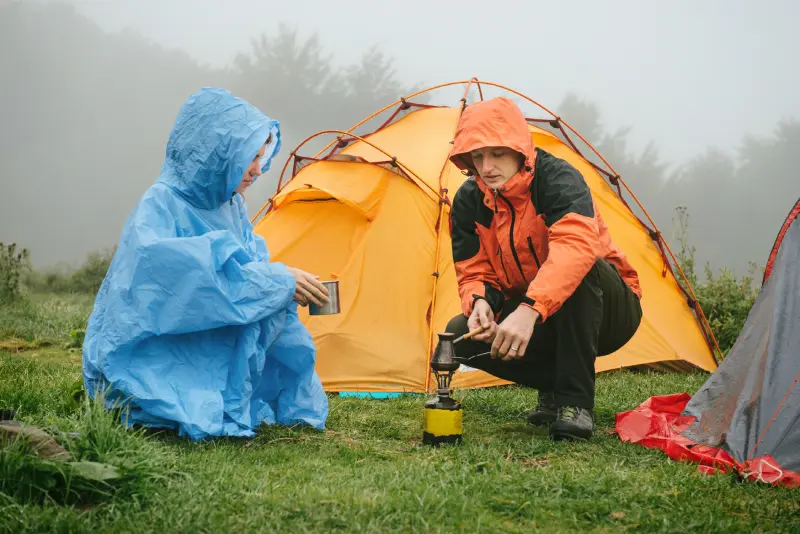
Fog creates low-contrast and soft lighting by scattering light in all directions. This condition is the most effective way to create a sense of depth known as "atmospheric perspective" in nature photography. Nearby objects appear darker and more defined, while distant objects gradually fade into the fog. This layering adds tremendous depth and mystery to the photograph. The absorption and scattering of light by fog particles completely eliminate harsh shadows and reduce color saturation, offering a more pastel palette. When shooting in a foggy forest or by a lake, keeping the composition simple and highlighting the dreamy texture created by the fog allows you to create a tranquil story that draws the viewer into the photograph.
How to Achieve Correct Exposure Against the High Reflectance Ratio (Albedo) of Snow?
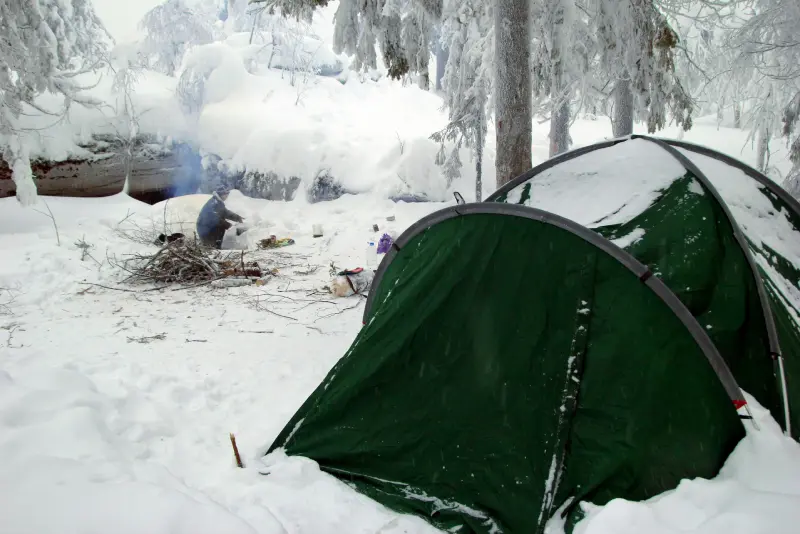
Snow reflects nearly 90% of the light that falls on it (high albedo effect), which can mislead the light meters (exposure meters) of cameras. The camera perceives this extreme brightness as "gray" and captures the photograph with a darker, grayish snow image than normal. To maintain the crystal whiteness and brightness of the snow, exposure compensation of +1 to +2 stops is usually necessary. By checking the histogram, it should be ensured that the "distribution" leans towards the right side (bright areas) but does not clip. Additionally, the sunlight coming at a low angle in winter ensures that the smallest crystals on the snow sparkle; using slightly side lighting to capture these sparkles is ideal for reflecting the breathtaking texture of the winter landscape in the frame.
What Weather Conditions Should Be Expected to Highlight God Rays in the Forest?
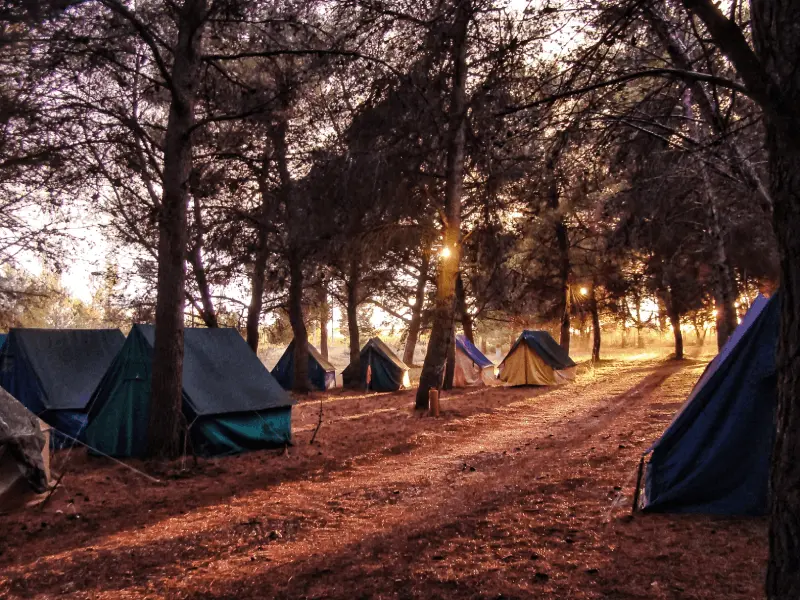
Light beams known as "God Rays," filtered through tree branches, are among the most aesthetic images in nature photography. For this phenomenon to occur, there must be particles in the atmosphere that scatter the light. The light mist created by humidity in the early morning hours, dew, or moisture on the forest floor provides an excellent ground for these rays. Especially after rain, when the sun suddenly breaks through, the water particles in the air transform into visible beams of light. Shooting with a slight backlight in the direction the light is coming from makes the rays more pronounced. Having a dark background of tree trunks or shaded areas increases the contrast between the light beams and the surroundings, enhancing the dramatic effect of the image.
What Are the Advantages of Cloudy Skies as a Natural Softbox in Macro Photography?
While most landscape photographers dislike cloudy and overcast weather, it is a boon for macro photographers. The cloud layer acts as a massive softener (softbox) by filtering the harsh and direct sunlight, distributing it evenly in all directions. This eliminates harsh reflections on the petals of flowers and the shells of insects. Soft light reveals all the micro-details, textures, and true color saturation of the subject. Additionally, the absence of harsh shadows ensures that the form of the object appears more balanced. In cloudy weather, focusing solely on the subject and its details without including the sky in the frame provides macro photographers with an unparalleled technical comfort zone to document the colors and forms in their purest state.
How Do Dramatic Light Beams Before and After a Storm Enhance Emotional Depth?
Chaotic moments during a storm present nature's most fierce and impressive light. A single beam of sunlight filtering through dark, ominous clouds illuminates a specific part of the landscape, evoking themes of "hope" or "divinity." This high-contrast situation draws the viewer's attention directly to the illuminated area. The increased visibility and saturated colors after the storm clear the air, adding clarity to the photograph. The dramatic cloud formations in the sky, combined with the tranquility on the ground, enhance the emotional weight and visual dynamism of the photograph. These moments change rapidly, requiring the photographer to be agile and continuously control the exposure to freeze these fleeting light plays.
How is Texture Highlighted Using Backlighting in Plant and Leaf Photographs?
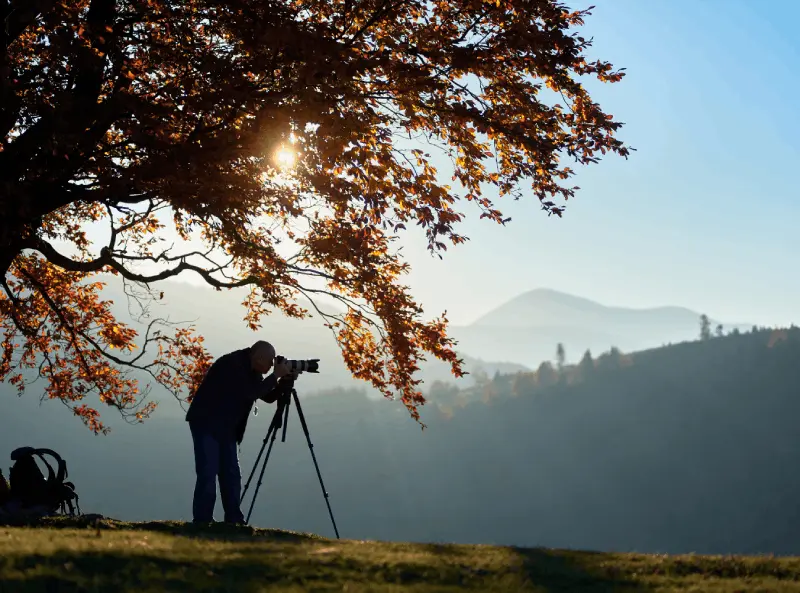
Backlighting, where the light source is positioned behind the subject, creates wonders, especially in plant and leaf photography. As light passes through the leaf, it illuminates the vein structure, cellular texture, and internal color vibrancy almost like an X-ray film. The "backlighting" technique creates a thin, bright outline (rim light) around the edges of the subject, separating it from the background and adding depth. A forest floor or a flower garden captured using this method achieves a magical and luminous appearance. To prevent glare, using a lens hood and adjusting the exposure not according to the brightest area of the leaf but to the mid-tones where you want the texture to be visible ensures you get the highest yield from this technique.
Is it Possible to Turn the Harsh Shadows of the Midday Sun into a Graphic Design Element?
While it is traditionally recommended to avoid midday hours in nature photography, this harsh light can actually be a powerful graphic tool for a creative photographer. The dark and sharp shadows created when the sun is directly overhead create strong geometric forms and harsh contrasts within the landscape. Especially in black-and-white photography, these shadows can become the main elements that determine the rhythm and balance of the composition. The harsh shadows on sand dunes or the vertical traces of tree trunks cast on the ground help create an abstract and minimalist language. This "light-shadow battle" created by harsh light allows you to document not only the beauty of nature but also its harsh and graphic character.
What is the Relationship Between Light Pollution and Astronomical Twilight in Night Photography?
In night photography, simply having the sun set is not enough to capture the Milky Way or constellations clearly; "astronomical twilight" must end. This phase occurs when the sun is 18 degrees below the horizon and there is no residual sunlight in the sky. However, in the modern world, light pollution is the biggest factor threatening this natural darkness. The glare of city lights reflected in the atmosphere diminishes the contrast of the stars and covers the sky with a yellow-orange veil. Therefore, for a successful night shot, attention must be paid to both astronomical timing and choosing dark sky areas (Dark Sky Parks) away from light pollution. When the right time and location are combined, those faint lights in the depths of the universe will come to life in all their glory on your sensor.
How Should a Polarizing Filter Be Used to Control Light Reflections on Water Edges?
Water is one of the most powerful surfaces reflecting light in nature photography, and this can sometimes lead to unwanted glare. A circular polarizing filter (CPL) is a tool that physically blocks or enhances these reflections on the water surface. By rotating the filter, you can completely eliminate the reflection on the water and reveal the stones in the riverbed and the color of the water, or you can enhance the reflection to create a perfect mirror effect. This filter provides the highest efficiency, especially when the sun is at a 45-degree angle. Used to deepen the blue of the sky and increase the contrast of the clouds, this filter is the most valuable technical aid in a nature photographer's toolkit for controlling light.
How Do Neutral Density (ND) Filters Manipulate the Flow of Light in Long Exposures?
Neutral Density (ND) filters are dark-colored glasses that reduce the amount of light entering the camera without altering the colors. These filters allow you to make long exposures in bright sunlight, enabling you to capture the "flow of light in time." When using an ND filter in a waterfall, extending the exposure time to seconds creates a silky, fabric-like texture as each drop of flowing water merges. Similarly, clouds moving in the wind create soft streaks in the sky. By artificially reducing the light, slowing down the shutter speed gives the photographer the freedom to visualize the effect of time on nature and add dynamism to a static frame.
How to Protect Digital Sensors from Light at Its Harshest Moments?
Dynamic range refers to how well a camera sensor can record details between the darkest shadows and the brightest highlights at the same time. In landscape shots where the light is very harsh and the contrast is high (for example, bright skies and a dark valley), the sensor's range may be insufficient. To overcome this, the "Bracketing" technique is used; that is, the same scene is shot with different exposure values (one dark, one normal, one bright) and then combined digitally. Additionally, shooting in RAW format preserves the sensor data in its rawest form to recover details from shadows and highlights. This way, even in the most aggressive moments of light, no detail loss occurs in any part of the photograph.
Does the Low Angle of the Winter Sun Create a "Long Golden Hour" Effect Throughout the Day?
In winter, due to the tilt of the earth, the sun never rises as high in the sky as it does in summer; it always progresses along a lower path. This astronomical situation causes the "long golden hour" effect to occur in a significant portion of sunny winter days. The light comes in at a lateral angle throughout the day, which means that shadows are always long and textures remain defined. The harsh light we avoid during summer midday hours presents a much softer and more aesthetic character in winter. This low angle winter light creates a crystal clarity and unique illumination over snow-covered trees and frozen lakes, providing a suitable environment for shooting at any hour of the day.
What is the Effect of Moonlight as a Natural Night Lamp in Landscape Photographs?
Moonlight is essentially the reflection of sunlight off the moon's surface, but it has a much lower intensity and a cooler color warmth. The phases of the moon completely change the character of night landscape shots. A full moon illuminates the earth like a giant night lamp, revealing the details of mountains, rivers, and forests; it can even create surreal images that look like they were taken during the day but with stars in the sky during long exposures. On the other hand, during the new moon phase, the absence of moonlight allows the Milky Way to shine in all its glory. By tracking the times of moonrise and moonset, incorporating the glow it adds to the landscape into the composition becomes a whole new dimension in night photography.
How to Capture the Graphic Forms Created by Side Lighting in Desert Dunes?
Deserts are the most sensitive geographical areas to the direction of light. To photograph the famous sharp ridges and flowing forms of sand dunes, hours when the sun is directly to the side (side lighting) should be chosen. When light comes from directly in front, sand dunes appear flat and dimensionless, while side light illuminates one side of the dune and leaves the other side in deep shadow. This light-shadow distinction highlights the amazing patterns and ripples shaped by the wind on the sand. The black areas created by shadows serve as powerful graphic lines in the composition, drawing the eye into the frame. In such shots, sunrise and sunset can also color the sand with red, maximizing the visual impact.
What is the Effect of Reflected Light on Colors in Deep Canyons?
In deep and narrow canyons (such as Antelope Canyon), direct sunlight rarely reaches the canyon floor. However, the harsh light hitting the canyon walls reflects off the opposite wall, softening and becoming "reflected light." This reflected light illuminates the red, orange, and purple rock layers in the canyon as if they are glowing from within (glow effect). This type of light does not completely eliminate shadows but illuminates them very softly, making the texture of the rocks appear velvety. When measuring light in such enclosed spaces, averaging the brightest and darkest points is a critical technique to accurately capture the stunning color transitions of the canyon.
How Does White Balance Adjustment Change Emotional Tone in Different Lighting Conditions?
White balance is one of the most important settings that determines the overall color warmth of a photograph and thus controls the emotion conveyed to the viewer. This setting, expressed in Kelvin values, can make the scene appear more "warm" (yellow/orange) or more "cool" (blue). For example, shooting a winter morning in "cloudy" mode can give a false warmth to the scene by cutting blue tones; whereas leaving it in "daylight" mode preserves the cold and sharp spirit of winter. Although photographers shooting in RAW format have the flexibility to adjust this setting later, seeing the correct tone in the viewfinder at the moment of shooting affects composition decisions. Playing with the color of light helps convey not only the reality of a landscape but also what you felt at that moment.
How Does Histogram Reading Skill Prevent Highlight Clipping or Shadow Loss?
The histogram is a graphical map showing the distribution of light values in a photograph. The left side represents pure blacks, while the right side represents pure whites. Instead of relying on the image displayed on the LCD screen after shooting, checking the histogram is essential for technical perfection. If the graph climbs up against the right edge, it means that detail has been lost in the bright areas (clipped); if it leans against the left edge, the shadows have completely blacked out. In an ideal nature photograph (when contrast is not intentionally set too high), the graph should spread in the middle area without touching either edge. Knowing how to read the histogram allows you to produce technically "correct" exposed files even in the most complex lighting scenes.
Is it Correct to Include Lens Flare Effect as an Artistic Choice in Composition?
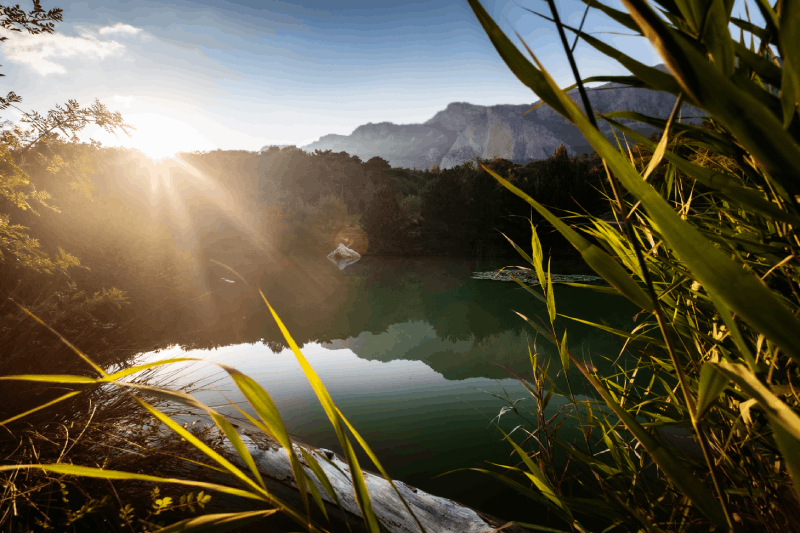
Lens flare is an optical phenomenon that occurs when a light source (usually the sun) enters the lens directly. While it was seen as a technical flaw in the past, today it is used as an artistic choice in nature photography to add "naturalness," "warmth," and "the spirit of summer" to the story. Creating a "star effect" (sunstar) by partially hiding the sun behind the edge of a tree or mountain adds a focal point to the frame. However, care should be taken not to obscure the face of the main subject or important details when using this effect. Using flare in moderation enhances the viewer's sense of "being there" and adds organic depth to the photograph.
What is the Most Suitable Light Angle to Burst Fresh Green Tones in Spring?
The awakening of spring and capturing those fresh and vibrant greens is greatly influenced by the angle of light. Direct harsh sunlight can make greens appear grayer and lifeless due to reflections on leaf surfaces. Instead, using "backlighting" allows the chlorophyll inside the leaves to shine, revealing that legendary bright green. Additionally, the soft light during moments when the sun breaks through after rain elevates the saturation of wet leaves to the highest level. Using a polarizing filter to eliminate reflections on leaf surfaces is also a fundamental method to make spring colors deeper and more realistic.
How is Silky Texture Achieved in Water During Waterfall and Stream Shots with Low Light?
Transforming the movement of water into a silky texture is entirely related to the length of the exposure time, and this technique is easiest to apply in low light conditions. During times when light is minimal, such as just before sunrise or just after sunset, long exposures can be made between 1/2 second and 5 seconds without needing an ND filter. During this time, each movement of the water layers over the sensor, creating that misty and flowing appearance. Low light also reduces reflections on the wet rocks surrounding the water and reflects the green of the moss more naturally. This "silky water" effect is the most popular way to add dynamic life and tranquility to a static landscape photograph.
How is the Light Painting Technique Applied When Shooting at Night in Nature?
Light painting is a technique where specific objects in the frame (a tree, an old cabin, or a group of rocks) are manually illuminated with an external light source (flashlight or LED panel) while a long exposure is ongoing. This method allows you to add texture and depth to your completely dark foreground subjects. The key point is to continuously move the light source over the subject instead of keeping it fixed; this way, the illumination appears natural and even. Adjusting the intensity and duration of the light through experimentation helps establish a perfect balance between the stars in the night sky and your subject on the ground. This technique is a great opportunity to add creativity and a personal signature to nature photography.
What Are the Invisible Effects of Atmospheric Refraction and Weather Conditions on the Sharpness of Light?
In photography, light is not just a source of illumination; it is energy filtered through the atmosphere. Humidity, dust, smoke, and even temperature differences affect the journey of light. For example, the "heat haze" that occurs when looking at distant mountains on hot summer days distorts the sharpness of the image and blurs the details. In contrast, in the cold and dry air of winter, the atmosphere is cleaner, increasing visibility and allowing light to reach the earth much sharper. The "crystal clarity" created by the settling of dust in the atmosphere after rain is a natural cleaning process that enhances the quality of light. Knowing these atmospheric variables helps you understand which day is more suitable for which type of landscape.
What is the Power of Shadows in High Contrast Scenes to the Dynamics of Landscape?
Just as light is important in a photograph, the absence of that light in shadows is equally valuable. Shadows outline the boundaries of forms, give volume to objects, and create negative space in the composition, providing balance. In high contrast scenes (such as canyon interiors or dense forests), the areas occupied by shadows create mysterious zones that trigger the viewer's imagination. The black lines created by shadows can serve as "guiding lines" that direct the eye to the main subject. Observing where the shadows fall and how they create a pattern while focusing on the light is one of the exercises that most enhances a photographer's visual design ability.
What is the Importance of Patience and Finding the Right Location (Scouting) While Chasing Light?
A perfect nature photograph is rarely captured by chance; it usually results from long-term planning and patience. Scouting helps you understand which angle the sun will hit that area, what shadows will form at what time. While mobile applications (like PhotoPills) provide technological support in this regard, seeing the terrain in person and experiencing the character of the light is entirely different. Sometimes, you may need to return to the same spot for days or even seasons to find that "perfect light." Being ready when the right moment arrives (for example, when the clouds clear or the fog lifts) represents the disciplined side of nature photography that requires physical and mental preparation.
What is the Flexibility of RAW Format Light in Digital Editing (Post-Processing)?
A RAW file is a digital negative where the light data hitting the sensor is stored in its raw form without any processing. In JPEG shooting, the camera interprets the light and discards some details, while in RAW format, the finest nuances of light are preserved. This provides tremendous flexibility, especially when correcting exposure errors or pulling details from shadows in high dynamic range scenes (shadow recovery). You can optimize the color, contrast, and brightness of the light in the digital darkroom without compromising quality. This process is an indispensable part of modern photography, allowing you to fully realize the potential of the light you captured and blend it with your artistic vision.
What Does Learning to See Light Symbolize in a Photographer's Technical Development?
Learning to see light is more than just a technical skill; it is a mental shift. A photographer matures when they begin to look at objects not just through what "is happening" (a tree, a rock, a river) but through how "the light is reflecting" on them. At this stage, the equipment becomes a simple tool used to freeze the story of light at that moment. Seeing light is the ability to transform the ordinary into the epic, emptiness into fullness, and a moment into eternity. This journey never ends; because in nature, light never repeats itself exactly. Every new sunrise is a new opportunity to discover what light will whisper to you that day, and this discovery is the purest source of motivation for photographers.