Can Pancakes Be the Star of Caravan Breakfast?
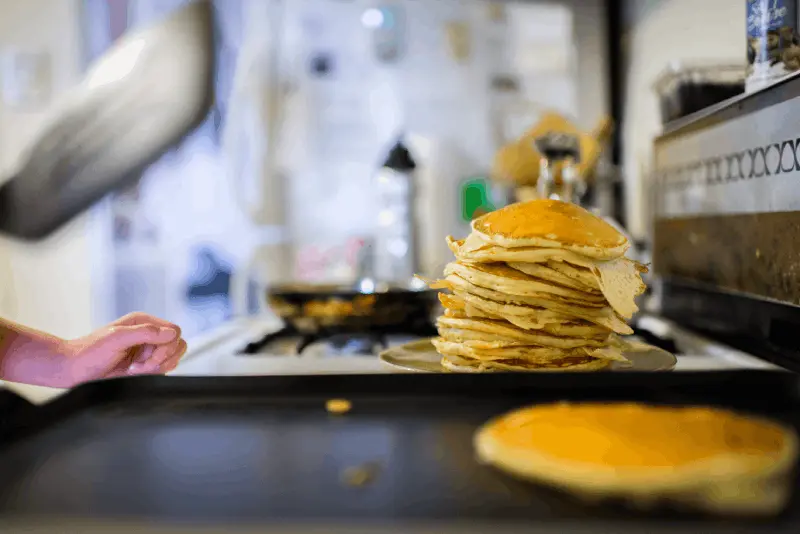
While caravan life symbolizes freedom, kitchen operations can sometimes be challenging. However, pancakes are actually one of the most ideal recipes for caravan kitchens due to their minimal ingredient requirements and quick cooking time. This delicious treat, which you can prepare with just a mixing bowl or a jar, makes you feel at home in the midst of the morning rush. With the right equipment and planning, it is definitely possible to create miracles in a small space. Whether you are by the sea or at the top of a mountain, the delightful smell of vanilla wafting from your ceiling will turn your caravan into a real home.
What is the Most Hygienic Way to Mix Dough in a Limited Kitchen Space?
Counter space in caravan kitchens is as precious as gold. Mixing dough in large bowls not only causes mess but also requires a lot of water for cleaning. Instead, using the "shake" method is the most logical choice. You can achieve a lump-free dough by first adding liquids into an empty milk jar or a wide-mouthed water bottle, then adding dry ingredients and shaking well. This method prevents dough from splattering everywhere and allows you to store any leftover dough in the jar in the fridge. Additionally, you will also protect your water tank from getting dirty.
What are the Strategies for Storing Fresh Milk and Eggs in a Caravan Refrigerator?
Caravan refrigerators may not provide as stable cooling as those at home, especially on hot summer days when the door is frequently opened and closed, causing the internal temperature to rise quickly. When storing eggs and milk, which are vital for pancakes, you should place these ingredients in the coldest part of the fridge (usually the back and bottom sections). If you are worried about your milk spoiling, you can opt for long-life UHT milk or plant-based milk alternatives. Keeping eggs in special locking storage containers will ensure they do not break from jostling, maintaining hygiene and preventing potential accidents.
Is a Cast Iron Pan or Non-Stick Surface More Suitable for Caravans?
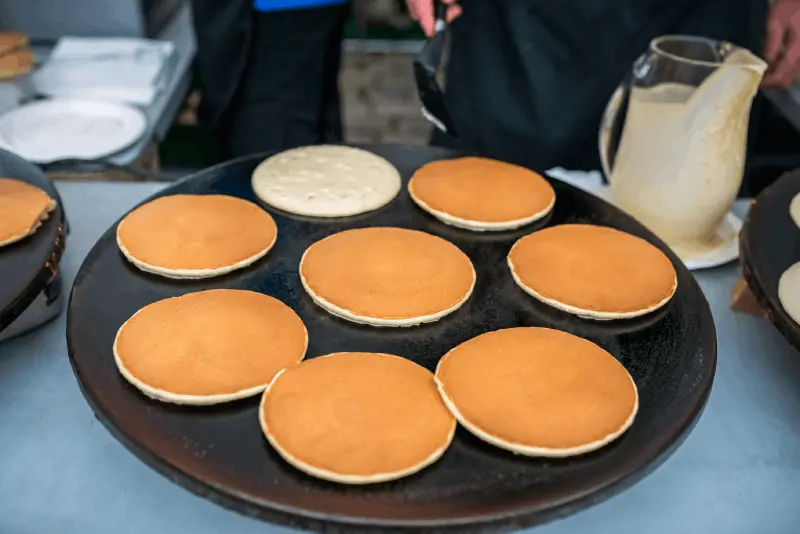
When choosing cooking equipment for a caravan, weight and heat distribution are the most important criteria. Cast iron pans retain heat wonderfully and provide even cooking, but they are quite heavy and significantly contribute to the total weight of the caravan (GVWR). On the other hand, a quality ceramic or non-stick pan is more practical for caravans as it requires very little oil and is easy to clean. Non-stick pans are lighter and do not damage other kitchen utensils when stored in tight drawers. Quick heating and cooling will also speed up the post-breakfast cleanup process.
How to Keep Pancakes Warm While Cooking Outside the Caravan in Windy Weather?
If you are cooking your meal on a portable stove outside the caravan, wind is your biggest enemy. Wind not only extinguishes the stove but also disperses the heat under the pan, causing one side of the pancakes to cook while the other remains raw. To solve this problem, you should use collapsible windshields. Surrounding the stove with this windshield traps the heat under the pan and saves gas. Additionally, placing a suitable lid over the pan will help the inside of the pancakes cook faster and fluffier with steam.
Are Ready-Made Pancake Mixes or Homemade Recipes More Practical?
The answer to this question entirely depends on your storage space and time. If you are going on a long trip, it is best to prepare your own "dry mix" consisting of flour, baking powder, sugar, and salt at home and store it in a jar. You can make fresh batter on the road by simply adding eggs and milk. However, if you have very limited space, high-quality ready-made mixes that only require water can be lifesavers. Preparing your own mix allows you to adjust it to your taste, while ready-made mixes eliminate the hassle of measuring and cleaning.
Is it Possible to Make Pancakes for Several People at Once on a Single-Burner Stove?
Caravans typically have two-burner, sometimes single-burner stoves. When making pancakes for a large group, keeping the first batch warm can be a big issue. To prevent this, you can use a "thermos bag" or "lidded hot-keeping container." Transfer the cooked pancakes to a plate lined with paper towels and cover them to retain heat. If your caravan has an oven, you can keep the pancakes warm at the lowest setting (50-60 degrees). Another method is to make a large "Dutch Baby" style pancake that covers the entire pan and serve it sliced instead of making small pancakes.
How to Clean Pancake Containers While Saving Water in a Caravan?
Water is more valuable than gold in a caravan. When pancake batter dries, it becomes sticky and hard to clean. Therefore, you should rinse the mixing bowl or container with a little water immediately after use to soften any residue. The key to cleaning is to scrape all the bits left in the pan with a spatula and then wipe it with a paper towel. Often, a quality non-stick pan can be cleaned just by wiping it with a damp cloth. If you need to wash it, use a small amount of biodegradable soap and rinse with minimal water.
Can Solar Energy and Inverter Capacity Support Electric Pancake Machines?
Many modern caravans now come equipped with powerful lithium batteries and inverter systems. However, an electric pancake maker or waffle maker typically consumes between 1000-1500 watts of energy. If you are on a sunny day and your batteries are fully charged, a 2000-watt inverter can handle this load. However, using these devices on cloudy days or during overnight stays can quickly drain your batteries. Therefore, the most suitable option for the spirit of caravan life is always to cook manually over a gas stove. is to cook; thus, you will avoid taking risks in energy management.
How to Make Caravan Pancakes Enriched with Fruits and Nuts?
The advantage of being in nature is being able to buy fresh fruits from local producers along the way. After pouring your pancake batter into the pan, sprinkle fresh blueberries, banana slices, or walnut pieces on top immediately. Adding the fruits on top while cooking, instead of mixing them into the batter beforehand, prevents the fruits from sinking to the bottom and sticking to your pan and burning. When you flip them, the fruits will caramelize slightly and add a natural sweetness to the pancake. This method also helps you create visually appealing "artisan" breakfasts that are appetizing.
How to Solve the Pancake Batter Not Rising Problem in High Altitude Plateaus?
When you go to high altitude plateaus with your caravan, the air pressure decreases. Low pressure causes the batter to rise faster but less than at sea level. If you are making pancakes at an altitude of 2000 meters or higher, you may need to increase the baking powder a bit more than usual (about 20%). Additionally, you should let the batter rest for 10-15 minutes after preparing it. This resting period helps the flour absorb the liquid completely and relaxes the gluten structure, allowing you to achieve a more porous and soft result even under low pressure.
What Are the Methods for Stocking Spices and Flavorings in a Caravan Kitchen?
You don't need to carry dozens of different jars to flavor your pancakes. To save space in the caravan, you can prepare a "multi-purpose sweet spice mix." In a small jar, mix cinnamon, allspice, a bit of ginger, and a pinch of salt. You can add this mixture to the pancake batter or sprinkle it on top. Instead of large honey jars that risk spilling, prefer small maple syrup bottles with a locking lid or locally available molasses. When storing liquid sweeteners, make sure to place them in a compartment that will keep them upright.
How Does Low Gas Pressure Affect Pancake Cooking on Caravan Stoves?
When your gas runs low or if you are using propane in cold weather, the gas pressure may drop. Low pressure can cause the flame of the stove to remain weak and the pan to not heat up sufficiently. Making pancakes in a cold pan allows the batter to absorb the fat and become heavy. If the flame is weak, wait longer to heat the pan and allow it to reheat after each batch of pancakes. Using propane tanks in winter camps will provide more stable pressure in low temperatures, thus ensuring more consistent cooking heat.
What Are the Pancake Alternatives for Vegan or Gluten-Free Caravan Travelers?
Dietary restrictions continue in the caravan, and in fact, these recipes can sometimes be more practical. For a vegan pancake, you can use mashed ripe banana or "flaxseed egg" instead of eggs (flaxseeds soaked in water). Almond or oat milk, which can be stored at room temperature, is great instead of milk. For gluten-free options, buckwheat flour or oat flour can be preferred. Since these flours spoil faster than white flour, storing them in vacuum-sealed containers or in the refrigerator will help them maintain their freshness throughout the caravan trip.
How to Ventilate Moisture and Odor Inside the Caravan While Cooking Pancakes?
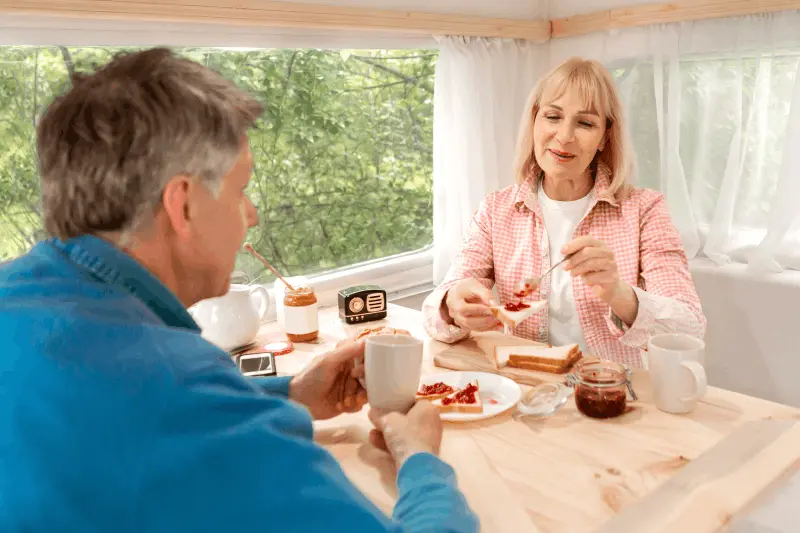
Cooking in a confined space, especially in cold weather, can lead to condensation on the windows and lingering food odors. When making pancakes, be sure to slightly open the kitchen window and, if available, run the ceiling fan (like Maxxair) to help ventilate. It is important to wipe the pan with a damp cloth immediately after cooking to prevent sugary and oily odors from settling in. If your caravan does not have a hood, keeping the window next to the stove open will ensure airflow and prevent moisture buildup.
How to Utilize Leftover Pancake Batter Without Spoiling in the Caravan?
Sometimes the batter we prepare in the jar may be too much. In caravan life, it is essential not to waste any food. You can store the leftover batter in the refrigerator for up to 24 hours by tightly sealing the jar. The next day, you can use this batter not only for breakfast but also for dinner by adding finely chopped fresh herbs, cheese, or corn to make a savory "dinner pancake" or a "zucchini fritter" snack. If the batter has thickened, adding a bit of water or milk will restore its cooking performance.
Can We Turn Making Pancakes into an Activity for Caravan Kids?
For families traveling in a caravan, making pancakes is one of the safest ways to involve children in the kitchen. You can let the kids mix the batter using the jar method; this will be a fun physical activity for them and help with the mixing of the batter. While you handle the cooking part, you can assign the kids the task of decorating the pancakes with fruits to create a "face" or embellishing them with safe edibles collected in the forest. This will be a great creative exercise for kids confined in a limited space and an unforgettable caravan memory.
What Type of Fat Should Be Used in the Pan for Golden Brown Pancakes?
Choosing the right fat is critical for perfect pancakes. Butter gives a wonderful flavor but has a low smoke point; this can cause pancakes to brown quickly on caravan stoves, which sometimes have uncontrollable high heat. what could be the reason. For the best result, you can mix liquid oil (sunflower or corn oil) with butter or simply use heat-resistant plain oil (ghee). Instead of pouring the oil directly into the pan, spreading it with a brush or dripping it onto a paper towel and wiping the pan ensures that the pancakes brown evenly and do not swim in oil.
Is Making Pancakes a Dream When There Is No Caravan Refrigerator?
If you are an "off-grid" camper and do not have a refrigerator, you can still make pancakes! For this, you need to use powdered milk and egg substitutes. When these products are mixed with water, they function like real milk and eggs and can be stored for months without spoiling at room temperature. Another method is to bring along "water-prepared" ready mixes that are completely plant-based and do not require milk and eggs. This way, even in the most remote bays without electricity and refrigeration, you can start your day energetically by treating yourself to a pancake feast in the morning.
How Do Secret Ingredients Added to Pancake Batter Enhance Flavor in a Caravan?
You can use some ingredients from your caravan cupboard to turn a standard pancake into a gourmet delight. Adding a spoonful of yogurt or a bit of lemon juice initiates a chemical reaction that helps the batter rise more. If available, adding a pinch of grated lemon zest or a teaspoon of granulated coffee will completely change the flavor. While carrying fresh vanilla beans in a caravan can be difficult, a small packet of vanilla or a drop of vanilla extract is key to that delightful aroma that fills the caravan.
How Are Pancake Presentations Different in Caravan Cultures Around the World?
The favorite presentations of those traveling the world by caravan vary by geography. In North America, campers love the sweet-salty balance with plenty of maple syrup and bacon, while in Europe, fresh fruits, Nutella, or local jams are preferred. In Turkey, pancakes in a caravan are served as "a part of the breakfast plate" alongside fresh Ezine cheese, olives, and tomatoes. This is the beauty of eating in a caravan; you can blend your plate with local products from the place you are in, experiencing a different cultural experience every morning.
What Should Be Considered for Safety When Making Pancakes in a Caravan?
Safety is the number one rule of the caravan kitchen. When making pancakes, make sure the pan handle is turned towards the counter; bumping into the handle in a tight space can lead to serious burns. Also, keep curtains or paper towels away from the stove. In case the caravan is parked in a bumpy place, check that the stove's hood fits snugly. After cooking, turning off the gas valve at the main source is a vital habit for a safe sleep and life in the caravan.
Can Natural Methods Be Used to Clean the Pancake Pan?
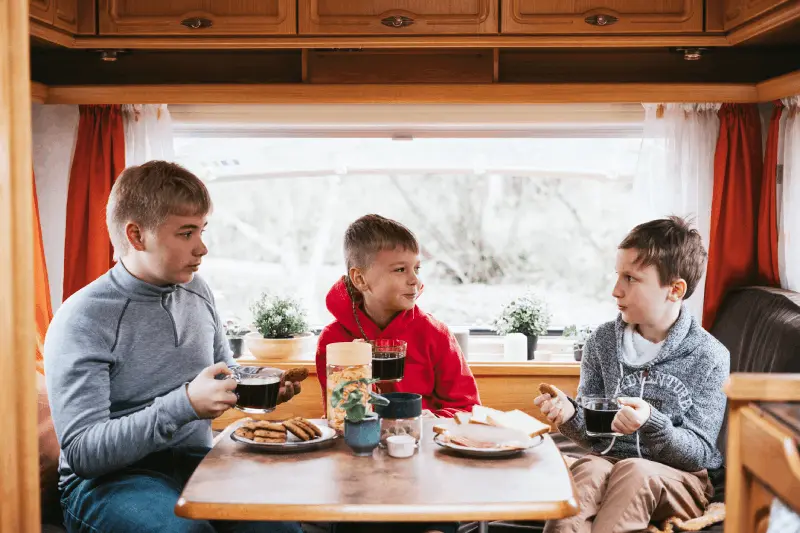
For eco-friendly campers who do not want chemical detergents to go into the gray water tank, there are natural cleaning methods available. After making pancakes, you can make a paste with baking soda and a little water to scrub the stains left in the pan. A mixture of lemon juice and salt is also great for removing stuck-on bits. These methods not only make your water recycling safer but also allow you to clean your pan's non-stick surface without harsh chemicals. It is quite meaningful to take these small steps to protect nature while it opens its arms to you.
What Is the Best Season and Weather for Making Pancakes in a Caravan?
Actually, every season is pancake season, but the most enjoyable is a cool spring morning. Opening the caravan door wide and letting fresh air in while being by a warm stove is a great pleasure. On rainy days, being stuck inside the caravan, making pancakes is the best way to make the most of your time and lift your spirits. On hot summer days, it would be a more sensible strategy to finish cooking early in the morning before the sun rises fully to avoid overheating the inside of the caravan.
What Are the Psychological Benefits of Making Pancakes on a Caravan Holiday?
Cooking in a caravan is not just about filling your stomach; it is a "slow living" ritual. Mixing the batter, watching the bubbles rise in the pan, and waiting for that perfect flipping moment helps you escape the stress of the modern world. That first warm slice you share with your loved ones instantly makes you forget the challenges of caravan life (water transport, waste, etc.) and reminds you why you are on the road. Pancakes, with their simplicity and the happiness they bring, are a physical and spiritual fulfillment tool that best reflects the spirit of caravan life.
Is Making Pancakes in a Caravan a Lifestyle?
It seems that making pancakes in a caravan is more of a ritual that adorns a morning full of freedom rather than a technical necessity. When the limited space, energy, and water resources are chosen with the right methods and equipment, this process turns from a hassle into great enjoyment. From using a windbreak instead of mixing batter in the kitchen to natural cleaning methods from high-altitude adjustments, these niche tips we share will enhance your mastery in your caravan kitchen. On your next route, get up early while the sun is rising, and enjoy flipping those fluffy pancakes while listening to the sounds of nature. Bon appétit!