How Does Choosing the Right Ground Determine the Foundation of Comfort?
The first thing you need to do when you step into the campsite is to analyze the ground where you will place your chairs or mats. For an ideal seating area, the ground must be flat and stable. Sitting on uneven terrain can lead to back and spine pain as your center of gravity will constantly shift. Additionally, sharp stones, pine cones, or plant roots on the ground should be cleared. If the ground is very hard, laying down a camping mat or an old carpet will increase comfort underfoot while also preventing dust and dirt from mixing into your seating area. Keeping in mind the drainage capacity of the ground, you should prefer slightly elevated spots where water will not accumulate in case of rain.
Why is Lumbar Support Critical in Ergonomic Camping Chairs?
Most standard camping chairs available on the market may be suitable for short-term sitting, but they can be inadequate in supporting your body during long evening conversations. Choosing models with lumbar support is vital for a comfortable seating arrangement. Designs that fill the gap in the lumbar region help maintain the natural curve of the spine, minimizing muscle fatigue. Additionally, the height of your chair's armrests and the depth of the seat are also factors that affect ergonomics. Very low chairs put too much strain on the knees, while very deep chairs can slow down circulation. A model that is suitable for your body type, made of breathable mesh fabrics, and offers head support is one of the most important investments that will elevate your camping experience to a higher level.
How is a Comfortable Area Designed with Leave No Trace Principles?
While seeking comfort in nature, it is essential not to harm the environment for sustainable camping. Establishing a seating arrangement in accordance with the "Leave No Trace" principles protects nature and provides you with a cleaner environment. When determining your seating area, you should prefer already disturbed or hardened soil surfaces instead of areas where plant cover is dense. Instead of using nails or wires that could damage trees, you should secure your equipment with tree-protective straps. By setting up your fire area at a safe distance from your seating arrangement, you can prevent sparks from damaging your chairs or tarps. Maintaining your comfort while preserving the aesthetics of nature will also enhance the spiritual satisfaction of your camping experience.
How is Thermal Zoning Around the Campfire Done?
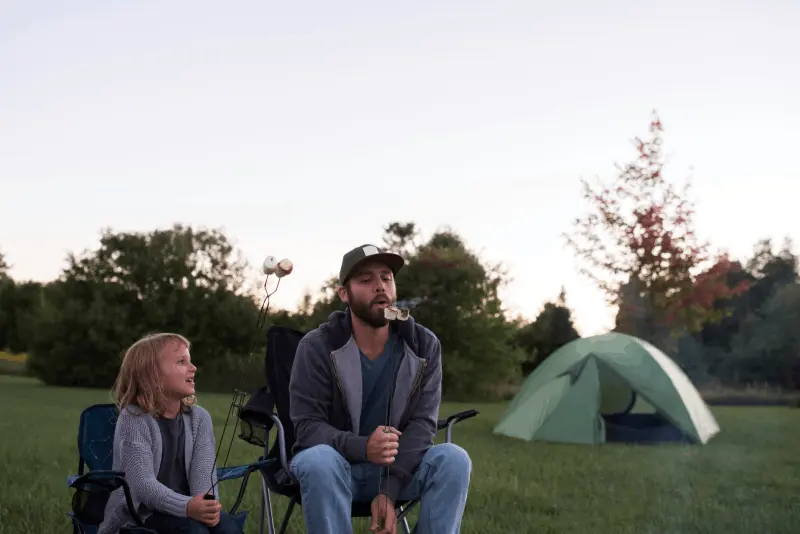
The campfire is the focal point of the seating arrangement in the evening hours, but it is essential to balance the heat well. Sitting too close to the fire can cause discomfort due to excessive heat and smoke, while sitting too far away can make you feel cold. The ideal arrangement creates a circle about 1.5 - 2 meters away from the center of the fire. By thermal zoning at this distance, you can ensure that each participant receives equal warmth. You should take a position that prevents smoke from directly reaching your seating area by calculating the direction of the wind. Additionally, hanging a blanket behind your chairs or using a windbreak panel to support the heat emitted by the fire will ensure that the warmth is trapped around your body, eliminating the "front hot, back cold" syndrome.
How Do Modular Camping Furniture Provide Advantages in Tight Spaces?
If your campsite is limited or there is not much space in your vehicle, modular furniture can be a real lifesaver. Tables that can be nested inside each other, chairs that fold down to the size of a bag, and units that can be used as both a table and a storage box make your seating arrangement flexible. Thanks to the modular structure, you can transform an area you used as a dining table for breakfast into a lounge corner by adding side tables in the evening. These types of equipment are usually made from lightweight aluminum alloys, making them easy to transport, and their leg heights can be adjusted according to the ground conditions. These pieces, which combine functionality with comfort, also provide mental relief by preventing clutter in the campsite.
How Do Natural Windbreaks Enhance Seating Comfort?
Wind is one of the biggest enemies of comfort in the campsite; it both reduces warmth and disrupts peace. When setting up your seating arrangement, you should utilize the natural shields provided by nature. A large rock, dense shrub groups, or a slight dip in the ground are natural barriers that reduce wind speed. If such natural structures are not available, you can create your own windbreak using a tarp or special wind panels. These barriers, placed perpendicular to the direction of the wind, create a more stable air mass in your seating area, making it easier to stay warm and preventing lightweight items on your table from blowing away. This strategic placement will make your camping evenings much more peaceful.
How is Ground Insulation Strengthened with Multi-Functional Camping Blankets?
Even if you are sitting in a camping chair, cold air coming from below can disrupt your comfort. This is where multi-functional camping blankets come into play. One side of these blankets is usually made of waterproof and heat-reflective material, while the other side is made of soft fleece or wool fabric. By laying the blanket over your chair, you can create an extra layer of softness and block cold air flow. If you prefer a ground seating arrangement, these blankets provide an excellent ground barrier. They prevent the cold from the damp soil from coming through and retain your body heat. Their lightweight and easy-to-clean nature makes them an indispensable comfort element among camping gear.
How is Portable Lighting Systems Optimized for Evening Seating?
Lighting sets the atmosphere of the campsite and thus your seating arrangement. It directly affects the comfort of the space. Very bright and white lights can strain the eyes and disrupt the natural ambiance. Instead, you should prefer "warm white" or yellow-toned LED lanterns. Instead of providing light from a single point, spreading it around the seating area creates a more balanced illumination. Solar-powered fairy lights hung on tree branches, adjustable gas lamps placed on the table, or hidden lighting placed under chairs enhance depth perception, creating a more intimate and secure environment. Additionally, positioning lighting elements above head level minimizes shadow formation, making activities like reading or dining much more comfortable.
How to Create a Suspended Relaxation Corner with a Hammock?
When you feel cramped in chairs, a hammock can be the most luxurious relaxation spot in the campsite. However, the right height and distance are essential for a comfortable hammock setup. The distance between two trees should be approximately 4-5 meters, and to avoid excessive sagging of the hammock, a 30-degree hanging angle is recommended. To achieve a flatter and back-friendly position in the hammock, you should lie diagonally. If the weather is cool, insulation layers called "underquilt" attached under the hammock prevent your back from getting cold. A small organizer pocket added next to the hammock allows you to keep your phone or book within reach, enhancing your comfort. Stretching your legs and watching nature while swaying will instantly eliminate camping stress.
Why Are Water-Resistant Textiles Important in Outdoor Seating Arrangements?
Unexpected light drizzles in nature can dampen the textiles in your seating area, ruining your enjoyment. Therefore, choosing cushions, pillows, and chair fabrics made from water-resistant or quick-drying materials is a significant advantage. Fabrics made from polyester or nylon blends repel water, preventing moisture absorption. If you are using cotton or wool fabrics, you must store these items in a closed box or inside the tent when leaving the campsite or going to sleep. Water-resistant textiles are not only resistant to getting wet but also more durable against food stains and dirt; this means a more hygienic and organized seating area during your camping trip.
How Do Footrests and Stools Affect Relaxation Efficiency?
After a day spent outdoors or engaging in activities, it's essential to elevate your legs to relieve blood circulation. A small folding stool or special footrest placed in front of your camping chair can increase your relaxation efficiency by 50%. Raising your feet to heart level reduces swelling and helps muscles recover faster. These additional items can also serve as extra seating or a side table when you have guests over or place a tray on them. These multifunctional small pieces are the unsung heroes that complete the comfort details in the seating arrangement and play a crucial role in alleviating physical fatigue.
What Are Practical Camping Solutions That Create Ground Heating Effects?
In cold weather, cold feet can cause the entire body to feel chilly. To create a "ground heating" effect in your campsite, you should lay a thick insulation layer under your seating area. This could be a foam mat (z-lite) or a special insulated camping rug. For added comfort, you can safely place hot water bottles under your feet or on the seat of your chair. Additionally, some modern camping chairs come with battery-operated heating pads that can be inserted. If you prefer traditional methods, heating large but not sharp stones near the campfire and wrapping them in a cloth to place at your feet will provide hours of natural warmth.
How to Implement a Circular Seating Plan That Fosters Group Dynamics?
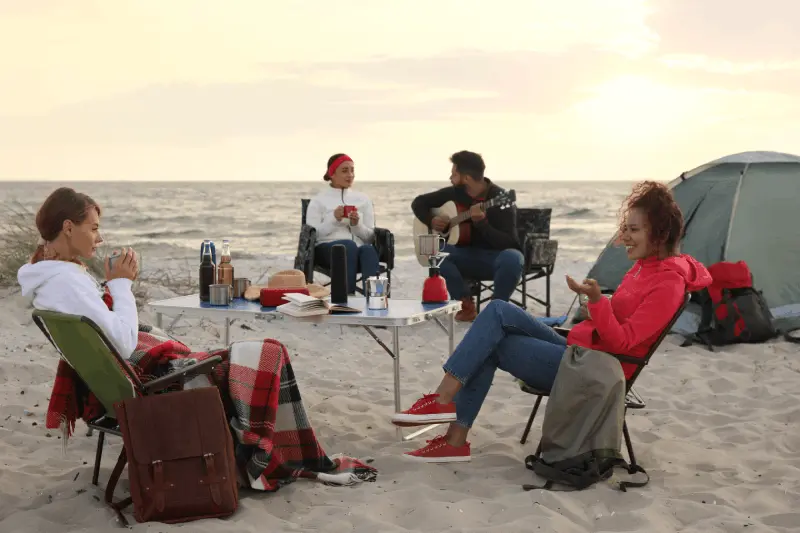
In crowded camps, a circular or "U" shaped seating arrangement is ideal for everyone to see each other and engage in conversation. This arrangement enhances social interaction while creating a non-hierarchical, egalitarian environment. You should arrange the chairs to face the center, where the campfire or a communal table is located. Leaving pathways between people ensures that everyone can easily get up and move around. Additionally, depending on the size of the group, it may be necessary to divide the seating area into several focal points; deep conversations can take place on one side while games are played on the other. Social comfort is not only about physical relaxation but also about the proper management of the group's energy.
How to Ensure the Flow Between the Camping Kitchen and the Seating Area?
The distance and accessibility between the seating area and the food preparation area (kitchen) determine the overall layout of the camp. Having the kitchen area too close to the seating group can create odors and clutter, while being too far away makes serving difficult. Ideally, the kitchen counter should be 2-3 meters away from the seating area and within the line of sight. This way, the person preparing food can stay engaged in conversation while the prepared meals can reach the table hot. Keeping the pathway between them clear reduces the risk of tripping while walking with a hot drink or food at night. Additionally, keeping kitchen waste away from the seating area and covered will prevent unwanted insect and animal visits.
How to Create a Comfort Zone Free from Mosquitoes and Pests?
The biggest comfort disruptors in nature are mosquitoes and other pests. To protect your seating arrangement from these unwelcome guests, you should establish a multi-layered defense. First, you can place natural insect-repelling plants around the seating area, such as citronella candles. Using yellow lights that attract fewer insects in your lighting selection can make a significant difference. If you have... If the mosquito density is very high, setting up a portable mosquito net gazebo that completely surrounds the seating area is definitely a must. Additionally, immediately cleaning up any crumbs that fall under your chairs will prevent ants and other insects from invading your area. These protective measures will help ensure that your evening enjoyment is not interrupted by pests.
What Are the Seating Techniques to Prevent Heat Loss in Winter Camps?
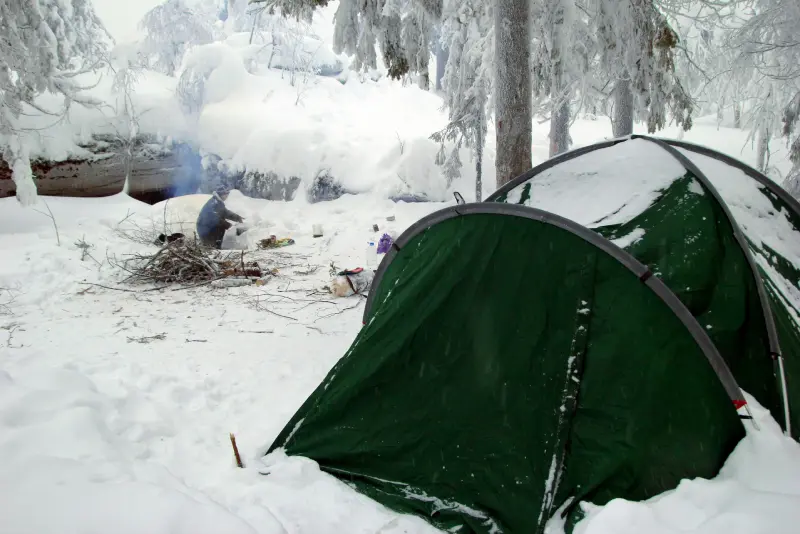
Sitting while camping in winter can cause you to lose heat quickly since you are not moving. In this case, the seating arrangement should focus on "heat retention". Placing insulation mats on both the seat and back of your chair will prevent your body heat from escaping through the metal or plastic parts. You should use a thick wooden pallet or several layers of mats to insulate your feet from direct contact with snow or frozen ground. To maintain body heat while sitting, you can also use a "poncho liner" or wearable blankets to keep your mobility. Additionally, covering the top of the seating area with a canopy will prevent cold air from descending from above and help create a warmer micro-climate inside.
How to Decorate a Personal Reading Nook in Nature?
Even in group camps, you might sometimes want to be alone and listen to the sounds of nature or read a book. For this, you can create a "personal comfort nook" a little further away from the main seating area, at a point with a view. A lightweight and easily portable "moon chair" or a comfortable ground mat is ideal for this. You can use a small piece of wood as a table next to it, placing your thermos and book on it. To increase the privacy of this area, you can use natural plant cover or draw a visual boundary with a tarp. Personal area comfort is one of the most valuable parts of camping for mental rejuvenation.
What Should a Safe and Fun Seating Arrangement Look Like for Campers with Children?
When camping with children, the seating arrangement should be both safe and suitable for their energy levels. Chairs for children should be selected from models that are more stable and have a lower risk of tipping over than adult chairs. It is more comfortable to create a "play and rest area" at ground level with soft mats and large floor cushions. Placing colorful ropes or stones to define a boundary that children should not cross around the fire area will enhance safety. Additionally, having their own small camping tables makes mealtime more enjoyable for them. A setup suitable for their height helps them feel valued and speeds up their adaptation to camping life.
How to Ensure the Comfort of Pets in the Camping Area?
Our four-legged friends also have the right to be comfortable in the camping area. You should have an elevated pet bed or an old sleeping bag next to your seating area that does not come into direct contact with the ground for your dog. This will protect the animal from ticks and prevent it from being affected by the cold. You should secure your dog's water and food bowls slightly to the side of the seating arrangement in a place that won't tip over. If your dog must stay tied up, it should be attached to a sturdy stake or tree with a "zip-line" system rather than to your chair; this way, it can move around without disturbing your comfort (by pulling the chair). Their peace means your peace as well.
Is It Possible to Achieve Maximum Comfort with Minimalist Equipment?
Achieving comfort without sacrificing lightness requires material knowledge and creativity. A comfortable seating arrangement can be established with just a camping mat and a few pieces of clothing. For example, a bag filled with clothes can serve as excellent back support or a pillow. A "sit-pad" can be folded to fit in your palm and turn hard rocks into seats. By cleverly using natural materials (logs, flat stones) and supporting these natural structures with a thin layer of insulation, you can create a minimalist yet effective setup. The secret of comfort in minimalism lies in each piece of equipment serving multiple functions and utilizing the geometric advantages offered by nature.
How to Maintain Comfort in Rainy Weather with Canopy and Tarp Setup?
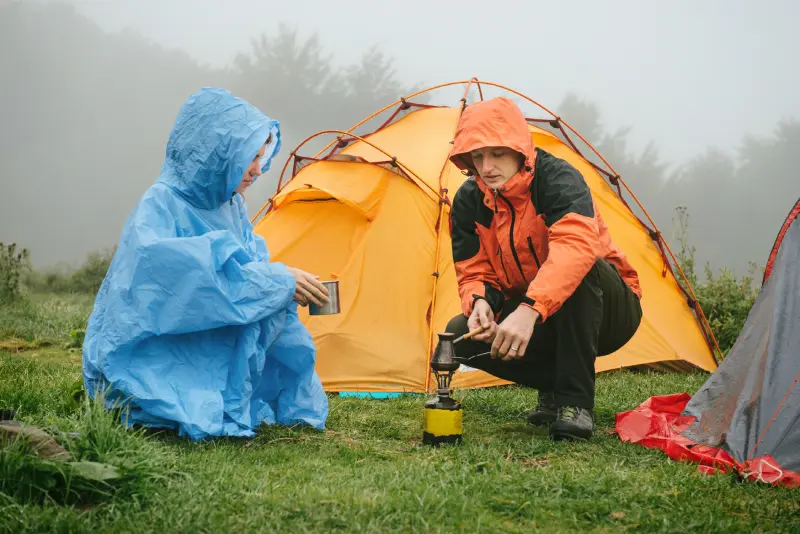
Rain should not spoil the joy of camping; rather, watching the rain under a tarp can be one of the most enjoyable moments. For a comfortable rain setup, you should set up your tarp (canopy) at an angle that completely covers your seating area and ensures that water flows off to the sides (usually in an "A-frame" or flat plane). You can create small drainage channels in the ground to prevent water from entering the seating area from the edges of the tarp. By positioning your chairs near the highest point of the tarp, close to the center, you can protect yourself from raindrops blown by the wind. Being able to sit outside in rainy weather allows you to maintain your comfort without breaking your connection with nature and adds a mystical atmosphere to your camping moments.
How Does the Micro-Topography of the Camping Area Guide the Seating Plan?
The micro-topography of the terrain, with its small indentations and protrusions, creates significant differences in seating comfort. For example, a slight depression can block the wind, while a slight mound can offer a better view and a drier ground. Before setting up your seating arrangement, you should observe the area for a few minutes and predict the direction of water flow. Sitting at the bottom of "V" shaped valley-like formations can be uncomfortable due to the cold air accumulating in these spots at night. Instead, you should choose a slight slope where air circulation occurs but is not directly exposed to the wind. Patios or terraces should be preferred. Understanding the architecture of nature ensures that you make the most accurate positioning.
How Do Adjustable Backrest Chairs Support Sleep Quality?
Sometimes you want to take a quick nap in your chair during a camping evening. Chairs with adjustable backrests allow you to transition from a sitting position to a resting position in seconds. Fully reclining models offer unique comfort for short naps or stargazing sessions. This feature allows you to change pressure points on your body during long-term camping, preventing the drowsiness caused by staying in a single position. Being able to adjust the backrest not only provides physical comfort but also gives you the freedom to use the same chair most efficiently for different activities (eating, chatting, resting).
How Does Using a Nature-Compatible Color Palette Affect Psychological Relaxation?
The comfort in a campsite is not only physical but also visual and psychological. Choosing nature-compatible colors (earth tones, greens, grays) in your equipment and seating arrangement reduces visual noise and makes you feel like a part of nature. Very bright and fluorescent colors tire the eyes and disrupt the peaceful atmosphere of nature. To create a more calm and serene atmosphere psychologically, natural textured fabrics and pastel tones should be selected. This visual harmony will positively support your overall sense of comfort by allowing your mind to slow down more quickly and helping you feel the relaxing effects of camping more deeply.
How Does the Height of the Camping Table and Chair Compatibility Affect Dining Comfort?
Meal times are one of the most important moments of camping, and the incompatibility between the table and chair can turn this pleasure into torture. If your table is too high, your shoulders will hurt; if it is too low, your back will be uncomfortable from bending. In an ideal dining arrangement, there should be a distance of about 25-30 cm between the top surface of the table and the seat of the chair. When choosing a folding camping table, opting for adjustable leg models allows you to level the table even on uneven ground. A stable table and chairs at the right height provide an ergonomic workspace not only while eating but also when playing games or preparing something at the table.
How Is a Special Viewing Area Prepared for Night Sky Observation?
Watching the stars in a camp without light pollution is the pinnacle of mental comfort. For this, you should determine a dark viewing point that is independent of your seating arrangement, where the lights (including the campfire) will not affect your view. In this area, chairs that recline fully or comfortable mats laid directly on the ground should be used. This "star terrace," equipped with a small pillow for neck support and a sleeping bag or blanket to avoid getting cold, allows you to watch the magnificent display of nature in the most comfortable way. Equipment that supports a horizontal position is essential to avoid neck pain while looking at the night sky, as it determines the quality of this experience.
How Does Using a Moisture Barrier Protect Health During Long-Term Sitting?
The biggest unseen enemy in nature is moisture. When you sit for a long time, the moisture from the ground or chair combines with your body heat, creating a "cold moisture" sensation, which can trigger joint pain. Plastic covers used as moisture barriers, aluminum-coated mats, or special waterproof covers completely eliminate this transition. Especially during the evening hours when it gets chilly, adding these types of barriers to the ground of the seating area and on the chairs ensures that you stay dry and warm. Keeping the body away from moisture is not only a comfort measure but also a critical precaution to prevent muscle cramps that may occur after camping.
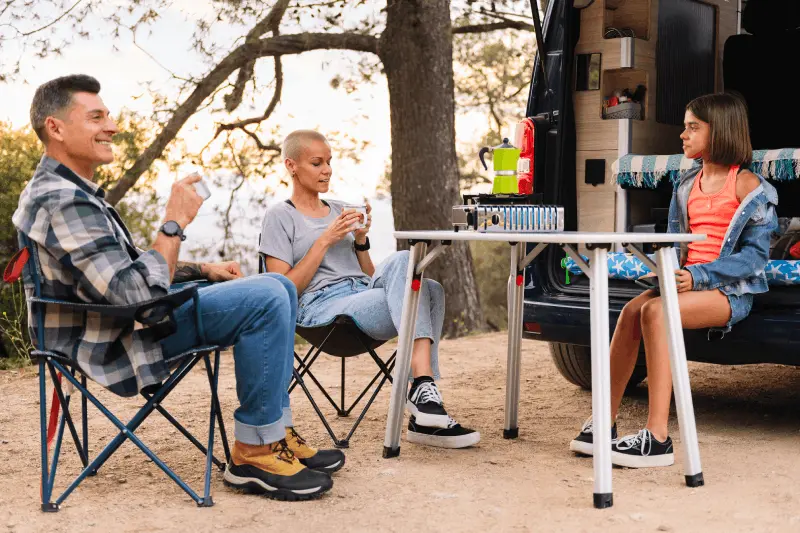
What Are the Organizational Benefits of Portable Side Tables?
In addition to a large dining table, small side tables next to each chair significantly enhance the order and comfort in the campsite. Instead of placing your drink, phone, flashlight, or book on the ground, putting them on these tables prevents your belongings from getting dirty or lost. Additionally, these small tables reduce the crowding around the large table, allowing everyone to have their personal comfort zone. While some side tables can be integrated into chairs, others are independent and foldable. The convenience they provide organizationally minimizes camping stress by giving the feeling of "everything at hand" and makes moments of relaxation more enjoyable.
How Is Sound Acoustics and a Peaceful Environment Maintained in the Campsite?
Another dimension of comfort is auditory. When setting up your seating arrangement, you should consider how sound will be distributed. For example, sitting in front of a rock can cause sound reflection, increasing noise. Areas surrounded by softer, plant cover absorb sound and create a calmer environment. If you are in a group, you should strategically choose the area to avoid disturbing other campers or wildlife with loud conversations. To create a peaceful acoustic among yourselves, you can set up a light background music (if appropriate) or simply create a silence arrangement that highlights the sounds of nature. Auditory comfort is as important as physical relaxation for drawing the peace of nature into yourself.
How Do Quick-Setup Furniture Contribute to Time Management?
Struggling for hours to set up furniture when you arrive at the campsite steals from your resting time. Modern "pop-up" or quick-setup furniture... Foldable furniture allows you to set up your seating arrangement in seconds. This technology is especially a great help when you are tired or when it is about to get dark. The ease of setup also provides you with flexibility when you need to change locations (for example, when the direction of the sun changes or when the wind picks up). Quickly assembled chairs and tables save you time when leaving the camp, preventing the last-minute panic that can occur. Efficient use of time increases your comfort by allowing you more time to relax and explore while camping.
Is the secret to comfort in the camp hidden in the details?
As you can see, creating a comfortable seating arrangement in the camp is an art. From the ground to the sky, when you combine ergonomics, insulation, social dynamics, and respect for nature in this process, camping becomes not just an activity but an unforgettable relaxation experience. By personalizing these strategies according to your own needs and the conditions offered by nature, you can fully enjoy the comfort on your next camping trip. Remember, the greatest luxury in nature is that little, peaceful corner where you feel at home.