Why Should You Prefer Vegetable Fritters Without an Oven While Camping?
Cooking in a camping environment requires practicality as we are away from the comfort of home. Vegetable fritters without an oven are a dish that you can prepare in a short time using just a pan and a simple stove. While oven-cooked meals require long cooking times and high energy consumption, making fritters in a pan saves fuel and prevents your camping tent or caravan from overheating in hot weather. Additionally, fritters are one of the lightest and tastiest options that ensure you get the vitamins and minerals you need from vegetables. Their lightness means they won't weigh down your stomach after outdoor activities and help you quickly regain your energy.
What Are the Essential Equipment Needed for a Practical Camping Kitchen?
The most basic necessity for making fritters is a quality pan. Camping stoves usually provide heat in a narrow area, so a cast iron or thick-bottomed pan that ensures even heat distribution will make your job easier. A sharp camping knife and a wide mixing bowl are sufficient for preparing vegetables. If you don't have the option to carry a grater with you, you can also use a peeler to slice the vegetables thinly. An ideal heat source is a camping stove (gas or cartridge stove) that is not affected by the wind and can burn controllably. You should definitely have a spatula on hand; because maintaining the shape of the fritters while flipping them is only possible with a proper spatula move.
How to Prepare Vegetable Fritters Without a Grater?
Many campers do not carry a grater with them, but this does not prevent them from making fritters. You can achieve a great texture by first slicing the vegetables into thin strips with your sharp knife and then cutting them into matchstick shapes (julienne). Especially soft vegetables like zucchini and carrots can easily be turned into small cubes with a knife. As an alternative method, you can use a potato peeler to create wide and thin ribbons from the vegetables, then stack these ribbons and chop them finely with a knife. Vegetables prepared using this method will remain firmer while cooking compared to grated ones, allowing you to taste the vegetable flavor more distinctly in the fritters.
What Are the Alternatives to Hold Fritters Together Instead of Eggs?
Although eggs are the main binder for fritters, your eggs may be broken or finished while camping. In this case, the "chia" or "flaxseed" gel, which is often preferred by vegans, is a great lifesaver. If you don't have these seeds with you, mashed and crushed potato can also help hold the mixture together. Additionally, you can achieve a thick consistency by using corn starch or chickpea flour. A thick batter prepared with just flour and a small amount of water will also bind the vegetables together. If you have dairy products at your campsite, grated cheese or a similar meltable cheese type can also act as a glue to hold the vegetables together while cooking.
Is a Cast Iron Pan or a Non-Stick Pan More Advantageous?
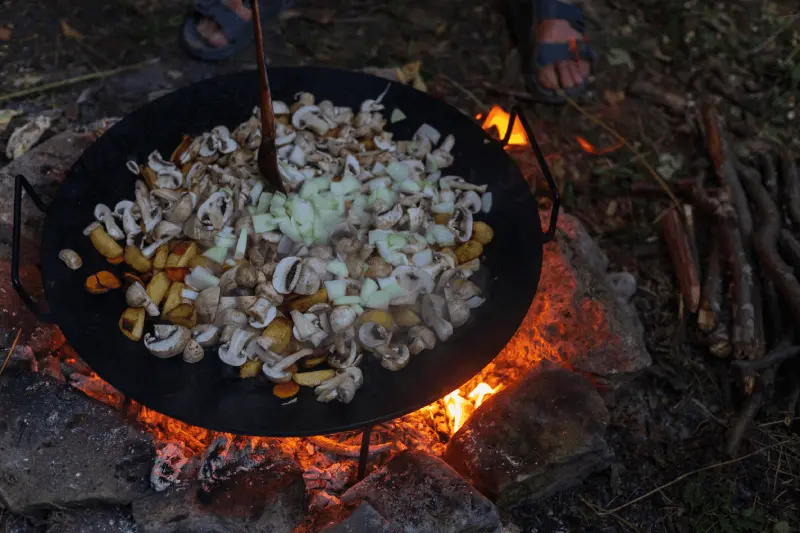
Cast iron pans retain heat for a very long time and distribute it evenly, which ensures that the fritters cook uniformly. However, cast iron pans are heavy, making them difficult to carry in backpacking camps. Non-stick pans stand out with their low oil usage and easy cleaning advantages. If water is limited in camping conditions, cleaning a non-stick pan will provide you with great convenience. If you are cooking over a campfire, a cast iron pan is more resistant to high heat and direct flames. However, if you are using a controlled camping stove, a lightweight non-stick pan will allow you to flip the fritters easily, reducing your workload in the kitchen.
What Are the Key Points for Controlling Heat Over a Fire?
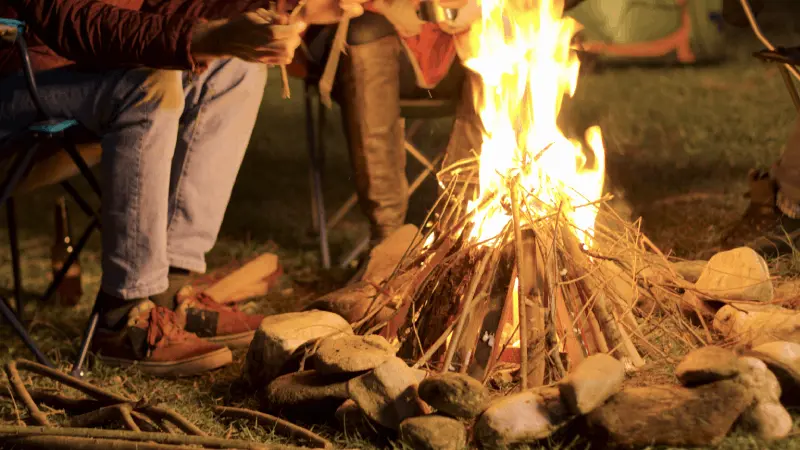
When cooking over a campfire or wood fire, maintaining heat control is the biggest challenge. To prevent the outside of the fritters from burning while the inside remains raw, you should place the pan not directly in the center of the fire but rather in the areas where the coals are a bit more. If you cannot adjust the intensity of the fire, you can occasionally pull the pan away from the fire to reduce its heat. If you are using a camping stove, make sure it has a wind shield. Wind can cause the flame to concentrate on one side and unevenly heat the pan. Finding the balance point between low and medium heat will ensure that the insides of the fritters are fluffy while the outsides are crispy.
Why Is It Vital to Squeeze the Water Out of Zucchini Fritters?
Zucchini contains a very high amount of water due to its structure and releases this water as soon as it comes into contact with salt. If you do not squeeze the water out of the zucchini thoroughly, the mixture you prepare will turn into a soup in a short time. This situation can cause the fritters to fall apart while cooking in the pan and lead you to add too much flour. Excess flour will suppress the light and vegetable-heavy taste of the fritters. After grating the zucchini at the campsite, sprinkle a little salt and wait for a few minutes, then squeeze out all the water with your hands or with a clean cloth. This simple step is the most important secret that directly affects the texture of your fritters.
How Do Carrots and Potatoes Increase Satiety While Camping?
While zucchini alone is a light meal, it may not be filling enough after a day of intense activity. Carrots enhance the flavor balance with their caramelized sweetness, while potatoes increase the feeling of fullness due to their starch content. Potatoes also ensure that the fritters have a crunchier exterior.
In the camp, your energy needs are higher, and the carbohydrates provided by potatoes are ideal for meeting this need. Additionally, potatoes and carrots are more durable vegetables compared to zucchini; they can be transported in a camp bag for a longer time without spoiling in hot weather. Adding this duo to the batter is a great way to elevate fritters to the main dish category.How to Integrate Wild Thyme and Herbs into Fritters?
Fresh herbs like thyme, mint, or wild garlic that grow in the area where you are camping will add a unique aroma to your fritters. Before using these herbs you have foraged from nature, make sure you wash them with clean water and accurately identify the plant species. Removing the leaves of fresh wild thyme and adding them to the batter will spread the aroma of the fritters throughout the camp. It is important to keep the amount of herbs balanced due to their sharp aromas. These herbs not only add flavor but also provide healing to your body thanks to their antioxidant properties. These fresh spices offered by nature are the most natural touch that will elevate your camp meal to restaurant quality.
How Does the Amount of Flour Affect the Consistency of Fritters?
Flour forms the skeleton of the fritters; however, using the correct amount is an art. If you use too little flour, the fritters will fall apart in the pan and won't flip. If you use too much flour, you will end up with a heavy result that lacks a vegetable taste and has a doughy interior. The ideal consistency is one where the vegetables form a thin layer with each other, but the colors of the vegetables are still clearly visible. Maintain control by gradually adding flour while camping. If the batter is too runny, add another spoonful of flour. By choosing whole wheat flour or corn flour as your flour, you can increase the nutritional value and experiment with different textures.
How Does Using Corn Flour Change the Crispiness?
Corn flour has a coarser and firmer texture compared to wheat flour. Adding a bit of corn flour to the fritter batter ensures a golden crust forms on the surface during cooking. This crispiness creates a wonderful contrast, especially with the soft texture of zucchini. Additionally, corn flour contains less sugar than wheat flour, resulting in fritters that are less oily and crispier. Keeping corn flour on hand while camping will provide you with a significant advantage not only in fritters but also in fish or other fried foods. Using a 50/50 mix of corn flour and white flour in your batter will help you achieve the ideal balance.
What Are the Essentials of Frying with Less Oil?
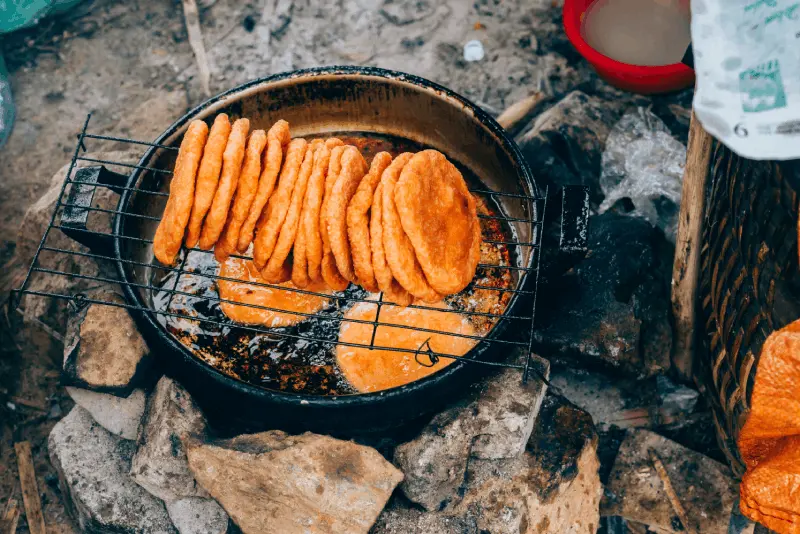
In a camping environment, the use of oil should be minimized for both health and cleanliness. Instead of deep-frying the fritters, just coat the bottom of the pan with a thin layer of oil. Do not put the batter in the pan until the oil is thoroughly heated; cold oil will soak into the vegetables and result in a heavy outcome. Gently pressing down on the fritters while they cook helps the insides cook faster with less oil. If you cover the pan with a lid while cooking, the steam created will help soften the vegetables while the bottom continues to crisp. With this method, you can make perfect fritters that are cooked inside without burning on the outside.
Is It Possible to Prepare Fritter Batter in Advance and Cook It at Camp?
While preparing fritter batter at home and bringing it to camp may seem like a great convenience, the vegetables (especially zucchini) can release water over time, complicating things. If you want to prepare in advance, grate the vegetables and squeeze out their juice, then transport the flour and spice mixture in a separate container. Combine them just before cooking. However, squeezing the water out of the zucchini at the campsite always yields a fresher result. If you are going to bring the batter completely prepared, do not forget to add the baking soda or baking powder just before cooking; otherwise, your fritters will not puff up.
How to Make the Most Popular Camp Sauces to Pair with Fritters?
The most loyal companion of fritters is undoubtedly yogurt. If you have strained yogurt at the campsite, you can prepare a legendary dip sauce by adding some garlic (or wild garlic) and the mint you gathered from the campsite. If you don't have yogurt, you can also prepare a tahini, lemon juice, and water mixture that resembles tarator, which pairs very well with vegetable fritters. If you like spicy, you can lightly heat some red pepper flakes and olive oil in a small container and drizzle it over the fritters. The sauce balances the warmth and oiliness of the fritters, enhancing the freshness level of the meal. Additionally, dipping a small piece of bread into the sauce is one of the most enjoyable moments of camp meals.
How to Adapt Fritter Recipes for Vegan Campers?
Making a vegan fritter is actually very easy to overcome the egg barrier. Mashed and crushed potatoes, chickpea flour, or corn starch can be used as binders. Chickpea flour increases the protein value and gives a texture similar to eggs when cooked. You can achieve a cheesy flavor by adding nutritional yeast instead of cheese. As for vegetables, you can create variety not only with zucchini but also with vegetables like broccoli stalks, leeks, or spinach. Vegan fritters provide longer-lasting energy in nature and are much easier to digest compared to those with animal ingredients.
Which Binders Are Suitable for Those on a Gluten-Free Diet?
For a gluten-free fritter, you can use corn flour, rice flour, or buckwheat flour instead of wheat flour. Especially the combination of corn flour and chickpea flour adds great crispiness and flavor to the fritters. To increase the binding, you may need to add a bit more egg or egg alternative to the batter. Using starchy vegetables like cauliflower or potatoes as a base will help you achieve healthier fritters with less flour. Make sure to thoroughly clean your equipment to avoid cross-contamination while camping. Since gluten-free flours have different water absorption rates, adjusting the consistency of the batter by feeling it with your hands is the safest way. o-images.o-ogedayinan.workers.dev/blog/8fa1642b-6d72-41ea-a5ac-54c4068277b6_lg.webp">
How Should Vegetable-Loving Muffin Presentations for Children Be?
Camping is a great opportunity for children to get along with vegetables. You can serve the muffins in small pieces (nugget size) under the name "vegetable meatballs." Adding grated carrots and corn inside makes both the color and taste more appealing. Presenting the muffins in the form of "muffin kebabs" by arranging them on sticks will attract children's attention. You can turn this healthy meal into a game with colorful vegetable sticks and a favorite sauce on the side. When combined with the appetite given by being outdoors, you will see that they consume vegetables they usually do not eat at home with great pleasure.
How to Evaluate Leftover Muffins for Breakfast the Next Day?
Muffins are not only for dinner but also a great breakfast option. You can turn leftover muffins into a filling omelet by lightly heating them in a pan and cracking an egg on top the next morning. Or you can prepare a quick breakfast sandwich by placing cold muffins between sandwich bread and adding fresh tomatoes and cheese. The flavors of the vegetables inside the muffins usually become more settled the next day as they release their aromas. It is important not to waste any food while camping, and muffins are one of the most flexible ingredients in this regard.
How to Clean the Ash Left from the Campfire?
If you used a cast iron pan or a steel pot and the grease residues are stubborn, the white ash left from the campfire is a great cleaner. Mix the cooled ash with a little water to make a paste and scrub your pan with it. The potassium carbonate in the ash has the property of dissolving fats. This ancient cleaning method allows you to clean your equipment without harming nature. However, do not apply this method on non-stick surfaces, as the small particles in the ash can scratch the surface. After cleaning, remember to rinse your equipment with clean water and lightly oil the cast iron pan before storing it.
How Should Waste Management and Vegetable Peels Be Evaluated in Nature?
It is vital to adhere to the "Leave No Trace" principles while camping. Never leave vegetable peels and scraps randomly in the campsite while preparing muffins. If possible, collect these scraps in a bag and take them to the nearest waste bin. While some campers bury vegetable peels in the ground, this can attract wildlife to the campsite and disrupt the ecosystem. The best option is to chop the peels as finely as possible and include them in the muffins; because most of the vitamins are just beneath the skin. Being disciplined about waste management is the most fundamental indicator of our respect for nature.
What is the Lid Technique That Ensures the Cooking of Muffins Inside?
Many novice campers complain that while the outside of the muffins burns, the inside remains gooey. The most guaranteed way to prevent this is to cover the pan with a lid. The lid helps trap the heat inside and aids the vegetables in cooking through their own steam. Keep the lid on during the first half of the cooking time, allowing the vegetables to soften and stick together. In the final stage, open the lid and slightly increase the heat to ensure the outside surface gets browned. If your pan does not have a lid, a large piece of aluminum foil or another flat plate can also serve as a cover. This simple physical principle perfects the texture of the muffins.
How Do Onion and Garlic Enhance the Aroma of Muffins?
Onion and garlic are essential ingredients for all savory dishes, including muffins. Using fresh green onions instead of dried onions while camping speeds up the preparation process and gives a fresher taste. Chop the onions very finely so they do not remain hard while cooking. Instead of grating, if garlic is crushed with a knife and turned into a puree, it gives a stronger aroma. These two ingredients enrich the simple taste of vegetables, adding depth. Especially the caramelization of onions cooked over the fire adds a layer of flavor that harmonizes with the smoky camp taste of your muffins.
Which is Better: White Cheese or Cottage Cheese?
The choice of cheese depends entirely on your personal preference and what you expect from the muffins. White cheese gives a salty and dominant flavor, while cottage cheese is lighter, protein-focused, and makes the texture of the muffins more crumbly. It may be more practical to carry hard white cheeses that have a lower risk of spoilage while camping. If the cheese is very salty, be sure to reduce the amount of salt you add to the mixture. When the cheese slightly touches the bottom of the pan while cooking and gets a little burnt, it creates the most delicious parts of the muffins with the crispy cheese pieces that emerge.
Is Olive Oil or Sunflower Oil More Suitable for Camping Conditions?
Olive oil is always a step ahead with its high nutritional value and aroma; however, its smoke point is lower. If you are going to fry at very high heat, olive oil can burn quickly and leave a bitter taste. Sunflower oil, on the other hand, is more resistant to higher temperatures and does not interfere with the vegetables with its neutral taste. In camping conditions, "riviera" olive oil is generally a good middle ground in terms of both flavor and heat resistance. If you are only going to carry one oil, prefer extra virgin olive oil due to its versatile use, and be careful not to let the heat rise too high during cooking to achieve the healthiest result.
How Does Spice Balance Elevate the Flavor of Muffins?
The essential spices for muffins are black pepper, red pepper flakes, and dried mint if available. However, you can unleash your creativity while camping. A pinch of cumin facilitates the digestion of vegetables, while turmeric gives your muffins an appetizing golden color. Mixing the spices with flour before adding them ensures an even distribution of flavor in every muffin piece. While camping, carry your spices in small, tightly sealed containers to prevent them from getting damp and losing their aromas. The right spice balance is the most fundamental indicator of respect for nature. arc, can turn into a gourmet dish that leaves a mark on the palate.
How to Increase Stove Efficiency in Windy Weather?
Wind is the biggest enemy of outdoor cooking. Even if it doesn't extinguish the flame of the stove, it causes the heat to escape and the fuel to waste. When making fritters in windy conditions, always use a windbreak. If you don't have a windbreak, arrange your camping gear, stones, or natural elevations around the stove to block the wind. Using wide bottoms that trap heat under the lid also increases efficiency. When heat loss is reduced, your fritters cook faster and more evenly. Remember, the less heat loss, the crispier the fritters and the longer-lasting the camping experience.
What Are the Secret Methods to Prevent Fritters from Absorbing Oil?
Oily fritters can upset your stomach and ruin your camping enjoyment. The first rule to prevent oil absorption is to heat the pan and oil thoroughly. Cold vegetables absorb oil like a sponge. The second rule is to add a teaspoon of baking soda or baking powder to the batter; this creates small air pockets within the batter, preventing the oil from penetrating deeply. The third method is to place the cooked fritters on a paper towel (if available) or on a clean napkin or a slice of bread immediately after taking them out of the pan to drain excess oil. With these methods, you will achieve light, stomach-friendly, and delicious results that linger on your palate.
How Should Portion Control and Spoon Measurement Be Adjusted?
Ensuring that all fritters are of the same size and thickness allows them to cook evenly. Therefore, be careful to use the same spoon (preferably a serving spoon) each time you put the batter in the pan. After placing a spoonful of batter in the pan, gently press down with the back of the spoon to flatten it. An ideal camping fritter should be about the thickness of a finger joint and the size of a handful. If you make them too large, they become difficult to flip and have a higher risk of breaking apart. Smaller and standard portions not only enhance presentation but also make the cooking process more manageable.
What Is the Effect of Patience on Flavor When Cooking Fritters?
As in the kitchen, patience is key to flavor while camping. Do not attempt to flip the fritters as soon as you place them in the pan. Wait at least 3-4 minutes for the bottom surface to brown properly and for the vegetables to hold together. Trying to flip an undercooked fritter will cause it to break apart. When you see the edges starting to brown, this is a sign that the fritter is ready to be flipped. Every second of patience results in a more caramelized, crispier, and sturdier texture. Keep pace with nature's rhythm and allow your fritters to cook at their own pace.
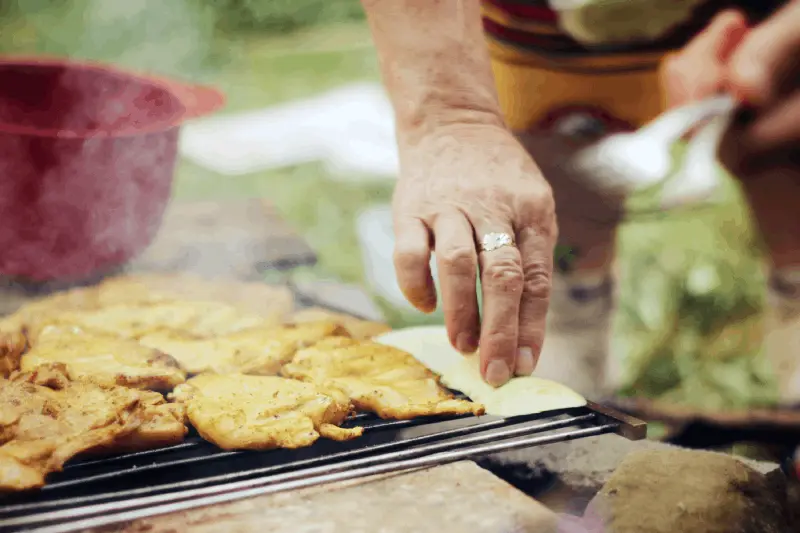
What Is the Difference of Fritters Made with Local Herbs?
If you are in the Aegean, nettle and purslane will give your fritters a completely different identity; if you are in the Black Sea, chard and kale will do the same. Local herbs carry the taste of the region's soil and climate. Most of these herbs are more aromatic and fibrous compared to their counterparts. Therefore, it is important to finely chop the herbs before using them and, if necessary, lightly rub them with salt to soften. A fritter made with local ingredients is not just a dish; it is also a way to connect with the culture of that region. Shopping from local markets while camping turns your fritters into a discovery journey.
How to Prepare Fritter Sandwiches in the Camp?
If you are going on a long hike or want a quick meal, fritter sandwiches are a great solution. Place 2-3 hot fritters between slices of fresh village bread or sandwich bread. Add some fresh mint, a slice of tomato, and a piece of white cheese if available. If you have mustard or mayonnaise on hand, they will complement this duo very well. With the soft texture of the fritters combined with the crispness of the bread, you will have a filling and easy-to-carry meal. This sandwich is a strong candidate to be the most beloved and practical "fast food" alternative of the camp.
How Do Cooking Times Change at High Altitudes?
In high-altitude mountain camps, the boiling point of water decreases due to lower air pressure, and the oxygen level drops. This situation causes cooking times to extend. When making fritters, you may need 20-30% more time compared to cooking at sea level. Additionally, at high altitudes, the heat from the fire dissipates more quickly, making it much more critical to use the lid of the pan. Cutting vegetables thinner is a smart tactic to speed up the cooking process at high altitudes. In that magnificent view at the mountain top, the taste of a warm fritter cooked with patience will be priceless.
What Should Be Done to Keep the Color of Fritters Vibrant?
To maintain the appetizing green and orange colors of fritters after cooking, you should mix the vegetables without bruising them too much. Adding a bit of lemon juice to the batter prevents the vegetables from oxidizing (turning dark). Additionally, mixing the grated vegetables with flour immediately after grating and starting to cook minimizes color loss. Ensuring that the pan is not excessively hot during cooking also helps keep the colors vibrant without burning. A colorful plate not only appeals to the eye but also indicates that the nutritional values within the vegetables are preserved.
Is It Better to Serve Hot or Cold?
Fritters are one of the rare dishes that can be consumed in both ways. A fritter that has just come out of the pan, with steam rising from it, has an unmatched crispiness. However, in summer camps, cold fritters served with ice-cold ayran can also be incredibly refreshing. As they cool, the spices and vegetable flavors in the fritters blend better. If you are going to eat them as a main dish, I recommend serving them hot; if you are going to consume them as an appetizer or snack, serve them cold. To enjoy both options while camping, a little bit of... It is best to eat some immediately and set aside a portion for later.
How to Organize Mass Zucchini Fritter Production in Group Camps?
If you are camping with a large group of friends, frying fritters can turn into a team effort. One person can prepare the vegetables and squeeze out the water, while the other can focus on mixing the batter and cooking. If possible, two pans should be used simultaneously, and the cooked fritters should be gathered in one container and covered to keep them warm. The most important point in mass production is to remember to add enough oil to the pan each time. A giant tray of fritters prepared by everyone's teamwork will be one of the most beautiful moments shared around the campfire. Organization ensures that everyone can eat hot food at the same time.
How Does the Use of Baking Soda or Baking Powder Enhance Fritters?
Adding half a teaspoon of baking soda to the batter helps the fritters puff up slightly while cooking and gain a fluffy texture. This way, the inside of the fritter becomes airier and less dense. Additionally, baking soda interacts with the acid in the batter, helping the fritter's outer surface achieve a more beautiful golden color. If you don't have baking soda, baking powder will do the same job. This small chemical touch is one of the secrets of professional kitchens and adds that professional "bakery fritter" vibe to your camp meal.
What Should Be Done to Prevent Fritters from Falling Apart While Cooking?
Fritters falling apart is usually due to either not squeezing the water out of the vegetables well enough or using insufficient binding agents (egg/flour). To prevent falling apart, wait for the batter to settle well in the pan before touching it, and do not disturb it until the bottom is completely cooked. If the first fritter falls apart, strengthen the remaining batter by adding another spoonful of flour or an egg. Also, make sure the pan is hot enough; a cold pan causes the vegetables to spread out and lose their shape. Firm and evenly shaped fritters make both cooking and serving much more enjoyable.
What Are the Safety and Cutting Techniques When Using a Camp Knife?
In nature, you don't have the wide kitchen counters like at home; you usually chop on your knee or on a stone. Therefore, safe cutting techniques are very important. When holding the vegetable, curl your fingers inward (claw technique) to keep them away from the knife. Always ensure that your knife is very sharp; a dull knife slips and can cause accidents. If possible, carry a portable cutting board with you or find a clean flat stone. Don't rush while cutting; slowly and safely chopping in the tranquility of nature is part of the camping ritual.
What Should the Conditions for Storing Ingredients in a Natural Environment Be?
Since there is no refrigerator in the camp, protecting your vegetables and eggs requires strategy. Store vegetables in breathable cloth bags instead of plastic ones, in a shaded and cool place. You can keep eggs cool by transporting them in protective plastic containers or in a container of water. If there is running water at the campsite, you can create a natural refrigerator effect by placing your ingredients in a waterproof container in this cold water. Consuming fresh ingredients in the early days of camping eliminates the risk of spoilage. Although fritter ingredients are relatively durable, freshness is always the first condition for flavor.
What Beverages Complement the Enjoyment of Fritters?
The drink that pairs best with a delicious vegetable fritter is a fresh ayran that you prepare yourself. By thoroughly shaking strained yogurt, water, and a pinch of salt (using a shaker or bottle), you can achieve a refreshing ayran. Alternatively, a mint tea made with the mint you collected from the campsite or a refreshing homemade lemonade also pairs wonderfully. If it's dinner time, a light white tea or herbal tea complements the lightness of the fritters. The right drink cleanses the taste of the meal, ensuring you experience the same flavor with every bite.