Which Type of Wood is Ideal for Turkish Coffee Over Coals?
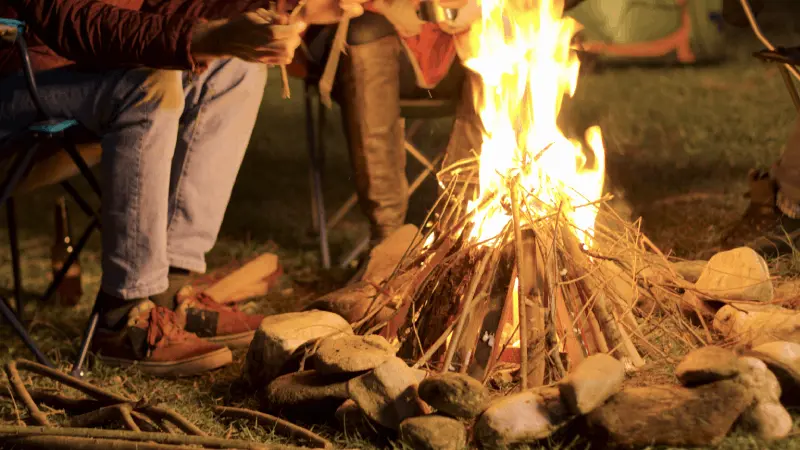
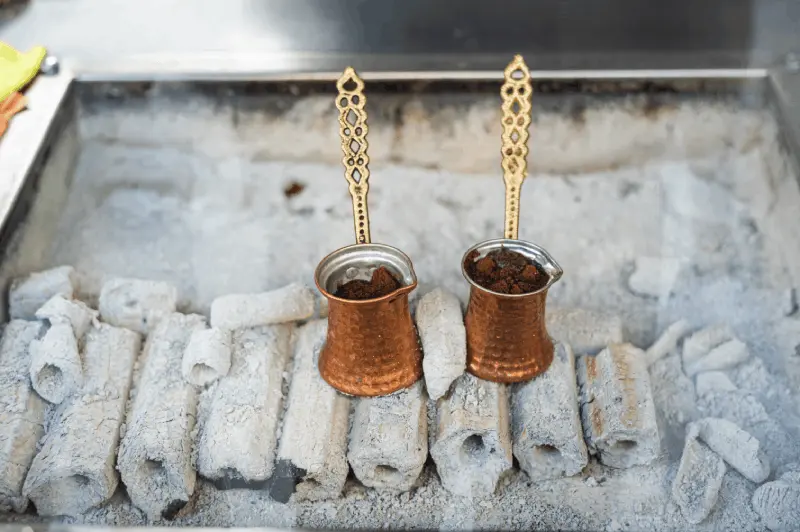
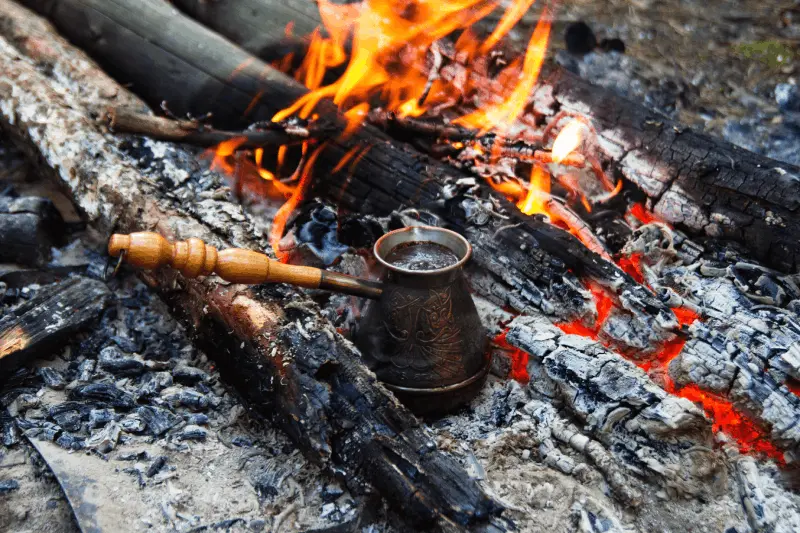
The source of heat while making coffee over coals directly affects the aroma of the coffee. The ideal coals are obtained from hard woods like oak or hornbeam. These woods create embers that burn for a long time without extinguishing and emit a balanced heat. Resinous woods like pine burn very quickly and turn to ash, leaving a strong smoke smell that can mask the pure aroma of the coffee. The coals should be in that "mature" stage where the flames have died down and a thin layer of gray ash has formed on top, ensuring that the coffee cooks slowly without burning.
Should You Prefer a Copper or Steel Cezve?
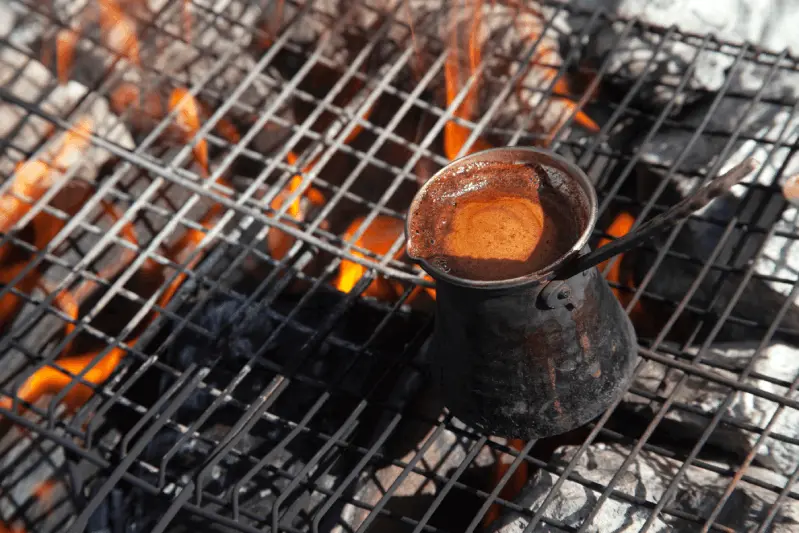
When enjoying coffee in nature, the choice of equipment is crucial. If you want to stick to traditional methods, a thick copper cezve lined with tin is the best option. Copper distributes heat evenly across the surface, ensuring that the coffee cooks uniformly at all points. Steel cezves, on the other hand, transfer heat very quickly and can cause scorching at the bottom; this can lead to the coffee being burnt or overcooked. The most resilient and flavor-preserving material against the irregular heat of the coals is always wrought copper.
How Does the Freshness of Coffee Beans Affect Flavor?
The main factor determining the flavor of your drink while camping is the freshness of the beans. If possible, you should grind your coffee just before camping or bring a manual grinder with you to grind it at the moment of brewing. Turkish coffee is ground very finely, so it loses its aroma quickly when exposed to air. The fresh coffee aroma, combined with the smoky and natural scent of the coals, elevates your experience at the campsite to a higher level. No matter how well stale coffee is brewed, it will not provide the expected foam and that characteristic body.
How Does the Temperature of the Coals Determine the Foam of the Coffee?
The signature of Turkish coffee is its foam, and achieving this foam over coals is an art. If the coals are too hot, the water boils suddenly, and the coffee particles sink without forming foam. The ideal coal temperature is at a level where it does not burn your hand when you hold it over the cezve but still feels warm. The coffee should brew for about 5-7 minutes over the coals. This slow process allows the oils of the coffee to dissolve into the water and creates a thick, lasting layer of foam.
Does the Water We Bring Affect the Taste of the Coffee?
Campgrounds often lack tap water, so we use the water we bring with us. The hardness and mineral balance of the water directly affect the taste. Very hard or very soft waters can overpower the aroma of the coffee. For the best results, soft drinking water from a quality source should be preferred. Additionally, the water should always be cold; starting with room temperature or warm water will cause the coffee to brew too quickly and not allow it to release its aromatic properties.
Should the Coffee to Water Ratio Change When Brewing Over Coals?
Due to the temperature difference between the stove at home and the coals outside, slight adjustments can be made in the ratios. For a standard cup, one heaping teaspoon (about 7-8 grams) of coffee is ideal. However, to balance the smoky taste of the coals and achieve a fuller-bodied drink, increasing the amount of coffee slightly (like a heaping teaspoon) may yield better results while camping. Coffee feels stronger over coals, so instead of filling the water to the rim of the cup, leaving a finger's width of space will create room for the foam to rise.
When Should Sugar Be Added for Those Who Like Sweet Coffee?
Using sugar while making coffee over coals is a delicate matter. Sugar should be added before placing it on the coals with the coffee and water. Sugar added after the cezve is heated does not dissolve evenly and can disrupt the brewing balance of the coffee. Additionally, sweetened coffee is more prone to overflowing over coals. Therefore, it is essential to adjust the amount of sugar well and monitor the cezve more carefully over the coals. While the pure aroma of plain coffee blends better with the coals, this order is critical for those who prefer sweetened coffee.
Is It Necessary to Stir the Cezve Over the Coals?
After placing the coffee in the cezve and adding the water, it is sufficient to stir it well just before placing it over the coals. Continuously stirring while the coffee is over the coals can cause the microfoam that forms to burst and ruin the creamy texture. Many people think that the coffee needs to be stirred during brewing, but the convection current created by the heated water will already mix the coffee. Just that initial stir to prevent clumping is enough for the perfect consistency.
What is the Difference Between Coffee in Sand and Coffee Over Coals?
Making coffee in sand is a method that allows for more controlled heat from all sides. Coffee over coals, however, offers a wilder, smokier, and more aromatic experience. While brewing over coals, a fine smoky aroma infuses the coffee, which is the most special detail reflecting the spirit of camping. Coffee in sand provides a more sterile heat, while one side of the cezve over coals may receive more heat. Therefore, occasionally rotating the cezve on its axis over the coals helps ensure even heating and maintains the advantage of the coals.
Should Coffee Cups Be Heated During Brewing?
Heating the cups makes a significant difference in preventing the coffee from cooling immediately on a cold camping morning. While the coffee is brewing slowly in the cezve, you can place the cups near the coals (not directly on the fire) to warm them up. When hot coffee is poured into a cold cup, it experiences a shock of temperature and its aroma diminishes. Additionally, a warm cup helps the coffee's foam stay lively for a longer time. This small detail distinguishes the difference between a professional camping coffee experience and an ordinary drink.
Where Should the Cezve Be Placed Over the Coals?
The brightest embers at the center of the fire usually provide very high heat. The cezve should be placed right in the middle. Instead of placing it directly on the coals, it is best to place the pot a little more to the side of the coals, at a point where the heat is more stable. If you place a small piece of stone under the pot to slightly reduce direct contact with the coals, you can make the heat transfer smoother. This ensures that the coffee is brewed by "steeping". Coffee brewed quickly only becomes bitter, while coffee that waits on the side achieves a velvety softness.
What Signs Should You Look For to Avoid Losing the Foam?
While brewing coffee on the coals, you should not take your eyes off the pot. When the coffee starts to heat up, there will be a slight movement at the edges, followed by the formation of a proper foam ring in the middle. The moment the foam starts to rise, you should immediately pull the pot away from the coals. If you delay even for a second, the coffee will boil, and that precious foam will disappear. Since controlling the heat on the coals is not as easy as on a stove, the safest method is to hold the pot by the handle and lift it up as soon as you feel it rising.
How Should Accompaniments to Coffee Be Selected in Nature?
The accompaniments to be served alongside coffee on the coals should be in harmony with the simplicity of nature. A piece of dark chocolate or a few roasted hazelnuts pairs perfectly with the smoky flavor of the coals. If your fire is still burning, lightly caramelizing a piece of Turkish delight on a skewer over the coals to serve alongside the coffee is one of the most gourmet moves you can make while camping. A small cup of fresh spring water served alongside will cleanse the other flavors on your palate, allowing you to fully appreciate the deep aroma of the coffee with every sip.
How Can Used Coffee Grounds Be Evaluated in the Campsite?
The principle of "leave no trace" is important in camping, but coffee grounds can actually be quite beneficial in nature. If you dry the grounds and scatter them around the fire, their scent can help keep some flies and pests away. Additionally, the grounds can be used as a natural abrasive to clean oily pots in the camp kitchen. However, you should still be careful not to dump large amounts of grounds near water sources. Even though it is a natural fertilizer, it is always best to act cautiously to avoid disrupting the ecosystem of the campsite.
How to Clean a Copper Pot Naturally?
Instead of using detergent while camping, you can use natural methods to clean your copper pot. You can remove the stains left inside the pot after cooking by gently rubbing them with a bit of river sand and water. If you have a lemon nearby, you can polish the copper using lemon peel and a bit of ash. The important thing is to avoid using hard metal brushes to prevent damaging the tin layer inside the pot. A cleaned pot will ensure the purity of taste in your next coffee break.
How to Brew Coffee on Coals in Windy Weather?
Wind can quickly increase the heat of the coals or cool the pot from one side, causing uneven brewing. In such cases, it is necessary to create a small windbreak with stones or to bury the pot deeper into the coals. Since the wind can fan the coals, the brewing time may be shortened; therefore, you should be more careful at the beginning of brewing coffee in windy weather. To prevent ash carried by the wind from getting into the coffee, placing a light cover or a flat stone over the pot is also a practical camping solution.
What Spices Can Be Added to Enrich the Flavor of Coffee?
If you want to add a little touch to classic Turkish coffee, you can add a pinch of cardamom or cinnamon while brewing it over the coals. Especially cardamom creates a wonderful synergy with the smoky atmosphere of the coals, just as it does in Arab coffee culture. You should add the spice when the water is cold so that it releases its essence into the water as the heat increases. However, it is important to keep the amount very small; the goal is not to overpower the taste of the coffee but to capture a subtle exotic note in the background. This is especially a great option for warming up during cold camping nights.
What is the Best Time Frame for Brewing Coffee on Coals?
Although there is no specific time for coffee, the greatest pleasure of brewing coffee on coals comes in the early hours of the morning when nature is just waking up. The first coffee consumed when the embers from the evening fire are revived or when the morning fire is glowing will ensure you start the day refreshed. Another alternative is during sunset, gathered around the campfire. Since brewing coffee on coals is a slow process, it is best done in moments when there is no rush and time is abundant, enhancing the flavor and enjoyment.
How to Adjust the Taste of Coffee Brewed Incorrectly on Coals?
If your coffee has been left on the coals too long and has become bitter, adding a very small amount of cold water can help the grounds settle quickly and soften the taste a bit. However, it is generally difficult to salvage burnt coffee. Therefore, the best strategy is to pull the coffee off the coals as soon as you see it rising and not to pour it into cups immediately. If you set the pot aside and let it rest for about 30 seconds, the heat will stabilize and the taste will settle. "Resting" the coffee is one of the most important secrets of the brewing method on coals.
Is a Coffee Grinder Necessary While Camping or Not?
For a true coffee enthusiast, a manual coffee grinder is an essential item in the camping backpack. Grinding fresh coffee beans ensures that the volatile oils in the coffee reach your cup. Thanks to lightweight and compact models, they do not take up much space in your bag. Ground coffee oxidizes and loses its flavor within a few days, while whole beans retain their freshness for much longer. You can only fully experience the depth of coffee brewed on coals with truly freshly ground beans.
What Precautions Should Be Taken to Prevent the Handle of the Pot from Getting Hot?
Is it necessary to be careful?The handle of the cezve placed in the fire can get very hot, especially if it is metal. To prevent this, cezves with long handles should be preferred. If the handle is short, wrapping a damp cloth around it or using a heat-resistant leather cover will protect your hands. Some campers insert and remove the cezve from the fire using a stick. Wooden-handled cezves are not recommended due to the risk of burning; the safest method is to control a cezve with a metal handle using a cloth or gloves.
How Should the Foam Be Distributed into Cups?
Distributing the foam from the cezve you took from the fire into cups with a spoon ensures that each cup has an equal amount of creamy texture. If you try to pour directly, the larger part of the foam may remain in the cezve or go to the first cup. After distributing the foam, placing the cezve back on the fire for a very short time to heat it up again (without boiling) ensures that the final state of the coffee is warmer. Then, you should pour the coffee slowly from the edge of the cup to lift the foam up.
What Are the Effects of Coffee on Health When Cooked on Fire?
Slowly brewed Turkish coffee may have lower acidity compared to quickly brewed coffees at high temperatures. This provides a more comfortable drink for those with stomach sensitivity. Additionally, the antioxidants in coffee pass into the water better as the brewing process takes longer. Combined with the clean air in the camping environment and low stress levels, this coffee provides both mental refreshment and physical energy. Of course, as with everything, it is important to consume it in moderation and not neglect to drink water alongside it.
Is Clay Cezve Suitable for Coffee on Fire?
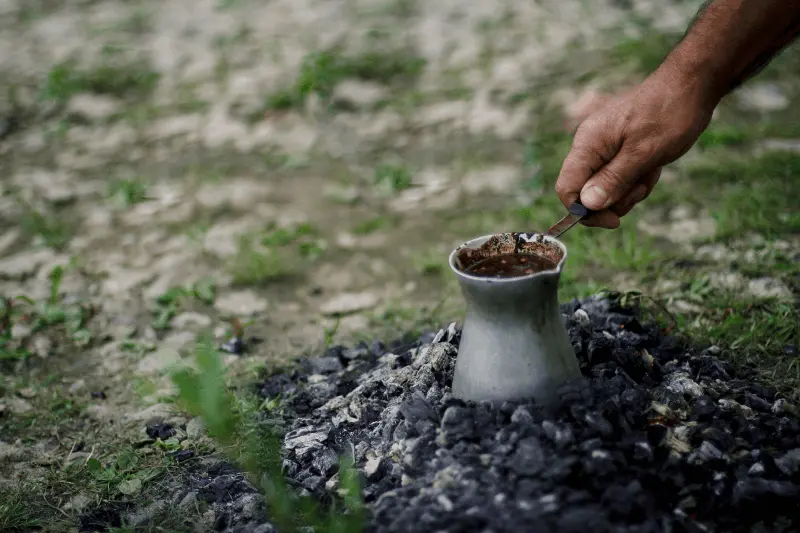
Clay or ceramic cezves are the best alternative for coffee on fire after copper. Clay transmits heat very slowly and has an incredible heat retention capacity. This feature allows the coffee to brew at a very stable temperature, almost "cooking in its own steam." Coffee brewed in a clay cezve has a softer taste and earthy notes. However, due to the risk of cracking, it is necessary to avoid sudden temperature changes and not to place it on the fire too quickly. If you have patience, a clay cezve will yield the most gourmet results.
How Long Should You Wait for the Coffee Grounds to Settle?
Coffee brewed on fire is quite dense. You should not start drinking the coffee you poured into cups immediately after brewing. Waiting about 1.5 - 2 minutes allows the grounds to settle completely at the bottom of the cup. This waiting time also allows the coffee to cool to a drinkable temperature and the flavors to become more pronounced. If you act impatiently and drink the coffee immediately, it is inevitable that grounds will come into your mouth. Adapt to the rhythm of nature and give your coffee some time to settle.
Do Coffee Brewing Techniques Change at Different Altitudes?
At high-altitude camping areas, the boiling point of water decreases. This means that coffee "rises" at a lower temperature compared to sea level. If you are camping on a very high mountain, you will notice that the coffee rises faster. However, this heat may not be sufficient for the coffee to fully release its essence. In such cases, keeping the cezve on the fire a little longer and lifting it a few times when it starts to rise (without ever boiling) will artificially extend the brewing time and enhance the flavor.
What Should Be the Roasting Degree of Beans for Coffee on Fire?
The best match for the smoky aroma of the fire is medium roast beans. Very dark roasted beans already have burnt notes and can create an excessively bitter taste when combined with the smoky smell of the fire. Very lightly roasted beans may not provide the body required for Turkish coffee. A medium-roasted Brazilian or Ethiopian bean, when brewed on fire, preserves its nutty aromas and offers a balanced acidity for an enjoyable drink.
Can Coffee Be Made While the Campfire Is Dying Down?
In fact, the best time for coffee on fire is when the fire is starting to "die down." A lively fire is very aggressive for coffee. The remaining red-gray embers after the fire goes out are the most stable heat source for brewing coffee. If the embers are too cold, you can slightly blow on them or use a fan to revive the heat. A dying fire naturally applies the famous "slow brewing" rule for coffee. Therefore, instead of reviving the fire, try to make the most of the existing heat from the embers.
Why Is Size Important in Choosing a Cezve?
Using a cezve suitable for the number of people in the camp is very critical. Brewing a single serving of coffee in a cezve for 4 people is difficult because the heat distribution becomes uneven and the foam spreads to the surface and gets lost. Ideally, the mixture inside the cezve should fill more than half of the cezve's height. This ensures that the heat creates pressure on the water and that the foam rises healthily. If you are a large group, using two small cezves instead of one large cezve will always yield better results.
How Does the Coffee Ritual Nourish the Camping Culture?
Making and drinking coffee is a part of the social fabric of camping. Quietly waiting for the coffee to brew around the fire contrasts with the pace of modern life and brings people closer together. The spread of that smoky aroma in the air is like an invitation to other campers to gather around the fire. This ritual symbolizes the human pursuit of pleasure and aesthetics beyond the struggle for survival in nature. A cup of coffee on fire is likely to be the most unforgettable and delicious part of your camping memories.
Why Does the Foam of Coffee Quickly Dissipate?
The most common reason for the foam of coffee on fire to dissipate is that the coffee gets too close to the boiling point during brewing or the water is too hard. Additionally, if the cups are oily... s?a (if it hasn't been washed well) can disrupt the molecular structure of the foam and lead to its extinguishing. To ensure the foam is lasting, it can be helpful to use fresh coffee and to ensure the water is oxygenated when pouring it into the cezve (by pouring from a height). Remember that brewing coffee over an open flame is an art that requires patience and care; any rushed step means compromising the foam.
What are the psychological benefits of drinking coffee in nature?
Drinking coffee in sync with the crackling of the fire positively affects dopamine and serotonin levels in the brain. This unique combination of visual, auditory, and taste stimuli creates a deep meditative effect. Stepping away from the chaos of the city and focusing solely on the aroma of the coffee and the warmth of the fire provides a mental reset. This experience strengthens campers' connection to nature and helps them feel much more at peace. Coffee over an open flame is not just a drink, but also a mind opener and a soul refresher.