Why is Grilled Eggplant Salad the Indispensable Appetizer for Campers?
Eating in camping life is not just about satisfying hunger; it is also a ritual. Grilled eggplant salad is a candidate to be the star of this ritual because it is both a very light food and quite practical to prepare under camping conditions. The unique smoky aroma given by the grill offers a depth that cannot be achieved in home ovens. Additionally, the filling nature of eggplant provides the necessary energy after long hikes without weighing you down. Paired with fresh village bread, it can turn into a feast on its own. Being one of the recipes that best fits the philosophy of creating great flavor with minimal ingredients while cooking in nature makes it a favorite among every camper.
Which Type of Eggplant is Most Suitable for Grilling Over a Campfire?
Not every eggplant yields the same result over a campfire. Generally, the plump and meaty varieties known as "Bostan Eggplant" are among the most ideal for grilling. Because the inner volume of these eggplants is wide, they do not dry out while cooking over the fire, and their insides remain soft like cotton. Long, thin eggplants cook faster but have less meaty content, which poses a risk of drying out quickly over the fire. If you are making salad for a large camping group, large Bostan eggplants will make your job easier. When selecting, you should pay attention to the eggplant being firm, shiny, and the skin being taut; overripe eggplants can leave a bitter taste after grilling.
How Should You Prepare to Grill Eggplants Over a Campfire?
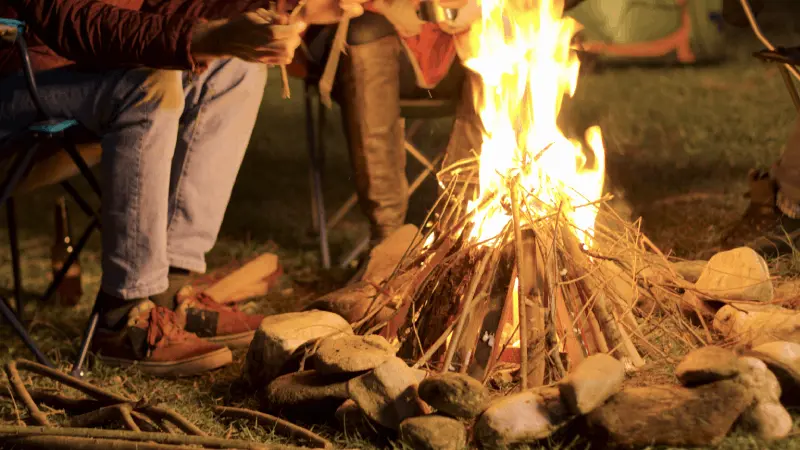
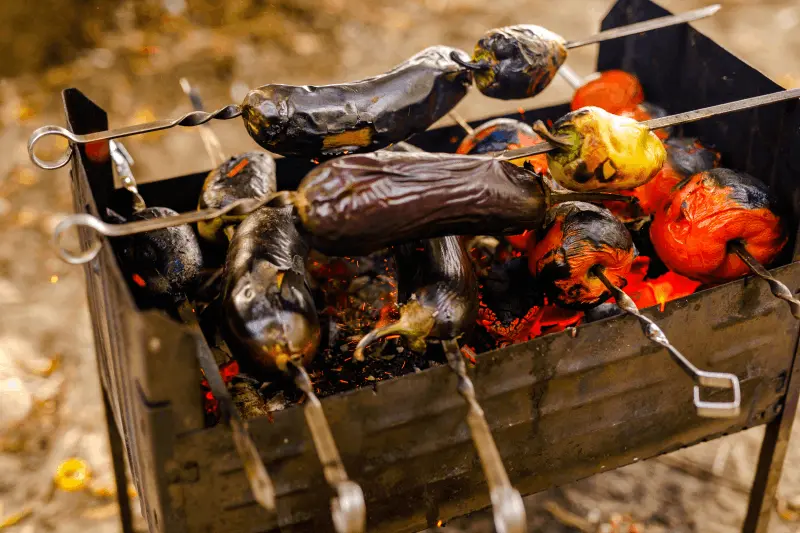
To grill eggplants, you need a stable bed of embers, not a roaring flame. The high flames at the moment the fire first ignites will burn the outside of the eggplant instantly but leave the inside raw. Therefore, you should first start a strong fire with hard woods (like oak or beech) and wait for the logs to turn completely into embers. When the embers begin to be covered with a gray ash layer, it means the heat has reached the ideal level. At this stage, you can place the eggplants directly on the embers or bury them under a thin layer of ash. Spreading the embers nicely around the eggplants ensures that the heat is evenly distributed, resulting in a perfect outcome.
What is the Secret to the Flavor of Grilling Eggplants Over Oak Wood?
The type of wood used is the most important element that determines the character of your salad. Oak wood not only provides high-calorie heat but also imparts a slightly sweet and rich smoky aroma to the eggplant. Resinous woods like pine can give a heavy smell and sometimes a smoky, bitter taste when burned. Professional camp chefs generally prefer hard wood logs. The quality of the smoke produced by these woods filters through the eggplant's skin and leaves that amazing flavor in the flesh. If you really want to make a gourmet camp salad, you should try to find dry oak or olive wood instead of random branches you collect from the surroundings.
What Method Should You Follow to Prevent Eggplants from Exploding in the Fire?
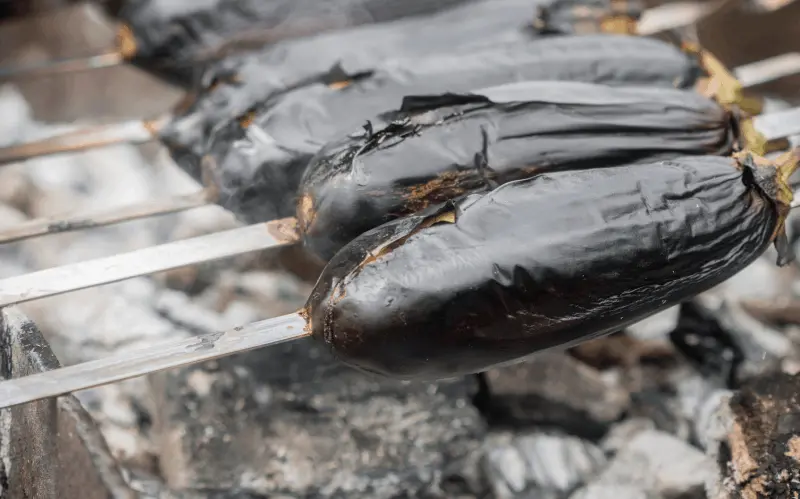
The most frustrating event you may encounter while grilling eggplants in nature is when the eggplant explodes like a bomb, scattering embers everywhere. This is due to the water inside the eggplant turning into steam and creating pressure under the skin. To prevent this, you should make a few holes in the eggplant with a knife or fork before placing it on the embers. These small holes allow the steam that builds up inside to escape, preventing an explosion. Distributing the holes evenly across different areas of the eggplant also helps ensure that the inside cooks more uniformly. Additionally, this method will allow the heat to penetrate the inside more quickly, reducing the cooking time.
Is it Necessary to Use Aluminum Foil in the Grilling Process?
This topic is always a matter of debate among campers. Some campers prefer to throw the eggplant directly onto the embers, while others prefer to wrap it in aluminum foil. Wrapping in foil prevents the skin of the eggplant from burning and allows it to cook in its own juices, resulting in a softer texture. However, if you want to fully capture that famous smoky flavor, you should place the eggplant directly on the embers without any wrapping. The burning of the skin is not a problem; on the contrary, that burnt skin aroma transfers to the flesh. If you are sensitive about cleanliness and do not want the eggplant to touch the embers, you can use foil, but for a true "smoky flavor," direct grilling is always the winning method.
What is the Most Practical Way to Understand When Eggplants are Fully Cooked?
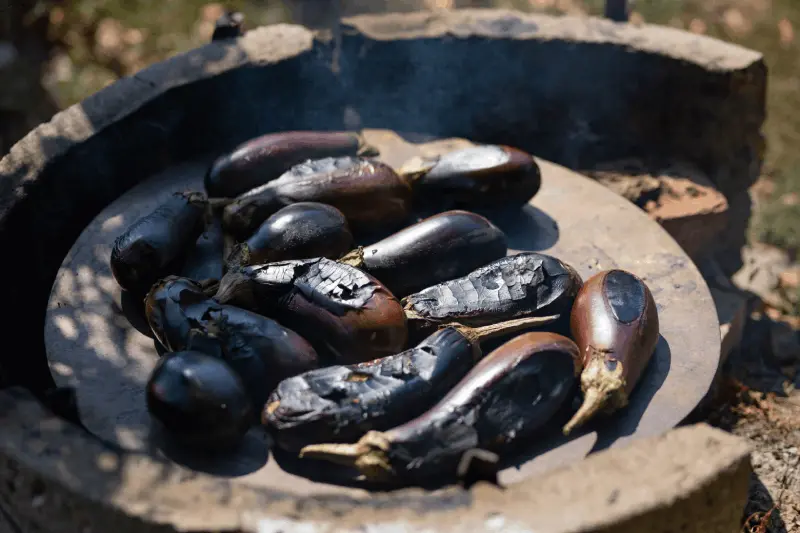
Just because the outside of the eggplant looks black like charcoal does not always mean that the inside is cooked. The most reliable method is to gently press the thickest part of the eggplant with your finger (or a spatula). If the eggplant sinks in without resistance and the texture is completely soft, it means it is cooked. Additionally, if you hold it by the stem and lift it, and the neck of the eggplant bends, it indicates that the fibers inside have broken down and it has reached a creamy consistency. Undercooked eggplants remain firm and can give a raw, crunchy taste in the salad. Therefore, you should be patient and not take the eggplant off the fire until you are sure that every part has softened.
How Can You Easily Peel Grilled Eggplants?
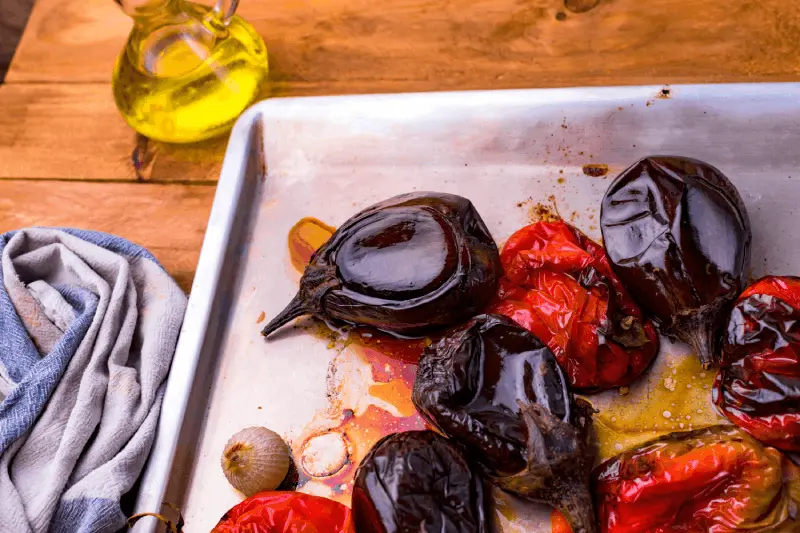
Peeling hot eggplants can sometimes be a hassle, but there is a trick that will make your job easier under camping conditions. Immediately place the hot eggplants you take from the grill into a bag or a covered container and let them sit for 5-10 minutes. This process allows the eggplant to sweat in its own steam. The steam helps the skin separate easily from the meaty part. When the time is up, you will see that the skins have almost peeled off on their own.
you will check. If you do not want to use a plastic bag, you can also wrap the eggplants in a cloth that has been lightly moistened with water. Keeping a bowl of clean water next to you while peeling will be a practical solution for cleaning the burnt skin pieces that stick to your fingers.What Should Be Done to Prevent Peeled Eggplants from Darkening?
Keeping the color of roasted eggplant pure white is visually appetizing. Once peeled, eggplants quickly oxidize and darken when exposed to air. The most effective method to prevent this is to immediately place the peeled eggplants in lemon juice or squeeze plenty of lemon juice over them. The acidity will stop the enzymes that trigger darkening. If you do not have lemon in the camping environment, a bit of vinegar will do the same job. Additionally, cutting the eggplants with a plastic or wooden tool instead of a metal knife can also slightly reduce oxidation. However, the most guaranteed way is to move to the seasoning stage immediately after finishing the peeling process to cut off contact with the outside world.
How to Cut Eggplant Without Using a Knife in Nature?
In a camp kitchen, there may not always be professional knives or cutting boards available. A well-roasted eggplant is so soft that you may not even need a knife. With the help of a fork or wooden spoon, you can easily separate the fibers of the eggplant and mash it into a puree. In fact, some campers prefer to shred the eggplant with their hands to achieve a more rustic texture. This method allows the juices and aromas of other ingredients in the salad to penetrate better. If you want a more uniform appearance, you can also cut the eggplant into small pieces using the side of a fork on a clean plate.
Should You Use Garlic Roasted or Raw?
This is entirely a matter of personal taste, but both methods have their own unique advantages. Raw garlic adds a sharp character and a slight bitterness to the salad, which creates a wonderful contrast with the smoky flavor of the roasted eggplant. However, if you want to soften the dominant smell of the garlic, you can throw the garlic cloves (with their skins) onto the edge of the grill along with the eggplants. Roasted garlic caramelizes, becomes sweet, and gains a creamy texture. When this roasted garlic puree is combined with eggplant, it creates a deeper, more sophisticated flavor profile. You can decide based on which one you think will whet your appetite more at the campfire.
Why is the Choice of Olive Oil in the Salad Dressing Important?
Quality olive oil is the soul of roasted eggplant salad. Eggplant, by its nature, absorbs oil like a sponge. Therefore, the aroma of the oil you use will directly determine the taste of the salad. If possible, you should prefer cold-pressed natural olive oil while camping. These types of oils elevate the smoky flavor of the eggplant instead of suppressing it. The fruity notes of the oil create a unique balance on the palate when combined with the smokiness of the grill. Sunflower oil or low-quality blended oils only make the salad oily but do not add flavor. Adding a small bottle of quality olive oil to your camping bag is the smallest but most effective investment that will elevate the quality of all your dishes.
Is Lemon Juice or Vinegar a Better Match?
This question is one of the classic dilemmas of camp cooking. Lemon juice adds freshness and brightness to the salad; it also disperses the heavy smoky atmosphere of the eggplant. Especially in summer camps, the refreshing effect of lemon is invaluable. On the other hand, vinegar (especially quality apple or grape vinegar) provides a more "woody" and deep acidity. In some regions, pomegranate molasses is also added to roasted eggplant salad, which creates a sweet-sour balance. If you are very indecisive, you can try using a mixture of both. Remember, the acid balance helps neutralize the basic taste within the eggplant, making all the aromas more pronounced.
How Does Adding Roasted Red Pepper Transform the Salad?
A salad made solely from eggplant is beautiful, but adding roasted red pepper turns it into a feast. The sweet flavor that emerges when red pepper is roasted harmonizes perfectly with the neutral and smoky taste of the eggplant. Additionally, the vibrant color of the red pepper enriches the visual presentation of the salad. You can also throw the peppers onto the grill at the same time as the eggplants, peel their skins using the same method, and chop them finely. This mixture generally forms the basis of local flavors known as "Babagannuş" or "Abugannuş." The texture variety provided by the pepper will make the salad more filling and complex.
Which Fresh Herbs Pair Best with Eggplant?
The fresh herbs you can gather from your surroundings or bring with you are the final touch to the salad. Parsley is the most classic choice and offers a freshness that cleanses the smoky flavor of the roasted eggplant. However, if you are looking for a slightly more niche touch, you can try using finely chopped fresh mint or dill. Mint, especially in camps held on hot summer days, balances the heaviness of the eggplant. If you want a Mediterranean-inspired salad, fresh basil can also provide an astonishingly good result. It is very important to chop the herbs just before adding them to the salad to prevent them from losing their aromatic oils.
How Do Nuts Like Walnuts or Hazelnuts Affect the Texture?
Roasted eggplant salad is generally soft and creamy in texture. To add some movement to this texture and introduce a "crunchy" element, crushed walnuts are a great addition. The oily and slightly bitter taste of the walnut combines with the smoky aroma, elevating the salad from just an appetizer to main course quality. Walnuts or hazelnuts that you lightly roast in a pan over the campfire add both nutrition and a luxurious touch to the salad. Especially for your evening meal... For campers looking to increase their protein intake, this nut supplement is both delicious and a smart solution.
How to Achieve a "Mutabbel" Style Flavor by Adding Tahini?
If you are looking for something creamier and more filling than classic eggplant salad, the solution is tahini. Tahini has a rich and velvety aroma that embraces the smoky flavor of the eggplant. When you mix a few tablespoons of tahini with lemon juice and garlic and combine it with roasted eggplant, you get the famous Mutabbel of Middle Eastern cuisine. Tahini absorbs the excess moisture from the roasted eggplant and provides a more stable consistency. Since we need a lot of energy while camping, the healthy fats and proteins in tahini will make this salad quite a functional camping food.
Should You Prefer Yogurt or Plain?
This completely depends on your menu at the moment and your personal preference. Yogurt-based eggplant salad pairs incredibly well with spicy meats (such as sucuk, meatballs, or chicken) because it has a refreshing effect. Using strained yogurt prevents the salad from becoming watery and gives it a richer texture. However, if you want to deeply experience the pure smoky flavor of the eggplant, the plain (oil-lemon) version is always preferred. Yogurt somewhat masks the smoky flavor. If you are grilling meat over the campfire, it is a general gourmet rule to prefer the plain version if you are just going to dip bread in it.
Is Using Pomegranate Molasses a Risk in Camping Cuisine?
Pomegranate molasses adds a deep caramelized tang to roasted eggplant salad, but its use requires caution. If your pomegranate molasses is not made from real fruit juice but is a "sauce," the artificial ingredients can completely ruin the natural flavor of the eggplant. Real pomegranate molasses, with its dark color and rich consistency, pairs very well with the salad, especially if you have added walnuts. However, if overused, it can overpower the delicate flavor of the eggplant. Balance is everything in camping cuisine. A few drops of real pomegranate molasses can give your salad that expected "gourmet" touch; however, you should be careful not to kill the smoky essence of the eggplant.
How Does Salt Selection Change the Flavor?
Salt is much more than just a simple seasoning. While we usually carry table salt with us while camping, using sea salt or rock salt can make a big difference if you have the option. Coarse sea salt provides salty bursts that pop on the palate as it dissolves within the salad. Additionally, quality salts bring out the natural flavors of the eggplant even more. It is important to add salt while preparing the sauce so that the eggplants absorb the salt evenly. A sprinkle of coarse salt at the end on top of the salad not only looks good but also adds a different layer of flavor with every bite.
How to Store Leftover Eggplant Salad Without a Refrigerator?
One of the biggest problems while camping is food preservation. Roasted eggplant salad can actually last for a while at room temperature since it contains garlic and acid (lemon/vinegar). However, you should choose a shaded and cool place away from direct sunlight. If there is a stream or river at your campsite, packaging the container holding the salad in a waterproof manner and placing it in the cool water acts as a natural refrigerator. Still, since the ingredients inside are prone to spoilage, it is safest to consume the salad within 12-18 hours after it is made. If you have added yogurt, remember that this time will be much shorter.
What Camping Dishes Pair Best with Eggplant Salad?
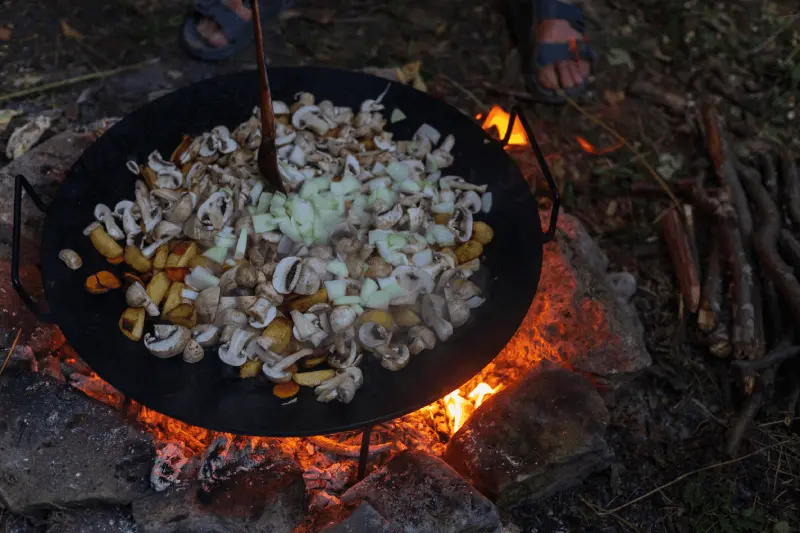
Roasted eggplant salad is the joker of camping cuisine. The first pairing that comes to mind is undoubtedly grilled meats. A cool eggplant salad is a perfect balance alongside lamb chops, meatballs, or marinated chicken skewers. But don’t limit yourself to just meat; it can also be used as a filling ingredient in roasted potatoes or spread on top of a freshly baked flatbread for breakfast. For vegetarian campers, it creates a wonderful combination with roasted mushrooms and halloumi cheese. In short, whatever protein or carbohydrate-heavy dish is on the table, eggplant salad is ready to complement it.
What Are the Essentials for Making "Eggplant Sauté" Over the Campfire?
A flavor that comes from Southeastern cuisine, sauté is actually a richer version of roasted eggplant salad. Instead of just garlic and oil, finely chopped roasted eggplants are mixed with roasted tomatoes, roasted green peppers, and sometimes melted butter. Gently heating this mixture in a cast-iron pan over the campfire allows all the flavors to meld together. Sauté is usually served hot or warm. If you are camping on a cool evening, serving your salad this way would be a great surprise for your guests. The combination of the buttery aroma with the smoky scent is truly delightful.
Is Salting Necessary Before Roasting to Remove the Bitterness of Eggplant?
When cooking eggplant in the kitchen, we usually soak it in salty water to draw out its bitter juices. However, this is generally not necessary in the roasting process. The bitter juices evaporate or are discarded during cooking at high heat with the skins on. Additionally, after roasting, the flesh of the eggplant becomes so soft that the bitterness is not felt. However, if you are using very large and seedy eggplants, lightly salting them after peeling and letting them sit in a colander for 5 minutes can help remove any remaining bitter juices. Still, most of the time, the slight bitterness of roasted eggplant becomes a sought-after characteristic when combined with the smoky aroma.
How to Ensure Hygiene Conditions While Working in Nature?
Cooking in a camping environment is always a challenge for cleanliness. Your hands will definitely be pitch black while peeling eggplants. It is important not to touch other materials with these dirty hands. Always have food-safe cleaning wipes or a container of clean water nearby. Make sure the surface where you will peel the eggplants is clean; if necessary, work on a clean aluminum foil. Also, the eggplants that have just come off the fire are sterilized, but you should be careful to avoid contamination from outside bacteria during the peeling stage. Although cooking outdoors may seem "wild," basic hygiene rules are essential for your health.
How Can You Make Children Love Eggplant Salad?
Many children do not like the appearance or soft texture of eggplant. However, the magical atmosphere of camping can change that. Involving them in the roasting process and allowing them to watch how the eggplant softens over the fire will spark their curiosity. If they are hesitant about the taste, you can make it more familiar by adding plenty of strained yogurt and maybe a bit of corn. Additionally, storytelling like "this is a secret mixture cooked over the fire" can break down children's resistance to eating. Eating something they cooked themselves (with the help of tongs) will feel like a victory for them, and they will likely love the taste.
Can Hot Roasted Eggplant Dip Be An Alternative in Winter Camps?
Eating a cold salad in the freezing cold of winter may not be appetizing. However, roasted eggplant in winter is wonderful, as long as it is served hot. Immediately peel and chop the eggplants you take from the fire, and mix them in a pouring pan with a bit of cheese or butter over the edge of the fire. When the cheese melts and combines with the eggplant, that hot, stretchy mixture will warm you up inside. By sprinkling a bit of chili flakes and oregano on top, you will have prepared one of the best "comfort foods" to enjoy by the fire on winter nights. The warmth of the eggplant carries the heat of the fire to your stomach.
How Can You Protect Your Eyes from the Smoke and Heat of Eggplant?
When turning eggplants over the fire, the constant smoke coming towards your face can be uncomfortable. The camping rule of "keep the wind at your back" applies here as well. Standing on the side of the fire where the wind is blowing will prevent the smoke from coming towards you, so you should position yourself according to the direction of the wind. Additionally, using a long-handled tong when turning the eggplants will help protect both your hands and eyes from the heat by keeping you further away from the fire. If the smoke is too thick, it is wise to place the eggplants down and control them for short periods while moving away from the fire. Remember, for a good salad, the chef's eyes must also remain healthy.
How Should You Dispose of Peels and Stems in the Wild?
At the end of the meal, the burnt eggplant peels and stems left behind are actually organic waste, but you should not leave them lying around. The best method is to throw these scraps into the dying campfire. These already burnt pieces will turn to ash in the fire and will not harm the environment. If your fire is out, digging a deep hole and burying them is also an option. However, you should never leave plastic bags, foil, or other packaging waste in the wild; you must put them in your trash bag and take them back with you. If you want to find nature as it is, leaving it that way is a duty for every camper.
What Is the Most Common Mistake Made When Making Roasted Eggplant Salad?
The most common mistake is impatience. Throwing the eggplants into a very hot fire and watching the outside char while the inside remains raw is a classic mistake of beginners. Another mistake is not draining the water from the eggplant. Eggplant releases some water after being roasted; if this water remains in the salad, it dilutes the flavor and makes the salad tasteless. If possible, you should let the roasted eggplants sit on a strainer or paper towel for a short time to drain the excess dark water. Additionally, overdoing the garlic and killing the delicate smoky flavor of the eggplant is also one of the common flavor mistakes.
What Can You Add to Create Your Own "Signature" Camp Salad?
Every chef has a secret. Your camp salad's secret could be local ingredients. By adding local herbs from the area where you are camping (such as wild thyme or lamb's ear), you can infuse your salad with the spirit of that geography. Or you can achieve a light fruity and smoky contrast by adding some roasted apple slices. Some campers add a handful of pomegranate seeds to the salad for both color and a burst of acidity. Don't be afraid to experiment; camp cooking is a realm of experimentation and freedom. Whatever ingredient feels right in the atmosphere at that moment will be your signature touch.
Conclusion: Campfire, Friendship, and a Bowl of Eggplant Salad?
In conclusion, making roasted eggplant salad at camp is not just a recipe; it is an act of sharing. By the fire, while peeling eggplants with grease stains on your hands, the conversation you have with your friend next to you is the true flavor of the meal. That bowl of smoky eggplant is not just a vegetable dip; it is a summary of that day's journey, the fresh air you breathed, and the evening's warmth. At your next camp, light the fire, bury the eggplants in the embers, and savor the taste of this simplest yet most magnificent reward that nature offers you. Enjoy your meal!