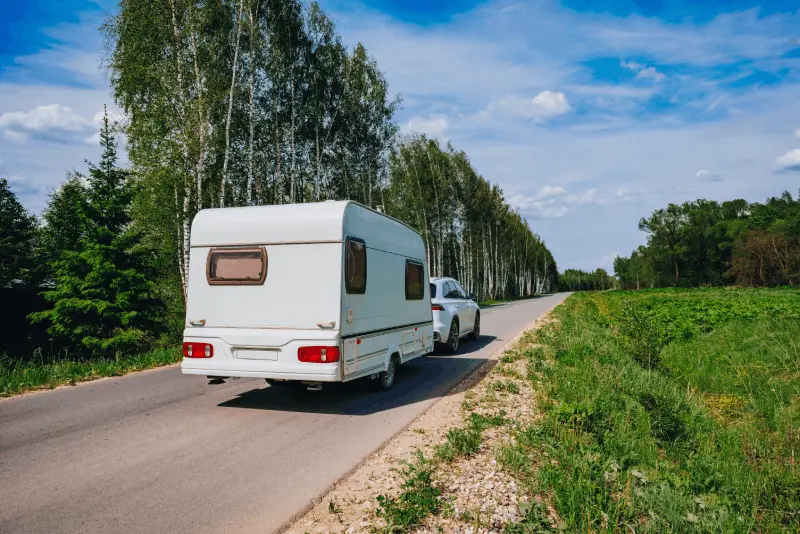
Caravan living is an experience that tests our cooking skills while offering the peace of being one with nature. It may not always be possible to access fresh bread when you are far from the city. For this reason, learning to bake your own bread and flatbreads will enhance the quality of your caravan journeys. In this guide, we will cover in detail how to make soft, delicious breads that retain their freshness for days in a caravan environment.
What Are the Key Points for Baking Bread in a Caravan?
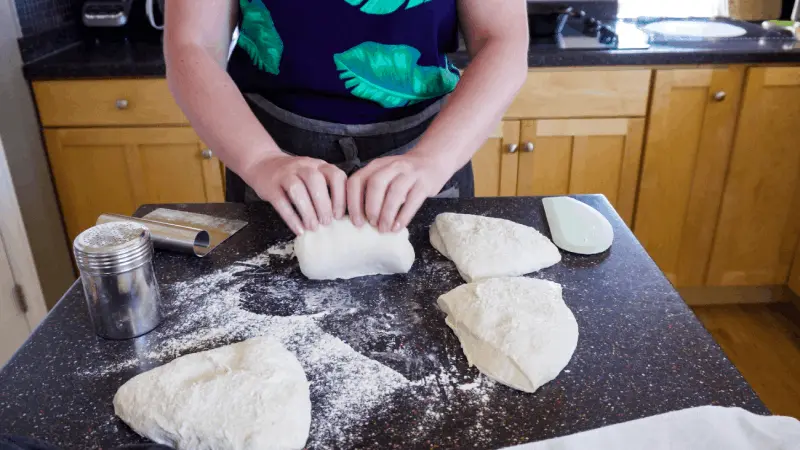
The most important rule when baking bread in a caravan kitchen is to manage the ambient temperature and humidity correctly. Caravans are affected more quickly by external weather conditions than houses. Your dough needs a stable temperature to rise well. If the weather is cold, you can place the dough in a corner of the caravan that gets sunlight or near the stove. Additionally, kneading enough to gain elasticity in the dough, but using folding techniques (stretch and fold) without exhausting yourself too much in the caravan's confined space will make your job easier. Keeping the water content (hydration) balanced ensures that the bread is both porous and prevents it from drying out.
What Ingredients Should Be Chosen for Bread That Doesn't Stale?
The key to keeping bread fresh for a long time lies in the quality and type of the ingredients. High-protein bread flours help strengthen the gluten structure, aiding in maintaining the bread's form. Adding a bit of whole wheat or rye flour helps delay staleness due to its moisture-retaining properties. Additionally, adding some olive oil, yogurt, or mashed potatoes to the dough helps keep the internal structure of the bread soft. Using dry yeast is usually practical in a caravan; however, you must pay attention to the expiration date and storage conditions of the yeast. Quality sea salt is also one of the elements that deepens the flavor.
How to Perform the Fermentation Process in a Caravan Kitchen?
It can be challenging to expect a wide fermentation in the limited space of a caravan. To speed up or control this process, you should let the dough rest in a covered, airtight container. If you have time, kneading the dough the night before and allowing it to ferment slowly in a cool corner will enhance the bread's aroma and improve its digestibility. If you want a quick result, you can create a "steam bath" effect by placing a pot of warm water underneath the dough container. It is critical not to touch the dough and to protect it from airflow during the fermentation period for successful rising.
What Should Be Considered When Baking Flatbreads?
Flatbread is the most loyal friend of caravaners because it does not require an oven. For a good flatbread, the dough should be quite soft and have a consistency that lightly sticks to your hands. During the baking phase, a cast iron pan or a thick-bottomed non-stick pan should be preferred. After ensuring that the pan is well heated, you should place the dough in it. Baking the flatbread by flipping it frequently on both sides ensures the formation of air pockets inside and allows the center to puff up like a balloon. High heat burns the outside and leaves the inside raw; therefore, baking patiently over medium-low heat yields the best results.
How to Bake Bread in a Caravan Without an Oven?
Many caravans do not have an oven, but this does not prevent you from making bread. You can achieve great results on the stove using the "pot bread" method. Line a thick-bottomed, covered pot (preferably cast iron) with baking paper and place the dough inside. Close the lid of the pot and start baking on the lowest heat on the smallest burner. You can place a diffuser under the pot to ensure even heat distribution. After about 40-50 minutes, when the bottom and sides of your bread are baked, you can flip it over to brown the top a bit as well. With this method, you will get crusty breads that resemble those baked in an oven.
How to Store Sourdough in Caravan Conditions?
Sourdough is the most natural and longest-lasting form of bread. Although it may seem difficult to maintain sourdough in a caravan, it is possible to keep a small amount of starter in a small jar. If you are not baking bread every day, you can store your sourdough in the refrigerator. Temperature fluctuations during travel can activate the yeast; therefore, you should be careful not to close the lid too tightly. It is important to use the caravan's drinking water for feeding because chlorinated tap water can harm live bacteria. While traveling, you should secure your sourdough in a safe, non-tipping corner to prevent spills.
What Natural Additives Delay Staleness?
If you want your bread to stay fresh for up to a week, you can take advantage of the small tricks nature offers. Adding a tablespoon of apple cider vinegar to the dough acts as a natural preservative, preventing mold formation. A mashed and crushed potato adds incredible softness and moisture to the dough. Additionally, adding a bit of honey or molasses to the dough water helps increase yeast activity while keeping the internal structure of the bread moist. Water-retaining seeds like flaxseed or chia also significantly slow down the drying of the bread.
How to Knead Dough in the Limited Space of a Caravan?
The countertop space in a caravan is usually very tight, so traditional kneading methods can be challenging due to the surrounding flour.
What could be the reason? Instead, you can prefer the "folding" method inside a deep mixing bowl. This process, which is done by holding the dough from the edges of the bowl and pulling it towards the center, effortlessly strengthens the gluten bonds. If you touch the dough with slightly wet hands, the dough won't stick to your hands, and you won't need to use extra flour. This method keeps the area clean and ensures that the bread has a more airy structure.How to Keep Baked Bread Fresh for a Long Time?
Storing the bread is as important as baking it. You should never put hot bread straight from the oven or pan into a bag; this will cause sweating and lead to the bread quickly molding. Wrap the bread in a cotton cloth and wait for it to cool completely on a wire rack. Once it has completely cooled, you can store it in an airtight container or beeswax wraps. If the humidity level in the caravan is high, placing a piece of sugar or salt next to the bread will absorb excess moisture in the environment, helping to preserve the bread. Instead of slicing and storing, cut it as needed to prevent the inside from drying out.
What is the Easiest Flatbread Recipe in a Caravan?
The most practical flatbread recipe is the one with few ingredients and flexibility. Mix 3 cups of flour, 1 packet of dry yeast, 1 teaspoon of salt, and as much warm water as needed (about 1.5 cups) in a bowl. The dough should have a consistency that doesn't stick to your hands. After letting it rise for about 45 minutes, make small balls and gently flatten them on a floured surface. Cook both sides in a preheated pan. If you add a spoonful of yogurt to the dough, your flatbreads will remain soft even the next day. This recipe is a lifesaver for breakfast during the limited time in the caravan.
What are the Secrets of Baking Bread on a Gas Stove?
Gas stoves have a high risk of burning the bottom of the bread because the heat concentrates at a single point. To prevent this, you must use a "heat diffuser" (metal devices similar to trivets). The pot or pan should not come into direct contact with the flame. Additionally, wrapping the pot lid with a cloth prevents steam from dripping onto the bread as water droplets. Turning the pot 180 degrees halfway through the cooking time ensures that the heat is evenly distributed to avoid the caravan from stopping due to overheating.
How Does Water Quality Affect the Lifespan of Bread?
Many people overlook water, but the lifespan of bread starts with water. Chlorinated city tap water can reduce yeast performance and lead to chemical reactions that cause the bread to stale faster. If possible, use bottled drinking water or well-filtered water in the caravan. The temperature of the water is also critical; very hot water can kill the yeast, while cold water slows down the process significantly. The ideal is "hand-warm" water. Since the hardness of the water also affects the elasticity of the dough, using a water source that you know and trust standardizes your results.
How to Prevent Molding in a Humid Caravan Environment?
In coastal or rainy areas, the humidity inside the caravan can exceed 70%. This can cause the bread to mold within 24 hours. To prevent molding, never keep the bread in a plastic bag. Paper bags or cotton cloths allow the bread to "breathe." If you plan to store the bread for more than a few days, choose the driest and most ventilated spot in the caravan. Sprinkling a little flour on the surface of the bread before baking also creates a protective layer on the outer surface, making it harder for moisture to penetrate.
Should Whole Wheat Flour or White Flour be Preferred?
If we compare in terms of staleness, breads made with whole wheat flour retain moisture longer due to their fiber structure. However, breads made with whole wheat flour are denser and heavier. The best result in the caravan is achieved with a mixture of 70% white flour and 30% whole wheat flour. This mixture ensures good rising of the bread and guarantees that it dries out much less compared to white bread. Additionally, the vitamins in whole wheat flour provide extra health support in the limited diet of caravan life.
Does Olive Oil Extend the Shelf Life of Bread?
Absolutely yes! Olive oil helps to lubricate the gluten strands in the dough, making the bread softer and acting as a barrier to slow down moisture loss. Adding 2-3 tablespoons of extra virgin olive oil to your dough will enhance the flavor of the bread and extend its life by at least two days. It also helps keep the crust of the bread more flexible, preventing it from crumbling when sliced. Olive oil breads are especially ideal for making sandwiches because they do not dry out, making them more convenient to take on trips.
What are the Practical Bread Storage Methods in a Caravan?
Since space is limited in the caravan, instead of using large bread boxes, hanging mesh bags or special bread bags can be preferred. These bags allow the bread to breathe while protecting it from dust. If your bread starts to harden too much, you can restore its former softness by exposing it to a small amount of steam in a pot. Another practical method is to slice the bread after baking and store it in the refrigerator with oiled paper between the slices. Heating it slightly in the pan just before consuming ensures that the bread smells freshly baked.
Why Does Yogurt Flatbread Stale More Slowly?
Yogurt modifies the structure of the dough thanks to the lactic acid bacteria it contains. Lactic acid creates a natural preservative by lowering the pH level of the bread and slows down the starch retrogradation that causes staleness. Flatbreads made with yogurt not only become softer but also last longer. Amanda has a unique light sour, appetite-stimulating aroma. Using leftover yogurts in the caravan refrigerator is also a great way to make use of them. You can see the difference by mixing the dough water with yogurt in equal parts.
What Are the Advantages of Baking Bread in a Cast Iron Pan?
Cast iron pans have the property of absorbing heat and returning it very slowly and evenly. This ensures that the bread cooks evenly under the variable gas flame in the caravan. The high heat of the cast iron supports the rapid cooking of flatbreads and the evaporation of moisture inside without steaming. Additionally, the natural non-stick surface of cast iron allows you to cook healthily without the need for oil. While their weight may seem like a disadvantage in the caravan, the flavor and cooking quality they provide are definitely worth that weight.
Should You Use Dry Yeast or Fresh Yeast?
Since storage and durability are essential in caravan life, dry yeast is the clear choice. Fresh yeast requires refrigeration and has a very short lifespan. Dry yeast can be stored at room temperature (as long as it’s not too hot) for months. Instant dry yeasts eliminate the hassle of pre-activating with water since they can be mixed directly into the flour. This is a small but important detail that reduces water usage and the amount of dishes in the caravan. Buying in small packets minimizes the risk of failure by ensuring you use fresh yeast each time.
How Should Time Management Be When Making Bread in a Caravan?
Caravan life is often mobile. You should plan to make bread during the most stable hours of the day, for example, when you settle into the campsite in the evening. Kneading the dough in the evening and allowing it to rise slowly in the cold (or in a suitable corner outside if the weather is cool) allows you to bake fresh bread for breakfast. The active working time is only 10-15 minutes, the rest is waiting time. You can utilize this time by going for a nature walk or reading a book. Learning "self-baking" techniques will save you from spending your holiday in the kitchen.
How Does the Rising Time Change in Different Weather Conditions?
In high-altitude plateaus or cold winter days, the rising time can double. Conversely, in warm coastal towns, your dough can rise in 20 minutes. Be careful of the risk of "over-proofing" in hot weather; if the dough rises too much, it will collapse and take on a sour taste. In cold weather, you should be patient, supporting the dough by wrapping it in a thick blanket or taking advantage of the sun's warmth. Adjusting the water temperature according to the weather will help you keep the process under control.
Why Is the Resting Process After Baking Important?
Even though your bread smells delicious when it’s baked, cutting it immediately causes the steam inside to escape quickly and the bread to become gummy. Bread continues to cook from the inside after it comes out of the oven or pan. You should not touch it for at least 30 minutes, ideally 1 hour. The resting bread's internal structure settles, moisture distribution balances, and the crust stabilizes. This patience directly affects the bread's staling process; a well-rested bread retains its moisture and dries out less quickly.
How Can Bread Waste Be Prevented in Caravan Life?
Resources in the caravan are valuable, so nothing should be wasted. Try not to bake more than you need. If bread is going to be leftover, slicing it immediately and putting it in the freezer (if available) or drying it to make breadcrumbs is a solution. Making flatbreads in small portions ensures that you only heat what will be consumed at each meal. If you notice that only the outside of the bread has gone stale, lightly brushing it with water and reheating it will revive it. Collecting even crumbs for birds or making croutons for soups is in the spirit of caravan life.
How Can We Evaluate Stale Bread in the Caravan?
If your bread has gone stale despite all precautions, don’t be upset. Stale bread can turn into great dishes in the caravan kitchen. You can spice up your breakfast by making "French toast" or prepare a unique accompaniment for soups by sautéing it in garlic olive oil. You can also tear stale flatbreads into small pieces and make "flatbread pizza" by adding cheese and tomatoes on top. The firm texture of stale bread actually yields better results in these types of recipes as it absorbs the sauce better than fresh bread.
Is It Possible to Bake Bread Over a Campfire?
It is definitely possible and one of the most enjoyable moments of the caravan experience. You can make the dough into long strips and wrap it around a clean stick to bake it in the embers of the fire using a method called "Stick Bread." The key here is that the fire should be in embers, not flames. When you continuously turn it while baking, you will have a crispy exterior and a wonderfully fragrant bread inside. You can also place a cast iron pot over the embers and put a few pieces of embers on top to achieve a real village bread flavor with the "Dutch Oven" effect.
What Are the Bread Options for Those with Gluten Sensitivity in the Caravan?
For those with gluten sensitivity, making flatbreads with buckwheat or corn flour in the caravan is quite practical. Gluten-free flours absorb more water and require a binding structure (like eggs or chia gel). Thin flatbreads made with buckwheat flour are both nutritious and easy to digest. The staling time of these flours is shorter than that of white flour, so it is best to bake them in daily and small portions. Preparing gluten-free mixtures in advance and just adding water to bake in the caravan saves time.
What Are the Benefits of Adding Seeds to Bread Dough?
Seeds like sunflower seeds, pumpkin seeds, sesame, or nigella not only add flavor but also increase the nutritional value of the bread. The natural oils in these seeds help keep the inside of the bread softer. Especially, nigella should be preferred in the caravan for its digestive aid effect. Lightly roasting the seeds in a pan before mixing them into the dough ensures that their aromas transfer better to the bread. Seeds added to the outer surface should be gently pressed into the dough to prevent them from burning during baking.
Do Breads Made with Milk Stale Faster?
This is a common misconception; on the contrary, milk helps the bread to be softer and have a longer-lasting structure due to its fats and sugars. However, the proteins in milk can slow down fermentation a bit, so you may need to extend the fermentation time a little longer. Breads made with milk have a thinner crust and a golden color. Since it is difficult to store fresh milk in the caravan, using milk powder or opting for long-life small milk cartons is a practical solution. Milk-based breads offer a more appealing and softer texture, especially for children.
What Are the Benefits of Making Small Portion Breads in the Caravan?
Instead of baking a large loaf of bread, making small breads or medium-sized flatbreads that fit in your palm is much more practical in the caravan. Small portions bake much faster and evenly, which saves fuel. Additionally, since you only open as much bread as you need for each meal, the remaining bread stays fresher, intact, and without exposure to air. The larger surface area of small breads makes them ideal for crust lovers as well. Serving special small flatbreads to your guests adds a touch of elegance to the caravan table.
Which Breads Should We Take on Long Journeys?
If you are going on a long journey where you won't be able to cook for a few days, you should prefer sourdough whole wheat bread, which is the most durable type of bread, or rye breads sold in vacuum-sealed packages. Thanks to their natural acidity, these breads are resistant to spoilage, and their flavors develop over time. Alternatively, keeping dried and long-lasting products like "rusks" or "crackers" can be lifesaving in emergencies. If you make your own flatbreads before the journey and store them in airtight containers after cooling, you won't have to worry about fresh bread for the first three days.
What Are the Psychological Benefits of Making Bread in the Caravan?
Caravan life can sometimes be exhausting; kneading dough is a wonderful method of meditation. Playing with the texture of the dough, watching its rise, and the fresh aroma wafting from the pot makes your caravan feel like a real "home." This process aligns perfectly with the philosophy of slow living. The sense of satisfaction from producing your own food from scratch reduces stress on the road and stimulates your creativity. Sharing a warm flatbread is also a beautiful way to start friendships with other campers in the area.
What Are the Most Common Mistakes Encountered in Bread Making?
The most common mistake is adding too much flour to the dough. If you keep adding flour because the dough is sticking to your hands, your bread will turn out hard and dry when baked. You should learn to shape the dough by oiling or wetting your hands. The second major mistake is impatience; cutting the dough before it has risen enough or before the bread has cooled down reduces quality. Additionally, if the pan is not heated sufficiently, the flatbread will become hard, while overheating will cause the outside to burn and the inside to remain raw. By learning from mistakes, you can achieve more perfect breads with each attempt.