Why Should One Pan Breakfast Be Preferred in Camping?
Camping life is a process that requires practicality, alongside the peace brought by being one with nature. When you wake up in the morning and step out of the coolness of your tent to light your campfire or stove, dealing with complicated meal preparations is both a waste of time and energy. The one pan method ensures that all ingredients come together in the same pot, blending their aromas. This method not only saves time but also minimizes the use of water, which is a limited resource in the campsite. With fewer dishes, great taste, and quick energy intake, you can gather the motivation you need for the rest of the day's nature walks or activities.
Is Cast Iron Pan the Best Option for Cooking Over Campfire?
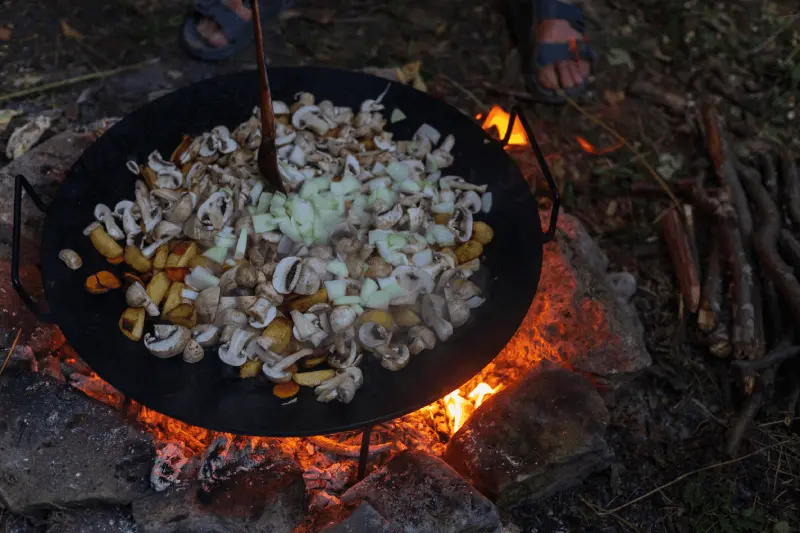
Cast iron pans are almost legendary among campers, and there are very valid reasons for this. Their ability to retain heat for a long time and distribute it evenly ensures that food cooks perfectly even in the irregular heat of a campfire. Especially in mixtures with potatoes or meat, the outside of the ingredient becomes crispy while the inside remains soft, which is a privilege offered by cast iron pans. However, due to their weight, they may not be suitable for backpacking camps. If you are going to camp by vehicle, a heavy cast iron pan should be the star of your camp kitchen. Thanks to its durability, it can be placed directly over the fire, and over the years, its performance improves with the "seasoning" process.
How Should Potatoes Be Used as a Carbohydrate Source in Breakfast?
Outdoor activities burn a lot of calories, and the tastiest way to regain this energy is to use potatoes in breakfast. To quickly cook potatoes in the camping morning, you should pre-slice them at home or dice them into very small cubes (brunoise). It is important to first fry the potatoes well in oil to create a crust, then add the other ingredients. The starch in the potatoes provides wonderful texture by combining with the eggs and cheese in the pan, keeping you full for hours with complex carbohydrates. Spices like rosemary or thyme added on top elevate the earthy flavor of the potatoes and optimize your energy levels.
What Methods Can Be Applied to Store Eggs Without Spoiling in Camp?
Eggs are the main protein source of a one pan breakfast, but transporting and storing them can be a big hassle. Instead of carrying eggs in cardboard boxes, using specially designed plastic, shock-absorbing egg carriers for camping is the safest way. If you are planning a long camping trip and your refrigeration options are limited, applying a thin layer of liquid oil on the eggs can prevent them from breathing and extend their shelf life. Another practical method is to crack the eggs at home and fill them into a zip-lock bag; this way, the risk of breaking is eliminated, and pouring them into the pan becomes much easier.
How Does Choosing the Right Oil Affect the Flavor of Camp Meals?
In camp cooking, oil is not just a cooking tool but also an important energy source. If you are going to cook at high heat, you should prefer clarified butter (Ghee) or high-quality Riviera olive oil with a high smoke point. Clarified butter leaves a wonderful aroma in the cast iron pan and is very resistant to spoilage, making it ideal for campers. If you are going to use butter, it is beneficial to mix it with a bit of liquid oil to prevent it from burning. The right choice of oil ensures that the potatoes crisp up while combining with the fats of added sausages or pastirma, creating that famous "umami" flavor at the bottom of the pan.
What Other Proteins Can Be Preferred Besides Sausage and Pastirma?
While sausage is indispensable in traditional Turkish camp breakfast, alternative protein sources can turn your breakfast into a gourmet experience. Smoked ribeye slices, dried meats, or pre-cooked and frozen minced meat are great options. If you are looking for plant-based protein, canned black beans or chickpeas add incredible texture and heartiness to the one pan breakfast. Especially using beans provides a filling sensation similar to an English breakfast and helps you establish a balance of protein and fiber. Lightly sautéing these proteins in the pan to let their aromas infuse into the dish will enhance the overall flavor of the meal.
How Are Seasonal Vegetables Integrated into One Pan Breakfast?
Vegetables are the best way to add freshness and vitamins to camp breakfast. Fresh asparagus in spring, colorful bell peppers in summer, and juicy field tomatoes transform the face of the pan. It is critical to keep cooking times in mind when adding vegetables; for example, hard peppers should be added with potatoes, while quickly cooked mushrooms and tomatoes should be added last. Herbs like wild thyme or mint that you can gather from nature (make sure you know what they are) will add a true wild aroma to your dish. The evaporation of the water in the vegetables will create a natural sauce in the pan, binding all the ingredients together.
Should Spice Mixes Be Prepared at Home?
Instead of dealing with dozens of spice jars in the campsite, preparing a "camp spice mix" at home is a lifesaver. By combining salt, black pepper, red pepper flakes, garlic powder, and dried thyme in a small container, you can season the entire meal at once. Carrying your spices in small film containers or medicine storage boxes takes up less space. Adding spices to the pan when the ingredients are almost cooked prevents the aromas from burning and becoming bitter. Especially smoked red pepper flakes, when combined with the smoky scent of the campfire, will give your one pan breakfast a restaurant-quality smoky flavor.
What Are the Cheese Selection and Melting Techniques?
Cheese is the element that gives breakfast its long, appetite-stimulating texture. Hard cheeses (aged kashar, tulum, or hard white cheese) should be the primary choice in camp as they are more resistant to spoilage. After adding cheese on top of the meal, covering the pan with a lid or aluminum foil for 1-2 minutes ensures that the cheese melts perfectly with the moisture inside. Grilling cheeses like Halloumi can be seared in the pan before the other ingredients and added on top when serving. It is important to be careful not to add extra salt to the dish, considering the salt content of the cheese, for a balanced flavor.
What Is the Difference in Heat Control Between Campfire and Portable Stove?
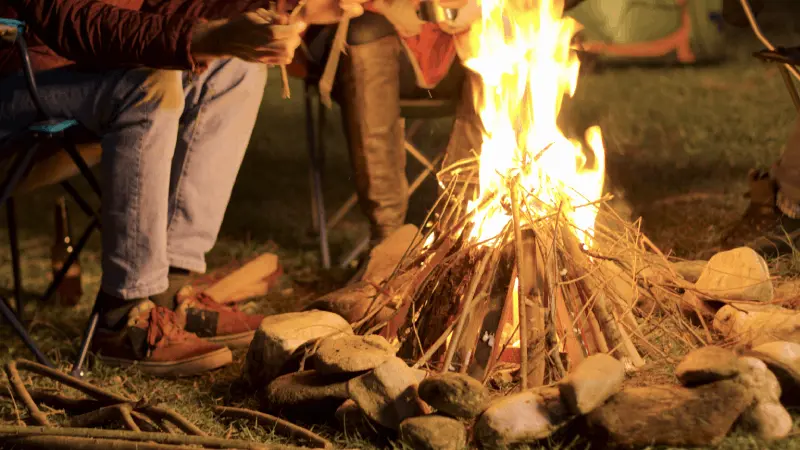
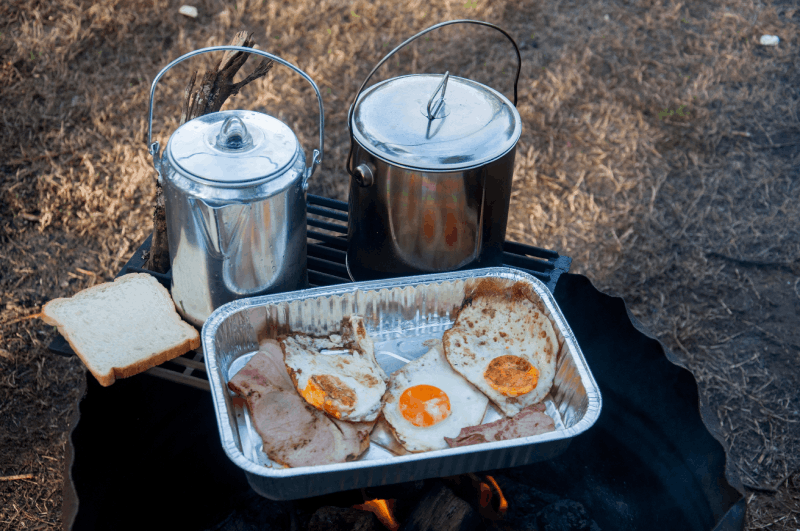
While campfire offers high heat and romance, controlling the heat is quite difficult. Using a grill to keep the pan elevated from the fire level prevents the food from burning at the bottom. Portable gas stoves allow you to adjust the heat precisely, which is ideal for achieving the right consistency for eggs (like soft-boiled). When cooking over a fire, it is wise to create "hot and cold zones"; placing one side of the pan directly over the coals and the other side in a cooler spot will help keep the cooked ingredients warm. Heat management is the key to ensuring that all ingredients in a one pan breakfast cook perfectly at the same time.
How to Manage Time in Breakfast Preparation?
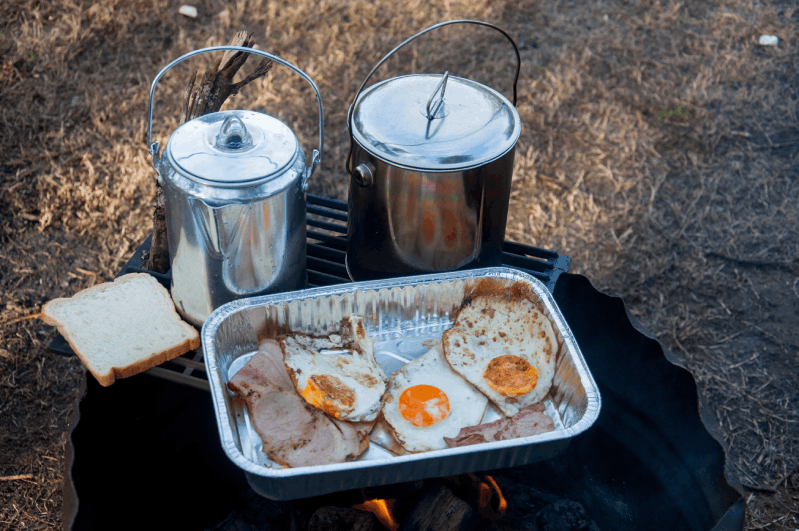
To make the most of the first light of the morning, you need to act with a plan. The first step is always to prepare the heat source; if you are going to light a fire, it will take time for the coals to form. During this time, you can start chopping the ingredients. The cooking order should always go from the hardest to the easiest: first potatoes and hard vegetables, then meats, followed by soft vegetables, and finally eggs. Bringing your ingredients pre-chopped and portioned from home can cut the preparation time in half. Having your tea brewing while your breakfast is cooking maximizes the enjoyment of the camping morning.
What Cleaning Methods Can Be Applied to Reduce Water Usage?
In camping areas, water can sometimes be as valuable as gold. Using a single pan is already a big advantage, but it is possible to make cleaning even easier. After eating, you should wipe the pan while it is still warm with a piece of bread or use a paper towel to remove the food residue. If you are using a cast iron pan, you can clean it without water with a bit of coarse salt and a brush. If there are burnt residues, putting a bit of water in the pan and boiling it will help loosen the dirt easily. To avoid harming the environment, do not forget to use biodegradable soaps and always dump dirty water at least 60 meters away from water sources.
What Are the Secret Ingredients That Boost Energy Levels?
If you are planning a long nature hike, some small touches you add to your breakfast can increase your energy capacity. A tablespoon of peanut butter (yes, it adds surprising depth even to savory mixes), a handful of walnuts or raw almonds, provide healthy fats and extra energy. Additionally, adding dried fruits to your breakfast will raise your blood sugar levels in a balanced way. Avocado, if you can carry it, is a perfect complement when sliced on top of your one pan breakfast as a potassium and healthy fat source. These rich energy sources will make it easier for you to tackle physical challenges throughout the day.
What Are the Bread Selection and Pan Frying Techniques?
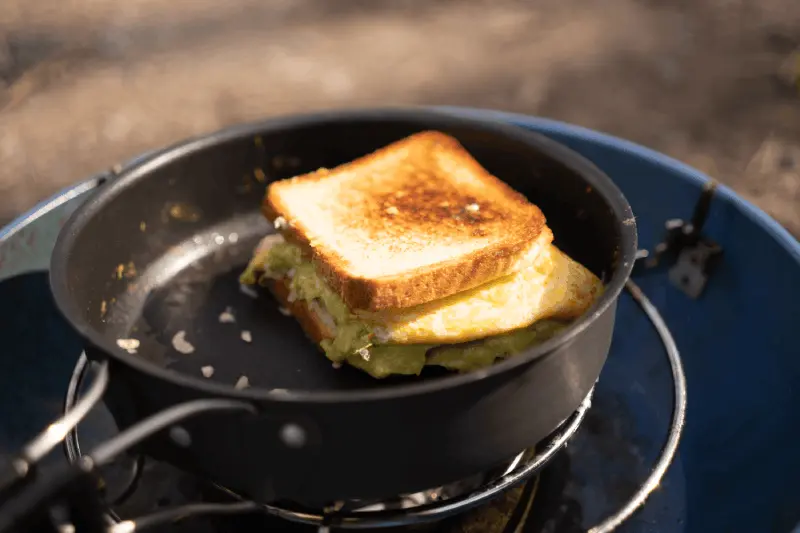
A good one pan breakfast deserves a quality bread that will soak up that delicious juice in the pan. Sourdough whole wheat breads or sturdy village breads are more resistant to staleness in the camp. While the breakfast mixture is cooking on one side of the pan, you can toast the bread slices by pressing them into the oil on the other side, trapping the aroma in the bread. If there is no space in your pan, you can push the ingredients to the side and toast the bread in the rich aromatic oil in the center. A crispy slice of bread with a smoky flavor is the most important element that completes the texture of your breakfast and supports your carbohydrate intake.
What Are the Most Filling Alternatives for Vegetarian Campers?
For campers who do not eat meat, the key to satiety lies in mushrooms and legumes. Oyster mushrooms or cultivated mushrooms make a great main ingredient with their high protein content and meaty texture. Canned cooked beans, chickpeas, or soy cubes, when mixed with spices, offer flavors that rival meat. Additionally, tofu, when seared in a cast iron pan, gains a crispy layer and becomes a great source of protein. To increase the nutritional value of vegetarian breakfasts, adding plenty of chia seeds, sesame, or nutritional yeast deepens the flavor and helps you get the B vitamins you need.
How to Make Breakfast Fun in Camps with Children?
Involving children in the breakfast process ensures that the camp becomes unforgettable for them. Allowing them to toss ingredients into the pan from a safe distance or asking them to crack the eggs makes them feel like "camp chefs." Cutting sausages or potatoes into funny shapes can stimulate their appetites. Cooking the eggs in the pan in the shape of "eyes" and making face figures with vegetables turns breakfast into a game. Additionally, for the sweet touches that children love, frying a few slices of apple on the side will provide a healthy sweet alternative to satisfy their morning cravings.
How Should Waste Management Be Done After Breakfast?
The principle of "leave no trace" is the most sacred rule of camp cooking. You should never scatter leftover food from breakfast in the environment; this disrupts the feeding habits of wildlife and attracts unwanted guests to the campsite. You should collect all organic waste in a bag and keep it until you reach an appropriate trash bin. Instead of dumping greasy dishwater directly onto the ground, strain it and separate the solid waste, spreading the water over a wide area. A clean campsite is not only your right but also the right of future campers and the living beings that inhabit the area.
Drink Pairings: Tea or Coffee?
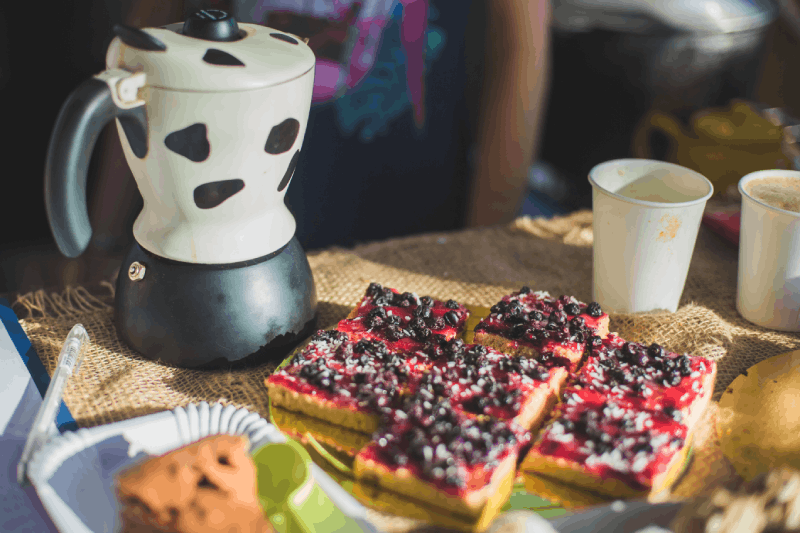
What complements the rich and spicy flavor of a one pan breakfast is entirely a personal preference, but both have different advantages. Brewing a black tea aids digestion and balances the oily texture of the breakfast. On the other hand, freshly brewed filter coffee or a strong espresso made with a moka pot provides the sharp stimulating effect needed after a potato and meat breakfast. If it’s a cold morning, drinking a warm herbal tea with ginger and honey can also help maintain your body temperature. In either case, sipping your drink while listening to the sounds of nature is the most important part of breakfast.
What Is the Importance of Using a Lid Among Camping Equipment?
Many campers remember the pan but forget the lid; however, a lid works wonders in camp cooking. Using a lid helps trap heat in the pan, allowing food to cook much faster and more evenly, which means fuel savings. It also helps utilize steam for cooking the tops of eggs or melting cheeses. If your pan doesn’t have its original lid, a piece of aluminum foil or another flat plate of the right size will do the same job. Using a lid in windy conditions also prevents dust or leaves from getting into your food, providing a hygienic cooking process.
How Does Weather Affect Cooking Times?
In outdoor cooking, weather is the biggest variable. In very cold or windy weather, heating the pan and cooking the food can take twice as long as normal. Wind causes heat to dissipate quickly from the pan; therefore, you should definitely use a windbreak. At high altitudes, the boiling point of water drops, so boiling or cooking processes may vary. In humid weather, spices can clump together, and crisping potatoes may become difficult. In such cases, being patient and cutting the ingredients into smaller pieces to optimize cooking time is essential for a successful outcome.
How to Enrich Camp Breakfast with Local Ingredients?
Incorporating local products from the area you are camping into your breakfast turns your camping experience into a cultural journey. Fresh village cheese you buy from the village market, a local specialty product, or fresh fruits you gather from the roadside can make an ordinary breakfast extraordinary. Local ingredients are often fresher and more aromatic, and supporting local producers is part of the camping ethic. For example, if you are camping in the Aegean, you can blend your breakfast with plenty of olive oil and fresh herbs; if you are in the Black Sea, you can mix your breakfast with quality butter and corn flour to capture the spirit of that region.
How Should Salt Adjustment Be Made in One Pan Meals?
In the open air, our taste senses can sometimes change, so adjusting salt requires attention. Since processed products (sausage, pastirma, cheese) already contain a high amount of salt, you should always taste before adding extra salt to the dish. Instead of adding salt at the beginning of the cooking process, it is better to add it when the ingredients start to release their juices and absorb it better. Using sea salt or rock salt offers a richer mineral profile compared to regular table salt. Remember, it’s easy to add less salt, but taking back too much salt is nearly impossible in camping conditions.
What Should Be Done to Prevent Energy Drops After Breakfast?
A carbohydrate-rich breakfast can sometimes lead to "insulin spikes" and subsequent energy crashes. To prevent this, you should definitely add fibrous vegetables and healthy proteins to your breakfast to slow down digestion. Instead of starting heavy activity immediately after the meal, moving lightly for 15-20 minutes or tidying up the campsite can help balance your blood sugar. Additionally, drinking plenty of water supports the functioning of your digestive system. Adding a bit of dried fruit to your breakfast will help ensure a slow and steady release of energy into your bloodstream, keeping you energized throughout the day.
What Cutting Tools Should Be Found in a Camping Backpack?
Preparing food can turn into a hassle without a sharp knife. For camp cooking, specially designed, lightweight chef knives or foldable but sturdy knives should be preferred. An ergonomic handle is very important to avoid straining your hand while peeling potatoes or chopping vegetables. Additionally, carrying a lightweight, flexible plastic cutting board for cutting ingredients ensures hygiene and protects the surface of your pan. Always ensure that your knife is sharp; working with a dull knife is much more dangerous than working with a sharp one and unnecessarily prolongs the preparation process.
How to Establish a Balance Between Protein and Carbohydrates?
A perfect camp breakfast should meet all of the body's macro-nutrient needs. About 40% of your plate should consist of complex carbohydrates like potatoes or bread, 30% should be quality proteins like eggs or meat, and the remaining 30% should be vegetables and healthy fats. This balance is necessary to meet your immediate energy needs and for the repair of your muscles and long-lasting satiety. A breakfast focused solely on carbohydrates will make you hungry quickly, while a protein-focused meal may not provide the quick energy needed during activities. Aiming for a balanced plate maximizes your performance.
What Can Be Used Instead of Eggs for Vegan Campers?
For vegans, capturing the texture of eggs in a one pan breakfast is quite easy. "Scrambled Tofu," when mixed with turmeric and black pepper, resembles eggs in both appearance and taste. Additionally, a batter made from chickpea flour and water creates an omelet-like structure when cooked in the pan. Adding nutritional yeast enhances these mixtures with a cheesy and nutty flavor, increasing their nutritional value. These alternatives provide high protein content, helping vegan campers maintain their muscle health while offering the tastiest form of plant-based energy.
How Are Hygiene Rules Applied in Camp Cooking?
When cooking outdoors, hand hygiene and surface cleanliness are the most critical issues. Before starting food preparation, you should always clean your hands with biodegradable soap or alcohol-based disinfectants. Knives and boards that have come into contact with raw meat should be thoroughly disinfected before touching vegetables to prevent cross-contamination. Storing your ingredients in airtight containers and, if possible, in a cool place prevents bacterial growth. Keeping the trash bin closed in the campsite prevents flies and insects from reaching your food, ensuring your food safety. Remember, food poisoning can turn your vacation into a nightmare.
How to Ensure Portion Control in Group Camps?
If you are camping with a large group, a one pan breakfast can turn into a massive feast. In this case, it is standard to calculate at least one medium potato and two eggs per person. A large paella pan or a wide griddle is ideal for cooking everyone's meal at the same time. Preparing the ingredients in bulk and distributing them into the pan ensures that everyone gets an equal amount of protein and vegetables. When serving, it is practical to divide portions from the center of the pan for fair distribution. A breakfast prepared with group energy creates some of the best camping moments shared.
What Is the Importance of Hydration in the Morning?
During the night, the body loses fluids through breathing and sweating, so the first thing in the morning should be to drink water. The tea or coffee consumed during and after breakfast has diuretic properties, so you should drink an extra glass of water to replace the fluids you lost. Hydration directly affects your ability to focus and your physical endurance. If the weather is very hot, adding a bit of salt and sugar (or electrolyte powder) to your water can help maintain your body's mineral balance. Remember, a dehydrated body tires much faster and becomes vulnerable to external factors.
What Is the Most Practical One Pan Recipe for Minimalist Campers?
If you adopt a minimalist approach, you can create wonders with just three main ingredients: eggs, canned beans, and pre-sliced smoked meat. Heating the beans in the pan and lightly mashing them before cracking the eggs on top and adding the smoked meats takes only 5 minutes. This recipe takes up very little space and is extremely easy to clean. Just salt and pepper as spices will be sufficient. This "quick and effective" breakfast is a lifesaver for those who will be doing peak climbing or for cyclists who need to pack up quickly and hit the road.
How to Make Breakfast Preparation Easier by Preparing at Night?
If you don’t want to deal with food in the morning haze, you can do some of the preparations over the fire at night. Pre-cooking the potatoes over the coals and just heating and crisping them in the morning provides great convenience. Chopping the vegetables the night before and putting them in an airtight container minimizes morning preparation time. In fact, instead of completely extinguishing your fire at night, leaving some coals under control (in suitable conditions) will speed up your morning fire revival. These small strategies will allow you to focus on your breakfast without stress when you wake up in the morning and bring out the flavor of nature even more.
Is Presentation Important in Camp Breakfast?
Being in nature does not mean sacrificing aesthetics. Serving food cooked in a single pan directly from the pan, sprinkled with fresh greens on top, presents a visual feast. A wooden base or simple enamel plates complete the camping atmosphere. The blending of the colors of the food (the red of the pepper, the yellow of the egg, the golden color of the potato) increases the appetite. A beautiful presentation is not only about filling the stomach but also about savoring the moment and nourishing the soul. Taking a photo of this artwork you prepared will be the most appetizing shot in your camping album.